Tile roofing contractors live and die by timing. A cracked clay tile after a hailstorm or a homeowner comparing quotes for a full Spanish tile reroof both search Google before they call anyone, and the contractor who shows up first often wins the job. Yet many roofing companies still run Google Ads with little more than broad keywords and a generic contact form, missing the buyers who visit the site, research pricing, and leave without ever entering a CRM. This guide lays out how to build Google Ads campaigns that close that gap between clicks and signed contracts, and how to fold that paid search work into the email, social, and trade show efforts already underway.
How to Generate Tile Roofing Contractor Leads with Google Ads: A Step-by-Step Guide
Modern tile roofing contractors operate in a competitive landscape where every qualified lead counts. Precision in paid media and a unified approach to audience insights drive superior results for B2B teams seeking higher quality project inquiries.
Success with Google Ads for tile roofing contractors demands a framework that connects advanced targeting, conversion-driven landing pages, and dynamic attribution. Leveraging real-time visitor identification and intent enrichment, contractors can surface in-market buyers and activate campaigns with clear ROI.
This comprehensive guide covers:
- Data-driven paid search approaches: Ground campaign strategy in analytics, leveraging historical performance and intent signals to inform keyword selection and bid management. Contractors using enriched data can prioritize spend on high-value accounts, ensuring paid search budgets reach those most likely to convert.
- Tile roofing-specific keyword and audience targeting: Focus on granular keyword research tailored to local and commercial tile roofing needs. Dynamic audience segmentation enables marketing teams to adjust targeting as leads progress through research, consideration, and purchase stages.
- Landing page optimization for conversions: High-performing campaigns use dedicated landing pages aligned to specific ad groups. These landing pages streamline inquiry capture with clear calls to action and relevant content, minimizing drop-off and maximizing lead quality.
- Performance improvement tactics: Continuous optimization is essential. This includes refining negative keyword lists, adjusting ad copy for seasonal trends, and leveraging real-time behavioral data to shift budget toward campaigns with the greatest conversion potential.
- Cross-channel integration to enhance overall marketing effectiveness: Integrate Google Ads data with CRM and sales systems, syncing enriched audience and lead information to ensure seamless nurture workflows. This unified approach closes the loop between ad spend, pipeline, and revenue attribution.
For a hands-on look at effective Google Ads strategies tailored to roofing, check out this video tutorial for roofing companies.
Many contractors miss opportunities by overlooking anonymous site traffic. Advanced solutions now identify the companies behind that traffic using first-party data, enabling real-time identification of visiting companies and contact-level intent. By syncing these insights across channels, tile roofing contractors can retarget high-fit leads, accelerate engagement, and improve the effectiveness of both their Google Ads and broader demand generation efforts. Ready to see the impact firsthand? Get started for free with Sona.
Why Does Google Ads Matter for Tile Roofing Contractors?

Google Ads delivers measurable growth for tile roofing contractors by connecting them with high-value prospects at the exact moment of need, whether that's a homeowner searching after a storm or a property manager comparing bids for a commercial reroof. Direct targeting and actionable insights help contractors avoid wasted spend and accelerate revenue in a market where speed, licensing credibility, and proof of ROI define success. If you're looking to better identify which companies and people are visiting your website, even if they don't fill out a form, Sona's Identity Resolution can reveal visitor intent and trigger automated actions for your sales team.
- Specialized Audience: Digital campaigns reach homeowners or property managers searching for tile roofing services, capturing demand before competitors can respond. Marketers leveraging advanced visitor identification can move beyond anonymous traffic, pinpointing key decision-makers and immediately qualifying high-intent leads.
- Higher Margin Services: The precision of Google Ads enables contractors to win lucrative projects by segmenting audiences based on urgency, property type, or recent storm damage events. This reduces the risk of delayed lead capture, allowing real-time action as soon as intent is detected and shifting budgets to the highest-converting accounts using real-time audience data.
- Immediate Results: Google Ads campaigns provide rapid visibility during critical events like storm season, securing emergency repair jobs or insurance-driven replacements when timing is everything. For a visual walkthrough on effective Google Ads strategies in roofing, check out this video tutorial for roofing companies.
- Regional Visibility: Campaigns can be geo-targeted to expanding metros or underserved neighborhoods, maximizing every dollar spent on local tile roofing advertising. Syncing enriched audience data into ad platforms and CRMs allows for seamless follow-up and consistent brand presence across all channels, especially when leveraging automated CRM syncing.
- Integrated Data Analysis: A unified approach to measurement connects every click, form submission, and offline contract, minimizing inconsistencies and revealing which PPC for roofing contractors strategies drive the highest returns. Online and offline attribution delivers a holistic view of campaign performance, empowering teams to optimize spend and improve Google Ads ROI for roofing with every iteration.
Common Types of Google Ads Campaigns for Tile Roofing Services

- Search Campaigns: Search campaigns address urgent, high-intent service requests from property owners who need tile roofing contractors immediately, and this is where Responsive Search Ads, an ad format within Search, let contractors test multiple headlines and descriptions to match both emergency repair searches and planned installation research. These campaigns focus budget on bottom-of-funnel intent, ensuring ads appear when prospects are actively looking for tile roof repairs or installations. With real-time visitor identification and intent monitoring, marketers can prioritize spend on the prospects most likely to convert, moving away from guesswork and undefined lead sources.
- Display Ads: Display advertising keeps tile roofing brands visible across news sites, blogs, and forums where property managers, real estate professionals, and homeowners consume content. Consistent messaging on the display network reinforces brand authority and keeps your service top-of-mind as prospects conduct research. Dynamic audience updates ensure ads are only shown to relevant decision-makers as leads move in and out of the buying cycle, optimizing impressions and minimizing wasted spend.
- Video Ads: Video campaigns enable roofing specialists to demonstrate expertise, showcase project results, and build trust with detailed service walkthroughs. Visual storytelling gives potential clients a first-hand look at craftsmanship and safety processes, adding a compelling, educational layer to digital marketing efforts. Integrating advanced conversion tracking lets marketers attribute offline calls or form fills directly to specific video assets, providing a clearer view of Google Ads ROI for roofing.
- Remarketing: Remarketing campaigns re-engage visitors who previously explored your services but paused before committing. These ads are personalized based on the visitor's stage in the decision-making process, ensuring messages stay relevant and drive action. By syncing audiences between CRM and Google Ads, marketers can automatically adjust targeting as prospects request quotes, schedule consultations, or drop off, maximizing the impact of each retargeting impression. If you want to power your remarketing with seamless data activation and audience management, get started for free with Sona.
Where to Find Growth Opportunities?

Growth-focused tile roofing contractors benefit from precision targeting, strategic content, and data-driven campaign optimizations. Identifying untapped channels and leveraging intent signals can transform how efficiently marketing dollars are spent.
- Targeting vertical-specific keywords: Prioritize keywords tailored to the tile roofing sector, such as "clay tile roof replacement" or "Spanish tile roof repair." These terms align closely with high-intent customers, ensuring your ad spend reaches homeowners actively seeking your expertise. Enhanced visitor identification tools enable marketers to move beyond anonymous clicks, revealing which companies and decision-makers are expressing interest in these targeted queries.
- Analyzing competitor gaps for underserved segments: Regularly audit competitor ad copy, landing pages, and keyword targeting to pinpoint areas where demand is high but competition is low. For example, if few firms are bidding on "energy-efficient tile roofing solutions," this represents a chance to claim market share. Real-time intent data can reveal emerging trends, allowing you to shift budget toward keywords attracting in-market buyers who may otherwise be overlooked.
- Placing ads in tile roofing industry forums or directories: Engage audiences on platforms where professionals and property owners discuss tile roofing needs. Advertising in forums or local trade directories increases visibility among decision-makers at crucial moments in their research process. Syncing enriched audience data from these niche sources into your CRM and Google Ads ensures your messaging remains relevant as new leads progress through the funnel.
- Retargeting with educational content: Many prospects researching tile roofing services require multiple touchpoints before converting. Deploy retargeting strategies that deliver how-to videos or in-depth guides to previously engaged visitors, nurturing them until they are ready to inquire. Dynamic audience segments update automatically as leads interact with your content, so your retargeting always aligns with current buyer intent and stage, preventing lost opportunities and maximizing campaign ROI.
How to Apply Audience Segmentation for Tile Roofing Contractors
Precise audience segmentation empowers tile roofing contractors to deploy advertising budgets with accuracy, surfacing high-value leads at the ideal moment in their buying journey. By layering behavioral signals and demographic data, B2B marketers can engage decision-makers before competitors, ensuring every ad dollar is optimized for intent and readiness to convert.
- Define segments, such as residential vs. commercial projects: Start by dividing your customer base into distinct segments. Residential projects often require different messaging, offers, and timelines than commercial roofing clients, who may have larger budgets and longer consideration phases. This separation allows for tailored creative, landing pages, and value propositions that speak directly to each segment's priorities. To implement actionable frameworks, refer to our collection of playbooks.
- Overlay intent signals, capturing prospects' readiness for conversion and preventing competitors from engaging first: Integrate real-time behavioral triggers to identify when prospects are actively researching tile roofing solutions. When advanced platforms unify web visits, content engagement, and offline signals, marketers can prioritize outreach to in-market buyers, shifting spend to high-intent accounts and reducing wasted impressions on unqualified audiences.
- Create customized ad groups for each segment: Build unique Google Ads ad groups for each audience, aligning ad copy, extensions, and calls-to-action with the buyer's stage and segment. This structure ensures relevance and boosts quality scores, while enabling dynamic audience updates as leads progress. For example, contractors can automatically move a property manager from an awareness campaign to a high-conversion retargeting list as they engage with Sona's Audiences tool.
- Validate conversion paths and integrate with CRMs for a seamless data flow, sidestepping risks of churn or missed upsell opportunities due to unsurfaced engagement signals: Connect audience segmentation with CRM and marketing automation workflows to track every interaction across channels. When enriched audience data and lead engagement history sync into platforms, revenue teams gain a unified view of pipeline movement and can quickly act on upsell or renewal triggers. This approach minimizes customer churn and surfaces hidden cross-sell opportunities, driving higher Google Ads ROI for roofing contractors.
This is also where measurement changes the economics. With Sona Marketing Measurement you can identify the companies and buyers behind your ad clicks, not just anonymous sessions, and segment audiences by who actually becomes a customer. That lets you build bid adjustments and audience signals around the segments that convert and de-prioritize the ones that don't, so you feed Google's algorithms "this click became a paying tile roofing contractors customer" instead of just "someone filled out a form."
Keyword Strategy & Sample Target Terms
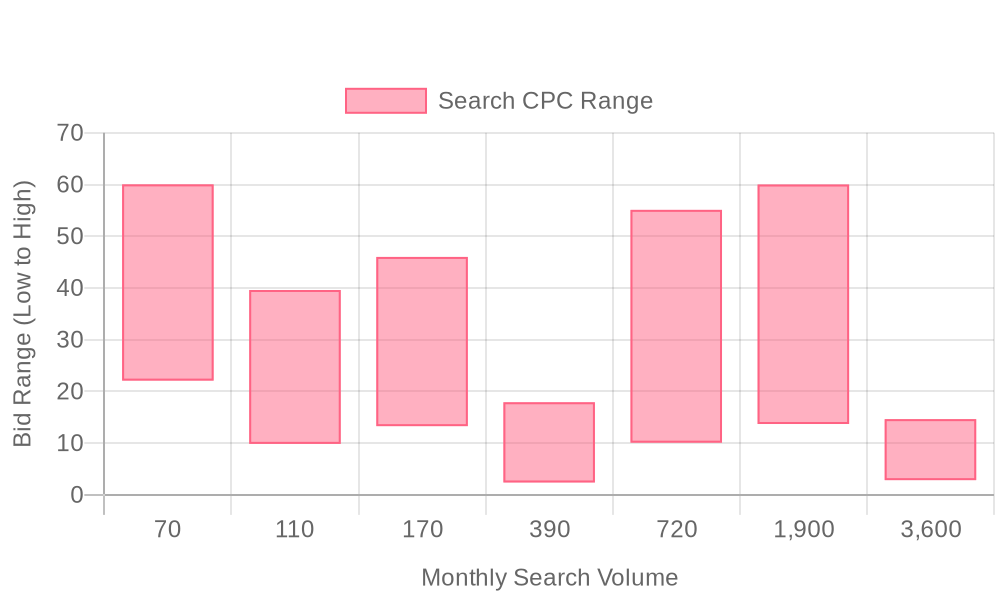
| Industry | Keyword | Monthly Search Volume | Competition Level | Low Bid | High Bid |
| Tile Roofing Contractors | tile roofing contractors near me | 70 | LOW | 22.09 | 60.02 |
| Tile Roofing Contractors | clay tile roof repair near me | 110 | LOW | 9.86 | 39.61 |
| Tile Roofing Contractors | tile roofing contractors | 170 | LOW | 13.29 | 46 |
| Tile Roofing Contractors | clay tile roofers near me | 390 | MEDIUM | 2.4 | 17.91 |
| Tile Roofing Contractors | tile roofing companies near me | 720 | LOW | 10.09 | 55.1 |
| Tile Roofing Contractors | tile roof repair near me | 1900 | LOW | 13.7 | 60 |
| Tile Roofing Contractors | tile roofers near me | 3600 | MEDIUM | 2.85 | 14.64 |
Precision in keyword strategy defines the difference between wasted budget and measurable lead growth for tile roofing contractors. Leveraging a focused set of high-intent and location-specific terms ensures your paid search campaigns reach homeowners and property managers actively seeking tile roofing services.
- Local modifiers for targeting: Incorporate city names, neighborhoods, or "near me" phrases within your keyword lists to capture local demand. For example, terms like "tile roofing contractor in Phoenix" or "tile roof repair near me" connect your ads directly with prospects ready to engage in your service area. For more location-based strategies, review our collection of actionable guides and strategies.
- Prioritize high-intent search terms: Target keywords with clear purchase or service intent such as "emergency tile roof repair," "best tile roofing company," or "Spanish tile roof installation." These terms typically have higher conversion rates and reflect users further along the buying journey. Utilizing real-time audience segmentation can further refine your targeting and amplify campaign effectiveness.
- Implement negative keywords: Exclude irrelevant queries that can erode your campaign efficiency. For instance, filtering out terms like "tile roofing DIY" or "tile samples free" prevents non-buyer clicks, protecting your budget and improving lead quality.
Aligning these keyword tactics with real-time visitor identification and behavioral data allows revenue teams to uncover in-market buyers, not just anonymous clicks. By dynamically updating keyword lists based on shifting intent and syncing enriched lead insights into ad platforms and CRM systems, marketers ensure their campaigns stay agile, relevant, and consistently drive ROI.
Step-by-Step Campaign Execution Framework
The competitive tile roofing market demands precision and efficiency from every marketing dollar. Revenue teams rely on actionable data and unified workflows to target the right customers at the right time, ensuring resources are never wasted on low-intent prospects. With a strategic approach to campaign execution, tile roofing contractors gain greater visibility, outpace local competitors, and convert high-value leads with confidence.
Step 1: Build Targeted Keyword Lists
- Cluster by service types: installations, repairs: Segmenting keywords based on specific service offerings, such as tile installations and emergency repairs, helps campaigns capture intent at every buying stage. This approach ensures ads resonate with distinct customer needs and search behavior.
- Localize with geo-specific terms: Adding city, neighborhood, and regional identifiers filters out irrelevant clicks and places your business in front of homeowners seeking nearby solutions. Hyper-local targeting improves cost efficiency and ad relevance.
- Incorporate long-tail keywords: Long-tail phrases like "clay tile roof leak repair in Austin" reduce wasted ad spend by targeting prospects with high purchase intent. This specificity boosts lead quality and lowers competition, driving a better return on investment.
Modern marketers can layer in real-time audience insights to further refine these keyword lists. By identifying which companies are actively researching tile roofing solutions, revenue teams can prioritize high-value accounts and dynamically adjust their keyword mix as intent signals change.
The upgrade most tile roofing contractors advertisers miss is going beyond raw keyword volume to layer in intent and identity signals. By connecting website-visitor data and CRM records with Sona Marketing Measurement, you can see which specific search terms bring in the accounts and customers that actually convert, and weight your keyword and bidding strategy toward those rather than the terms with the highest search volume alone.
Step 2: Develop Compelling Ad Copy
- Focus on pain points, highlighting benefits: Messaging should address urgent customer concerns, such as storm damage or energy efficiency, while emphasizing unique selling points like certified installers or industry warranties. Clear, solution-oriented language builds trust from the first impression.
- Use trust markers like free estimates to engage prospects promptly: Including offers such as "free inspection within 48 hours" or "licensed and insured experts" increases click-through rates and establishes credibility. Trust signals reduce friction for first-time inquiries and set the stage for prompt follow-up.
Dynamic audience syncing ensures that ad copy remains relevant as prospects progress through the buying journey. As new leads are identified or existing accounts show increased engagement, messaging can be automatically tailored to their current pain points and buying signals. For actionable tips on refining your copy and ad approach, explore the Sona blog.
Step 3: Design Effective Landing Pages
- Ensure alignment between keywords, ads, and landing pages: Every landing page should directly reflect the keyword and ad that brought the visitor, reinforcing message consistency and boosting conversion rates. For example, a search for "emergency tile roof repair" should lead to a landing page focused exclusively on rapid response services.
- Maintain mobile-friendliness and use strong CTAs to prevent late engagement: Mobile-optimized design, fast load times, and clear calls to action, such as "Book a Free Estimate" or "Get Roof Inspection Now," encourage immediate inquiries and prevent lost opportunities.
Sophisticated platforms enable marketers to identify returning visitors and re-engage them with personalized landing experiences. By analyzing past engagement and intent data, landing pages can be dynamically adjusted to address the specific concerns of high-value leads. For additional guidance on best practices in landing page design, you can watch this video tutorial on Google Ads strategies.
Step 4: Implement Data-Driven Optimizations
- Utilize Target CPA or smart bidding: Automated bidding strategies, informed by real conversion data, help maximize qualified leads while controlling acquisition costs. These tools adjust bids in real time, prioritizing spend on the prospects most likely to convert.
- Leverage offline conversion tracking for insights to improve lead response time and customer interaction: Integrating offline sales and call outcomes back into campaign data closes the attribution loop. This empowers contractors to identify which keywords and ad placements drive actual revenue, not just form fills.
By syncing CRM and offline lead data with ad platforms, marketing teams gain a holistic view of campaign performance, including which touchpoints accelerate deal cycles and which audiences warrant additional investment. Real-time reporting and attribution enable continuous optimization, ensuring every dollar spent contributes directly to pipeline growth and measuring marketing's influence on the sales pipeline.
Sona Marketing Measurement closes the gap between clicks and revenue. It captures ad clicks with first-party measurement rather than relying on third-party cookies, then ties that click through UTM capture and ad-platform APIs to the actual record in your CRM, and reports ROAS by keyword and campaign instead of by last-click form fill. Feeding that revenue signal back into Smart Bidding and Performance Max compounds over time: the algorithms optimize toward booked tile roofing contractors revenue, not cheap leads.
Tips on Expanding Your Tile Roofing Contractor Presence

Expanding a tile roofing contractor business requires a coordinated approach that blends digital precision with high-touch engagement. Leveraging advanced advertising strategies ensures your brand stays top-of-mind in a competitive, location-driven market. Dive into additional marketing analytics articles to strengthen your digital foundation.
- Cross-promote content in retargeting campaigns to minimize the risk of engagement lag: Retargeting is critical for tile roofing contractors, as many prospects take time before making a decision. By cross-promoting educational content and service highlights, you keep your business visible and nurture interest throughout the buyer's journey. When ad platforms are integrated with real-time audience data, it becomes easier to tailor retargeting sequences to each visitor's demonstrated intent, reducing wasted impressions and maximizing touchpoint relevance.
- Use segmented CRM data to strategically upsell or cross-sell additional services: Segmenting your CRM enables personalized messaging to past clients or leads, making upsell and cross-sell efforts more effective. Syncing CRM insights with advertising platforms ensures campaigns are always based on the latest customer lifecycle data, so offers for gutter cleaning, roof inspections, or storm damage repairs reach the right audience at the right time. Seamless audience data sync between your CRM and ad platforms ensures that campaigns always reflect the most up-to-date signals.
- Collaborate with industry associations for increased visibility: Partnering with regional or national roofing and construction associations can amplify brand authority and expand networking opportunities. Joint events, co-branded webinars, or shared content initiatives position your business as a trusted leader, while digital campaigns targeting association members can drive further engagement. For actionable strategies, consult this playbook collection for B2B marketing and sales success.
- Utilize local targeting to dominate specific geographic areas, ensuring the messaging aligns with buyer stages and preventing confusion or disengagement: Local targeting allows tile roofing contractors to focus marketing budgets on high-value neighborhoods or regions most likely to convert. By tailoring messaging according to buyer stage, such as awareness, consideration, or post-storm urgency, contractors avoid generic outreach and instead deliver timely, relevant offers that prompt action. Integrating intent data signals helps prioritize spend on in-market prospects, further enhancing campaign ROI.
A structured, well-integrated Google Ads strategy changes the math for tile roofing contractors. Precise keyword targeting, personalized audience segmentation, and consistent performance optimization address the industry's recurring problems, anonymous traffic and delayed lead capture, directly. Paired with SEO and content work, it builds a pipeline that doesn't dry up the week after a storm passes.
Beyond Google Ads: Winning the AI Answers Tile Roofing Contractors Buyers Now Trust
Paid search captures demand at the moment someone types a query. But a fast-growing share of tile roofing contractors buyers no longer start at Google at all, they ask ChatGPT, Gemini, or Perplexity before they ever run a search, and Google's own AI Overviews increasingly summarize an answer above the traditional results. If your business isn't referenced in those AI answers, you're invisible at the exact moment buyers build their shortlist.
Sona AI Visibility shows where your business shows up across ChatGPT, Gemini, Perplexity, Google AI Overviews, and 10+ engines, and, much like a keyword report, which prompts actually send you buyers, so you can prioritize the ones that convert. Run the two together and you cover the entire buyer path: get cited where buyers research (AI Visibility), then prove which of that demand turns into booked revenue (Marketing Measurement).
Helpful resources
Conclusion
The tile roofing contractors who win the next few years won't just outbid competitors on cost-per-click, they'll be the ones whose Google Ads spend is tied to actual signed jobs, whose keyword strategy adjusts as storm seasons and material trends shift, and whose ads show up wherever buyers now look, including the AI tools increasingly standing in for a Google search.
To take your marketing strategy to the next level and get insights tailored to your roofing business, start for free on our platform today.
FAQ
How can I set up a successful Google Ads campaign for my tile roofing business?
To set up a successful Google Ads campaign for your tile roofing business, focus on advanced targeting, conversion-driven landing pages, and dynamic attribution. Use data-driven approaches for keyword selection and bid management, and integrate your campaign with CRM systems for seamless lead nurturing.
What are the best keywords for Google Ads in the tile roofing industry?
The best keywords for Google Ads in the tile roofing industry include location-specific terms like 'tile roofing contractor in Phoenix' and high-intent phrases such as 'emergency tile roof repair' or 'best tile roofing company.'
How much does it cost to run Google Ads for tile roofing services?
The cost of running Google Ads for tile roofing services varies based on factors like keyword competition and geographic targeting. Budget allocation should prioritize high-value accounts and be adjusted based on conversion potential.
What is the conversion rate for Google Ads in the tile roofing sector?
The conversion rate for Google Ads in the tile roofing sector depends on factors such as ad relevance, keyword targeting, and landing page optimization. Continual optimization and precise audience targeting can improve conversion rates.
How can I track the effectiveness of my Google Ads for tile roofing?
Track the effectiveness of Google Ads for tile roofing by integrating with CRM systems, using offline conversion tracking, and leveraging real-time data insights to measure pipeline impact and revenue attribution.
Are there any specific ad formats that work better for tile roofing contractors?
Specific ad formats that work well for tile roofing contractors include search campaigns for urgent service requests, display ads for consistent brand visibility, and video ads for showcasing expertise and building trust.
What is the average cost per click for tile roofing Google Ads?
The average cost per click for tile roofing Google Ads can vary based on keyword competition and targeting strategies. Utilizing data-driven approaches can help manage and reduce CPC effectively.
How can I optimize my Google Ads for better results in tile roofing?
Optimize your Google Ads for better results by refining negative keyword lists, adjusting ad copy for seasonal trends, using real-time behavioral data to shift budget, and continuously improving landing page conversions.
Do Google Ads work better for residential or commercial tile roofing contractors?
Google Ads can be effective for both residential and commercial tile roofing contractors, but success depends on tailored messaging and targeting strategies that address the specific needs and budgets of each segment.
What are some examples of successful Google Ads campaigns for tile roofing businesses?
Successful Google Ads campaigns for tile roofing businesses often include targeted search ads for immediate service requests, display ads for brand reinforcement, and remarketing ads to re-engage potential clients.