Senior insurance shoppers rarely convert on the first click. They compare Medicare Supplement rates, ask a spouse or an adult child for a second opinion, and often return weeks later once an enrollment deadline is close. Google Ads is where that research begins and, if a campaign is built well, where it ends. In competitive insurance markets, high-value prospects who never enter the CRM are effectively invisible, and ad spend keeps chasing cold traffic instead of the seniors and family decision-makers already searching for Medicare Supplement plans, low-cost senior insurance options, or coverage suited to pre-existing conditions.
How to Generate Senior Insurance Leads with Google Ads: A Step-by-Step Guide

Senior insurance providers operate in a highly competitive landscape where timing, personalization, and compliance are critical. Google Ads for Senior Insurance Plans empowers marketing teams to reach seniors at the exact moment they are searching for Medicare, Medigap, or long-term care solutions. With the right strategy, campaigns can deliver qualified leads while maintaining strict adherence to regulatory standards. For additional insight into digital strategies, explore our blog.
Effective digital marketing for seniors combines data-driven targeting, intent signals, and CRM integration. By leveraging real-time audience data built on company-level identification and first-party measurement, marketers can prioritize high-value prospects and reduce wasted spend. This approach turns anonymous website visits into actionable profiles, helping revenue teams focus outreach on the individuals and organizations most likely to convert.
- Data-driven Approach to Paid Search: Insurance lead generation that relies on static keywords and broad demographic audiences leaves money on the table during enrollment windows, when interest spikes and fades fast. Surfacing real-time in-market behavior lets marketers spot the moment a senior or their family starts actively comparing coverage. Feeding these high-intent segments into Google Ads directs budget toward prospects with the greatest likelihood of conversion, and dynamic updates keep targeting current instead of running against stale lists once eligibility or plan availability changes.
- Keyword and Audience Targeting: Identifying best-fit keywords like "Medicare advertising strategies" and "health insurance for seniors" is only the beginning. Without smart scoring, teams risk chasing low-value leads and missing key opportunities. Integrating fit and intent scoring ranks leads and accounts based on likelihood to engage, aligning ad delivery with both search intent and lifetime value. Marketers can further refine targeting by syncing enriched audience data to Google Ads for precise activation.
- Landing Page Optimization: Senior insurance prospects expect a frictionless experience from ad click to conversion. Landing pages must match ad messaging, feature clear calls to action, and offer relevant resources tailored to seniors' concerns. Automated triggers can coordinate follow-up outreach with peak interest, ensuring sales teams engage prospects when they are most receptive. Connecting digital activity with offline conversations provides a full-funnel view, increasing close rates through timely, personalized engagement.
- Performance Optimization: Effective insurance ads compliance and campaign measurement require more than surface-level analytics. Continuous optimization is possible when campaign data, CRM outcomes, and offline conversions are unified. Automated audience refresh ensures that segments reflect the current market, while advanced attribution models measure the true return on advertising investment across both online and offline touchpoints. This feedback loop enables marketers to double down on high-performing tactics and adjust quickly to market shifts.
Unifying company-level identification with real-time behavioral insights turns senior insurance marketing from guesswork into a strategic growth engine. Built into Google Ads for insurance agents and B2B revenue teams, this combination sharpens targeting, raises lead quality, and improves ROI across the funnel. Ready to elevate your lead generation? Get started for free with Sona.
Why Does Google Ads Matter for Senior Insurance Plans?

Senior insurance is a high-stakes industry where timing and precision directly impact pipeline and revenue. With more seniors researching Medicare, Medigap, and long-term care options online, digital channels are now mission-critical for insurance teams seeking to connect with high-value prospects during brief enrollment windows. For strategies specifically tailored to this space, explore how Google Ads drives growth in senior care.
- Complex, Specialized Audience: Senior insurance buyers are not a monolithic group. They span age tiers, health profiles, and regional markets. Traditional targeting methods struggle to keep up as eligibility, plan availability, and needs shift rapidly. Real-time audience management powered by first-party data lets marketers auto-refresh their campaigns with new, high-intent profiles, keeping outreach accurate, relevant, and compliant as regulations and market conditions evolve. This approach is especially valuable for engaging seniors actively evaluating plans or newly eligible, ensuring every dollar spent reaches those most likely to convert.
- Higher Margin Services: The senior insurance sector offers significant upsell potential, but only if marketing reaches prospects ready for premium services like Medigap or comprehensive Medicare Advantage plans. Advanced scoring based on behavioral signals allows teams to prioritize ad spend on accounts demonstrating purchase readiness, not just demographic fit. By integrating intent data and enrichment into Google Ads, marketers can surface accounts at crucial buying stages and steer budget toward segments with the highest lifetime value, giving sales teams more qualified leads and reducing acquisition costs.
- Faster Demand Response: Enrollment periods create intense, time-sensitive demand spikes. Delayed outreach means lost policies. Automated syncs between CRM, intent signals, and Google Ads enable instant campaign pivots as new leads flood the funnel. With synchronized audiences and real-time updates, insurance marketers can engage prospects within minutes of interest, maximizing conversion rates and minimizing drop-off that occurs with slow follow-up.
- Visibility in Emerging Regions: Growth in senior insurance is not limited to established metros. Expanding into new or underserved areas requires fresh, accurate data to avoid wasted impressions. Automated audience refreshes draw from multiple sources, ensuring that campaigns reach newly eligible seniors in any region as soon as they enter the market. This approach opens doors to untapped segments, helping agencies and carriers scale efficiently.
The strongest senior insurance advertisers pair Google Ads with intent data, enriched lead scoring, and dynamic audience updates, closing the loop between campaigns, sales outreach, and pipeline reporting at every stage of the buyer journey.
Common Types of Google Ads Campaigns for Senior Insurance Services

- Search Campaigns: Search campaigns serve as the frontline for senior insurance providers aiming to capture demand from seniors and their families who are actively seeking Medicare Advantage, Medigap, or long-term care information. By targeting high-intent queries, these campaigns connect your offering to prospects at the precise moment they are making critical coverage decisions. When integrated with advanced visitor identification, marketers can pinpoint not just anonymous clicks but actual companies or individuals engaging with specific insurance topics, allowing for quick prioritization and tailored follow-up.
- Display Ads: Display campaigns elevate brand visibility across websites frequented by seniors, caregivers, and family decision-makers. This format goes beyond broad awareness, it enables segment-specific creative, ensuring messages resonate with different age brackets, income ranges, or geographic areas. With dynamic audience technology, display ads can automatically update targeting segments as users engage with your site or marketing materials, ensuring campaigns remain relevant as prospects progress through the decision funnel.
- Video Ads: Complex insurance concepts often require more than static text to build understanding and trust. Video campaigns offer a way to explain Medicare benefits, enrollment timelines, or long-term care options through accessible, visual storytelling. When marketers leverage real-time intent indicators, they can shift video ad budget toward accounts showing active research behavior, improving engagement rates and cost efficiency while aligning educational content with the right viewers. Learn more about Google Ads strategies for driving leads in the senior care industry.
- Remarketing: Many prospects exploring senior insurance plans need multiple touchpoints before converting. Remarketing campaigns keep your brand visible to those who have shown interest but have not yet taken action, using tailored messages that reflect their prior engagement. By syncing enriched CRM data and audience lists directly with Sona, marketers can automate follow-ups, trigger relevant offers, and maintain engagement across channels, ensuring that high-value leads are nurtured until they are ready to enroll.
Keyword Strategy & Sample Target Terms
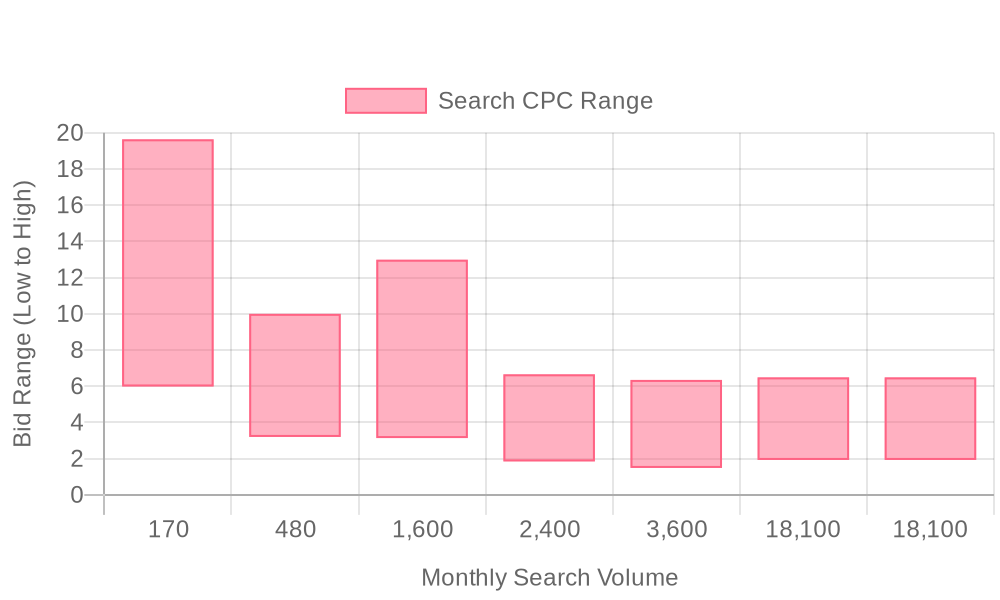
| Industry | Keyword | Monthly Search Volume | Competition Level | Low Bid | High Bid |
| Senior Insurance Plans | senior insurance plans | 170 | HIGH | 5.99 | 19.64 |
| Senior Insurance Plans | dental insurance for seniors on medicare aarp | 480 | MEDIUM | 3.2 | 10 |
| Senior Insurance Plans | seniors health insurance | 1600 | MEDIUM | 3.14 | 12.99 |
| Senior Insurance Plans | dental insurance for seniors on medicare | 2400 | MEDIUM | 1.85 | 6.66 |
| Senior Insurance Plans | best dental insurance for seniors on medicare | 3600 | HIGH | 1.49 | 6.35 |
| Senior Insurance Plans | dental insurance for seniors | 18100 | HIGH | 1.93 | 6.49 |
| Senior Insurance Plans | dental plans for seniors | 18100 | HIGH | 1.93 | 6.49 |
Precision keyword selection is the backbone of profitable Google Ads for senior insurance plans. Revenue teams who prioritize intent-driven search terms consistently outperform those relying on generic insurance keywords. By focusing on high-impact phrases such as "Medicare Supplement Plans Comparison," "Low-Cost Senior Insurance Options," and "Best Insurance Plans for Seniors with Pre-existing Conditions," marketers ensure every dollar drives qualified, ready-to-convert traffic. These terms attract seniors and decision-makers who are actively evaluating their insurance choices, not just browsing. For a deeper dive into Google Ads strategies that drive leads in this space, review this guide on Google Ads for senior care.
Aligning ad groups and landing pages around these specific themes streamlines the user journey from search to conversion. This alignment not only boosts Quality Score but also reduces wasted spend on low-intent clicks, leading to a measurable lift in campaign efficiency. To stay ahead in a dynamic market, leverage real-time visitor identification to move beyond anonymous clicks and recognize high-value prospects as soon as they engage. Marketers can further optimize bidding and creative with up-to-date insights from our blog, ensuring spend is directed toward accounts most likely to convert.
Dynamic audience management is essential for ongoing performance. As seniors move through the research and decision-making funnel, your audience lists should automatically reflect these changes, removing converted leads, adding new in-market profiles, and segmenting by engagement level. Integrated systems can enrich these lists with behavioral and CRM data, keeping Google Ads campaigns pointed at fresh, relevant profiles that match real buyer intent.
Where to Find Growth Opportunities?

Growth in senior insurance marketing requires a disciplined approach that leverages data-driven tactics and continually adapts to shifting demand. Teams that move beyond generic keyword strategies unlock new market segments and increase campaign efficiency. The key is embracing automation, real-time analytics, and precise retargeting to outperform traditional static campaigns.
- Keyword Targeting for Specialty Plans: Senior insurance buyers often search for highly specific coverage options, such as dental, vision, or hybrid Medicare Advantage plans. Conventional campaigns miss these micro-intents, leading to missed revenue opportunities. Dynamic keyword discovery and automated list updates ensure your ads stay relevant as new products and trends emerge. By integrating real-time visitor identification, marketers can quickly spot shifts in demand and allocate budget to high-converting specialty plan keywords, boosting both engagement and lead quality for Google Ads for Senior Care.
- Competitor Analysis: Understanding what competitors are missing allows you to fill market gaps and attract overlooked prospects. Deep analysis of competitor keyword portfolios and ad placements reveals untapped audiences and underused messaging themes. When B2B revenue teams combine this intelligence with enriched audience data, they can pinpoint high-value companies and decision-makers, focusing their spend on accounts most likely to convert. This level of precision transforms competitor analysis from a simple benchmarking exercise into a pipeline accelerator.
- Content Retargeting: Senior insurance buyers engage deeply with educational resources before making decisions. Premium content assets, such as comprehensive Medicare guides or long-term care planning ebooks, act as magnets for informed prospects. Modern retargeting strategies go beyond static lists, using behavioral signals and content engagement data to build dynamic audiences that evolve in real time. As leads interact with additional resources or move further down the funnel, automated audience syncing ensures they receive personalized ad messaging and are seamlessly moved into CRM workflows for tailored follow-up. This cycle not only improves conversion rates but also provides full-funnel attribution, allowing marketing and sales to accurately measure ROI from initial content engagement through to policy enrollment.
How to Apply Audience Segmentation for Senior Insurance

Audience segmentation is the foundation of high-performing Google Ads for Senior Insurance Plans. By distinguishing between retirees and younger seniors, marketers create campaigns that speak directly to each life stage, increasing response rates and reducing wasted spend. This approach ensures every ad dollar is directed to prospects most likely to convert, amplifying the impact of insurance lead generation and senior insurance marketing efforts.
- Define Segments: The first step is differentiating your audience based on their stage of life. Retirees, often over 70, prioritize stability, comprehensive supplemental coverage, and direct agent support. Younger seniors, new to Medicare or approaching retirement, are more focused on plan comparisons, prescription options, and affordability. By grouping these audiences, marketers can tailor language, benefits, and calls-to-action that speak to their distinct needs. This segmentation also supports compliance, as it keeps messaging precise and relevant, a top priority in health insurance advertising.
- Overlay Intent Signals: Layering real-time behavioral data onto demographic segments transforms static targeting into a dynamic, conversion-driven strategy. By identifying recent searches for phrases like "Medicare Advantage enrollment help" or "best Medigap rates," marketers can prioritize in-market seniors actively seeking coverage. Tools that unify first-party web behavior with CRM and ad platform data allow marketing teams to shift budget toward high-converting accounts as intent spikes. This ensures that ad spend flows to those closest to decision, not just those who fit the age or location profile. Learn how intent signals can highlight and prioritize your most engaged prospects.
- Ad Group Customization: Within each segment, ad groups should map to specific insurance products or benefits, such as supplemental plans, dental riders, or prescription coverage. Fit scoring, using a blend of firmographic, behavioral, and intent signals, guides how much budget to allocate to each group. Marketers leveraging CRM-integrated tools can auto-update audiences as seniors move from research to consideration, ensuring campaigns stay relevant as needs evolve. This prevents the stagnation of static lists and keeps targeting aligned with shifting preferences, especially crucial during peak Medicare advertising periods.
Advanced segmentation strategies offer another layer of precision by syncing CRM audiences with Google Ads, enabling real-time updates as prospects move through the funnel. When a senior requests a consultation or downloads a plan comparison guide, they are instantly added to the correct audience segment for follow-up ads. This approach eliminates outdated targeting and ensures no high-intent lead is missed, maximizing ROI and supporting ongoing compliance with insurance ads regulations.
This is also where measurement changes the economics. With Sona Marketing Measurement you can identify the companies and buyers behind your ad clicks, not just anonymous sessions, and segment audiences by who actually becomes a customer. That lets you build bid adjustments and audience signals around the segments that convert and de-prioritize the ones that don't, so you feed Google's algorithms "this click became a paying senior insurance plans customer" instead of just "someone filled out a form."
Step-by-Step Campaign Execution Framework
Step 1: Build Targeted Keyword Lists
Effective Google Ads for Senior Insurance Plans begin with assembling a keyword portfolio that reflects the unique search behaviors of seniors and their families. Include terms specific to senior insurance marketing, as well as modifiers by city or region to improve local relevance and capture high-intent prospects at the point of decision. This approach ensures campaigns surface to those actively seeking Medicare Advantage, Medigap, or long-term care coverage in precise geographic areas, as detailed in this step-by-step Google Ads guide for estate and senior home care.
Modern teams can now identify not only broad segments but also specific companies and individuals researching senior insurance options. By leveraging real-time visitor identification, marketers can prioritize high-value searches and pivot spend toward those most likely to convert. This level of targeting minimizes wasted impressions and aligns budget with accounts showing clear buying intent, ultimately increasing ROI for insurance lead generation. For more insights on building effective keyword strategies, explore our marketing analytics blog.
The upgrade most senior insurance plans advertisers miss is going beyond raw keyword volume to layer in intent and identity signals. By connecting website-visitor data and CRM records with Sona Marketing Measurement, you can see which specific search terms bring in the accounts and customers that actually convert, and weight your keyword and bidding strategy toward those rather than the terms with the highest search volume alone.
Step 2: Develop Compelling Ad Copy
Senior audiences demand clarity and trust in messaging, especially when evaluating insurance plans that impact their long-term wellbeing. Incorporate badges for certifications, highlight positive client testimonials, and use firmographic data to tailor calls to action such as “Get a Free Quote” for each audience segment. Messaging should be direct, accessible, and focus on the distinct benefits of each plan, ensuring engagement from both the seniors themselves and the family members advising them.
Dynamic audience profiling enables each ad variation to reflect the evolving needs and interests of every prospect. As leads move through the funnel, ad copy can be refined to address new questions or concerns, ensuring relevancy and improving the likelihood of action. The ability to sync enriched audience data between ad platforms and CRMs supports continuous improvement of messaging and higher engagement rates across all channels. For additional tips, check out our playbooks for optimizing marketing workflows.
Step 3: Design Effective Landing Pages
A seamless path from ad to landing page is crucial for converting interest into qualified insurance leads. Ensure every landing page matches the tone, language, and offer found in the original ad, reinforcing trust and minimizing confusion. Purpose-built forms should capture only essential information and integrate directly with your CRM, eliminating delays and guaranteeing fast, personalized follow-up for each inquiry. See strategies for using Google Ads to drive leads and grow businesses in the senior care industry.
Utilizing advanced identification tools, landing pages can now recognize returning visitors and adapt content or forms in real time. This boosts conversion rates by providing tailored experiences, such as displaying relevant plan comparisons or pre-filling forms with known data. Integrated workflows mean every lead is tracked from click to enrollment, closing attribution gaps and validating the effectiveness of your Google Ads budget for insurance. To learn how to track your marketing’s impact, visit our guide on measuring marketing's influence on the sales pipeline.
Step 4: Implement Data-Driven Optimizations
Continuous campaign improvement is fueled by rigorous A/B testing and real-time analysis of conversion data. Test variables such as headlines, calls to action, and imagery, using the results to inform rapid adjustments that maximize performance. Dynamic audience updates ensure retargeting efforts remain focused on accounts that demonstrate sustained interest or new intent signals, maintaining high efficiency throughout the funnel.
Sophisticated conversion tracking links both online and offline outcomes, providing a comprehensive view of what drives actual policy enrollments. By mapping every touchpoint, revenue teams can optimize bidding strategies and allocate spend toward the keywords, audiences, and creatives delivering the best results. CRM and ad platform synchronization allows for seamless lead handoff and attribution, ensuring that every marketing dollar is measured and every opportunity is capitalized on. If you’re ready to put these strategies into action, get started for free with Sona.
Sona Marketing Measurement closes the gap between clicks and revenue. It captures every ad click with first-party measurement, ties that click through UTM capture and ad-platform APIs to the actual record in your CRM, and reports ROAS by keyword and campaign instead of by last-click form fill. Feeding that revenue signal back into Smart Bidding and Performance Max compounds over time: the algorithms optimize toward booked senior insurance plans revenue, not cheap leads.
Tips on Expanding Your Senior Insurance Presence
To expand your senior insurance footprint, harness content-driven cross-promotion that aligns with every stage of the buyer’s journey. Educational assets, such as Medicare comparison guides, FAQs about long-term care insurance, and video testimonials, can be strategically deployed to support remarketing efforts, driving re-engagement precisely when prospects are evaluating options or nearing enrollment deadlines. Integrating these assets with digital campaigns ensures that high-value content reaches returning website visitors and lapsed inquiries, increasing both conversion rates and brand trust.
Leverage CRM data to implement advanced segmentation for upselling and cross-selling opportunities across your portfolio of senior insurance products. By dynamically grouping leads based on plan interest, life stage, and recent engagement, marketers can tailor offers for Medicare Advantage, Medigap, or supplemental benefits, instead of relying on generic messaging. This data-driven approach helps prevent message fatigue and surfaces the most relevant coverage options to each prospect, increasing the likelihood of policy upgrades or add-ons. For more on optimizing segmentation and activation, explore Sona’s Destinations feature.
Localized campaigns are essential for resonating with seniors in specific regions or communities. Use dynamically updated audience lists to keep targeting accurate as leads move from initial inquiry to active enrollment, factoring in local plan availability and regional care networks. The ability to sync enriched audience segments from CRM into Google Ads and preferred sales platforms enables marketers to prioritize outreach in top-performing zip codes, ensuring that campaigns adapt with shifting market demand and drive measurable, location-based growth. This holistic approach, built on unified data, dynamic segmentation, and localized activation, positions your brand to win as Google Ads for Senior Care becomes more competitive and customer expectations rise.
Beyond Google Ads: Winning the AI Answers Senior Insurance Plans Buyers Now Trust
Paid search captures demand at the moment someone types a query. But a fast-growing share of senior insurance plans buyers no longer start at Google at all, they ask ChatGPT, Gemini, or Perplexity before they ever run a search, and Google's own AI Overviews increasingly summarize an answer above the traditional results. If your business isn't referenced in those AI answers, you're invisible at the exact moment buyers build their shortlist.
Sona AI Visibility shows where your business shows up across ChatGPT, Gemini, Perplexity, Google AI Overviews, and 10+ engines, and, much like a keyword report, which prompts actually send you buyers, so you can prioritize the ones that convert. Run the two together and you cover the entire buyer path: get cited where buyers research (AI Visibility), then prove which of that demand turns into booked revenue (Marketing Measurement).
Helpful resources
Conclusion
Winning senior insurance leads through Google Ads comes down to matching campaign structure to how this audience actually shops: short, compliance-bound enrollment windows, family members researching alongside the policyholder, and searches that shift from broad comparison terms to urgent, specific ones as a deadline nears.
The advantage goes to teams that treat identity resolution and intent data as core infrastructure, not an add-on, so that every campaign adjustment is grounded in which clicks actually became enrolled policyholders.
To put this into practice, start for free and connect your go-to-market data to the campaigns already running.
FAQ
What are the best practices for using Google Ads for senior insurance plans?
Best practices include leveraging data-driven targeting, optimizing landing pages for a seamless user experience, and using advanced audience segmentation to reach high-value prospects at the right time.
How can I target seniors effectively with Google Ads?
Effectively targeting seniors involves using real-time audience data, intent signals, and dynamic audience management to ensure your ads reach seniors actively seeking Medicare, Medigap, or long-term care solutions.
What is the cost of running Google Ads for senior insurance plans?
The article does not specify the exact cost, but emphasizes focusing budget on high-intent segments and optimizing campaigns to reduce wasted spend.
What certifications do I need to advertise health insurance on Google?
The article does not specify certifications but suggests that compliance is crucial, and precise, relevant messaging is necessary for health insurance advertising.
How do I measure the success of my Google Ads for senior insurance?
Success can be measured by unifying campaign data with CRM outcomes, using advanced attribution models, and ensuring continuous optimization through A/B testing and data-driven adjustments.