


A break-in call at 2 a.m. or a false alarm that drags a technician across town both start the same way: someone searching Google for help right now. Security systems marketing lives and dies on that moment of urgency, yet high-intent prospects routinely slip past generic campaigns that treat a homeowner comparing doorbell cameras the same as a facilities director sourcing access control for three warehouses. Google Ads, used well, closes that gap by matching precise targeting to the specific way security buyers search and buy. This guide lays out strategies for turning that intent into qualified leads and measurable revenue, built specifically for security system providers.
How to Generate Google Ads Leads with Google Ads: A Step-by-Step Guide
Security systems marketing demands precision at every stage of the customer journey. Success hinges on capturing high-intent buyers as they actively seek solutions, while ensuring timely, relevant engagement that turns interest into qualified leads.
Modern B2B revenue teams use advanced identification and audience-building strategies to close gaps left by traditional CRMs. By pairing enriched prospect data with real-time behavioral signals, marketers can align ad spend with genuine purchase intent, maximizing ROI across online and offline channels. Sona's Identity Resolution helps identify and prioritize high-value visitors, ensuring your campaigns reach decision-makers who are ready to engage.
- Understanding Intent & Keyword Targeting: The foundation of effective Google Ads for security systems is a rigorous keyword strategy. Targeting long-tail, niche phrases such as “smart home security systems advertisement” or “commercial CCTV installation near me” drives higher conversion rates and filters out low-relevance clicks. Teams that integrate visitor identification with keyword planning can recognize which companies are searching for specific security offerings, allowing for proactive outreach and refined ad targeting. This approach captures prospects at the moment their intent is strongest, placing tailored solutions in front of decision-makers before competitors can. Keyword targeting best practices provide a deeper look at this trend.
- Effective Campaign Structure & Targeting: Structuring campaigns by service category and geographic area ensures that ads reach buyers with immediate needs, whether homeowners or facilities managers. Organizing ad groups by ZIP code or service type enables hyper-local targeting, reducing wasted spend and accelerating lead response times. Dynamic audience updates play a crucial role here: as leads progress through the funnel or express new intent, campaigns are automatically re-allocated to focus on the most engaged prospects. This minimizes lead decay and maximizes the value of every click.
- Crafting Compelling Ad Creative: High-performing ad creative in security camera ads and targeted advertising for security relies on specificity and relevance. Using dynamic keyword insertion, ads can reflect the exact language a user typed, making each impression more personal. Strong calls to action such as “Book a Same-Day Security Audit” or “Get NDAA-Compliant Protection” speak directly to pain points and regulatory concerns. By incorporating real-time data about a visitor’s industry or company size, marketers can further personalize messaging, boosting both engagement and lead quality.
- Optimizing Landing Pages For Conversions: Landing page experience is a core driver of Google Ads ROI in security systems. Pages that mirror ad messaging, display trust signals like certifications, and feature rapid-load forms convert visitors at higher rates. Enriched user data allows landing experiences to dynamically adjust, showing, for example, commercial references to business users or smart home success stories to residential prospects. Integrating advanced conversion tracking gives teams a unified view of which traffic sources and messages generate the highest-value leads, informing ongoing ad campaign optimization. For more insights, check out our guide on Google Ads ROI.
- Budgeting & Smart Bidding: Efficient use of PPC for security systems requires balancing aggressive lead acquisition with cost control. Machine learning-based bidding strategies enable teams to target high-conversion audiences at the optimal price point, automatically adjusting spend in response to real-time performance data. By syncing CRM and offline conversion data, marketers can measure the end-to-end impact of each campaign. This clarity supports smarter budget allocation, ensuring resources are invested where they will yield the greatest impact, especially when integrating local service ads for security and digital marketing for security systems into a unified approach.
Why Google Ads Matter for Security Systems
Security systems providers face a unique digital marketing landscape where urgency, trust, and precise targeting dictate campaign success. Reaching decision-makers at the exact moment of need requires a strategy that converts intent into measurable outcomes while adapting to a fast-moving, high-stakes market.
- Capturing High-intent Leads: Google Ads empowers security companies to target professionals and organizations actively searching for solutions by leveraging advanced segmentation based on keywords, buying signals, and firmographic data. Marketers can identify which companies, not just anonymous visitors, are evaluating security services, allowing real-time prioritization of the most valuable leads. Sona's Identity Resolution helps reveal these high-value accounts, ensuring ad spend is focused on those most likely to convert and maximizing the return on every click.
- Measuring Roi Effectively: Accurate analytics are essential for security systems marketing. With advanced attribution, teams can track the customer journey from initial search to offline conversions like demos, consultations, or signed contracts. By connecting online interactions to CRM and sales data, marketers gain a clear picture of which campaigns generate revenue, enabling smarter budget allocation and continuous campaign refinement. Conversion tracking provides a straightforward method to link online ad interactions to real business outcomes.
- Adapting To Market Changes: The security industry is often impacted by sudden shifts such as emerging threats or regulatory updates. Flexible Google Ads campaigns allow providers to quickly update messaging, launch new offers, or target urgent needs. When immediate safety concerns arise, campaigns can redirect budget and creative assets to capture heightened demand, ensuring companies remain visible and relevant at critical junctures.
- Supporting Cross-channel Marketing: A cohesive digital marketing strategy for security systems requires more than just search ads. By integrating targeted remarketing across display and video channels, companies maintain ongoing engagement with prospects throughout the buying cycle. This builds on the strategies outlined in Google Ads ROI Playbook, where dynamic audience updates and unified messaging drive higher conversions and long-term growth.
Common Types of Google Ads Campaigns for Security Systems
Security systems marketers require precision in campaign structure to reach buyers searching for both residential and commercial solutions. Selecting the right campaign format is essential for aligning with the unique buying signals and urgency common in this sector. Each campaign type below enables deeper engagement with prospects, leveraging real-time data and intent to streamline every stage of the buyer’s journey.
- Search Campaigns: High-intent leads begin their journey with search queries like “security system installers near me” or “commercial alarm monitoring.” Search campaigns are the foundation for capturing these prospects, letting marketers bid on transactional keywords that signal readiness to engage. By pairing visitor identification with behavioral signals, teams can move beyond generic analytics to target the companies or decision-makers most likely to convert, optimizing spend and increasing qualified lead flow. Sona's Identity Resolution helps pinpoint anonymous website visitors, making it easier to identify and prioritize the right prospects.
- Display Ads: Display ads drive consistent brand visibility across relevant industry and local sites. Advanced audience insights allow marketers to serve ads only to those exhibiting high-value intent, such as facility managers researching upgrades or homeowners comparing options. This ensures budget is allocated efficiently, reinforcing brand recognition among in-market accounts and supporting nurture strategies for longer sales cycles. See Google Ads tips for a deeper look at optimizing display ad targeting and placements for maximum ROI.
- Video Ads: Video formats enable security companies to explain complex offerings, like integrated alarm systems or AI-powered surveillance, through demonstrations, walkthroughs, and testimonials. When paired with audience segmentation based on previous engagement or on-site behaviors, video ads deliver tailored messaging that resonates with distinct buyer groups, enhancing education and driving consideration.
- Remarketing: Remarketing campaigns reconnect with users who visited a product page, requested a quote, or engaged with educational content but did not convert. By leveraging dynamic audience updates and intent data, marketers can re-engage these high-potential leads with personalized offers or reminders, steadily moving them toward conversion. Real-time syncing with CRM and lead management systems further ensures that remarketing lists are always up to date, maximizing campaign ROI.
- Assets: Ad assets such as sitelinks, callouts, and structured snippets make ads more actionable, letting users quickly reach relevant landing pages, call for consultations, or view certifications. Aligning asset content with user behavior, for example highlighting emergency response for visitors who viewed after-hours service pages, guides prospects to the next logical step, increasing click-through and conversion rates while delivering a seamless experience. For more practical tips, see our ROAS guide.
Keyword Strategy & Sample Target Terms
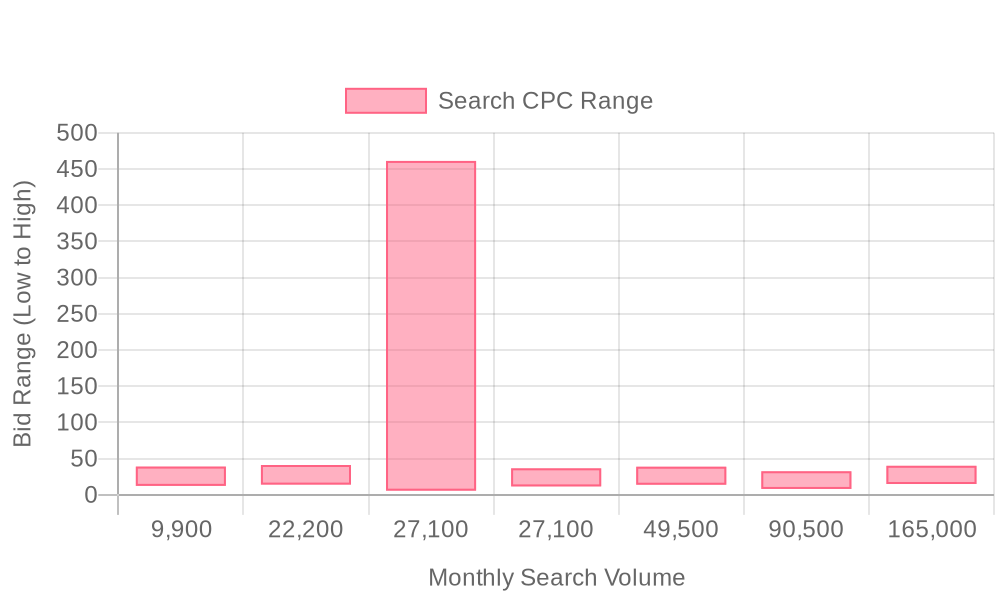
| Industry | Keyword | Monthly Search Volume | Competition Level | Low Bid | High Bid |
| Security Systems | home alarm systems | 9900 | HIGH | 12.45 | 39.05 |
| Security Systems | alarm systems | 22200 | HIGH | 14.22 | 41.23 |
| Security Systems | vivint security | 27100 | HIGH | 5.8 | 461.13 |
| Security Systems | home security | 27100 | MEDIUM | 11.74 | 36.62 |
| Security Systems | security systems | 49500 | HIGH | 14 | 38.9 |
| Security Systems | best home security system | 90500 | MEDIUM | 8.19 | 32.61 |
| Security Systems | home security systems | 165000 | HIGH | 15 | 40.15 |
Effective keyword strategy is the cornerstone of high-performing google ads for security systems campaigns. Precision in keyword selection not only increases click-through rates and qualified lead volume but also ensures budget is dedicated to audiences most likely to convert. Marketers who refine their keyword approach routinely see higher ROI and more predictable pipeline impact.
- High-volume, Low-competition Keywords: Targeting terms such as “innovative security technology Google Ads,” “commercial security camera installation,” or “AI-powered surveillance systems” enables campaigns to reach buyers actively seeking advanced solutions. These keywords help capture broader search intent while minimizing wasted spend on oversaturated queries. Best practices for Google Ads provides a deeper look at this trend.
- Niche And Intent-driven Keywords: Focusing on specific needs, like “NDAA-compliant CCTV for enterprises” or “retail loss prevention security system,” attracts decision-makers searching for tailored offerings. This strategy filters out general traffic and brings high-fit, sales-ready prospects into the funnel. For more insights on segmenting keyword strategies by buying stage, check out our guide on keyword segmentation.
- Negative Keyword Management: Maintaining and regularly updating a negative keyword list, removing terms such as “toy security camera,” “DIY alarm kit,” or “free home security”, prevents irrelevant clicks and preserves budget for high-intent users. Analytics-driven refinement of this list maximizes ad spend efficiency.
Security marketers can further elevate performance by identifying the specific companies engaging with their ads, instead of relying solely on anonymous click data. Company identification tools help reveal which organizations are interacting with your campaigns, empowering teams to shift budget dynamically toward accounts demonstrating purchase signals. As leads progress through the buying journey, dynamic audience segments update seamlessly, ensuring remarketing and upsell ads hit the right targets at the right moments. Enriched account data and conversion outcomes can sync directly to Google Ads and CRM platforms, enabling unified reporting and true ROI measurement for security campaigns.
Where to Find Growth Opportunities
Growth in digital marketing for security systems depends on identifying and acting on overlooked segments, service adjacencies, and evolving customer intent. High-performing teams leverage data to reveal where existing Google Ads campaigns fall short of full-market coverage, often exposing revenue streams that competitors miss. This approach transforms campaigns from static setups into dynamic engines that consistently surface new demand.
- Vertical Keyword Targeting: Security systems marketing can be expanded by mapping out peripheral service lines that align with core offerings. For example, targeting keywords like “access control installation for offices” or “integrated fire and security monitoring” addresses pain points not covered by generic “security cameras” ads. Marketers who enrich keyword research with real-time visitor identification can quickly pivot budget toward trending services, ensuring their ads appear for high-intent, in-market searches as new sub-verticals emerge. Sona's Identity Resolution helps teams uncover these emerging visitor segments and optimize keyword targeting in real time.
- Competitor Gap Analysis: Robust PPC for security systems includes routine analysis of where rivals underperform in both keyword share and ad placement. Uncovering gaps, such as competitors missing coverage for “commercial security upgrades” or “multi-site surveillance solutions”, lets marketers capture qualified traffic without escalating CPCs. By leveraging real-time intent data, teams can dynamically reallocate spend to these uncovered areas, prioritizing accounts that demonstrate decision-stage behaviors and maximizing Google Ads ROI. Google Ads strategies provides a deeper look at effective strategies to outpace competitors in PPC.
- Industry-specific Site Placements: Security camera ads gain additional lift when strategically placed on high-traffic, security-focused platforms and forums. Selecting placements like trade association websites, property management communities, or B2B technology directories ensures that ad impressions reach audiences with direct purchasing influence. Audience segments built from these engagements can be synced into Google Ads and connected CRM systems, allowing for rapid retargeting and tailored follow-up as new leads enter the pipeline.
Growth-focused advertisers in the security sector unify campaign data across Google Ads, CRM, and offline channels, enabling advanced attribution and seamless handoffs between marketing and sales. For more insights on integrating marketing and sales data, check out our guide on revenue attribution. As a result, marketing leaders move beyond surface metrics to measure true business impact, adapting their strategies as new market opportunities emerge.
Applying Audience Segmentation for Security Systems
Effective audience segmentation is central to high-performing security systems marketing. Relevance increases dramatically when campaigns distinguish commercial property stakeholders from residential buyers, ensuring each group receives messaging that addresses their unique security priorities. Marketers who leverage granular segmentation consistently report higher engagement and more efficient use of advertising budgets.
- Define Audience Segments: Custom-targeting is the starting point for impactful google ads for security systems. Commercial property managers prioritize solutions like integrated access control, while homeowners may focus on ease of installation or mobile monitoring. Segmenting these buyers in your PPC for security systems strategy allows creative and offers to speak directly to their motivators, rather than relying on generic messaging. Sona's Identity Resolution empowers marketers to move beyond anonymous web traffic, tailoring outreach and retargeting to named accounts rather than broad, low-conversion audiences.
- Integrate Intent Signals: Layering behavioral and contextual intent signals sharpens targeting for security camera ads and related campaigns. A surge in searches for “security system upgrades” or “NDAA-compliant CCTV” signals buyers further down the decision path, often triggered by a recent break-in, a new compliance deadline, or a lease renewal that requires updated building security. Sona surfaces intent signals so ad spend follows real-time buying behavior rather than static keyword lists, keeping campaigns focused on the prospects most likely to act now.
- Ad Group Customization: Customizing ad groups based on segmented insights improves engagement and conversion rates. For instance, campaign creative for multi-site commercial clients can spotlight enterprise integrations, while residential campaigns highlight features such as mobile alerts. As leads progress through the funnel, dynamic audience updates ensure that messaging remains relevant, reflecting the buyer’s current stage and pain points. This level of precision drives better results in both local service ads for security and national campaigns.
- Ensure Conversion Path Integrity: Unifying CRM and marketing data creates a clear view of every touchpoint in the customer journey. Marketers can track the full chain from ad click to offline consultation or deal close, providing actionable insights into campaign ROI. For more insights on how to optimize attribution and conversion tracking, check out our guide on Revenue Attribution. Syncing enriched lead and account data directly into Google Ads and CRM platforms keeps audience segments fresh and actionable, making every campaign iteration smarter and more efficient.
This is also where measurement changes the economics. With Sona Marketing Measurement you can identify the companies and buyers behind your ad clicks, not just anonymous sessions, and segment audiences by who actually becomes a customer. That lets you build bid adjustments and audience signals around the segments that convert and de-prioritize the ones that don't, so you feed Google's algorithms "this click became a paying security systems customer" instead of just "someone filled out a form."
Step-by-Step Campaign Execution Framework
Step 1: Build Targeted Keyword Lists
Precision in keyword selection is fundamental for security systems campaigns. Organizing keywords by service types, such as "commercial alarm installation," "residential CCTV setup," and "enterprise access control systems," narrows audiences to those actively searching for relevant solutions. For additional ideas, see Google Ads keyword guidance as a useful starting point for security-focused campaigns.
Long-tail queries like "best monitored security services for retail stores" or "fire alarm compliance for warehouses" capture intent-rich leads and minimize wasted spend. Integrating intent data into keyword strategy enables marketers to prioritize high-fit accounts based on real-time behavior. Advanced platforms can pinpoint visitors from target companies, revealing which organizations are searching for terms like "cloud video surveillance solutions." This intelligence supports dynamic keyword expansion and lets teams shift budget toward segments most likely to convert, resulting in more efficient PPC for security systems and higher Google Ads ROI.
The upgrade most security systems advertisers miss is going beyond raw keyword volume to layer in intent and identity signals. By connecting website-visitor data and CRM records with Sona Marketing Measurement, you can see which specific search terms bring in the accounts and customers that actually convert, and weight your keyword and bidding strategy toward those rather than the terms with the highest search volume alone.
Step 2: Develop Compelling Ad Copy
Effective ad copy addresses urgent pain points faced by security decision-makers. Headlines such as "Protect Your Business 24/7 with NDAA-Compliant Cameras" or "Instant Alarm Response, Certified Technicians" speak directly to buyer priorities. Incorporating trust signals like certifications, customer testimonials, and industry awards builds credibility, while time-sensitive offers, "Book a Free Security Audit Today", create urgency.
Ad personalization improves when audience segments update automatically as prospects interact with the brand. Dynamic audience tools help marketers segment and sync audiences so messaging evolves at each stage, from a first search for "alarm monitoring near me" to a return visit after requesting a quote. This real-time alignment sharpens engagement and lifts conversion rates for digital marketing for security systems.
Step 3: Design Effective Landing Pages
Landing pages must deliver a seamless experience from ad to action. Each page should mirror ad messaging, reinforcing the service promise with detailed descriptions, clear benefit statements, and visual proof points such as before-and-after security upgrades. Prominent calls-to-action, like "Schedule a Site Assessment" or "Download Security System Guide", reduce friction and guide qualified leads directly into the sales funnel.
Integrating enriched visitor data enables teams to tailor landing page content to the visitor’s profile, whether a property manager or IT director. Displaying relevant case studies and testimonials from similar businesses, along with verified security certifications, increases trust and motivates deeper engagement. We’ve covered landing page personalization in detail in the Personalization at Scale Guide. Combining this with precise attribution from ad click to sales outcome ensures that digital marketing investments are measured accurately.
Step 4: Implement Data-Driven Optimizations
Continuous optimization relies on granular analytics and feedback loops. Monitoring engagement metrics, such as click-through rates, time on page, and form completion, helps uncover high-performing ad and landing page combinations. See Google Ads best practices for actionable recommendations for campaign improvements.
Advanced conversion tracking closes the loop between online engagement and offline outcomes. Integrations with CRM and sales systems enable marketers to attribute pipeline and closed revenue to specific ad campaigns, not just form fills. As leads progress, audience segments and budgets automatically adjust, delivering more investment to campaigns that demonstrably impact demand generation and offering true ad campaign optimization for security companies.
Sona Marketing Measurement closes the gap between clicks and revenue. It captures ad clicks with first-party measurement, ties that click through UTM capture and ad-platform APIs to the matching record in your CRM, and reports ROAS by keyword and campaign instead of by last-click form fill. Feeding that revenue signal back into Smart Bidding and Performance Max compounds over time: the algorithms optimize toward booked security systems revenue, not cheap leads.
Tips on Expanding Your Security System Presence
Security companies with a strategic digital presence reach more qualified prospects and accelerate deal cycles in a competitive market. Leveraging advanced digital marketing for security systems creates seamless interactions across every stage of the buyer journey while providing measurable business impact.
- Integrate Educational Retargeting: Combining retargeting ads with educational content, such as downloadable whitepapers or interactive guides, positions your brand as a thought leader and nurtures trust through repeated, value-driven engagement. By dynamically updating audience segments based on content consumption and site behavior, marketers can deliver tailored follow-up ads to visitors who engage with security system resources, ensuring retargeting efforts are timely and relevant. Tools like Sona Identification help marketers prioritize spend on audiences most likely to convert by connecting ad messaging directly to in-market research behaviors.
- Collaborate With Industry Associates: Strategic partnerships with manufacturers, integrators, or local trade associations amplify reach through co-branded campaigns and cross-referrals. Joint Google Ads campaigns targeting both partner and mutual audiences create a multiplier effect, driving higher-quality leads at a lower acquisition cost. One analysis in WebFX’s PPC Guide explores how collaboration and well-synced campaigns can maximize security system marketing impact.
- Explore Localization: Tailoring google ads for security systems by region using geographic targeting and insights from Google Trends boosts relevance and response rates. Local service ads for security systems that highlight neighborhood case studies or regional certifications can establish trust and drive action from nearby prospects. For more insights on optimizing paid media campaigns, check out our guide on Boosting Google Ads ROAS, and learn how to allocate budgets to the highest-opportunity markets for sustained ROI.
Beyond Google Ads: Winning the AI Answers Security Systems Buyers Now Trust
Paid search captures demand at the moment someone types a query. But a fast-growing share of security systems buyers no longer start at Google at all, they ask ChatGPT, Gemini, or Perplexity before they ever run a search, and Google's own AI Overviews increasingly summarize an answer above the traditional results. If your business isn't referenced in those AI answers, you're invisible at the exact moment buyers build their shortlist.
Sona AI Visibility shows where your business shows up across ChatGPT, Gemini, Perplexity, Google AI Overviews, and 10+ engines, and, much like a keyword report, which prompts actually send you buyers, so you can prioritize the ones that convert. Run the two together and you cover the entire buyer path: get cited where buyers research (AI Visibility), then prove which of that demand turns into booked revenue (Marketing Measurement).
Helpful resources
Conclusion
The security systems buyers most worth chasing, the ones evaluating multi-site access control or comparing monitored alarm providers, are searching with intent that Google Ads can capture precisely if the campaign structure, keywords, and measurement are built for this trade rather than borrowed from a generic playbook.
The advantage now sits with providers who can prove which keyword, ad, and audience segment actually produced a signed monitoring contract, not just a form fill, and who feed that proof back into their bidding strategy every week.
Ready to see how data-driven advertising performs for security systems? Start a free trial to put Sona's platform to work on your next campaign.
FAQ
What are the best practices for Google Ads in the security industry?
Best practices include targeting long-tail, niche keywords, structuring campaigns by service category and geographic area, crafting compelling and personalized ad creatives, optimizing landing pages for conversions, and using machine learning-based bidding strategies for cost control.
How can I optimize my Google Ads for security systems?
Optimize Google Ads by using a rigorous keyword strategy, organizing campaigns by service type and location, personalizing ad content based on visitor data, and continuously optimizing landing pages and ad content using data-driven insights.
What budget should I allocate for Google Ads in security?
Allocate budget based on real-time performance data, leveraging machine learning-based bidding strategies to target high-conversion audiences efficiently, and ensuring resources are invested in areas with the greatest impact.
What types of Google Ads work best for security systems?
Search campaigns, display ads, video ads, remarketing, and ad extensions tailored to the security industry's unique needs and urgency work best, as they enable precise targeting and engagement with high-intent audiences.
How do I measure the success of my Google Ads campaigns for security?
Measure success by tracking conversion rates, integrating CRM and offline conversion data, and using advanced attribution to link online interactions to real business outcomes, ensuring smarter budget allocation and campaign refinement.







