


Security system monitoring buyers rarely browse casually, they search after a break-in, a failed inspection, or a compliance deadline, and they convert on whoever answers fastest with the right credentials. Google Ads lets providers intercept that moment of need with precision, using industry-specific terminology to filter for serious buyers and tracking every click through to closed deals.
How to Generate Security System Monitoring Services Leads with Google Ads: A Step-by-Step Guide

Security system monitoring services operate in a landscape where every qualified lead counts, and efficient digital marketing execution sets the pace for revenue growth. A strategic Google Ads approach allows B2B marketers and local operators to engage buyers who are already searching for robust monitoring solutions, ensuring that ad spend is directed toward audiences with true purchasing intent. For a deeper look at Google Ads strategies tailored to security services, review how alarm service companies can win big with Google Ads.
This playbook details a proven, data-driven framework for integrating Google Ads into a unified demand generation strategy. By refining keyword targeting, aligning landing pages with buyer needs, and continuously optimizing for ROI, security system providers can consistently fill the pipeline with high-value opportunities while strengthening their overall marketing effectiveness. Explore more actionable guides in the marketing playbooks library.
- A data-driven approach to paid search within your broader marketing mix: Combining paid search with organic and outbound tactics amplifies reach and increases touchpoints with in-market buyers. Google Ads offers granular targeting and real-time performance data, critical for identifying and converting prospects who value security and reliability. With advanced visitor identification, marketers can move beyond anonymous traffic to understand which companies are engaging, allowing for highly targeted follow-up and precise budget allocation.
- Keyword and audience targeting strategies specific to security system monitoring buyers: Security industry buyers use niche, high-intent keywords and often reveal intent through specific search queries. Deep segmentation and layering of audience signals, such as recent site visits or CRM activity, help ensure ads reach the right accounts at the right time. Dynamic audience updates further enhance targeting by adjusting segments as leads progress through the funnel, ensuring marketing efforts remain relevant and timely.
- Landing page and creative alignment techniques for maximum conversion: High-performing campaigns rely on landing pages tailored to distinct buyer needs, whether for enterprise security directors or local businesses. Successful ads seamlessly connect messaging, creative, and offers to the searcher's intent, increasing conversion rates and reducing wasted spend. When landing page engagement is unified with ad and CRM data, marketers can surface which content drives conversions and quickly iterate for improved results.
- Performance optimization tactics to continuously improve ROI: Continuous testing and optimization of bids, creative, and audience segments is essential for maximizing the return on Google Ads investments. Real-time intent data enables marketers to shift budget toward high-converting accounts and campaigns, ensuring spend is allocated where it delivers the greatest impact. Advanced conversion tracking, both online and offline, provides a holistic view of pipeline contribution, supporting more accurate attribution and forecasting.
- Cross-channel integration methods to strengthen your entire marketing ecosystem: Integrating Google Ads with CRM and marketing automation platforms ensures that enriched audiences and lead data stay in sync across systems. This unification streamlines sales activation, enhances retargeting efforts, and enables seamless reporting on campaign performance. Learn how to orchestrate coordinated outreach by leveraging account-based marketing strategies.
In competitive security system monitoring environments, missing engagement from site visitors who do not convert immediately leads to lost revenue potential. Modern marketers now leverage advanced tools to track high-intent interactions, build detailed audience profiles, and dynamically adjust campaigns as prospects move down the funnel. This guide is designed for B2B revenue teams, service providers, and operators who want to generate qualified leads at scale, unify their marketing data, and drive measurable results from their Google Ads investments. To put these strategies into practice, get started for free with Sona.
Why Google Ads Matter for Security System Monitoring Services Businesses

Security system monitoring services operate in a landscape where urgency and trust are paramount. Decision-makers such as procurement heads and facilities directors are not just browsing, they are actively searching for specialized security solutions that address immediate operational needs. Sona's Identity Resolution helps reveal which companies are visiting your site, ensuring high-value prospects are never missed, while this guide explores effective Google Ads strategies for alarm and security service providers.
- Complex, Specialized Audience: Unlike other platforms, Google Ads enables precision targeting of high-value prospects at the exact moment they signal purchase intent. However, capturing this demand requires mechanisms to identify site visitors and ensure follow-up, so qualified leads do not go unnoticed. With modern tools that unify website analytics and CRM data, marketers can now pinpoint which companies and buyers engage with ads, turning anonymous interest into actionable opportunities using real-time audience segmentation.
- Higher Margin Services: While traditional channels nurture existing client relationships, Google Ads unlocks access to untapped markets seeking premium projects, think enterprise security contracts or multi-site monitoring upgrades. By leveraging enriched account data, revenue teams can synchronize insights from paid and organic channels, surfacing which campaigns drive real pipeline. This integration streamlines the handoff between marketing and sales, reducing friction and accelerating qualification, as detailed in our marketing and sales tactics playbooks.
- Faster Demand Response: Social media may build long-term awareness, but Google Ads delivers results in real time. For security system monitoring, this means responding instantly to urgent inquiries, such as new building openings or compliance audits, by ensuring ads appear when and where demand spikes. With dynamic audience segments updating as prospects engage, marketers can prioritize spend on accounts showing intent, reallocating budget to maximize conversions.
- Visibility in Emerging Regions: As security needs grow in rapidly expanding metros, Google Ads provides geographic precision beyond the reach of traditional marketing. Using location-based targeting and audience enrichment, campaigns can focus on regions with rising commercial development, ensuring competitive visibility where it matters most. For further insights into regional targeting, explore our blog on marketing analytics.
- Integrated Data Analysis: The true value of Google Ads emerges with closed-loop measurement. By connecting click-level data with offline sales and CRM outcomes, security service providers achieve a granular view of performance across the funnel. This integration addresses common pitfalls like outdated segmentation or missed personalization, as enriched data strategies keep campaign targeting current and actionable. Revenue teams gain the visibility to optimize creative, messaging, and follow-up, driving sustained growth.
Common Types of Google Ads Campaigns for Security System Monitoring Services

Security system monitoring services operate in a competitive market, where capturing demand at each stage of the buyer's journey is critical for sustainable growth. A well-structured Google Ads strategy allows revenue teams to precisely target businesses or homeowners actively seeking security solutions while maintaining brand visibility and nurturing long-term opportunities. For deeper insights on creating highly targeted campaigns, explore PPC strategies for home security companies or review additional best practices in the Sona blog.
- Search Campaigns: Search campaigns are the foundation for Google Ads for Security System Monitoring Services, capturing high-intent buyers who are actively searching for terms such as "business alarm monitoring" or "home security system installation." By leveraging intent signals, marketers can prioritize spend on queries proven to drive engaged, enterprise-level prospects, rather than relying on generic keyword lists. Real-time data enables budget reallocation toward the most sales-ready accounts, improving cost efficiency and deal velocity.
- Display Ads: Display campaigns keep your brand in the consideration set as prospects browse industry publications, tech news, or professional forums. Targeting dynamically adjusts as leads move through the funnel, ensuring that messaging stays relevant and timely. Marketers can retarget based on identified accounts or CRM status, reinforcing brand credibility and nurturing decision-makers with tailored creative.
- Video Ads: Complex security solutions benefit from the visual storytelling power of video ads, which showcase product capabilities, customer testimonials, or quick explainer videos. Video campaigns extend the reach of your content marketing by engaging audiences on YouTube and partner sites. When video viewers are matched back to accounts in your CRM, you can trigger personalized follow-ups or add them to nurture tracks, closing the attribution loop.
- Remarketing: Remarketing campaigns allow security system monitoring providers to re-engage recent site visitors, whether they downloaded a guide, requested a demo, or simply browsed pricing pages. With advanced visitor identification, you can move beyond anonymous retargeting and instead serve ads to high-fit companies or segmented audiences synced directly from your CRM. This approach maximizes relevance and increases the likelihood of booking sales consultations or demos.
- Assets: Ad assets (formerly called extensions) provide critical trust signals, such as physical location, certifications, Google Guaranteed status, or direct call buttons. For security system monitoring services, these details establish professionalism and credibility at a glance, increasing click-through rates and lead quality. Assets can be tailored to display based on audience segment, campaign objective, or the presence of repeat site visits, supporting a high-converting, data-driven PPC strategy for physical security companies.
Each campaign format plays a distinct role in driving qualified pipeline, and when executed with unified, real-time data, they deliver measurable improvements in both efficiency and revenue outcomes.

Expanding reach in the security system monitoring industry requires a data-driven approach to campaign design and optimization. B2B revenue teams that consistently identify new growth channels see stronger lead quality and higher conversion rates. For a strategic overview of digital marketing in this space, explore effective advertising techniques tailored for security service providers.
- Vertical Keyword Targeting: Prioritize specialty keywords tied to advanced monitoring services, enterprise integrations, or industry certifications. Going beyond generic "security systems" terms, focus on queries relevant to managed monitoring, remote threat response, or compliance-driven sectors. This approach aligns paid search with the most profitable and underserved service lines, capturing higher-intent buyers and increasing qualified inbound volume. Discover how real-time audience insights can further refine your keyword targeting for maximum relevance.
- Competitor Gap Analysis: Use auction insights and SERP analysis to uncover segments where rivals are underinvested. By mapping competitive budgets and ad presence, marketers can spot locations, verticals, or solution areas with lower bid density or inconsistent ad coverage. Dynamic audience and intent data help quickly shift spend toward these overlooked segments, accelerating market share gains while reducing wasted impressions.
- Industry-Specific Placements: Advertise on niche trade publications, procurement networks, and security forums that may not rank organically for your brand. Contextual placements within these environments reach decision-makers researching specific monitoring solutions. Integrating CRM and audience data ensures that budgets focus on placements most likely to drive enterprise-level engagement, not just clicks.
- Content Retargeting: Leverage assets such as whitepapers, demo videos, or use-case webinars to re-engage buyers who showed interest but did not convert. Segment audiences by prior engagement with key content, then retarget with tailored offers or educational touchpoints. Connecting ad audiences to CRM stages allows for continuous nurturing of high-value accounts through the funnel, surfacing new opportunities as buyer intent evolves. For a deeper look at how segmentation fuels advanced retargeting, review best practices that unify web and CRM data for maximum impact.
How to Apply Audience Segmentation for Security System Monitoring Services
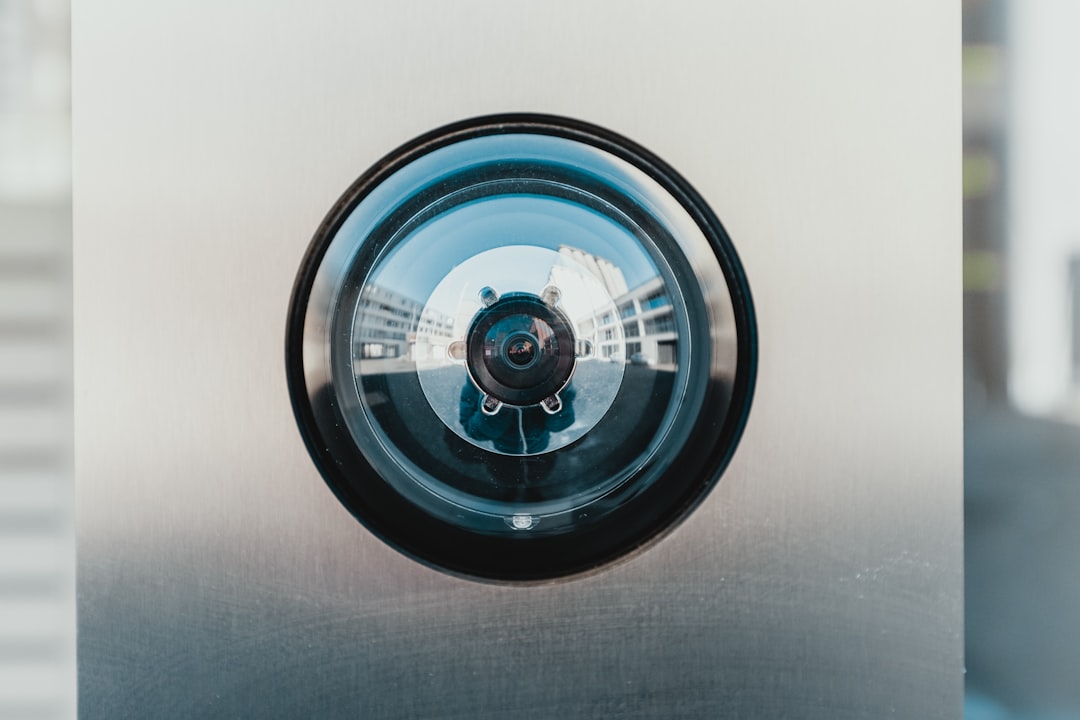
Effective audience segmentation is fundamental for security system monitoring services seeking to maximize the impact of digital advertising. Granular segmentation ensures marketing resources are allocated to prospects with the highest likelihood of converting, reducing wasted spend and accelerating sales cycles. Applying segmentation with data-driven precision empowers teams to match messaging and offers with the unique needs of decision-makers in this industry.
- Define Segments: Start by differentiating between your primary markets: residential and commercial. Residential customers typically prioritize peace of mind, affordability, and user-friendly technology, while commercial clients demand advanced integrations, compliance features, and scalability. By clearly defining these segments, you can shape your advertising strategy to address distinct pain points and drivers of demand, creating relevance at every touchpoint.
- Overlay Intent Signals: Integrate recurring signals such as recent property purchases, interest in system upgrades, or seasonal surges in security concerns. Leveraging real-time intent data allows marketers to prioritize users actively seeking security solutions. For example, recognizing when a business signals intent to upgrade surveillance systems means you can adjust bids and messaging for higher conversion potential. Platforms that unify intent across web, CRM, and paid channels provide a comprehensive view, ensuring ad spend is directed toward accounts demonstrating in-market behavior.
- Create Ad Groups by Segment: Structure your Google Ads account so each segment has its own dedicated ad groups. Customize headlines, descriptions, and calls-to-action for residential versus commercial audiences. Ad creatives for homeowners might emphasize family safety and ease of installation, while commercial ad groups highlight enterprise-grade monitoring, rapid response, and integration with building management systems. This tailored approach consistently improves click-through and conversion rates by aligning content with the specific needs of each segment. For more insight into effective PPC structures, see PPC strategies for home security.
- Validate Conversion Paths: Track every critical conversion event: quote requests, phone calls, and form submissions. CRM integration is essential, ensuring that leads generated from campaigns flow seamlessly into sales pipelines for immediate follow-up. Advanced tracking captures both online and offline touchpoints, providing closed-loop attribution and illuminating the true ROI of each segment's campaigns. By syncing audiences and outcomes across ad platforms and CRM systems, teams can nurture leads based on their segment and readiness to buy, eliminating the gap between marketing-qualified leads and revenue outcomes.
Audience segmentation, when executed with unified data and intent signals, enables security system monitoring providers to personalize outreach, optimize spend, and accelerate pipeline velocity. Each step in this segmentation process compounds value, turning anonymous clicks into actionable sales opportunities and ultimately delivering higher ROI from every digital campaign. Ready to optimize your segmentation strategy? Get started for free with Sona.
This is also where measurement changes the economics. With Sona Marketing Measurement you can identify the companies behind your ad clicks, not just anonymous sessions, using first-party conversion data, and segment audiences by which accounts actually become customers. That lets you build bid adjustments and audience signals around the segments that convert and de-prioritize the ones that don't, so you feed Google's algorithms "this click became a paying security system monitoring services customer" instead of just "someone filled out a form."
Beyond Google Ads: Winning the AI Answers Security System Monitoring Services Buyers Now Trust
Paid search captures demand at the moment someone types a query. But a growing share of security system monitoring services buyers now start elsewhere, asking ChatGPT, Gemini, or Perplexity before they ever run a search, while Google's own AI Overviews increasingly summarize an answer above the traditional results. If your business isn't referenced in those AI answers, you're invisible at the exact moment buyers build their shortlist.
Sona AI Visibility shows where your business shows up across ChatGPT, Gemini, Perplexity, Google AI Overviews, and 10+ engines, and, much like a keyword report, which prompts actually send you buyers, so you can prioritize the ones that convert. Run the two together and you cover the entire buyer path: get cited where buyers research (AI Visibility), then prove which of that demand turns into booked revenue (Marketing Measurement).
Helpful resources
Conclusion
Google Ads works for security system monitoring providers because it meets buyers at the moment urgency turns into a search, whether that's after a break-in, a failed compliance audit, or a new building opening. The strategies here, from keyword targeting to audience segmentation to closed-loop measurement, only pay off when they're tied together with data that follows a lead from first click to signed contract.
The next shift is already underway: buyers increasingly ask AI tools for recommendations before they ever type a search query. Providers who pair disciplined Google Ads execution with visibility into how AI engines answer security questions will be the ones still getting found five years from now.
To truly unlock the power of your marketing campaigns, start for free and see firsthand how unified data can transform your pipeline today.
FAQ
How can security system monitoring services use Google Ads to target potential customers?
Security system monitoring services can use Google Ads to target potential customers by leveraging niche, high-intent keywords and audience segmentation strategies, ensuring ads reach decision-makers actively seeking robust monitoring solutions.
What are the best practices for setting up Google Ads campaigns for security system monitoring services?
Best practices include refining keyword targeting, aligning landing pages with buyer needs, continuously optimizing for ROI, and integrating Google Ads with CRM and marketing automation platforms for synchronized data.
How can security system monitoring services measure the success of their Google Ads campaigns?
Success can be measured by tracking conversions from click to closed deals, using advanced conversion tracking for online and offline interactions, and analyzing pipeline contributions through integrated CRM and ad data.
What is the typical ROI for Google Ads in the security system monitoring industry?
The ROI is typically maximized through continuous testing and optimization of bids, creative, and audience segments, with real-time data enabling budget allocation to high-converting accounts.
How can security system monitoring services optimize their Google Ads for better performance?
Optimization can be achieved by integrating paid search with organic and outbound tactics, employing dynamic audience updates, and continuously testing bids, creative, and audience segments to improve ROI.







