

Security seal buyers do not browse. A logistics director who discovers a snapped cargo seal at 6 a.m. needs a compliant replacement supplier by lunch, not a nurture sequence. That urgency, layered onto certification requirements like ISO 17712 and tight compliance windows, is what makes Google Ads such a precise instrument for this trade: it puts your listing in front of the buyer at the moment the need becomes real. Yet many security seal marketers still lose high-value prospects simply because they can't see who is visiting anonymously or track which clicks turn into signed contracts. This guide walks through building a Google Ads program for security seal services that captures that intent, proves its return, and fits into a broader lead generation strategy.
How to Generate Security Seal Services Leads with Google Ads: A Step-by-Step Guide

Security seal providers operate in a fast-moving B2B environment where procurement windows are short and decision-makers demand technical confidence alongside immediate solutions. Marketing here requires precision to reach buyers who prioritize compliance, reliability, and rapid fulfillment. Effective Google Ads campaigns intercept that intent at the exact moment prospects move from research to purchase, cutting wasted spend and shortening the path to a signed order. For a deeper dive into B2B campaign strategy, review the top B2B Google Ads strategies for manufacturers and exporters.
This playbook addresses the pitfalls of generic outreach by guiding marketers through a tailored, data-driven approach. Each step is designed for B2B marketers, service providers, and local operators who need to generate qualified leads, unify fragmented go-to-market data, and activate engagement in real time. The focus is on practical, measurable actions that align campaign execution with the nuanced buying journey of security seal buyers. Explore more actionable insights in our collection of marketing playbooks.
- Keyword and Audience Targeting: Audience quality is the foundation of security seal advertising. Start with keyword research that maps to industry-specific intent, such as "tamper-evident cargo seals," "ISO 17712-certified seals," or "emergency security seal supplier." Go beyond surface-level demographic targeting by layering in job titles, company size, and logistics verticals. Sona's Identity Resolution helps marketers spot high-value companies visiting their site, even if those visitors don't fill out a form. This insight allows for immediate retargeting and budget shifts toward in-market accounts, capturing opportunities that would otherwise remain invisible.
- Landing Page Alignment: Conversion rates in security industry advertising rise when landing pages align tightly with ad messaging and address buyer pain points. Use clear value propositions, technical certifications, and real-world case studies to build trust instantly. Incorporate interactive elements such as live chat or instant quote tools to engage visitors while their intent is highest. Dynamic landing experiences can be tailored to the specific needs of different audience segments, ensuring that procurement managers, logistics directors, and compliance officers each see the information most relevant to their role. For tips on increasing credibility and conversions, see the list of trust and security tools.
- Cross-Channel Integration: Modern security seal marketing succeeds when Google Ads efforts connect seamlessly with other channels like email, LinkedIn, and sales outreach. Integrating advanced analytics allows marketers to track lead journeys from first click to closed deal, automatically syncing enriched audiences and lead data into CRM and automation platforms. This unified approach ensures that high-intent Google Ads leads are nurtured and followed up in real time, not lost in disconnected systems or delayed workflows.
- Performance Optimization: Continuous improvement in Google Ads for security services depends on agile, data-driven decision-making. Set up advanced conversion tracking to capture both online actions (such as RFQ submissions) and offline outcomes (such as signed contracts or in-person demos). Use dynamic audience segmentation so that as leads engage or progress through the funnel, their ad experience updates accordingly. This eliminates wasted impressions and maximizes ROI by focusing spend on those most likely to convert. By leveraging unified data, marketers can identify bottlenecks quickly and implement real-time optimizations that keep campaigns performing at peak efficiency.
Why does Google Ads matter for Security Seal Services
Security seal services operate in a space where urgent needs and specialized buyer criteria are the norm. Digital marketing for security seals must reliably reach decision-makers at the exact moment they are sourcing tamper-evident solutions, enabling faster project wins and stronger pipeline velocity. For additional strategies, check out the latest marketing measurement insights.
- Complex Audience Needs: B2B buyers in logistics, compliance, and manufacturing often require rapid, compliant security seal solutions. Google Ads conversion tracking setup and benefits helps pinpoint these buyers during active research, ensuring campaigns align with nuanced requirements such as ISO certification and supply chain security.
- Targeting High-Value Prospects: Traditional outbound efforts miss high-value projects that arise unexpectedly or outside standard sales cycles. Google Ads for security seal services allows marketers to intercept in-market buyers at critical intent stages, efficiently capturing demand that static prospecting would overlook. Marketers can further boost impact by leveraging real-time audience segments for hyper-targeted ad delivery.
- Rapid Demand Response: When urgent security concerns or regulatory changes spark a surge in demand, online marketing for security seals enables immediate activation. Marketers can automatically prioritize high-intent accounts by integrating behavioral intent signals, shifting spend toward the highest-return opportunities at precisely the right time.
- Data Integration: Security industry advertising requires full-funnel visibility from click to contract. By connecting ad data with visitor identification, marketers eliminate guesswork around anonymous web traffic. This unification of insights ensures every dollar spent on Google Ads targeting is attributable, measurable, and optimized for true revenue impact.
Common Types of Google Ads Campaign for Security Seal Services

Security seal providers operate in a market where trust, technical validation, and rapid response drive every conversion. Effective digital marketing for security seal services demands a blend of precision targeting and ongoing engagement, ensuring that every stage of the buyer journey is addressed with the right message and offer. High-performance Google Ads campaigns support these objectives by reaching in-market buyers, reactivating warm prospects, and sustaining brand presence where purchase decisions are being made. Explore more strategies on optimizing Google Ads for security services or dive deeper into advanced digital tactics in our marketing analytics blog.
- Search Campaigns: Search campaigns are designed to capture high-intent leads who are actively seeking security seal solutions, such as "ISO 17712 security seals" or "tamper-evident tags supplier." By pairing responsive search ads with sitelink and callout assets tailored to segmented audiences, like procurement managers or logistics directors, these campaigns can increase conversion rates and efficiently drive qualified inquiries. Integrating company-level identification transforms anonymous clicks into actionable sales opportunities, allowing marketers to prioritize and personalize follow-up based on the visitor's business profile and stage in the buying cycle.
- Display Ads: Display campaigns keep your security seal brand visible across relevant industry sites, trade publications, and decision-maker forums. This approach builds ongoing awareness with niche audiences, such as supply chain operators or compliance officers, even when they are not conducting active searches. Modern solutions enable marketers to dynamically update display audiences as leads progress through the funnel, ensuring that messaging remains contextually relevant and tailored to the prospect’s current needs.
- Remarketing: Remarketing campaigns re-engage visitors who have interacted with your security seal product pages, downloaded technical specs, or started but did not complete an RFQ form. Multi-touch remarketing ensures your offering remains top-of-mind during long B2B sales cycles, addressing common hesitations and objections. With advanced conversion tracking and CRM synchronization, marketers can not only retarget based on specific behaviors but also attribute both online and offline actions, such as direct sales calls or contract signings, back to initial ad engagement, providing a true measure of campaign ROI.
- Performance Max: Performance Max campaigns pool Google's full inventory, Search, Display, YouTube, Discover, and Gmail, behind a single set of conversion goals, which suits security seal advertisers who want to catch procurement teams researching across channels without managing separate campaigns for each. Feeding it with strong conversion signals, like RFQ submissions or signed contracts, lets it prioritize the placements most likely to produce qualified B2B inquiries rather than clicks alone.
Each campaign type plays a distinct role in a comprehensive Google Ads strategy for security seal services, covering everything from initial interest to final conversion. By leveraging in-market intent data and continuous audience enrichment, security seal marketing leaders ensure that their digital advertising investments directly fuel pipeline growth and revenue outcomes.
Where to Find Growth Opportunities
Growth for security seal service providers lies in the ability to reach high-intent audiences beyond default digital channels. Identifying and activating new demand pockets requires precise data and the agility to pivot resources toward real, pipeline-driving opportunities.
- Keyword Targeting: Security seal marketing succeeds when campaigns go beyond generic search terms and deploy technical, industry-specific keywords. Using terms like "ISO 17712 certified seals," "tamper-evident solutions for pharma," or "custom cargo security tags" allows marketers to attract buyers at the exact moments they're seeking compliance or specialized solutions. Advanced platforms enable teams to identify not only what these buyers search for but also which exact keywords trigger conversions, continuously refining Google Ads targeting to reach buyers ready to act.
- Competitor Analysis: Security industry advertising requires more than monitoring ad copy or surface-level spend. By analyzing competitor gaps, such as missed verticals or overlooked product lines, companies can design highly targeted Google Ads campaigns that address unmet needs within logistics, manufacturing, or government procurement. Sophisticated analytics tools now surface underserved segments and pinpoint which accounts are actively researching alternatives, enabling revenue teams to prioritize outreach and reallocate budget where competitive pressure is lower and win rates are higher.
- Content Retargeting: Retargeting remains a powerful lever for online marketing for security seals, especially when layered with intent signals from prior engagement. By leveraging dynamic audience updates, marketers can move beyond simple website visits and instead focus on prospects who download compliance guides, request technical datasheets, or visit pricing pages. Integrating CRM and web analytics data allows for seamless audience synchronization across Google Ads and sales platforms, ensuring that every high-value lead sees messaging tailored to their current buying stage. This approach boosts engagement and ensures that remarketing dollars are spent on accounts most likely to convert, maximizing PPC for security services efficiency.
How to Apply Audience Segmentation for Security Seal Services

Audience segmentation for security seal services transforms generic outreach into precise, high-impact campaigns. By mapping segments to the real buyer journey, marketers can ensure every message addresses a specific pain point or stage in the procurement cycle. For more strategies on segmenting audiences and aligning outreach, explore signal-based segments for hyper-personalized targeting.
- Define Segments: Segmenting your audience by core service areas, such as industrial cargo, pharmaceuticals, or retail loss prevention, allows messaging and creative to directly address each vertical’s unique priorities. For instance, logistics managers may prioritize tamper-evidence and bulk ordering, while compliance officers require proof of regulatory certifications. Using granular segments ensures that each campaign speaks to the needs of the target group, reducing wasted impressions and increasing qualified engagement. For additional guidance on segmenting and personalizing B2B campaigns, see this collection of actionable playbooks.
- Overlay Intent Signals: Adding behavioral and engagement layers to segments further refines targeting. Tracking website activity, such as repeated visits to technical spec sheets or download requests for compliance documentation, surfaces accounts with urgent upgrade or replacement needs. Sona surfaces intent signals in real time so marketing teams can dynamically adjust spend toward accounts demonstrating readiness, ensuring that higher-value leads are prioritized as decision windows open.
- Validate Conversion Paths: Integrating advanced conversion tracking with your CRM ensures every engagement is captured and attributed throughout the sales cycle. This solves the challenge of lost leads by unifying form fills, calls, and offline conversations, creating a single source of truth for campaign ROI. For an overview of how to set up and benefit from conversion tracking, visit Google Ads conversion tracking setup and benefits.
This is also where measurement changes the economics. With Sona Marketing Measurement you can identify the companies behind your ad clicks, not just anonymous sessions, and segment audiences by which accounts actually become customers. That lets you build bid adjustments and audience signals around the segments that convert and de-prioritize the ones that don't, so you feed Google's algorithms "this click became a paying security seal services customer" instead of just "someone filled out a form."
Keyword Strategy & Sample Target Terms
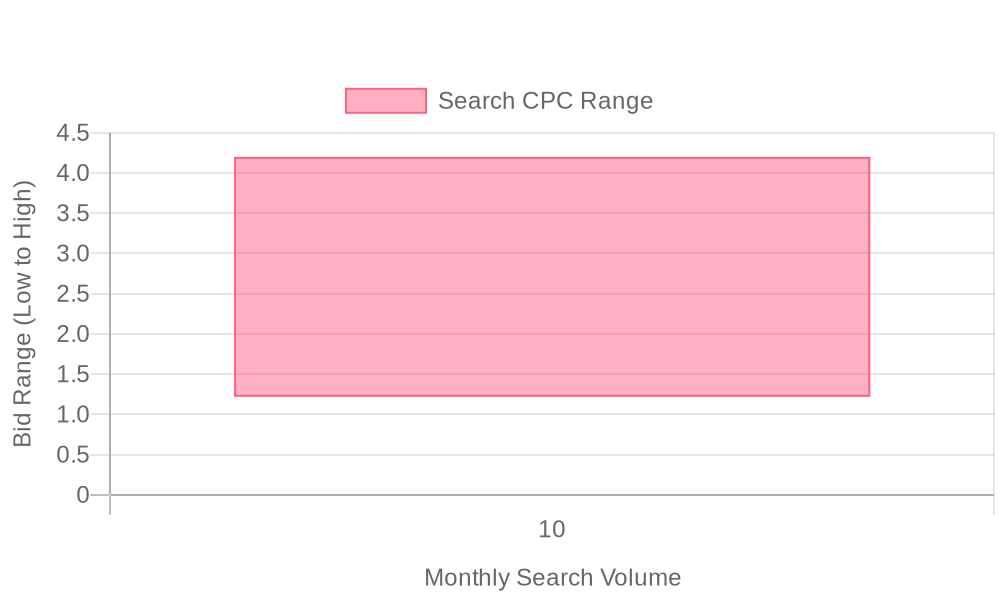
| Industry | Keyword | Monthly Search Volume | Competition Level | Low Bid | High Bid |
| Security Seal Services | seal security company | 10 | LOW | 1.22 | 4.2 |
Adopting a keyword strategy tailored to security seal services enables brands to connect with decision-makers at the precise moment they are searching for compliant, tamper-evident solutions. Focusing on high-value terms with strong purchase intent eliminates wasted spend and ensures every impression drives relevant engagement in a competitive B2B environment. For more on segmenting and prioritizing your best-fit prospects, consult this ICP fit scoring guide.
- High-Intent Keywords: Targeting keywords such as "ISO 17712 security seals," "tamper-evident cargo seals," and "bulk container seal supplier" ensures ads appear where motivated buyers are researching or ready to purchase. These terms reflect urgent procurement needs and compliance-driven buying cycles, increasing the likelihood of qualified leads and larger order values. Explore top B2B Google Ads strategies to further maximize qualified leads for manufacturers and exporters.
- Customized Campaigns: Incorporating long-tail and niche phrases like "custom plastic security seals for logistics," "RFID-enabled truck seals," or "emergency security seal delivery" closes the gap left by broad targeting. This approach delivers ads directly to sourcing managers, operations leads, and compliance officers who value specialized solutions, driving up conversion rates. Marketers can use real-time audience segmentation and dynamic syncing to ensure customized campaigns reach the right stakeholders at the right buying stage.
Marketers using advanced visitor identification can pinpoint which companies are interacting with these keyword-driven campaigns, allowing for highly personalized follow-up and rapid budget shifts toward accounts demonstrating immediate intent. With real-time behavioral insights, campaign managers can dynamically adjust keyword bids and messaging to focus on high-converting segments, ensuring that the most valuable opportunities are prioritized throughout the buying journey. As leads move through the funnel, dynamically updated audience lists keep retargeting efforts focused on the most engaged segments, helping maximize every marketing dollar in the security seal sector.
Step-by-Step Campaign Execution Framework
Step 1: Build Targeted Keyword Lists
Security seal marketing excels when campaigns are anchored in precise, intent-rich keyword lists. Begin by segmenting keywords according to service type: for example, "ISO 17712 cable seals," "custom tamper-evident seals," and "RFID security tags" address distinct product lines and procurement needs. Layer in geographic qualifiers such as city, region, or logistics hub to further refine audience reach and eliminate wasted spend on irrelevant traffic.
To maximize efficiency in Google Ads for security seal services, use advanced visitor identification to see which companies are actively researching your solutions. This approach ensures keyword lists are not only relevant but also dynamically evolve based on real-time audience search behavior from in-market accounts. With this, your ad budget directly targets high-propensity buyers rather than anonymous or low-intent clicks, accelerating both pipeline velocity and marketing ROI.
The upgrade most security seal services advertisers miss is going beyond raw keyword volume to layer in intent and identity signals. By connecting website-visitor data and CRM records with Sona Marketing Measurement, you can see which specific search terms bring in the accounts and customers that actually convert, and weight your keyword and bidding strategy toward those rather than the terms with the highest search volume alone.
Step 2: Develop Compelling Ad Copy
Effective security seal advertising requires ad copy that speaks directly to the operational pain points of logistics managers, procurement teams, and compliance officers. Employ dynamic keyword insertion to mirror the searcher’s intent, such as "Fast delivery on container seals" or "Certified tamper-evident solutions for pharmaceuticals." Highlight compliance guarantees, rapid fulfillment, and quality certifications to build confidence and urgency within a crowded B2B search environment.
Sona surfaces intent signals to help you shift messaging toward accounts showing active buying behavior. When you identify a spike in visits from a known distributor or manufacturer, tailor ad copy to emphasize custom quoting, volume pricing, or on-site demos. This level of personalization increases engagement rates and fosters trust throughout the Google Ads for security services funnel.
Step 3: Design Effective Landing Pages
A seamless transition from ad to landing page is essential for online marketing for security seals. Each landing page should reflect the ad’s promise, featuring consistent messaging, relevant product imagery, and prominent trust signals such as ISO or compliance badges. Tailor content by vertical, logistics, healthcare, government, to address the specific regulatory or operational challenges faced by each segment.
Integrate dynamic audience data to personalize landing page experiences based on where a visitor is in the funnel. For example, first-time visitors can be shown educational resources, while returning decision-makers see fast-track RFQ forms. This approach, supported by synchronized CRM and ad data, increases conversion rates by ensuring each prospect receives content tailored to their current needs and readiness to buy. Explore winning trust signals for eCommerce conversion for additional ideas.
Step 4: Implement Data-Driven Optimizations
Ongoing Google Ads optimization is critical in the security industry advertising landscape. Monitor campaign performance using granular conversion tracking that connects online ad engagement with offline sales actions, such as demo bookings, purchase orders, or distributor inquiries. Adjust bids, ad placements, and keyword targeting based on which segments are delivering the highest value leads.
Utilize dynamic audience updates as leads move through the funnel, automatically refining retargeting lists to focus on the most sales-ready accounts. Sync enriched lead and account data directly into Google Ads and your CRM to create a unified feedback loop. This enables rapid campaign iteration, minimizes delayed follow-up, and ensures your security seal advertising investment consistently delivers measurable, bottom-line impact.
Sona Marketing Measurement closes the gap between clicks and revenue. It captures every ad click with first-party measurement, ties that click through UTM capture and ad-platform APIs to the actual record in your CRM, and reports ROAS by keyword and campaign instead of by last-click form fill. Feeding that revenue signal back into Smart Bidding and Performance Max compounds over time: the algorithms optimize toward booked security seal services revenue, not cheap leads.
Tips on Expanding Your Security Seal Services Presence
Security seal services providers can rapidly scale their visibility by aligning outreach with precise, data-driven strategies. The most successful teams focus on high-intent buyers and emerging markets, ensuring investments generate measurable demand and sustainable growth. Discover more actionable ideas in the Sona blog for driving growth in specialized markets.
- Localize Campaigns: Targeting specific regions sharpens your market presence and secures greater share in high-value logistics corridors, manufacturing hubs, and port-adjacent cities. With advanced visitor identification, marketers pinpoint organizations showing local buying signals, enabling spend concentration on the most promising geographies. Leveraging real-time intent data, budgets dynamically shift to new areas as in-market demand surges, eliminating wasted impressions and guaranteeing that outreach is always current with buyer behavior.
- Partner for Referrals: Co-branded campaigns with trusted industry partners amplify reach while building instant credibility in new verticals. Syncing CRM segments and enriched company profiles into Google Ads allows for seamless cross-partner audience expansion, ensuring that referral traffic is accurately tracked and attributed across both online and offline channels. Learn more about Google Ads conversion tracking to ensure your referral campaigns are measured effectively.
- Identify New Content Topics: Mining ad performance data reveals which product features, pain points, or compliance topics attract the most interest. Feeding these insights into your content roadmap ensures every asset, from technical guides to case studies, targets proven demand. As dynamic audiences evolve through the funnel, new content can be rapidly deployed to nurture mid-funnel leads, driving higher engagement and minimizing content waste. This continuous feedback loop between advertising and content strategy keeps your marketing relevant and ahead of industry shifts.
Beyond Google Ads: Winning the AI Answers Security Seal Services Buyers Now Trust
Paid search captures demand at the moment someone types a query. But a fast-growing share of security seal services buyers no longer start at Google at all, they ask ChatGPT, Gemini, or Perplexity before they ever run a search, and Google's own AI Overviews increasingly summarize an answer above the traditional results. If your business isn't referenced in those AI answers, you're invisible at the exact moment buyers build their shortlist.
Sona AI Visibility shows where your business shows up across ChatGPT, Gemini, Perplexity, Google AI Overviews, and 10+ engines, and, much like a keyword report, which prompts actually send you buyers, so you can prioritize the ones that convert. Run the two together and you cover the entire buyer path: get cited where buyers research (AI Visibility), then prove which of that demand turns into booked revenue (Marketing Measurement).
Helpful resources
Conclusion
The security seal buyers most worth winning, the ones sourcing under a compliance deadline or an unexpected supply chain gap, are searching right now, and increasingly asking AI tools before they ever open Google. Pairing precise Search campaigns with measurement that traces a click to a signed contract is what turns that moment into pipeline instead of a missed opportunity. The providers who build that connection now, rather than after a competitor already has, will own the intent the next time an urgent RFQ lands.
FAQ
What are the best practices for Google Ads in the security seal industry?
Best practices include precise keyword targeting, audience segmentation, aligning landing pages with ad messaging, integrating cross-channel efforts, and using advanced conversion tracking to optimize performance.
How can I optimize my Google Ads for security seal services?
Optimize by using real-time audience data, dynamic audience segmentation, and ensuring ad copy reflects the operational needs of your target audience, such as logistics managers and compliance officers.
What keywords should I use for Google Ads targeting security seals?
Use industry-specific keywords like 'ISO 17712-certified seals,' 'tamper-evident cargo seals,' and 'emergency security seal supplier' to attract high-intent buyers.
What budget should I allocate for Google Ads in the security sector?
Allocate budget based on targeting high-value prospects, using real-time data to shift spend towards in-market accounts, and ensuring impressions are not wasted on low-intent clicks.
How do I measure the success of my Google Ads campaigns for security services?
Measure success through advanced conversion tracking, integrating online and offline actions, and using data-driven optimizations to identify high-performing segments and refine targeting.







