


Roof cleaning jobs come from a mix of channels working together, not any single one. Social media builds awareness of a crew's before-and-after work, email nurtures past customers toward annual maintenance plans, and SEO captures homeowners searching after a storm. Offline, trade shows and local partnerships with roofers or property managers generate referrals, direct mail reaches neighborhoods after a hailstorm passes through, and trade publications build credibility with commercial facility managers.
How to Generate Google Ads for Roof Cleaning Leads: A Step-by-Step Guide
Precision in digital marketing sets the most successful roof cleaning businesses apart from the rest. By using a data-driven Google Ads approach, marketers can attract high-intent buyers while minimizing wasted spend and accelerating pipeline growth. For a real-world example of PPC effectiveness in home services, review this roof cleaning Google Ads case study.
This playbook provides a robust framework for integrating Google Ads into a multi-channel strategy designed specifically for roof cleaning services. Every recommendation is grounded in proven techniques for uncovering qualified leads, maximizing ad performance, and ensuring that every marketing dollar delivers measurable impact. Explore additional strategies in our roof cleaning services marketing guide.
- Data-Driven Paid Search: Integrating Google Ads within your wider marketing mix delivers predictable, scalable acquisition. High-performing roof cleaning businesses leverage search data to focus on local buyers who are actively seeking solutions, often right after a storm, during spring moss season, or ahead of a home sale inspection. Sona's Identity Resolution helps marketers pinpoint which companies are visiting their landing pages, turning anonymous clicks into named business opportunities. This improves lead qualification and informs budget allocation, so spend goes toward the segments that actually convert.
- Keyword and Audience Targeting: Success with Google Ads for Roof Cleaning depends on developing keyword lists that reflect the real purchase intent of your ideal customer. Using dynamic audience segmentation, revenue teams can continually update and refine their target lists as leads progress through the funnel. This ensures campaigns reach not only new prospects but also re-engage existing accounts with relevant messaging, all while excluding outdated or unqualified records to keep acquisition costs low.
- Landing Page and Creative Alignment: Effective roof cleaning advertising demands tight alignment between ad copy, landing page messaging, and user expectations. Purpose-built landing pages, featuring before-and-after images, trust signals, and clear calls to action, can double conversion rates from paid campaigns. When creative assets are automatically updated to reflect the latest offers or seasonal services, engagement remains high and friction is reduced for prospects at every stage. For inspiration on high-performing ad copy, check out these effective ad copy examples.
- Performance Optimization Tactics: Ongoing campaign optimization is essential for maintaining strong ROI in PPC for roof cleaning. Marketers should analyze conversion data daily, using Sona's Intent Signals to attribute both online and offline actions back to the original ad click. This enables rapid testing of new creative, bid adjustments, and negative keyword expansion, ensuring that only the most effective strategies receive continued investment.
- Cross-Channel Integration: A unified approach to digital marketing for roofers amplifies the impact of each channel. By syncing enriched audience data and lead activity across Google Ads, CRM systems, and sales platforms, teams eliminate silos and ensure no qualified lead slips through the cracks. This holistic view of the customer journey supports more accurate attribution, better campaign forecasting, and ultimately stronger business growth.
Audience segmentation only works if the underlying data is accurate. Roofing contact and property records go stale quickly, a homeowner sells, a facility management contract changes hands, so resolving incomplete or outdated records is foundational. Modern enrichment fills gaps in company records with current firmographics, letting marketers build granular segments and capture only the most qualified roof cleaning leads. This groundwork underpins every subsequent campaign optimization and measurement effort.
If you're ready to drive more roof cleaning leads and streamline your digital campaigns, get started for free with Sona to unlock advanced targeting and attribution tools for your team.
Why Does Google Ads Matter for Roof Cleaning?
Roof cleaning businesses face a highly specialized market where timing, intent, and service differentiation drive lead quality. Google Ads delivers direct access to building managers and homeowners actively seeking roof cleaning solutions, capturing demand with unmatched precision. For a real-world perspective on PPC effectiveness in home services, see this case study on Google Ads for roof cleaning. This channel makes it possible to intercept buyers at the moment of need, bypassing the noise and delays of broader awareness tactics.
Unlike email or social channels, Google Ads accelerates new business acquisition for high-margin projects such as commercial roof cleaning. Targeted campaigns enable you to appear in front of prospects who have not yet joined your nurture streams, especially during seasonal surges or in newly expanding service regions. Integrated data analysis closes the feedback loop between online engagement and offline conversions, allowing you to measure ROI with clarity and adjust tactics in real time.
Google Ads also strengthens your market expansion strategy by enabling precise targeting in emerging metro areas or underserved neighborhoods. Advanced campaign analytics reveal which territories and audience segments are generating the highest-value leads, allowing you to focus budget where it will drive the greatest impact. With robust account-level attribution, you can connect every ad click to actual booked jobs, ensuring that your marketing spend is always aligned with revenue outcomes.
Advanced platforms streamline this further, moving beyond anonymous traffic metrics to pinpoint which companies are engaging with your ads. Sona surfaces intent signals to guide budget shifts toward in-market accounts, while enriched audience segments flow between Google Ads and your CRM, keeping sales and marketing coordinated. The result is a unified view of the buyer journey for your roof cleaning campaigns, maximizing both immediate lead flow and long-term customer value. If you're ready to unify your campaign tracking and lead management, you can get started for free with Sona.
Common Types of Google Ads Campaigns for Roof Cleaning Services
Search and Performance Max are the two campaign types that carry most roof cleaning budgets today. Within Search campaigns, Responsive Search Ads are the standard ad format, letting Google test headline and description combinations to find what resonates with a given audience. Beyond these, display, video, and remarketing extend reach and reinforce messaging after the initial click.
- Search Campaigns: Search ads are essential for capturing immediate and high-intent leads in roof cleaning. By targeting urgent queries such as “emergency roof cleaning” or “roof moss removal near me,” these campaigns intercept prospects at critical decision points. Revenue teams can maximize conversions by leveraging real-time intent signals to shift budget toward in-market accounts with the highest likelihood of booking. For a real-world example of how PPC drove results for a home services business, see this Google Ads case study.
- Display Ads: Display campaigns keep your roof cleaning brand visible across relevant websites, reinforcing your message even after prospects leave your site. These ads work best when supported by dynamic audience updates that reflect a lead’s progress through the sales funnel. By integrating audience data across touchpoints, marketers can prioritize ad spend on visitors demonstrating repeat engagement or high-value behaviors, ensuring online advertising for roof cleaning remains cost-efficient and focused on the most promising accounts.
- Video Ads: Video campaigns provide a visual showcase of roof cleaning techniques and before-and-after results, building trust and authority with property managers and homeowners. Modern platforms allow for granular attribution, linking video ad viewers to eventual conversions, even when those occur offline or via phone. Advanced conversion tracking syncs these touchpoints directly into CRM records, delivering a full-funnel view of how video content influences roof cleaning campaign outcomes.
- Remarketing: Remarketing campaigns re-engage past visitors, form abandoners, and prospects who’ve interacted with high-value content. By segmenting remarketing audiences based on real-time behaviors, marketers can create tailored ad sequences that address specific objections or highlight seasonal offers. Automated audience enrichment ensures that as new data is captured, such as a user requesting a quote or downloading a maintenance checklist, remarketing lists update automatically, keeping prospects engaged until they’re ready to book.
- Assets: Ad assets provide immediate proof points that build trust and remove friction from the decision process. Location assets assure prospects of local presence, while call and callout assets validate professionalism and fast response. By connecting assets to unified CRM and ad data, marketers ensure every touchpoint aligns with current service availability, reviews, or special offers, making every impression count in driving roof cleaning leads.
Where to Find Growth Opportunities in Roof Cleaning

Roof cleaning companies seeking accelerated growth must look beyond saturated digital channels and uncover new paths to expand their customer base. Analyzing intent signals and audience engagement across platforms reveals untapped opportunities, enabling revenue teams to align their strategies with high-conversion segments and maximize campaign effectiveness.
- Vertical keyword targeting for specialty services: Identify and bid on search terms related to niche roof cleaning solutions, such as "moss removal," "soft wash for tile roofs," or "commercial membrane cleaning." This approach captures high-intent buyers who are overlooked in broad campaigns, providing a steady pipeline of valuable roof cleaning leads. These keywords can be dynamically prioritized as real-time search trends and conversion data surface, ensuring budget is focused where it drives the most impact. For actionable insights, explore this guide to high-impact roofing PPC keywords.
- Competitor gap analysis via auction insights: By leveraging competitive insights from Google Ads auction reports, marketers can pinpoint where rival campaigns lack coverage, such as underserved zip codes, overlooked verticals, or seasonal gaps. Targeting these segments allows for efficient spend allocation and higher click-through rates. When coupled with precise audience intelligence, it becomes possible to dynamically shift resources to outperform competitors at critical moments in the buying cycle.
- Industry-specific placements on trade forums or directories: Extending reach to specialized platforms like roofing trade forums, property management directories, or building maintenance networks places your brand in front of decision-makers who may not find you through organic search. Integrating these placements into the broader digital marketing for roofers strategy ensures every relevant audience touchpoint is captured, with performance tracked alongside mainstream paid search initiatives for a 360-degree view of campaign ROI.
- Content retargeting using whitepapers or how-to videos: Retargeting engaged visitors with value-driven content, such as downloadable guides on roof stain prevention or instructional soft-wash videos, nurtures prospects through the funnel and increases conversion rates. By consolidating engagement data from webinars, downloads, and video views, marketers can segment audiences by intent and readiness, triggering personalized campaigns that move leads closer to booking a service. Leverage buyer journey tracking to ensure retargeting remains relevant and cost-efficient, driving higher returns from each marketing calendar initiative.
A consolidated engagement view lets revenue teams match high-performing segments with the right messaging and offers, making growth opportunities easier to spot and act on. This data-driven approach turns online advertising for roof cleaning into a measurable, scalable engine for business development.
How to Apply Audience Segmentation for Roof Cleaning
Audience segmentation for roof cleaning separates the high-volume noise from actionable demand, allowing marketers to allocate budget and creative to the prospects most likely to convert. By structuring segments around true customer intent and property type, campaigns generate more qualified roof cleaning leads and yield stronger ROI across residential and commercial opportunities. For more strategies on achieving this, visit our roof cleaning services marketing strategies overview or explore additional insights on the Sona blog.
- Define Segments: Start by breaking down your ideal customer profiles, such as single-family homeowners, multi-unit property managers, and commercial facility operators. Each segment’s needs, buying cycles, and pain points differ. For instance, residential leads often respond to preventative cleaning messaging, while commercial prospects prioritize regulatory compliance and large-scale maintenance. Segmenting at this level ensures digital marketing for roofers is both relevant and scalable, powering tailored Google Ads strategies that reflect real-world demand. To learn more about building dynamic, signal-based segments, check out Sona Audiences.
- Overlay Intent Signals: Integrate signals of urgency and seasonality to further refine your segments. For example, moss removal urgency spikes in wetter months, while preventative campaigns perform best before storm seasons. By layering in-market behaviors and real-time online engagement data, you can identify when prospects are actively seeking roof cleaning advertising. Marketers using real-time intent signals gain the advantage of shifting spend to target accounts as soon as they enter the decision phase, rather than relying on broad demographic assumptions.
- Create Ad Groups by Segment: Structure your Google Ads for Roof Cleaning campaigns with separate ad groups for each segment. Customize ad copy, visuals, and budget allocations to ensure messaging aligns with the specific motivations and barriers of each audience. For example, create dynamic audiences that automatically update as leads move from initial research to quote requests, allowing for adaptive retargeting and sequential messaging. This precision increases relevance, improves engagement, and reduces wasted spend, key benefits for any high-performing PPC for roof cleaning effort.
- Validate Conversion Paths: Ensure each segment’s conversion journey is fully tracked and attributed, including phone calls, form fills, and quote requests. Integrate conversion data with your CRM and unify it with ad platform reporting, closing the loop between marketing and sales. Advanced conversion tracking, including both online and offline attribution, enables teams to measure true ROI and prioritize follow-up with the leads most likely to close. With enriched audience data and seamless CRM + ad sync, roof cleaning businesses can nurture relationships across the entire funnel and maximize the impact of every online advertising for roof cleaning dollar.
This is also where measurement changes the economics. With Sona Marketing Measurement you can identify the companies and buyers behind your ad clicks, not just anonymous sessions, and segment audiences by who actually becomes a customer. That lets you build bid adjustments and audience signals around the segments that convert and de-prioritize the ones that don't, so you feed Google's algorithms "this click became a paying roof cleaning customer" instead of just "someone filled out a form."
Keyword Strategy & Sample Target Terms
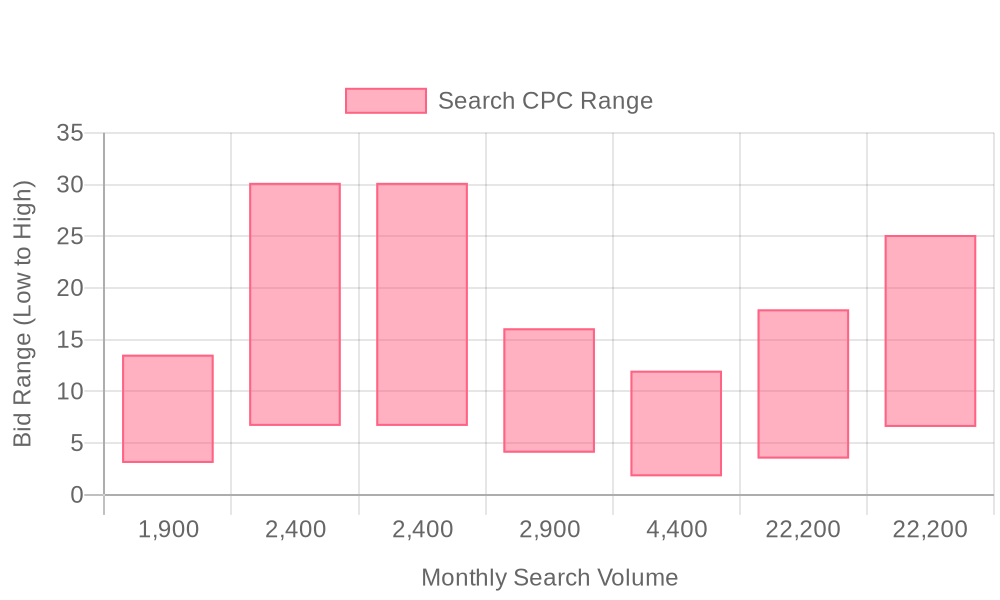
| Industry | Keyword | Monthly Search Volume | Competition Level | Low Bid | High Bid |
| Roof Cleaning | roof cleaning cost | 1900 | MEDIUM | 3.09 | 13.55 |
| Roof Cleaning | roof and gutter cleaning | 2400 | MEDIUM | 6.67 | 30.16 |
| Roof Cleaning | roof gutter cleaning | 2400 | MEDIUM | 6.67 | 30.16 |
| Roof Cleaning | soft wash roof cleaning | 2900 | MEDIUM | 4.08 | 16.1 |
| Roof Cleaning | roof washing | 4400 | MEDIUM | 1.8 | 12 |
| Roof Cleaning | roof cleaning | 22200 | LOW | 3.51 | 17.93 |
| Roof Cleaning | roof cleaning near me | 22200 | MEDIUM | 6.57 | 25.12 |
Integrating Google Ads for Roof Cleaning into your multi-channel strategy accelerates qualified lead generation by targeting prospects when their intent is highest. While social and email channels nurture and educate, Google Ads acts as the central engine for capturing buyers already searching for roof cleaning solutions, maximizing conversion efficiency at the pivotal consideration stage. For practical examples of how Google Ads can drive results in this space, explore this case study on Google Ads for local roof cleaning.
Precision targeting is essential for intercepting decision-makers at the exact moment they need roof cleaning services. With Sona's Identity Resolution, marketers can identify the companies behind anonymous website traffic, overcoming the limitations of incomplete profile data. This granular approach enables campaign managers to deploy ads only to high-value prospects, reducing wasted spend and increasing the likelihood of engagement.
Every click is traceable from initial interest to final quote and closed deal, providing measurable ROI. Leveraging real-time intent data, teams can dynamically adjust budget allocation to focus on accounts exhibiting strong buying signals, ensuring resources are invested where conversion probability is highest. This data-driven attribution model supports continuous improvement and justifies investment in digital marketing for roofers at every level of the funnel.
Coordinated channel synergy is crucial for recapturing and converting leads who may not act on their first interaction. By retargeting web visitors across display, video, and social platforms, marketers can maintain brand visibility and nurture interest until prospects are ready to commit. Dynamic audiences, which update in real time as leads progress through the funnel, help ensure that remarketing efforts remain relevant and personalized.
Strategic use of keywords underpins every successful Google Ads campaign for roof cleaning. Prioritizing terms with both high search volume and strong intent, such as "roof moss removal near me," "emergency roof cleaning," and "commercial roof washing", delivers targeted traffic ready to convert. For additional inspiration, you can reference this list of the most-searched roofing keywords. Simultaneously, implementing negative keywords like "roof cleaning equipment" or "DIY roof wash" filters out unqualified clicks, maintaining budget efficiency and boosting campaign ROI.
Sample target terms for effective PPC for roof cleaning include:
- "Roof cleaning company [city]": Captures local, high-intent buyers seeking immediate service.
- "Soft wash roof cleaning": Targets prospects researching professional, gentle cleaning methods.
- "Commercial roof moss removal": Reaches facility managers and property managers with specialized needs.
- "Emergency roof cleaning service": Attracts urgent inquiries with a high likelihood of quick conversion.
- "Best roof cleaning near me": Appeals to value-driven homeowners comparing providers.
By focusing on these high-performing keywords and maintaining disciplined negative keyword management, revenue teams can continually refine their Google Ads for Roof Cleaning campaigns, driving more consistent, qualified leads while maximizing marketing spend efficiency.
Step-by-Step Campaign Execution Framework
Precision and speed separate average roof cleaning campaigns from top performers. Success starts with an agile framework that leverages data, addresses local nuances, and delivers actionable insights to B2B revenue teams. Marketers who deploy these strategies accelerate lead flow and minimize wasted spend by connecting intent-rich signals with every campaign decision.
Revenue teams using this framework gain a unified view of high-intent accounts, allowing for real-time shifts in creative, targeting, and budget. Each step below is engineered for clarity, attribution, and operational efficiency, enabling teams to continuously improve pipeline quality and ROI.
Step 1: Build Targeted Keyword Lists
- Cluster by service types: Segment keyword groups for core offerings such as roof cleaning, moss removal, and repair. This structure lets you tailor messaging and budget to the unique buying cycle of each service, preventing dilution of ad relevance.
- Localize with modifiers: Enrich each group with city, neighborhood, and "near me" phrases. Hyperlocal terms drive higher intent and reduce click waste, as customers searching for "roof cleaning in [your city]" show immediate purchase potential.
- Add long-tail and question-based queries: Integrate searches like “how to remove moss from roof safely” or “best commercial roof cleaning service near me.” These capture prospects deeper in the decision journey and often convert at lower costs.
- Apply negative keyword filters: Proactively exclude unrelated searches (e.g., “roof cleaning equipment for sale,” “DIY roof cleaning”). Dynamic negative lists, informed by recent search term data, ensure spend is focused only on buyers, not researchers or job seekers.
Unified data platforms elevate this process by identifying the companies and people visiting your website. Teams can then prioritize keywords proven to convert for their exact target accounts, using real in-market intent signals rather than relying solely on guesswork or incomplete search data. For a practical example of effective keyword targeting, review this pressure washing PPC case study.
The upgrade most roof cleaning advertisers miss is going beyond raw keyword volume to layer in intent and identity signals. By connecting website visitor data and CRM records with Sona Marketing Measurement, you can see which specific search terms bring in the accounts and customers that actually convert, then weight your keyword and bidding strategy toward those instead of the terms with the highest search volume alone.
Step 2: Develop Compelling Ad Copy
- Leverage pain points in headlines: Address urgent needs such as “remove moss fast” or “prevent costly roof repairs.” This immediately resonates with both commercial property managers and homeowners seeking proactive solutions.
- Highlight trust markers: Feature certifications, star ratings, and years in business to build instant credibility. Social proof and industry recognition reduce friction, especially for high-ticket or emergency services.
- Promote urgency with incentives: Use offers like “free quotes” or “same-day service available.” Scarcity and incentive-driven copy prompt quicker response rates and set your service apart from generic alternatives.
- Use extensions for context: Add call, location, and structured snippet extensions. These facilitate direct contact, showcase specialties (like “eco-friendly cleaning”), and reinforce your local presence in every impression.
Real-time audience segments can be refreshed on the fly, ensuring that tailored messaging reaches only those accounts currently moving through key stages of the buying funnel. For examples of proven ad copy that resonates in the industry, explore these effective ad copy examples.
Step 3: Design Effective Landing Pages
- Align keyword, ad, and page content: Maintain a tight 1:1 relationship from search to landing page. For example, users clicking an ad for “commercial roof cleaning” should land on a page dedicated to commercial solutions, not a generic homepage.
- Segment by service: Build separate pages for different offerings such as moss removal, gutter cleaning, and roof washing. Each page should address the unique objections, pain points, and benefits relevant to that service category.
- Add ROI calculators, trust badges, and FAQs: Interactive calculators help prospects quantify potential savings or increased lifespan from professional cleaning. Prominent trust badges and a well-structured FAQ section address risk, building confidence and reducing abandonment.
Attribution tools connect on-page activity directly with offline outcomes, like booked site visits or closed deals, giving marketers a clear view of which ad and landing page combinations drive true revenue, not just form fills. For more on optimizing campaign landing experiences, see this guide to roof cleaning Google Ads.
Step 4: Implement Data-Driven Optimizations
- Track micro and macro conversions: Monitor both smaller actions (e.g., click-to-call, brochure downloads) and final outcomes (e.g., confirmed appointments, sales). This granularity allows for optimization at every stage of the customer journey, not just at the point of lead capture.
- Deploy smart bidding: Use Target CPA or Max Conversions to automatically adjust bids for the best performing keywords and audiences. These algorithms quickly identify patterns that manual bidding might miss, improving efficiency and scaling winning campaigns.
- A/B test creative and CTAs: Continuously test different headlines, images, and call-to-action placements. Rotating creative based on live performance data ensures you always serve the highest converting combinations to your audience.
- Import offline conversions: Pull in closed deal data from your CRM, allowing platforms to optimize for leads that actually result in revenue. This closes the loop on ROI measurement and prevents over-investment in top-of-funnel actions that don’t deliver pipeline impact.
Teams using unified data platforms can sync enriched lead data and conversion events directly into Google Ads and CRM tools. As audiences move through the funnel, segments update dynamically to trigger retargeting or nurture campaigns, so no high-value lead is left behind.
Sona Marketing Measurement closes the gap between clicks and revenue. It captures every ad click with first-party, cookie-independent tracking, ties that click through UTM capture and ad-platform APIs to the actual record in your CRM, and reports ROAS by keyword and campaign instead of by last-click form fill. Feeding that revenue signal back into Smart Bidding and Performance Max compounds over time: the algorithms optimize toward booked roof cleaning revenue, not cheap leads.
Beyond Google Ads: Winning the AI Answers Roof Cleaning Buyers Now Trust
Paid search captures demand at the moment someone types a query. But a fast-growing share of roof cleaning buyers no longer start at Google at all, they ask ChatGPT, Gemini, or Perplexity before they ever run a search, and Google's own AI Overviews increasingly summarize an answer above the traditional results. If your business isn't referenced in those AI answers, you're invisible at the exact moment buyers build their shortlist.
Sona AI Visibility shows where your business shows up across ChatGPT, Gemini, Perplexity, Google AI Overviews, and 10+ engines, and, much like a keyword report, which prompts actually send you buyers, so you can prioritize the ones that convert. Run the two together and you cover the entire buyer path: get cited where buyers research (AI Visibility), then prove which of that demand turns into booked revenue (Marketing Measurement).
Helpful resources
Conclusion
The roof cleaning businesses that win with Google Ads are the ones that treat search as one piece of a larger system, tied to real conversion data rather than click volume. Keyword lists, ad copy, and landing pages matter, but the lasting advantage comes from knowing which clicks turned into booked jobs and feeding that back into your bidding.
To see how identity resolution and marketing measurement can sharpen your next campaign, start for free with Sona.
FAQ
What are the best practices for Google Ads in roof cleaning?
The best practices include using a data-driven approach to target high-intent buyers, developing keyword lists that reflect customer purchase intent, aligning ad copy with landing page messaging, and continuously optimizing campaigns based on conversion data.
How can I create effective Google Ads for my roof cleaning business?
To create effective Google Ads, focus on precision targeting with relevant keywords, align ad copy with landing pages, use audience segmentation, and continuously optimize the campaign based on performance data.
What budget should I allocate for Google Ads in roof cleaning?
Allocate your budget based on data-driven insights, focusing spend on high-converting segments and adjusting based on real-time performance analysis to ensure efficient use of marketing dollars.
What keywords should I target for roof cleaning Google Ads?
Target keywords with high search volume and intent, such as 'roof moss removal near me,' 'emergency roof cleaning,' and 'commercial roof washing,' while using negative keywords to exclude unrelated searches.
How do I measure the success of my Google Ads campaigns for roof cleaning?
Measure success by tracking conversions from online engagement and offline actions, using advanced intent signals to attribute results back to the original ad click, and adjusting strategies based on real-time data.







