


A cracked slate seam or torn felt rarely waits for a convenient time, and the person searching for a repair tonight is not the same prospect browsing DIY forums next month. That gap is where most pool table repair businesses lose ground: high-intent calls and quote requests never make it into a CRM, so the business has no record they existed. Google Ads closes that gap by putting your service in front of searchers at the moment they're looking, whether a bar owner needs a table fixed before a tournament or a homeowner finally gets around to releveling a table that's bothered them for months. The businesses that win here aren't necessarily spending more, they're responding faster and following up before a hot lead cools into a missed opportunity.
How to Generate Google Ads for Pool Table Repair Leads with Google Ads: A Step-by-Step Guide
A strong Google Ads strategy for pool table repair connects your specialized services with customers actively seeking solutions, ensuring your marketing dollars are focused on the highest-value prospects. By leveraging precise audience intelligence and intent signals, you can outperform generic repair ads and secure a steady pipeline of qualified leads.
Implementing data-driven paid search tactics turns anonymous website visitors into actionable opportunities. When your platform can identify the companies behind your traffic and enrich those profiles, you can prioritize outreach and tailor messaging by account, improving the odds of engagement and conversion. This is company-level identification, not tracking of individuals, but it's enough to shift you from broad targeting to accounts with real commercial intent.
Tailoring keyword and audience targeting to the nuances of pool table repair ensures your ads address both urgent, high-intent searchers and those in the research phase. Creating segmented audiences, such as homeowners versus commercial establishments, lets you serve relevant offers and streamline your sales funnel. Dynamic audience updates, driven by in-market actions, help you keep advertising spend aligned with leads most likely to convert, while minimizing wasted impressions. For a guide on setting up Google Ads campaigns for service businesses, explore how pool cleaning companies structure their ads.
Aligning your landing pages and ad creatives with account-level data is essential for optimizing conversions. By customizing offers based on service history, location, or table brand, you create a seamless experience that removes friction from the buying journey. Integrating real-time account data into landing pages, such as displaying technician availability or testimonials from similar customers, further increases trust and accelerates decisions.
Continuous performance improvement is critical for maximizing ROI. Tracking both online and offline conversions gives you a full view of campaign effectiveness and a basis for data-backed adjustments. Sona's Intent Signals let you shift budget toward high-converting segments in real time, so high-value leads get timely sales attention instead of sitting in a queue.
Cross-channel strategies unify your marketing ecosystem, keeping ads, email, and sales outreach consistent. Syncing enriched audiences and lead data directly with your CRM and marketing automation means every channel reinforces the same message and speeds up pipeline velocity. No high-intent prospect slips through, and every dollar spent has a clearer line to a result. Looking to put these strategies into practice? Get started for free with Sona.
Why Does Google Ads Matter for Pool Table Repair

Google Ads for pool table repair delivers measurable value by connecting your service with people actively searching for skilled billiard table work. Unlike broad-based advertising, these campaigns catch prospects at the moment they're looking for a solution, so your spend produces actionable leads rather than passive impressions. For a practical guide on setting up effective campaigns, check out this Google Ads guide for pool cleaning businesses.
- Specialized Audience: Google Ads focuses on decision-makers who already recognize their need for pool table repair, targeting searchers with high purchase intent. This precision eliminates wasted spend on passive viewers and ensures your advertising appears directly before homeowners, bar managers, or recreation facility operators ready to take action on repairs. For more insights on targeting and segmentation, explore real-time audience tools that can refine your ad reach.
- Urgency in Service: Pool table repair often involves situations requiring fast turnaround, damaged felt, structural issues before an event, or commercial downtime. Google Ads puts your business in front of motivated, time-sensitive buyers, allowing sales teams to prioritize and respond swiftly to hot leads instead of sifting through general inquiries generated by less targeted platforms.
- Geographic Expansion: Service coverage is often dictated by technician availability and local demand. Google Ads enables granular targeting of neighborhoods, cities, or even zip codes, making it possible to test and expand into new markets efficiently. This approach minimizes budget waste, avoids diluting your presence, and ensures that your ads are only shown where your team can provide timely service.
- Integrated Data Analysis: With Google Ads, every click and conversion can be tracked, allowing for closed-loop measurement that fuels smarter marketing decisions across all channels. When this data is unified with visitor identity and intent signals, marketing teams can pinpoint which campaigns drive the highest-value pool table service leads. This level of insight supports real-time budget adjustments and ensures ongoing campaign optimization for maximum ROI.
Common Types of Google Ads Campaigns for Pool Table Repair Services

- Search Campaigns: Search campaigns are the cornerstone for pool table repair advertising, capturing demand at the precise moment a prospect searches for urgent services like “pool table felt replacement near me.” With keyword-level intent signals, you can allocate budget to the queries most likely to convert, minimizing wasted spend. When search data is unified across your marketing ecosystem, it becomes possible to identify not only which keywords drive clicks, but which contacts and accounts are moving toward a final decision, allowing for dynamic budget shifts and tailored follow-up.
- Display Ads: Display ads keep your pool table repair brand visible across relevant websites, ensuring your solutions remain top-of-mind even after a prospect leaves your site. By leveraging enriched audience data, these ads can be programmed to retarget visitors who have shown intent but not yet converted, optimizing frequency and creative based on real-time engagement metrics. Learn more about effective Google Ads strategies for service businesses with this guide for pool cleaning businesses.
- Video Ads: Video campaigns present a compelling way to showcase craftsmanship and build trust by visually demonstrating complex repairs or highlighting before-and-after transformations. These assets engage audiences who may not respond to static ads, especially when distributed on platforms popular with local consumers searching for repair guidance. With advanced analytics and cross-channel attribution, you can monitor which video messages drive not only clicks, but actual service bookings, enabling you to refine creative and spend for maximum impact.
- Remarketing: Remarketing campaigns are essential for re-engaging prospects who previously interacted with your pool table repair content or requested quotes but did not schedule service. By dynamically adjusting audiences as leads progress through the funnel, remarketing ensures each contact receives messaging relevant to their current intent, whether it’s a seasonal offer or a final nudge to book. Integration with visitor identification tools allows you to move beyond generic retargeting, recognizing high-intent commercial or residential accounts and prioritizing outreach accordingly.
- Assets: Ad assets such as location and call assets offer immediate trust signals that speed up conversion, letting prospects connect with your team directly from the search results. These assets reinforce the credibility your website and other marketing channels already establish. When ad assets draw on unified customer data, they surface accurate, contextually relevant information, such as updated service areas or real-time availability, so every interaction moves prospects closer to becoming loyal clients.
To streamline your Google Ads campaigns and drive more qualified leads, get started for free with Sona.
Where to Find Growth Opportunities
Unlocking new growth channels for pool table repair companies starts with precision targeting. Relying solely on broad, static keyword lists can limit inbound lead quality and campaign efficiency. Instead, develop dynamic, intent-driven keyword strategies that evolve as real search trends shift. By continuously analyzing search data and feeding these insights into your campaign, you capture high-value prospects actively seeking pool table repair solutions, not just those passively browsing.
Competitor analysis is a direct route to identifying underserved customer segments. Examine which market niches your rivals overlook, then realign your ad spend to engage these high-conversion audiences. When paired with advanced visitor identification, marketers can see which businesses and individuals are most engaged, allowing for rapid budget reallocation toward accounts showing in-market behaviors. This tactical shift ensures you’re investing in leads closest to purchase, increasing both efficiency and ROI. For a practical guide to setting up effective Google Ads campaigns to reach these audiences, visit Google Ads for pool cleaning businesses.
Industry-specific forums and niche directories present an overlooked growth channel for pool table repair advertising. While organic posts on these platforms may get buried, targeted ad placements remain visible and up to date. Real-time list syncing ensures your ads only appear where opportunity is fresh, not stale. This platform-level intelligence is especially effective when enriched with CRM data, helping you target users already progressing through your sales funnel and updating audiences as leads move closer to conversion.
Retargeting with educational resources further boosts engagement and nurtures prospects. Instead of generic follow-up ads, align your retargeting with pool repair content, such as “How to Know When Your Table Needs Re-leveling” or short video guides. Using enriched behavioral and firmographic data, you can personalize these campaigns to reflect each prospect's repair history, location, or urgency. This closes the loop between ad engagement and sales, so your campaigns drive service leads you can actually count.
How to Apply Audience Segmentation for Pool Table Repair

Pool table repair businesses thrive when their advertising strategies mirror the nuanced needs of their audience. Audience segmentation enables teams to shift away from generic messaging and instead deliver purpose-built ads that resonate with each customer type, from homeowners seeking felt replacement to venue managers needing commercial maintenance. To learn more about segmenting audiences for tailored campaigns, explore building real-time audience segments.
- Define Segments: Start by separating your audience into strategic buckets such as residential vs. commercial, and further by service type like table repairs or accessory upgrades. Regularly refresh these segments using real-time data so your campaigns reflect current demand and seasonality, not outdated assumptions. With unified go-to-market data, you can quickly identify new audience clusters and avoid wasted spend on irrelevant groups.
- Overlay Intent Signals: Distinguish between customers looking for routine upkeep and those urgently seeking repairs before a tournament or event. By integrating intent signals from website engagement, search behavior, and offline interactions, you can recognize which prospects are moving from research to purchase. Audience lists dynamically update as leads progress, ensuring ads and offers are always timely and relevant.
- Create Segment-Specific Ad Groups: Build dedicated ad groups for each segment and align messaging, visuals, and offers accordingly. Allocate budgets based on segment value, delivering tailored experiences that improve click-through and conversion rates. By connecting CRM and ad platforms, your campaigns respond in real time to shifts in account readiness, letting you focus resources where the likelihood of conversion is highest.
- Validate Conversions: Sync every form fill, quote request, or phone call with your CRM, closing the loop between marketing and sales. This creates a single source of truth for lead quality and revenue attribution, empowering you to double down on the segments and campaigns that drive the most profitable growth. With advanced tracking, you gain clear insight into which keywords, ads, and audiences contribute to closed deals, not just clicks.
Sophisticated segmentation unlocks the full value of Google Ads for pool table repair, turning scattered data into insight you can act on and driving more qualified leads at a lower cost per acquisition. For a practical guide on setting up Google Ads campaigns that maximize leads for service businesses, visit this guide for pool cleaning businesses.
This is also where measurement changes the economics. With Sona Marketing Measurement you can identify the companies and buyers behind your ad clicks, not just anonymous sessions, and segment audiences by who actually becomes a customer. That lets you build bid adjustments and audience signals around the segments that convert and de-prioritize the ones that don't, so you feed Google's algorithms "this click became a paying pool table repair customer" instead of just "someone filled out a form."
Keyword Strategy & Sample Target Terms
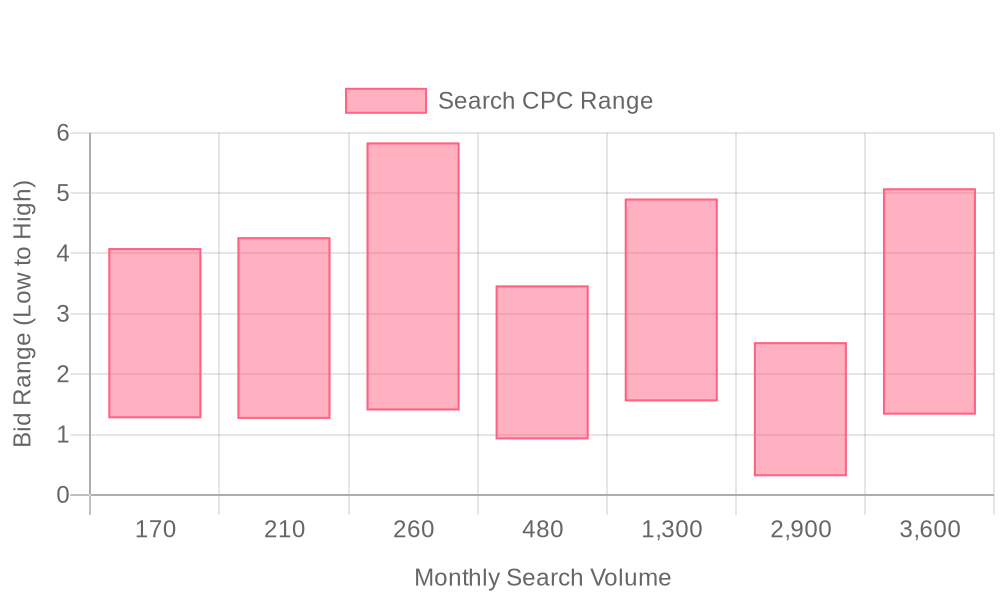
| Industry | Keyword | Monthly Search Volume | Competition Level | Low Bid | High Bid |
| Pool Table Repair | pool table restoration near me | 170 | MEDIUM | 1.27 | 4.09 |
| Pool Table Repair | pool table recovering near me | 210 | LOW | 1.26 | 4.27 |
| Pool Table Repair | pool table restoration | 260 | MEDIUM | 1.4 | 5.84 |
| Pool Table Repair | pool table felt replacement near me | 480 | HIGH | 0.92 | 3.47 |
| Pool Table Repair | pool table repair | 1300 | LOW | 1.55 | 4.91 |
| Pool Table Repair | pool table felt replacement | 2900 | HIGH | 0.31 | 2.53 |
| Pool Table Repair | pool table repair near me | 3600 | LOW | 1.33 | 5.08 |
Effective keyword strategy sits at the core of every high-performing Google Ads campaign for pool table repair businesses. By prioritizing terms that mirror the intent and urgency of real buyers, marketers can drive quality leads and achieve superior conversion rates while keeping wasted spend minimal. For a deeper dive into campaign setup and optimization, review this guide to Google Ads for pool cleaning businesses, which offers transferable insights for other service-based businesses.
- High-impact keywords: Pool table repair specialists should focus on terms like 'Google Ads for Pool Table Repair,' 'pool table repair advertising,' and 'Google Ads strategies for repair services.' These capture searchers with immediate service needs, increasing the likelihood of direct inquiries and booked appointments. Adding job-specific variations such as 'urgent pool table repair,' 'billiard table felt replacement,' and 'pool table leveling near me' helps attract users at critical decision points. For more on crafting effective service keywords, explore our marketing analytics blog.
- Negative keyword use: To refine traffic and limit ad spend on irrelevant clicks, employ negative keywords that filter out searches related to swimming pools, DIY guides, and unrelated repair categories. This proactive filtering should evolve as search behavior shifts, ensuring only qualified leads reach your funnel. Unlock additional strategies by leveraging Sona to build dynamic, real-time segments that auto-sync with ad platforms for precise targeting.
Marketers using unified go-to-market data can go beyond broad keyword lists by identifying which visitors are most likely to convert based on intent signals. As leads interact with your ads and website, dynamic audience segments update automatically, so spend goes toward those most likely to book a service. Integrated with CRM and sales workflows, this keeps high-value prospects prioritized and campaign performance measured with precision.
Step-by-Step Campaign Execution Framework
A strategic, stepwise approach to Google Ads for pool table repair provides clarity for both marketers and sales teams. When each campaign element is precisely aligned, businesses reach the right prospects at the right moment, improving lead quality and accelerating revenue outcomes. To deepen your expertise in campaign strategy and analytics, visit our marketing analytics blog.
Step 1: Build Targeted Keyword Lists
- Service Clustering: Segment keywords by service type, such as felt replacement, table leveling, or custom builds. This method allows campaigns to zero in on what buyers actually seek, instead of spreading budget across irrelevant clicks.
- Geographical Modifiers: Integrate city names and "near me" phrases to capture high-intent local traffic. Pool table repair is a hyperlocal service, so specificity in targeting boosts relevance and lowers wasted spend.
- Long-Tail Queries: Use phrases like "commercial pool table repair in Austin" or "slate table releveling near me." These terms attract ready-to-buy visitors and filter out generic, low-conversion searches.
- Negative Keywords: Regularly exclude unrelated queries, such as those for swimming pool repair or DIY materials. This step ensures you don’t pay for traffic that won’t convert.
When marketers use platforms that unify campaign and CRM data, they can see not just which keywords drive traffic, but which actually produce qualified leads. Sona's Identity Resolution directs budget toward the most valuable audience segments instead of letting it disappear into anonymous clicks.
The upgrade most pool table repair advertisers miss is going beyond raw keyword volume to layer in intent and identity signals. By connecting website-visitor data and CRM records with Sona Marketing Measurement, you can see which specific search terms bring in the accounts and customers that actually convert, and weight your keyword and bidding strategy toward those rather than the terms with the highest search volume alone.
Step 2: Develop Compelling Ad Copy
- Pain Point Messaging: Address common issues, misaligned rails, worn felt, or loose pockets, directly in ad copy. This approach creates resonance and signals genuine expertise, moving prospects from curiosity to engagement.
- Credibility Signals: Integrate references to certifications, years of experience, and customer testimonials. Credentials and proof points are crucial for winning trust in a specialized repair service.
- Urgency Offers: Phrases like "Book your free table assessment today" or "24-hour turnaround available" drive immediate action. These time-sensitive elements motivate high-intent prospects to convert before exploring competitors.
- Ad Extensions: Highlight service areas, warranty details, or special offers using sitelinks and structured snippets. These micro-messages increase ad real estate and encourage deeper interaction.
With synchronized audience data, dynamic ad variations can be tailored based on where leads are in the buying funnel. Marketers can trigger different offers or testimonials for new vs. returning prospects, and update messaging as leads progress, maximizing personalization and conversion odds.
Step 3: Design Effective Landing Pages
- Alignment Across Channels: Ensure the keywords and promises in ads directly match landing page content, creating a seamless experience that reduces drop-off and builds trust.
- Segmented Experiences: Tailor landing pages for commercial clients (bars, arcades) versus residential customers. This distinction enables more relevant messaging and increases the likelihood of form submissions or calls.
- ROI Demonstrations: Feature before-and-after photos, case studies, and customer reviews. Clear proof of value is essential for convincing visitors to take the next step.
- Integrated CRM Tracking: Embed forms and scheduling widgets that sync directly with your CRM. This enables full-funnel attribution and ensures no lead slips through the cracks.
By connecting landing page engagement data with ad and CRM systems, marketers can trace every qualified inquiry back to its source. For a practical guide to setting up effective Google Ads campaigns and landing pages in home services, see this step-by-step pool service guide. This unified view eliminates guesswork, allowing teams to double down on messaging and offers that drive the highest-value pool table service leads.
Step 4: Implement Data-Driven Optimizations
- Conversion Monitoring: Track not just clicks, but calls, form fills, and booked appointments. Differentiate high-value actions (e.g., commercial contract requests) from low-value ones for smarter campaign refinement.
- Smart Bidding Strategies: Use automated bidding based on real-time lead quality signals, shifting spend to the keywords and ads that drive profitable repairs and installations.
- Offline Conversion Importing: Link closed deals and service completions back into Google Ads. This feedback loop resolves attribution challenges and supports more effective bid adjustments.
- Cross-Channel Calibration: Analyze Google Ads performance alongside email, social, and outbound campaigns. Use unified marketing signals to identify bottlenecks, expand on winning audiences, and eliminate duplicated spend.
When all marketing and sales data is unified, optimization becomes continuous rather than a quarterly scramble. Marketers can see not only which ads generate clicks, but which drive actual revenue, using real-time signal-based segments to keep the entire pool table repair campaign tied to measurable business growth.
Sona Marketing Measurement closes the gap between clicks and revenue. It captures every ad click with first-party measurement, ties that click through UTM capture and ad-platform APIs to the actual record in your CRM, and reports ROAS by keyword and campaign instead of by last-click form fill. Feeding that revenue signal back into Smart Bidding and Performance Max compounds over time: the algorithms optimize toward booked pool table repair revenue, not cheap leads.
Tips on Expanding Your Pool Table Repair Presence
Strategic expansion in the pool table repair market relies on a combination of education-driven outreach and precise targeting. Marketers who deliver value-rich, educational content during retargeting reinforce their broader content objectives, building trust with audiences and positioning their business as the expert resource in the space. Leveraging Sona’s Audiences tool allows you to up-sell related services, such as table leveling, felt replacement, or cue maintenance, by identifying high-value accounts based on firmographic enrichment and intent insights. This approach improves retention, as each engagement is tailored to the observed needs and context of the user.
Collaboration with established pool table organizations, leagues, or retail partners opens new avenues for shared traffic and co-branded marketing campaigns. These partnerships work best when marketing and sales data are synchronized, ensuring that signals from both sides inform messaging and outreach. Regionalizing your campaigns further amplifies visibility among targeted communities, with real-time intent data helping to identify and prioritize neighborhoods or cities where demand is peaking. For a practical example of how local service businesses can scale using Google Ads, see this step-by-step guide for pool cleaning services.
Regularly analyzing search data uncovers emerging topics and content gaps, and fuels marketing initiatives grounded in what people are actually searching for, not guesswork. This keeps content and campaign spend aligned with what local pool table owners and commercial venues want. Marketers who unify visitor and lead data across touchpoints can see which content themes drive the most engagement, then shift spend to capitalize on those high-performing segments. The result: targeted advertising, real insight, and coordinated outreach working together to grow your presence and produce leads you can track to a close.
Beyond Google Ads: Winning the AI Answers Pool Table Repair Buyers Now Trust
Paid search captures demand at the moment someone types a query. But a fast-growing share of pool table repair buyers no longer start at Google at all, they ask ChatGPT, Gemini, or Perplexity before they ever run a search, and Google's own AI Overviews increasingly summarize an answer above the traditional results. If your business isn't referenced in those AI answers, you're invisible at the exact moment buyers build their shortlist.
Sona AI Visibility shows where your business shows up across ChatGPT, Gemini, Perplexity, Google AI Overviews, and 10+ engines, and, much like a keyword report, which prompts actually send you buyers, so you can prioritize the ones that convert. Run the two together and you cover the entire buyer path: get cited where buyers research (AI Visibility), then prove which of that demand turns into booked revenue (Marketing Measurement).
Helpful resources
Conclusion
Google Ads works for pool table repair because it puts your business in front of people at the exact moment they need a table fixed, not weeks before or after. Getting there means paying attention to keyword targeting, ad copy, and budget management with the same rigor you'd bring to a tricky slate releveling job: precision matters more than volume.
The businesses pulling ahead in this trade are the ones treating every click as a potential account, not just a lead form. As AI tools increasingly answer buyers' first questions before they ever open Google, staying visible in both search results and AI-generated answers will matter as much as bidding well on the right keywords.
To harness unified data and turn it into leads you can track to a close, start for free with Sona.
FAQ
What are the best practices for Google Ads in pool table repair?
Best practices include using precise audience intelligence and intent signals, tailoring keyword and audience targeting, and aligning landing pages and ad creatives with account-level data to optimize conversions.
How can I target customers effectively with Google Ads for pool table repair?
Effective targeting involves segmenting audiences, using high-impact keywords, employing negative keywords to filter irrelevant traffic, and leveraging real-time intent signals to focus on high-value prospects.
What budget should I allocate for Google Ads for pool table repair?
While the article does not specify a budget, it emphasizes focusing marketing dollars on high-value prospects and using dynamic audience updates to minimize wasted impressions and maximize ROI.
How do I measure the success of my Google Ads campaigns for pool table repair?
Success can be measured by tracking both online and offline conversions, using real-time intent monitoring, and employing sophisticated tracking to adjust campaigns based on performance data.
What keywords should I use for Google Ads targeting pool table repair services?
Keywords should include terms like 'pool table repair advertising,' 'billiard table felt replacement,' 'urgent pool table repair,' and other job-specific variations to capture searchers with immediate service needs.







