Plastic fabrication buyers, plant managers, procurement officers, engineers, rarely announce themselves. They research quietly, compare vendors on technical fit, and often stay invisible in your CRM until they're ready to request a quote. Google Ads closes that gap, catching high-intent prospects at the moment they search for a solution and connecting that moment to your sales process. Without the right tools, these prospects pass through unnoticed and the opportunity goes to whichever competitor shows up first. This guide covers how Google Ads complements your existing marketing by targeting precise industry keywords, tracking conversions, and linking online activity to offline sales efforts.
How to Generate Plastic Fabrication Leads with Google Ads: A Step-by-Step Guide
Integrating Google Ads into your digital marketing strategy gives plastic fabrication companies a direct line to decision-makers actively searching for specialized manufacturing solutions. Explore this overview of Google Ads for manufacturing to understand how intent-driven campaigns can efficiently capture qualified leads, maximize visibility, and move beyond broad brand awareness to precise, measurable engagement with high-potential accounts.
A structured approach to Google Ads ensures your campaigns align with the nuanced buying cycles and technical requirements of the plastic fabrication sector. When paired with real-time audience insights and dynamic campaign optimization, this approach helps bridge the gap between online interest and offline project discussions, resulting in more RFQs and improved sales pipeline velocity.
- Develop a structured approach to Google Ads: In plastic fabrication, buyers make high-stakes choices based on technical fit and vendor reliability. Building your Google Ads program as part of a broader, multi-channel marketing strategy ensures your brand remains visible at every stage of the procurement process, from initial research to specification review. This level of integration empowers teams to retarget engaged visitors, nurture leads over longer sales cycles, and keep your solutions top-of-mind as projects progress.
- Focus on keyword and audience targeting: Success in PPC for plastic fabrication hinges on understanding the language and intent of your buyers. Use industry-specific keywords such as "custom plastic enclosures," "precision injection molding," or "ISO-certified plastic fabrication" to attract engineers and procurement managers who are actively evaluating suppliers. Sona's Identity Resolution reveals which companies are visiting your site, letting you filter by industry or company size and adapt your bids to prioritize accounts demonstrating in-market behavior. By leveraging real-time data, you can shift budgets to the highest-converting segments, improving both efficiency and lead quality.
- Align landing pages and creative for conversions: Manufacturing buyers often need technical validation before submitting a form or requesting a quote. Tailoring your landing pages to match ad messaging and including rich technical content, such as material compatibility charts, tolerances, and certification details, builds trust. Features like CAD file upload and instant quote calculators directly address buyer needs, increasing conversion rates among visitors who might otherwise remain passive. For more tactical guidance, browse our actionable playbooks on optimizing B2B marketing and conversions.
- Optimize campaign performance continuously: Ongoing campaign performance analysis identifies which keywords, ads, and audiences deliver the best ROI. Sona surfaces intent signals that let you retarget visitors who interact with product specs or download datasheets but have not yet converted. With advanced attribution, you can connect website actions and offline sales discussions, tracking the true impact of your Google Ads investment on the sales pipeline.
- Integrate with other channels for a cohesive strategy: Remarketing is critical in the plastic fabrication space, where buyers often revisit suppliers multiple times before making contact. By syncing high-quality audience data and high-intent leads into your CRM and marketing automation tools, you ensure prompt follow-up and coordinated outreach across channels. This seamless integration enables revenue teams to personalize engagement, accelerate deal cycles, and maintain a unified view of prospect activity from click to close.
Ready to move from clicks to qualified pipeline? Get started for free with Sona.
Why Google Ads Matters for Plastic Fabrication
B2B revenue teams in plastic fabrication face an intricate challenge: their ideal buyers are often plant managers, procurement officers, and engineers who research solutions independently before ever reaching out. These decision-makers move rapidly, and their buying signals frequently remain hidden, leading to missed opportunities and slower sales cycles. Google Ads bridges this gap by capturing high-intent prospects at the precise moment they search for specialized services, ensuring marketing efforts reach the right audience when urgency and intent are at their peak.
Timely engagement is crucial in an industry where production deadlines and project needs can shift overnight. When a prospect urgently requires custom plastic components, appearing at the top of search results prevents competitors from capturing the opportunity first. Advanced digital marketing platforms further empower teams to identify anonymous website visitors, matching company-level intent with ad placements that trigger immediate action and follow-up.
Strategic use of Google Ads also unlocks new growth in emerging or underserved markets for plastic fabrication. Targeted ads extend brand reach to buyers who may not be familiar with your capabilities, leveling the playing field against larger industry players. By synchronizing campaigns with CRM and ad platforms, marketers can track engagement across channels, maintain persistent visibility, and drive measurable ROI. This precision ensures that high-value leads are nurtured from first click to final quote, keeping them engaged before they cool off or drift to competitors.
Common Types of Google Ads Campaigns for Plastic Fabrication Services

- Search Campaigns: Plastic fabrication companies rely on search campaigns to capture demand from manufacturing decision-makers actively seeking solutions. These campaigns target high-intent queries, such as “custom plastic molding” and “industrial thermoplastic fabrication,” converting inbound interest at the precise moment a prospect is considering a quote or vendor shortlist. By leveraging real-time visitor identification, marketers can prioritize spend on searches from known accounts, ensuring that budget is directed toward leads with clear purchase intent and readiness. For more on building targeted manufacturing campaigns, see this overview of Google Ads for manufacturing.
- Display Ads: Running display ads across relevant industry websites and forums builds brand familiarity among engineers, buyers, and procurement specialists. Display placements are particularly effective for staying top-of-mind with professionals who have previously visited technical specification pages or requested information but did not convert. Modern platforms automatically update target audiences as users move deeper into the buying journey, keeping brand messaging relevant as prospects revisit or compare fabrication partners.
- Video Ads: Video campaigns allow manufacturers to visually communicate the intricacies of their fabrication processes, material capabilities, and quality controls. Detailed process demonstrations, facility tours, and client case studies help build trust by showing operational scale and expertise. When paired with intent data, video retargeting can trigger specific content for prospects who abandoned earlier interactions, reigniting interest at pivotal moments of vendor assessment.
- Remarketing: Remarketing is essential for plastic fabrication, as buyers frequently engage in prolonged research and vendor comparison. Retargeting ads re-engage visitors who interacted with RFQ forms or technical downloads but left before submitting their information. With dynamic audience management, remarketing lists automatically refresh as new data flows in from both web activity and CRM updates, ensuring high-value prospects are re-engaged with personalized offers or engineering consultations. For additional strategies tailored to the plastic molding industry, explore digital marketing for plastic molding.
- Assets: Ad assets add credibility and trust signals that matter to industrial buyers. Location assets show prospective clients proximity to production facilities, while structured snippet and callout assets display certifications, compliance standards, and specialty materials. When integrated with real-time data, these assets adapt to highlight the most relevant trust factors for each segment, such as ISO certifications for medical device manufacturers or ITAR compliance for defense projects.
Ready to optimize your campaigns? Get started for free with Sona.
Where to Find Growth Opportunities
Vertical keyword targeting unlocks precision in reaching decision makers researching specialized plastic fabrication services. By aligning ads with technical search queries such as "custom injection molding for medical devices" or "industrial plastic CNC machining," manufacturers can capture high-intent demand at the moment buyers are evaluating suppliers. This approach ensures digital marketing for manufacturers produces qualified leads rather than low-value traffic, directly supporting lead generation for plastic fabrication and increasing Google Ads ROI for fabrication.
Conducting competitor gap analysis provides an actionable roadmap to market whitespace. By mapping paid search visibility and ad messaging of rival plastic fabrication companies, marketers can uncover underserved segments, such as niche polymer capabilities or geographic clusters, that competitors overlook. With advanced data enrichment, teams are able to move beyond surface-level impressions and pinpoint which companies are interacting with ads or landing pages but not yet converting, enabling direct engagement and nurturing sequences for those high-value accounts.
Targeting industry-specific placements, such as engineering forums or procurement platforms, expands reach where organic content may lag. Placing display or native ads on sector-relevant sites ensures visibility among technical audiences who are deep in research phases. Integrating company-level engagement insights into this mix elevates performance: marketers can see which businesses are consuming content, adjust budgets toward those showing active buying signals, and sync enriched lists straight into Google Ads or CRM workflows. This streamlines online advertising for manufacturing, focusing spend on audiences most likely to convert.
Retargeting content assets such as whitepapers, technical videos, or case studies increases traction among prior visitors and advances them through the buying journey. By dynamically updating retargeting audiences as prospects interact with different content, teams maintain relevance and maximize conversion rates. Attribution improves when marketers connect both online and offline engagements, such as form fills and sales calls, back to specific campaigns, giving a true measure of cost-per-click in manufacturing and informing future search engine marketing for plastics strategies.
Ready to capture high-value leads and optimize your manufacturing campaigns? Get started for free with Sona.
How to Apply Audience Segmentation for Plastic Fabrication
Precision audience segmentation is essential for maximizing the impact of Google Ads for plastic fabrication. Businesses in this sector face diverse buying behaviors, with engineers, procurement officers, and project managers each requiring tailored messaging and engagement tactics. Segmenting effectively ensures every ad dollar goes toward the highest-value prospects, supporting measurable growth and improved lead quality. For an overview of how Google Ads can drive leads and sales for manufacturers, see Google Ads for manufacturing.
- Define Segments: For plastic fabrication, the first step is mapping out distinct customer profiles such as commercial clients seeking high-volume production runs and residential buyers needing bespoke components. Parsing historical engagement data highlights critical points in the buyer's journey, revealing which types of organizations or roles are most likely to convert. Marketers can leverage Sona's Identity Resolution to bridge the gap between anonymous website traffic and actual company profiles, enabling more granular segmentation and faster qualification of leads.
- Overlay Intent Signals: Advanced segmentation means moving beyond static demographics to include real-time intent signals. By analyzing search queries and on-site behaviors, marketers can pinpoint segments showing immediate purchase readiness, such as those searching for "medical-grade injection molding" or "custom plastic prototyping." Real-time intent signals empower teams to dynamically adjust budgets and creative focus toward high-converting accounts, ensuring resources are prioritized where they’ll drive the most ROI. This responsiveness is especially valuable in PPC for plastic fabrication, where quick shifts in demand can impact conversion rates and cost-per-click.
- Create Ad Groups by Segment: Once key segments and intent signals are identified, creating tightly focused ad groups allows for hyper-relevant creative, bidding, and budget allocation. For example, a group targeting procurement managers in the automotive industry would feature messaging around quality certifications and rapid quoting, while another aimed at medical device manufacturers would emphasize compliance and precision. Sona Audiences ensures these groups are updated as prospects progress, moving from research to RFQ stage, allowing for seamless retargeting and nurturing. For more actionable playbooks, explore B2B marketing strategies.
- Validate Conversion Paths: Accurate conversion tracking is critical for measuring the true ROI of digital marketing for manufacturers. Ensuring that leads from each segment flow directly into CRM systems allows for swift and relevant follow-up. Advanced attribution connects online and offline interactions, capturing every touchpoint from initial search to final contract. When enriched audience and lead data sync directly into platforms like Google Ads and Salesforce, revenue teams gain a unified view of campaign performance, supporting closed-loop reporting and more informed budget decisions. This integration is foundational for manufacturers aiming to optimize lead generation for plastic fabrication and validate every marketing investment.
This is also where measurement changes the economics. With Sona Marketing Measurement you can identify the companies and buyers behind your ad clicks, not just anonymous sessions, and segment audiences by who actually becomes a customer. That lets you build bid adjustments and audience signals around the segments that convert and de-prioritize the ones that don't, so you feed Google's algorithms "this click became a paying plastic fabrication customer" instead of just "someone filled out a form."
Keyword Strategy & Sample Target Terms
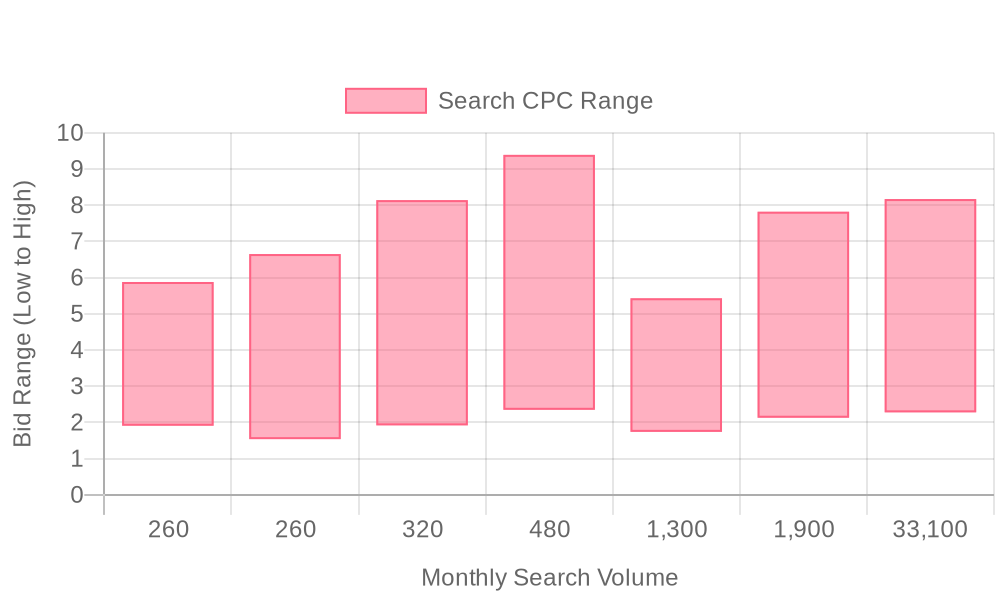
| Industry | Keyword | Monthly Search Volume | Competition Level | Low Bid | High Bid |
| Plastic Fabrication | acrylic manufacturers near me | 260 | MEDIUM | 1.91 | 5.88 |
| Plastic Fabrication | custom plastic fabrication near me | 260 | LOW | 1.54 | 6.65 |
| Plastic Fabrication | acrylic fabrication | 320 | LOW | 1.92 | 8.14 |
| Plastic Fabrication | custom plastic fabrication | 480 | LOW | 2.35 | 9.39 |
| Plastic Fabrication | plastic fabrication near me | 1300 | MEDIUM | 1.74 | 5.43 |
| Plastic Fabrication | plastic fabrication | 1900 | LOW | 2.13 | 7.82 |
| Plastic Fabrication | plastic fabrication company | 33100 | LOW | 2.28 | 8.17 |
A results-focused PPC approach for plastic fabrication businesses begins with a comprehensive keyword strategy tailored to the unique customer journey of buyers in this technical sector. High-volume, high-intent searches such as “plastic fabrication services near me” or “custom plastic parts manufacturer” consistently deliver strong lead generation outcomes because they align directly with buyers who are actively evaluating suppliers. For additional insights on building effective keyword lists in manufacturing, explore this comprehensive guide to industry-specific keywords. These core terms anchor your campaigns, ensuring budget prioritization toward searchers most likely to engage and convert.
Long-tail keyword targeting elevates campaign efficiency by capturing specialized demand often missed by broad match terms. Examples include “custom plastic extrusion solutions,” “FDA approved plastic enclosures,” or “precision CNC plastic machining for aerospace.” These queries reflect deeper purchase intent, typically from engineers or procurement managers with immediate project requirements. By isolating and prioritizing these phrases, marketers can reach high-value accounts that often yield the highest ROI in digital marketing for manufacturers.
Negative keyword implementation is essential to avoid wasted spend and protect campaign performance. Excluding terms like "DIY plastic molding" or "plastic toys" ensures ads are shown only to relevant, qualified audiences, reducing cost-per-click in manufacturing and improving conversion rates. With advanced data platforms, marketers can even analyze real-time intent signals and automatically update exclusions as buyer behaviors shift, keeping campaigns agile and aligned with actual market demand. When keyword lists and exclusions are dynamically informed by enriched CRM and visitor data, targeting precision sharpens, letting teams focus on accounts most likely to convert and maximize Google Ads ROI for fabrication.
Step-by-Step Campaign Execution Framework
Step 1: Build Targeted Keyword Lists
Precision in keyword selection sets the stage for every successful Google Ads for Plastic Fabrication campaign. Start by clustering keywords according to distinct service offerings, such as “custom injection molding,” “thermoforming services,” or “plastic prototyping.” This approach aligns campaigns with the actual purchasing paths of industrial buyers and enables message customization for each service vertical. Incorporate city and region modifiers to capture high-intent local searches, for example, “plastic fabrication Chicago” or “precision CNC plastics New England.” By segmenting keywords in this way, marketers can efficiently allocate budget toward the most commercially relevant queries.
Real buyer intent often surfaces through nuanced, long-tail keywords that indicate immediate project interest. Utilizing advanced visitor identification platforms, revenue teams can pinpoint which keywords are driving not just traffic, but qualified visits from targeted companies. This insight allows for rapid adjustment of keyword lists as new opportunities emerge, ensuring high-value accounts are consistently prioritized. For further guidance on selecting the right keywords for manufacturing, see this comprehensive keyword strategy guide.
The upgrade most plastic fabrication advertisers miss is going beyond raw keyword volume to layer in intent and identity signals. By connecting website-visitor data and CRM records with Sona Marketing Measurement, you can see which specific search terms bring in the accounts and customers that actually convert, and weight your keyword and bidding strategy toward those rather than the terms with the highest search volume alone.
Step 2: Develop Compelling Ad Copy
Ad copy for the plastic fabrication industry must immediately address buyers’ technical pain points while establishing trust. Headlines should reference specific challenges, such as “Eliminate Production Delays with Rapid Prototyping” or “ISO-Certified Custom Plastics.” Supporting copy can highlight industry certifications, turnaround times, or guarantees, all of which build confidence among procurement professionals and engineers. Including trust markers such as client logos, compliance standards, and years of experience increases click-through rates and filters out unqualified clicks.
Digital marketers gain an edge by dynamically tailoring ad messaging to reflect a prospect’s stage in the buying journey. As new buying signals appear, such as repeated site visits or engagement with technical resources, ad copy can shift in real time to emphasize solutions most relevant to those accounts. To explore actionable strategies for generating leads in the plastics sector, visit this plastic manufacturing lead generation guide.
Step 3: Design Effective Landing Pages
Alignment between keywords, ad copy, and the landing page is essential for converting high-value prospects in the plastic fabrication space. Each landing page should reinforce the promise made in the ad, delivering technical detail, process transparency, and clear calls-to-action like “Request a Quote” or “Upload Your CAD File.” Visual content such as equipment videos, material comparison charts, or before-and-after project galleries builds credibility and supports complex purchase decisions. Streamlined forms and instant chat options allow interested visitors to connect directly with engineers or sales teams, reducing friction in the conversion process.
The most effective teams leverage real-time audience data to customize landing page experiences based on visitor company, industry segment, or project type. This ensures that every prospect sees the most relevant technical content, increasing both conversion rates and lead quality. For tailored digital marketing solutions in the plastic molding industry, review this industry-specific digital marketing guide.
Step 4: Implement Data-Driven Optimizations
Continuous optimization is critical in digital marketing for manufacturers, where sales cycles are complex and every click represents a potential project worth thousands. Employ smart bidding strategies to automatically adjust cost-per-click in manufacturing campaigns, shifting spend toward keywords and audiences that are actively demonstrating in-market behavior. A/B test ad variations, landing page layouts, and calls-to-action to uncover what resonates best with procurement and engineering audiences. These iterative improvements drive up Google Ads ROI for fabrication firms while lowering wasted spend.
Advanced conversion tracking links digital actions to both online and offline outcomes, providing a unified view of revenue impact. By syncing enriched lead and audience data directly into Google Ads and connected CRMs, marketers achieve full-funnel attribution, tying ad engagement to pipeline opportunities and closed deals.
Sona Marketing Measurement closes the gap between clicks and revenue. It captures ad clicks with first-party measurement, ties that activity through UTM capture and ad-platform APIs to the matching company record in your CRM, and reports ROAS by keyword and campaign instead of by last-click form fill. Feeding that revenue signal back into Smart Bidding and Performance Max compounds over time: the algorithms optimize toward booked plastic fabrication revenue, not cheap leads.
Tips on Expanding Your Plastic Fabrication Presence
Retargeting is critical for staying connected with industrial buyers whose procurement cycles are lengthy and research-driven. By extending retargeting to support educational content, your brand remains present during early research phases, nurturing buyers who have yet to signal readiness but are actively gathering technical information. This approach ensures your expertise is top-of-mind as prospects move from awareness to consideration, particularly when campaign data reveals recurring interest in solution guides or material specifications. With advanced visitor identification, marketers can detect not just anonymous traffic but actual companies showing repeat engagement with high-value resources, allowing for timely follow-up and custom retargeting sequences that reflect real buyer intent.
Segmented audience strategies are essential for manufacturers looking to cross-sell or up-sell based on previous client interactions. By leveraging behavioral data from website activity, content downloads, and past RFQs, you can build dynamic audiences that automatically update as buyers progress through the funnel. For instance, a procurement manager who downloaded a whitepaper on medical-grade polymers may be added to a segment receiving targeted ads for custom cleanroom fabrication capabilities. This segmentation, enriched with real-time buyer intent signals, ensures your cross-sell offers are hyper-relevant, increasing conversion rates and maximizing the impact of your digital marketing efforts.
Strategic partnerships with industry bodies and associations can unlock valuable referral traffic that traditional advertising rarely reaches. When you collaborate with these organizations, your brand content is positioned where industry professionals naturally seek guidance or suppliers, driving qualified leads that are pre-vetted by trusted third parties. Directing these leads into your own audience pools enables further nurturing, and with integrated CRM-ad sync, you can move high-value prospects into targeted Google Ads campaigns or personalized email sequences, ensuring no opportunity goes untapped.
Utilizing search data to inform your content marketing strategy closes the loop between demand and supply. By analyzing the high-intent actions users take, such as repeated searches for "precision thermoforming" or "FDA-compliant plastic fabrication", you can extend your content library to address these needs directly. This data-driven approach attracts new prospects while also feeding fresh material into retargeting campaigns for existing audiences. Real-time intent signals help shift budget and resources toward the topics and services most likely to generate immediate engagement and measurable ROI, powering smarter online advertising for manufacturing and elevating Google Ads for manufacturing companies.
Beyond Google Ads: Winning the AI Answers Plastic Fabrication Buyers Now Trust
Paid search captures demand at the moment someone types a query. But a fast-growing share of plastic fabrication buyers no longer start at Google at all, they ask ChatGPT, Gemini, or Perplexity before they ever run a search, and Google's own AI Overviews increasingly summarize an answer above the traditional results. If your business isn't referenced in those AI answers, you're invisible at the exact moment buyers build their shortlist.
Sona AI Visibility shows where your business shows up across ChatGPT, Gemini, Perplexity, Google AI Overviews, and 10+ engines, and, much like a keyword report, which prompts actually send you buyers, so you can prioritize the ones that convert. Run the two together and you cover the entire buyer path: get cited where buyers research (AI Visibility), then prove which of that demand turns into booked revenue (Marketing Measurement).
Helpful resources
Conclusion
Plastic fabrication buyers now split their research between Google, AI assistants, and word of mouth from other engineers. Winning that attention means treating Google Ads as one input into a measurement system that knows which clicks turned into real production contracts, not just which ads got clicked.
The fabrication shops that pull ahead treat paid search, identity resolution, and AI visibility as one connected system rather than separate line items. That's what turns anonymous traffic into RFQs and RFQs into production contracts.
To see how identity resolution and AI visibility work alongside your Google Ads campaigns, start for free with Sona.
FAQ
What are the best practices for using Google Ads in plastic fabrication?
Best practices include developing a structured approach to integrate Google Ads with a broader marketing strategy, focusing on industry-specific keywords and audience targeting, aligning landing pages with ad messaging for conversions, continuously optimizing campaign performance, and integrating with other channels for a cohesive strategy.
How can Google Ads improve lead generation for plastic manufacturers?
Google Ads can improve lead generation by capturing high-intent prospects at the exact moment they search for solutions, using precise industry keywords, tracking conversion metrics, and integrating online strategies with offline sales initiatives to efficiently capture qualified leads.
What budget should I allocate for Google Ads in the plastic fabrication industry?
The budget should be allocated based on targeting high-intent keywords and audiences, prioritizing accounts demonstrating in-market behavior, and using data-driven optimizations to shift spend toward segments and campaigns that deliver the best ROI.
What keywords should I target for Google Ads in plastic fabrication?
Target industry-specific keywords such as 'custom plastic enclosures,' 'precision injection molding,' and 'ISO-certified plastic fabrication' to attract engineers and procurement managers evaluating suppliers, and use long-tail keywords to capture specialized demand.
How do I measure the success of my Google Ads campaigns for plastic fabrication?
Success is measured by tracking conversion metrics, connecting website actions with offline sales discussions through advanced attribution, and analyzing campaign performance to identify which keywords, ads, and audiences deliver the best ROI.