


A pet cemetery's hardest marketing problem isn't awareness, it's timing. Grieving owners search once, decide fast, and rarely comparison-shop the way they would for a car or a vacation. Miss that narrow window and the family has already called someone else. Google Ads gives pet cemeteries a way to show up at that exact moment of need, but only if the account is built around how people actually search when a pet dies or when they're planning ahead. This guide walks through building that kind of campaign from the ground up.
How to Generate Google Ads for Pet Cemetery Leads: A Step-by-Step Guide

Digital marketing for pet services is most effective when every campaign action is mapped to specific business outcomes. Modern pet cemetery organizations that align their Google Ads strategy with measurable objectives see accelerated lead generation, greater control over acquisition costs, and a consistent flow of high-quality inquiries. Building a data-driven paid search program helps your team follow up on intent-rich leads before competitors do. To streamline identification and follow-up, use Sona's Identity Resolution to reveal which companies are visiting your website, even before anyone fills out a form.
Define Your Objectives & KPIs
Successful pet funeral service marketing starts with precise goal setting. Before launching campaigns, identify which conversion actions matter: form submissions for service consultations, direct phone calls, or online bookings for memorial events. Each conversion type needs a defined value and tracking method so your team can monitor performance in real time. For a deeper dive into setting and tracking KPIs, see our blog on marketing performance management.
Set KPIs that map directly to your business model. Common measures for pet cemetery advertising include cost per acquisition (CPA), lead response time, and return on ad spend (ROAS). Pairing these with advanced attribution tools lets your team see true ROI across both online and offline conversions, so budget shifts toward the channels that actually book services. Families rarely wait: when a lead sits in an inbox overnight, a competing cemetery down the road often gets the call first.
Account Architecture & Naming Conventions
Organizing your Google Ads account by clear service categories is essential for targeted advertising for pet cremation and burial services. Segment campaigns into logical groups such as "Cremation Services," "Burial Plots," and "Pet Memorial Products" so budget and messaging stay optimized for each audience. This structure also makes reporting and troubleshooting far simpler as you add locations or service lines. Industry operators often reference the Zigma digital marketing solutions for pet cemetery businesses as a blueprint for campaign segmentation.
Consistent naming conventions reduce confusion as your campaigns scale. For example, use a format like “Geo_ServiceType_MatchType” (e.g., “Denver_Cremation_Exact”) to easily track performance across markets. Sophisticated segmentation unlocks the ability to deploy personalized messaging, ensuring that every ad group is tailored for unique lead profiles and intent stages. When combined with unified data platforms, your audience lists and conversion signals can be dynamically updated as prospects interact with your ads, keeping retargeting and nurture campaigns current without manual intervention.
Geo & Audience Targeting Essentials
Effective local SEO for pet cemeteries and digital marketing for pet services require precise geographic and audience targeting. Implement local intent modifiers such as “pet cemetery near me” or use city-specific keywords to capture high-converting, in-market searches. This geo-targeting approach maximizes ad relevance and reduces wasted spend on users outside your service radius. The Avvale marketing plan guide offers actionable tips for location-based campaign strategies.
Audience segmentation goes further by creating refined groups based on pet owner demographics, recent search behavior, and previous site interactions. Marketers can use Sona's Intent Signals to shift budgets toward segments showing the highest likelihood of conversion, such as visitors who viewed pricing pages or downloaded planning guides. When CRM and ad data are unified, enriched audiences sync directly into Google Ads, so messaging keeps pace as leads move through the funnel and new high-value prospects surface quickly. That kind of integration gives pet cemetery businesses the agility to act on scattered intent signals with timely, relevant outreach.
Ready to accelerate your lead generation and streamline campaign performance? Get started for free with Sona.
Why Does Google Ads Matter for Pet Cemetery

Digital marketing for pet services thrives when campaigns connect with families at their most pivotal moments. For pet cemeteries, Google Ads enables direct access to pet owners actively searching for end-of-life solutions, capturing immediate demand with unmatched precision. For an in-depth look at how targeted strategies can drive leads in this industry, see this SEO and Google Ads case study.
- Specialized Audience Targeting: Google Ads empowers pet cemetery operators to focus spend on intent-rich queries like “pet burial near me” or “emergency pet cremation.” By leveraging in-market behavioral signals, campaigns can filter out irrelevant traffic and reach only those who are genuinely seeking pet funeral service marketing. Sophisticated platforms now allow marketers to identify not just anonymous clicks, but companies visiting your website, bringing clarity to previously opaque web traffic.
- Real-Time Demand Capture: The urgency following a pet's passing means owners rarely shop around. Google Ads places your services in front of grieving families the moment they search, ensuring your offering is considered at the exact point of need. Using Sona's Intent Signals, marketers can shift budget toward the highest-converting audiences as search volume rises and falls with the seasons.
- Cost-Efficient Advertising: Budget allocation is critical in online advertising for pet cemeteries. Google Ads allows granular control over spend, directing dollars to the keywords and locations that drive the highest lead quality. With audience and CRM syncing, enriched lead data can be pushed back into ad platforms, ensuring every dollar supports acquisition of high-value prospects and that campaigns adapt as leads progress through the funnel.
- Enhanced Analytics and Insights: Advanced analytics tools now sync online and offline intent signals, giving revenue teams full visibility into the buyer journey. Conversion tracking isn’t limited to form fills, calls, consultations, and even in-person visits can be attributed to specific keywords or ads. This enables pet cemetery operators to measure true ROI and continually optimize their Google Ads budget for pet services, closing the loop between marketing investment and business outcomes.
Common Types of Google Ads Campaigns for Pet Cemetery Services

- Search Campaigns: Search campaigns capture urgent intent from pet owners seeking immediate solutions, such as “pet cremation near me” or “pet cemetery open now.” These text ads position your services at the top when searchers are most likely to convert, and they allow for granular targeting by location, device, and time of day. With visitor identification, revenue teams can move beyond anonymous clicks to pinpoint high-intent individuals or even companies, ensuring each budget dollar reaches families most in need of your compassionate services.
- Performance Max: Performance Max campaigns pool Search, Display, YouTube, and Gmail inventory into a single automated campaign, useful for pet cemeteries that want broad reach without managing every channel by hand. It's well suited to promoting pre-planning services or seasonal remembrance events where the goal is visibility across the buyer's whole path, not just the moment they type a query.
- Display Ads: Display ads keep your pet memorial and cremation brand visible on relevant websites and forums, building awareness during the research phase. These visual placements support gentle reminders for pet owners who may not be ready to choose a service immediately. By leveraging dynamic audience updates, marketers can fine-tune placements to reach only those actively researching pet aftercare, raising both recall and conversion rates while avoiding wasted impressions. For a closer look at industry-specific solutions, see this overview of digital marketing for pet cemeteries.
- Video Ads: Video ads help pet cemeteries tell their story through emotional, visual content. Short films or testimonials from past clients can be distributed on YouTube or other partner networks, helping to build trust and connection before a family even reaches your site. When in-market behavior is tracked and analyzed across channels, spend can be shifted instantly toward those most likely to engage, maximizing the impact of heartfelt storytelling.
- Remarketing: Remarketing campaigns re-engage visitors who have shown interest in your services but haven’t converted. These ads gently remind pet owners of your offerings as they continue their online journey, increasing the likelihood of a return visit or inquiry. By syncing enriched lead data from your CRM and website with real-time destinations, you ensure that messages adjust dynamically as prospects move from initial research to active consideration, improving both relevance and efficiency.
- Assets: Ad assets let you showcase unique attributes, such as compassionate staff, eco-friendly burial options, pricing transparency, or 24/7 availability. Sitelinks, callouts, and structured snippets answer common questions directly in the ad, which raises click-through rates and drives more qualified inquiries. Assets also support tracking of offline conversions, such as phone calls or in-person consultations, giving a fuller view of campaign ROI.
- Smart Bidding Strategies: Automated bidding uses Sona's Intent Signals to focus spend where it will have the highest return, adjusting bids based on intent, past conversion patterns, and real-time market shifts. This isn't a separate campaign type but a bidding layer applied within Search, Display, or Performance Max, so outreach is timed to match urgent needs and budget flows to the keywords that consistently produce new business. For real-world results on lead generation in this space, review this SEO and Google Ads case study.
Where to Find Growth Opportunities?

Pet cemetery businesses can unlock growth by focusing on highly specific keyword insights that go beyond broad search terms. By analyzing less-competitive phrases such as “pet memorial services” or “eco-friendly pet burial,” marketers can capture high-intent traffic that competitors frequently overlook. These niche keywords often carry stronger buying signals and lower acquisition costs, giving you a measurable edge in Google Ads strategies for pet services. For more on segmenting your audience by buying stage, see this audience segmentation playbook.
A thorough competitor analysis helps pinpoint local gaps that large providers or regional rivals neglect. For example, if nearby cemeteries do not offer pet cremation or memorial options, targeted advertising for pet cremation using “pet cremation near me” or “custom pet headstones” can position your business as the go-to solution. Modern digital marketing for pet services should be informed by local SEO for pet cemeteries and competitive intelligence to surface underserved queries and drive incremental leads, as outlined in our pet cemetery marketing guide.
Content retargeting is essential for nurturing prospects whose needs evolve with their pet’s lifecycle. Guidebooks on grief support, video walkthroughs of your memorial park, or educational resources about burial options can be used as remarketing assets, drawing back visitors who previously engaged but did not convert. With advanced platforms, marketers can identify and segment audiences based on real-time behavior, ensuring that ad creative dynamically matches their stage of consideration.
Growth potential multiplies when CRM tracking is synchronized with intent data from Google Ads campaigns. By connecting online and offline conversion signals, you can avoid missing high-value prospects who initiate contact via phone, form, or in-person visits. Tools that enrich visitor identification and sync audience segments in real time help you target not just anonymous clicks, but named companies and decision-makers, fueling personalized follow-up and higher ROI.
Expanding through industry partnerships broadens your reach beyond search. Collaborating with veterinary clinics, pet supply stores, or local rescues for cross-promotion introduces your services to new audiences at the precise moment they are likely to need pet memorial solutions. Folding these partner audiences into your ad targeting keeps your Google Ads budget focused on the most relevant, in-market pet owners, strengthening your pet cemetery's local presence over time.
How to Apply Audience Segmentation for Pet Cemetery

Effective audience segmentation is the foundation of high-performing digital marketing for pet cemetery services. By tailoring your Google Ads for Pet Cemetery strategy to distinct customer groups, you maximize relevance, drive higher conversion rates, and efficiently allocate budget to those most in need of your services. For additional tactics on segmenting and targeting your audience, explore our marketing playbooks.
- Define Segments: Start by differentiating your target audience based on pet types, such as dogs, cats, or exotic pets, as well as service timeframes, including immediate need (crisis response) and pre-planning scenarios. This segmentation allows you to craft marketing messages that are both contextually sensitive and directly aligned with the emotional state of your audience. For instance, someone searching for "emergency pet cremation" requires different information and urgency than a pet owner exploring memorial options before a loss.
- Overlay Intent Signals: Leverage intent data by identifying owners who use service-related queries, such as "pet cremation near me," along with more granular, breed- or species-specific searches. This approach uncovers high-potential segments actively seeking pet funeral service marketing or targeted advertising for pet cremation. Real-time behavioral signals, such as recent site visits or engagement with pricing pages, help you dynamically prioritize and adjust bids for leads most likely to convert, ensuring your Google Ads budget for pet services is invested in accounts showing immediate intent.
- Create Ad Groups by Segment: Build tightly themed ad groups for each segment, customizing ad copy, offers, and calls to action based on the specific needs and behaviors uncovered in your research. For example, pre-planning segments may respond well to educational content and flexible scheduling, while urgent need segments require clear, fast-response messaging. Bidding strategies can be adjusted at the segment level, ensuring higher investment in the audiences most relevant to your business goals. With a unified data platform, marketers can move beyond anonymous traffic by pinpointing visitor identity and company, then syncing enriched audiences into ad platforms for precise targeting.
- Validate Conversion Paths: Ensure your tracking infrastructure captures the full customer journey, from initial inquiry to completed service. Map every touchpoint, online form fills, phone calls, chat interactions, and integrate these signals into your CRM. This level of connectivity enables advanced conversion tracking and true ROI measurement, including accurate attribution for both online and offline conversions. As leads progress through the funnel, dynamic audience updates and CRM-ad sync ensure your retargeting efforts remain focused on the most sales-ready prospects, closing the loop between marketing investment and revenue impact.
- Segment Accounts by Firmographics: For B2B pet cemetery providers serving veterinary clinics, pet hospitals, or other businesses, leverage firmographic data to tailor messaging and offers by company size, location, or industry. This segmentation ensures small businesses receive relevant packages, while mid-market and enterprise clients encounter messaging that matches their unique procurement needs. By unifying go-to-market data, you can prioritize high-value accounts, shift budgets in real time based on in-market behavior, and drive personalized engagement at every stage of the decision journey.
Strategic audience segmentation, backed by enriched data and streamlined campaign execution, lets pet cemetery marketers deliver the right message to the right prospect at the right time, which matters enormously in a service category where trust and timing decide everything.
This is also where measurement changes the economics. With Sona Marketing Measurement you can identify the companies behind your ad clicks, not just anonymous sessions, and segment audiences by who actually becomes a customer. That lets you build bid adjustments and audience signals around the segments that convert and de-prioritize the ones that don't, so you feed Google's algorithms "this click became a paying pet cemetery customer" instead of just "someone filled out a form."
Keyword Strategy & Sample Target Terms
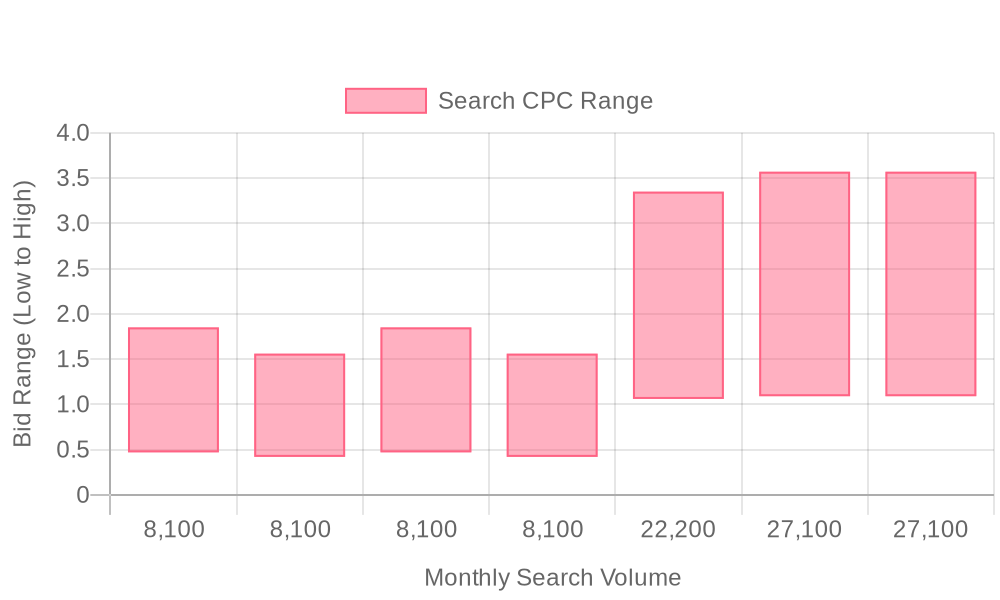
| Industry | Keyword | Monthly Search Volume | Competition Level | Low Bid | High Bid |
| Pet Cemetery | pet grave markers | 8100 | HIGH | 0.47 | 1.85 |
| Pet Cemetery | dog grave marker | 8100 | HIGH | 0.42 | 1.56 |
| Pet Cemetery | pet gravestone | 8100 | HIGH | 0.47 | 1.85 |
| Pet Cemetery | headstone for dog | 8100 | HIGH | 0.42 | 1.56 |
| Pet Cemetery | pet cemetery | 22200 | LOW | 1.06 | 3.35 |
| Pet Cemetery | pet cemetery near me | 27100 | LOW | 1.09 | 3.57 |
| Pet Cemetery | pet burial near me | 27100 | LOW | 1.09 | 3.57 |
Building a profitable Google Ads approach for pet cemetery marketing begins with intentional keyword selection and ongoing refinement. High-impact terms such as 'pet funeral services,' 'local pet cemetery,' and 'cremation for dogs' consistently generate qualified leads because they address the most urgent and commercially relevant search intent. For campaign inspiration, see this step-by-step guide to Google Ads for funeral services. Integrating local modifiers, such as city names or neighborhood references, ensures ads surface for nearby pet owners at the moment of need, effectively driving foot traffic and inbound inquiries from the most relevant audience.
Negative keyword filtering is crucial for controlling ad spend and protecting conversion rates. Excluding terms like 'DIY,' 'pet memorial crafts,' or 'free pet burial' eliminates low-value clicks from users seeking information or products rather than services. For more tips on keyword management, review our Google Ads keyword best practices. This targeted filtering approach not only reduces wasted budget but also sharpens campaign focus on high-intent prospects who are more likely to convert.
Modern pet cemetery marketers benefit from technology that continuously refines keyword lists, adjusting bids and terms based on audience behavior and campaign performance. Using Sona's Identity Resolution, teams can see which keywords attract in-market buyers versus casual browsers. Automated systems sync enriched audience insights from CRM and web activity, updating Google Ads targeting as leads move through the funnel.
Step-by-Step Campaign Execution Framework
Step 1: Build Targeted Keyword Lists
Success in Google Ads for Pet Cemetery begins with precise keyword selection that reflects both the emotional nature of pet loss and the local service area. It is essential to map service types, such as pet burial, cremation, or memorialization, to specific geographic locations, ensuring you capture searches like "pet cemetery near me" or "emergency pet cremation [city]." For a deeper dive into industry-specific keyword strategies, explore this guide to choosing effective keywords. Including long-tail keywords that mirror the language grieving pet owners use, such as "compassionate pet burial services" or "same-day pet memorial," uncovers high-intent, less competitive opportunities.
Dynamic keyword management keeps ad spend aligned with real-time buyer intent. As site visitors show in-market behavior, Sona's Identity Resolution reveals which companies or accounts are actively seeking pet aftercare services. That detail lets marketers continuously refine keyword lists and shift budget toward the audiences most likely to convert, maximizing the impact of every impression.
The upgrade most pet cemetery advertisers miss is going beyond raw keyword volume to layer in intent and identity signals. By connecting website-visitor data and CRM records with Sona Marketing Measurement, you can see which specific search terms bring in the accounts and customers that actually convert, and weight your keyword and bidding strategy toward those rather than the terms with the highest search volume alone.
Step 2: Develop Compelling Ad Copy
Compassion and trust are paramount when crafting ad copy for pet funeral service marketing. Effective ads use emotionally resonant language that acknowledges the significance of a pet’s passing while clearly outlining the care and dignity offered by your services. Headlines like “Dignified Pet Memorials With Heartfelt Care” or “Certified Pet Cremation, Trusted by Local Families” deliver clarity and empathy. For additional inspiration on messaging and positioning in this space, review SEO and Google Ads case studies from similar businesses. Including testimonials or references to industry certifications within ad descriptions reinforces your credibility and sets your brand apart from generic listings.
Marketers can increase relevance by dynamically updating ad copy to reflect the specific needs or urgency of each searcher. When audience segments update in real time, such as when a visitor moves from research to action, ads automatically adjust to highlight appropriate offers or calls-to-action, ensuring each interaction feels personal and timely. This approach supports stronger engagement and higher click-through rates in pet memorial services marketing.
Step 3: Design Effective Landing Pages
Landing pages serve as the conversion gateway for online advertising for pet cemeteries. Each page should be tightly matched to the ad’s promise, with clear, concise calls-to-action such as “Schedule a Consultation Today” or “Request Immediate Pet Burial Services.” Including authentic testimonials, photo galleries of your grounds, or case studies detailing client experiences builds trust and reassures visitors during a vulnerable time. Mobile responsiveness and fast load times are non-negotiable, given the urgency often associated with these searches.
Advanced marketing platforms let teams track which accounts visit specific landing pages, even before a form is submitted. Real-time audience insights let sales and marketing retarget high-value visitors with tailored follow-up, whether through remarketing ads or personalized outreach, connecting the digital and offline buyer journey. Linking CRM data with ad engagement means every qualified lead gets nurtured efficiently, boosting conversion rates and strengthening your pet cemetery's presence online.
Step 4: Implement Data-Driven Optimizations
Continuous performance improvement is essential for maximizing Google Ads budget for pet services. Predictive analytics help marketers identify which keywords, ads, or audience segments generate the highest ROI, allowing for bid adjustments or pausing underperforming elements before they drain resources. Attribution modeling best practices reveal how each campaign touchpoint influences the customer journey, ensuring spend is allocated to high-converting pathways.
Seamlessly syncing CRM and ad data streamlines the transition from lead to opportunity, providing revenue teams with a unified view of marketing impact. As leads progress through the funnel, audiences are dynamically updated, enabling precise retargeting or exclusion to avoid wasted impressions. For teams looking to activate these strategies, you can get started for free with Sona and ensure your campaigns remain relevant and effective as market dynamics evolve.
Sona Marketing Measurement closes the gap between clicks and revenue. It captures ad clicks using first-party measurement, ties that activity through UTM capture and ad-platform APIs to the matching record in your CRM, and reports ROAS by keyword and campaign instead of by last-click form fill. Feeding that revenue signal back into Smart Bidding and Performance Max compounds over time: the algorithms optimize toward booked pet cemetery revenue, not cheap leads.
Tips on Expanding Your Pet Cemetery Presence
Pet cemetery businesses can build lasting community trust by weaving educational content into their remarketing strategies. Sharing resources about pet memorial options or grief support through your website and educational blog articles nurtures connections and positions your brand as a compassionate authority.
Localized SEO tactics, when combined with pay-per-click campaigns, ensure your business stands out to families searching for pet funeral services in their immediate area. Explore how integrating Google Ads solutions for pet cremation with internal campaign management can help you appear in both organic and sponsored search results, maximizing your digital footprint and credibility.
Integrating with local events or partnering with pet organizations extends your visibility beyond digital channels. Participation in community fairs, pet adoption drives, or grief support seminars can be promoted on your website or highlighted in actionable marketing playbooks to connect digital intent with real-world interaction.
Monitoring search query trends lets you anticipate shifts in demand and launch seasonal messaging that resonates, such as around holidays or pet remembrance days when memorial and pre-planning searches tend to rise. Adjusting campaign messaging or budget allocation in real time helps your pet cemetery stay relevant during those peak periods.
Personalized outreach works best when driven by accurate analytics that identify the diverse needs of pet owners. By using intent signals, teams can segment audiences based on engagement and lifecycle stage, allowing for tailored messaging that builds loyalty and increases response rates. To see how these strategies can work for your business, get started for free with Sona.
Beyond Google Ads: Winning the AI Answers Pet Cemetery Buyers Now Trust
Paid search captures demand at the moment someone types a query. But a fast-growing share of pet cemetery buyers no longer start at Google at all, they ask ChatGPT, Gemini, or Perplexity before they ever run a search, and Google's own AI Overviews increasingly summarize an answer above the traditional results. If your business isn't referenced in those AI answers, you're invisible at the exact moment buyers build their shortlist.
Sona AI Visibility shows where your business shows up across ChatGPT, Gemini, Perplexity, Google AI Overviews, and 10+ engines, and, much like a keyword report, which prompts actually send you buyers, so you can prioritize the ones that convert. Run the two together and you cover the entire buyer path: get cited where buyers research (AI Visibility), then prove which of that demand turns into booked revenue (Marketing Measurement).
Helpful resources
Conclusion
A pet cemetery doesn't need a bigger ad budget so much as a sharper one, built around the moments when families are actually searching: the night after a loss, the weeks before a planned goodbye, the seasonal spike around remembrance days. Get the keywords, the ad copy, and the landing pages aligned to those moments, and Google Ads stops being a cost center and starts being the channel that fills your calendar.
The bigger shift ahead is measurement: tying every click to whether it actually became a booked service, not just a form fill. Cemeteries that make that connection will keep refining their spend long after competitors have settled for guessing.
Experience this transformation
FAQ
What are the best Google Ads strategies for pet cemeteries?
Effective strategies include precise audience targeting, creating compelling ad copy, utilizing real-time data for optimization, and leveraging geo-targeting and intent signals to reach high-converting audiences.
How can I increase my pet cremation business revenue with Google Ads?
You can increase revenue by aligning your Google Ads strategy with measurable objectives, using advanced attribution tools to track ROI, and focusing on high-intent keywords and personalized ad messaging.
What keywords should I use for Google Ads in the pet cemetery industry?
Use specific keywords like 'pet funeral services,' 'local pet cemetery,' and 'cremation for dogs,' and incorporate local modifiers to capture urgent searches from nearby pet owners.
How do I create effective Google Ads campaigns for pet services?
To create effective campaigns, define clear objectives, segment your audience, develop compelling ad copy, and ensure your account architecture is organized by service categories for targeted advertising.
What is the average budget for Google Ads in the pet cremation sector?
The article does not specify an average budget, but emphasizes the importance of allocating budget to high-converting keywords and using data-driven optimizations to maximize ROI.







