


Parking space rental runs on timing: a driver circling a full downtown block, an event organizer scrambling for overflow parking, a commuter locking in a monthly spot before rates rise. Google Ads matters here because it catches these buyers mid-decision, not days later. But when a visitor searches, clicks, and leaves without filling out a form, most operators lose the thread entirely. Modern tools can flag that visit anyway, identifying the company or household behind it so you can follow up with a relevant ad before the moment passes. Done well, this turns anonymous traffic into a pipeline of dated, time-sensitive demand instead of a stream of clicks you can't account for. Here's how to build campaigns suited to this trade specifically.
How to Generate Google Ads for Parking Space Rental Leads: A Step-by-Step Guide

Parking space rental businesses operate in a market where demand is hyper-local, high-intent, and often time-sensitive. Delivering targeted digital campaigns to these prospects requires a data-driven strategy that captures both active searchers and previously anonymous browsers using Sona's Identity Resolution to reveal which companies are visiting your website at the account level, even before anyone fills out a form.
A modern approach to Google Ads for Parking Space Rental focuses on maximizing every website visit and inbound inquiry. Connecting data sources and tracking user intent ensures that no potential customer is left unaddressed, even when leads do not fill out a form or call directly. For a comprehensive guide on setting up and optimizing your Google Ads campaigns for parking, see this explainer guide to Google Ads for apartments.
- Leverage data-driven targeting: Parking demand shifts by the hour, a lunch-rush search for garage space downtown looks nothing like a Friday-night search for stadium parking. Identifying which visitors are close to booking, based on search timing, page behavior, or company type (event venue, corporate office, property manager), lets marketers retarget high-value prospects and tailor messaging for each segment through Sona's Audiences.
- Implement advanced keyword and audience segmentation: Avoid generic campaigns by mapping out keyword clusters specific to location, duration, and urgency, such as “monthly parking downtown” or “secure overnight parking.” Dynamic audience segmentation ensures that as leads move through the funnel or indicate new intent, campaigns automatically adapt, increasing relevance and conversion rates. For more actionable playbooks, explore the collection of marketing playbooks.
- Align landing pages and creative for conversions: High-performing campaigns direct traffic to landing pages that match ad messaging, offer instant booking or inquiry options, and showcase relevant amenities like security, proximity, or flexible rates. Unifying ad and landing page data reveals which creative combinations drive the best results, informing future optimization without the need for constant manual follow-up with Sona Buyer Journeys.
- Continuously optimize and unify strategies across channels: Integrated campaign management creates a single view of engagement across Google Ads, CRM, and website analytics. When enriched audience and lead data sync directly into marketing and sales systems, follow-up becomes immediate and highly personalized, ensuring visibility into both known and unknown prospects and raising overall ROI. Learn more about integrating Sona with HubSpot CRM to centralize data.
This step-by-step guide details how to architect, execute, and refine Google Ads for Parking Space Rental leads, using proven frameworks that drive occupancy and revenue while streamlining operations for modern revenue teams. Ready to streamline your campaigns and fill more spaces? Get started for free with Sona.
Why Does Google Ads Matter for Parking Space Rental?
Parking space rental is a hyper-local, rapidly fluctuating market where timing and targeting define profitability. High-value customers often make decisions within minutes of searching, and Google Ads visibility ensures operators reach these buyers at the moment of need.
Google Ads delivers precise access to local audiences actively searching for parking, whether they need event parking, daily spots, or monthly contracts. Campaigns can be dialed up or down in real time to match sudden demand spikes, such as during concerts, sports games, or seasonal surges, guaranteeing your inventory appears exactly when buyers are ready to convert. For actionable strategies to maximize impact, explore our marketing and demand generation resources.
The platform’s robust analytics empower marketers to see which keywords, messages, and locations drive actual bookings, not just clicks. By connecting campaign data with offline occupancy and revenue, operators can allocate budget where it produces measurable returns, focusing on the highest-intent prospects rather than untargeted impressions. To optimize ad targeting, leverage real-time audience segmentation for more effective outreach.
With tools that unify company-level visitor identification, dynamic intent signals, and live CRM integration, revenue teams can shift away from anonymous website traffic to campaigns built around qualified, in-market accounts. This means every dollar spent on PPC for parking is traceable to a real opportunity, and every campaign can be optimized for both efficiency and occupancy growth. Ready to capture more high-intent leads? Get started for free with Sona.
Common Types of Google Ads Campaigns for Parking Space Rental Services

- Search Campaigns: Capturing high-intent searches is fundamental for parking space rental services seeking to convert interest into bookings. By targeting precise phrases such as "monthly parking near [location]" or "secure downtown garage," businesses can attract decision-makers at the very moment they're ready to act. Responsive Search Ads, the standard ad format within Search campaigns, let you test multiple headlines and descriptions so Google can serve the combination most likely to convert. Advanced company identification enables marketers to move beyond anonymous search clicks, pinpointing organizations that match their ideal customer profiles. With real-time intent signals, budget can be shifted toward high-converting accounts as in-market behaviors emerge, maximizing occupancy rates and cutting wasted spend.
- Display Ads: Display campaigns are crucial for maintaining ongoing visibility and brand recall among prospective renters who browse industry-relevant websites or local news. Leveraging firmographic filters, display ads can be tailored to reach specific business types, property managers, or event organizers in need of parking solutions. Automated audience refresh ensures these ads continuously engage users as they move through the purchasing funnel, aligning creative assets with each visitor’s stage of consideration. Integration with enriched CRM data further sharpens targeting, syncing updated segments into Google Ads for precise, timely delivery.
- Remarketing: Remarketing campaigns are designed to re-engage previous site visitors who have shown interest but left without booking. By using dynamic audience updates, parking operators can deliver personalized offers or reminders to individuals whose behavior signals they’re still evaluating options. This approach ensures that ad spend is concentrated only on those with real purchase intent, eliminating waste common in broader remarketing. Enhanced conversion tracking, linking both online and offline actions, provides a unified view of true campaign ROI, allowing for agile optimization and clear attribution of every booking back to its origin.
Where to Find Growth Opportunities
Parking space rental operators can unlock new layers of demand by moving beyond conventional search terms and focusing on vertical-specific keywords. Tailoring campaigns to specialized needs, such as “EV charging parking,” “secure overnight parking,” or “monthly motorcycle garage”, draws audiences with high purchase intent who are often missed by standard keyword targeting. These niche segments not only deliver higher conversion rates but also reduce competition, making ad spend more efficient for operators seeking cost-effective advertising and deeper market penetration. For a comprehensive look at setting up and optimizing campaigns in this sector, review this guide to Google Ads for apartments and explore additional marketing best practices on our blog.
Competitor analysis provides a powerful lens for identifying gaps in the market, revealing demographics and locations underserved by current advertising strategies. By analyzing where competitors are underperforming, such as neighborhoods with few available listings or customer segments not targeted by generic campaigns, revenue teams can focus resources on high-potential areas. Integrating Sona's Identity Resolution helps marketers pinpoint not just who is visiting their site, but which companies and buying groups are exhibiting in-market behavior, enabling dynamic budget allocation to those segments most likely to convert.
Retargeting remains a cornerstone for maximizing lifetime value and improving campaign efficiency. By delivering educational resources, such as parking how-to guides, booking checklists, or tips for first-time renters, to prior site visitors, marketers nurture prospects and accelerate their movement down the funnel. Dynamic audience updates based on real-time engagement ensure that as leads interact with content or revisit the site, they are automatically enrolled in the most relevant follow-up campaigns, improving conversion rates and maximizing the impact of each marketing touchpoint. This approach, especially when paired with CRM and ad platform sync, allows for seamless attribution and precise measurement of every campaign’s ROI, closing the loop between online engagement and offline bookings.
Ready to surface untapped demand and optimize your audience targeting? Get started for free with Sona.
How to Apply Audience Segmentation for Parking Space Rental
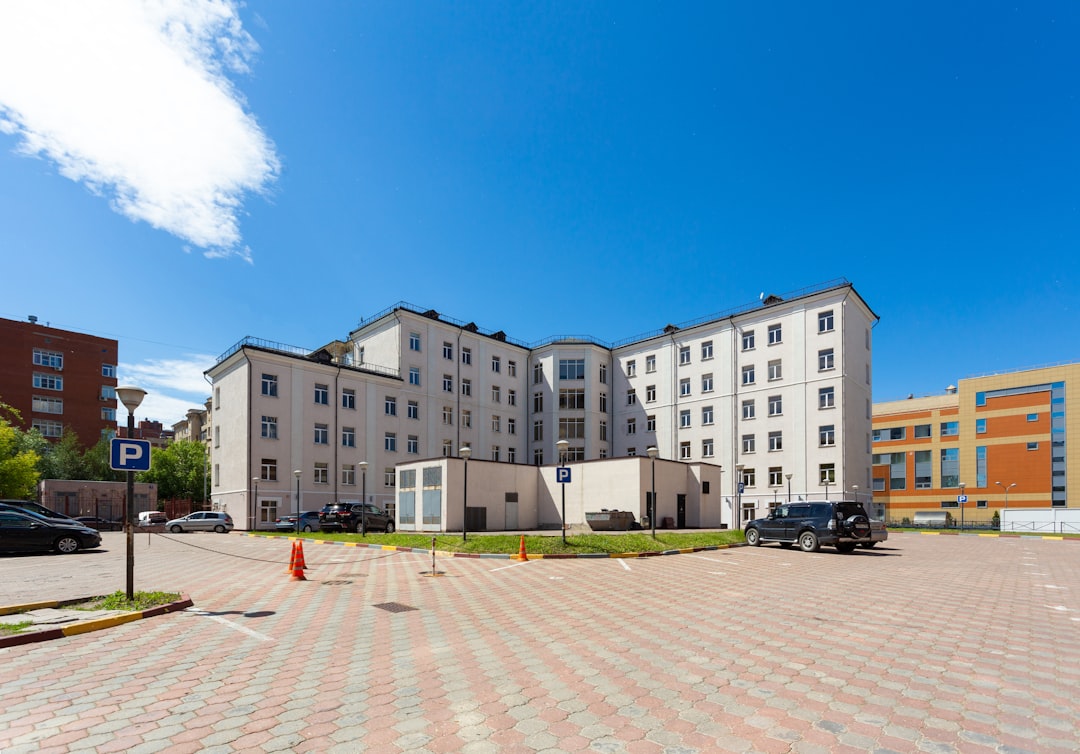
Successful digital advertising for parking space rental hinges on understanding the diversity of customer needs across urban and event-driven environments. By segmenting audiences based on actual user behavior and intent, marketers can unlock higher engagement and reduce wasted ad spend. For an actionable overview of marketing tactics tailored to parking rentals, explore this creative marketing ideas for parking spaces resource.
- Define audience segments: Distinguish between daily commuters, event attendees, long-term tenants, and short-term visitors. Each group brings distinct motivations: commuters value proximity to transit, while event attendees prioritize convenience and flexible booking. Segmenting at this level enables tailored messaging such as early-bird specials for commuters or premium event parking for major venues, driving relevance and higher conversion rates. For additional segmentation strategies, review our marketing and sales playbooks.
- Integrate intent signals: Use behavioral data, like recent searches for "event parking," frequency of visits to booking pages, or device location history, to identify users most likely to convert. Leveraging real-time intent signals allows marketers to dynamically allocate budget toward high-probability segments, ensuring that personalized offers reach in-market customers when demand peaks. This approach minimizes cold outreach and focuses resources on audiences exhibiting clear purchase signals, improving both efficiency and ROI.
- Structure ad groups for flexibility: Build Google Ads ad groups around these fine-grained segments. For instance, create separate campaigns for weekday commuters versus weekend event parkers, each with messaging, sitelinks, and location assets mapped to their unique journeys. As engagement and conversion data flow in, use dynamic audience updating to move leads between segments, such as shifting a user from a general awareness group to a high-intent retargeting pool after a booking inquiry. When marketers unify Identity Resolution data across web and CRM, they can sync enriched audiences seamlessly into Google Ads and sales platforms, maintaining up-to-date targeting as leads progress through the funnel.
By structuring segmentation around intent, behavior, and lifecycle stage, parking space rental providers can optimize ad campaigns to deliver the right message to the right customer, every time. This method not only maximizes occupancy but also streamlines acquisition costs for both individual assets and large-scale parking portfolios. If you’re ready to elevate your parking rental marketing, get started for free with Sona.
This is also where measurement changes the economics. With Sona Marketing Measurement you can identify the companies and buyers behind your ad clicks, not just anonymous sessions, and segment audiences by who actually becomes a customer. That lets you build bid adjustments and audience signals around the segments that convert and step back from the ones that don't, feeding Google's algorithms a signal closer to "this click became a paying parking customer" than "someone filled out a form."
Keyword Strategy & Sample Target Terms
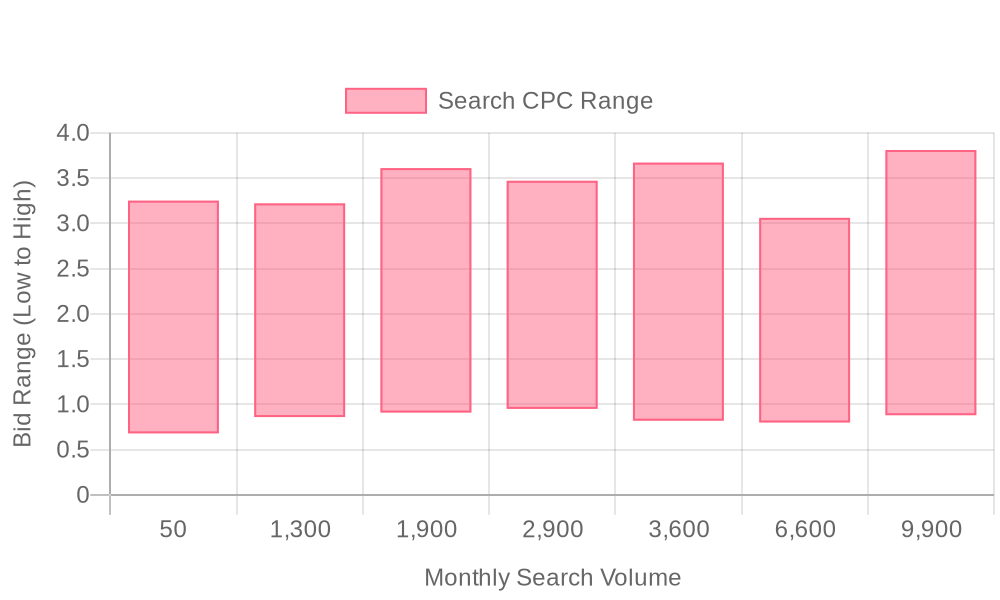
| Industry | Keyword | Monthly Search Volume | Competition Level | Low Bid | High Bid |
| Parking Space Rental | rent my parking space | 50 | MEDIUM | 0.68 | 3.25 |
| Parking Space Rental | rent a parking spot | 1300 | MEDIUM | 0.86 | 3.22 |
| Parking Space Rental | parking space for rent near me | 1900 | MEDIUM | 0.91 | 3.61 |
| Parking Space Rental | parking space rental | 2900 | MEDIUM | 0.95 | 3.47 |
| Parking Space Rental | rent garage space | 3600 | MEDIUM | 0.82 | 3.67 |
| Parking Space Rental | parking for rent near me | 6600 | MEDIUM | 0.8 | 3.06 |
| Parking Space Rental | garage for rent near me | 9900 | MEDIUM | 0.88 | 3.81 |
Maximizing returns from Google Ads for Parking Space Rental begins with a data-driven keyword strategy that surfaces high-intent, conversion-ready audiences. Revenue teams benefit most by prioritizing long-tail queries such as "monthly parking space rental," "secure parking near [city center]," or "reserved parking for events," which consistently yield qualified leads earlier in the buying journey. These granular terms not only reduce wasted ad spend but also align messaging with the actual needs of prospective customers, increasing both click-through and conversion rates. For a step-by-step approach to optimizing keywords and campaigns, explore this comprehensive guide to Google Ads for apartments.
Incorporating local modifiers into your keyword sets is essential for targeting intent-driven searches, especially in densely populated urban areas or near major venues. Phrases like "downtown [city] parking space rental," "airport parking spot reservation," or "covered parking near [landmark]" ensure ads reach users with immediate and specific requirements. This hyperlocal focus elevates relevance scores, lowers cost-per-click, and drives higher booking rates by matching searchers to nearby, available inventory. Enhance your strategy with geographic performance tracking and targeting to deliver hyper-personalized ads that meet users at their exact moment of intent.
To further refine traffic quality and protect your budget, well-structured negative keyword lists are necessary. Exclude terms like "free parking," "parking jobs," or "RV storage" to prevent non-commercial or irrelevant clicks from diluting performance. Using advanced intent signals, marketers can move beyond simple keyword lists by identifying visitors and companies showing in-market behavior, enabling real-time budget shifts toward high-converting prospects. As leads progress through the funnel, dynamically updated audience lists and CRM + ad sync ensure messaging and offers remain sharply aligned with buyer readiness, supporting continuous improvement in campaign efficiency and ROI. If you’re looking to accelerate your results, get started for free with Sona.
Step-by-Step Campaign Execution Framework

Step 1: Build Targeted Keyword Lists
Developing a robust keyword strategy is foundational for any successful Google Ads for Parking Space Rental initiative. Start by clustering keywords based on rental service types, such as “monthly parking near airport,” “downtown garage space rental,” or “covered parking spot for lease.” This segmentation ensures you capture a wide spectrum of search intent, from immediate bookings to longer-term contract inquiries. Incorporating real-time audience data enables marketers to precisely identify which companies or individuals are most likely to convert, moving beyond anonymous website traffic and focusing spend where it matters most.
Enriching keyword lists with location-specific modifiers, unique amenities, and pain-point-driven phrases further sharpens targeting. Regularly updating these clusters based on real-time search trends means campaigns can automatically adjust to fluctuations in local demand, enabling more efficient budget allocation and higher-quality lead generation. For practical guidance on keyword research tailored to rental marketing, this keyword research guide for apartment marketers offers actionable tips.
The upgrade most parking space rental advertisers miss is going beyond raw keyword volume to layer in intent and identity signals. By connecting website-visitor data and CRM records with Sona Marketing Measurement, you can see which specific search terms bring in the accounts and customers that actually convert, and weight your keyword and bidding strategy toward those rather than the terms with the highest search volume alone.
Step 2: Craft Compelling Ad Copy
Ad copy for parking space rental campaigns must directly address the pressing needs of your target audience, think convenience, security, and affordability. Personalized messaging based on known company attributes or user behavior can increase engagement and relevance. For example, referencing proximity to landmarks or highlighting secure, 24/7 access responds to the concerns most likely on a prospect’s mind. Embedding elements like social proof (“trusted by 500+ monthly parkers”) or urgency (“limited spots available this weekend”) can drive click-through rates and accelerate decision-making.
By dynamically aligning ad messaging with intent signals and firmographic data, marketers can ensure that the most relevant offer is presented to each segment. This approach also supports agile adjustments, allowing teams to refine value propositions based on which audience segments are showing high in-market activity. For a comprehensive overview of Google Ads best practices in the parking industry, see this step-by-step guide for parking garages.
Step 3: Design Seamless Landing Pages
A high-intent click should always land on a page that delivers immediate value and clear next steps. For parking space rentals, landing pages must showcase asset details, pricing options, and fast reservation tools that align with ad promises. Integrating interactive maps, virtual walkthroughs, and real-time availability reinforces trust and reduces friction, helping prospects commit faster. When enriched visitor data is available, dynamic content personalization can further enhance the experience, displaying the closest lots, prefilled inquiry forms, or tailored offers based on company or location.
Consistent messaging between ad and landing page increases Quality Scores, lowers CPC, and boosts conversion rates. Marketers who sync behavioral data from campaigns to on-site experiences remove common drop-off points and streamline the booking process, resulting in higher ROI. Explore additional strategies in our marketing and attribution blog.
Step 4: Optimize Bidding and Performance in Real Time
Smart bidding strategies drive cost-effective advertising by automatically adjusting bids in response to shifts in user intent, device usage, and competitive dynamics. Using unified first-party data activation, campaigns can prioritize spend toward accounts showing the highest conversion probability, whether based on recent site visits, CRM signals, or intent surges. Continuous monitoring of performance metrics, such as cost per acquisition, conversion rate, and ROAS, enables marketers to intervene quickly, pausing underperforming ads and reallocating budget to top-performing segments.
Advanced conversion tracking further closes the loop by measuring both online and offline actions, allowing for accurate attribution and deeper insight into campaign effectiveness. For a case study demonstrating how Google Ads improved bookings for a car parking business, review this car parking Google Ads case study.
Sona Marketing Measurement closes the gap between clicks and revenue. It captures every ad click with first-party measurement, then ties that click through UTM capture and ad-platform APIs to the actual record in your CRM, and reports ROAS by keyword and campaign instead of by last-click form fill. Feeding that revenue signal back into Smart Bidding and Performance Max compounds over time: the algorithms optimize toward booked parking space rental revenue, not cheap leads.
Tips on Expanding Your Parking Space Rental Presence

Parking space operators who want to scale occupancy must look beyond traditional marketing tactics and prioritize efficient digital touchpoints. Identifying decision-makers early and delivering tailored content increases conversion rates while reinforcing the unique value proposition of your parking inventory. With Sona's Identity Resolution, you can uncover which companies are evaluating your spaces, enabling outreach that's both timely and relevant.
- Promote educational content through retargeting: Retargeting remains a powerful way to stay top-of-mind with prospective renters who have visited your site but haven’t yet booked. By sharing content that answers common concerns, such as pricing, location features, and security, you not only reinforce brand recall but also support prospects in their decision process. Tools like Sona’s Audiences allow marketers to build dynamic, real-time segments for hyper-personalized retargeting, ensuring your educational content appears as prospects move through the funnel. For a comprehensive look at digital strategies that drive bookings, see this guide to maximizing parking revenue.
- Collaborate with local businesses for co-branded campaigns: Strategic partnerships with local enterprises, event venues, restaurants, or office buildings, can expand your brand’s reach and enhance credibility within the community. Co-branded campaigns enable you to target complementary audiences seeking parking for nearby activities. By leveraging real-time intent signals, you can shift spend toward joint campaigns when in-market activity surges, ensuring your ads surface to high-intent prospects at peak times.
- Utilize location targeting with precision: Effective location targeting means your ad spend is concentrated on users within a logical radius of your spaces, reducing wasted impressions and boosting campaign relevance. Enhanced CRM and ad platform integrations allow you to sync audience data automatically, keeping your targeting lists current and your campaigns focused on the most qualified prospects. This level of precision ensures every marketing dollar brings in local customers with real purchase intent, maximizing both efficiency and ROI for your parking rental business.
Beyond Google Ads: Winning the AI Answers Parking Space Rental Buyers Now Trust
Paid search captures demand at the moment someone types a query. But a fast-growing share of parking space rental buyers no longer start at Google at all, they ask ChatGPT, Gemini, or Perplexity before they ever run a search, and Google's own AI Overviews increasingly summarize an answer above the traditional results. If your business isn't referenced in those AI answers, you're invisible at the exact moment buyers build their shortlist.
Sona AI Visibility shows where your business shows up across ChatGPT, Gemini, Perplexity, Google AI Overviews, and 10+ engines, and, much like a keyword report, which prompts actually send you buyers, so you can prioritize the ones that convert. Run the two together and you cover the entire buyer path: get cited where buyers research (AI Visibility), then prove which of that demand turns into booked revenue (Marketing Measurement).
Helpful resources
Conclusion
Google Ads works for parking space rental when it's built around timing: catching the commuter searching before a rate hike, the event organizer scrambling for overflow, the traveler booking airport parking the night before a flight. Get the keyword clusters, ad copy, and landing pages right, and the channel turns fluctuating local demand into predictable bookings.
The operators who win this channel long-term are the ones who stop treating Google Ads as a lead-generation line item and start treating it as a measurement problem: knowing which keyword, which ad, and which landing page actually filled a space, not just which one got a click. That's the shift worth making next.
FAQ
What are the best practices for using Google Ads for parking space rental?
Best practices include leveraging data-driven targeting, advanced keyword and audience segmentation, aligning landing pages and creative for conversions, and continuously optimizing strategies across channels to maximize visibility and revenue growth.
How can I optimize my Google Ads campaign for parking rentals?
Optimize your campaign by using a data-driven strategy to capture high-intent prospects, implementing advanced keyword and audience segmentation, and integrating real-time audience segmentation to ensure precise targeting and higher conversion rates.
What budget should I allocate for Google Ads in the parking rental industry?
Allocate your budget based on which keywords, messages, and locations drive actual bookings, using analytics to focus on high-intent prospects and optimize ad targeting for measurable returns.
What keywords should I target for parking space rental ads?
Target long-tail queries such as 'monthly parking space rental,' 'secure parking near [city center],' and 'reserved parking for events,' along with local modifiers to ensure ads reach users with specific requirements.
How do local service ads work for parking space rentals?
Local service ads work by delivering precise access to local audiences actively searching for parking solutions, allowing campaigns to be adjusted in real-time to match demand spikes and ensuring visibility at the moment of need.







