


A jammed feeder or a dead fuser doesn't wait for a convenient time to fail, and the office manager staring at it searches Google within minutes, not days. Google Ads lets office equipment repair businesses show up in that exact window, when the need is acute and the buyer is ready to call. Without a way to track which of those clicks turn into signed service tickets, though, most of that ad spend gets judged on form fills alone, and the highest-value accounts blend in with tire-kickers. Tying ad platforms to CRM data closes that gap: it shows which keywords and campaigns actually produced paying customers, so budget can follow revenue instead of clicks.
How to Generate Office Equipment Repair Leads with Google Ads: A Step-by-Step Guide

Effective lead generation for office equipment repair hinges on strategic audience targeting, real-time data, and transparent ROI measurement. Successful campaigns prioritize high-intent prospects, enabling teams to allocate budget where it drives the greatest impact by leveraging visitor identification to reveal which companies are engaging with your site.
To fully capitalize on Google Ads for Office Equipment Repair, use a step-wise approach that unifies data insights with performance-driven tactics. Marketers who integrate intent signals and real-time visitor data can transform anonymous web traffic into actionable leads, resulting in more precise targeting and improved pipeline velocity. For an overview of the official tools available, see Google Ads.
- Develop a Data-Driven Strategy: Start by assessing your current marketing mix and pinpointing gaps where Google Ads can add incremental value. Many potential leads remain anonymous without company-level visitor identification, making it difficult to attribute revenue and optimize spend. By integrating platforms that enrich and sync visitor data with your CRM, you can prioritize high-value accounts and shift ad spend toward prospects most likely to convert. This approach helps office equipment repair providers uncover untapped opportunities; explore how others position their services on examples like office equipment repair service.
- Targeting and Keywords: Select keywords that reflect the intent and urgency of your target audience. Use specific phrases such as "office equipment repair near me," blended with modifiers that capture local and commercial demand. Dynamic audience segmentation enables you to build audiences that evolve as leads move through the funnel, ensuring your campaigns remain sharply focused on prospects who show real buying intent. For more practical keyword and targeting playbooks, visit our marketing playbooks.
- Creative and Landing Page Alignment: Align your ad messaging with the pain points and expectations of office managers and procurement officers. Ad creatives should address common risks, such as downtime or service delays, while landing pages must reinforce trust and relevance with clear calls-to-action and credibility signals. By leveraging engagement data, repair service providers can personalize landing page content based on visitor behavior and intent, reducing churn and improving conversion rates.
- Optimize for Performance: Continuous optimization is critical to maintaining strong campaign performance. Monitor keyword-level results, adjust bids based on lead quality, and assess which ads generate the most valuable actions. Integrating CRM and Google Ads data allows for closed-loop attribution, connecting online engagement with offline conversions. This tracking reveals true ROI and highlights which channels and messages yield the highest impact for office equipment repair service providers.
Why Google Ads Matter for Office Equipment Repair Businesses

B2B office equipment repair providers operate in a market where buyers are rarely casual browsers: decision-makers often search for solutions only when equipment issues disrupt workflow or impact productivity. Google Ads places your services in front of these high-intent searchers the moment need arises, converting urgency into qualified leads and project opportunities.
- Precision Targeting: Google Ads campaigns can zero in on business managers, facilities teams, and procurement officials actively seeking office equipment repair. Sona's Identity Resolution helps marketers go beyond generic traffic and identify the exact companies researching repair solutions, fueling relevant outreach and follow-up.
- Immediate Demand Response: Repair needs spike during certain periods, such as fiscal year-end or after major equipment failures. Google Ads delivers instant visibility and traffic when demand surges, ensuring your team captures urgent projects as they arise. For more actionable marketing insights, explore our marketing blog.
- Local Market Penetration: Office equipment repair is deeply regional. With targeted Google Ads, service providers can dominate local search, outmaneuvering competitors and capturing overlooked opportunities in underrepresented zip codes or metro areas. See how a real office equipment repair business positions its services to maximize local market share.
- Data-Driven Decisions: Advanced analytics connect ad clicks directly to contracts, enabling marketers to understand which campaigns, keywords, and audiences yield the highest value opportunities. Integrating Sona's Destinations feature into Google Ads and CRM platforms allows for closed-loop reporting, dramatically refining strategy and spend allocation.
Common Types of Google Ads Campaigns for Office Equipment Repair
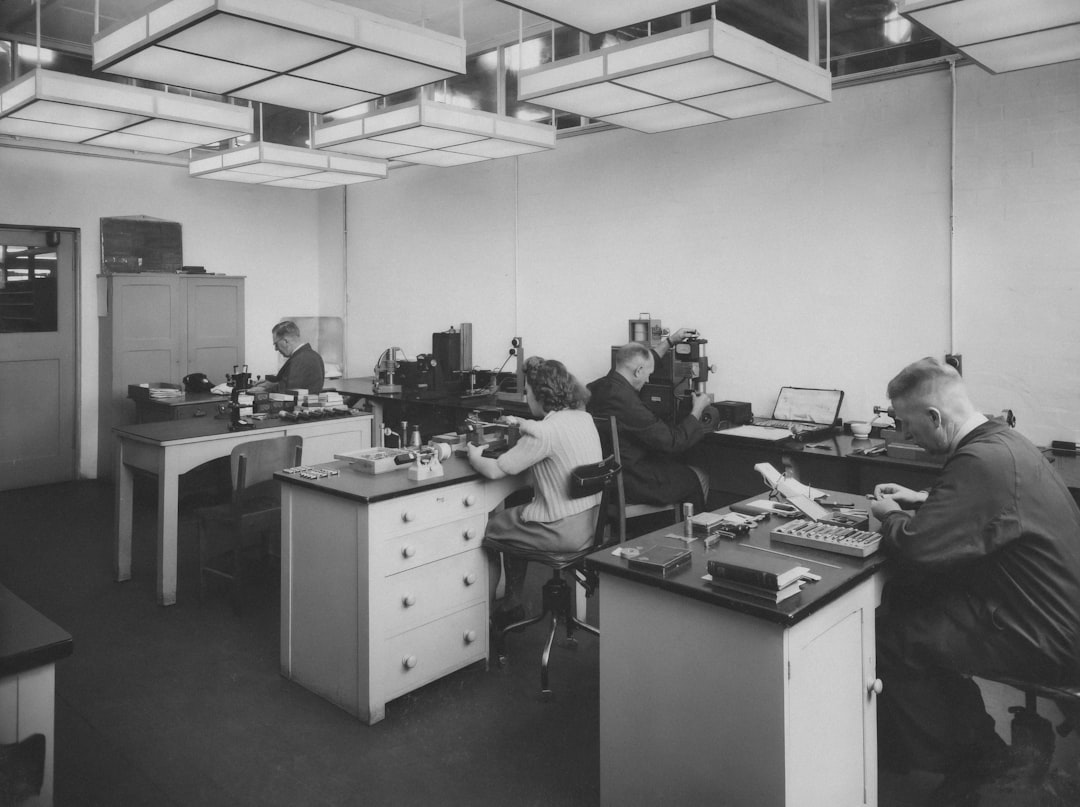
A well-rounded Google Ads strategy for office equipment repair companies captures leads at every stage of the buying journey. Diversifying campaign formats ensures both immediate demand and ongoing brand recognition, resulting in measurable improvements across the sales funnel. Explore the official Google Ads homepage to access tools and resources that can support your campaign planning, and stay updated with industry insights from our marketing blog.
- Search Campaigns: Capture prospects with urgent repair needs and high purchase intent. Targeted search campaigns for office equipment repair ensure your service appears at the top when decision-makers are actively looking for solutions. When visitor identification and company-level tracking are enabled, it becomes possible to differentiate between casual inquiries and high-potential accounts, allowing for smarter budget allocation and outreach.
- Display Ads: Maintain visibility among office managers and IT directors who research solutions over time. Display ads keep your brand top-of-mind across relevant industry sites, even after the initial search. Integrating real-time intent data with display targeting lets teams shift spend toward in-market companies, improving efficiency and exposure to the right audiences.
- Video Ads: Leverage video campaigns to clarify complex repair services or highlight customer testimonials. Visual content demonstrates expertise and trustworthiness, especially for B2B buyers considering high-value repairs. Dynamic audience updates ensure these videos reach prospects who have shown recent interest or moved further along the decision process.
- Remarketing Campaigns: Bring back visitors who viewed service pages or requested quotes but did not convert. Strategic remarketing, powered by advanced audience segmentation, helps address the common challenge of high demo interest that fails to turn into revenue. Syncing CRM and ad audiences in real time means your ads are always tailored to the latest funnel stage, maximizing conversion rates and minimizing wasted impressions.
- Ad Assets: Enhance credibility by displaying certifications, rapid response times, or customer ratings directly within your ads. These assets offer extra assurance at the moment of decision. Advanced conversion tracking, including offline and multi-touch attribution, connects ad engagement to actual sales outcomes, giving a clear picture of which messaging and assets drive the highest ROI.
Where to Find Growth Opportunities?
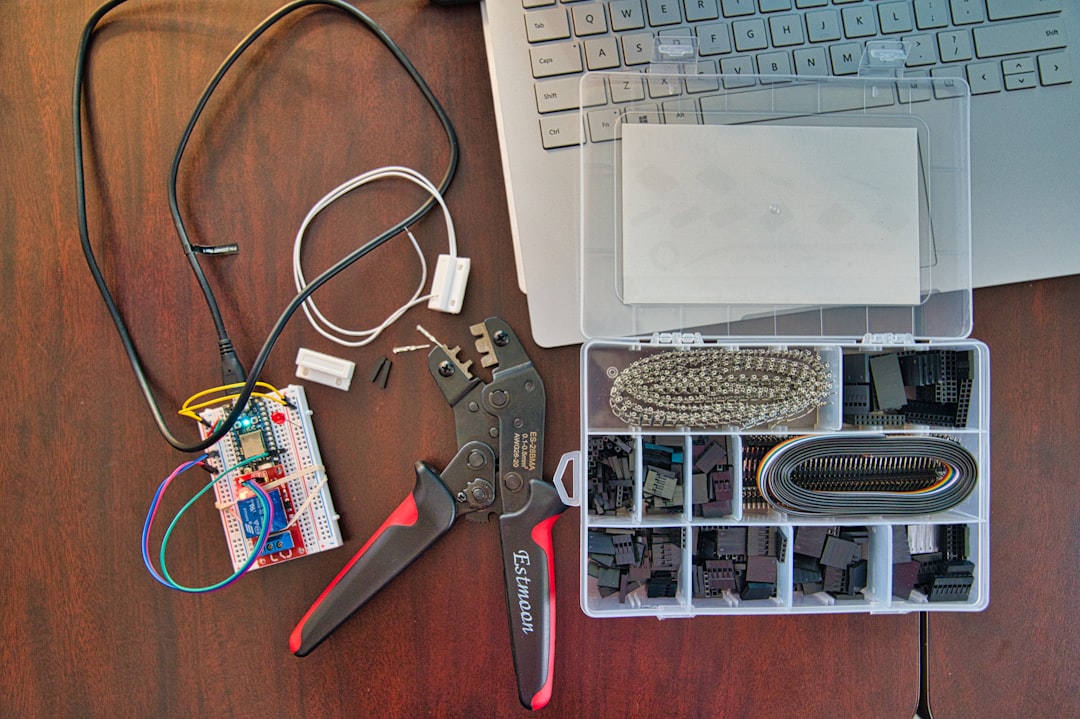
Identifying scalable growth in office equipment repair requires precision targeting, data-driven analysis, and agile campaign adjustments. Modern B2B teams benefit from a blend of specialized keyword strategy, competitive insight, and channel diversification to capture high-intent prospects while reducing wasted spend. For a deeper dive into proven marketing tactics, visit the Sona blog.
- Industry-Specific Targeting: Focus on vertical keywords that mirror the nuanced needs of office equipment repair buyers, such as "copier maintenance service," "printer repair contracts," or "multi-function device troubleshooting." Using granular search terms attracts business decision-makers actively searching for these solutions, increasing the likelihood of qualified leads and contract opportunities. See how targeted positioning works in practice by reviewing this office equipment repair service example.
- Competitor Analysis: Dive into auction insights to uncover underserved audience segments or gaps where competitors underperform. By monitoring impression share, ad position, and lost opportunity data, marketers can realign budgets to target segments where demand outpaces supply. Integrating real-time intent data helps shift spend quickly to accounts showing current purchase signals, creating a significant advantage in high-value verticals.
- Domain Placements: Expand visibility by placing ads on industry-specific forums, trade association sites, or equipment vendor directories. These placements reach decision-makers who may not be captured through organic search alone. Using advanced visitor identification, marketers can go beyond anonymized site traffic to pinpoint organizations expressing interest, enabling direct outreach or tailored remarketing.
- Content Retargeting: Leverage educational assets, such as guides on preventative maintenance or ROI calculators for office equipment upgrades, to reinforce brand authority. As potential customers engage with these resources, dynamic audience segments update automatically, ensuring retargeting campaigns remain relevant and focused on in-market buyers. For insights on ad policy nuances and industry discussions, visit this Google Ads community thread.
How to Apply Audience Segmentation for Office Equipment Repair
Audience segmentation sits at the core of driving profitable outcomes in office equipment repair campaigns. Modern B2B teams leveraging Google Ads for office equipment repair can achieve higher engagement, greater efficiency, and improved ROI by organizing their target market into actionable groups. This approach allows marketers to deliver relevant messaging, optimize spend, and build a pipeline filled with high-quality leads. For ongoing tips on segmentation and targeting, explore our marketing insights blog.
- Segment Definitions: Segmenting by organization type, such as office parks versus individual business owners, ensures your Google Ads budget targets buyers with distinct needs and purchase cycles. Enterprise office parks may require ongoing contracts and have longer decision-making timelines, while independent business owners usually seek fast, transactional repairs. Accurate segmentation helps teams avoid wasted impressions and speaks directly to the priorities of each group. For inspiration on positioning, see how office equipment repair service providers tailor messaging to different audiences.
- Intent Signals Overlay: Overlaying intent signals like recent search queries for "emergency copier repair" or "printer maintenance contract" allows you to differentiate between urgent, high-conversion opportunities and routine service inquiries. This mitigates the risk of relying on incomplete or outdated database records by using real-time behavioral signals captured from digital touchpoints. Platforms that unify web and CRM data can dynamically update audience segments as leads shift from research to purchase, ensuring message relevance at every stage.
- Custom Ad Groups: Tailoring ad groups by segment lets marketers craft messaging that resonates with each audience's pain points. For example, a campaign targeting IT managers in large organizations can highlight uptime guarantees and SLAs, while ads for small business owners might focus on fast turnaround and local support. When marketers sync enriched audience data into Google Ads, ads can be automatically adjusted as accounts move through the funnel, increasing engagement and conversion rates. For step-by-step tactics, review actionable marketing playbooks.
- Conversion Validation: Closing the loop between Google Ads and your CRM is critical for validating true conversions, including offline actions like signed service agreements or phone bookings. By linking offline conversion data back into ad platforms, marketers avoid undervaluing channels that drive revenue but may not generate immediate online form fills. Automated CRM and ad sync ensures all touchpoints are captured, delivering a complete view of campaign performance.
This is also where measurement changes the economics. With Sona Marketing Measurement you can identify the companies behind your ad clicks, not just anonymous sessions, and segment audiences by which accounts actually become customers. That lets you build bid adjustments and audience signals around the segments that convert and de-prioritize the ones that don't, so you feed Google's algorithms "this click became a paying office equipment repair customer" instead of just "someone filled out a form."
Keyword Strategy & Sample Target Terms
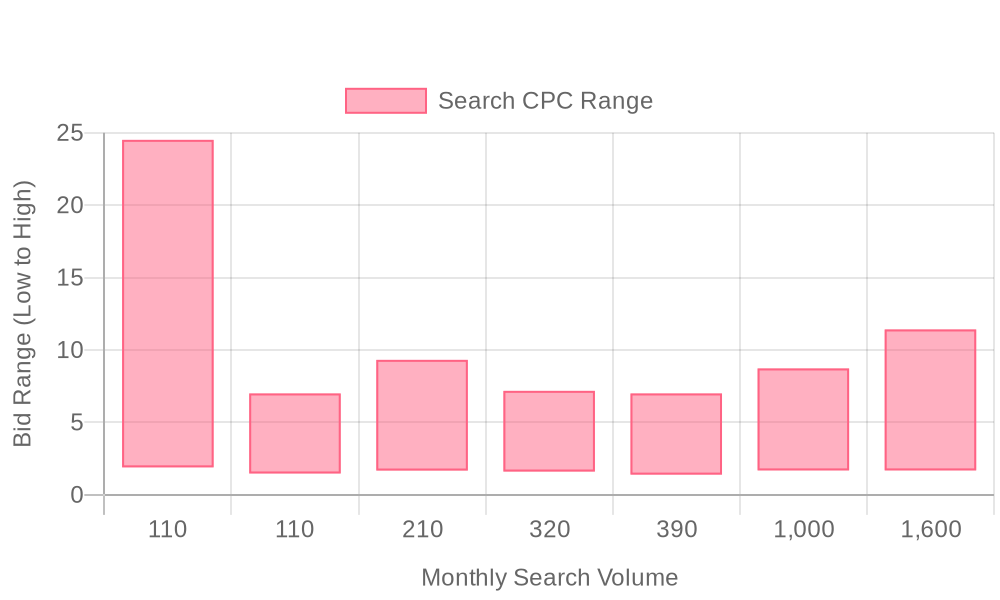
| Industry | Keyword | Monthly Search Volume | Competition Level | Low Bid | High Bid |
| Office Equipment Repair | ricoh copier repair near me | 110 | LOW | 1.9 | 24.51 |
| Office Equipment Repair | ricoh copier repair | 110 | LOW | 1.48 | 7 |
| Office Equipment Repair | canon copier repair near me | 210 | LOW | 1.68 | 9.32 |
| Office Equipment Repair | copy machine repair | 320 | LOW | 1.61 | 7.18 |
| Office Equipment Repair | copy machine repair near me | 390 | LOW | 1.4 | 7 |
| Office Equipment Repair | copier repair near me | 1000 | LOW | 1.69 | 8.73 |
| Office Equipment Repair | copier repair | 1600 | LOW | 1.69 | 11.42 |
Precise keyword selection drives qualified leads for office equipment repair providers, ensuring every click is aligned with revenue potential. B2B companies in this sector benefit from a keyword strategy that prioritizes high-intent, service-specific, and model-focused terms, rather than broad, generic searches that dilute budget efficiency. For a deeper dive into building effective keyword lists and campaign segmentation, explore the ultimate guide to B2B marketing reports.
- Model-specific keywords: Terms such as "HP LaserJet 4200 repair," "Konica Minolta copier technician," or "Canon multifunction printer maintenance" reach decision-makers actively searching for specialized service. Integrating these keywords helps capture urgent, bottom-of-funnel demand from businesses needing immediate equipment support; see how office equipment repair services position these offers for commercial buyers.
- Urgency and locality signals: Phrases like "emergency office equipment repair near me" or "same-day copier repair [city]" target organizations facing downtime and ready to convert. These terms drive higher engagement rates and often lead to faster sales cycles. Mapping these terms with real-time audience data empowers marketers to target in-market accounts with precision.
- Negative keyword optimization: Excluding terms like "DIY office equipment repair," "used printers for sale," or consumer-focused queries blocks unqualified traffic. This step preserves budget for commercial buyers and increases cost-per-acquisition efficiency.
- Enriched firmographic targeting: When keyword lists are mapped with data such as company size, industry, and location, ad spend is directed at offices with the greatest need and budget for recurring repair contracts. Automated audience updates ensure campaigns react to shifting intent signals, keeping office equipment repair ads in front of the right in-market accounts with solutions like Sona.
As leads interact with ads and landing pages, modern platforms enable marketers to identify specific companies and decision-makers showing interest. This actionable insight allows for dynamic retargeting: audiences automatically refresh based on where prospects are in the sales funnel, significantly increasing conversion rates compared to static lists. By using retargeting strategies, campaigns can shift budget in real time toward high-converting accounts, improving ROI and accelerating deal velocity for office equipment repair providers. To see how you can implement these capabilities instantly, get started for free with Sona.
Step-by-Step Campaign Execution Framework
A high-performing Google Ads strategy for office equipment repair is built on granular targeting, relevant messaging, and data-driven optimization. Success in this vertical means capturing in-market decision makers at the precise moment they seek repair services, then swiftly guiding them to conversion. Office equipment repair buyers expect efficiency and expertise: your campaign must deliver both from the first impression to closed deal.
Step 1: Build Targeted Keyword Lists
Effective keyword selection is the backbone of any Google Ads initiative for office equipment repair. Start by segmenting keywords according to device type and service specificity: for example, create individual ad groups for "printer repair," "copier maintenance," and "fax machine troubleshooting." This structure increases ad relevance, raising both Quality Score and conversion rates.
Geographical targeting further sharpens your focus, allowing you to add city names or service areas to keywords. By combining service terms with location modifiers, such as "copier repair Dallas" or "scanner service Manhattan," your ads appear to local decision makers who are ready to act. Leveraging intent data at this stage enables marketers to prioritize budget towards high-converting keywords and regions, minimizing wasted spend and accelerating deal cycles. For additional context on advertising policies and competitive dynamics, see this geographic targeting and performance reporting.
The upgrade most office equipment repair advertisers miss is going beyond raw keyword volume to layer in intent and identity signals. By connecting website-visitor data and CRM records with Sona Marketing Measurement, you can see which specific search terms bring in the accounts and customers that actually convert, and weight your keyword and bidding strategy toward those rather than the terms with the highest search volume alone.
Step 2: Develop Compelling Ad Copy
Craft ad copy that addresses the direct pain points faced by office managers, IT leads, or procurement specialists. Highlight how your repair service reduces costly equipment downtime, ensures rapid turnaround, and maintains rigorous quality standards. Strong calls to action, such as "Book Same-Day Service" or "Request Emergency Repair," prompt immediate engagement from prospects with urgent needs.
Dynamic audience insights allow you to tailor messaging even further. When your ad platform identifies returning companies or high-value leads, you can automatically vary copy to reflect their stage in the buying journey, shifting from awareness-focused offers to trust-building guarantees or detailed service benefits for those closer to conversion. Explore a real-world example of positioning and service messaging with this office equipment repair service.
Step 3: Design Effective Landing Pages
Each landing page must align directly with the intent signaled by the ad click. For example, a user clicking an ad for "wide format printer repair NYC" should land on a page focused solely on that service, with proof of local expertise, rapid response times, and an easy scheduling interface. Streamlined forms, clear phone numbers, and visible trust signals create frictionless conversion paths.
Leveraging unified go-to-market data, marketers can personalize landing page content in real time, showing tailored case studies, testimonials, or relevant certifications based on the visitor's company and prior interactions. This increases trust and conversion rates while reducing bounce, as visitors immediately see that their specific need is understood and addressed. Discover how Sona enables real-time account identification to personalize landing pages and accelerate conversions.
Step 4: Implement Data-Driven Optimizations
Ongoing optimization demands precise conversion tracking and agile budget allocation. Integrate your CRM and ad platform to capture closed-loop data, attributing both online and offline conversions back to original campaigns. This enables you to identify which keywords, ads, and audience segments drive actual revenue, not just clicks or form fills.
Synchronizing enriched lead and account data across Google Ads, Salesforce, or HubSpot ensures audience lists remain current as leads progress through the funnel. Real-time intent signals can trigger audience updates and budget shifts, so high-value accounts receive greater focus precisely when they are most likely to convert. Ready to accelerate your results? Get started for free with Sona.
Sona Marketing Measurement closes the gap between clicks and revenue. It captures ad clicks with first-party measurement, ties them through UTM capture and ad-platform APIs to the matching record in your CRM, and reports ROAS by keyword and campaign instead of by last-click form fill. Feeding that revenue signal back into Smart Bidding and Performance Max compounds over time: the algorithms optimize toward booked office equipment repair revenue, not cheap leads.
Tips on Expanding Your Office Equipment Repair Presence
Effective expansion in the office equipment repair market starts with precision targeting and a relentless focus on actionable insight. Data-driven Google Ads strategies empower service providers to connect with high-intent prospects at the exact moment they seek solutions, creating a pathway to measurable ROI improvements.
- Educational Asset Promotion: Deploy retargeting campaigns to amplify the value of whitepapers, troubleshooting guides, and maintenance checklists. Using advanced visitor identification technology, marketers can pinpoint which companies or key decision-makers engage with educational assets, even if website traffic appears anonymous at first glance. This enables retargeting that goes beyond generic site visits, re-engaging stakeholders who previously demonstrated interest in related topics.
- Service Upsell Opportunities: Integrate CRM data to segment your audience and craft tailored upsell offers for existing clients. By syncing enriched audience segments directly into Google Ads, teams can automatically update targeting as customers move from basic repairs to interest in managed service contracts or preventative maintenance packages. This ensures upsell ads only reach accounts that show relevant in-market behavior, maximizing conversion potential and campaign efficiency.
- Strategic Partnership: Collaborate with industry organizations to secure referral traffic and expand reach within trusted networks. Joint webinars, association newsletters, and co-branded digital events become powerful lead sources when combined with Google Ads retargeting to reinforce brand authority among engaged audiences.
- Hyperlocal Targeting: Launch campaigns tailored to specific metro areas or states for increased relevance and market share. Enhanced geo-targeting, powered by real-time intent data, allows for dynamic budget allocation based on localized demand spikes. This approach ensures that ads for emergency repairs or preventive maintenance surface for the right audience at the right time.
- Insight-Driven Content: Use aggregated search and engagement data to guide new content development, supporting a holistic digital marketing strategy. When analytics platforms feed audience behavioral patterns back into the content calendar, marketers can address trending pain points with timely blog posts, FAQs, or video walkthroughs. This cycle continuously strengthens both organic and paid acquisition channels, reinforcing the brand's authority and supporting ongoing Google Ads optimization.
Beyond Google Ads: Winning the AI Answers Office Equipment Repair Buyers Now Trust
Paid search captures demand at the moment someone types a query. But a fast-growing share of office equipment repair buyers no longer start at Google at all, they ask ChatGPT, Gemini, or Perplexity before they ever run a search, and Google's own AI Overviews increasingly summarize an answer above the traditional results. If your business isn't referenced in those AI answers, you're invisible at the exact moment buyers build their shortlist.
Sona AI Visibility shows where your business shows up across ChatGPT, Gemini, Perplexity, Google AI Overviews, and 10+ engines, and, much like a keyword report, which prompts actually send you buyers, so you can prioritize the ones that convert. Run the two together and you cover the entire buyer path: get cited where buyers research (AI Visibility), then prove which of that demand turns into booked revenue (Marketing Measurement).
Helpful resources
Conclusion
Google Ads works for office equipment repair because it puts your business in front of a buyer at the moment a machine fails, not weeks earlier or later. That timing advantage only compounds when it's paired with tracking that shows which keywords and campaigns produce paying customers, not just clicks.
The businesses that pull ahead in this trade over the next few years won't just run search ads well, they'll also show up in the AI answers buyers increasingly consult before they ever open Google, and they'll measure both channels against booked revenue rather than form fills.
FAQ
How can I create a successful Google Ads campaign for my office equipment repair business?
To create a successful Google Ads campaign for your office equipment repair business, focus on strategic audience targeting, real-time data integration, and transparent ROI measurement. Use intent signals and real-time visitor data to transform anonymous web traffic into actionable leads and improve your campaign's precision targeting.
What are the best practices for targeting customers with Google Ads in the office equipment repair industry?
Best practices for targeting customers include selecting keywords that reflect intent and urgency, using dynamic audience segmentation, aligning ad messaging with customer pain points, and leveraging tools like CRM to track and optimize customer engagement.
How can I measure the ROI of my Google Ads campaign for office equipment repair services?
Measure the ROI of your Google Ads campaign by integrating CRM with Google Ads data for closed-loop attribution, which connects online engagement with offline conversions and reveals true ROI by showing which channels and messages yield the highest impact.
What are some examples of successful Google Ads campaigns for office equipment repair businesses?
Successful Google Ads campaigns for office equipment repair businesses often include search campaigns targeting high-intent prospects, display ads for maintaining brand visibility, and remarketing campaigns to re-engage visitors who showed interest but did not convert.
How can I optimize my Google Ads to attract more high-value clients for my office equipment repair business?
To attract more high-value clients, optimize your Google Ads by continuously monitoring keyword-level results, adjusting bids based on lead quality, and integrating CRM data for precise targeting and tracking of high-value prospects.







