


Newspaper advertising runs on urgency: a breaking story, a limited-run ad package, a subscription deal that expires with the news cycle. Google Ads fits that rhythm better than most legacy channels, capturing readers and business advertisers at the moment they search, and giving publishers real-time data on what's working. This guide walks through the practical steps and business case for using Google Ads in newspaper advertising, including how to fix the two problems that quietly cap most campaigns: not knowing who is actually behind your website traffic, and outreach that feels like it's addressed to no one in particular.
How to Generate Newspaper Advertising Leads with Google Ads: A Step-by-Step Guide

Modern newspaper publishers and marketing teams face an urgent mandate to connect with business advertisers and readers who are increasingly digital-first. Google Ads provides direct access to high-intent leads by combining precise audience targeting with real-time performance data, eliminating the inefficiencies of traditional outreach.
A systematic approach to Google Ads transforms anonymous website traffic into actionable opportunities. Marketers no longer have to settle for disconnected intent signals. With Sona's Identity Resolution layered into campaigns, publishers can pinpoint potential advertisers or subscribers, attribute engagement to specific companies, and deliver personalized outreach that drives measurable results.
- Visibility into Anonymous Traffic: Incorporating Google Ads into newspaper advertising creates transparency into which organizations and decision-makers engage with your content. When combined with enriched visitor identification, this clarity turns web activity into segmented lead lists and reveals which businesses are researching media buys or local sponsorships.
- Precision Keyword and Audience Strategies: Effective Google Ads for Newspaper Advertising relies on deeply researched keyword sets that match the search behavior of business advertisers as well as prospective readers. By building dynamic audiences that update as leads move through the funnel, publishers can ensure every ad dollar targets those most likely to convert, whether that is a local business evaluating ad packages or a reader ready to subscribe.
- Creative Alignment for Maximum Conversions: High-performing newspaper advertising campaigns leverage tailored ad creative and dedicated landing pages. This approach eliminates generic messaging and instead matches the ad’s promise to the landing page experience, increasing engagement and boosting conversion rates. For more on optimizing campaigns, see our B2B marketing playbooks.
- Performance Optimization and ROI Enhancement: Real-time analytics and advanced conversion tracking provide a transparent view of campaign effectiveness. By integrating online and offline conversion data, publishers gain a full picture of which campaigns drive ad bookings or digital subscriptions. This closed-loop attribution enables continuous budget allocation to the highest-performing sources and accelerates revenue growth.
- Cross-Channel Campaign Integration: Connecting Google Ads with email, social, and CRM platforms enables a unified advertising ecosystem. Marketers can sync enriched lead data directly into Google Ads, HubSpot, Salesforce, and other systems, ensuring every channel is aligned around the most up-to-date, high-intent audience segments. This integration prevents outdated account targeting and maximizes the impact of every touchpoint. Explore how Google’s ventures into print advertising support multichannel strategy in this article.
By deploying this structured framework, newspaper teams can move beyond isolated digital advertising efforts and create a cohesive, data-driven lead generation engine. Each step builds on unified intent insights and dynamic audience management to attract, engage, and convert advertisers and readers with efficiency and precision. Ready to see the difference? Get started for free with Sona.
Why Google Ads Matter for Newspaper Advertising

Newspaper publishers are under pressure to deliver measurable results and unlock new sources of digital revenue. Google Ads creates a direct pathway to reach engaged, high-value audiences that traditional print and display campaigns often overlook. By leveraging Sona's Intent Signals, publishers can ensure their content and offers connect with readers at the exact moment of interest. For those looking to understand Google's role in print, this analysis of Google's ventures into print advertising explores the implications for multichannel strategies.
- Reaching Niche Audiences: Publishers can now target specific reader segments based on topical interests, search behaviors, and engagement history, ensuring each campaign delivers relevant messaging to the audience most likely to convert. Sona enables marketers to move beyond anonymous web traffic, pinpointing the actual companies and individuals engaging with news content. This approach transforms generic outreach into hyper-targeted campaigns that maximize the value of every site visit.
- Increasing Ad Revenue: Google Ads empowers newspapers to attract premium advertisers seeking digital visibility and measurable ROI. By identifying in-market prospects and surfacing high-intent accounts, publishers can dynamically shift budget and messaging toward audiences with the greatest revenue potential. This targeted approach results in higher-margin campaigns, increased fill rates, and longer-term advertiser relationships. Discover more about revenue operations as a framework to align marketing and sales for predictable revenue.
- Adapting to Customer Demand: News cycles shift rapidly, and so do reader interests. With real-time analytics and campaign controls, publishers can respond instantly to breaking topics, urgent events, or trending themes. Sona identifies surges in reader intent, allowing teams to launch or adjust campaigns for maximum relevance and conversion efficiency as audience demand changes.
- Expanding Geographic Reach: Digital advertising eliminates the boundaries of print distribution, allowing newspapers to efficiently target new regions or underserved localities with precision. Publishers can deliver custom messaging to emerging audiences, filling gaps in readership and advertiser reach without the overhead of physical expansion. For a deeper understanding of building and segmenting audiences, explore best practices for account-based marketing.
- Enabling In-Depth Analytics: The granular tracking capabilities of Google Ads provide publishers with detailed insight into campaign performance, from ad impressions to online and offline conversions. Integration with platforms like Sona connects CRM data, lead progression, and closed-loop attribution, enabling revenue teams to accurately measure ROI and optimize every stage of the funnel. This data-driven feedback loop ensures continuous improvement and sustained digital advertising effectiveness.
Common Types of Google Ads Campaigns for Newspaper Advertising Services

- Search Campaigns: Newspapers use search campaigns to capture high-intent readers or business advertisers actively seeking news coverage or advertising placements. By leveraging enriched audience data, these campaigns deliver ad creatives that speak directly to the needs and interests of key segments, such as local business owners or readers searching for niche topics. Unifying CRM data with search intent allows marketers to allocate spend toward audiences most likely to convert, ensuring every impression and click targets a validated opportunity.
- Performance Max Campaigns: Performance Max lets newspapers run a single campaign across Search, Display, YouTube, and Discover, letting Google's bidding models find advertisers and readers wherever they're browsing. It suits publishers with a strong first-party audience file, since feeding in subscriber and advertiser lists gives the algorithm a much better sense of what a converting reader or business account looks like.
- Display Ads: Display campaigns ensure ongoing visibility for both editorial content and advertising offers across relevant websites. When previous site visitors interact with premium articles or advertiser content, dynamic audience updates enable real-time retargeting with tailored display messages. By connecting first-party data and visitor identification platforms, newspapers can highlight exclusive content, subscription offers, or advertising packages to decision makers as they browse the web, increasing cross-channel recognition and engagement.
- Video Ads: Video formats provide an immersive way to tell compelling stories, whether promoting investigative journalism or showcasing advertiser success. Newspapers can use video ads to illustrate the breadth of their reporting or present high-performing ad placements to potential business advertisers. Real-time behavioral insights enhance targeting, directing video content to in-market users who have shown sustained interest in similar topics, thus increasing both view rates and downstream conversions.
- Remarketing: Remarketing campaigns are essential for re-engaging previous readers or advertisers who visited but didn't subscribe or book an ad, someone who read three articles behind a metered paywall, or a local business that viewed the rate card but didn't inquire. Advanced visitor identification allows for precise segmentation, so remarketing messages match the user's latest intent, whether that's a limited-time subscription offer timed to a renewal window or a new advertising format pitched ahead of a seasonal event like back-to-school or holiday retail. Dynamic audience sync means that as a lead progresses from casual reader to qualified prospect, remarketing ads adjust automatically. For a step-by-step guide on setting up your Google Ad campaigns, explore these resources.
- Assets: Ad assets elevate the performance of search and display campaigns by providing additional information such as verified news sources, exclusive offers, or contact details. Using unified data, marketers can populate assets with the most current and relevant information, such as newsroom accolades or special advertising rates. This not only enhances ad credibility but also drives higher click-through rates by delivering actionable next steps directly within the ad unit. To see how you can put these strategies into practice, get started for free with Sona.
Where to Find Growth Opportunities

Identifying new growth opportunities in newspaper advertising relies on targeting emerging audience segments and adapting to rapidly shifting reader behaviors. Publishers who optimize their digital advertising for newspapers by leveraging current data, advanced segmentation, and actionable insights consistently outperform those relying on outdated or generic strategies.
- Vertical keyword targeting: Pursue context-specific keywords tied directly to your editorial beats and local coverage. Refresh keyword lists as news cycles turn over, since search demand around a breaking political story, a local election, or a zoning dispute can spike and fade within days. Audience and keyword data can reveal untapped segments, such as readers searching for a specific columnist or a recurring investigative series, so campaigns stay tuned to what your audience is actually looking for as interests shift.
- Competitor analysis: Go beyond standard benchmarking by analyzing competitors’ ad placements, content focus, and engagement tactics. Pinpoint market gaps where your publication can deliver more value, such as underserved geographic areas or niche communities. Leveraging dynamic audience insights, marketers can prioritize high-conversion segments and adjust spend in real time as new gaps are identified.
- Industry placements: Expand your reach by targeting relevant forums, professional directories, and industry-specific platforms where your organic presence may be limited. Use advanced visitor identification to determine which channels drive the most qualified traffic and engagement, ensuring that every placement aligns with your audience development strategy.
- Retargeting with high-value content: Reengage visitors who interact with your premium articles, exclusive interviews, or in-depth analyses by serving tailored ads that align with their demonstrated interests. Dynamic audience updates allow you to adapt creative and messaging as readers move through the funnel, maximizing retention and conversion. Integrating enriched CRM data with Google Ads ensures that retargeting for newspapers is always based on the most current, actionable audience profiles.
Ready to maximize your newspaper advertising ROI? Get started for free with Sona.
How to Apply Audience Segmentation for Newspaper Advertising
Effective audience segmentation is essential for newspaper advertising teams seeking to drive higher engagement and maximize advertising effectiveness. By moving away from generic campaigns and focusing on nuanced reader distinctions, publishers can align their digital advertising strategies with business objectives while optimizing spend. For more on advertising strategies across channels, explore this comparison of Google Ads and traditional advertising.
- Identify Segments: Start by mapping out your reader base into clear personas. Distinguish active subscribers, recent trialists, frequent casual visitors, and one-time readers. This granular approach sheds the inefficiencies of one-size-fits-all targeting, enabling newspaper marketing teams to serve relevant ads to high-value audience groups. With Sona's Identity Resolution now available, marketers can pinpoint known visitors and even attribute account-level engagement, which significantly improves the accuracy of Google Ads for Newspaper Advertising.
- Incorporate Intent Signals: Analyze content consumption patterns and interaction depth to uncover real-time intent. By tracking which articles, sections, or topics users engage with, such as premium investigative reports versus breaking news updates, publishers can dynamically classify segments based on current interests. Sona surfaces these intent signals so budget allocation can shift automatically toward audiences most likely to convert, supporting more agile digital advertising for newspapers.
- Curate Segment-Specific Ad Groups: Tailor ad messaging, creative assets, and offers to resonate with each segment. Subscribers may respond to cross-sell campaigns featuring exclusive content access, while casual readers are more likely to engage with limited-time subscription offers. Sona Audiences update these groups in real time as users move through the funnel, keeping campaigns relevant as profiles evolve.
- Validate Tracking Paths: Ensure robust tracking infrastructure is in place to monitor all key actions, from article reads to ad clicks and completed subscriptions. By connecting online and offline conversion data, publishers can attribute Google Ads revenue directly to specific audience segments and marketing touchpoints. Integrating enriched audience and lead data with CRM systems and advertising platforms closes the loop, allowing for comprehensive measurement and optimization of advertising effectiveness.
This is also where measurement changes the economics. With Sona Marketing Measurement you can identify the companies behind your ad clicks, not just anonymous sessions, and segment audiences by who actually becomes a customer. That lets you build bid adjustments and audience signals around the segments that convert and de-prioritize the ones that don't, so you feed Google's algorithms "this click became a paying newspaper advertising customer" instead of just "someone filled out a form."
Keyword Strategy & Sample Target Terms
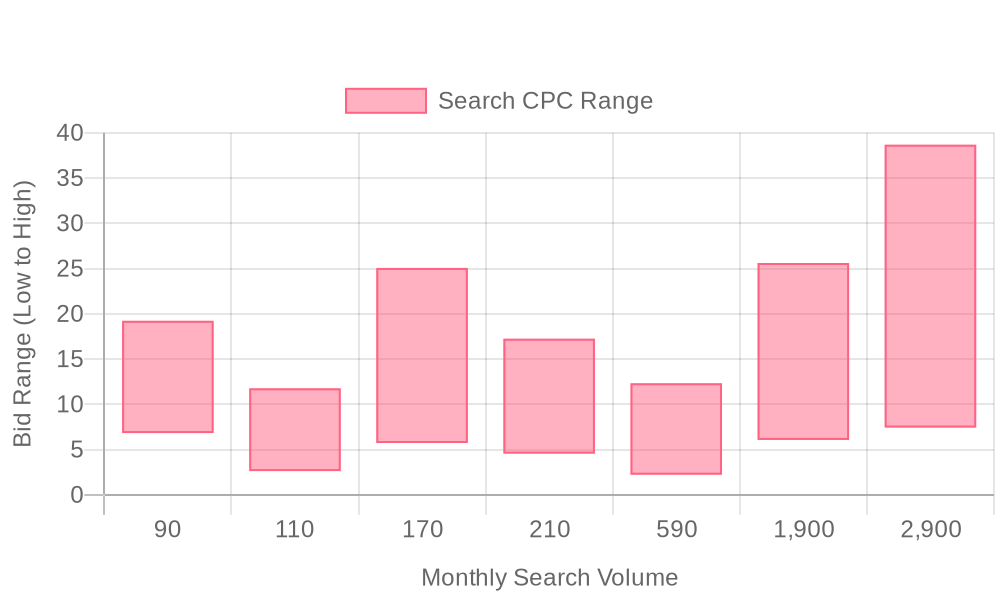
| Industry | Keyword | Monthly Search Volume | Competition Level | Low Bid | High Bid |
| Newspaper Advertising | news paper advertisement | 90 | LOW | 6.83 | 19.23 |
| Newspaper Advertising | place ad in newspaper for free | 110 | LOW | 2.63 | 11.77 |
| Newspaper Advertising | local newspaper advertising | 170 | MEDIUM | 5.73 | 25.07 |
| Newspaper Advertising | paper advertisement | 210 | LOW | 4.56 | 17.25 |
| Newspaper Advertising | classified ads in newspapers | 590 | LOW | 2.23 | 12.33 |
| Newspaper Advertising | newspaper ads | 1900 | LOW | 6.07 | 25.62 |
| Newspaper Advertising | newspaper advertising | 2900 | LOW | 7.44 | 38.68 |
A data-driven keyword strategy anchors profitable Google Ads for newspaper advertising campaigns. Modern publishers identify and target high-intent search terms that align with both audience acquisition and advertiser outreach goals. By examining behavioral signals and search intent, teams can prioritize keywords that drive paid subscriptions, bolster local news engagement, and attract commercial advertisers seeking targeted exposure. Explore more strategies in Sona's B2B marketing playbooks to refine your keyword approach.
Precision in keyword selection directly improves campaign performance and ROI. Top-performing terms include transactional phrases like "newspaper subscription deals," "subscribe to local paper," and "digital newspaper offer." For B2B advertiser growth, focus on "local news advertising," "newspaper audience targeting," and "newspaper ad rates." These keywords reflect real purchase or partnership intent, allowing for efficient budget allocation and measurable outcomes, see how case studies of Google Ads agency success demonstrate the power of effective keyword targeting.
Integrating Google Ads into a multi-channel newspaper marketing strategy requires beyond-basic keyword research. Marketers leveraging visitor identification can connect anonymous search sessions to actual companies or reader segments, enabling tailored keyword lists for each audience type. For instance, a publisher can dynamically build campaigns for business advertisers searching for "local advertising opportunities" while simultaneously running subscriber-focused ads on "best local news coverage." As leads move through the funnel, dynamic audiences update in real time, ensuring that ad copy and landing pages remain relevant at every touchpoint.
To maintain relevance in a shifting digital advertising for newspapers landscape, regularly audit and expand keyword sets. Use negative keywords like "free news online" to filter low-intent traffic and focus spend on high-value conversions. Integrating CRM and ad platforms allows for continuous audience enrichment: subscription and advertiser data sync directly into Google Ads, unlocking granular retargeting and incremental revenue growth. With unified conversion tracking across channels, publishers measure the true impact of their keyword strategy on both new subscriber acquisition and digital ad revenue.
Step-by-Step Campaign Execution Framework
A precise, repeatable framework is essential for maximizing the impact of Google Ads for newspaper advertising. Modern revenue teams are turning to structured workflows, allowing them to capture demand as news cycles shift and deliver ad content that meaningfully drives engagement and subscriptions. For an in-depth look at Google’s print advertising ventures and what they mean for multichannel marketers, explore this analysis of print ads from Google. To dive deeper into effective marketing strategies, visit the Sona blog for actionable insights.
A disciplined approach to campaign execution creates a closed feedback loop between audience intent and campaign performance. With unified data, publishers can rapidly identify high-value segments, align messaging with real-time audience needs, and ensure every advertising dollar is measured for true conversion impact. To see how you can identify and act on high-intent audiences, explore Sona's Identity Resolution for real-time visitor insights.
Step 1: Build Targeted Keyword Lists
Effective newspaper advertising campaigns begin with curated keyword lists that reflect both evergreen editorial beats and fast-moving news events. By segmenting keywords around local issues, breaking news, and trending topics, publishers can anticipate in-market searches and bring relevant readers into their ecosystem. Unified data platforms help marketers track which headlines are generating search interest, allowing them to instantly refresh keyword lists to align with audience intent.
Modern audience identification tools make it possible to pinpoint organizations, households, or even returning subscribers behind search queries. This level of detail allows teams to prioritize spend on accounts or segments with the highest likelihood of conversion, shifting budgets dynamically as news interest evolves and new reader cohorts emerge.
The upgrade most newspaper advertising advertisers miss is going beyond raw keyword volume to layer in intent and identity signals. By connecting website-visitor data and CRM records with Sona Marketing Measurement, you can see which specific search terms bring in the accounts and customers that actually convert, and weight your keyword and bidding strategy toward those rather than the terms with the highest search volume alone.
Step 2: Ad Copy Development
Compelling ad copy for digital advertising in newspapers does more than promote a subscription; it communicates journalistic credibility and positions the publication as an essential information source. Messaging should emphasize unique reporting, exclusive access, or community relevance, tailored to the specific needs of targeted segments. For practical tips on developing high-impact ad campaigns, review this step-by-step Google Ads setup guide.
With the right data, creative teams can test headlines and offers in real time, using performance insights to refine messaging for each audience. Automated workflows allow for rapid A/B testing and instant deployment of new ad variants, enabling publishers to capture reader interest as news cycles evolve and optimize conversion rates with every iteration using real-time intent signals.
Step 3: Landing Page Design
Seamless landing page experiences are critical for driving ad conversions in online advertising for publishers. Pages should directly reflect the intent of the search query and ad copy, with content organized to minimize friction and guide users swiftly to subscription, newsletter signup, or advertiser offer completion. For a detailed comparison of Google Ads and traditional advertising channels, see this Google Ads vs. traditional advertising article.
By leveraging unified visitor data, marketers can personalize landing page elements to match known reader interests or company profiles. This approach increases engagement and accelerates conversions by ensuring every touchpoint speaks directly to the user's immediate need and historical behaviors.
Step 4: Data-Driven Optimization
Optimization for newspaper marketing requires more than surface-level metrics. Closed-loop tracking systems deliver granular insights into which audiences engage, convert, and retain over time, both online and offline. This data allows revenue teams to adjust bidding strategies, ad placements, and creative assets based on actual reader and advertiser engagement. For more on maximizing ROI through offline channels, read about offline attribution strategies.
Sophisticated platforms connect CRM and ad systems, automatically syncing enriched audience segments and conversion data into Google Ads. As leads progress through the funnel or shift intent, audience lists update in real time, ensuring retargeting for newspapers is both relevant and efficient. This unification enables accurate measurement of campaign effectiveness, allocation of budget to the highest-performing segments, and a continuous cycle of improvement that increases Google Ads revenue for publishers.
Sona Marketing Measurement closes the gap between clicks and revenue. It captures ad clicks with first-party measurement, then ties that click through UTM capture and ad-platform APIs to the actual record in your CRM, and reports ROAS by keyword and campaign instead of by last-click form fill. Feeding that revenue signal back into Smart Bidding and Performance Max compounds over time: the algorithms optimize toward booked newspaper advertising revenue, not cheap leads.
Tips on Expanding Your Newspaper Advertising Presence

Maximizing reach in newspaper advertising requires a blended approach across digital and print channels. Modern publishers use creative strategies to amplify brand visibility, optimize ad packages, and engage local communities, ensuring campaigns resonate and drive measurable results. For a deeper dive into effective strategies for combining digital and traditional ads, explore this comparison of Google Ads vs. traditional advertising, which highlights key differences in reach, targeting, and ROI.
- Cross-promote editorial assets: Integrate high-performing articles, investigations, and local features into digital retargeting campaigns. By showcasing top editorial content to previous site visitors, publishers can reinforce brand authority, encourage return visits, and support broader subscription objectives. Dynamic audience segmentation, underpinned by real-time visitor identification, allows marketers to shift budget toward engaged readers and move them down the funnel with relevant offers. This tailored approach overcomes the challenge of anonymous traffic, ensuring every ad impression is delivered to audiences with proven interest.
- Upsell advertising packages: Analyze audience engagement metrics and segment business prospects based on industry, location, and purchasing behavior. This data-driven method enables more personalized outreach, allowing publishers to deliver upsell campaigns that are directly informed by current advertiser interests. By syncing enriched audience lists and advertiser data from CRM systems into Sona’s Destinations feature, teams avoid the pitfalls of outdated account data and maintain high-quality lead targeting.
- Collaborate with local businesses: Develop co-branded or joint advertising placements that spotlight both the newspaper’s reach and the local partner’s offerings. Tailor promotional packages to reflect regional preferences, leveraging insights from both partners’ audience datasets. These collaborations foster community connection, boost local ad sales, and often result in higher engagement rates compared to generic campaigns. For additional practical ideas, see Sona’s playbooks.
- Adapt geographically: Localize ad messaging, creative formats, and campaign timing based on regional trends and events. Publishers can use comprehensive audience insights to identify neighborhood-level interests or emerging topics, ensuring that news advertisements align with what matters most to readers in each market. Automated, dynamic audience updates further ensure that localized campaigns remain accurate as user behavior shifts throughout the news cycle.
For newspapers, optimizing Google Ads campaigns depends on strategic keyword selection, precise segmentation, and compelling creative. By integrating these elements with robust, real-time audience data and seamless CRM-ad platform sync, publishers can address challenges like anonymous traffic and stale datasets. This holistic approach increases ad conversions, supports sustainable digital advertising for newspapers, and upholds both commercial and editorial standards in an evolving media landscape.
Beyond Google Ads: Winning the AI Answers Newspaper Advertising Buyers Now Trust
Paid search captures demand at the moment someone types a query. But a fast-growing share of newspaper advertising buyers no longer start at Google at all, they ask ChatGPT, Gemini, or Perplexity before they ever run a search, and Google's own AI Overviews increasingly summarize an answer above the traditional results. If your business isn't referenced in those AI answers, you're invisible at the exact moment buyers build their shortlist.
Sona AI Visibility shows where your business shows up across ChatGPT, Gemini, Perplexity, Google AI Overviews, and 10+ engines, and, much like a keyword report, which prompts actually send you buyers, so you can prioritize the ones that convert. Run the two together and you cover the entire buyer path: get cited where buyers research (AI Visibility), then prove which of that demand turns into booked revenue (Marketing Measurement).
Helpful resources
Conclusion
Google Ads works for newspaper advertising because it meets both readers and advertisers at the moment they're already searching, not weeks later in a print cycle. The publishers seeing the clearest returns are the ones pairing that targeting with real identity resolution and measurement, so every dollar spent traces back to a subscription booked or an ad package sold.
The next move is pairing that targeting with measurement that ties clicks to booked ad revenue and subscriptions, not just form fills. Start for free to see it on your own campaigns.
FAQ
How can newspaper publishers effectively use Google Ads?
Newspaper publishers can effectively use Google Ads by integrating precise audience targeting, real-time performance data, and enriched visitor identification to transform anonymous website traffic into actionable opportunities, thus boosting engagement and conversions.
What are the best strategies for Google Ads in newspaper advertising?
The best strategies include using precision keyword and audience strategies, creating tailored ad creatives aligned with landing pages, optimizing performance with real-time analytics, and integrating campaigns across multiple channels for a unified advertising ecosystem.
How do I set up Google Ads for my newspaper?
Set up Google Ads by building targeted keyword lists, developing compelling ad copy, designing seamless landing pages, and using data-driven optimization to measure and enhance campaign performance.
What are the benefits of using Google Ads for newspaper advertising?
Benefits include reaching niche audiences, increasing ad revenue, adapting to customer demand, expanding geographic reach, and enabling in-depth analytics for more effective campaign measurement and optimization.
How can I measure the success of Google Ads campaigns for newspapers?
Measure success by using real-time analytics and conversion tracking to gain insights into campaign performance, integrating online and offline data for closed-loop attribution, and continuously allocating budget to high-performing sources.







