


Language schools live or die on timing: a prospective student searching "business Spanish classes near me" or "IELTS prep online" is often ready to enroll within days, not months. Google Ads for Language Training Classes puts your programs in front of that person at the exact moment they're deciding, something organic SEO and word-of-mouth can't reliably do on their own. Done well, paid search doesn't just add traffic, it connects ad spend directly to enrollment numbers. For language training institutions, Google Ads provides an impressive platform to:
How to Generate Leads for Language Training Classes with Google Ads

Language training providers increasingly rely on digital channels to reach motivated learners and drive program growth. Leveraging Google Ads for Language Training Classes delivers precision targeting and scalability, ensuring each budget dollar is directed toward high-intent audiences ready to engage. For marketers focused on education, strategies for maximizing digital advertising impact can help boost campaign efficiency and program enrollment.
Creating an effective Google Ads strategy for language training involves several key steps:
- Targeted Keyword Research: Build keyword lists around the specific languages you teach, proficiency levels (beginner, intermediate, advanced), and outcome-driven phrases like "business Spanish classes" or "IELTS prep online." Language learners often search seasonally, around New Year's resolutions, before a move abroad, or ahead of a certification exam date, so keyword strategy should flex with those cycles. Sona surfaces intent signals to help teams shift bids toward the terms showing the strongest purchase signals in real time.
- Audience Targeting: Precise audience segmentation elevates campaign efficiency. Define demographic profiles (age, location, education level) and layer on interest-based targeting (multilingual professionals, international students, expats). Sona's Identity Resolution also helps marketers identify the companies and organizations behind site visits, so budget can shift toward accounts showing real buying interest, whether that's a corporate account funding employee language training or a university department sourcing exam-prep programs.
- Compelling Ad Copy: Craft ad copy that directly connects with language learners' aspirations, using clear value propositions like "Fluent in six months" or "Pass your language exam, guaranteed." Social proof, such as testimonials from successful students or quantifiable results, enhances trust and improves click-through rates. Messaging should address specific pain points and outcomes, making it clear why your language training stands out in the crowded education landscape.
- Conversion-Focused Landing Pages: Align each ad with a tailored landing page that reinforces the ad's promise and simplifies the path to conversion. Mobile-first design, fast loading times, and concise forms remove friction for users ready to engage. Advanced solutions allow you to track visitors who browse but do not immediately convert, capturing these high-value prospects for future targeting and nurturing.
- Performance Tracking and Optimization: Robust analytics infrastructure is essential for ongoing campaign improvement. Monitor key performance indicators like click-through rates, cost per lead, and enrollment conversions. Use advanced attribution to measure both online and offline conversions, ensuring true ROI is captured across channels. Platforms that unify ad, CRM, and website data allow for enriched audience syncing and real-time campaign adjustments, enabling teams to optimize spend and personalize outreach based on the latest insights.
Sona's Identity Resolution helps businesses see which companies and prospective students are browsing their site without signing up, so high-value prospects stay within reach. This turns anonymous website traffic into actionable leads and keeps language training providers ahead in a crowded market. Ready to increase enrollments and optimize every advertising dollar? Get started for free with Sona.
Why Does Google Ads Matter for Language Training Classes?

Google Ads provides a direct line to prospective students who are intentionally searching for language instruction, capturing demand at the exact moment of interest. This enables language training providers to efficiently allocate budget and maximize visibility where it counts, among high-intent, motivated learners.
- Diverse, Niche Audience Engagement: While social media platforms help build general awareness, Google Ads stands out by intercepting users actively searching for language lessons, test prep, or immersive experiences. With granular search and display targeting, campaigns can reach parents, adult learners, or corporate teams based on precise audience intelligence. Marketers gain a strategic advantage by focusing spend on users already primed for conversion, driving more efficient acquisition compared to broad-based awareness channels.
- Immediate Market Response: Google Ads empowers language schools to react instantly to shifts in demand, such as seasonal spikes around exam periods or back-to-school enrollments. Campaigns can be adjusted in real time to promote new classes, fill open seats, or respond to competitive moves. By identifying in-market intent signals and matching ad messaging to active searchers, providers convert urgency into increased signups and revenue.
- Growth in New Markets: Expanding into new geographic regions or targeting additional languages requires precision. Google Ads gives marketers the ability to segment campaigns by location, language preference, and user demographics, ensuring that messaging resonates with each audience segment. For more on maximizing digital advertising impact for language programs, explore strategies for boosting effectiveness. As campaigns generate leads, advanced platforms update audience segments dynamically, enabling ongoing optimization as prospective students move through the funnel.
- Comprehensive ROI Measurement: Every touchpoint, from ad click to class enrollment, can be tracked and attributed to specific campaigns, providing transparent data for budget allocation and performance optimization. Integration with advanced analytics allows marketers to move beyond anonymous traffic by using Sona's Identity Resolution, which ties visits to company-level intent and known contacts rather than individual identities. This unified reporting ensures that every dollar invested in ads for language training is measurable and tied directly to business outcomes.
Common Types of Google Ads Campaigns for Language Training Classes

- Search Campaigns: Language training providers rely on search campaigns to capture high-intent prospects who are actively seeking instruction. Ads targeting keywords like "online Spanish courses" or "business English classes," often built as responsive search ads that test multiple headlines and descriptions, appear at the moment of need and drive qualified leads into the funnel. When paired with Sona's Identity Resolution, marketers can prioritize outreach and tailor messaging for higher conversion rates.
- Display Ads: Display campaigns help language schools remain visible across educational websites, forums, and language learning blogs. This persistent presence reinforces brand awareness and nurtures prospects who may not be ready to enroll immediately. By syncing Sona's Audiences tool, teams can ensure banners reach previous site visitors and lookalike segments, amplifying relevance and recall at every digital touchpoint.
- Video Ads: Video campaigns, especially on platforms like YouTube, engage learners through immersive content, course previews, instructor introductions, or student testimonials. These ads inform and inspire, often moving viewers closer to enrollment. Marketers who leverage real-time intent data can allocate more budget to video placements shown to audiences displaying high in-market activity, maximizing the impact of every ad dollar. For additional strategies, see this guide for language learning programs.
- Remarketing: Remarketing campaigns are essential for re-engaging potential students who visited course pages but did not convert. Customized retargeting strategies can deliver timely reminders or exclusive offers, significantly increasing re-enrollment rates. With dynamic audience updates, as leads progress through the funnel or revisit specific courses, ad targeting evolves automatically, ensuring reminders are always timely and relevant.
- Performance Max: Performance Max campaigns let language schools reach prospective students across Search, Display, YouTube, and Gmail from a single campaign, guided by conversion goals like trial-lesson sign-ups or enrollment form completions. This is particularly useful during high-urgency periods, such as the weeks before a new term starts, when providers need to fill remaining seats across every channel at once rather than managing formats separately.
- Assets: Ad assets increase the value and click-through rates of campaigns by offering additional information, such as links to physical class locations, phone numbers, or real-time discounts for early registration. Advanced conversion tracking tools attribute both online sign-ups and offline enrollments, revealing the true ROI of each asset and enabling rapid optimization.
Where to Find Growth Opportunities?
Effective growth in the language training sector relies on identifying and capitalizing on unexploited opportunities. By leaning into data and leveraging advanced marketing tools, providers can reach high-value student segments while maximizing efficiency.
- Keyword Expansion: Targeting niche language terms and education-specific search phrases enables providers to reach learners with specialized interests or advanced needs. Identifying less competitive keywords related to dialects, test preparation, or business language use can drive a steady influx of qualified leads. Integrating unified intent data from multiple touchpoints allows marketers to refine their keyword strategies based on real-time search behavior, ensuring budget is allocated where it will deliver the highest ROI.
- Competitive Analysis: Using competitive intelligence tools to monitor rival campaigns and messaging highlights gaps in the market. For example, if competitors overlook specific regional dialects or business-focused courses, this insight enables quick campaign adjustments. Unified go-to-market data lets revenue teams understand which competitor keywords are converting best, and dynamic audience segmentation ensures messaging is tailored to outperform rivals in those critical areas.
- Industry Collaboration: Strategic partnerships with language learning forums, educational marketplaces, or certification platforms can amplify reach and boost credibility. Collaborating on webinars, guest posts, or joint events introduces your programs to new, highly engaged audiences while reinforcing thought leadership. When these partnerships are tracked and measured through enriched CRM and ad data syncs, marketers can attribute value to each channel and double down on what works.
- Content Marketing Integration: Promoting interactive content, such as webinars, demo lessons, or resource guides, via digital advertising for language programs elevates engagement and nurtures prospects further down the funnel. Granular conversion and attribution tracking, both online and offline, ensures every ad dollar invested in content is measured for long-term impact on student acquisition. Sona's Identity Resolution identifies visitors and syncs lead data directly into systems like HubSpot or Salesforce, so teams can trigger personalized follow-ups and increase enrollment rates.
How to Apply Audience Segmentation for Language Training Classes
Precise audience segmentation transforms language training marketing from broad outreach into targeted, high-performing campaigns. By tailoring messaging and experiences to the unique needs of each learner segment, organizations can maximize engagement and program enrollments. Explore proven strategies for maximizing the impact of digital advertising for language learning programs to refine your targeting approach.
- Define Segments: Segment your audience by language proficiency, such as beginners seeking foundational skills versus advanced learners aiming for fluency or specialized certifications. Further refine by interest in specific languages or program formats, including live classes, online modules, or hybrid solutions. To deepen your segmentation, leverage real-time audience insights that combine intent and behavioral data for more precise targeting.
- Assess Intent Signals: Capture behavioral data to distinguish between users browsing for conversational improvement and those evaluating professional certifications. Monitoring content engagement and ad interactions provides insight into learners' immediate goals, allowing teams to allocate budget toward segments most likely to convert. Consider integrating custom intent signals to automatically flag and prioritize high-value prospects as they engage with your content.
- Customize Ad Groups: Develop separate ad groups for each defined segment, ensuring ad copy and landing pages speak directly to their needs. For example, promote flexible scheduling and interactive sessions to casual learners, while emphasizing recognized accreditation and career advancement for professionals. Dynamic audience management, such as automated audience syncing, enables updates as users progress, aligning offers and messaging to each step of their journey.
- Track and Validate: Implement advanced tracking to monitor the full user journey from ad impression through enrollment. Integrating offline and online conversion data delivers accurate attribution, while real-time audience enrichment captures new signals as prospects engage. This unified approach ensures every touchpoint contributes to a clear ROI picture and supports ongoing optimization. For more on best practices, visit the Sona blog.
Some organizations leverage systems that unify digital intent, CRM data, and offline interactions, enabling real-time audience updates and minimizing churn. This ensures that each learner receives timely, relevant offers and that marketing spend is focused where it delivers the greatest impact. For teams using Google Ads for Language Training Classes, syncing enriched audience segments directly into campaign workflows empowers rapid pivots, ensuring outreach remains precise and conversion-driven.
This is also where measurement changes the economics. With Sona Marketing Measurement you can identify the companies and buyers behind your ad clicks, not just anonymous sessions, and segment audiences by who actually becomes a customer. That lets you build bid adjustments and audience signals around the segments that convert and de-prioritize the ones that don't, so you feed Google's algorithms "this click became a paying language training classes customer" instead of just "someone filled out a form."
Keyword Strategy & Sample Target Terms
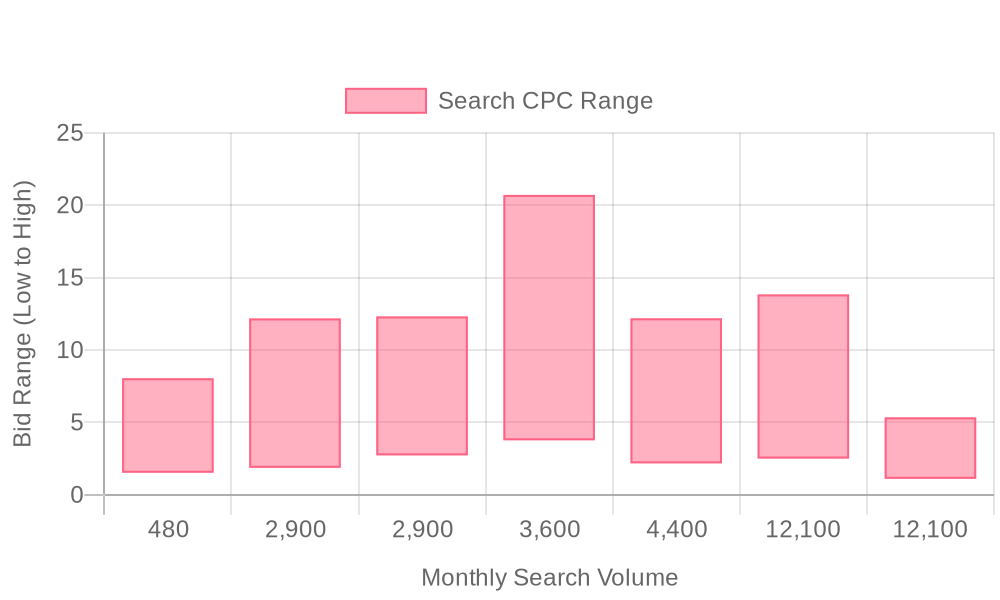
| Industry | Keyword | Monthly Search Volume | Competition Level | Low Bid | High Bid |
| Language Training Classes | online english speaking course | 480 | LOW | 1.53 | 8.05 |
| Language Training Classes | learn arabic online | 2900 | LOW | 1.87 | 12.18 |
| Language Training Classes | spanish courses | 2900 | LOW | 2.73 | 12.32 |
| Language Training Classes | online french courses | 3600 | LOW | 3.77 | 20.71 |
| Language Training Classes | online language courses | 4400 | MEDIUM | 2.18 | 12.19 |
| Language Training Classes | learn spanish online | 12100 | MEDIUM | 2.51 | 13.84 |
| Language Training Classes | esl classes near me | 12100 | LOW | 1.11 | 5.35 |
Effective keyword selection is the backbone of successful Google Ads campaigns for language training classes. Precision targeting, combined with nuanced keyword research, enables marketing teams to capture high-intent leads and drive measurable enrollment growth. For ongoing insights into marketing analytics and campaign optimization, explore the latest thought leadership and strategy content.
- High-Intent Keywords: Focus on high-converting queries such as "immersion French courses," "intensive English language bootcamp," or "quick Spanish speaking classes." These terms signal a strong purchase intent and align closely with prospective students actively seeking structured programs, leading to lower acquisition costs and better-qualified leads. Incorporating real-time audience insights can further refine your targeting to maximize campaign relevance.
- Local and Cultural Modifiers: Enhance targeting by incorporating geographic and cultural indicators. Use phrases like "Mandarin classes in NYC," "German courses EU-friendly time zones," or "Japanese lessons for London professionals" to attract audiences with specific location or schedule preferences. This approach boosts relevance and click-through rates, especially for language training providers with hybrid or in-person offerings. For actionable guidance, review strategies for boosting the effectiveness of digital advertising for language learning programs.
- Benefit-Driven Queries: Integrate outcome-focused language such as "quickly learn conversational Italian" or "business English certificate in 8 weeks." These queries capture users motivated by tangible results, helping to differentiate premium offerings from generic, less-committed options. To further optimize your keyword approach, consider leveraging intent signals to identify and prioritize high-value prospects.
- Negative Keywords: Employ exclusions like "free," "tutorials," or "self-learning" to filter out non-commercial traffic. By removing terms that attract casual browsers or self-paced learners, teams can increase conversion rates and ensure budget is allocated to prospects ready for professional instruction. Access more best practices in marketing performance management to refine your keyword filtering strategy.
- Continuous Keyword Analysis: Ongoing review and refinement of keyword lists are essential. Leveraging unified go-to-market data, teams can identify emerging high-potential terms based on real-time search behavior and campaign performance, ensuring that keyword strategies adapt to market demand and evolving learner preferences. For seamless audience data activation and timely keyword adjustments, integrate Sona into your marketing workflow.
A granular approach to keyword targeting, aligned with enriched visitor insights, ensures every ad dollar is directed toward the most promising audiences. This methodology streamlines campaign efficiency and supports scalable, sustainable growth for language training providers.
Step-by-Step Campaign Execution Framework

A data-driven approach to digital advertising empowers language training providers to maximize every marketing dollar. Prioritizing the right tactics improves both lead quality and student acquisition for online and in-person language programs. For an in-depth look at digital ad strategies tailored to education, explore maximizing the impact of digital advertising for language learning programs. You can also consult our blog for marketing analytics insights.
Step 1: Build Targeted Keyword Lists
Effective Google Ads for Language Training Classes begin with precise keyword selection. Use a blend of broad match types to capture general interest alongside exact match keywords targeting high-intent searchers. Analyzing search behavior and historical campaign data helps uncover niche phrases such as "Spanish courses for professionals" or "IELTS prep online," ensuring ad spend reaches the most relevant audiences. When platforms unify Sona's Identity Resolution with keyword insights, marketers can refine campaigns to focus spend on segments that actively show intent, connecting course offerings with in-market prospects.
The upgrade most language training classes advertisers miss is going beyond raw keyword volume to layer in intent and identity signals. By connecting website-visitor data and CRM records with Sona Marketing Measurement, you can see which specific search terms bring in the accounts and customers that actually convert, and weight your keyword and bidding strategy toward those rather than the terms with the highest search volume alone.
Step 2: Develop Compelling Ad Copy
Craft messaging that speaks directly to the motivations of language learners. Highlight unique selling points such as native-speaking instructors, flexible schedules, or business language specialization. Include clear calls to action, invite users to book a free trial lesson or download a curriculum sampler. Aligning ad copy with live intent signals allows for dynamic updates, ensuring each prospect receives messaging that matches their stage in the decision journey. Platforms that synchronize CRM data with ad campaigns enable real-time personalization, driving higher conversion rates for language school marketing strategies.
Step 3: Design Effective Landing Pages
Consistency between ad messaging and the landing page experience increases trust and reduces drop-off. Design pages that immediately reinforce the offer, showcase testimonials, and provide easy navigation for mobile users. For online language course advertising, streamline registration forms and keep CTAs prominent. Sona's Identity Resolution identifies visiting companies or users, letting teams tailor landing page content dynamically, such as pre-filling forms or surfacing course recommendations based on a visitor's industry or intent, resulting in improved engagement and conversion rates.
Step 4: Implement Data-Driven Optimizations
Integrate conversion tracking to measure every inquiry, sign-up, or demo request. Link Google Analytics to map user flows, spotlighting drop-off points and high-performing ad segments. Data integration with CRM systems ensures that every lead source, click, and conversion is attributed across the funnel, providing a full view of ROI for Google Ads targeting for language learners. Advanced attribution connects online behaviors with offline actions, enabling revenue teams to optimize budget allocation in real time and scale campaigns that drive enrollments. When enriched audience lists are automatically synced between ad platforms and sales tools, remarketing and lookalike campaigns become more effective, continually fueling the pipeline with high-fit leads.
Sona Marketing Measurement closes the gap between clicks and revenue. It captures ad clicks with first-party measurement, then ties that click through UTM capture and ad-platform APIs to the actual record in your CRM, and reports ROAS by keyword and campaign instead of by last-click form fill. Feeding that revenue signal back into Smart Bidding and Performance Max compounds over time: the algorithms optimize toward booked language training classes revenue, not cheap leads.
Tips on Expanding Your Presence in Language Training

Language training providers are competing in a dynamic market where data-driven strategy and targeted content set the leaders apart. B2B revenue teams that harness granular insights can deepen engagement and unlock new growth channels. To dive deeper into advanced strategies for education marketing, check out the latest thought leadership.
- Expand Educational Content Retargeting: Supporting your marketing strategies with value-driven content, such as in-depth guides, video tutorials, or podcast episodes, keeps your brand top-of-mind for prospects who have already shown interest. By retargeting audiences with this educational material, you reinforce core offerings while nurturing leads toward enrollment. Leveraging unified audience data enables you to present tailored content across digital channels, ensuring that every retargeting touchpoint is relevant and timely. For marketers in the education sector, this guide to maximizing digital advertising offers practical tactics to boost your campaigns.
- Upsell via Segmented Lists: Use enrollment and engagement data to identify students with high potential for advanced or complementary courses. Segmenting your audience by skill level, course completion, or interaction frequency allows you to craft precise upsell campaigns. Predictive analytics spotlight the ideal timing for presenting new offerings, maximizing conversion rates and student lifetime value.
- Partner with Academic Institutions: Forming alliances with universities, colleges, or reputable training centers expands credibility and reach. Co-hosting seminars, offering dual-certification options, or co-branding courses can open new pipelines for student acquisition. Data integration across platforms provides a holistic view of partnership performance, enabling both parties to refine joint campaigns effectively.
- Localize with Specific Approaches: Tailor your advertising and course content by incorporating regional language dialects, cultural touchpoints, and locally resonant visuals. This approach fosters authentic connections and improves campaign performance among target demographics. Deep audience insights help you pinpoint which dialects and references drive the most engagement in specific locales.
- Utilize Search Query Data: Monitoring and analyzing search queries reveals trends in learner intent and evolving interests. This intelligence informs your keyword strategy and the development of new curriculum modules and marketing collateral. Integrating these insights into your ad platform and CRM ensures your teams act on the latest market signals, aligning product development with demand.
Insights from predictive tools allow teams to orchestrate upsell initiatives at the precise moment a student is ready to advance. By combining behavioral data, campaign responses, and unified CRM records, you ensure each engagement drives measurable impact and sustained growth.
Beyond Google Ads: Winning the AI Answers Language Training Classes Buyers Now Trust
Paid search captures demand at the moment someone types a query. But a fast-growing share of language training classes buyers no longer start at Google at all, they ask ChatGPT, Gemini, or Perplexity before they ever run a search, and Google's own AI Overviews increasingly summarize an answer above the traditional results. If your business isn't referenced in those AI answers, you're invisible at the exact moment buyers build their shortlist.
Sona AI Visibility shows where your business shows up across ChatGPT, Gemini, Perplexity, Google AI Overviews, and 10+ engines, and, much like a keyword report, which prompts actually send you buyers, so you can prioritize the ones that convert. Run the two together and you cover the entire buyer path: get cited where buyers research (AI Visibility), then prove which of that demand turns into booked revenue (Marketing Measurement).
Helpful resources
Conclusion
Google Ads works for language training classes because it meets learners at the moment they decide to act, whether that's a professional facing a relocation deadline or a student with an exam date already on the calendar. Precise targeting, disciplined keyword strategy, and measurement that connects clicks to actual enrollments turn that moment into steady, predictable growth.
The providers who win in this market are the ones who stop treating paid search as a lead-volume game and start treating it as a revenue-attribution problem, connecting keywords, ad spend, and platforms like Sona Marketing Measurement directly to enrollments. Start for free to see which of your campaigns are actually filling classrooms.
FAQ
How can I set up Google Ads for my language training classes?
To set up Google Ads for your language training classes, start by conducting targeted keyword research focusing on language learning terms, define your audience with precise segmentation, create compelling ad copy, design conversion-focused landing pages, and implement robust performance tracking and optimization strategies.
What are the best keywords for targeting language learners in Google Ads?
The best keywords include specific language terms and levels, outcome-driven phrases like 'business Spanish classes' or 'IELTS prep online,' and high-intent queries such as 'immersion French courses' or 'intensive English language bootcamp.'
How can I optimize my Google Ads campaign for language training classes?
Optimize your campaign by conducting in-depth keyword research, precise audience targeting, crafting compelling ad copy, using conversion-focused landing pages, and consistently tracking and adjusting based on performance data.
What is the cost-effectiveness of using Google Ads for language training classes?
Google Ads is cost-effective for language training classes as it allows targeting high-intent prospects actively searching for language learning, maximizing visibility and efficiently allocating budgets toward motivated learners.
How can I track and measure the success of my Google Ads for language training classes?
Track and measure success by integrating a robust analytics infrastructure, monitoring key performance indicators such as click-through rates and cost per lead, and using advanced attribution to capture both online and offline conversions.







