


A hydraulic lift stuck mid-cycle in a working bay is a plant manager's emergency, not a browsing occasion, and most of that urgent search traffic never fills out a form. Google Ads gives hydraulic lift repair businesses a way to catch that moment: a technician searching "emergency hydraulic lift repair" at 6 a.m. is a decision-maker, not a tire-kicker. The harder problem is what happens after the click, since most visitors who land on a repair site still leave without calling. Identifying the companies behind that anonymous traffic, and pointing ad spend at the technical, urgent-need language this trade actually uses, is what turns clicks into booked repair jobs.
How to Generate Leads for Hydraulic Lift Repair with Google Ads: A Step-by-Step Guide
Generating qualified leads for hydraulic lift repair requires a marketing strategy that translates technical expertise into visible, measurable demand. Precision targeting, tailored messaging, and seamless data integration are the pillars of sustainable lead generation in the industrial equipment repair sector.
Embarking on Google Ads for hydraulic lift repair means leveraging targeted campaigns that reach maintenance managers, plant supervisors, and facility owners as they actively search for solutions. Unifying intent signals and behavioral data ensures that ad spend focuses on the highest-value accounts, not just clicks from generic searchers. For those new to paid search, this Google Ads video provides a helpful primer on campaign basics and benefits.
- Identify target keywords tailored for hydraulic lift repair needs, ensuring that potential high-value prospects are not overlooked: Begin with keyword research focused on terms that indicate urgent repair needs, such as "emergency hydraulic lift repair," "industrial lift troubleshooting," or "heavy machinery hydraulic service." Layering in search volume, competition, and intent lets marketers build a keyword portfolio that prioritizes service-driven queries over broad, research-based terms. Tools that surface which companies are visiting your site let marketers identify which organizations are searching for these terms, creating hyper-targeted outreach lists and reducing wasted ad spend. Explore more demand generation playbooks to refine your keyword targeting process.
- Develop creative alignment techniques that personalize messaging to align with the buyer's journey, increasing conversion chances: Custom ad copy and dynamic landing pages can address specific pain points, such as downtime cost or compliance risk, positioning your solution as the fastest and most reliable option. Incorporating customer reviews and case studies into ad assets builds credibility and addresses objections before a prospect even clicks. Using dynamic audience segments that update in real time as leads move through the funnel allows for more relevant ad experiences and ensures follow-up messaging matches the buyer's current stage.
- Continually optimize performance using audience insights to maximize ROI: Advanced conversion tracking provides a full view of which keywords, ads, and landing pages actually drive sales-qualified leads. Integrating both online and offline conversion data, such as phone call tracking and CRM opportunity creation, helps refine budget allocation and improve overall Google Ads hydraulic lift repair ROI. Access to real-time in-market behavior enables marketing teams to shift spend toward accounts showing higher intent, resulting in more efficient campaign outcomes.
- Cross-channel integration methods to strengthen your entire marketing ecosystem and maintain consistent messaging: Synchronizing Google Ads audiences with CRM and marketing automation platforms ensures consistent communication across email, paid search, and social. When enriched lead and company data sync directly into platforms like HubSpot or Salesforce, sales teams can act on hot leads instantly, while remarketing campaigns automatically update to retarget only those who still need further nurturing. This unified data approach amplifies Google Ads hydraulic lift repair strategies across every touchpoint, driving both higher conversion rates and long-term customer value.
Why Google Ads Matter for Hydraulic Lift Repair
Hydraulic lift repair businesses operate in a highly reactive, intent-driven market. Prospects often search for solutions urgently, and the ability to intercept demand at the precise decision point is critical for consistent pipeline growth. For a visual overview of how Google Ads can drive immediate results for local and specialized businesses, this Google Ads basics video provides a helpful introduction.
Google Ads uniquely empowers these service providers to reach specialized audiences who are actively seeking hydraulic lift repair, often with immediate needs. This level of targeting ensures marketing budgets are allocated toward procurement managers and facility teams whose queries indicate a high likelihood of conversion. Enhance your targeting by leveraging Sona's Audiences tool to build segments based on intent, buying stage, and account attributes, ensuring outreach is hyper-relevant at the critical moment.
- Specialized Audience Reach: Capturing leads in the industrial equipment sector requires precision. With Google Ads, campaigns can target decision-makers based on search behavior, geographic location, and urgency signaled by keywords such as "emergency hydraulic lift repair" or "industrial lift downtime solutions." With Sona's Identity Resolution, marketers can move beyond anonymous website visits, revealing which organizations are searching for services and enabling timely, tailored outreach.
- High-Value Service Acquisition: Hydraulic lift repairs often involve large contracts and complex projects. Through intent-based keyword strategies, Google Ads enables businesses to attract high-margin repair jobs by prioritizing leads showing strong purchase signals. Real-time intent data further refines this process by identifying accounts most likely to convert, allowing teams to shift spend dynamically and maximize ROI from every campaign.
- Immediate Demand Fulfillment: Emergency repair needs leave no room for delays. Google Ads makes it possible to surface offers and contact information the moment a problem arises, decreasing the chance of losing business to competitors. By syncing CRM data with Sona's Destinations feature, service providers can ensure prospects who have already engaged or requested quotes receive fast, relevant follow-ups, streamlining the transition from inquiry to closed deal.
Combining these capabilities with enhanced attribution and conversion tracking ensures that every dollar invested is tied to measurable outcomes. This level of insight is vital for teams aiming to optimize Google Ads for hydraulic lift repair ROI and demonstrate the impact of their campaigns on high-stakes, time-sensitive services. If you're ready to see the impact firsthand, get started for free with Sona.
Common Types of Google Ads Campaigns for Hydraulic Lift Repair
Effective campaign selection is central to driving consistent, high-quality leads in hydraulic lift repair. Matching campaign types to the buyer journey not only maximizes visibility but also ensures every dollar spent aligns with real purchasing intent. To further explore strategies that align with each stage of the buyer journey, see this guide to account-based marketing.
Hydraulic lift repair providers face unique challenges: urgent service needs, technical trust requirements, and a fragmented landscape of decision-makers. Selecting the right mix of Google Ads campaign formats addresses these pain points with precision. For a quick introduction to Google Ads fundamentals, watch this video on Google Ads basics.
- Search Campaigns: Capturing urgent repair intent is critical in industrial equipment repair. Search campaigns allow you to intercept high-intent queries at the exact moment prospects are seeking a solution, such as "emergency hydraulic lift repair near me." When integrated with website visitor identification, you move beyond anonymous clicks to pinpoint the companies behind search traffic, allowing for immediate, personalized sales outreach and follow-up.
- Performance Max: Performance Max campaigns pool Search, Display, YouTube, and Maps inventory into one goal-driven campaign, useful for hydraulic lift repair shops that want to capture emergency-service demand across channels without managing each one separately. Feeding it strong conversion signals, like completed service calls or booked inspections, helps the algorithm find facility managers and plant operators rather than casual researchers. Responsive Search Ads, a flexible ad format within Search campaigns that tests multiple headline and description combinations, pair well here to match the exact phrasing of urgent repair queries.
- Display Ads: Display campaigns reinforce your brand across relevant industry sites and forums. This keeps your services top-of-mind for plant managers and procurement officers as they research solutions, reducing the risk of lost opportunities through inconsistent messaging. By leveraging real-time audience data, display budgets can be shifted toward accounts showing the most engagement, improving the impact of every impression.
- Remarketing: Prospects often need multiple touchpoints before committing to a repair provider. Remarketing campaigns re-engage previous visitors, nudging them back into the funnel with tailored offers, think discounts on first-time service or expedited scheduling. As leads move through the funnel, dynamic audience updates ensure that remarketing lists remain relevant, targeting only those with the highest likelihood to convert based on both online and offline signals.
- Assets: Ad assets provide crucial trust-building elements at key decision points. By featuring certifications, real-time availability, and customer reviews, assets address common objections and reinforce credibility. When synced with enriched CRM data, ad assets can dynamically surface the most relevant trust signals for each audience segment, ensuring a personalized and consistent experience throughout the buyer journey. For more actionable tactics on Google Ads in specialized industries, review our marketing playbooks.
Where to Find Growth Opportunities?
Growth in this trade often hides in plain sight: a regional maintenance contract up for renewal, a manufacturer expanding a plant, a competitor slow to answer emergency calls. Finding those openings before a competitor does means pairing sharp keyword targeting with a clear-eyed look at where your current pipeline has gaps.
- Vertical keyword targeting: Beyond general repair terms, vertical keyword targeting captures specialized queries like "hydraulic lift cylinder repair" or "industrial lift troubleshooting." Aligning paid and organic content with these intent-driven phrases positions your brand as the solution at the earliest stage of the buying cycle. For actionable insights on keyword research and B2B SEO, explore the ultimate guide to B2B marketing reports, which can help refine your strategy and improve conversion likelihood.
- Gap analysis for new segments: Regularly auditing your audience, ad performance, and CRM records exposes neglected verticals or service categories. For example, a gap analysis may reveal demand for "emergency lift repair" or "annual lift maintenance contracts" in specific regions. By integrating visitor identification, marketers can pinpoint which companies and job titles are landing on your site, further refining audience segments and ensuring targeted outreach is prioritized for high-value opportunities.
- Industry-specific channels and optimization: Hydraulic lift repair decision-makers often frequent trade forums, equipment directories, and specialized marketplaces. Listing services and actively participating in these channels builds trust and accelerates recognition within the right circles. A video overview of Google Ads for local businesses can offer inspiration for optimizing campaigns to reach qualified buyers searching in your service area. Synchronizing enriched lead data into CRM and ad platforms supports dynamic audience updates, Destinations ensures your campaigns are always aligned with your latest pipeline and market insights.
How to Apply Audience Segmentation for Hydraulic Lift Repair

Audience segmentation ensures every advertising dollar spent on Google Ads for hydraulic lift repair delivers measurable pipeline value. Marketers who structure campaigns around well-defined customer segments minimize wasted spend and improve lead quality. Messaging that speaks directly to the pain points of industrial or commercial clients, whether that's unplanned downtime, safety compliance, or contract renewal timing, consistently drives higher engagement and conversion.
- Define industrial vs. commercial segments: Industrial clients, such as manufacturing plants or warehouses, require messaging focused on uptime, safety, and compliance. Commercial clients, like building maintenance or property management firms, often prioritize rapid response and cost control. Segmenting these audiences in Google Ads allows for tailored creative, landing pages, and offers that match the operational realities of each group. For actionable frameworks, browse our demand generation playbooks.
- Overlay intent signals for precision: Integrating real-time intent data helps identify which accounts are actively researching hydraulic lift repair or related services. By recognizing in-market behaviors, such as repeated visits to service pages or engagement with technical resources, advertisers can prioritize spend on high-likelihood buyers. Platforms that unify web, ad, and CRM data make it possible to shift budgets dynamically, ensuring focus on accounts most likely to convert.
- Validate conversion paths with CRM integration: Effective segmentation extends beyond audience building; it requires validation that targeted segments are progressing through the funnel. Connecting ad platforms with CRM systems ensures all form fills, calls, and chat interactions are tracked and attributed correctly. This closed-loop approach keeps prospects in the pipeline, reveals which segments drive real revenue, and supports continuous optimization of Google Ads hydraulic lift repair strategies. With dynamic audience sync, marketers automatically update lists as leads qualify or move stages, maintaining relevance and maximizing impact throughout the buying journey.
Measurement is where this segmentation pays off. With Sona Marketing Measurement you can identify the companies and buyers behind your ad clicks, not just anonymous sessions, and segment audiences by who actually becomes a customer. That lets you build bid adjustments and audience signals around the segments that convert, and de-prioritize the ones that don't, so Google's algorithms learn "this click became a paying hydraulic lift repair customer" instead of just "someone filled out a form."
Keyword Strategy & Sample Target Terms
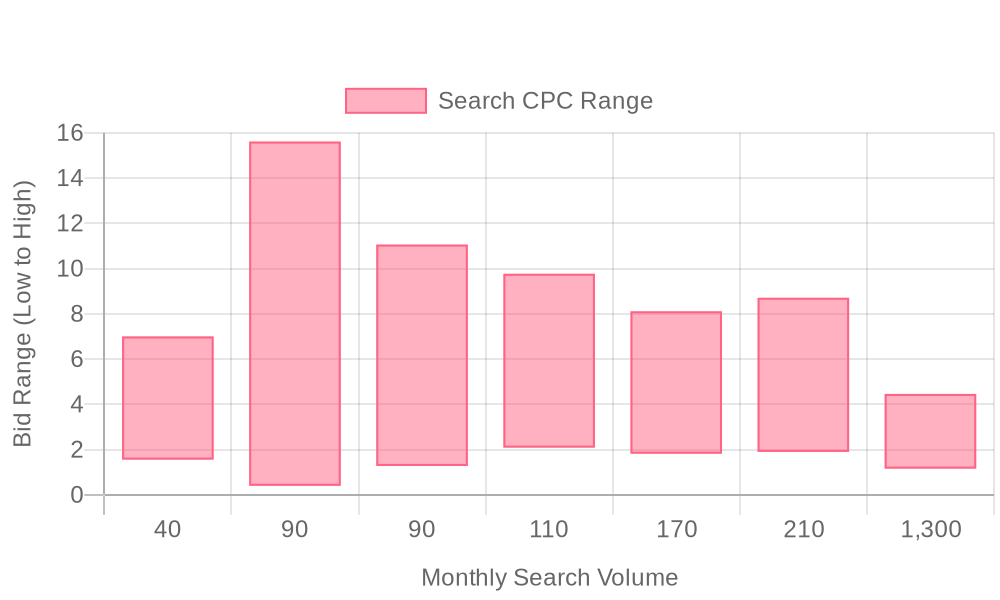
| Industry | Keyword | Monthly Search Volume | Competition Level | Low Bid | High Bid |
| Hydraulic Lift Repair | hydraulic car lift repair near me | 40 | MEDIUM | 1.56 | 7 |
| Hydraulic Lift Repair | porta power hydraulic jack | 90 | HIGH | 0.4 | 15.61 |
| Hydraulic Lift Repair | hydraulic jack repair shop | 90 | LOW | 1.28 | 11.06 |
| Hydraulic Lift Repair | hydraulic lift repair near me | 110 | MEDIUM | 2.09 | 9.77 |
| Hydraulic Lift Repair | hydraulic lift repair service near me | 170 | LOW | 1.82 | 8.11 |
| Hydraulic Lift Repair | hydraulic lift repair | 210 | LOW | 1.9 | 8.71 |
| Hydraulic Lift Repair | hydraulic jack repair | 1300 | LOW | 1.16 | 4.46 |
Capturing high-intent prospects for hydraulic lift repair services starts with a focused keyword strategy that aligns directly with customer search behavior. The most successful campaigns rely on granular keyword targeting that reflects urgent service needs and local intent, ensuring each ad dollar targets prospects most likely to convert.
- High Volume, Low Competition Keywords: By selecting keyword phrases with substantial search volume yet relatively low competition, marketers can maximize ad visibility at a lower cost-per-click. This approach uncovers opportunities that established industry players may overlook, giving repair businesses an edge in reaching untapped demand, especially when supported by dynamic audience segmentation for precise targeting.
- Customer Query-Driven Keywords: Prioritizing terms that mirror actual customer searches, such as 'hydraulic lift repair near me', 'emergency hydraulic lift repair services', and 'Google Ads hydraulic repair services', ensures campaigns connect with prospects expressing immediate need. For a real-world breakdown of Google Ads basics and benefits for local businesses, marketers can reference this introductory video guide.
- Negative Keywords for Intent Filtering: Filtering out irrelevant searches, such as job seekers, DIY guides, or unrelated equipment, protects budget from low-value clicks. Negative keywords like 'hydraulic lift repair jobs', 'hydraulic lift repair manual', or 'how to repair hydraulic lift' sharpen audience focus, driving campaign efficiency and higher conversion rates. For additional strategies on optimizing paid campaigns, explore our marketing blog.
When marketers leverage unified data to analyze keyword engagement, they can distinguish between casual browsers and high-intent buyers. Modern platforms automatically refine these keyword lists based on real-time visitor identification and lead scoring, prioritizing spend on segments actively searching for urgent repair solutions. This dynamic approach helps B2B revenue teams consistently reach enterprise buyers while avoiding wasted spend, resulting in measurable improvements in paid search ROI.
Step-by-Step Campaign Execution Framework
Step 1: Build Targeted Keyword Lists
Precision in keyword selection creates the foundation for high-performing Google Ads for hydraulic lift repair. Segmenting keywords by service type, such as emergency hydraulic lift repair, preventative maintenance, or mobile lift repair, ensures all customer needs are addressed and keeps campaigns granular for optimal control. Localizing with city, region, or service area tags connects ads with high-intent, local buyers who are actively seeking nearby solutions.
Effective lists also incorporate long-tail and question-based queries like "best hydraulic lift repair near me" or "how to fix hydraulic lift leaks." This approach matches nuanced search behavior and captures traffic from prospects in the consideration phase. Using advanced analytics platforms, marketers can identify not just which keywords drive traffic, but which search terms signal real buying intent, enabling dynamic budget allocation to the highest-value audiences.
When these keyword clusters are connected to real-time visitor identification tools, marketers can move beyond anonymous web traffic, pinpointing which companies are landing on key service pages. This insight allows for rapid audience segmentation and ensures ad spend focuses on the most promising accounts.
Layering intent-driven keyword targeting on top of this foundation is what separates a broad campaign from one that consistently books repair jobs.
The upgrade most hydraulic lift repair advertisers miss is going beyond raw keyword volume to layer in intent and identity signals. By connecting website-visitor data and CRM records with Sona Marketing Measurement, you can see which specific search terms bring in the accounts and customers that actually convert, and weight your keyword and bidding strategy toward those rather than the terms with the highest search volume alone.
Step 2: Develop Compelling Ad Copy
Ad copy must immediately connect with the unique pain points of industrial equipment operators and facility managers. Headlines calling out downtime costs, safety compliance, or speed of service speak directly to what matters most for hydraulic lift repair buyers. Including trust markers, like "certified technicians" or "24/7 emergency repairs", builds confidence and sets your service apart in a competitive, time-sensitive market.
To drive urgency, incentives such as "same-day inspection" or "first repair discount" can boost click-through rates and motivate hesitant buyers to engage now. Crafting copy with these elements, aligned to specific keyword clusters, ensures relevance and resonance. For inspiration on how local businesses leverage paid search, watch this Google Ads basics video.
Integrating real-time intent signals into your messaging strategy allows you to adjust creative based on where prospects are in their buying journey. For example, visitors showing repeat engagement or viewing pricing pages can be shown stronger calls-to-action, maximizing conversions at every stage.
Step 3: Design Effective Landing Pages
Landing pages that mirror ad messaging and keyword intent deliver a seamless experience that builds trust from the start. Each page should feature clear, service-specific value propositions and avoid generic content that could confuse visitors. For hydraulic lift repair, including interactive ROI calculators helps buyers quantify potential savings on downtime or maintenance, while strategically placed customer testimonials showcase proven results.
These pages should also streamline lead capture, using forms pre-filled with company data where possible. By syncing enriched lead data directly with CRM and ad platforms, teams can accelerate follow-up and personalize outreach based on the ad and keyword that drove the conversion.
Dynamic audience updates ensure that as leads move from inquiry to quote to closed deal, they are automatically shifted into new nurture or upsell campaigns. This reduces manual effort and keeps messaging relevant throughout the buyer lifecycle. For detailed tactics, check out our guide to account identification.
Step 4: Implement Data-Driven Optimizations
Rigorous measurement underpins every successful Google Ads hydraulic lift repair strategy. Tracking both micro conversions (such as form starts or brochure downloads) and macro conversions (like booked consultations or closed deals) enables precise attribution and continuous improvement. Smart bidding tactics, powered by unified intent, adjust in real time based on which accounts are most likely to convert at the greatest value.
A/B testing of ad copy, landing pages, and call-to-action placements reveals what resonates best with each segment, allowing marketers to refine campaigns and eliminate wasted spend. Advanced conversion tracking connects online actions with offline outcomes, capturing the full customer journey from initial click to final invoice.
Seamless syncing between CRM, lead enrichment, and ad platforms ensures that audience lists remain current, so remarketing and lookalike campaigns always target the most relevant, high-potential prospects. This integrated workflow helps B2B revenue teams achieve true, data-driven growth in the industrial equipment repair sector.
Sona Marketing Measurement closes the gap between clicks and revenue. It captures every ad click with first-party, company-level tracking, then ties that click through UTM capture and ad-platform APIs to the actual record in your CRM, and reports ROAS by keyword and campaign instead of by last-click form fill. Feeding that revenue signal back into Smart Bidding and Performance Max compounds over time: the algorithms optimize toward booked hydraulic lift repair revenue, not cheap leads.
Tips on Expanding Your Hydraulic Lift Repair Presence
Precision in digital marketing is vital for hydraulic lift repair businesses aiming to capture commercial service contracts and local industrial leads. Establishing a robust online footprint not only drives inbound opportunities but also ensures your brand remains top-of-mind for facility managers and procurement teams when urgent repair needs arise. For ongoing digital marketing advice and industry insights, visit our marketing and analytics blog.
- Cross-promote educational materials in retargeting campaigns to nurture and engage leads consistently: Sharing service guides, maintenance checklists, and troubleshooting videos through retargeting campaigns keeps your company visible throughout longer sales cycles. By integrating real-time audience segmentation and behavioral data, marketers can tailor educational content to specific funnel stages, moving prospects closer to booking a service. With dynamic audience management, educational assets are delivered at the right moment to high-intent accounts, ensuring persistent engagement.
- Partner with industry associations for referral traffic, providing credibility and reach: Collaborating with trade groups and equipment manufacturers positions your brand as a trusted resource within the hydraulic lift and heavy machinery ecosystem. These partnerships generate referral traffic from highly qualified visitors and often lead to backlinks that enhance local SEO. Leveraging website visitor identification, marketers can attribute partner-driven leads directly within their CRM, streamlining follow-up and measuring partnership ROI.
- Localize strategies to dominate metro areas within your target geography, increasing impact where it matters most: Focusing campaign budgets on metropolitan areas with dense industrial activity maximizes lead quality and service efficiency. Hyperlocal targeting, combined with geotargeted ad creative, ensures your repair business appears prominently to plant operators and logistics firms searching for urgent support. Audience enrichment and CRM sync enable marketing teams to activate local campaigns with up-to-date account lists and optimize spend based on conversion data from both online and offline touchpoints.
- Use search data to create new content that attracts targeted audiences, ensuring consistent engagement: Mining Google Ads search term reports reveals trending issues and urgent repair needs within the hydraulic lift sector. Transforming these insights into FAQs, blog posts, and landing pages boosts organic visibility and strengthens paid campaigns. Integrating keyword trends and engagement metrics into your content strategy keeps your digital presence current with market demand, keeping your business relevant for both new and returning clients.
Beyond Google Ads: Winning the AI Answers Hydraulic Lift Repair Buyers Now Trust
Paid search captures demand at the moment someone types a query. But a fast-growing share of hydraulic lift repair buyers no longer start at Google at all, they ask ChatGPT, Gemini, or Perplexity before they ever run a search, and Google's own AI Overviews increasingly summarize an answer above the traditional results. If your business isn't referenced in those AI answers, you're invisible at the exact moment buyers build their shortlist.
Sona AI Visibility shows where your business shows up across ChatGPT, Gemini, Perplexity, Google AI Overviews, and 10+ engines, and, much like a keyword report, which prompts actually send you buyers, so you can prioritize the ones that convert. Run the two together and you cover the entire buyer path: get cited where buyers research (AI Visibility), then prove which of that demand turns into booked revenue (Marketing Measurement).
Helpful resources
Conclusion
Hydraulic lift repair is an emergency-driven trade, and the businesses that win the most profitable jobs are the ones visible at the exact minute a lift goes down. Matching keyword precision, ad copy that speaks to downtime and compliance, and data that ties clicks to booked repairs is what makes Google Ads pay off here rather than just generate clicks.
The next shift in this market is buyers researching repair options through AI assistants before they ever search Google. Shops that get cited in those answers, and that can prove which campaigns actually produce booked revenue rather than just leads, will set the pace for the rest of the industry.
To put these strategies to work, start for free and see what unified ad, CRM, and intent data can do for your hydraulic lift repair pipeline.
FAQ
How can I set up Google Ads for my hydraulic lift repair business?
To set up Google Ads for your hydraulic lift repair business, start by identifying target keywords tailored to urgent repair needs, develop personalized ad copy addressing specific pain points, and use advanced conversion tracking to optimize performance and maximize ROI.
What are the best keywords for Google Ads in hydraulic lift repair?
The best keywords for Google Ads in hydraulic lift repair include terms like 'emergency hydraulic lift repair,' 'industrial lift troubleshooting,' and 'heavy machinery hydraulic service,' focusing on urgent repair needs and local intent.
How do I track the effectiveness of my Google Ads for hydraulic lift repair?
Track the effectiveness of your Google Ads by using conversion tracking to measure which keywords, ads, and landing pages drive sales-qualified leads, and integrate online and offline data for a comprehensive view of ROI.
What is the average cost per click for Google Ads in the hydraulic lift repair industry?
The article does not specify the average cost per click, but suggests using keywords with substantial search volume and low competition to maximize visibility at a lower cost-per-click.
How can I retarget potential customers who have shown interest in hydraulic lift repair services?
Retarget potential customers by using remarketing campaigns to re-engage previous visitors with tailored offers, ensuring lists remain relevant with dynamic audience updates.
What are some successful Google Ads campaigns for hydraulic lift repair businesses?
Successful campaigns include search campaigns for urgent repair needs, display ads for brand reinforcement, and remarketing to re-engage prospects, all tailored to the buyer's journey.
How can I optimize my Google Ads for better visibility in hydraulic lift repair searches?
Optimize your Google Ads by targeting precise keywords, aligning ad copy with buyer intent, and using real-time audience insights to adjust bids and messaging dynamically.
What are the benefits of using Google Ads for a hydraulic lift repair service?
Google Ads allows hydraulic lift repair services to target specialized audiences with urgent needs, allocate budgets effectively, and achieve measurable ROI through precise targeting and real-time data integration.
How can I integrate Google Ads with my hydraulic lift repair business's website?
Integrate Google Ads with your website by syncing lead and company data with CRM platforms, ensuring consistent communication and enabling immediate sales action on hot leads.
What are some tips for creating compelling ad copy for Google Ads in the hydraulic lift repair sector?
Create compelling ad copy by highlighting downtime costs, safety compliance, and speed of service, using trust markers like certifications, and offering incentives to boost engagement.







