


Hot tub and spa purchases rarely start with a purchase, they start with a search: a homeowner comparing installation costs, a renter pricing out a swim spa, a buyer deciding between a luxury model and a mid-range one. Google Ads puts your business in front of that search at the exact moment intent peaks, connecting online research to showroom visits and installs. For a category with long consideration cycles and real seasonal swings, that precision, reaching eco-conscious buyers, luxury seekers, or budget-driven families with the right message, is what separates a wasted click from a booked appointment.
How to Generate Google Ads for Hot Tubs and Spas Leads: A Step-by-Step Guide
Modern revenue teams in the hot tub and spa industry face mounting pressure to generate qualified leads at scale, especially as buyers increasingly turn to search engines during the research phase. Google Ads provides a direct channel to intercept these high-intent prospects, allowing spa businesses to meet engaged buyers at the precise moment they signal purchase readiness. For deeper insights on optimizing digital campaigns, explore our marketing analytics blog.
A well-structured Google Ads strategy for hot tubs and spas starts with a disciplined assessment of your existing marketing mix. Identify where current digital channels fall short in capturing demand from prospects actively searching for terms like “hot tub installation near me” or “spa maintenance cost.” Position Google Ads to supplement these gaps by intercepting prospects mid-funnel, where intent and urgency are highest. Maximize targeting accuracy with real-time audience segmentation to ensure ads reach the prospects most likely to convert.
- Industry Keyword Targeting: Leverage a curated list of commercial-intent keywords such as “hot tub deals,” “spa installation experts,” and “swim spa price quotes.” Aligning these keywords with ad copy ensures your campaigns target only buyers with demonstrated interest. Advanced platforms can help you identify visitors and company accounts showing strong intent signals, enabling more precise budget allocation to audiences most likely to convert.
- Conversion-Optimized Landing Pages: Direct every ad click to a dedicated, contextually relevant landing page that echoes the user’s search intent. Pages should feature concise forms, trust signals, and clear calls to action. Integrated lead sync solutions can automatically trigger real-time notifications, reducing delay between inquiry and first touch, which is crucial for preventing lead decay.
- Cross-Channel Retargeting: Use remarketing to re-engage previous website visitors and nurture prospects who have interacted with your ads or content but have not yet converted. Dynamic audience tools update targeting criteria as leads progress through the funnel, allowing spa businesses to deploy increasingly personalized offers and messaging based on each buyer’s engagement history.
- Attribution and CRM Integration: Implement advanced online and offline conversion tracking to measure which keywords and ads drive true revenue, not just top-of-funnel leads. Syncing conversion events and enriched audiences across Google Ads, CRM, and sales platforms enables a closed-loop view of performance, supporting more confident budget decisions and scalable growth.
By following this step-by-step framework, hot tub and spa businesses can capture high-quality leads, optimize every touchpoint for conversion, and maximize overall marketing ROI. Get started for free with Sona. These practices turn digital spend into pipeline and lasting brand equity.
Why does Google Ads matter for Hot Tubs and Spas
Hot tub and spa businesses deal with intricate customer journeys that begin long before a purchase decision is made. Google Ads excels at capturing buyers during periods of high intent, surfacing relevant offers exactly when prospects are comparing features, prices, and local providers.
Luxury hot tubs and spa packages require tailored, product-specific campaigns to connect with discerning buyers. Google Ads enables these businesses to promote high-margin lines with messaging that matches the customer's needs, ensuring advertising doesn’t blend into generic noise and instead drives meaningful engagement. For more strategies on optimizing digital campaigns, visit our blog.
Seasonal interest in hot tubs and spas can shift dramatically, with demand spiking during spring openings or holiday gift seasons. With Google Ads, businesses can quickly ramp up targeted ad spend to capitalize on these peaks, ensuring they appear at the top of search results as consumers actively seek solutions. To maximize results, leverage real-time audience segmentation for hyper-targeted campaigns.
Emerging neighborhoods and growth regions often hold untapped pools of potential buyers. Google Ads provides precise geographic targeting, allowing spa and hot tub companies to introduce their services where awareness is low but intent is rising. This approach supports scalable expansion without wasted impressions, learn more about effective marketing strategies.
Google Ads closes the loop for marketers by measuring every step from initial click to final sale, both online and offline. Integrating advanced conversion tracking and CRM syncing ensures businesses see the true impact of their digital campaigns, not just web form fills. This visibility lets revenue leaders shift budget toward the channels and audiences delivering the highest return. With real-time data, marketers can identify which ads and keywords drive showroom visits, phone calls, or completed installs, sharpening spend with every cycle.
Common Types of Google Ads Campaigns for Hot Tubs and Spas

- Search Campaigns: For hot tub and spa businesses, search campaigns yield the highest return by targeting prospects searching with high intent. When a potential buyer types queries like "luxury hot tubs near me" or "spa installation quotes," these campaigns position your business at the top of results, intercepting demand at the decision-making stage. Responsive Search Ads, an ad format within Search campaigns, let you test multiple headlines and descriptions to see which combinations convert best. Using enriched data about visitor identity and online behavior, marketers can refine keyword targeting so ads reach buyers with the strongest purchase signals. For more on effective strategies, see this guide to Google marketing for hot tubs.
- Display Ads: Display ads reinforce brand visibility across relevant sites, nurturing awareness for hot tubs and spas among audiences that may not be ready to purchase but are actively researching. Precise audience segmentation, powered by real-time behavioral signals, allows businesses to keep their brand present on targeted content networks and local news platforms. With dynamic audience updates, marketers keep messaging fresh and aligned as leads progress from research to consideration, maximizing each ad impression.
- Video Ads: Video campaigns provide an immersive way to highlight spa features, installation processes, and customer testimonials. Engaging visuals and storytelling on platforms like YouTube help move prospects through the funnel, especially for high-ticket spa investments where emotional reassurance is key. By identifying the companies and individuals engaging most with this content, teams can prioritize high-fit accounts and trigger tailored follow-up, accelerating the path to inquiry. Discover more about tracking buyer journeys and how video engagement can reveal top prospects.
- Remarketing: Remarketing recaptures website visitors who previously showed interest but did not convert, delivering personalized ads that address their unique needs or hesitations. As visitors interact with pricing calculators or product galleries, real-time tracking signals allow marketers to serve relevant offers, such as seasonal discounts or exclusive upgrades, at critical decision points. Integration with CRM systems ensures remarketing lists are always current, syncing new leads and nurturing them until they’re ready to buy.
- Performance Max: Performance Max campaigns run across Search, Display, YouTube, and Google's other inventory from a single campaign, using automated bidding to find hot tub and spa buyers wherever they're closest to converting. It's especially useful for spa businesses with lean marketing teams, since it consolidates targeting across channels while still respecting the conversion goals, budget rules, and enriched audience signals fed into the account.
- Assets: Ad assets (formerly called extensions) strengthen credibility by showcasing location, certifications, and contact options directly within the ad unit. For hot tub and spa businesses, adding local showroom addresses, professional accreditations, or instant booking links increases click-through rates and builds trust. Paired with advanced attribution tools, teams can see which assets drive true conversions, both online and in-store, and optimize accordingly.
Where to Find Growth Opportunities?
Growth in the hot tubs and spas sector depends on moving beyond traditional digital channels and uncovering high-intent segments that others ignore. Expanding reach requires a precise approach, using data to identify untapped demand and continually adapting to real-time market signals.
- Targeting niche services through vertical keywords: Instead of generic terms, focus on long-tail phrases that reflect specialized buyer intent, such as "commercial spa installation" or "saltwater hot tub maintenance." This strategy surfaces prospects searching for exactly what your business offers, reducing wasted spend and raising conversion rates. Sona's Identity Resolution helps marketers see which organizations are visiting high-value service pages, providing actionable data to prioritize outreach and refine keyword selection.
- Conducting competitor analysis for identifying service gaps: Regularly monitor local and national competitors to pinpoint which services they promote and which segments they neglect. By cross-referencing this intelligence with internal performance data, teams can discover under-served customer needs, such as "eco-friendly hot tub options" or "express spa repairs." Real-time intent signals reveal when prospective accounts are searching for these gaps, allowing budget to shift instantly toward the most promising opportunities.
- Placing ads in industry-specific directories: Advertise in directories and marketplaces dedicated to spas, pools, and wellness services. These platforms attract buyers at advanced stages of the purchase journey, driving higher-quality leads. Syncing enriched lead lists from these sources into Google Ads ensures timely and personalized follow-up, boosting engagement rates and shortening sales cycles.
- Utilizing content retargeting to align with ongoing promotional campaigns, ensuring that visitor interest is not lost due to generic analytics and inaccurate prioritization: Effective content retargeting campaigns identify visitors who interact with specific service pages or download product guides, automatically building dynamic audiences as prospects progress through the funnel. When these audiences are enriched and synced with ad platforms and sales tools, teams can deliver tailored offers, such as limited-time spa booking incentives or hot tub upgrade promotions, based on real-time engagement and readiness to buy. Advanced conversion tracking connects digital activity with offline actions, revealing which campaigns drive true revenue and where to double down for sustained growth.
For teams ready to leverage these strategies, get started for free with Sona to access the tools needed for data-driven growth in the hot tubs and spas market.
How to Apply Audience Segmentation for Hot Tubs and Spas

Audience segmentation is essential for hot tub and spa businesses seeking measurable efficiency and higher conversion rates. By refining who sees each message, marketers reduce wasted ad spend and elevate the relevance of every impression. To dig deeper into audience-based targeting and analytics, explore the latest marketing insights.
- Define core customer segments: Start by mapping distinct buyer profiles, such as eco-conscious homeowners seeking energy-efficient tubs, luxury buyers prioritizing premium features, or budget-driven families looking for value. Each group carries its own priorities and triggers, making it critical to develop ad groups that speak directly to their needs. Leveraging precise audience intelligence allows marketers to move past generic lookalike models and instead pinpoint actual high-intent accounts, ensuring each ad dollar reaches the most promising audience.
- Overlay signals for seasonal and upgrade demand: Hot tub and spa purchasing cycles fluctuate based on weather, holidays, and economic trends. Overlaying real-time behavioral and environmental signals allows campaigns to dynamically shift budgets toward in-market buyers when demand peaks, such as spring renovation season or during regional heat waves. Marketing teams can monitor website visitor intent in real time, identifying those browsing high-value model pages or requesting quotes, and instantly increase exposure to these segments while deprioritizing low-intent traffic.
- Customize ad groups for luxury and budget tiers: Avoiding broad, one-size-fits-all strategies is vital. For example, luxury-oriented campaigns should showcase exclusive features, hydrotherapy benefits, and white-glove installation, while budget-focused segments respond better to financing offers and durability messaging. With the ability to sync enriched audience data from CRM and web analytics directly into ad platforms, businesses ensure each campaign addresses the unique motivators and barriers of its core segments. For specific tips on building Google Ads that convert for hot tub businesses, check out Google Ads for hot tubs that work. This level of granularity reduces irrelevant impressions and drives down cost per qualified lead.
- Validate and refine conversion paths with CRM data: Audience segmentation only works when conversion performance is tracked back to the source. By regularly analyzing CRM and sales data, marketers can see which segments produce genuine pipeline and revenue, not just clicks or form fills. Automated systems update dynamic audiences as leads progress or stall, enabling sales teams to prioritize the highest-value opportunities with timely, relevant follow-ups. This closed-loop approach ensures segmentation strategy aligns with real business outcomes, not vanity metrics. If you want to experience seamless segmentation and activation, get started for free with Sona.
This is also where measurement changes the economics. With Sona Marketing Measurement you can identify the companies and buyers behind your ad clicks, not just anonymous sessions, and segment audiences by who actually becomes a customer. That lets you build bid adjustments and audience signals around the segments that convert and de-prioritize the ones that don't, so you feed Google's algorithms "this click became a paying hot tubs and spas customer" instead of just "someone filled out a form."
Keyword Strategy & Sample Target Terms
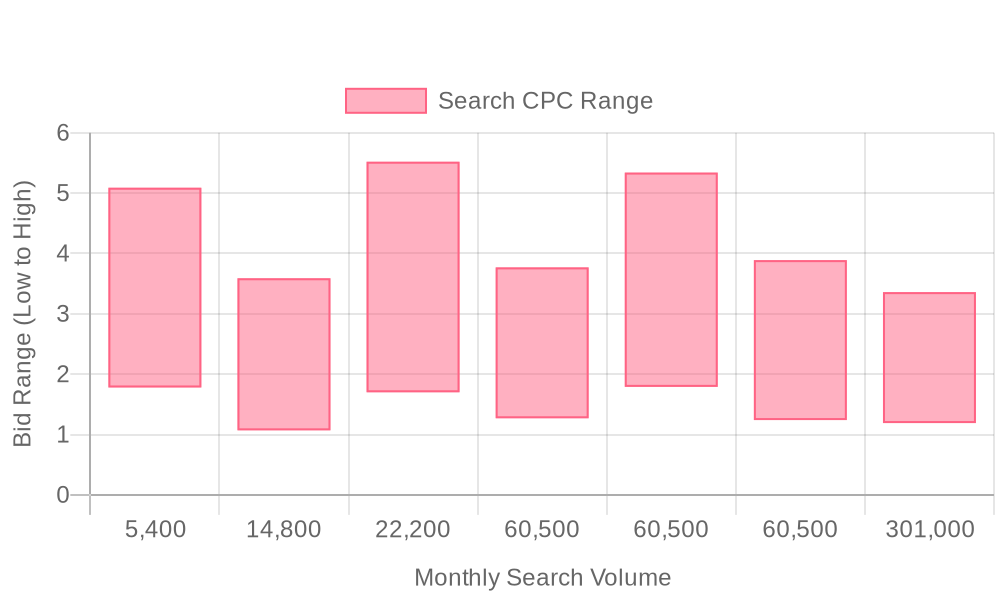
| Industry | Keyword | Monthly Search Volume | Competition Level | Low Bid | High Bid |
| Hot Tubs And Spas | hot tubs and spas | 5400 | HIGH | 1.78 | 5.09 |
| Hot Tubs And Spas | swim spa cost | 14800 | HIGH | 1.07 | 3.59 |
| Hot Tubs And Spas | hot tubs for sale near me | 22200 | HIGH | 1.7 | 5.52 |
| Hot Tubs And Spas | swim spa | 60500 | HIGH | 1.27 | 3.77 |
| Hot Tubs And Spas | hot tubs near me | 60500 | HIGH | 1.79 | 5.34 |
| Hot Tubs And Spas | hot tub for sale | 60500 | HIGH | 1.24 | 3.89 |
| Hot Tubs And Spas | hot tub | 301000 | HIGH | 1.19 | 3.36 |
Effective keyword planning forms the backbone of profitable Google Ads for Hot Tubs And Spas. A data-driven approach targets high-intent prospects who are actively seeking solutions, using granular segmentation and negative keyword application to filter out irrelevant clicks and maximize ad spend efficiency. For a deeper dive into targeting methods, explore dynamic audience segmentation to enhance your campaign precision.
To reach environmentally conscious buyers, target phrases like “eco-friendly hot tubs,” “energy-efficient spas,” and “sustainable spa installation.” These keyword variations ensure campaigns capture audiences motivated by green living, often leading to higher-value purchases and more loyal customers. For luxury-focused segments, target queries such as “luxury spa experiences,” “premium hot tubs,” and “high-end spa retreats.” This strategy attracts discerning clients with a willingness to invest in premium products and services, driving up average order values and boosting Google Ads ROI for hot tubs.
Applying negative keywords is equally critical. By filtering out unrelated searches, such as “spa vacations,” “hot tub movies,” or “DIY hot tub plans”, marketers ensure that ads only appear for true purchase intent. This prevents wasted spend and reduces lead quality dilution, particularly important for hot tub lead generation and spa business advertising where each qualified inquiry carries significant revenue potential. For guidance on maximizing paid ad budgets, visit our marketing analytics blog.
Dynamic keyword segmentation enables real-time optimization. As audience behaviors shift and new intent signals emerge, Sona surfaces intent signals to help marketers refresh keyword lists with enriched, company-level insights. This keeps campaigns aligned with current market demand, so teams can continually sharpen Google Ads targeting for spas and hot tub sales strategies as seasonal trends and buyer intent evolve. Want to see how this works for your team? Get started for free with Sona.
Step-by-Step Campaign Execution Framework
Step 1: Build Targeted Keyword Lists
Effective Google Ads for Hot Tubs And Spas begin with meticulously crafted keyword lists that account for both local intent and specialized service offerings. By analyzing search trends and customer pain points, marketers can isolate high-value terms such as “hot tub installation near me,” “spa maintenance services,” and “energy-efficient hot tubs.” Localized phrases, when layered with niche modifiers, drive qualified traffic by aligning ads with active purchase research in specific geographies. For a deeper dive into Google marketing strategies tailored for this industry, review key Google marketing strategies for hot tubs.
Modern revenue teams benefit from platforms that connect visitor-level insights to keyword planning. This extends beyond generic volume analysis to pinpoint which companies are searching for “commercial swim spas” or “luxury spa packages.” When keyword targeting is enriched with real-time firmographic and intent data, budget allocation can prioritize segments most likely to convert, ultimately boosting lead quality and campaign efficiency.
The upgrade most hot tubs and spas advertisers miss is going beyond raw keyword volume to layer in intent and identity signals. By connecting website-visitor data and CRM records with Sona Marketing Measurement, you can see which specific search terms bring in the accounts and customers that actually convert, and weight your keyword and bidding strategy toward those rather than the terms with the highest search volume alone.
Step 2: Write Ad Copy That Highlights Pain Points and Invokes Urgency
Persuasive ad copy is critical in the hot tub and spa sector, where decision cycles are long and buyers seek reassurance. High-performing ads speak directly to pain points such as high utility costs, complex maintenance, or scheduling delays. Language that promises fast installation, exclusive promotions, or seasonal incentives, like “Book Your Summer Spa Today” or “Save 10% on New Installs”, creates urgency and motivates action. Marketers can explore actionable Google Ads tips for hot tub campaigns to refine their messaging strategies.
Copy optimization is not just about clever phrases. By leveraging dynamic audience data, marketers can tailor messaging to match each prospect’s stage in the buying journey. For example, a returning visitor who previously viewed financing options may see headlines focused on low monthly payments. This personalized approach increases click-through rates and accelerates the path from interest to inquiry.
Step 3: Ensure Landing Pages Offer a Seamless Journey
Landing pages should extend the promise of the ad by delivering content and calls-to-action that feel relevant and trustworthy. For hot tubs and spas, this means pages that feature clear product visuals, concise benefit bullet points, easy-to-complete inquiry forms, and local contact information. Barriers to conversion, such as excessive form fields or generic messaging, must be eliminated to maintain momentum. Explore best practices for Google Ads landing pages in the pool and spa industry to further optimize your approach.
Seamless integration between ad platforms and CRM systems ensures that each visitor’s journey is tracked from first click through to final inquiry or showroom appointment. Real-time visitor identification allows for personalized follow-ups, while dynamic content adapts landing page messaging based on the visitor’s prior engagement or location. These enhancements reduce friction and optimize every touchpoint for maximum lead capture.
Step 4: Continuously Refine and Optimize Campaigns
Ongoing optimization is the engine behind sustained ROI in spa business advertising. Campaigns must be regularly audited for keyword performance, ad relevance, and landing page conversion rates. This includes analyzing which keywords drive not just clicks but actual bookings or sales, and reallocating spend accordingly. For further inspiration, see a case study on Google Ads for pool and spa companies.
Advanced platforms unify data from both online and offline conversion events, allowing marketers to measure true ROI, including showroom visits or phone inquiries initiated by digital ads. Automated workflows enable retargeting audiences to update in real time, so prospects who engage with a financing page can be promptly served follow-up offers. By syncing enriched lead data directly into marketing and sales tools, revenue teams can close the loop on attribution, streamline follow-up, and continuously improve campaign effectiveness. To maximize your results, get started for free with Sona.
Sona Marketing Measurement closes the gap between clicks and revenue. It captures ad clicks with first-party, company-level measurement, no reliance on third-party cookies, then ties that click through UTM capture and ad-platform APIs to the actual record in your CRM, and reports ROAS by keyword and campaign instead of by last-click form fill. Feeding that revenue signal back into Smart Bidding and Performance Max compounds over time: the algorithms optimize toward booked hot tubs and spas revenue, not cheap leads.
Tips on Expanding Your Hot Tubs and Spas Presence
Broader digital visibility is crucial for hot tub and spa businesses aiming to sustain growth and outpace regional competitors. Harnessing a multi-channel approach drives consistent brand recall while nurturing relationships with both new prospects and current customers. For practical strategies, explore Google marketing best practices for hot tubs online or visit our blog.
- Retargeting with Informative Content: Cross-promoting expert content through retargeting ads ensures your business stays top-of-mind for visitors who have previously engaged but did not convert. By dynamically segmenting these audiences using real-time audience insights, marketers can deliver personalized tips, maintenance advice, or special offers, increasing the likelihood of re-engagement and conversion.
- CRM-Driven Upsell Campaigns: Leveraging CRM insights allows you to identify when past buyers or service customers may be ready for an upgrade or new accessory. Syncing CRM segments into ad platforms enables timely, relevant offers, such as spa cover replacements or maintenance packages, before customer interest drops off. Automatically syncing high-quality audience data directly into your ad workflows ensures messaging aligns with each customer’s lifecycle stage, lifting upsell rates and increasing customer lifetime value.
- Co-Marketing with Industry Partners: Collaborating with industry associations, manufacturers, or local home improvement businesses can broaden your reach beyond your current network. Joint webinars, bundled promotions, or guest content exchanges put your brand in front of aligned audiences and fill in gaps left by traditional digital campaigns. These partnerships improve credibility, support link-building for SEO, and allow for reciprocal retargeting, which amplifies your Google Ads for Hot Tubs And Spas presence with minimal additional spend.
By weaving together retargeting, CRM-driven engagement, and co-marketing, spa businesses build a resilient, scalable marketing strategy that keeps them relevant across every stage of the customer journey. Ready to scale your marketing impact? Get started for free with Sona.
Final Thoughts
Google Ads works best in this category as a mechanism for turning long consideration cycles into booked installs, not a one-off traffic source. Sharp keyword strategy, disciplined audience segmentation, and cross-channel follow-up compound over time, giving a hot tub or spa business a durable edge over local competitors still running generic campaigns. See these ideas in practice in this Google marketing best practices for hot tubs resource.
Precision targeting with Sona's Audiences tool lets businesses engage decision-makers at the moment of highest intent, turning research-driven interest into qualified leads. Pairing that with advanced conversion attribution gives marketers the clarity to put budget where it actually earns a return, rather than where it merely spends well.
Integrating enriched lead data from Sona's Destinations feature into your Google Ads ecosystem keeps marketing focused on the accounts most likely to convert, while campaign insights inform both sales outreach and future ad strategy. The payoff is a repeatable process that improves lead quality and revenue together, putting your hot tub and spa brand ahead in a market where most competitors are still guessing.
Beyond Google Ads: Winning the AI Answers Hot Tubs And Spas Buyers Now Trust
Paid search captures demand at the moment someone types a query. But a fast-growing share of hot tubs and spas buyers no longer start at Google at all, they ask ChatGPT, Gemini, or Perplexity before they ever run a search, and Google's own AI Overviews increasingly summarize an answer above the traditional results. If your business isn't referenced in those AI answers, you're invisible at the exact moment buyers build their shortlist.
Sona AI Visibility shows where your business shows up across ChatGPT, Gemini, Perplexity, Google AI Overviews, and 10+ engines, and, much like a keyword report, which prompts actually send you buyers, so you can prioritize the ones that convert. Run the two together and you cover the entire buyer path: get cited where buyers research (AI Visibility), then prove which of that demand turns into booked revenue (Marketing Measurement).
Helpful resources
Conclusion
Google Ads rewards hot tub and spa businesses that treat search as a system, not a single campaign: sharp keyword selection, ad copy tuned to real pain points, and analytics that trace clicks all the way to booked installs. Done well, this is what turns seasonal search spikes into steady, measurable pipeline.
The businesses that pull ahead in this category won't just be the ones running more ads. They'll be the ones who can tell, keyword by keyword and campaign by campaign, which clicks actually became installs, and who feed that answer back into their bidding and targeting every week.
To take your advertising strategy to the next level, start for free and put this measurement loop to work in your own campaigns.
FAQ
What are the best practices for Google Ads for hot tubs?
Leverage commercial-intent keywords, create conversion-optimized landing pages, use cross-channel retargeting, and implement advanced conversion tracking to measure true revenue impact.
How can I optimize my Google Ads for spas?
Optimize your ads by using precise audience segmentation for targeting, creating tailored ad copy that addresses pain points, and continuously refining campaigns based on performance data.
What budget should I allocate for Google Ads in the hot tub industry?
Allocate your budget based on targeting high-intent keywords, intercepting mid-funnel prospects, and prioritizing segments most likely to convert, ensuring a focus on maximizing ROI.
What keywords should I use for Google Ads targeting hot tubs?
Use keywords like “hot tub deals,” “spa installation experts,” and “energy-efficient hot tubs,” while also applying negative keywords to filter out unrelated searches.
How do I measure the success of my Google Ads campaigns for spas?
Measure success through advanced conversion tracking, CRM integration, and monitoring which keywords and ads drive actual bookings or sales, not just top-of-funnel leads.







