


A homeowner searching "kitchen remodel contractor near me" at 9 p.m. is closer to hiring than almost anyone your sales team will cold-call this month. Google Ads lets home renovation businesses meet that moment directly, showing up precisely when someone is ready to request a quote rather than hoping organic rankings catch up. Winning here means understanding buyer behavior, writing ads that speak to a specific project and timeline, and measuring which clicks actually turn into signed contracts, not just form fills.
How to Generate Google Ads for Home Renovation Leads: A Step-by-Step Guide
Results-oriented revenue teams in home renovation are moving beyond generic advertising tactics, leveraging precise targeting and unified data to capture high-value leads at the exact moment of intent. By integrating behavioral insights with campaign execution, they ensure that every marketing dollar is aligned with real business outcomes and not wasted on anonymous or low-conversion prospects.
Strategic use of Google Ads for home renovation enables contractors, remodelers, and improvement businesses to identify buyers who are actively searching for services, connect them with tailored offers, and deliver a measurable pipeline boost. Google Ads for Home Builders provides a deeper look at how tailored campaigns can connect businesses with high-value prospects in this space.
- Implementing Data-driven Targeting: Start with granular audience segmentation and real-time identification to ensure that only in-market homeowners and property managers see your ads. Instead of relying solely on keyword triggers, advanced platforms enable marketers to match website visitors to actual companies, prioritize accounts with high purchase likelihood, and adjust spend based on current buyer signals. Solutions such as Sona's Identity Resolution support real-time recognition of high-intent audiences, helping you focus budget where it counts.
- Crafting Tailored Landing Pages And Ad Creatives: The era of generic messaging is over. Modern home renovation campaigns require landing pages and ads that speak directly to the prospect’s needs, whether it’s a kitchen remodel, emergency repair, or luxury bath upgrade. By leveraging unified audience data, marketers can personalize offers, feature relevant testimonials, and highlight local expertise for each segment. This boosts engagement rates and reduces bounce, as every touchpoint feels custom-built for the homeowner’s project.
- Ongoing Performance Optimization And Roi Improvement: True campaign effectiveness is measured by more than just online form fills. Leading home renovation companies now integrate offline events, such as phone consultations, showroom visits, and closed contracts, into their conversion tracking. This unified reporting connects Google Ads lead generation to actual revenue, revealing which ads and audiences drive the highest value. For more insights on maximizing ad ROI, check out our guide on Google Ads ROI Playbook.
By adopting these practices, home renovation businesses maximize the impact of their Google Ads investment, build a sustainable pipeline, and achieve higher ROI with every campaign.
Why Does Google Ads Matter for Home Renovation?
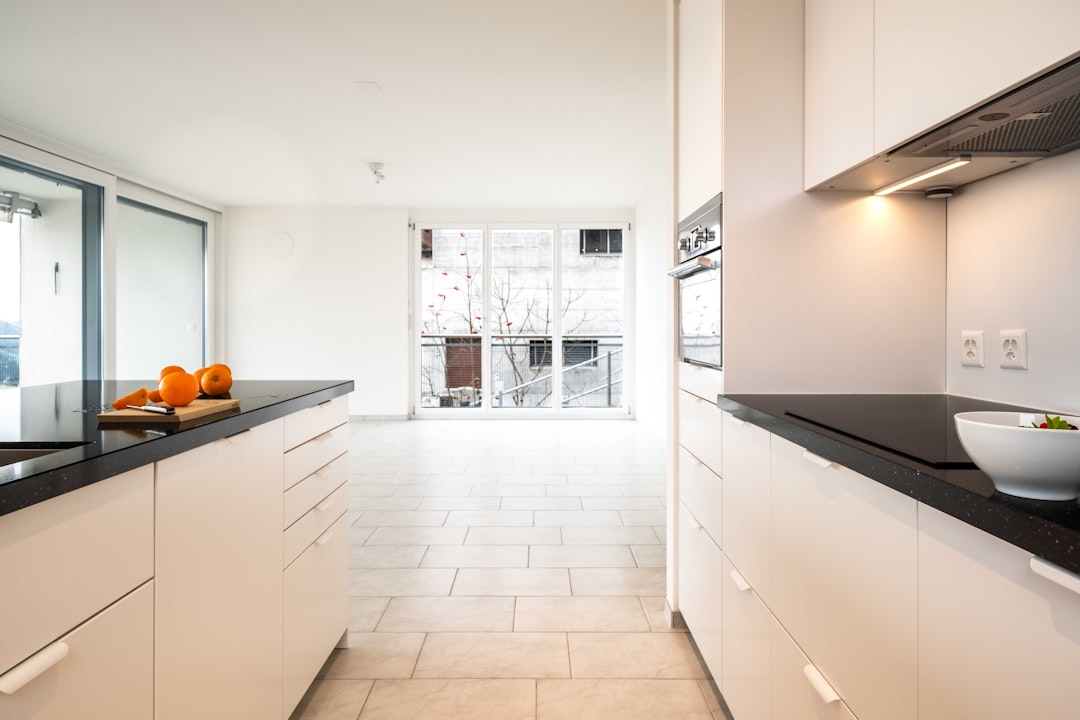
Home renovation companies face unique challenges in capturing and converting high-value leads within tight decision cycles. The ability to intercept homeowners at the exact moment they search for services like kitchen remodels or basement finishing sets apart top performers from those missing out on lucrative projects.
- Target Complexity: Digital-first targeting ensures home renovation businesses reach primary decision-makers when intent is highest. With granular targeting and real-time intent signals, marketing teams can prioritize prospects ready to move forward, minimizing wasted spend on low-quality leads and preventing late-stage engagement that often results in lost opportunities. When layered with precise visitor identification, teams can move beyond anonymous site traffic to pinpoint which households or companies are actively evaluating renovation services, dramatically increasing both response rates and sales efficiency. Sona's Identity Resolution helps businesses discover which prospects are actively considering their services, making every outreach more effective.
- Faster Customer Acquisition: Google Ads enables remodelers and contractors to capture demand as it emerges, especially during seasonal peaks like spring and fall when project inquiries surge. Immediate prospect delivery outpaces organic-only competitors, ensuring companies are first in line for high-intent calls and consultations. Home builder ads provides a deeper look at how this strategy accelerates acquisition for renovation professionals.
- Higher Profit Margins: High-ticket renovation projects require careful lead qualification and campaign optimization to maximize profits. Integrated data analysis surfaces which keywords, ads, and landing pages drive the most profitable jobs, supporting continuous budget reallocation toward campaigns with the highest return. With advanced conversion tracking, including both online and offline attribution, marketers measure true ROI for each campaign and quickly identify which acquisition paths yield the greatest lifetime value.
- Emerging Market Reach: Home renovation demand is not limited to core urban centers. Precision targeting enables businesses to tap into underserved or newly developing regions, expanding their reach without diluting budget efficiency. Audience enrichment and CRM sync capabilities ensure that even emerging geographic segments are nurtured with relevant messaging, turning overlooked zip codes into new growth channels.
- Integrated Data Insight: The modern home renovation buyer journey is fragmented across devices and platforms. By unifying campaign, CRM, and web analytics data, marketing and sales teams gain a holistic view of each prospect’s path to purchase. This level of integration allows for smarter retargeting, ongoing audience refinement, and campaign adjustments that keep every marketing action sharply focused on those most ready to buy. For more insights on optimizing Google Ads performance for home renovation, check out our guide on Google Ads ROI guide.
Common Types of Google Ads Campaigns for Home Renovation Services
- Search Campaigns: Search campaigns deliver immediate results for home renovation businesses seeking to capture urgent homeowner intent. By bidding on high-intent keywords such as "emergency roof repair" or "kitchen remodel contractor near me," these ads surface at the precise moment potential clients are ready to take action. Revenue teams can further refine targeting by leveraging in-market signals and real-time visitor identification, ensuring budget is allocated toward prospects who show true intent and fit service criteria. Sona's Identity Resolution helps home renovation marketers identify and prioritize these high-value website visitors, enabling smarter keyword investment and outreach.
- Display Ads: Display ads extend reach beyond search results, keeping renovation brands visible across relevant industry sites, blogs, and forums. These visual placements reinforce brand presence and nurture leads at earlier stages of the buyer journey, supplementing SEO and content efforts. Google Ads Display Guide provides a deeper look at how display networks can be leveraged to maximize impact in the renovation space.
- Video Ads: Video campaigns enable home renovation companies to showcase project expertise, craftsmanship, and client testimonials. This format builds trust and emotional resonance, driving higher engagement and consideration, especially for complex or high-value services. By analyzing real-time engagement data, teams can dynamically shift budget toward the creatives and audiences demonstrating the strongest signals of purchase readiness.
- Remarketing: Remarketing campaigns re-engage website visitors who have interacted with home renovation content or requested quotes but have not yet converted. These ads keep the brand top-of-mind through tailored messaging based on past actions and funnel stage. With advanced identification tools, marketers can segment audiences according to engagement depth, such as viewing a portfolio page or requesting a consultation, and trigger personalized follow-ups that drive higher conversion rates.
- Assets: Utilizing ad assets, such as location, call, and sitelink assets, enhances visibility and provides critical trust signals to homeowners evaluating contractors. Location assets display physical office addresses, call assets allow click-to-dial from mobile devices, and sitelink assets promote specific services like bathroom remodeling or financing options. When CRM and ad platforms are synced, enriched lead and location data can be leveraged for hyper-personalized assets that improve both click-through rates and quality lead generation. For actionable steps on boosting Google Ads campaign performance, check out our guide on Google Ads ROAS.
Where to Find Growth Opportunities?
Growth-focused home renovation companies consistently outperform competitors by discovering and activating new marketing avenues. Targeting underutilized segments, optimizing campaign structure, and aligning ad spend with buyer intent are essential for sustainable lead generation and revenue expansion.
- Vertical Keyword Targeting For Niche Services: By identifying granular keywords related to specialized offerings, such as "eco-friendly kitchen remodel" or "historic home restoration", contractors can intercept high-value searches that generic campaigns often overlook. This approach increases relevance, reduces wasted spend, and delivers higher conversion rates. Google Ads strategies provides a deeper look at how niche keyword strategies drive campaign efficiency and lead quality.
- Competitor Analysis To Spot Gaps: By systematically tracking competitor ad placements, messaging, and audience overlap, marketers can pinpoint underserved customer segments or service categories. This intelligence uncovers whitespace opportunities and informs creative positioning, enabling teams to rapidly pivot campaigns or build promotions that address unmet demand. Integrating real-time intent data and tracking which companies are engaging with specific content enables precise budget shifts and bid adjustments, focusing efforts on the highest-potential accounts. For more insights, check out our guide on competitor discovery.
- Trade Forums And Directories For Enhanced Visibility: Leveraging well-trafficked industry directories and trade-specific forums extends reach to decision-makers who may not be actively searching but are primed for renovation solutions. Targeted display ads and sponsored listings in these environments build brand authority and increase the likelihood of qualified inquiries. When visitor identification technology is applied, anonymous traffic from these sources can be resolved to company or contact level, allowing for more personalized post-click engagement and nurture.
- Content Retargeting Aligned To The Marketing Agenda: Timing is critical in home renovation buyer journeys. Retargeting strategies that follow visitors based on their engagement with project galleries, cost calculators, or educational resources keep your brand visible during the decision window. As leads move from research toward intent, dynamic audience syncing ensures in-market buyers see higher-value offers, while past clients shift into loyalty or referral campaigns. Platforms like Sona Audiences help marketers segment and sync audiences for tailored retargeting across channels.
This multifaceted approach to uncovering growth opportunities empowers home renovation marketers to unify cross-channel insights, deploy budget with precision, and consistently surface high-converting leads as market conditions evolve.
How to Apply Audience Segmentation for Home Renovation
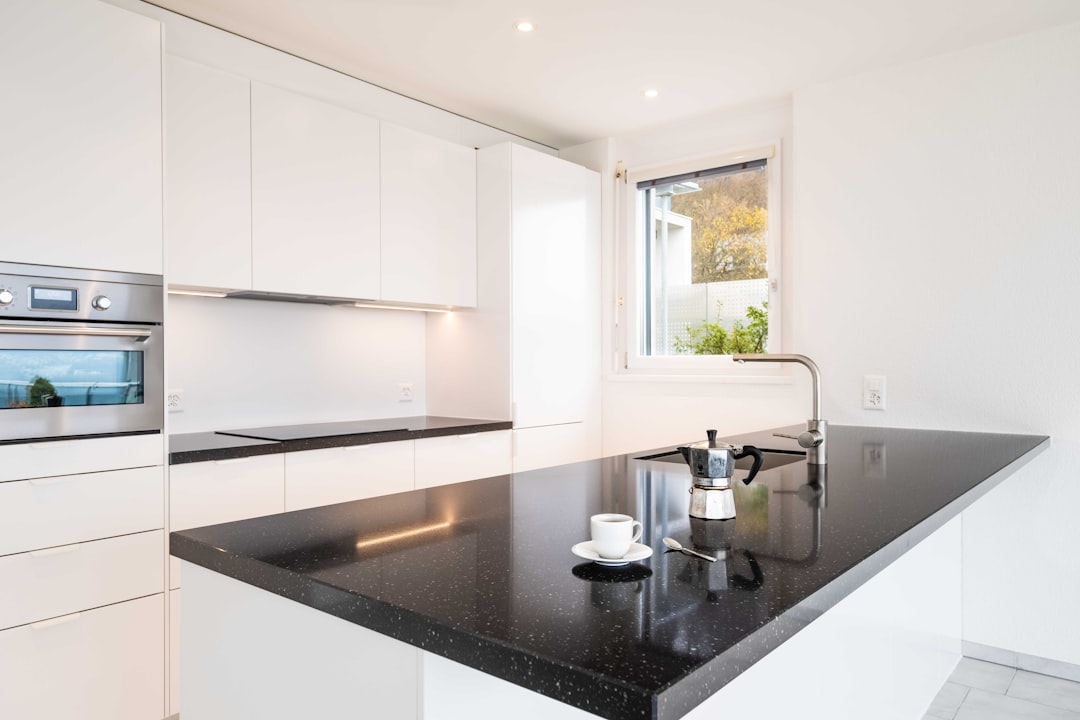
Audience segmentation elevates home renovation marketing by providing a structured approach to personalized engagement at scale. Segmenting your outreach ensures homeowners and commercial clients receive messaging, offers, and creative tailored to their distinct needs, maximizing relevance and increasing the likelihood of conversion.
- Define Segments: Begin by categorizing your audience into residential and commercial segments. Residential clients often prioritize aesthetics, timelines, and budget, while commercial projects demand compliance, scale, and operational efficiency. This baseline segmentation supports tailored messaging and allows for campaign structures that align with what buyers actually value. Using advanced visitor identification, marketers can pinpoint which website visitors represent each category, moving beyond generic demographic targeting to actionable audience lists. Tools like Sona Identification help marketers distinguish high-value segments and surface actionable insights for targeted campaigns.
- Intent Signals: Overlay segmentation with purchasing intent for higher campaign precision. By analyzing in-market behaviors, such as frequent visits to specific service pages or repeat quote requests, Sona surfaces intent signals that show which prospects are actively planning renovations. One analysis in Google Ads for Renovation explores how intent data boosts campaign performance for renovation services.
- Ad Group Customization: Tailor ad creatives and allocate budgets based on each segment’s buying stage. For example, new homeowners searching “kitchen remodel cost” may require educational content and pricing calculators, while property managers looking for “commercial renovation contractors” expect case studies and service guarantees. Dynamic audiences update as leads move through the funnel, allowing campaigns to automatically serve retargeting ads, promotions, or demos that reflect each user’s current interest level. This approach significantly boosts engagement and shortens sales cycles.
- Conversion Path Validation: Ensure seamless tracking from first touch to closed deal by integrating CRM systems with your ad platforms. Advanced conversion tracking attributes both online and offline actions, phone calls, form fills, showroom visits, and signed contracts, back to the original campaign and audience segment. This unified view enables marketers to validate every conversion path, optimize for true ROI, and trigger timely sales follow-ups. For more insights on maximizing paid media returns, check out our guide on Boosting Google Ads ROAS. Syncing enriched lead data and audience segments directly into Google Ads and sales tools eliminates manual workflows and accelerates revenue from high-value prospects.
This is also where measurement changes the economics. With Sona Marketing Measurement you can identify the companies behind your ad clicks, not just anonymous sessions, and segment audiences by who actually becomes a customer. That lets you build bid adjustments and audience signals around the segments that convert and de-prioritize the ones that don't, so you feed Google's algorithms "this click became a paying home renovation customer" instead of just "someone filled out a form."
Keyword Strategy & Sample Target Terms
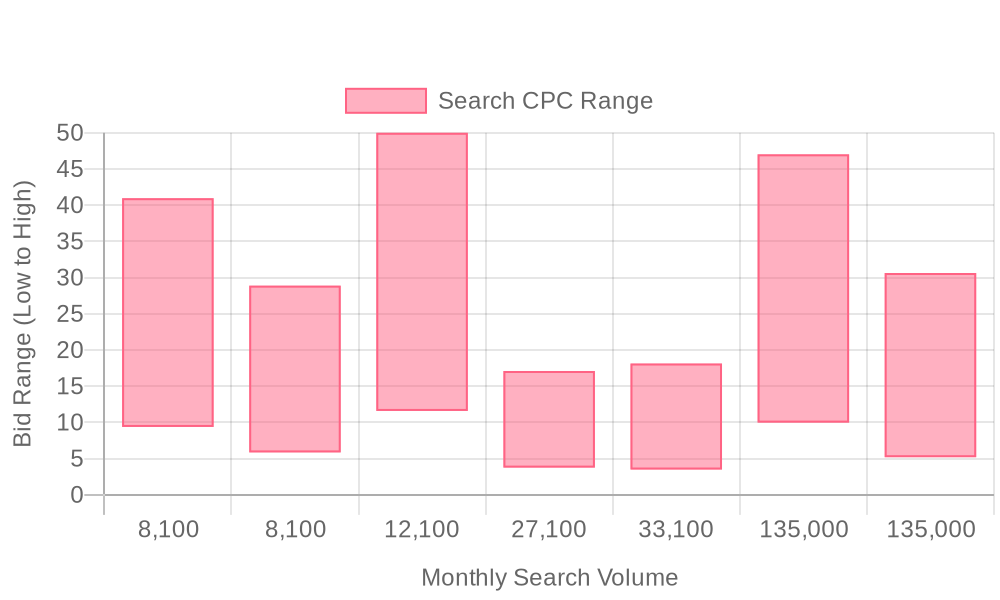
| Industry | Keyword | Monthly Search Volume | Competition Level | Low Bid | High Bid |
| Home Renovation | bath remodel | 8100 | LOW | 9.38 | 40.97 |
| Home Renovation | remodel bathroom | 8100 | HIGH | 5.87 | 28.89 |
| Home Renovation | bath remodel near me | 12100 | MEDIUM | 11.59 | 50 |
| Home Renovation | home renovation | 27100 | LOW | 3.77 | 17.11 |
| Home Renovation | kitchen renovation | 33100 | LOW | 3.5 | 18.14 |
| Home Renovation | bathroom remodel near me | 135000 | LOW | 9.98 | 47.03 |
| Home Renovation | kitchen remodel near me | 135000 | LOW | 5.2 | 30.64 |
This is also where measurement changes the economics. With proper attribution measurement you can identify the companies behind your ad clicks, not just anonymous sessions, and segment audiences by who actually becomes a customer. That lets you build bid adjustments and audience signals around the segments that convert and de-prioritize the ones that don't, so you feed Google's algorithms "this click became a paying home renovation customer" instead of just "someone filled out a form."
A high-performing Google Ads campaign for home renovation relies on deeply segmented keyword lists. Start by mapping core service areas, bathroom remodel, kitchen renovation, basement finishing, exterior upgrades, or full-home remodel. For each segment, build out groups of high-intent, long-tail keywords like “kitchen remodeling contractor near me,” “licensed bathroom renovation specialists [city],” or “home addition estimates [zip code].” Supplement these with location- and urgency-modified variations, for example, “emergency roof repair downtown” or “same-day water damage restoration.” For a real-world breakdown of how to structure these lists, Google Ads frameworks provides step-by-step frameworks and additional examples.
Negative keywords are equally important to eliminate wasted spend on irrelevant traffic. Exclude terms related to DIY solutions, job seekers, or low-value queries such as “free bathroom design ideas,” “remodeling jobs,” or “home renovation tutorials.” This prevents budget cannibalization and ensures your ads reach only qualified prospects actively seeking professional support.
Keyword lists need upkeep because renovation search behavior shifts with the seasons and with local permitting cycles. Spring and early fall bring surges in "kitchen remodel" and "deck installation" queries, while storm season spikes urgent terms like "emergency roof repair" or "water damage restoration." With unified intent and visitor data, marketers can see which search terms consistently produce qualified, licensed-service inquiries versus DIY curiosity, and adjust bids and negative keyword lists as those patterns move. Platforms like Sona Attribution connect CRM and web analytics with ad platforms, so teams can track which terms drive conversions and optimize campaigns as accounts move down the funnel.
- Sample High-converting Keywords
“kitchen remodel contractor near me” “licensed bathroom renovation [city]” “home addition estimate [zip code]” “emergency water damage repair [region]” “basement finishing specialists [town]” “energy-efficient window installation [local area]” “historic home restoration experts [city]”
When paired with dynamic audience updates and enriched lead profiles, this keyword-first strategy enables remodelers, contractors, and home improvement specialists to consistently drive measurable business outcomes. For more tactical keyword optimization advice, check out our guide on Google Ads ROI tips.
Step-by-Step Campaign Execution Framework
Step 1: Build Targeted Keyword Lists
Effective Google Ads for home renovation begins with a disciplined approach to keyword selection. Marketers should cluster keywords by service type, such as kitchen remodeling, bathroom renovations, or basement finishing, and refine further by local geography. This clustering ensures each ad group targets distinct homeowner intents, maximizes relevance, and aligns with how prospects actually search for renovation solutions in their area.
Long-tail keywords, like "eco-friendly kitchen remodel in Chicago" or "mid-century home restoration near me," help capture niche demand and reduce wasted spend from generic queries. Integrating strategic data analysis surfaces terms that drive the highest-quality leads, revealing not just what prospects search, but when and where buyer intent peaks.
When Sona's visitor identification and dynamic audience technology is layered in, marketers can move past anonymous clicks to recognize which companies and decision-makers are engaging, enabling budget and messaging to shift toward accounts exhibiting real in-market signals. Sona's Identity Resolution helps pinpoint these high-intent visitors and optimize campaign spend accordingly.
The upgrade most home renovation advertisers miss is going beyond raw keyword volume to layer in intent and identity signals. By connecting website-visitor data and CRM records with Sona Marketing Measurement, you can see which specific search terms bring in the accounts and customers that actually convert, and weight your keyword and bidding strategy toward those rather than the terms with the highest search volume alone.
Step 2: Develop Compelling Ad Copy
A successful home renovation PPC campaign hinges on ad copy that directly addresses homeowner pain points and differentiates your service from the competition. Headlines must go beyond generic promises, think “Avoid Costly Delays: Guaranteed Two-Week Kitchen Remodel” or “Certified Historic Restoration for Vintage Properties.” Decision-makers gain confidence from trust markers such as industry accreditations, review ratings, and local licensing, which can be woven into descriptions and ad extensions.
Urgency-promoting extensions, like “Book a Free Estimate by Friday” or “Only 2 Spots Left This Month,” foster timely action. Leveraging Sona’s real-time intent data, marketers can further tailor ad messaging to reflect the specific stage of the buyer journey, ensuring that high-value prospects receive offers and messaging that speak to their current needs and readiness. We’ve covered personalization and segmentation tactics in detail in our guide on Stage Segmentation.
This approach not only increases click-through rates but boosts conversion rates by aligning creative with true audience demand.
Step 3: Design Effective Landing Pages
Conversion rates for Google Ads for contractors and remodelers dramatically improve when landing pages mirror the keywords and promises featured in the ads themselves. Each page should focus on a single service and region, minimizing distractions and reinforcing relevance. Trust badges from associations, insurance details, and customer testimonials help reduce hesitation, while clear, prominent calls-to-action, such as “Schedule Your On-Site Consultation” or “See Before & After Gallery”, move visitors swiftly into the sales funnel.
Effective landing pages also streamline lead capture by eliminating unnecessary form fields and highlighting value propositions up front. When Sona is integrated, marketers can attribute leads back to specific campaigns and even specific audience segments, ensuring that both online and offline conversions are tracked holistically. PPC for Contractors provides a deeper look at this trend and how tailored landing pages impact results.
This full-funnel visibility supports ongoing campaign refinement and better alignment between marketing and sales teams.
Step 4: Implement Data-Driven Optimizations
Continuous improvement is essential for maximizing Google Ads ROI for home services. Conversion tracking must be set up to capture not just web form submissions, but also phone calls, appointment bookings, and offline sales. Smart bidding strategies leverage predictive analytics to allocate spend toward the keywords and audiences most likely to convert, while A/B testing headlines, ad copy, and landing pages uncovers the most effective creative elements.
By incorporating offline conversion events, such as signed contracts or in-person consultations, into optimization cycles, marketing teams gain a true read on ROI rather than just surface-level metrics. With Sona’s advanced conversion tracking and CRM sync capabilities, enriched audience data and closed-loop attribution ensure every dollar is mapped to revenue outcomes. Solutions such as Sona Attribution support this process and empower teams to make informed decisions, scale high-performing tactics, and eliminate budget waste, all while building a sustainable engine for home renovation lead generation.
Sona Marketing Measurement closes the gap between clicks and revenue. It captures ad clicks with first-party tracking, ties that click through UTM capture and ad-platform APIs to the actual record in your CRM, and reports ROAS by keyword and campaign instead of by last-click form fill. Feeding that revenue signal back into Smart Bidding and Performance Max compounds over time: the algorithms optimize toward booked home renovation revenue, not cheap leads.
Tips on Expanding Your Home Renovation Presence
Expanding your home renovation brand starts with creating a seamless, data-driven journey for your ideal clients. Leveraging unified intent signals and a full-funnel approach ensures you capture every opportunity to build trust and authority at every touchpoint.
- Cross-promote Educational Content In Retargeting: Integrate high-value resources such as renovation checklists, cost guides, and video walkthroughs into your retargeting strategy. When retargeting segments are dynamically built on recent site behavior, visitors are served personalized materials that match their research stage, dramatically increasing content engagement and nurturing leads more efficiently through the funnel. Retargeting strategies offer more ways to boost these results.
- Upsell And Cross-sell Via Segmentation: Use enriched data to distinguish between clients interested in kitchen remodels, full-home renovations, or specialty upgrades. Segmenting audiences based on past behavior and enriched CRM data allows you to deliver timely recommendations, such as suggesting energy-efficient window installations to recent insulation clients, boosting average project value and creating natural pathways for follow-on sales.
- Localize Campaigns By City Or Region: Fine-tune your presence in high-opportunity neighborhoods or zip codes by drilling into granular geographic data. Hyper-local campaign structures, supported by real-time visitor identification, make it possible to allocate more budget to areas with the most in-market activity, ensuring your brand dominates local search and service maps exactly where demand is strongest. Sona's Identity Resolution helps pinpoint and activate these high-value local opportunities.
- Adapt Insights From Search Data For Content And Targeting: Monitor evolving search patterns and in-market activity to uncover renovation trends and shifting homeowner priorities. Feeding these insights into both your content strategy and audience targeting ensures you address emerging needs, such as increased searches for sustainable upgrades or smart home technology, while updating ad messaging to stay relevant and compelling.
Incorporating Google Ads into your home renovation marketing mix demands agility and insight. By focusing on precise keyword targeting, intent-based creative, and data-driven audience management, contractors can harness every search and site visit to generate higher-quality leads and sustainable revenue growth. Google Ads trends provide a deeper look at this approach. When advanced attribution and CRM syncing are layered into this process, you gain a holistic view of your ROI and unlock continuous improvement in both campaign performance and client engagement.
Beyond Google Ads: Winning the AI Answers Home Renovation Buyers Now Trust
Paid search captures demand at the moment someone types a query. But a fast-growing share of home renovation buyers no longer start at Google at all, they ask ChatGPT, Gemini, or Perplexity before they ever run a search, and Google's own AI Overviews increasingly summarize an answer above the traditional results. If your business isn't referenced in those AI answers, you're invisible at the exact moment buyers build their shortlist.
Sona AI Visibility shows where your business shows up across ChatGPT, Gemini, Perplexity, Google AI Overviews, and 10+ engines, and, much like a keyword report, which prompts actually send you buyers, so you can prioritize the ones that convert. Run the two together and you cover the entire buyer path: get cited where buyers research (AI Visibility), then prove which of that demand turns into booked revenue (Marketing Measurement).
Helpful resources
Conclusion
Google Ads works for home renovation businesses when keyword targeting, ad copy, and bidding all point at the same goal: filling the pipeline with homeowners who are ready to hire, not just curious. The tactics here, seasonal keyword shifts, tailored landing pages, offline conversion tracking, are what separate contractors who treat Google Ads as a lead-gen line item from ones who treat it as a growth engine.
The next shift is already underway: buyers increasingly ask AI tools for contractor recommendations before they ever open Google. Pairing disciplined Search campaigns with visibility in those AI answers is how home renovation businesses stay in front of demand wherever it originates.
FAQ
What are the best practices for Google Ads in home renovation?
Best practices include implementing data-driven targeting, crafting tailored landing pages and ad creatives, and ongoing performance optimization to connect Google Ads lead generation to actual revenue.
How much should I budget for Google Ads for my remodeling business?
The budget should align with targeting high-value leads and capturing demand during seasonal peaks, focusing on high-intent keywords and optimizing campaigns for the highest ROI.
What keywords should I target for Google Ads in home renovation?
Target high-intent, long-tail keywords such as 'kitchen remodel contractor near me' or 'emergency water damage repair' and exclude irrelevant terms that don't lead to conversions.
How can I measure the success of my Google Ads campaigns?
Success is measured by integrating online and offline conversion tracking, such as phone calls and showroom visits, to connect ad performance with actual revenue.
What types of ads work best for home renovation services?
Effective types include search campaigns for immediate intent capture, display ads for brand visibility, video ads for showcasing expertise, and remarketing to re-engage potential clients.







