


A homeowner who searches "energy audit near me" the week before closing on a house is not the same lead as one browsing rebate programs in October, but most Google Ads accounts in home energy rating services treat them identically, and the CRM never sees the difference until a form fill shows up with no context. That gap, between search intent and sales-ready data, is where budget quietly leaks. This guide lays out how home energy rating providers can structure Google Ads campaigns that target real buying signals rather than generic traffic, tighten the connection between ad spend and booked audits, and fold paid search into a broader revenue strategy instead of running it in isolation.
How to Generate Home Energy Rating Services Leads with Google Ads: A Step-by-Step Guide
Home energy rating providers compete for the same finite pool of homeowners, builders, and compliance-driven buyers, and running ads alone rarely moves the needle anymore. Precision targeting and continuous optimization separate campaigns that book audits from campaigns that just spend money. For an overview of how Google Local Services Ads can help you connect with customers searching for your services, see Google Local Services Ads.
A data-driven Google Ads approach ensures every media dollar is accountable, connecting marketing investments directly to revenue outcomes. By aligning campaign structure with broader growth goals, teams avoid missed opportunities and ensure no high-value prospects slip through the cracks. Discover more strategies in our marketing analytics blog.
- Craft a Data-Driven Strategy: Build the Google Ads plan around KPIs tied to booked audits and closed compliance work, not clicks or impressions. Cost per lead, audit-to-close rate, and pipeline velocity matter more here because the buying window is often tight, tied to a home sale closing date, a mortgage requirement, or a permit deadline, so campaigns that lag on follow-up lose the appointment to a faster competitor. For deeper insights into aligning strategy with business outcomes, explore revenue attribution best practices.
- Implement Targeted Keyword and Audience Segments: Avoid generic traffic by building keyword lists around high-intent, service-specific phrases, for example, "home energy efficiency evaluation" or "residential energy rating near me." Dynamic audience targeting further refines reach, allowing revenue teams to zero in on homeowners actively seeking energy audits. Using advanced platforms like Sona Audiences, marketers can move beyond anonymous traffic, pinpointing which companies and individuals are visiting their site and adjusting targeting strategies in real time.
- Align Landing Pages and Creative: Effective landing pages address the unique concerns of homeowners seeking energy ratings, closing timelines, certification requirements, expected savings, so trust and relevance carry through from ad to page. Creative assets should state the value proposition plainly and use company-level visitor identification to personalize messaging for in-market accounts, cutting the lag between first click and first conversation.
- Apply Performance Optimization Techniques: Campaign performance is not static. Use continuous A/B testing, conversion tracking, and attribution modeling to refine ad delivery and budget allocation. Integrating online and offline conversion data, as well as CRM insights, allows for true ROI measurement. Real-time intent signals help shift budget toward segments showing the highest likelihood of converting, ensuring ongoing improvements across audience groups.
- Integrate with Other Marketing Channels: Cohesive lead generation does not happen in a silo. Synchronize Google Ads with email, organic, and outbound efforts for a unified, data-rich experience. Sophisticated systems can sync enriched audience data and newly identified leads across Google Ads, HubSpot, Salesforce, and other platforms, making every marketing touchpoint more relevant and actionable. This integration ensures that marketing and sales teams are aligned, with end-to-end visibility into lead progression and campaign impact.
Why does Google Ads matter for Home Energy Rating Services

Reaching homeowners and property managers during their research or buying process is critical for energy rating providers. Google Local Services Ads ensures visibility to these high-intent audiences at the exact moment they seek solutions, maximizing the impact of every impression.
- Capture niche audiences: Home energy rating sits in a narrow market where intent is often urgent and transactional, a closing deadline, a permit requirement, a rebate expiration. Precision targeting with Google Ads reaches people actively searching for efficiency audits or compliance certifications and lets messaging match where they are in that decision, rather than treating every click the same. For more strategies on aligning messaging with buyer stages, explore buying stage segmentation to drive deeper engagement and conversions.
- Drive new customer acquisition: Many prospective clients are unaware of emerging services or advanced energy assessments available in their regions. Google Ads for energy efficiency enables home energy rating providers to segment by service type, homeowner demographics, and property characteristics, uncovering untapped audiences. Dynamic audience syncing ensures lists update as leads progress, preventing missed opportunities and optimizing ad spend for the highest-margin services.
- Respond to demand fluctuations: Energy rating demand shifts with heating and cooling seasons, utility rebate calendars, and local code changes, and a rating provider that reacts slowly to those swings cedes the search results to whoever bids faster. Real-time intent signals from search behavior let marketers reallocate budget as demand surges. Sona's company-level identification adds to this by showing which businesses are exhibiting in-market behavior, so teams can shift spend toward accounts most likely to convert.
- Target emerging and underserved locations: Static customer lists often fail to surface growth opportunities in new developments or regions with increasing energy code enforcement. Google Ads targeting homeowners in these areas provides granular location-based segmentation, allowing campaigns to prioritize emerging markets with tailored messaging. CRM and ad platform integrations ensure enriched audience data is synced in real time, so every local service ad for energy services reaches the right neighborhoods.
- Elevate marketing intelligence: Accurate attribution and closed-loop measurement are essential to optimizing Google Ads ROI for home services. Advanced conversion tracking tools now connect online ad engagements to offline appointments, audit completions, or sales, creating a full-funnel view of performance. By integrating data from web visits, form fills, and CRM activities, marketing teams ensure no energy rating service lead goes unaccounted, refining strategies and driving continuous improvement in home energy efficiency campaigns. If you’re ready to experience unified insights, get started for free with Sona.
Common Types of Google Ads Campaigns for Home Energy Rating Services

- Search Campaigns: Capture urgent, high-intent searches from homeowners and property managers seeking energy rating services. These campaigns let you intercept queries such as “energy efficiency audit near me” or “home energy rating company,” placing your offer at the top of results when buyers are ready to engage. Leveraging real-time visitor intent ensures your budget is focused on accounts most likely to convert, minimizing wasted ad spend and reducing delays in follow-up.
- Display Ads: Maintain your brand’s presence on sites frequented by home improvement professionals, architects, and eco-conscious consumers. Display ads help nurture early-stage awareness while reinforcing your expertise in energy efficiency and compliance. By dynamically updating audiences as prospects move through the funnel, you can serve tailored creatives to each segment and keep your services top-of-mind during longer sales cycles. For additional strategies, see this article on Google Ads for home improvement.
- Video Ads: Use video to educate and inspire both decision-makers and influencers in the home energy ecosystem. Short, targeted videos can showcase the benefits of energy assessments, demonstrate the process, and highlight real-world efficiency gains. Integrating advanced visitor identification allows you to retarget viewers who show strong engagement, ensuring follow-up messaging aligns with their stage in the buyer’s journey.
- Remarketing: Re-engage website visitors who expressed interest but didn’t convert, whether they browsed service pages or requested initial quotes. Multi-channel remarketing ensures you maintain touchpoints, boosting the likelihood of re-capturing high-value leads. When remarketing audiences are continuously refreshed with the latest behavioral and intent data, campaigns adapt responsively as prospects become sales-ready.
- Assets: Enhance your ad units with location, certifications, service speed, and other trust-building details. Assets like callouts, sitelinks, and structured snippets reinforce your credibility with homeowners and commercial clients. Automated data sync between CRM and ad platforms means these assets always reflect the latest credentials and service offerings, keeping ads relevant and click-through rates up.
Where to Find Growth Opportunities?
Unlocking growth in home energy rating services requires a deliberate approach to targeting, analysis, and ongoing engagement. Teams that strategically leverage industry-specific data and audience behaviors consistently outperform generic campaigns.
- Vertical keyword targeting: Focusing on highly relevant, service-specific keywords such as "home energy audit near me" or "energy efficiency certification" ensures ad spend reaches homeowners and businesses actively seeking energy solutions. For more on aligning your ad spend with motivated buyers, explore this overview of Google Local Services Ads. This precision minimizes wasted impressions and cold clicks, dramatically increasing qualified lead volume.
- Competitor gap analysis: Advanced tools enable marketers to identify where direct competitors are under-serving the market. By analyzing search share and ad coverage, you can pinpoint untapped segments, such as new construction projects or property managers needing compliance support, that represent high-value opportunities in energy rating service advertising. Sona's Identity Resolution can help reveal which companies are visiting your site so you can target these gaps more effectively.
- Industry-specific placements: Placing ads on platforms and publications popular with facility managers, builders, or sustainable living enthusiasts expands your reach into contexts where prospects are already primed for energy efficiency solutions. This targeted visibility aligns messaging with the unique decision cycles of the home energy sector. For actionable playbooks on reaching niche audiences, visit our marketing playbooks.
- Content retargeting strategies: Retargeting users who engaged with energy rating resources or started lead forms but did not convert remains critical for staying top-of-mind. With Sona's Identity Resolution, campaigns can automatically adapt ad creative and bidding strategies as prospects show new intent signals, keeping engagement high and efficiently recycling demand back into the funnel. As retargeting strategies mature, syncing enriched lead data into Google Ads ensures every touchpoint is informed by the latest account intelligence.
Revenue teams using advanced data unification can continuously discover new growth pockets. This positions home energy rating services to deploy budget where it generates the highest impact and delivers measurable ROI. If you want to streamline your growth efforts, get started for free with Sona.
How to Apply Audience Segmentation for Home Energy Rating Services

Audience segmentation is essential for home energy rating service providers aiming to maximize the efficiency of their Google Ads spend. By aligning digital marketing efforts with the distinct characteristics and needs of each audience group, organizations position themselves to drive both higher engagement and qualified lead volume. For a deeper dive into segmentation strategies, explore our guide to account-based marketing.
- Define Segments: Begin by differentiating your core audiences. Residential customers typically seek energy audits or certification for personal properties, while commercial clients often require broader portfolio assessments or compliance documentation. Specialized segments, such as real estate partners or builders, may be motivated by regulatory deadlines or sustainability goals. Identifying these categories upfront ensures that messaging, offers, and creative assets remain relevant and compelling for each segment. Discover how Sona enables you to build dynamic, signal-based audience segments for more tailored outreach.
- Overlay Intent Signals: Within each segment, further refine targeting by capturing intent signals. For example, some homeowners may signal early-stage awareness by researching energy-saving tips, while others request quotes for immediate assessment or installation. Commercial prospects might show intent through RFP downloads or engagement with compliance content. Modern platforms enable marketers to overlay behavioral data with account-level insights, allowing budget allocation to shift dynamically toward users showing in-market signals, maximizing return on ad spend. Learn more about integrating intent signals into your segmentation for smarter campaign optimization.
- Create Ad Groups by Segment: Tailoring ad groups to each audience segment is critical for preventing wasted spend and improving conversion rates. Assign unique ad copy, landing pages, and bidding strategies for residential, commercial, and specialized groups. Budget can then be prioritized based on segment value, seasonality, or observed conversion rates. When platforms unify visit data with CRM records, marketers can build dynamic audiences that evolve as leads progress through the funnel, ensuring sustained relevance and higher engagement. See how Google’s Local Services Ads can connect your business with nearby home energy customers searching for your services.
- Validate Conversion Paths: Effective segmentation is incomplete without robust conversion tracking. Confirm that every ad click, phone call, and form submission integrates seamlessly with your CRM, enabling full-funnel attribution. Marketers benefit from advanced systems that enrich inbound leads with firmographic and behavioral data, syncing this information in real time with both Google Ads and internal sales platforms. This approach addresses gaps from incomplete account records and supports accurate measurement of Google Ads ROI for home services, making it easier to optimize campaigns for both lead quality and volume. To unlock deeper segmentation and tracking capabilities, get started for free with Sona.
This is also where measurement changes the economics. With Sona Marketing Measurement you can identify the companies and buyers behind your ad clicks, not just anonymous sessions, and segment audiences by who actually becomes a customer. That lets you build bid adjustments and audience signals around the segments that convert and de-prioritize the ones that don't, so you feed Google's algorithms "this click became a paying home energy rating services customer" instead of just "someone filled out a form."
Keyword Strategy & Sample Target Terms
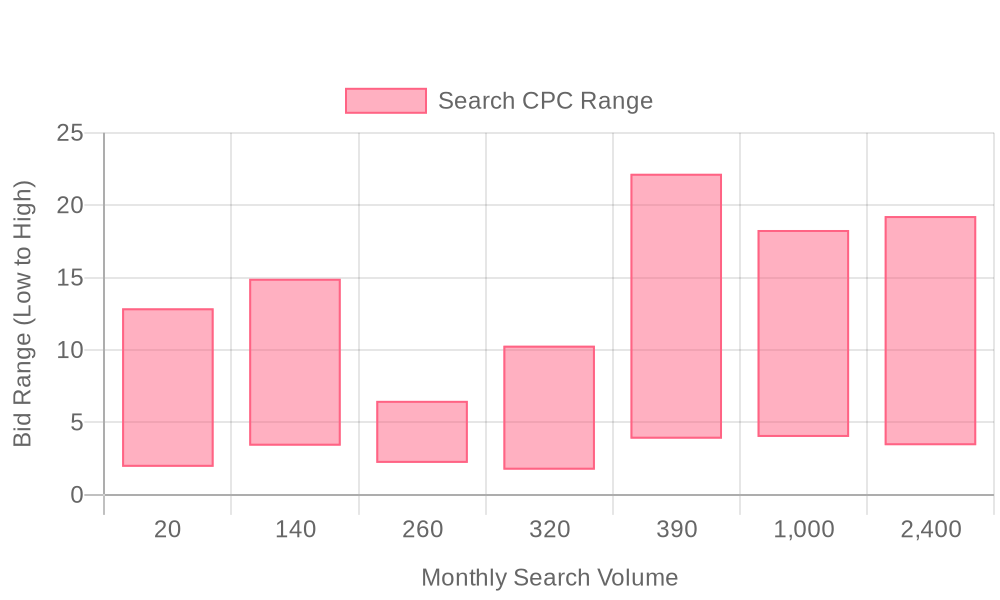
| Industry | Keyword | Monthly Search Volume | Competition Level | Low Bid | High Bid |
| Home Energy Rating Services | home energy rating services | 20 | MEDIUM | 1.94 | 12.88 |
| Home Energy Rating Services | hers energy rating | 140 | LOW | 3.4 | 14.92 |
| Home Energy Rating Services | home energy rating system certification | 260 | LOW | 2.21 | 6.49 |
| Home Energy Rating Services | hers rating certification | 320 | LOW | 1.74 | 10.3 |
| Home Energy Rating Services | hers inspection | 390 | LOW | 3.88 | 22.17 |
| Home Energy Rating Services | hers testing | 1000 | LOW | 4 | 18.29 |
| Home Energy Rating Services | hers rating | 2400 | LOW | 3.43 | 19.25 |
Identifying high-intent, industry-specific keywords is the bedrock of effective digital lead generation for home energy rating services. Decision-makers and homeowners increasingly use targeted phrases such as "home energy assessments," "energy efficiency evaluation," and "energy rating service near me" when actively seeking solutions, making it essential to balance competition against search volume for each term. Avoiding generic or outdated keyword lists prevents wasted ad spend and ensures campaigns reach only the most relevant, conversion-ready prospects, explore additional keyword best practices tailored for home improvement services.
Precision in keyword selection delivers a strategic edge: By intercepting decision-makers exactly when they express interest in energy efficiency, companies capture demand before it moves to competitors. This approach supports sustainable lead pipelines by aligning messaging with the needs and motivations of homeowners, property managers, and commercial clients researching energy audits or compliance upgrades. A well-curated keyword set enables granular targeting, which is crucial for maximizing Google Ads ROI for home services and driving consistent, high-quality leads.
Regular optimization of keyword lists is non-negotiable for maintaining campaign relevance and competitiveness. Review performance data weekly to identify terms that underperform or show declining intent, and replace them with emerging search queries or trending service-specific phrases. The use of real-time visitor identification tools can reveal which companies are actively searching for energy rating services, while dynamic audience updates ensure that ad groups always reflect the most current lead pool. Teams leveraging unified data platforms can sync enriched audience segments directly into ad accounts, keeping targeting sharp and campaign costs efficient. This ongoing refinement process positions energy rating providers to outperform static, one-size-fits-all strategies and remain top-of-mind for in-market buyers. To streamline your keyword and audience strategy, get started for free with Sona.
Step-by-Step Campaign Execution Framework
Step 1: Build Targeted Keyword Lists
Precision in keyword strategy propels high-performing Google Ads for Home Energy Rating Services. Instead of defaulting to broad, generic keywords, prioritize combinations like “local home energy rating,” “energy efficiency audit near me,” or “certified HERS rater in [city].” These modifiers attract stronger intent and filter out low-value traffic, ensuring your budget is concentrated on prospects ready to engage. For a deeper dive into setting up your campaigns, review this overview of Google Local Services Ads, and be sure to layer on negative keywords to exclude unrelated searches, reducing wasted spend and keeping your campaign’s focus razor-sharp.
Leveraging unified go-to-market data, marketers can connect visitor identification insights with keyword targeting. When you recognize which companies or households are searching for energy rating solutions, you can build segmented keyword lists that align with regional demand and commercial property needs. This approach lets you dynamically refine your keyword portfolio as new high-intent accounts emerge, ensuring your campaigns remain agile and competitive in the evolving home energy efficiency market.
The upgrade most home energy rating services advertisers miss is going beyond raw keyword volume to layer in intent and identity signals. By connecting website-visitor data and CRM records with Sona Marketing Measurement, you can see which specific search terms bring in the accounts and customers that actually convert, and weight your keyword and bidding strategy toward those rather than the terms with the highest search volume alone.
Step 2: Develop Impactful Ad Copy
Compelling ad copy bridges the gap between a search query and a qualified lead. For energy rating services, focus messaging on tangible benefits: emphasize energy savings, lower utility bills, improved home comfort, and reduced carbon impact. Use language tailored to audience stage, prospects early in their journey need clarity on credentials and process, while in-market homeowners respond to urgency and financial incentives. For actionable tips, explore the energy efficiency marketing blog for messaging inspiration.
When connected to real-time intent data, marketers can adapt ad messaging as prospects move through the funnel. For instance, if a visitor recently downloaded an energy audit checklist or engaged with cost-savings content, ads can immediately pivot to highlight free consultations, time-limited rebates, or local certification advantages. This dynamic creative approach not only improves click-through rates but also increases the likelihood of converting high-value leads into booked appointments.
Step 3: Design Purposeful Landing Pages
Landing pages for home energy rating campaigns must deliver clarity, trust, and relevance. Every page should prominently display credentials such as HERS certification, outline the environmental and financial benefits of a professional energy rating, and use testimonials or case studies to reinforce credibility. For segmented audiences, tailor landing page content to match their specific needs: commercial property owners may need ROI calculators, while homeowners focus on rebates and comfort improvements.
Utilizing insights from unified visitor and account data, marketers can personalize landing page experiences in real time. When audiences are synced between ad platforms and CRM tools, each visitor sees content aligned with their prior interactions, service area, and stage in the buying journey. This alignment reduces bounce rates and increases form-fill completions, directly impacting the volume and quality of energy rating service leads. If you’re ready to personalize your campaigns, get started for free with Sona.
Step 4: Employ Data-Driven Optimizations
Continuous optimization sustains campaign performance and ROI for Google Ads in home energy rating. Track which keywords, ads, and landing pages produce the highest-quality leads, comparing patterns across campaigns, channels, and closed business rather than clicks alone. For practical examples in the home services industry, see this case study on Google Ads optimization. Bring online and offline conversion data together so budget decisions reflect booked audits, not just form submissions.
Data unification across platforms enables marketers to detect shifts in homeowner or property manager demand as they happen. When an uptick in in-market activity is detected, budgets can be automatically reallocated to high-performing regions or demographics. By syncing enriched audience data from CRM systems into Google Ads, campaigns stay responsive, and retargeting strategies can be deployed precisely as leads progress through the sales funnel.
Sona Marketing Measurement closes the gap between clicks and revenue. It captures every ad click with first-party measurement, ties that click through UTM capture and ad-platform APIs to the actual record in your CRM, and reports ROAS by keyword and campaign instead of by last-click form fill. Feeding that revenue signal back into Smart Bidding and Performance Max compounds over time: the algorithms optimize toward booked home energy rating services revenue, not cheap leads.
Tips on Expanding Your Home Energy Rating Services Presence

Expanding your home energy rating services requires a strategic approach to maximize reach, credibility, and lead quality. By leveraging digital channels and precise data, providers can move beyond surface-level awareness and drive sustainable business growth. Explore our marketing analytics blog for deeper insights into growth strategies.
- Cross-Promote Educational Content: Elevate the quality of leads by distributing in-depth guides, webinars, or case studies across platforms where your target audience consumes information. Educational content not only reinforces your expertise in home energy efficiency but also serves to qualify prospects by attracting those genuinely interested in energy rating solutions. When these resources are integrated with visitor identification capabilities, teams can pinpoint high-value companies engaging with content, ensuring no interested stakeholders slip through the cracks. This approach helps nurture leads while building trust and authority in the market.
- Segment CRM Data for Upselling: Use segmentation data from your CRM to identify existing clients who may benefit from additional or upgraded energy rating services. Initiate targeted up-sell campaigns to combat common delays in follow-up and increase customer lifetime value. Platforms that sync audience data automatically into Google Ads enable real-time audience updates, allowing for highly personalized offers and messaging as accounts move through the decision process. For a practical overview, see how Google Local Services Ads can connect you with local leads.
- Collaborate with Industry Associations: Partnering with relevant industry associations boosts your brand’s visibility and opens doors for co-branded advertising or educational initiatives. These collaborations help share costs, expand your reach, and tap into established trust networks within the home energy rating sector. Sharing campaign data and intent signals with association partners also improves joint marketing ROI by focusing efforts on the segments most likely to convert.
- Geo-Target Strategic Regions: Focus ad spend on geographic areas with high demand for home energy rating services or where incentives for energy efficiency are prevalent. Geo-targeting ensures your outreach aligns with firmographic insights, allowing for tailored messaging and increased conversion rates in priority markets. When campaign management is unified with real-time intent data, marketers can dynamically adjust spend to target regions where in-market homeowner activity is surging, capturing more qualified leads and optimizing budget allocation.
Each of these tactics, when executed with unified data and actionable insights, positions home energy rating services to drive measurable growth across digital channels, supporting both immediate and long-term business objectives. If you're ready to accelerate your growth, get started for free with Sona.
Final Considerations
Google Ads for home energy rating services works best as a mix of formats rather than one channel: Search campaigns for homeowners actively looking for an auditor, Performance Max to extend reach across Search, Display, and YouTube using conversion data as the optimization signal, and remarketing to bring back visitors who researched but didn't book. Precision targeting through well-chosen keywords and audience segmentation ensures marketing dollars support measurable engagement, and paired with real campaign optimization, that combination reaches, and meaningfully influences, homeowners researching ratings or trying to improve their home's performance. For a comprehensive overview of how Google Local Services Ads can help local businesses connect with nearby customers, explore Google's Local Services Ads.
The integration of advanced tools, such as CRM data sync and intent-based remarketing, eliminates the friction points commonly found in traditional campaigns. For instance, real-time visitor identification empowers marketers to move beyond anonymous clicks, capturing actionable insights about high-value site visitors and their companies. When a platform seamlessly syncs enriched audience segments and verified leads into Google Ads, HubSpot, Salesforce, and similar tools, the result is a unified, always-current pipeline. This alignment ensures precise messaging and timely follow-up, reducing wasted spend and nurturing prospects as they progress through the funnel.
A holistic strategy for home energy rating marketing incorporates both online and offline attribution, so providers can measure the real ROI of each campaign rather than relying on click counts. Dynamic audience updates, triggered by behavior and CRM changes, keep remarketing sharp. With these pieces connected, energy efficiency revenue teams can keep refining campaigns, close segment gaps, and make sure qualified leads get attention while they're still ready to book.
Beyond Google Ads: Winning the AI Answers Home Energy Rating Services Buyers Now Trust
Paid search captures demand at the moment someone types a query. But a fast-growing share of home energy rating services buyers no longer start at Google at all, they ask ChatGPT, Gemini, or Perplexity before they ever run a search, and Google's own AI Overviews increasingly summarize an answer above the traditional results. If your business isn't referenced in those AI answers, you're invisible at the exact moment buyers build their shortlist.
Sona AI Visibility shows where your business shows up across ChatGPT, Gemini, Perplexity, Google AI Overviews, and 10+ engines, and, much like a keyword report, which prompts actually send you buyers, so you can prioritize the ones that convert. Run the two together and you cover the entire buyer path: get cited where buyers research (AI Visibility), then prove which of that demand turns into booked revenue (Marketing Measurement).
Helpful resources
Conclusion
Google Ads works for home energy rating services when it's built around the actual shape of the buyer's journey, tight timelines, compliance triggers, seasonal demand, not around generic best practices borrowed from other trades.
The providers pulling ahead now are the ones treating Google Ads as one input into a larger measurement problem, connecting clicks to CRM records, tracking which keywords produce booked audits rather than just form fills, and showing up in the AI answers buyers now consult before they ever open a search bar. Start for free with Sona to connect that data and see which campaigns are actually paying for themselves.
FAQ
How can I effectively use Google Ads for home energy rating services?
To effectively use Google Ads for home energy rating services, craft a data-driven strategy with clear KPIs, implement targeted keyword and audience segments, align landing pages and creative, apply performance optimization techniques, and integrate with other marketing channels.
What budget should I allocate for Google Ads in the home energy sector?
Allocate your Google Ads budget by focusing on high-intent keywords and audience segments, and continuously optimize campaigns based on conversion data and real-time intent signals to ensure efficient spending and high ROI.
What are the best practices for targeting homeowners with Google Ads?
Best practices include using high-intent keywords related to energy services, targeting homeowners searching for energy solutions, creating tailored ads and landing pages, and continuously refining campaigns with real-time data and insights.
How do I measure the success of my Google Ads campaigns for energy rating services?
Measure success by aligning Google Ads with business objectives, using conversion tracking, attribution modeling, integrating CRM data, and analyzing metrics like cost per lead, conversion rate, and ROI.
What types of ads work best for promoting home energy rating services?
Search campaigns, display ads, video ads, remarketing, and ad extensions work well for promoting home energy rating services by capturing high-intent searches, maintaining brand presence, and re-engaging potential leads.







