


A hearing aid stops working, and the person who owns it needs a fix within days, not weeks. Google Ads is how hearing aid repair services meet that urgency: it puts your business in front of someone searching for a solution right now, rather than waiting for a referral or a return visit. Done well, it means capturing high-intent leads, distinguishing your service through precise targeting, and carrying that momentum from click to booked appointment. Done poorly, it means missing the callers who needed you today and losing them to whichever competitor answered first.
How to Generate Google Ads for Hearing Aid Repair Services Leads: A Step-by-Step Guide
Hearing health professionals know that lead generation hinges on reaching people who urgently need a repair, not someone browsing for general information. The strongest strategies pair precise targeting with a frictionless digital path, so every click gets nurtured toward a booked appointment. Get started for free with Sona to see how data-driven insights can speed up that process.
Marketing teams can further maximize their investment by unifying campaign, audience, and CRM data to identify and act on high-intent prospects. This data-driven approach brings the clarity and agility required to stay ahead in a competitive local search landscape while aligning sales and marketing for better results.
Keyword and Audience Targeting
Segmenting keywords around urgent needs and local searches is vital for capturing high-value leads in hearing aid repair. High-intent terms such as "emergency hearing aid repair services" and "best hearing aid repair near me" target users most likely to convert. For a step-by-step walkthrough on campaign setup, reference this comprehensive guide to keyword matching options in Google Ads.
Layering these keywords with precise audience intelligence, like recent searches for device troubleshooting or local audiology services, focuses spend on users demonstrating real repair needs. Dynamic audience lists, which update as users interact with your content or site, further refine targeting by mapping behavior and identifying in-market audiences.
Landing Page Alignment

Conversion rates are highest when users land on pages designed specifically for their search intent. For hearing aid repair services, this means creating landing pages that address common pain points, offer clear calls to action, and showcase repair expertise. Each landing page should align tightly with the ad group’s core message, minimizing friction and confusion. For more on optimizing conversions and tracking true ROI, explore ad platform cost data integration with Google Analytics.
Unified data and tracking enable marketers to attribute conversions back to specific keywords, ad copy, and landing pages, revealing which combinations drive the most valuable leads. Integrating online and offline conversion tracking ensures teams measure true ROI, whether appointments are booked online or confirmed by phone.
Cross-Channel Integration
Integrating insights from other marketing channels strengthens Google Ads campaigns for hearing aid repair services. For example, syncing CRM records of past repair service customers into Google Ads allows for powerful lookalike and retargeting campaigns. To understand how multi-channel marketing can drive revenue, see this audiology marketing case study.
If a visitor has engaged with an email campaign or social, that intent signal can be used to create more nuanced audience segments. Cross-channel data also helps identify trends such as seasonal demand, enabling marketers to adjust messaging, budget, or bid strategies in real time for high-conversion opportunities.
Utilizing Video and Dynamic Ads

Video ads suit hearing aid repair services well: they visually demonstrate expertise and build trust before a customer ever calls. Short clips showing diagnostics, technician introductions, or repair walkthroughs increase engagement with people still deciding whom to trust with an expensive device. For practical tips on promoting hearing aid repair with dynamic ads, explore these hearing aid advertising ideas.
By unifying behavioral data across web, ads, and CRM, teams can ensure dynamic ad audiences always reflect the latest interactions. This keeps retargeting efficient and enables delivery of personalized offers, such as same-day repairs or limited-time promotions, to leads most likely to convert, while advanced attribution tracks the influence of creative across channels for maximum impact.
Why Google Ads Matter for Hearing Aid Repair Services
Hearing aid repair services operate in a market where timing and intent are critical to converting high-value clients. Google Ads provides a direct channel to intercept users precisely when they search for urgent solutions, ensuring that your message reaches those already motivated to act.
Intercepting high-intent clients online delivers measurable business impact by engaging individuals in real time at their decision point. This approach minimizes lost opportunities caused by delayed follow-ups and leverages the urgency typical of repair service inquiries, resulting in higher conversion rates. For tactics to improve conversion tracking and measurement, review the importance of accurate revenue attribution.
Precision in targeting matters because hearing aid repair searches split sharply between two intents: someone whose device just died and needs same-day help, and someone comparison-shopping a scheduled cleaning or warranty service. Sona's Audiences tool lets marketers segment by device type, local intent, and behavioral signals, so urgent searches get urgent messaging instead of a generic ad. As users move from research to booking, that segmentation can shift in real time, keeping budget on the accounts most likely to convert.
The value compounds when ad data is seamlessly integrated with CRM and sales systems. By capturing granular engagement details and syncing enriched lead data, teams can quickly identify which campaigns yield genuine repair appointments and prioritize sales outreach accordingly. This integration enables revenue teams to tailor their follow-ups, measure online and offline conversions, and optimize funnels for maximum ROI, supporting a full-cycle view of patient acquisition and retention.
Common Types of Google Ads Campaigns for Hearing Aid Repair Services
- Search Campaigns: Search campaigns put your repair services in front of people actively seeking solutions, capturing high-intent prospects at the crucial decision-making moment. For hearing aid repair providers, this means intercepting urgent local searches like “hearing aid repair near me” or “emergency hearing aid fix” and converting these time-sensitive needs into appointments. By pairing real-time visitor identification with intent signals, and by using responsive search ad formats to test messaging, marketers can direct budget to the accounts most likely to convert. For a step-by-step approach to building effective paid search campaigns, explore this comprehensive guide to Google Ads for audiologists.
- Display Ads: Display campaigns maintain visibility across a broader digital landscape, ensuring your brand remains top-of-mind even after a user leaves your site. For hearing aid repair, this ongoing awareness is vital for accounts that have shown interest but hesitated to book. Data-driven audience targeting allows you to dynamically update audiences as users engage or disengage, tailoring display messaging based on in-market activities and keeping outreach relevant as leads mature through the funnel. For additional strategies, visit our blog on demand generation best practices.
- Remarketing: Remarketing strategies boost conversion rates by reconnecting with users who interacted with your ads or website but did not complete a booking. For repair services, this can mean serving a tailored offer or reminder to someone who requested a quote but abandoned the process. With CRM and ad sync, remarketing audiences can be enriched with offline and online engagement data, allowing for precise, personalized follow-up that reflects each user’s journey and true buying intent. Discover more about optimizing Google Ads for hearing care.
- Video Ads: Video campaigns help potential customers understand the repair process and build trust by visually demonstrating technical expertise. For hearing aid repair services, showing step-by-step cleanings, diagnostics, or component replacements addresses user uncertainty and sets your service apart. When integrated with robust audience intelligence, video targeting can prioritize accounts most likely to engage based on recent website actions or high-value demographic segments, ensuring educational visuals reach those closest to conversion.
- Performance Max: Performance Max campaigns pull search, display, video, and map inventory into a single Google-managed campaign, which suits hearing aid repair services trying to cover every moment a local customer might look for help, from a map search after a device fails to a display ad reminding them to book a cleaning. Feeding it strong conversion signals, like booked appointments rather than form fills, keeps its automated bidding focused on customers who actually schedule repairs.
Where to Find Growth Opportunities

Identifying the strongest growth opportunities in hearing aid repair services starts with a sharp focus on geographic segmentation. Geo-targeting ensures campaigns surface in regions where demand for hearing aid repairs is highest, driving relevant local traffic and reducing wasted ad spend. By combining search volume data with real-time intent signals, marketers can allocate budgets to the ZIP codes and metro areas most likely to deliver qualified leads for audiology marketing.
Competitor insights are critical for uncovering untapped segments and keyword gaps. A robust competitor gap analysis reveals which service offerings or locations are underserved, informing keyword expansion and content strategies. With unified market data, revenue teams can pinpoint which search terms competitors underutilize, then deploy high-value messaging that fills those gaps. Modern platforms further enable marketers to go beyond surface-level analysis by identifying actual companies and high-value visitors who land on repair service landing pages, turning anonymous traffic into actionable leads.
Seasonal targeting delivers another layer of efficiency for digital marketing for hearing aids. Analyzing historic trends makes it possible to predict when demand for device repairs peaks, such as before travel seasons or during weather changes impacting device performance. Campaigns can automatically scale budgets and shift ad scheduling to match these trends, ensuring ads reach in-market users at the exact moments they are most likely to convert. To explore proven advertising channels and strategies for hearing healthcare providers, see this overview of paid advertising strategies. When these seasonal insights are paired with dynamic audiences that update in real time as leads progress through the funnel, advertisers create a system that prioritizes high-probability accounts and consistently improves PPC for audiologists.
Ready to unlock new growth in your hearing aid repair marketing? Get started for free with Sona.
Applying Audience Segmentation for Hearing Aid Repair Services
Modern hearing aid repair services demand precise digital marketing strategies to maximize every advertising dollar. Segmenting your audience by behavioral and device-specific signals eliminates wasted impressions, ensuring each ad reaches users most likely to convert. Instead of casting a wide net, refined segmentation allows marketers to connect with patients who need immediate repairs, those loyal to particular brands, or users displaying high service intent in real time using real-time audience segmentation.
Segmenting by frequency of repair needs, device type, or geographic urgency transforms a generic outreach into a highly personalized experience. For example, someone who recently searched for “Phonak hearing aid repair near me” or engaged with content on cleaning and maintenance is far more valuable than a casual browser. By leveraging advanced visitor identification, marketers can pinpoint returning patients versus first-time inquirers, then adjust messaging and offers to match their specific journey stage. This approach not only boosts engagement but also allows for dynamic audience updates as leads move from initial inquiry to booked appointment.
Creating custom ad groups for each audience segment further refines engagement and cost efficiency. By tailoring ad creative and budget allocation to match the needs of each group, such as urgent repairs, scheduled maintenance, or specific brand service, practices can maximize conversion rates while minimizing irrelevant clicks. For more insights on building effective paid search campaigns, explore this comprehensive guide to Google Ads for audiologists.
Validating conversion paths is critical for optimizing every step of the customer journey. Integrated tracking mechanisms ensure that form fills, phone calls, and even in-clinic visits are attributed correctly, providing a full-funnel view of campaign performance. With advanced conversion tracking, marketers can tie online and offline actions to specific campaigns, revealing true ROI and informing future budget decisions. CRM and ad platform sync ensure that enriched audience data and new leads seamlessly flow into Google Ads, enabling ongoing audience refinement and higher-value retargeting, all while supporting a cohesive follow-up strategy that nurtures prospects into long-term patients.
This is also where measurement changes the economics. With Sona Marketing Measurement you can identify the companies and buyers behind your ad clicks using first-party data, rather than relying on anonymous session counts, and segment audiences by who actually becomes a customer. That lets you build bid adjustments and audience signals around the segments that convert and de-prioritize the ones that don't, so you feed Google's algorithms "this click became a paying hearing aid repair services customer" instead of just "someone filled out a form."
Keyword Strategy & Sample Target Terms
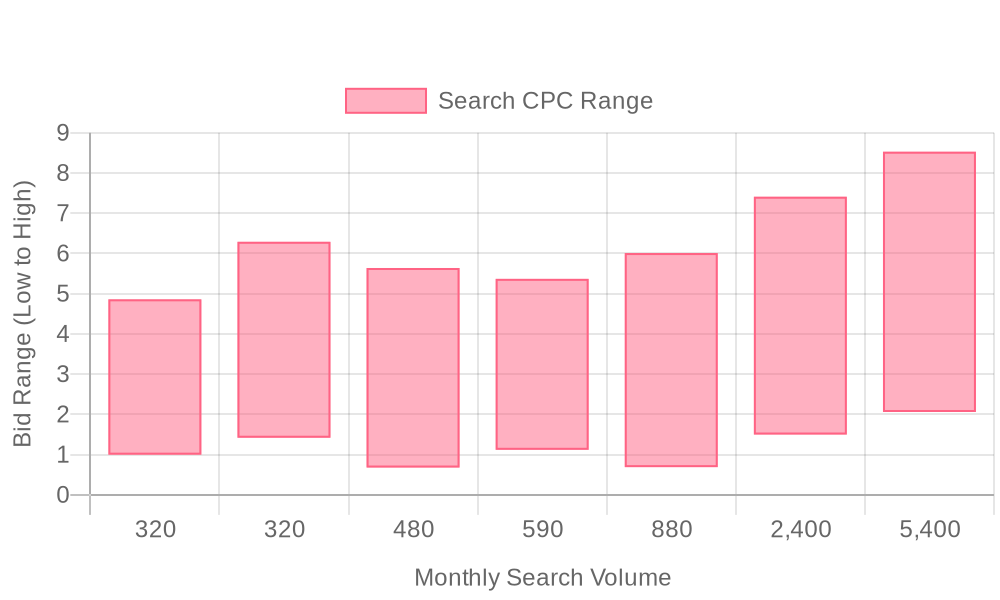
| Industry | Keyword | Monthly Search Volume | Competition Level | Low Bid | High Bid |
| Hearing Aid Repair Services | oticon hearing aid repair near me | 320 | LOW | 1 | 4.86 |
| Hearing Aid Repair Services | hearing aid repair shop near me | 320 | LOW | 1.42 | 6.29 |
| Hearing Aid Repair Services | phonak hearing aid repair | 480 | LOW | 0.68 | 5.64 |
| Hearing Aid Repair Services | phonak hearing aids repair near me | 590 | MEDIUM | 1.12 | 5.37 |
| Hearing Aid Repair Services | hearing aid repair services | 880 | LOW | 0.69 | 6.01 |
| Hearing Aid Repair Services | hearing aid repair | 2400 | LOW | 1.5 | 7.41 |
| Hearing Aid Repair Services | hearing aid repair near me | 5400 | MEDIUM | 2.06 | 8.53 |
A focused keyword strategy is foundational for connecting with individuals actively seeking hearing aid repair services. By targeting terms like "affordable hearing aid fix" and "Google Ads optimization," marketing teams ensure their campaigns appear for users with urgent needs and a clear intent to purchase or schedule repairs. This approach directly addresses the challenge of missing high-value prospects, as precision in keyword selection elevates visibility among audiences who are most likely to convert. For more insights on optimizing your campaigns, explore this comprehensive guide to Google Ads for audiologists.
Incorporating negative keywords into your campaigns is essential for filtering out irrelevant traffic and preventing wasted spend on low-intent searches. For example, excluding phrases such as "free hearing aid manual" or "DIY hearing aid repair" keeps the focus on users who are ready to engage professional services, thereby improving overall ROI. This filtering not only sharpens campaign efficiency but also gives revenue teams greater clarity on which keywords drive qualified leads through the funnel. Learn how intent signals can help you identify and prioritize high-intent prospects for even better results.
Integrating long-tail keywords, such as specific device model numbers ("Phonak Audeo Marvel repair") or symptom-based queries ("hearing aid static noise fix"), enables your campaigns to capture niche, high-intent searches that generic terms often overlook. These granular search terms reflect users with immediate repair needs, increasing the likelihood of conversion and strengthening your position in the competitive landscape of hearing aid advertising. With real-time audience data and unified intent signals, marketers can dynamically update their keyword lists as new repair trends and product launches emerge, keeping campaigns relevant and performance-driven.
Step-by-Step Campaign Execution Framework
Step 1: Build Targeted Keyword Lists
Building an effective keyword list for hearing aid repair services begins with precision. Prioritize phrases that reflect buyer intent, such as "hearing aid repair near me," "emergency hearing aid fix," and device-specific repair terms. These keywords capture users actively seeking immediate solutions, increasing the likelihood of high-value conversions. For a deeper dive into crafting lists that target intent-rich terms, explore this comprehensive guide to Google Ads for audiologists.
Dynamic keyword management is crucial as search trends shift and new repair needs emerge. Leveraging real-time audience and intent data, marketers can continuously analyze search behavior to identify rising terms and eliminate low-performing keywords. Integrating enriched audience signals into Google Ads ensures your targeting evolves alongside actual buyer behaviors, allowing for swift budget reallocation toward in-market prospects.
The upgrade most hearing aid repair services advertisers miss is going beyond raw keyword volume to layer in intent and identity signals. By connecting website-visitor data and CRM records with Sona Marketing Measurement, and using Sona's Identity Resolution to match anonymous site visits to the right accounts, you can see which specific search terms bring in the customers who actually convert, and weight your keyword and bidding strategy toward those rather than the terms with the highest search volume alone.
Step 2: Develop Compelling Ad Copy
Ad copy for hearing aid repair campaigns must directly address the pain points of users who are frustrated by malfunctioning devices. Messaging that highlights urgency, such as "Get your hearing aid fixed today" or "Fast, walk-in repairs for all brands," resonates with those seeking immediate help. Including service guarantees and limited-time promotions further motivates users to act, setting your clinic apart in a competitive market.
With advanced audience insights, you can tailor ad variations to match different segments, from new device owners to long-term users needing maintenance. Real-time behavioral data enables you to adjust copy based on where users are in the decision process, ensuring your message always aligns with what matters most to the potential patient. For step-by-step strategies on paid advertising tailored to hearing care, review this overview of paid advertising strategies for hearing practices.
Step 3: Design Effective Landing Pages
Landing pages for hearing aid repair ads must provide a seamless, trustworthy experience that mirrors ad promises. Key elements include clear calls-to-action, technician credentials, patient testimonials, and transparent pricing for common repairs. Mobile optimization is essential, as most "near me" searches occur on smartphones and require fast, intuitive navigation to facilitate bookings or calls.
Using visitor identification and CRM integrations, marketers can personalize landing page content and streamline the conversion process. For example, returning visitors may see expedited booking options or repair status updates, increasing the likelihood of repeat business and higher customer satisfaction. Learn more about optimizing landing experiences and automating account research in this playbook for automating account research and identifying buying teams.
Step 4: Implement Data-Driven Optimizations
Continuous campaign refinement ensures sustained ROI and growth for hearing aid repair services. Advanced analytics reveal which keywords, ads, and landing pages drive the highest-quality leads, enabling data-backed decisions on bid adjustments and creative updates. Attribution modeling ties online inquiries and offline repair appointments back to specific ads, providing a complete view of performance.
Synchronizing CRM and ad platform data creates dynamic audiences that shift as leads progress through the funnel. Marketers can automatically retarget users who viewed repair pages but did not convert, or suppress ads for those who already booked service. These optimizations maximize budget efficiency and keep every touchpoint relevant, measurable, and tied to revenue goals.
Sona Marketing Measurement closes the gap between clicks and revenue. It captures every ad click with first-party measurement, then ties that click through UTM capture and ad-platform APIs to the actual record in your CRM, and reports ROAS by keyword and campaign instead of by last-click form fill. Feeding that revenue signal back into Smart Bidding and Performance Max compounds over time: the algorithms optimize toward booked hearing aid repair services revenue, not cheap leads.
Tips on Expanding Your Hearing Aid Repair Service Presence
Building a strong digital presence for hearing aid repair services requires more than standard paid campaigns. Strategic audience engagement, tailored content delivery, and partnerships are crucial for sustainable growth and market leadership. To access more actionable strategies for hearing clinics, explore these proven marketing strategies that can boost your visibility and drive growth. For broader insights on optimizing your marketing approach, visit our blog for marketing analytics.
- Educational Retargeting: Educating your audience with retargeted content supports both brand lift and conversion rates. By identifying users who have previously visited repair or troubleshooting pages, you can serve them instructional videos or maintenance guides as follow-up ads. Leveraging intent signals, advanced platforms allow you to segment by the specific informational needs of your site visitors, refining retargeting sequences so users receive relevant content at the right stage of their journey. This keeps your brand top-of-mind, maximizes content ROI, and accelerates the decision cycle.
- Upsell Opportunities: Deep segmentation insights, especially those derived from CRM integrations, enable you to identify customer cohorts most likely to benefit from upsell offers. For instance, clients who recently completed a repair may be receptive to offers for extended warranties, new batteries, or hearing aid cleaning kits. By syncing enriched customer data into your Google Ads audiences, you can target these segments with personalized ad creatives and timed promotions. This approach not only drives incremental revenue but also supports sustained client relationships by tailoring communication to recent activity and anticipated needs.
- Partnerships: Collaborating with hearing aid manufacturers, local audiologists, or national associations unlocks referral traffic and co-branded advertising opportunities. Dynamic audience syncing ensures your campaigns automatically adjust to include new prospects sourced through these collaborations, keeping your targeting precise and up-to-date. If you want to streamline campaign management and activate your audience data across platforms, get started for free with Sona. Such partnerships also strengthen your clinic’s market position, improve campaign authority, and generate high-quality leads more likely to convert due to the implied endorsement from respected organizations.
Beyond Google Ads: Winning the AI Answers Hearing Aid Repair Services Buyers Now Trust
Paid search captures demand at the moment someone types a query. But a fast-growing share of hearing aid repair services buyers no longer start at Google at all, they ask ChatGPT, Gemini, or Perplexity before they ever run a search, and Google's own AI Overviews increasingly summarize an answer above the traditional results. If your business isn't referenced in those AI answers, you're invisible at the exact moment buyers build their shortlist.
Sona AI Visibility shows where your business appears across ChatGPT, Gemini, Perplexity, Google AI Overviews, and a dozen other engines, and, much like a keyword report, which prompts actually send you buyers, so you can prioritize the ones that convert. Run the two together and you cover the entire buyer path: get cited where buyers research (AI Visibility), then prove which of that demand turns into booked revenue (Marketing Measurement).
Helpful resources
Conclusion
Google Ads works for hearing aid repair services because it meets a customer at the one moment that matters: when a device has failed and they need someone to fix it. Strategic campaigns turn that urgency into booked appointments instead of lost calls to a competitor.
The next shift is already underway: buyers researching hearing aid repair increasingly ask an AI assistant before they ever open Google, which means visibility now depends on showing up in those answers as much as in search results. Pair sharp Google Ads execution with a presence in AI-driven research, and you reach customers earlier in their search, not just at the last click. Start for free to put both to work.
FAQ
What are the best practices for Google Ads in the hearing aid industry?
Best practices include precise keyword targeting, audience segmentation, dynamic audience lists, tailored ad copy, and optimized landing pages that align with search intent.
How can I effectively target my audience with Google Ads for hearing aid repair?
Effectively targeting involves using high-intent keywords, precise audience intelligence, and dynamic audience lists that update based on user interactions and behavior.
What budget should I allocate for Google Ads for hearing aid services?
The budget should focus on high-intent prospects, using insights from unified campaign, audience, and CRM data to optimize spend on users most likely to convert.
What keywords should I use for Google Ads related to hearing aids?
Use high-intent keywords like 'emergency hearing aid repair services' and 'best hearing aid repair near me,' and incorporate long-tail keywords for specific device models.
How can I measure the success of my Google Ads campaigns for hearing aid repair services?
Success can be measured by tracking conversions through integrated data and tracking systems, ensuring that both online and offline interactions are attributed to specific campaigns.







