


Health consultants win business in the gap between a prospective client's first symptom search and their first booked call, and that gap closes fast. A referral, a wellness newsletter, a trade show badge scan: each builds awareness, but none of them catches the moment someone types "nutrition coach for PCOS" or "HIPAA-compliant telehealth therapist" into Google. That's the moment Google Ads is built for. For Google Ads for Health Consultants, missing high-value prospects because they aren't tracked effectively means losing appointments to competitors who respond faster. Visitor identification tools now let you spot anonymous website visitors, surface the companies and individuals behind them, and route them into targeting lists so spend concentrates on real decision-makers rather than random traffic. Layer that on top of remarketing to health publication readers and event attendees, and you can measure ROI end to end, from click to consultation to closed deal.
How to Generate Google Ads for Health Consultants Leads: A Step-by-Step Guide

Health consultants operate in an industry where speed and relevancy drive the value of every lead. Leveraging Google Ads with precision ensures marketing budgets are invested in prospects who are most likely to convert into loyal clients.
Integrating Google Ads into your health consulting strategy makes your outreach more targeted, responsive, and measurable. With the right setup, you can move past anonymous traffic and identify the companies and individuals showing real-time intent, so your message reaches the people actively seeking solutions.
A multi-channel approach anchored by Google Ads gives health consultants access to a stream of in-market leads. By tapping into advanced audience segmentation and dynamic updates, you accelerate the pathway from initial interest to qualified consultation. As leads engage with your campaigns, enriched data flows seamlessly into your CRM and sales platforms, enabling immediate follow-up and nurturing.
This step-by-step playbook gives you a clear execution framework for building, managing, and optimizing Google Ads campaigns tailored to the compliance and conversion needs particular to health consultants. Each step shows how to align ad investment with the behaviors and intent signals of your highest-value prospects, so every dollar spent delivers measurable pipeline impact. Ready to elevate your lead generation? Get started for free with Sona.
Why Does Google Ads Matter for Health Consultants?
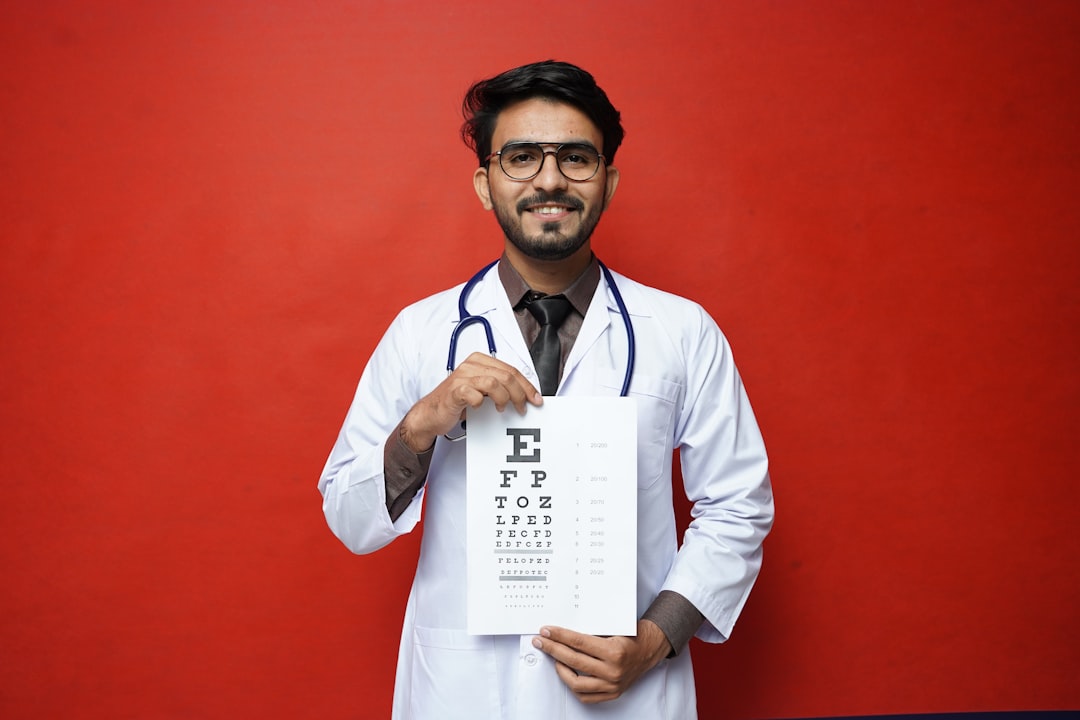
Health consultants face a unique challenge: their audiences are both highly specialized and fiercely protective of privacy. Success depends on deploying advertising that reaches decision-makers and active seekers of care, rather than casting a wide, inefficient net. Google Ads provides the precision needed to connect with users searching for specific health solutions, creating direct pathways to engagement and conversion.
Effective healthcare advertising is about more than impressions. It's about knowing which businesses and individuals are engaging with your content in real time. Sona's Identity Resolution identifies the companies behind your anonymous traffic, turning unknown clicks into actionable leads. That visibility lets you prioritize high-value prospects, so ad spend goes toward the accounts most likely to convert.
High-margin services in the health sector demand a marketing approach that distinguishes genuine intent from casual interest. Google Ads lets consultants read visitor behavior closely and adjust campaigns quickly to focus on prospects showing real readiness to engage, someone who has visited a services page three times in a week reads very differently than a single bounce. Combined with Sona's Intent Signals, campaigns shift budget toward accounts exhibiting in-market behavior, improving the odds of landing larger consulting engagements.
Demand in healthcare can turn quickly, a flu season spike, a new public health advisory, a viral wellness trend, and search behavior follows within days. Google Ads gives you immediate visibility precisely when motivated searchers are making decisions, rather than waiting for the slower cycles of organic content or referral. That responsiveness sharpens further when audience data and CRM records sync automatically, enabling dynamic audience updates and personalized follow-up. For health consultants, that means faster reaction to market shifts and more return on every marketing dollar.
Common Types of Google Ads Campaigns for Health Consultants

- Search Campaigns: Search campaigns remain the backbone of digital acquisition for health consultants, capturing high-intent users actively seeking services like nutrition counseling, therapy, or medical consultations. Targeted keyword strategies put ads in front of people expressing urgent needs, such as "virtual therapist near me" or "functional medicine coach." Sona's Identity Resolution distinguishes anonymous clicks from decision-makers at priority accounts, so budget can shift immediately toward the prospects most likely to convert. For further insight on optimizing Google Ads for healthcare, see this overview for doctors.
- Display Campaigns: Display campaigns extend reach beyond search, placing visual banners across health-related websites, industry news, and patient forums. These ads reinforce awareness and nurture early-stage leads who may not be ready to book a consultation. Leveraging dynamic audience capabilities keeps prospect lists updated as individuals browse resources or engage with practice content. Explore additional strategies in our library of actionable playbooks.
- Video Campaigns: Video campaigns enable health consultants to showcase expertise, patient success stories, or virtual tours of medical practices. Short-form content, like explainer videos or wellness tips, builds trust and differentiates services in a crowded digital landscape. Engagement data from these videos can be seamlessly tracked with advanced conversion tracking, enabling attribution of both online form fills and offline inquiries. For a practical guide tailored to therapists, visit this Google Ads resource for therapists.
- Remarketing Campaigns: Remarketing campaigns re-engage website visitors who explored appointment pages or downloaded wellness guides but didn’t convert. By syncing enriched lead data from CRM platforms, health consultants can serve tailored follow-up ads based on a prospect’s stage or prior interactions. To dive deeper into remarketing strategies for health and wellness coaches, see this Google Ads guide for coaches.
- Asset-Enhanced Campaigns: Ad assets (formerly called "extensions") add trust signals to every campaign: call buttons, practitioner credentials, service menus, and location details displayed directly in the ad. Pairing these with Sona's Intent Signals ensures the most relevant assets surface for each query, lifting click-through rates and the quality of engagement. To learn more about optimizing ad strategies for the health sector, see this Google Ads guide for health and wellbeing businesses.
Where to Find Growth Opportunities?

Growth for health consultants rarely comes from doubling down on the same channels. Patient and client journeys now start online more often than not, and expectations for personalized outreach keep rising. Spotting the segments your current campaigns miss, whether by specialty, geography, or buying stage, ensures every marketing dollar is spent with strategic intent.
A generic, one-size-fits-all approach rarely engages today's health-focused buyers. Segmenting ads using firmographic data, such as company size, industry, or provider specialty, lets health consultants tailor messaging to each audience's clinical and business needs. Sona's Identity Resolution reveals which organizations and professionals are engaging with your website at the company level, so you can prioritize outreach to high-value accounts instead of treating every visitor as anonymous traffic. That turns static campaigns into adaptive ones, keeping ads relevant as leads move through different decision stages.
Competitor gap analysis is a powerful way to identify underserved market segments. By evaluating where competitors are investing, and more importantly, where they are not, health consultants can position themselves in niches that yield higher engagement and lower cost per acquisition. This guide to Google Ads for doctors covers essential strategies and compliance tips for healthcare professionals aiming to attract new patients online. When these efforts are synced with dynamic audience management, marketing teams can automatically update ad groups and remarketing lists as new insights emerge or as leads move through the funnel, ensuring campaigns reflect real-time prospect behavior.
To see how these strategies work in practice, explore Sona's platform and unlock the next level of healthcare growth opportunities.
How to Apply Audience Segmentation for Health Consultants

Effective audience segmentation is foundational for health consultants seeking measurable impact from their Google Ads investments. With the right audience segmentation, ad spend is directed toward those most likely to engage, eliminating wasted impressions and driving higher conversion rates. When each segment is mapped directly to the broader customer journey, ad relevance improves significantly at every stage, from awareness through to appointment booking.
Sophisticated segmentation starts with moving beyond anonymous traffic. Sona's Identity Resolution connects web sessions to the companies and decision-makers behind them, revealing which healthcare organizations, clinics, or enterprise buyers are engaging with specific content. For a comprehensive overview of Google Ads strategies, compliance, and best practices for doctors, see this Google Ads for Doctors guide.
Real-time behavioral signals further refine this approach. As in-market intent is detected, such as repeat visits to service pages or downloads of wellness resources, budgets can be dynamically shifted toward the accounts showing the strongest intent signals. As audience cohorts evolve, dynamic audience updates keep campaigns aligned with actual funnel progression, triggering more personalized ad experiences as prospects move from research to consultation.
Seamless integration between CRM and Google Ads takes this further. Syncing enriched audience data and lead status lets health consultants tailor ad copy and bid strategies for every cohort. Advanced conversion tracking unifies online and offline touchpoints, attributing true ROI to campaigns and closing the loop between digital engagement and real-world outcomes.
This is also where measurement changes the economics. With Sona Marketing Measurement you can identify the companies and buyers behind your ad clicks, not just anonymous sessions, and segment audiences by who actually becomes a customer. That lets you build bid adjustments and audience signals around the segments that convert and de-prioritize the ones that don't, so you feed Google's algorithms "this click became a paying health consultants customer" instead of just "someone filled out a form."
Keyword Strategy & Sample Target Terms
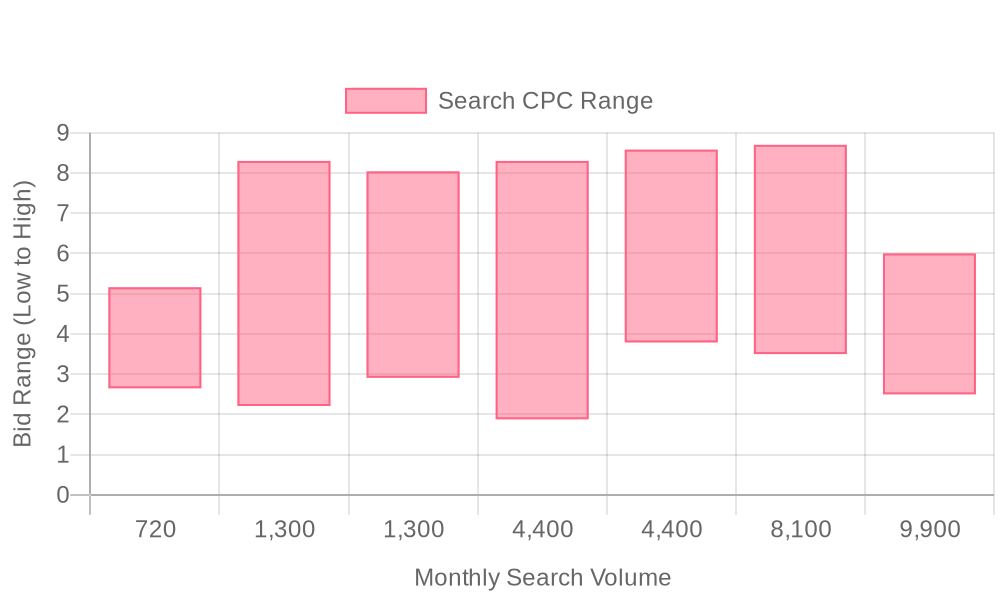
| Industry | Keyword | Monthly Search Volume | Competition Level | Low Bid | High Bid |
| Health Consultants | deloitte healthcare consulting | 720 | MEDIUM | 2.65 | 5.16 |
| Health Consultants | dr verma cardiologist | 1300 | LOW | 2.21 | 8.3 |
| Health Consultants | behavioral health consultants | 1300 | LOW | 2.91 | 8.04 |
| Health Consultants | women's health consultants | 4400 | LOW | 1.88 | 8.3 |
| Health Consultants | healthcare it consulting firms | 4400 | LOW | 3.79 | 8.58 |
| Health Consultants | healthcare consulting | 8100 | LOW | 3.5 | 8.7 |
| Health Consultants | health consultants | 9900 | LOW | 2.5 | 6 |
Effective keyword strategy is the cornerstone of Google Ads for Health Consultants. Selecting the right target terms positions your services in front of high-intent prospects at the exact moment they are researching solutions. By focusing on solution-oriented keywords, health consultants can intercept decision-makers when their need is acute, increasing the likelihood of converting ad clicks into consultations. This approach ensures that every dollar spent on advertising is directed toward users already demonstrating strong interest in healthcare expertise or wellness guidance.
Precision targeting begins with understanding how potential clients describe their needs. Terms like “functional medicine consultant near me,” “telemedicine for nutrition counseling,” or “mental health specialist online” reflect a blend of geographic, specialty, and intent signals. Including both broad and long-tail variations allows campaigns to capture a wider range of search behaviors, from those ready to book a session to those comparing options for future engagement. By continuously monitoring search term reports and negative keywords, health consultants can filter out mismatched queries while doubling down on the most valuable intent signals.
Sample target terms for Google Ads healthcare marketing should align closely with the consultant’s unique offerings. For medical practices, phrases like “private pediatrician appointments,” “virtual weight loss clinics,” or “integrative medicine consultations” offer a direct path to motivated patients. Therapists benefit from keywords such as “trauma-informed therapy online” or “anxiety counseling telehealth.” For telemedicine, specificity matters: “HIPAA-compliant video visits” or “remote health assessments” can differentiate services in a crowded market. As leads move through the funnel, dynamic audience updates ensure ad exposure remains relevant, targeting those who have shown engagement signals but have not yet converted.
Advanced keyword mapping becomes even more powerful when combined with unified intent data. Real-time insights into which companies and individuals are researching specific health services allow for agile budget allocation toward high-converting segments. Audience lists can be enriched and dynamically updated as prospects interact with your brand across web, video, and social channels. This level of integration enables healthcare advertising strategies that are both proactive and precise, maximizing Google Ads ROI for healthcare consultants by ensuring that every message is timely, relevant, and measurable. To experience these benefits firsthand, get started for free with Sona.
Step-by-Step Campaign Execution Framework
Step 1: Build Targeted Keyword Lists
A data-driven keyword strategy is essential for health consultants who want to drive qualified leads and maximize campaign ROI. Start by clustering keywords around each core service you offer, such as consulting, therapy, or telehealth, ensuring your ads align with the specific needs and search intent of your audience. Localizing keywords with city, neighborhood, and "near me" modifiers narrows your reach to high-potential prospects actively seeking services in your target areas. Incorporating long-tail and question-based queries, like "nutritionist for gut health near me" or "how does teletherapy work", captures users closer to decision-making and reduces wasted spend on broad, unqualified traffic.
Negative keyword filters are critical in healthcare advertising, excluding irrelevant searches and protecting your budget from non-converting clicks. Aligning these keywords with the terms and topics in your content marketing reinforces expertise and lifts relevance scores. Sona's Identity Resolution identifies the companies and individuals visiting your site, enriching keyword lists with actual in-market language and intent signals. This lets you adapt to shifting search behavior and prioritize terms that drive both engagement and conversions, directly informing your Google Ads targeting for health consultants.
The upgrade most health consultants advertisers miss is going beyond raw keyword volume to layer in intent and identity signals. By connecting website-visitor data and CRM records with Sona Marketing Measurement, you can see which specific search terms bring in the accounts and customers that actually convert, and weight your keyword and bidding strategy toward those rather than the terms with the highest search volume alone.
Step 2: Develop Compelling Ad Copy
Effective ad copy for health consultants must address the industry’s most pressing pain points while establishing immediate trust. Headlines should speak directly to the challenges your ideal clients face, such as "Overcome Stress with Personalized Therapy" or "Certified Nutrition Guidance for Busy Professionals." Integrating trust markers, including certifications, licenses, and case studies, builds confidence and differentiates your practice in a crowded market. Promoting urgency with timely incentives like free consultations or exclusive first-time discounts can accelerate decision timelines and increase click-through rates.
Ad extension usage enhances the visibility and functionality of your campaigns. Call extensions offer frictionless contact options; structured snippets showcase specific services and expertise; service highlights reinforce what makes your consultancy unique. Consistency across ad copy, social, and email messaging ensures a seamless experience for prospects regardless of how they first interact with your brand. When your CRM and Google Ads are connected, enriched audience data ensures your ads and offers reach the right segment at the right time, automatically updating as leads progress through your funnel and deepening personalized engagement.
Step 3: Design Effective Landing Pages
Landing pages for health consulting services should mirror the user's search journey, creating a direct path from keyword to ad to page content. Segmenting landing pages by specific services or specialties, such as separate experiences for mental health support versus physical therapy, improves relevance and reduces bounce rates. Features like ROI calculators, trust badges, and thorough FAQs address common concerns, streamline decision-making, and support compliance with Google Ads healthcare policy.
Calls to action must be both clear and persistent, optimized for mobile responsiveness to accommodate the increasing share of mobile health-related searches. Forms should sync directly with your CRM and marketing automation platforms, ensuring every inquiry is captured, enriched, and acted upon without delay. For health consultants leveraging unified data solutions, real-time form tracking and visitor identification capabilities transform anonymous page views into actionable leads, providing sales teams with the context and intent signals needed for immediate and relevant follow-up.
Step 4: Implement Data-Driven Optimizations
Continuous optimization is vital for extracting full value from your Google Ads for health consultants campaigns. Track both micro-conversions, such as downloads of resources or newsletter signups, and macro-conversions like completed appointment bookings. Smart bidding strategies, including Target CPA or Max Conversions, allow for dynamic budget allocation based on the likelihood of conversion, automatically shifting spend to the highest-performing audiences.
A/B testing ad headlines, CTA placements, and page layouts uncovers the creative and structural elements that resonate most. Importing offline conversions, such as phone bookings or in-person consultations, enriches your attribution modeling and ensures your bidding reflects true deal value, not just digital interactions. When all performance data flows seamlessly between Google Ads and your CRM, you gain a unified, actionable view of the entire customer journey. This closed-loop feedback not only improves Google Ads ROI for healthcare but also uncovers new opportunities for content creation and campaign refinement across every channel.
Sona Marketing Measurement closes the gap between clicks and revenue. It captures every ad click with first-party measurement (no reliance on third-party cookies), ties that click through UTM capture and ad-platform APIs to the actual record in your CRM, and reports ROAS by keyword and campaign instead of by last-click form fill. Feeding that revenue signal back into Smart Bidding and Performance Max compounds over time: the algorithms optimize toward booked health consultants revenue, not cheap leads.
Tips on Expanding Your Presence as a Health Consultant
Expanding the digital reach of health consultants requires more than simply running ads. The most effective strategies unify educational content, nuanced audience segmentation, and local market alignment to drive sustainable growth across channels. Leveraging intent-rich data and CRM insights enables a more precise, dynamic approach to attracting high-value prospects and nurturing them to conversion.
Cross-promotion of educational assets through retargeting campaigns strengthens content marketing outcomes. By re-engaging visitors who download whitepapers or attend webinars, health consultants can offer timely resources and reinforce expertise in critical service areas. This approach nurtures trust and encourages deeper engagement, while also aligning with compliance standards for healthcare advertising. When campaign data is integrated with first-party CRM records, retargeting becomes even more powerful: messaging can be tailored based on known interests, and upsell opportunities can be triggered for relevant follow-up services. For more on aligning retargeting with CRM, explore integrating Sona with HubSpot CRM.
CRM-driven segmentation unlocks advanced upsell and cross-sell opportunities. Analyzing past interactions, service utilization, and demographic details allows consultants to create segmented audiences, such as new patient intakes versus returning clients, then deliver personalized ads for add-on services like telemedicine follow-ups or specialty nutrition plans. Syncing CRM and audience data directly with ad platforms ensures segmentation stays current, and audience lists automatically update as leads progress through the funnel.
Partnerships with health associations can boost referral traffic and create co-branded campaigns that lend additional credibility. These associations often have direct access to highly targeted audiences, and co-marketing efforts can amplify share-of-voice in specific verticals or regions. Localizing campaigns by state or metro area helps health consultants dominate high-value markets. Customizing ad copy, landing pages, and keyword sets to reflect local terminology and regulations increases the relevance and effectiveness of each campaign. For a step-by-step approach to Google Ads in healthcare, see this guide to setting up Google Ads for healthcare providers.
Analyzing search query data provides insight into emerging patient needs and trending health topics. These findings can inform both new content creation and future advertising initiatives. By integrating this data with campaign performance metrics, consultants are able to identify under-served niches and develop targeted resources to address them, feeding back into a comprehensive content and advertising strategy.
A modern approach to Google Ads for Health Consultants requires seamless integration of campaign data, offline conversion tracking, and real-time optimization. Incomplete ROI reporting leads to budget misallocation and missed growth. Advanced attribution solutions now capture conversions that happen outside digital channels and unify them with online activity. That gives health consultants a true picture of campaign impact, lets them optimize spend across platforms, and aligns advertising with broader marketing and sales initiatives.
Beyond Google Ads: Winning the AI Answers Health Consultants Buyers Now Trust
Paid search captures demand at the moment someone types a query. But a fast-growing share of health consultants buyers no longer start at Google at all, they ask ChatGPT, Gemini, or Perplexity before they ever run a search, and Google's own AI Overviews increasingly summarize an answer above the traditional results. If your business isn't referenced in those AI answers, you're invisible at the exact moment buyers build their shortlist.
Sona AI Visibility shows where your business shows up across ChatGPT, Gemini, Perplexity, Google AI Overviews, and 10+ engines, and, much like a keyword report, which prompts actually send you buyers, so you can prioritize the ones that convert. Run the two together and you cover the entire buyer path: get cited where buyers research (AI Visibility), then prove which of that demand turns into booked revenue (Marketing Measurement).
Helpful resources
Conclusion
Compliance and precision aren't competing priorities in Google Ads for health consultants, they're the same discipline. Campaigns that respect healthcare advertising rules and campaigns that convert well both depend on knowing exactly who you're talking to and what they need in that moment.
The consultants who pull ahead over the next few years will be the ones who stop treating clicks as the finish line. Identity resolution, intent signals, and closed-loop revenue attribution turn a Google Ads account from a lead-generation tool into a system that tells you which prospects are worth pursuing and which aren't, before your team ever picks up the phone. As AI-driven search reshapes how clients find care, the practices that show up in both the search results and the AI answers, backed by measurement that proves what actually converts, will be the ones setting the pace.
FAQ
What are the best practices for Google Ads in healthcare?
Best practices for Google Ads in healthcare include using precise targeting to reach decision-makers, leveraging advanced visitor identification to transform clicks into actionable leads, and integrating data from CRM and sales platforms to track ROI from clicks to consultations.
How can health consultants optimize their Google Ads campaigns?
Health consultants can optimize their Google Ads campaigns by employing advanced audience segmentation, using real-time visitor identification, and dynamically shifting budgets toward high-intent accounts to ensure ads reach those most likely to convert.
What is the cost of running Google Ads for health consultants?
The cost of running Google Ads for health consultants varies based on targeting precision, ad spend allocation to high-value prospects, and optimization strategies to focus on decision-makers and those actively seeking solutions.
How do I ensure my Google Ads are HIPAA compliant?
Ensuring HIPAA compliance in Google Ads involves maintaining privacy standards, using secure data handling practices, and making sure ads do not reveal personal health information.
What are the benefits of using Google Ads for healthcare marketing?
The benefits of using Google Ads for healthcare marketing include reaching high-intent users at the moment of their search, precise targeting of decision-makers, and the ability to dynamically adjust campaigns based on real-time intent signals.







