


Furniture cleaning equipment buyers, facility managers stocking up before a seasonal rush, distributors comparing extractors, franchise owners replacing worn machines, rarely browse casually. They search with a purchase already half-decided, which makes Google Ads one of the few channels that can meet them at that moment rather than waiting for them to find you. The harder problem is precision: most campaigns in this space still burn budget on generic cleaning-industry traffic instead of the procurement managers and facility buyers who actually sign purchase orders. This guide lays out how to build, target, and measure Google Ads campaigns that turn that intent into qualified pipeline for a furniture cleaning equipment business.
How to Generate Furniture Cleaning Equipment Leads with Google Ads: A Step-by-Step Guide
B2B marketers in the furniture cleaning equipment sector face the unique challenge of reaching high-value prospects who are often missed in traditional CRMs. Precision targeting and conversion alignment are critical to prevent wasted ad spend on unqualified traffic and to maximize the impact of every marketing dollar, especially when company-level identification and tracking can reveal which organizations are actually engaging with your campaigns.
This playbook provides a data-driven framework for integrating Google Ads for Furniture Cleaning Equipment into your larger marketing mix. Focused on actionable strategies, it helps you boost lead quality by synchronizing audience targeting, ad creative, and landing page experiences for decision-makers in the cleaning equipment industry.
- Data-Driven Paid Search: Combine search intent data with your CRM records to see where your best opportunities lie. Unifying anonymous site visitor data with company-level identification lets you prioritize accounts showing real buying intent, so budget shifts toward the segments that deliver the strongest ROI. Watch this walkthrough on running Google Ads campaigns for practical tips on boosting lead quality.
- Targeted Keyword and Audience Strategies: Use highly specific keyword research to capture only those searching for commercial furniture care products, upholstery cleaning machines, or industrial carpet extractors. Layer in audience targeting by syncing enriched lead data into your ad platforms, ensuring ads reach procurement managers and facility services buyers, not just generic searchers.
- Landing Page and Creative Alignment: Align ad messaging, creative assets, and landing page content to resolve key pain points of furniture cleaning equipment buyers. Direct your traffic to pages that address commercial use cases, technical specifications, and ROI calculators, increasing the likelihood of demo requests or quote submissions. For more guidance on unifying touchpoints, access our B2B marketing playbooks.
- Performance Optimization: Continuously monitor campaign data, adjusting bids and creative based on engagement and pipeline impact. Integrate advanced conversion tracking to attribute both online inquiries and offline sales calls, providing a full view of campaign effectiveness and supporting more accurate budget allocation.
- Cross-Channel Integration: Strengthen your furniture cleaning equipment marketing by maintaining message consistency across search, social, and display channels. Sync dynamic audiences between your CRM and ad platforms, ensuring retargeting lists update as accounts progress through the funnel, and keep messaging aligned with both sales and marketing initiatives.
This guide is designed for B2B revenue teams and local operators who want to streamline furniture cleaning equipment lead generation, unify fragmented data sources, and drive measurable results from digital advertising investments. Ready to upgrade your marketing strategy? Get started for free with Sona.
Why Google Ads Matter for Furniture Cleaning Equipment Businesses
The commercial cleaning sector faces unique challenges in reaching procurement managers and executive buyers who actively seek specialized equipment. Successful furniture cleaning equipment marketing requires precision audience intelligence, visibility, and the ability to act quickly when high-value opportunities arise.
- Complex, Specialized Audience: Google Ads enables manufacturers and distributors to connect directly with decision-makers searching for niche products and solutions. Sona surfaces intent signals from search queries so campaigns can prioritize visibility among those responsible for purchasing and vendor selection, reducing wasted spend on unqualified traffic.
- Higher Margin Services: A commercial-grade upholstery cleaner or truck-mount extractor is a considered purchase, often requiring sign-off from a facilities director or purchasing committee, which makes each demo request and quote worth pursuing carefully. Google Ads campaign strategies built around this reality put budget behind buyers already comparing vendors, and support the kind of tailored follow-up that turns a single high-ticket lead into a closed deal.
- Faster Demand Response: In urgent procurement scenarios, such as supply chain shortages or last-minute facility upgrades, Google Ads delivers near-instant exposure to active buyers. This rapid demand response minimizes lost revenue due to slow manual outreach or organic search limitations. To further accelerate lead capture, Sona's Identity Resolution helps reveal and score anonymous website visitors in real time.
- Visibility in Emerging Regions: Online advertising for furniture cleaning equipment lets brands scale into underserved or fast-growing markets with targeted messaging. Granular geographic controls allow campaigns to align spend with real-time market demand and expansion goals. Explore more B2B marketing strategies in our expert articles.
- Integrated Data Analysis: Google Ads strategies for cleaning equipment benefit from advanced analytics that track each click through to contract. Marketers can unify and analyze campaign data alongside CRM insights, closing the loop from initial interest to final revenue. With modern platforms, audience lists and lead data sync seamlessly into ad systems, ensuring every touchpoint is measurable and actionable for future optimizations.
Common Types of Google Ads Campaigns for Furniture Cleaning Equipment
Search, Display, Video, and Remarketing each play a role, but for furniture cleaning equipment sellers with a defined product catalog and clear buyer intent signals, Performance Max is increasingly worth testing alongside them: it lets Google's models bid across Search, Display, YouTube, and Gmail inventory from a single campaign built around your conversion data.
- Search Campaigns: Capture buyers searching for specific furniture cleaning equipment at the exact moment of need. These campaigns convert high-intent queries into actionable leads by placing your solution at the top of the results, ensuring you reach decision-makers who are ready to purchase. Leveraging enriched visitor data, marketing teams can now pinpoint not just anonymous traffic but the organizations and roles behind those search terms by using Sona's Identity Resolution. This precision targeting increases the effectiveness of Google Ads for Furniture Cleaning Equipment and supports measurable lead generation; discover more strategies in our essential guide to account identification.
- Display Ads: Keep your brand and products visible across industry websites, supplier blogs, and relevant online content. Display campaigns reinforce your message, addressing inconsistent branding and reminding potential customers of your value long after their initial search. By syncing audience data from CRM and intent platforms, you can dynamically update ad targeting as accounts show new behaviors or move through the funnel. This ensures online advertising for furniture cleaning equipment remains accurate and cost-effective at scale.
- Video Ads: Demonstrate the value and unique features of complex cleaning equipment through visual storytelling. Video formats allow you to show product usage, highlight differentiators, and explain maintenance processes in a way that static ads cannot. For practical tips on video strategies, see this YouTube guide for cleaning businesses. Real-time engagement insights offer the ability to reallocate spend to audiences actively interacting with your content, increasing both reach and relevance for Google Ads strategies for cleaning equipment.
- Remarketing: Re-engage visitors who explored your products but did not convert, keeping your solutions top-of-mind during their decision cycle. Multi-channel remarketing delivers consistent messaging across search, display, and even social, creating multiple touchpoints that prevent lost opportunities. With advanced identity resolution, remarketing efforts can be tailored based on exact behaviors, from viewing specific SKUs to downloading product sheets, driving higher conversion rates and supporting robust furniture cleaning equipment ad campaigns.
- Assets: Enhance your text ads with additional information like ratings, certifications, or direct response CTAs, giving buyers extra reasons to trust and act. Ad assets increase ad real estate and credibility, reinforcing claims made in your other marketing materials. Integrating CRM and intent data ensures these assets dynamically reflect the most relevant offers or endorsements for each audience segment, further boosting ad ROI. Ready to optimize your campaigns? Get started for free with Sona.
Where to Find Growth Opportunities?

Expanding reach in the furniture cleaning equipment industry requires precision and creativity. Identifying untapped channels and overlooked audience segments enables B2B marketers to capture demand before competitors respond. Leveraging Sona for real-time, signal-based audience segmentation can help you pinpoint high-intent prospects and prioritize your outreach.
- Industry-Specific Online Directories: Listing your offerings in furniture care and cleaning equipment directories, as well as trade-focused forums, puts your brand in front of decision-makers actively searching for solutions. These vertical placements generate qualified leads who are already researching equipment purchases or upgrades, making them highly receptive to tailored messaging. For more industry tactics, explore our B2B marketing playbooks.
- Content Retargeting via Guides and How-Tos: Building retargeting audiences from visitors who engage with educational content, such as step-by-step cleaning guides or equipment care articles, ensures continued brand exposure among high-value prospects. When integrated with platforms that reveal visitor identities, marketers can convert otherwise anonymous traffic into actionable pipeline opportunities, increasing the effectiveness of retargeting strategies.
- Competitor Gap Analysis with SEO Tools: Using advanced SEO tools to identify where competitors miss niche segments helps avoid losing visibility in lucrative verticals. For example, uncovering search terms like "industrial upholstery cleaning machine buyers" or "eco-friendly furniture care equipment" reveals actionable opportunities to claim overlooked market share and align ad campaigns with unmet demand. To support your market research, review our guide on TAM, SAM, SOM analysis.
- Vertical Keyword Expansion: Incorporating complementary vertical keywords, such as "PPC for furniture cleaning supplies" or "Google Ads for furniture care products", broadens your campaign's reach without diluting relevance. This layered keyword strategy strengthens your position in the search ecosystem and supports multi-touch engagement for complex B2B buying journeys. Activate seamless data flow between your ad platforms and CRM using Sona Destinations to ensure timely follow-up.
By combining these targeted tactics with unified data and real-time audience insights, B2B revenue teams in the furniture cleaning equipment sector can efficiently discover new growth opportunities, optimize ad spend, and drive higher-quality leads throughout the sales funnel.
How to Apply Audience Segmentation for Furniture Cleaning Equipment
Revenue teams in the furniture cleaning equipment space face unique challenges when it comes to capturing, nurturing, and converting leads. Precision in audience segmentation unlocks higher ROI by aligning campaigns with the real needs and buying signals of distinct customer groups.
- Define Segments: Start by differentiating between commercial and household equipment buyers, as well as new versus recurring customers. Many website visitors remain anonymous, but with advanced visitor identification, marketers can pinpoint organizations and individuals engaging with high-value pages. This clarity transforms previously hidden traffic into actionable segments, allowing you to tailor outreach for facility managers, cleaning contractors, or homeowners seeking their first equipment purchase.
- Overlay Intent Signals: Map out intent signals like search queries for maintenance schedules, upgrade options, or bulk orders. Real-time monitoring of these behaviors allows for dynamic adjustment of ad spend toward segments showing in-market activity, such as businesses researching large-scale equipment or consumers seeking eco-friendly cleaning solutions. Marketers using Sona's Intent Signals see faster campaign pivots and improved lead qualification, ensuring that budget flows to audiences most likely to convert.
- Create Ad Groups by Segment: Build ad groups for each defined segment, customizing messaging and creative assets to resonate with their specific pain points and purchase drivers. For example, highlight cost-per-use savings for commercial clients or ease-of-use for residential buyers. Adjust bids and daily budgets to prioritize segments with higher immediate intent while reducing wasted spend on broad, unqualified audiences. By continuously syncing enriched audience lists from CRM and marketing platforms into Google Ads, campaigns remain aligned with current funnel stages and real-world engagement.
- Validate Conversion Paths: Track every touchpoint from ad click to demo request, purchase, or offline follow-up, integrating CRM data and offline conversions for a holistic view. This connection ensures that high demo interest, such as a facility manager requesting a quote, receives timely sales outreach, and campaign attribution accurately reflects every lead, regardless of where the conversation continues. Advanced conversion tracking gives revenue teams clear insight into which search terms, creative variations, or retargeting sequences deliver the highest value customers.
This is also where measurement changes the economics. With Sona Marketing Measurement you can identify the companies and buyers behind your ad clicks, not just anonymous sessions, and segment audiences by who actually becomes a customer. That lets you build bid adjustments and audience signals around the segments that convert and de-prioritize the ones that don't, so you feed Google's algorithms "this click became a paying furniture cleaning equipment customer" instead of just "someone filled out a form."
Keyword Strategy & Sample Target Terms
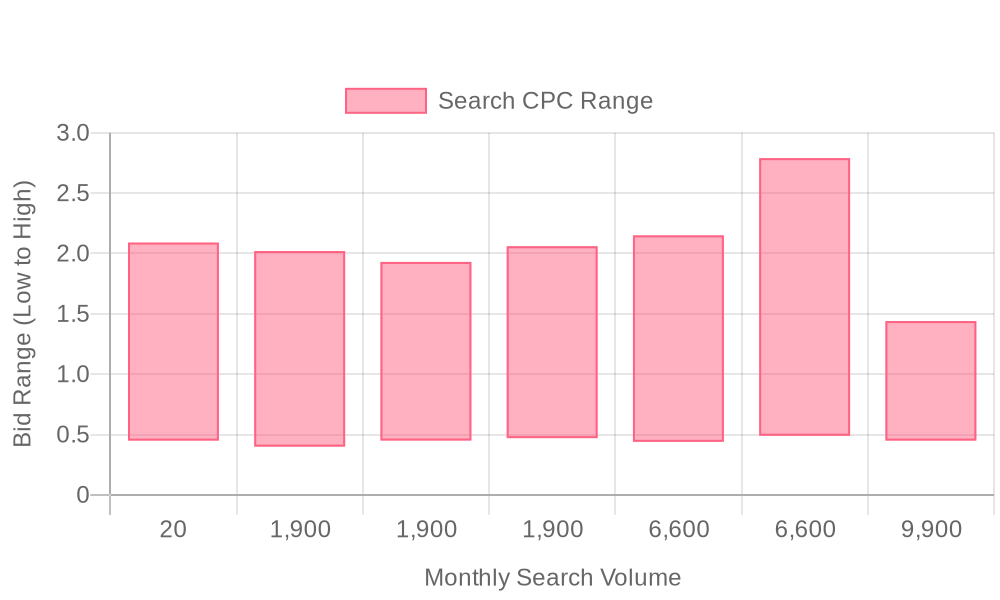
| Industry | Keyword | Monthly Search Volume | Competition Level | Low Bid | High Bid |
| Furniture Cleaning Equipment | furniture cleaning equipment | 20 | HIGH | 0.45 | 2.09 |
| Furniture Cleaning Equipment | sofa cleaner machine | 1900 | HIGH | 0.4 | 2.02 |
| Furniture Cleaning Equipment | upholstery cleaning machine | 1900 | HIGH | 0.45 | 1.93 |
| Furniture Cleaning Equipment | furniture cleaner machine | 1900 | HIGH | 0.47 | 2.06 |
| Furniture Cleaning Equipment | couch cleaner machine | 6600 | HIGH | 0.44 | 2.15 |
| Furniture Cleaning Equipment | couch cleaner rental | 6600 | MEDIUM | 0.49 | 2.79 |
| Furniture Cleaning Equipment | upholstery cleaner rental | 9900 | MEDIUM | 0.45 | 1.44 |
Revenue teams in the furniture cleaning equipment sector face unique challenges when organizing high-performing Google Ads campaigns. Aligning keywords with actual buyer needs ensures marketing budgets are concentrated on prospects actively researching solutions, resulting in stronger lead quality and lower wasted spend.
Strategic keyword planning creates a direct line between what buyers are searching for and what your campaigns deliver. Prioritize terms like "furniture cleaning equipment cost," "best furniture cleaning equipment," and "advanced upholstery cleaner machines" to capture high-intent traffic actively comparing options or nearing purchase decisions. These core keywords should reflect common pain points and purchasing processes, minimizing disconnect between ad copy, landing pages, and user expectations.
To further refine targeting and maximize return on investment, expand into less competitive, high-potential terms. Examples include "commercial furniture cleaning equipment supplier," "PPC for furniture cleaning supplies," or "online advertising for furniture cleaning equipment." These terms often yield robust conversion rates due to lower competition and greater search specificity. Integrating real-time intent signals and visitor identification makes it possible to dynamically adjust keyword bids as high-value accounts show interest, ensuring your ads stay in front of the most likely buyers.
Location and service-driven keywords like "office furniture cleaning equipment near me" or "industrial furniture care products USA" support localized campaigns and prevent wasted impressions in non-serviceable areas. Precision in geographic and product targeting also helps unify efforts across multiple channels, allowing seamless CRM and ad platform integration for continuous audience enrichment. This approach ensures every segment, whether researching, comparing, or ready to buy, is matched with relevant messaging, maximizing the impact of your lead generation initiatives.
Step-by-Step Campaign Execution Framework
Modern B2B marketers in the furniture cleaning equipment sector drive results by centering their campaigns on actionable data and precise audience intelligence. Optimizing every phase of the advertising journey means not only boosting qualified lead flow but also converting high-intent prospects into revenue with measurable efficiency.
This framework provides a systematic, high-conversion approach to Google Ads for Furniture Cleaning Equipment, equipping marketing and revenue teams with the clarity and control needed to outperform competitors and amplify ROI.
Step 1: Build Targeted Keyword Lists
A robust keyword list is foundational to successful furniture cleaning equipment ad campaigns. Group keywords by equipment type, such as "commercial upholstery cleaner," "steam furniture cleaning machine," or "sofa extraction tool", and refine them with local intent modifiers like "near me" or "for businesses." This ensures your ads surface precisely when decision-makers are actively researching solutions. For additional keyword targeting strategies, review how to define TAM, SAM, and SOM.
Negative keyword application is essential for filtering out irrelevant searches, preserving budget for high-value traffic. When keyword lists are linked to visitor identification, marketers go beyond anonymous web sessions to pinpoint the actual companies and contacts engaging with ads. This granular clarity allows for dynamic audience creation and ensures that high-intent leads are never missed or under-prioritized. For a deeper dive into Google Ads for cleaning businesses, explore this YouTube guide on effective campaigns.
The upgrade most furniture cleaning equipment advertisers miss is going beyond raw keyword volume to layer in intent and identity signals. By connecting website-visitor data and CRM records with Sona Marketing Measurement, you can see which specific search terms bring in the accounts and customers that actually convert, and weight your keyword and bidding strategy toward those rather than the terms with the highest search volume alone.
Step 2: Develop Compelling Ad Copy
Effective ad copy for Google Ads strategies for cleaning equipment addresses pain points unique to facility managers, janitorial suppliers, and business owners. Headlines should reference challenges like "reduce manual labor" or "extend furniture lifespan," while body copy can offer tangible incentives such as "Book a free demo" or "Get a no-obligation quote." This approach not only resonates with your target audience but also increases click-through and conversion rates. For more inspiration on improving your ad messaging, explore expert copywriting playbooks.
Industry insights embedded in your messaging, such as case studies or real-world performance metrics, strengthen credibility and drive action. Leveraging real-time behavioral data, marketers can dynamically update ad messaging to align with shifting buyer intent, ensuring the right offer reaches each prospect at the optimal moment.
Step 3: Design Effective Landing Pages
Landing pages for furniture cleaning equipment marketing must directly reflect the ad's promise, offering a smooth and persuasive user experience. Strong calls-to-action, such as "Schedule a live equipment demo" or "Download technical specs," push interested visitors further down the funnel. A clean, mobile-optimized layout with trust signals (e.g., testimonials, certifications) minimizes friction and maximizes completed form submissions. For more B2B landing page tips, see this guide to effective B2B reporting dashboards.
Advanced attribution and conversion tracking, integrated across both online and offline touchpoints, allow marketing teams to accurately measure the impact of each landing page variation on lead generation and sales outcomes. This enables rapid, data-driven adjustments to optimize for the highest converting offers and layouts.
Step 4: Implement Data-Driven Optimizations
Smart bidding strategies and continuous testing are non-negotiable for maximizing Google Ads ROI for furniture cleaning equipment. Automated bidding can be tailored to prioritize conversions from accounts with demonstrated in-market activity, directing spend toward the segments most likely to close. Regular A/B tests on headlines, ad extensions, and landing page elements expose new growth opportunities and prevent stagnation. For tailored campaign management, see Google Ads services for carpet cleaning.
With dynamic audience syncing, new leads and enriched contact data flow seamlessly between marketing platforms and CRM systems. This ensures that remarketing lists and nurture sequences always reflect the latest engagement signals, sustaining pipeline velocity and improving overall campaign efficiency. For more on optimizing retargeting, see retargeting strategies.
Sona Marketing Measurement closes the gap between clicks and revenue. It captures every ad click with first-party tracking, then ties that click through UTM capture and ad-platform APIs to the actual record in your CRM, and reports ROAS by keyword and campaign instead of by last-click form fill. Feeding that revenue signal back into Smart Bidding and Performance Max compounds over time: the algorithms optimize toward booked furniture cleaning equipment revenue, not cheap leads.
Tips on Expanding Your Furniture Cleaning Equipment Presence
Competing in the furniture cleaning equipment sector requires a data-driven approach that goes beyond standard ad placements. B2B marketers are leveraging interconnected systems to unlock richer insights, maximize audience engagement, and drive consistent pipeline growth. For a deeper dive into advanced marketing strategies, explore our marketing analytics articles.
- Cross-promote educational content: Supporting retargeting tactics with high-value educational assets, such as care guides or product demo videos, helps re-engage visitors who might otherwise drop off. By delivering relevant materials tailored to a user's funnel stage, brands minimize lost engagement signals and build trust over repeated touchpoints. When platforms unify visitor and campaign data, marketers can identify which content themes drive conversions, then automatically retarget those segments with the most effective resources.
- Upsell related equipment via segmentation: Segmenting audiences based on CRM and behavioral data enables upsell campaigns targeting existing customers or high-potential leads. Presenting complementary equipment or value-added packages addresses the risk of customer churn and expands average deal size. Integrating CRM and ad platforms accelerates this process: enriched, dynamic audience lists flow directly into ad campaigns, ensuring upsell messaging lands with precision as soon as buyer intent shifts.
- Localize ads for regional growth: Localizing campaign assets increases visibility with buyers in specific markets, while preventing fragmented or inconsistent messaging. Dynamic audience tools allow marketers to build regional segments that update in real time based on sales data or in-market activity. As a result, budget can be shifted instantly to localities showing increased demand, boosting both efficiency and market share.
- Analyze search query data for content strategy: Scrutinizing search queries and campaign performance identifies emerging trends, pain points, and keyword gaps in the furniture cleaning equipment space. For practical tips on effective Google Ads for niche cleaning businesses, check out this YouTube guide. With unified reporting, marketers can refine creative direction and messaging across channels, ensuring consistent, high-performing content that aligns with both user intent and business objectives. This continuous feedback loop enables high-impact campaigns that keep pace with shifting industry dynamics.
Effectively using Google Ads for Furniture Cleaning Equipment requires a blend of granular keyword targeting, advanced segmentation, creative personalization, and seamless data integration. Modern B2B teams move beyond anonymous clicks to pinpoint visitors, activate high-intent audiences, and track conversions across every touchpoint. By unifying CRM, ad, and website data, companies transform lead generation from a siloed activity into a coordinated, ROI-driven growth engine.
Beyond Google Ads: Winning the AI Answers Furniture Cleaning Equipment Buyers Now Trust
Paid search captures demand at the moment someone types a query. But a fast-growing share of furniture cleaning equipment buyers no longer start at Google at all, they ask ChatGPT, Gemini, or Perplexity before they ever run a search, and Google's own AI Overviews increasingly summarize an answer above the traditional results. If your business isn't referenced in those AI answers, you're invisible at the exact moment buyers build their shortlist.
Sona AI Visibility shows where your business shows up across ChatGPT, Gemini, Perplexity, Google AI Overviews, and 10+ engines, and, much like a keyword report, which prompts actually send you buyers, so you can prioritize the ones that convert. Run the two together and you cover the entire buyer path: get cited where buyers research (AI Visibility), then prove which of that demand turns into booked revenue (Marketing Measurement).
Helpful resources
Conclusion
Google Ads works for furniture cleaning equipment sellers because it meets a narrow, high-intent audience exactly when they're comparing vendors, not because it's a generic growth lever. The campaigns that win are the ones built around who actually buys, procurement managers, facility contractors, franchise operators, and matched to what those buyers are ready to do next, whether that's requesting a demo or downloading a spec sheet.
The next shift is already underway: buyers researching commercial cleaning equipment increasingly ask AI tools for recommendations before they ever open Google. Pairing tight Google Ads execution with visibility into those AI answers, and with measurement that ties clicks to closed revenue, is what will separate furniture cleaning equipment brands that keep growing from ones that quietly lose share to competitors who show up first.
FAQ
What are the best practices for Google Ads in the furniture cleaning equipment industry?
Use precision targeting and conversion alignment to prevent wasted ad spend and maximize impact by syncing audience targeting, ad creative, and landing page experiences.
How can I target the right audience for my furniture cleaning equipment business using Google Ads?
Leverage enriched lead data and audience targeting to ensure ads reach procurement managers and facility services buyers, not just generic searchers.
How can I track and measure the success of my Google Ads for furniture cleaning equipment?
Integrate advanced conversion tracking to attribute both online inquiries and offline sales calls, providing a full view of campaign effectiveness.
What are some creative ad copy examples for Google Ads in the furniture cleaning equipment niche?
Effective ad copy should address pain points like reducing manual labor and offering incentives such as 'Book a free demo' to increase click-through and conversion rates.
How can I retarget potential customers who have shown interest in my furniture cleaning equipment?
Use multi-channel remarketing to deliver consistent messaging across search, display, and social, creating multiple touchpoints and preventing lost opportunities.
What are the most effective keywords for Google Ads in the furniture cleaning equipment industry?
Prioritize terms like 'furniture cleaning equipment cost' and 'advanced upholstery cleaner machines' to capture high-intent traffic actively comparing options.
How can I integrate Google Ads with my existing marketing strategy for furniture cleaning equipment?
Maintain message consistency across search, social, and display channels, and sync dynamic audiences between your CRM and ad platforms for aligned messaging.







