


A lunch rush doesn't wait for a marketing plan, and neither do the diners, caterers, and procurement managers searching Google right now for a place to eat or a new supplier. Offline tactics like menu tastings and tasting events still build goodwill, but Google Ads is what catches someone mid-search, whether that's a family picking a restaurant for Saturday night or a facilities manager sourcing bulk catering for a conference. Without visibility into anonymous website traffic, many of those searchers vanish before they ever fill out a form. Tools that match site visits to the companies behind them can recover some of that lost signal, turning quiet browsing into a workable lead list. Google Ads sits between your awareness efforts and actual customer acquisition, giving food service operators a way to show up precisely when someone is deciding where to eat or whom to order from.
How to Generate Food Service Management Leads with Google Ads: A Step-by-Step Guide
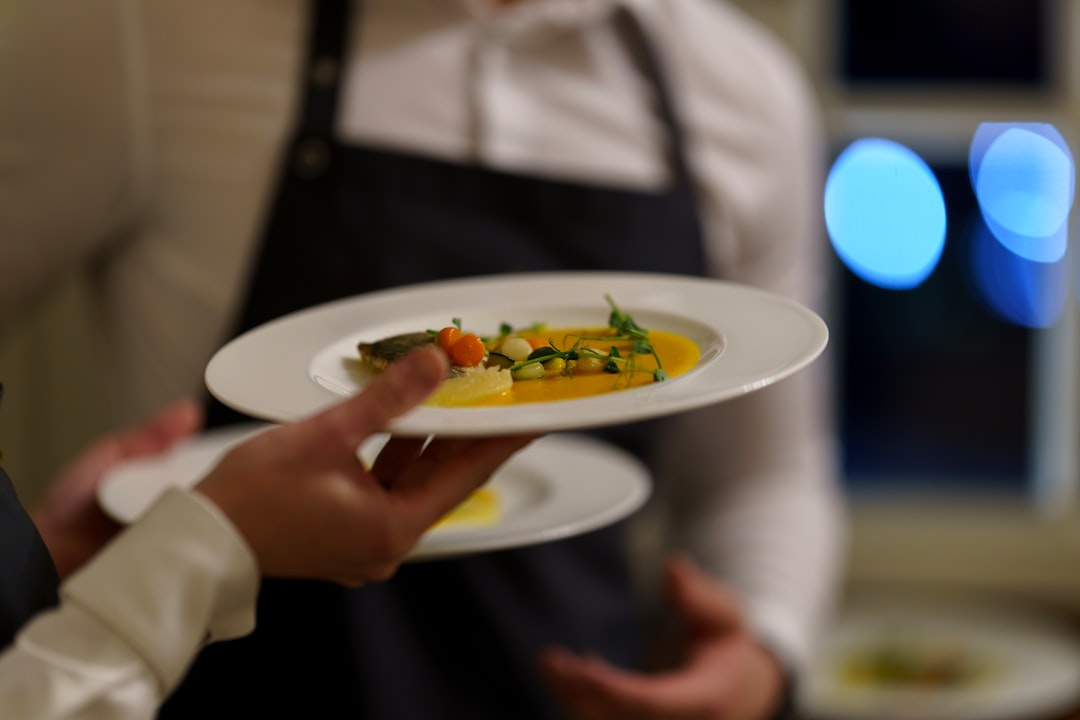
Modern food service management teams require precision and speed to attract, convert, and retain valuable leads. Relying on broad messaging or slow manual processes often results in missed opportunities and wasted ad spend. Explore how restaurants can leverage Google Ads to attract more customers and increase reservations, and consider turning website visits into qualified leads for more targeted sales outreach.
This guide gives food service operators a framework for using Google Ads to generate high-quality leads. Data-driven targeting, dynamic audiences, and cross-channel integration let teams drive measurable growth without wasting spend on the wrong searches. Get started for free with Sona and see how integrated tracking can sharpen your campaigns.
Use Data-Driven Insights for Paid Search Success
Food service marketers face the challenge of reaching diverse customer segments, each with unique needs and purchase cycles. Leveraging granular data from Google Ads ensures every dollar is spent engaging prospects with the highest likelihood of converting. Analytics platforms can reveal which keywords, locations, and times of day deliver the best engagement, equipping teams to refine their strategies with confidence.
Pulling go-to-market data into a single view sharpens the whole picture of campaign performance. When company-level visitor identification is in place, marketers can move beyond anonymous traffic and attribute high-value visits to the businesses behind them, whether that's a regional caterer or a school district's food services office. That clarity supports faster, better-targeted follow-up and cuts down on leads going cold before anyone reaches out.
Implement Keyword and Audience Targeting for Food Service Customers
Effective lead generation in food service management depends on targeting the right audience with the right message at the right moment. Selecting targeted keywords for restaurants and food distributors, such as "bulk food delivery," "event catering services," or "institutional food supply", ensures ads surface for searches with strong commercial intent. For a step-by-step guide to setting up Google Ads for restaurants, focus on audience targeting that segments prospects based on industry, company size, buyer intent, and recent engagement.
As leads browse your site, whether they're comparing catering packages before a holiday party season or researching bulk ingredient pricing, Sona Audiences can update audience lists to reflect that behavior in real time. Budget shifts automatically toward accounts showing genuine buying interest, while spend on cold browsers or one-time recipe searchers gets suppressed. Campaigns stay current with actual demand instead of a static list built weeks earlier.
Align Landing Pages with Creative for Maximum Conversion
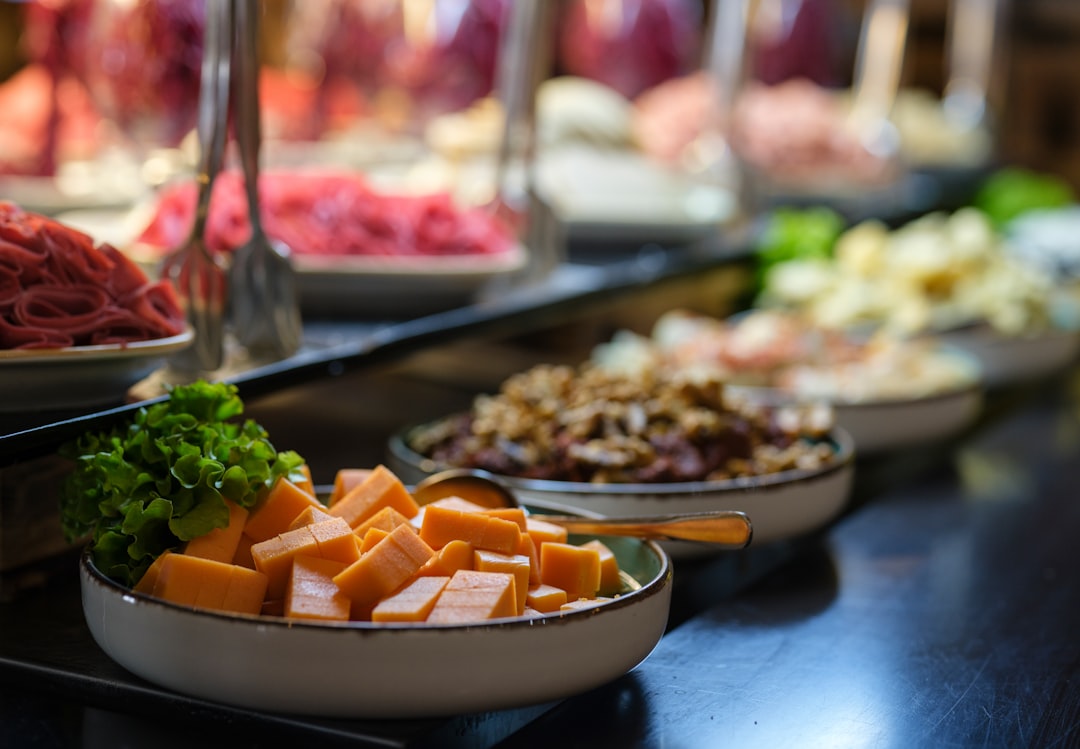
Landing page experience is central to converting food service leads into qualified opportunities. A well-aligned landing page builds trust by delivering on the promise of the ad, whether that means showcasing menu options, bulk order incentives, or downloadable product guides for institutional buyers. Consistency in messaging and design minimizes friction, guiding visitors smoothly from ad click to inquiry or purchase.
Integrating CRM and marketing automation tools allows teams to personalize landing page content for segmented audiences. As enriched lead and account data syncs automatically across channels, food service operators can trigger custom offers or nurture sequences tailored to each prospect’s needs. This alignment between creative, landing page, and follow-up increases conversion rates and drives sustainable growth.
Continuously Optimize Performance for Better ROI
Food service Google Ads accounts reward constant tending, not a set-and-forget mindset. A campaign built for graduation season or holiday catering needs different bids and copy a few months later, and real-time performance data is what tells you when to shift. Click-through rate, conversion rate, and customer acquisition cost remain the core metrics for deciding where budget goes next. For more on this, see this Google Ads ROI guide for restaurants.
Advanced conversion tracking connects ad engagement to both online and offline outcomes, providing a comprehensive view of ROI. Platforms that unify attribution data across the sales funnel empower food service managers to double down on top-performing segments, creative, and channels. Over time, this data-driven approach yields compounding improvements in campaign effectiveness and revenue impact.
Leverage Cross-Channel Integration for Comprehensive Reach
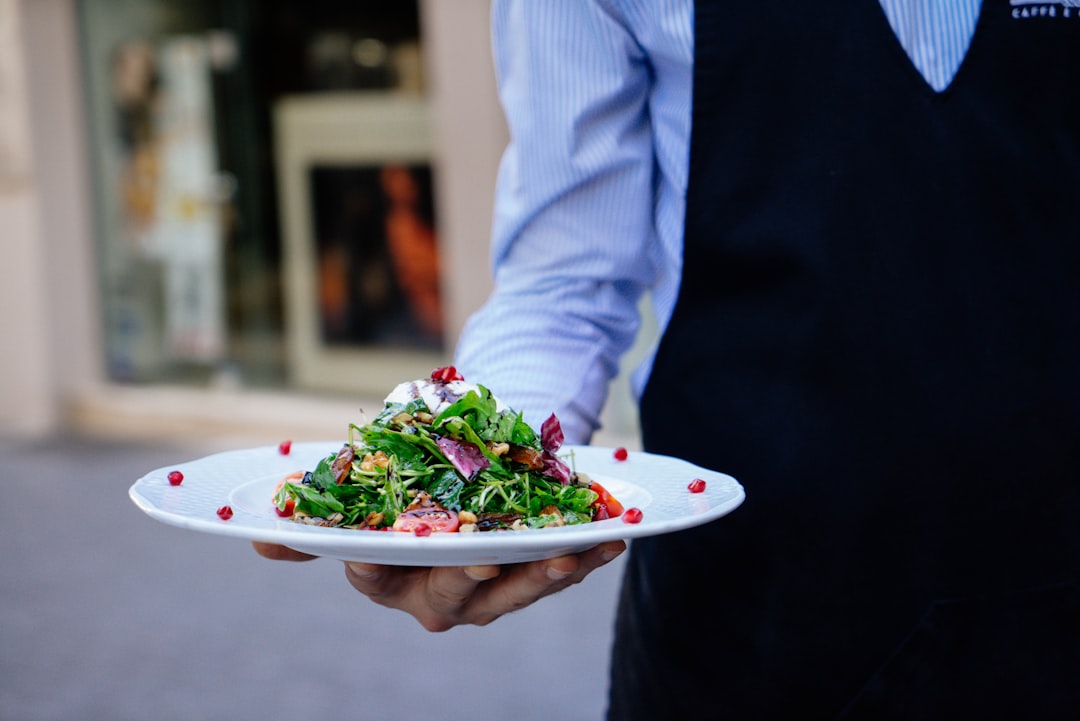
Food service decision-makers do not operate in silos, and neither should your marketing efforts. Integrating Google Ads with other digital and offline channels, such as email, social media, and industry events, creates a cohesive brand presence and maximizes every lead touchpoint. For a deeper understanding, review this analysis of foodservice advertising and branding. Cross-channel orchestration ensures that prospects experience consistent messaging and are engaged wherever they are in the buying process.
A unified data layer allows for seamless audience and lead syncing between Google Ads, CRM, and sales platforms. As leads move through the funnel, dynamic audiences can be updated in real time, ensuring that remarketing and nurture efforts remain aligned with each prospect’s stage and intent. This comprehensive integration delivers both broader reach and higher personalization, driving stronger results for food service management teams.
Why Does Google Ads Matter for Food Service Management
Digital marketing in food service management requires more than broad outreach. Precision targeting with Google Ads empowers marketers to reach decision-makers during critical windows, capturing hungry diners, event planners, or procurement officers at the exact moment they are searching for a better experience or new supplier. For an overview of how restaurants can leverage Google Ads to attract more customers, review this beginner’s guide to Google Ads for restaurants.
Tailored campaigns allow food service brands to address complex audience needs, such as diners dissatisfied with past experiences or institutional clients seeking new vendors. By customizing messaging and offers, campaigns avoid wasted impressions and drive engagement from high-potential leads ready to act.
The fast-paced nature of the industry means that timing is everything. Google Ads delivers rapid results, whether during a lunch rush or a limited-time promotion, by surfacing relevant ads to users with immediate intent. This agility ensures restaurants and suppliers are top-of-mind when customers are ready to make decisions.
As food trends and dining districts evolve, Google Ads makes it possible to quickly test and scale visibility in emerging markets. Marketers can focus spend on neighborhoods or verticals showing the most promise, optimizing reach and return without guesswork.
Robust data integration supports smarter analytics, connecting every click to downstream actions like reservations, purchases, or qualified leads. Platforms that unify campaign data with CRM and sales systems enable a closed-loop view of performance, allowing managers to make informed, real-time decisions about where to allocate budget for the highest impact.
Common Types of Google Ads Campaigns for Food Service Management
- Search Campaigns: Search campaigns place your brand directly in front of local diners and business clients actively searching for food service solutions. By leveraging targeted keywords for restaurants and food distributors, these campaigns capture high-intent traffic and drive immediate engagement. With advanced visitor identification integrated, marketers can now connect the dots between anonymous website visits and actual companies or buyers, unlocking actionable insights for sales teams and enabling precise follow-up.
- Display Ads: Display campaigns keep your restaurant, catering business, or distribution service visible across food blogs, industry news, and review platforms. This format is ideal for staying top-of-mind with decision makers who are evaluating multiple options or comparing vendors. When dynamic audiences are used, ad reach automatically adapts as contacts progress through your sales funnel, ensuring only the most relevant prospects see your brand message at each stage. For a comprehensive overview of how restaurants can leverage Google Ads to attract more customers, see this guide for restaurant campaigns.
- Video Ads: Video campaigns let food service brands show, not just tell, whether that's a walkthrough of signature dishes, a facility tour for prospective institutional buyers, or a look at how a supplier sources ingredients. Pairing video with Sona's Intent Signals shifts budget toward viewers showing real buying interest, and real-time analytics keep delivery efficient. For more on marketing attribution and analytics in food service, see our blog insights.
- Remarketing: Remarketing campaigns re-engage visitors who previously viewed your menu, submitted an inquiry, or abandoned a catering reservation. By syncing CRM and enriched lead data into Google Ads, food service teams can deliver tailored ads to warm leads, increasing the likelihood of conversion while reducing wasted spend. Enhanced conversion tracking also ensures both online and offline actions, such as phone reservations or in-person consultations, are attributed back to the correct campaign, providing a full-funnel view of Google Ads ROI for restaurants and catering providers.
Where to Find Growth Opportunities
Food service management teams gain a competitive edge by moving beyond conventional keyword strategies and uncovering growth opportunities in new customer segments. Precision targeting and real-time audience analysis enable leaders to address persistent challenges like flat engagement and diminishing returns, all while allocating spend where it counts most.
- Vertical keyword targeting for specialty cuisines: Tapping into niche cuisines and dietary preferences, such as vegan catering or gluten-free bakeries, ensures campaigns reach audiences with unique demands. This vertical approach surfaces your business for high-intent searches that generic campaigns often miss, delivering more qualified leads and boosting relevancy scores in Google Ads for food service management. By leveraging advanced visitor identification, marketers can connect campaign performance to actual business outcomes, attributing conversions to specific cuisine-focused keywords and refining spend accordingly.
- Analyze competitor gaps for underserved niches: Systematic competitor analysis reveals market voids where your offerings can stand out. Identifying keywords and ad placements competitors overlook, like institutional meal services or sustainable packaging for food distributors, creates a pathway to own new demand pockets. With dynamic audience capabilities, your campaigns automatically update as new market trends emerge, ensuring your reach adapts with shifting interest and you consistently capture fresh leads as they progress through the funnel.
- Industry placements in food publications: Traditional organic content rarely appears in high-authority food publications or industry news sites, but Google Ads allows targeted placements that expand your audience. Running display campaigns on these platforms puts your brand in front of engaged professionals and decision-makers, driving awareness even outside your usual circles. By integrating CRM and ad platforms, you can sync enriched audience profiles and track engagement from impression to closed deal, validating the true ROI of these innovative placements and ensuring ongoing optimization for food service customer acquisition.
How to Apply Audience Segmentation for Food Service Management
Effective audience segmentation empowers food service marketers to deliver relevant messaging at every stage of the customer journey. Instead of generic outreach, segmentation enables campaigns to reflect specific dining habits, preferences, and purchase triggers, driving engagement and conversions with measurable precision. For actionable frameworks on campaign measurement, explore this guide to measuring marketing’s influence on the sales pipeline.
Defining audience segments starts with understanding the core differences between fast-casual and fine dining patrons. Fast-casual customers often prioritize convenience, value, and speed, responding well to limited-time offers or mobile ordering incentives. Fine dining audiences, in contrast, seek exclusivity, ambiance, and curated experiences, making them more receptive to reservation perks or chef-driven event promotions. By aligning ad groups and creative assets with these distinct needs, campaigns avoid wasted impressions and maximize relevance, see a step-by-step guide to Google Ads for restaurants for practical implementation.
Layering in Sona's Intent Signals sharpens targeting further. Someone searching "brunch near me" on a Saturday morning wants something different from someone searching "dinner tasting menu" reservations for an anniversary. Segmenting by time of day, meal occasion, and location lets marketers schedule ads and adjust budgets around these moments, and monitoring intent in real time means spend can move quickly when a local event or seasonal trend shifts search behavior.
Building ad groups around these segments sharpens performance further. Each group gets its own copy, creative, and call to action, whether that's quick pickup for office lunches or farm-to-table sourcing for health-conscious diners. Sona's Identity Resolution extends this by mapping site visitors to company accounts and updating audience lists automatically as leads engage across touchpoints. When CRM data is integrated, enriched profiles sync into active campaigns for precise retargeting and full-funnel attribution, giving food service teams a unified view of ROI across digital and offline channels. To unlock these capabilities, get started for free with Sona.
This is also where measurement changes the economics. With Sona Marketing Measurement you can identify the companies and buyers behind your ad clicks, not just anonymous sessions, and segment audiences by who actually becomes a customer. That lets you build bid adjustments and audience signals around the segments that convert and de-prioritize the ones that don't, so you feed Google's algorithms "this click became a paying food service management customer" instead of just "someone filled out a form."
Keyword Strategy & Sample Target Terms
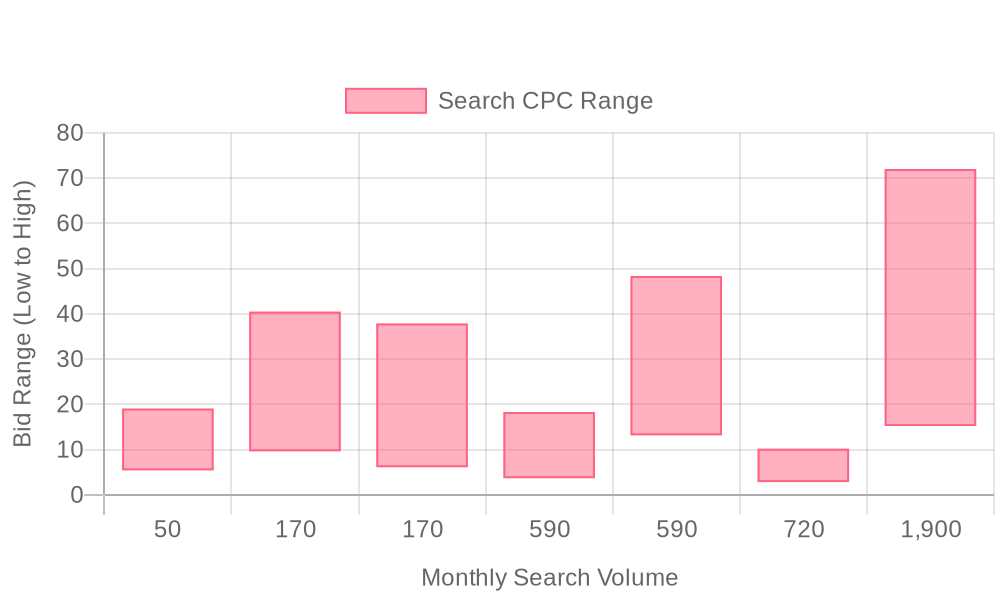
| Industry | Keyword | Monthly Search Volume | Competition Level | Low Bid | High Bid |
| Food Service Management | food management system | 50 | LOW | 5.43 | 19.07 |
| Food Service Management | digital food safety management system | 170 | LOW | 9.64 | 40.48 |
| Food Service Management | restaurant inventory management excel | 170 | HIGH | 6.11 | 37.86 |
| Food Service Management | food safety management system | 590 | LOW | 3.69 | 18.31 |
| Food Service Management | food inventory management | 590 | LOW | 13.17 | 48.36 |
| Food Service Management | food service management | 720 | LOW | 2.83 | 10.2 |
| Food Service Management | restaurant inventory management system | 1900 | LOW | 15.24 | 72 |
A robust keyword strategy lies at the core of successful Google Ads for Food Service Management, directly impacting campaign relevance and ROI. Prioritizing high-intent keywords such as "brunch spots near me" or "best catering service downtown" ensures your ads surface for prospective clients ready to make a decision. For a step-by-step breakdown of keyword selection and campaign setup, explore this Google Ads guide for restaurants.
Targeting buyer-ready terms not only boosts visibility but also shortens the sales cycle by connecting your business with customers at the moment of need. Incorporating local modifiers like "near me," neighborhood names, or city-specific phrases further sharpens targeting, driving higher conversion rates and ensuring ad budgets are focused on high-priority leads. For additional strategies on optimizing demand generation, visit our actionable playbooks.
When marketers unify search, site, and CRM data, they gain the ability to move beyond broad keyword lists and instead map specific pain points or intent signals to audience segments. For example, tracking searches for "private party rooms" or "late night food delivery" and linking them to website behavior allows real-time adjustment of ad spend toward the highest-converting prospects. This dynamic approach lets food service teams respond to shifting demand, allocate budget to the best opportunities, and maximize the return on every click.
Integrating visitor identification and CRM insights into keyword targeting means campaigns don’t just reach anonymous searchers, they engage known accounts and decision-makers who have already shown interest, elevating both personalization and performance. As leads move through your sales funnel, audience lists refresh automatically, ensuring ongoing relevance and eliminating wasted impressions on cold or closed accounts.
Step-by-Step Campaign Execution Framework
Precision campaign execution is critical for food service management teams looking to maximize digital advertising ROI. A systematic approach ensures each campaign stage moves prospects seamlessly from discovery to engagement and conversion, optimizing every advertising dollar. For a deeper dive into marketing attribution and analytics best practices, explore the Sona blog.
Teams who unify their audience, conversion, and account data see measurable gains in targeting accuracy and lead quality. Integrated workflows enable marketers to quickly adapt to demand shifts, capture high-intent buyers, and build a performance-driven digital acquisition engine with real-time audience segments.
Step 1: Build Targeted Keyword Lists
- Service and local modifiers: Sharp keyword selection is foundational for Google Ads for food service management. By pairing core offerings with geo-specific modifiers, such as “corporate catering New York” or “restaurant supply Los Angeles”, campaigns surface directly in front of high-value prospects searching for immediate solutions. This tailored approach increases relevance and reduces wasted impressions, especially in competitive metro markets.
- Long-tail queries and negative filters: Including precise, intent-driven long-tail keywords like “bulk office lunch delivery” or “wholesale gluten-free ingredients” captures niche, purchase-ready segments. Negative keyword filters further refine traffic, eliminating clicks from users seeking unrelated content or personal recipes. Platforms that leverage visitor identification help marketers move beyond anonymous traffic, ensuring that ads reach verified business accounts, not just casual browsers.
The upgrade most food service management advertisers miss is going beyond raw keyword volume to layer in intent and identity signals. By connecting website-visitor data and CRM records with Sona Marketing Measurement, you can see which specific search terms bring in the accounts and customers that actually convert, and weight your keyword and bidding strategy toward those rather than the terms with the highest search volume alone.
Step 2: Develop Compelling Ad Copy
- Pain point headlines and trust signals: Ad copy must quickly demonstrate an understanding of customer challenges, such as food safety, last-minute delivery, or dietary requirements. Headlines that directly address these priorities create instant resonance. Trust badges like “ServSafe Certified” or “24/7 support” in ad extensions add credibility, increasing click-through rates and accelerating consideration. For more insights, check out this actionable playbook for high-impact retargeting.
- Personalization and real-time intent: Dynamic ad elements can reflect real-time search intent or user behavior, such as highlighting a “same-day catering” offer to last-minute planners. When platforms sync in-market behavioral data to Google Ads, marketers can shift budgets and messaging toward accounts showing purchase signals, driving qualified leads into the funnel.
Step 3: Design Effective Landing Pages
- Alignment and conversion confidence: Every click from Google Ads for restaurants and food service management should land on a page that echoes ad messaging. Clear calls to action, up-to-date menus, and FAQs tailored to commercial buyers reduce friction and frustration. Including customer reviews, testimonials from industry peers, and certification logos builds immediate trust, critical for high-stakes food service procurement decisions.
- Integrated lead capture: Pages that connect seamlessly to CRM systems enable automatic enrichment and routing of inbound leads. When enriched audience data flows into both the landing page and CRM, sales teams can prioritize the highest-value opportunities, accelerating response times and improving close rates.
Step 4: Implement Data-Driven Optimizations
- Comprehensive conversion tracking: Beyond standard online form fills, food service marketers should track calls, reservation bookings, quote requests, and even offline sales. Advanced conversion tracking, including online and offline attribution, gives a complete picture of campaign effectiveness, especially when deals close via phone or direct invoice.
- A/B testing and dynamic audiences: Continuous experimentation with headlines, images, and offers reveals what resonates with each segment. Audience cohorts should update automatically as leads move from awareness to intent, keeping retargeting and upsell messaging relevant. When CRM and ad platforms are synced, marketers can exclude converted accounts from awareness campaigns, focus spend on in-funnel prospects, and push evolving lead scores directly into paid media audiences.
A disciplined, data-driven execution framework gives food service management teams the flexibility to adapt, unify insights, and sustain acquisition momentum in a volatile market.
Sona Marketing Measurement closes the gap between clicks and revenue. It captures ad clicks with first-party measurement, ties them through UTM capture and ad-platform APIs to the actual record in your CRM, and reports ROAS by keyword and campaign instead of by last-click form fill. Feeding that revenue signal back into Smart Bidding and Performance Max compounds over time: the algorithms optimize toward booked food service management revenue, not cheap leads.
Tips on Expanding Your Food Service Presence
Expanding your food service presence requires a blend of advanced digital tactics and a nuanced understanding of your target audience. B2B revenue teams that focus on actionable insights and unified data are positioned to engage decision-makers more effectively and drive measurable growth.
Cross-promotion of educational content through retargeting is a proven way to re-engage known stakeholders in the food service industry. By using retargeting campaigns, marketers reinforce value propositions and nurture prospects who have already shown interest in specific solutions. When visitor identification technology is layered in, anonymous traffic transforms into recognizable companies and individuals, making subsequent touchpoints more personal and relevant.
CRM integration unlocks powerful opportunities for audience-based upselling. Syncing enriched customer segments into advertising platforms like Google Ads allows for highly tailored messaging that addresses each segment's unique needs. As audiences update in real time, offers can evolve based on purchase history or in-market behavior, ensuring that campaigns remain relevant as customers move through the buying journey.
Localized ad strategies are essential in food service, where purchase decisions are often geographically bound. Targeting diverse demographics within specific regions ensures broad coverage without diluting relevance. For a step-by-step guide to setting up and optimizing Google Ads campaigns specifically for restaurants, review this Google Ads for restaurants guide. With unified audience data, teams can dynamically adjust campaigns to reach both established and emerging customer profiles, maximizing the impact of each ad dollar.
Finally, leveraging search data to guide content creation ensures that marketing assets align with the actual needs and preferences of your audience. By analyzing high-performing search terms and user queries, food service marketers can develop resources that address pain points and drive engagement. Continuous optimization based on integrated learnings across all channels enables you to attract high-quality leads and sustain long-term growth.
Beyond Google Ads: Winning the AI Answers Food Service Management Buyers Now Trust
Paid search captures demand at the moment someone types a query. But a fast-growing share of food service management buyers no longer start at Google at all, they ask ChatGPT, Gemini, or Perplexity before they ever run a search, and Google's own AI Overviews increasingly summarize an answer above the traditional results. If your business isn't referenced in those AI answers, you're invisible at the exact moment buyers build their shortlist.
Sona AI Visibility shows where your business shows up across ChatGPT, Gemini, Perplexity, Google AI Overviews, and 10+ engines, and, much like a keyword report, which prompts actually send you buyers, so you can prioritize the ones that convert. Run the two together and you cover the entire buyer path: get cited where buyers research (AI Visibility), then prove which of that demand turns into booked revenue (Marketing Measurement).
Helpful resources
Conclusion
Google Ads works for food service management when targeting, copy, and landing pages all point at the same buyer, whether that's a family choosing dinner tonight or a procurement officer sourcing next quarter's catering contract. The harder, more durable advantage comes from connecting ad spend to what actually closes: which keywords bring in accounts that book events, place bulk orders, or become repeat customers, rather than which keywords generate the most form fills.
As more buyers start their search in ChatGPT or Google's AI Overviews before ever typing a query into Search, the operators who win won't just be the ones bidding well on keywords. They'll be the ones who can prove, keyword by keyword and channel by channel, which spend actually turned into booked business.
FAQ
What are the best practices for using Google Ads in food service management?
Best practices include leveraging data-driven insights for precise targeting, integrating go-to-market data for a holistic view, and continuously optimizing campaigns based on performance metrics like click-through and conversion rates.
How can I create effective Google Ads for my restaurant?
To create effective Google Ads, focus on targeted keywords with strong commercial intent, align landing pages with ad messaging, and use audience segmentation to tailor ads to specific customer needs and behaviors.
What keywords should I target for Google Ads in the food industry?
Target high-intent keywords such as 'bulk food delivery,' 'event catering services,' and 'institutional food supply,' and use local modifiers like 'near me' to enhance targeting.
How do I measure the success of my Google Ads campaigns for food service?
Success can be measured by tracking key metrics such as click-through rate, conversion rate, and customer acquisition cost, as well as integrating conversion tracking for both online and offline outcomes.
What budget should I allocate for Google Ads in food service management?
Budget allocation should be guided by real-time performance data and analytics, focusing spend on high-performing segments and adjusting based on metrics such as conversion rates and customer acquisition costs.







