Food processing equipment buyers rarely make a purchase on impulse: a plant manager comparing HACCP-compliant conveyor systems or a procurement director sourcing a replacement pasteurizer typically researches for weeks before requesting a quote. Google Ads lets suppliers reach these buyers at the moment they start that search, bridging the gap between early awareness and a signed order. The common failure point is visibility: most site visitors never fill out a form, so their research goes untracked and their companies never enter a sales pipeline. Tools that identify the companies behind anonymous traffic and route them into customer match lists let suppliers spend against real decision-makers instead of guessing. Done well, Google Ads gives food processing equipment suppliers campaigns that speak to plant-floor realities like compliance, throughput, and uptime, plus a way to trace spend through to actual purchase orders.
How to Generate Food Processing Equipment Leads with Google Ads: A Step-by-Step Guide
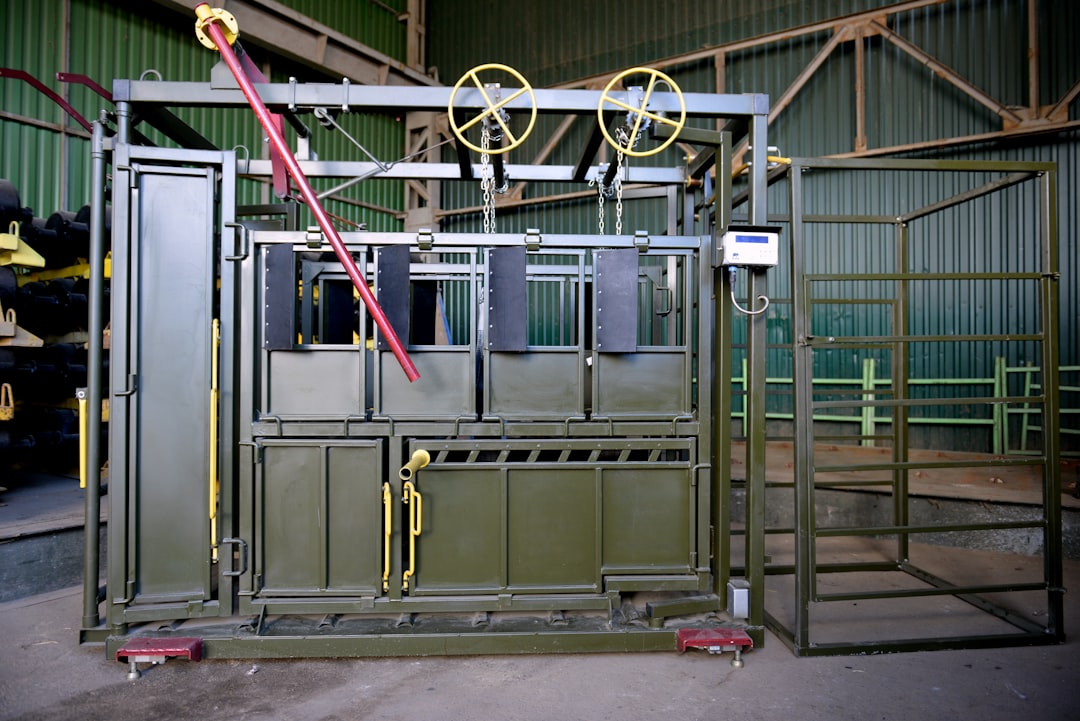
Food processing equipment suppliers operate in a market where precision, speed, and tailored outreach directly influence deal velocity and sales team performance. B2B buyers in this sector rely on digital channels to source compliant, high-capacity solutions for demanding production environments, so capturing these leads with laser-focused Google Ads campaigns is essential to outpace competitors.
A data-first approach in Google Ads for food processing enables suppliers to identify and engage the highest-value prospects while minimizing wasted spend. By leveraging company-level visitor identification, marketers can move beyond anonymous web clicks to pinpoint which businesses are actively researching equipment solutions, ensuring outreach is consistently relevant and timely.
Developing keyword and audience strategies tailored to food processing equipment buyers means focusing on high-intent search terms, such as “industrial food mixer supplier,” and segmenting audiences by company size, geography, and purchase readiness. Dynamic audience updates allow marketers to deploy budget to the accounts with the strongest purchase signals and drive higher conversion rates.
Aligning landing pages and ad creatives to drive maximum conversions involves more than just matching headlines to keywords. For this sector, messaging should highlight operational throughput, certifications, and ROI calculators, while landing pages must offer spec sheets, configuration tools, and proof of compliance. This step-by-step guide for creating Google Ads campaigns for food equipment companies provides actionable tips for aligning creative assets with buyer needs.
Continuously refining and optimizing campaign performance is critical for improving Google Ads ROI for food industry suppliers. Advanced conversion tracking that captures both online and offline touchpoints, along with integrating CRM deal stages and tracking sales calls, allows for closed-loop attribution to measure true impact on revenue. To deepen your attribution strategy, explore our guide to single vs. multi-touch attribution models.
Integrating Google Ads with existing marketing channels further amplifies reach and efficiency for food processing equipment marketing. Syncing enriched audiences and lead data directly to Google Ads, Salesforce, or HubSpot enables seamless remarketing, nurtures high-value accounts, and ensures sales teams act on every qualified opportunity.
Addressing common pain points such as delayed follow-ups is crucial; automatic CRM task creation based on high-value page visits and remarketing cohorts ensures that both sales and ads operate in sync to drive engagement. This approach enables revenue teams to capitalize on every signal of intent, shorten sales cycles, and consistently outperform industry benchmarks in food processing equipment advertising.
Why Google Ads Matters for Food Processing Equipment Suppliers
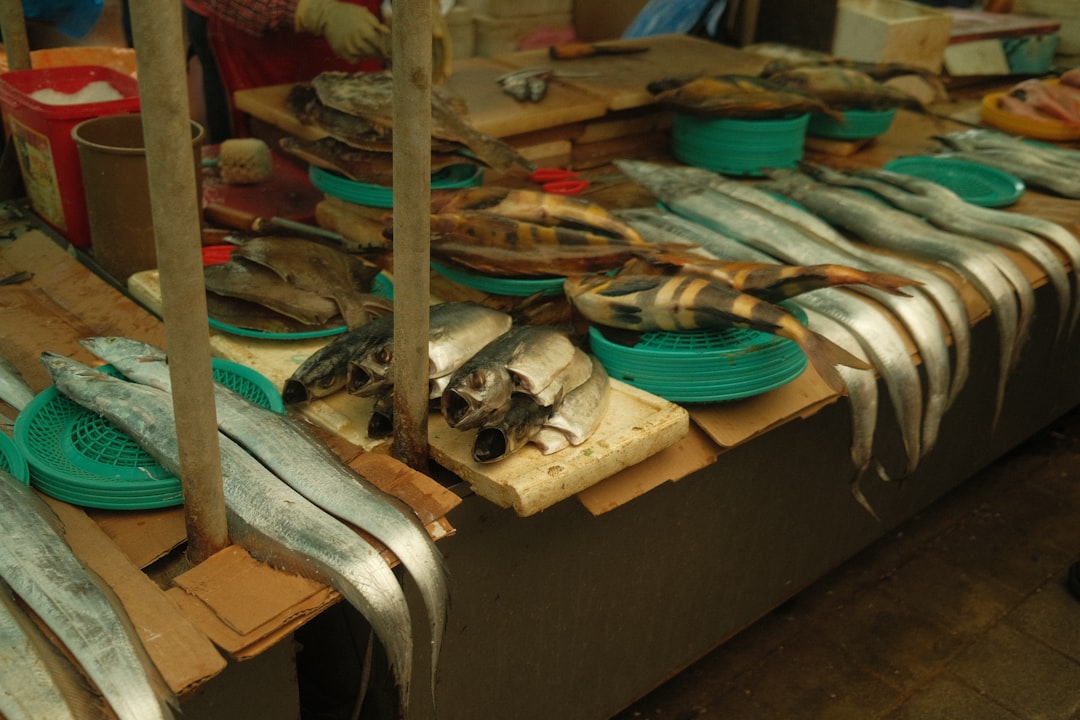
Food processing equipment suppliers operate in a market where procurement cycles are intricate and buying decisions hinge on highly specific needs. Google Ads delivers unique value by intercepting decision-makers at the exact moment they are researching and comparing solutions, outpacing slower, general awareness tactics. For additional insights on digital strategies, explore our blog.
- Specialized Audiences: Google Ads provides direct access to plant managers, engineers, and procurement directors actively searching for equipment upgrades and compliance solutions. While LinkedIn campaigns can elevate brand presence, only Google Ads pinpoints buyers in the purchasing phase, ensuring that marketing dollars are focused on prospects with real project requirements.
- High-Value Orders: In food processing equipment, a single conversion can represent six- or seven-figure revenue. Google Ads enables targeted campaigns that nurture relationships and surface new project opportunities from buyers who have not yet engaged with your sales team. Paired with Sona's Identity Resolution, marketers can identify which companies are showing surging intent, allowing for prioritized follow-up and more efficient pipeline management.
- Immediate Demand Fulfillment: Google Ads excels in converting urgent, qualified demand during short windows of active evaluation. Unlike passive social media campaigns, search-based advertising drives immediate engagement with buyers who are specifying new lines or seeking replacement systems. Sona surfaces intent signals in real time so teams can shift budget and creative to the highest-converting segments as demand spikes.
- Expand Market Reach: Traditional marketing can reinforce relationships in established territories, but Google Ads opens doors to emerging geographies and underserved verticals. Detailed targeting options make it possible to identify and reach facilities expanding production or adopting new technologies, growing your addressable market with precision.
- Data Integration: The integration of online and offline touchpoints gives food equipment suppliers a holistic view of campaign performance. By capturing everything from form fills to trade show scans and attributing them back to digital campaigns, teams can accurately measure Google Ads ROI for food industry initiatives and optimize future spend. When audience and lead data are unified across systems, budget allocation becomes more strategic and performance measurement more actionable.
Ready to improve targeting, measurement, and ROI? Get started for free with Sona.
Common Types of Google Ads Campaigns for Food Processing Equipment Suppliers
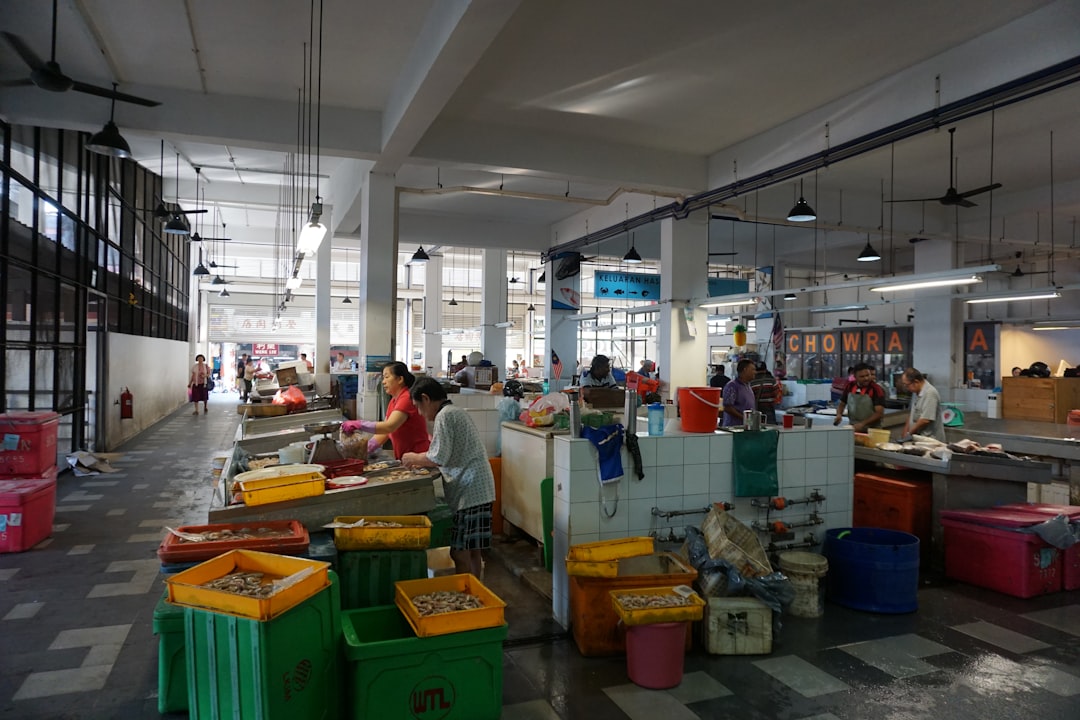
- Search Campaigns: These campaigns capture high-intent buyers actively searching for specialized food processing equipment or services, whether through standard text ads or Responsive Search Ads, an ad format that tests headline and description combinations to find the best performers. By aligning keyword targeting with commercial queries, suppliers can intercept procurement managers as they move from offline research to online evaluation. Integrating visitor identification tools allows marketers to recognize which companies are landing on specific product pages, making it possible to shift ad spend toward accounts demonstrating real purchase intent.
- Display Ads: Display campaigns reinforce brand authority by placing visually compelling banners across relevant industry publications and technical forums. This format is effective for nurturing prospects who are comparing solutions or in early research stages. Dynamic audience segmentation ensures that display ads are served to the right stakeholders as they progress through the decision journey, with real-time updates based on engagement and firmographic data.
- Video Ads: Video content delivers clear, visual explanations for complex machinery, streamlining the education process for technical buyers. These ads complement existing content strategies, offering plant engineers and operations directors an accessible way to understand equipment capabilities. Leveraging real-time intent signals, marketers can prioritize video delivery to companies recently researching similar products or downloading related resources.
- Remarketing: Remarketing campaigns keep your brand top-of-mind for site visitors who explored product specs or pricing but did not convert. By tracking these micro-engagements, suppliers can serve tailored ads highlighting certifications, case studies, or time-limited offers. For practical advice on setting up and optimizing remarketing, see this guide to Google Ads for food businesses. As leads revisit your site or interact with content, dynamic audience lists update automatically, ensuring each remarketing touchpoint is relevant and timely.
- Performance Max: Performance Max campaigns pool inventory across Search, Display, YouTube, and Gmail into a single goal-based campaign, useful for suppliers who want Google's bidding algorithm to find high-intent accounts across channels without managing each placement separately. This works best once conversion tracking is mature enough, both online form fills and offline purchase orders, to give the algorithm a clear signal of what a qualified lead looks like.
- Ad Assets: Ad assets enhance CTR by including additional, context-rich information such as facility locations, certification badges, and direct contact links. These assets give procurement teams fast access to critical information during their evaluation process. Advanced conversion tracking ties form submissions and phone inquiries back to specific assets, providing true ROI measurement for each campaign element.
One-size-fits-all campaigns frequently underperform in the industrial equipment space. Segmenting accounts based on company size, purchase history, and real-time activity enables the creation of specialized campaigns that address the unique needs of each buyer segment. This targeted approach, supported by synchronized CRM and ad audience data, increases engagement and drives higher-quality leads through the funnel.
Where to Find Growth Opportunities?
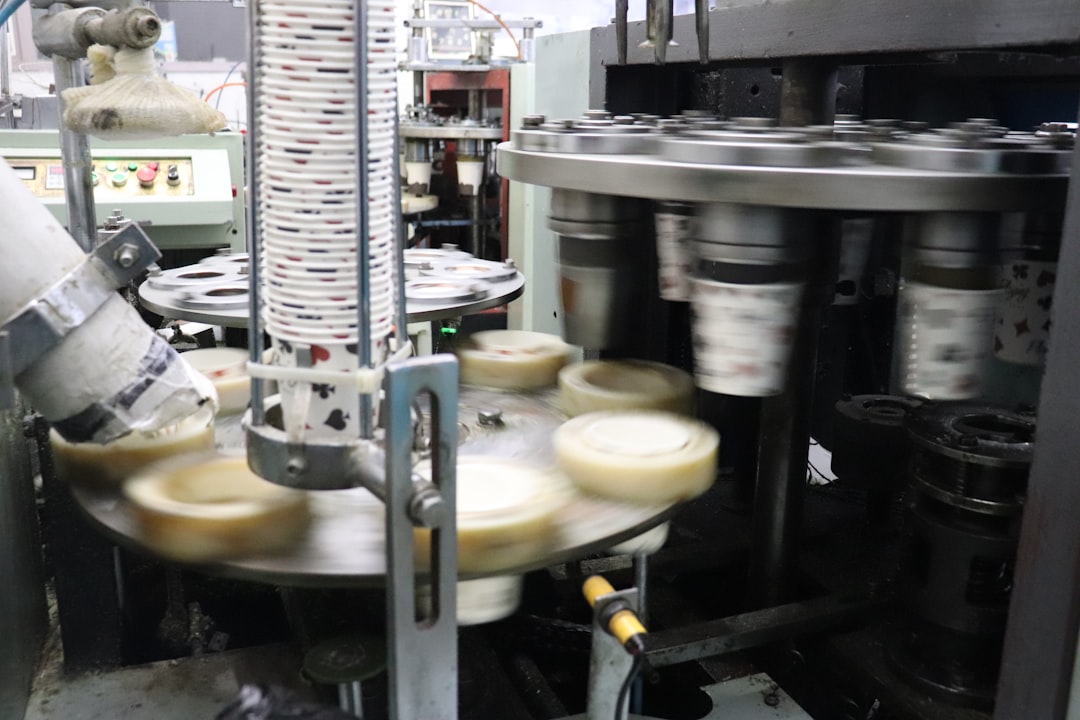
Food processing equipment suppliers operate in a competitive B2B landscape where sustained growth depends on uncovering untapped digital channels and optimizing every stage of the buyer journey. Focused strategies combining vertical expertise, data-driven targeting, and integrated campaign management help suppliers uncover hidden revenue streams while building long-term industry authority.
- Vertical keyword focus: Prioritizing specialty equipment and process-specific services within your Google Ads campaigns drives higher-quality lead flow. For example, targeting phrases such as “automated bulk food slicer supplier” or “HACCP-compliant conveyor systems” ensures your ads appear when operations managers and procurement professionals are actively searching for solutions. By mapping your existing service lines to these granular keyword clusters, you can maximize ad relevance and minimize wasted spend on broad or consumer-facing queries. Advanced tools like Sona now allow dynamic updates to keyword lists based on live intent signals, so your ads adjust as the market shifts.
- Competitor analysis: Using platforms like SEMrush, suppliers can identify gaps in their own campaigns by benchmarking against industry peers. Comparing keyword portfolios and placement data reveals opportunity areas, such as niche product models or underutilized verticals, where you can outmaneuver slower-moving competitors. Integrating real-time visitor identification and intent tracking makes it possible to not only spot where competitors are winning traffic, but also to redirect budget toward high-value accounts researching your solutions.
- Industry placements: Food equipment buyers often frequent specialized directories, procurement forums, and industry publications outside of mainstream search channels. Identifying these placements and layering them into your campaign mix expands your reach beyond Google Search to where technical buyers gather information and request recommendations. Leveraging programmatic display or placement-specific targeting, you can drive awareness at key decision points, ensuring your brand stays top-of-mind in every relevant buying cycle.
- Cross-content retargeting: Existing content assets such as spec sheets, whitepapers, or compliance guides are powerful tools for nurturing high-intent prospects who may not convert on their first visit. By building retargeting audiences based on content engagement, suppliers can serve tailored ads that address buyer hesitations or highlight unique value propositions. When CRM and ad platforms are tightly synced, audience lists update dynamically as leads progress from research to purchase, allowing you to personalize follow-up and boost conversion rates.
Missed high-value prospects are often the result of fragmented tracking or outdated nurture workflows. Modern platforms now provide unified attribution across online and offline touchpoints, ensuring every interaction, whether a trade show badge scan or a digital RFQ, is captured and routed to the right sales team. This holistic view enables revenue leaders to prioritize follow-up, allocate budget efficiently, and close the loop on every opportunity in the pipeline.
How to Apply Audience Segmentation for Food Processing Equipment Suppliers
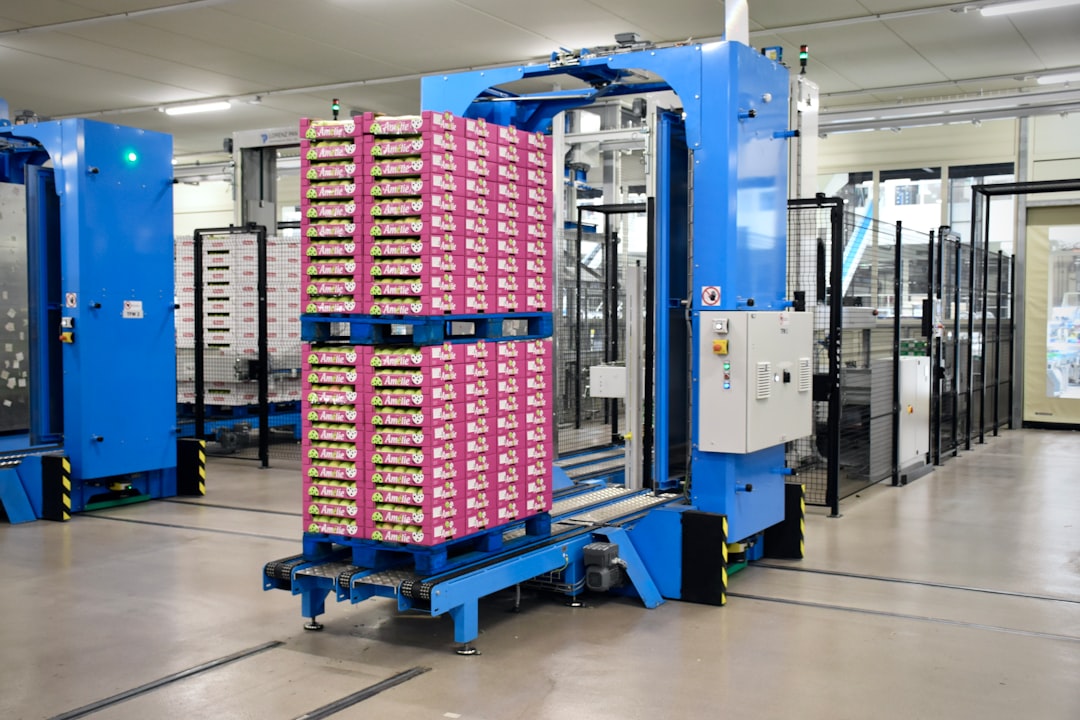
Audience segmentation is the foundation of high-performing digital marketing for food equipment suppliers. With a market defined by diverse buyers, ranging from single-site restaurants to large-scale industrial food processors, precision targeting ensures that messaging and offers reach the right decision-makers at exactly the right time. This approach delivers superior engagement, minimizes wasted ad spend, and elevates conversion rates by aligning outreach with each segment’s unique pain points and purchasing cycles.
- Define Precise Segments: Differentiating between restaurants, commissaries, and large industrial units is essential because their needs and buying processes differ dramatically. Restaurants might prioritize compact, energy-efficient machines, while industrial buyers are more concerned with throughput, automation, and regulatory compliance. Slicing your audience into these distinct segments allows marketers to create messaging, product offers, and landing pages that resonate with each group’s priorities, from maintenance contracts for smaller operations to high-capacity system upgrades for large plants.
- Overlay Intent Signals: Combining intent signals such as routine maintenance inquiries with behaviors indicating interest in new equipment purchases creates a powerful targeting matrix. When a facility manager downloads a maintenance checklist and later views a product demo, it signals an evolving need. Real-time intent data allows marketers to dynamically allocate budget and activate higher-touch outreach for accounts demonstrating readiness to buy, ensuring that high-value opportunities never slip through the cracks.
- Create Specific Ad Groups: Building ad groups tailored to each segment and interest profile improves relevance and click-through rates. For example, one group might focus exclusively on “industrial tomato processing lines,” while another targets “compact vacuum packagers for bakeries.” Allocating budget and creative resources to these granular groups ensures that every campaign dollar advances the buyer through the funnel, while dynamic audience updates reflect new behaviors and maintain segment accuracy as prospects interact with your brand.
- Validate Conversion Trajectories: The journey from initial click to qualified lead often spans multiple touchpoints. Integrating your CRM with ad platforms provides visibility into every conversion event, whether it’s a quote request, a phone consultation, or a form fill. Advanced solutions make this process seamless, syncing enriched audience data and conversion outcomes back into Google Ads, HubSpot, or Salesforce. This feedback loop enables rapid follow-up, optimizes bidding strategies for high-value segments, and prevents hot leads from cooling off before sales can engage.
When segmentation, intent data, and conversion validation work together, food processing equipment suppliers can execute high-impact, personalized campaigns that consistently outperform industry benchmarks for Google Ads ROI. This level of orchestration not only drives measurable lift in lead quality but also transforms digital marketing from a cost center into a predictable engine for revenue growth.
This is also where measurement changes the economics. With Sona Marketing Measurement you can identify the companies and buyers behind your ad clicks, not just anonymous sessions, and segment audiences by who actually becomes a customer. That lets you build bid adjustments and audience signals around the segments that convert and de-prioritize the ones that don't, so you feed Google's algorithms "this click became a paying food processing equipment suppliers customer" instead of just "someone filled out a form."
Keyword Strategy & Sample Target Terms
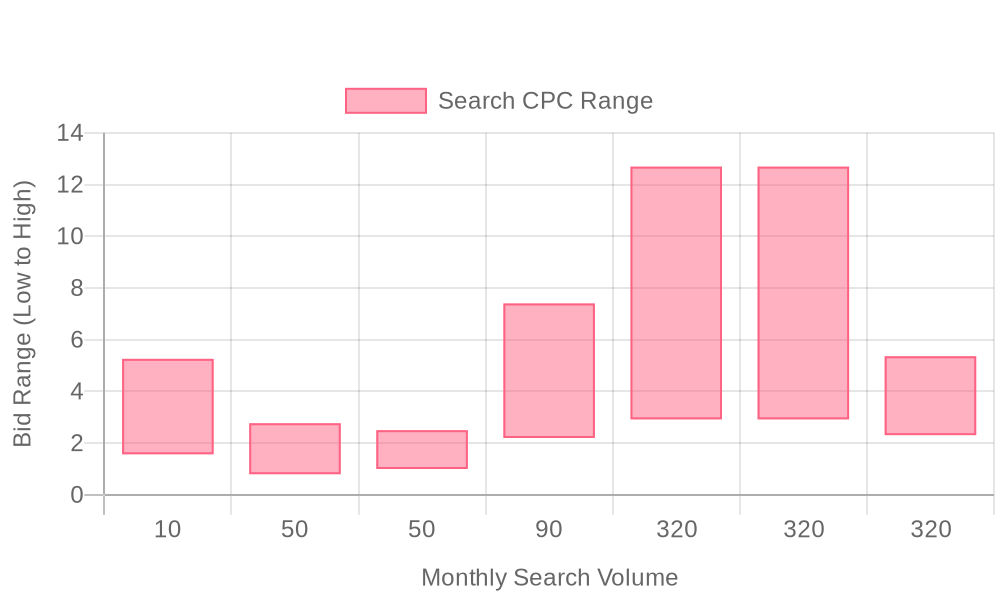
| Industry | Keyword | Monthly Search Volume | Competition Level | Low Bid | High Bid |
| Food Processing Equipment Suppliers | food manufacturing machinery | 10 | LOW | 1.57 | 5.26 |
| Food Processing Equipment Suppliers | meat cutting supplies | 50 | HIGH | 0.8 | 2.77 |
| Food Processing Equipment Suppliers | ice cream manufacturing equipment | 50 | MEDIUM | 1 | 2.5 |
| Food Processing Equipment Suppliers | food production machinery | 90 | LOW | 2.2 | 7.4 |
| Food Processing Equipment Suppliers | food processing equipment suppliers | 320 | LOW | 2.92 | 12.69 |
| Food Processing Equipment Suppliers | food processing equipment manufacturers | 320 | LOW | 2.92 | 12.69 |
| Food Processing Equipment Suppliers | food manufacturing equipment | 320 | MEDIUM | 2.31 | 5.36 |
Food processing equipment suppliers operate in a highly competitive B2B environment where buyers conduct extensive research before making purchasing decisions. Capturing these decision-makers at the precise moment they search for solutions is essential for maximizing lead quality and driving revenue growth.
A data-driven keyword strategy focuses on mapping out the full spectrum of buyer intent, from broad research queries to highly specific purchase-ready searches. Effective campaigns segment keywords into product categories, compliance requirements, and technical specifications, ensuring ads appear for both early-stage researchers and late-stage buyers. For example, targeting terms like “industrial food mixer for sale,” “HACCP-compliant conveyor system,” or “bulk meat slicer supplier” enables suppliers to attract prospects with clear purchase intent while maintaining relevance for those gathering information. For step-by-step guidance, developing Google Ads for a food equipment company can help structure campaigns that align with industry needs.
- Strategic Value: Google Ads empowers food processing equipment suppliers to intercept active buyers at the exact moment of need. This significantly increases the chance of engaging accounts ready to evaluate vendors and speeds up sales cycles. When integrated with a unified data platform like Sona's Identity Resolution, marketers can identify not just which keywords are generating clicks, but which drive high-value conversions.
- Precision: Granular targeting ensures your ads are shown to procurement managers, plant engineers, and operations directors, filtering out casual browsers and irrelevant traffic. Using dynamic audience lists that automatically update as leads progress through the funnel, marketers can deliver tailored messaging to each stage, increasing engagement and conversion rates.
- ROI Measurement: Attribution is crucial for long sales cycles typical of food processing equipment deals. Advanced conversion tracking, capturing both online form fills and offline actions such as demo requests or signed agreements, provides a complete view of campaign impact from initial click to closed deal. By linking Google Ads data with CRM and sales platforms, teams measure true ROI and allocate budget to the most effective keywords and audiences.
- Channel Synergy: A robust keyword strategy enables retargeting across multiple channels, including display, YouTube, and social platforms. When visitor identification tools reveal which companies are engaging with specific ads or landing pages, campaign budgets can be adjusted in real time to prioritize high-intent accounts, ensuring maximum return from every channel.
- Pro Tip: Structure your Google Ads account around your core equipment lines, buyer intent segments, and key geographic markets. Apply negative keywords such as “DIY,” “home kitchen,” or “used equipment” to eliminate unqualified clicks. Regularly review search term reports to refine your negative list and uncover new high-performing opportunities. This approach keeps campaigns focused, cost-efficient, and aligned with business development goals.
Step-by-Step Campaign Execution Framework
Step 1: Build Targeted Keyword Lists
Effective keyword selection is foundational in Google Ads for food processing equipment suppliers. Begin by segmenting keywords according to specific services, such as "industrial meat slicers" or "automated bottling lines," to capture buyers searching for distinct solutions. Localize keywords where relevant, adding regional identifiers or city names to connect with plant managers in targeted territories. Incorporate long-tail keywords that reflect commercial intent, such as "FDA-approved food conveyor system supplier" or "bulk purchase commercial freeze dryer," to attract high-value leads further along the buying cycle.
Modern platforms enable marketers to look beyond anonymous search volume and identify which companies are clicking on high-intent terms. This visitor-level insight allows for dynamic budget allocation, focusing efforts on accounts demonstrating real purchasing behavior. As prospects move through the funnel, audience lists are automatically refined and synced into campaign targeting, ensuring ads remain relevant as buyer intent evolves.
For a real-world look at Google Ads strategies in the food industry, see this case study on fast food Google Ads ROI.
The upgrade most food processing equipment suppliers advertisers miss is going beyond raw keyword volume to layer in intent and identity signals. By connecting website-visitor data and CRM records with Sona Marketing Measurement, you can see which specific search terms bring in the accounts and customers that actually convert, and weight your keyword and bidding strategy toward those rather than the terms with the highest search volume alone.
Step 2: Ad Copy Development
Compelling ad copy addresses real-world challenges faced by food processing operations. Highlight critical pain points, such as regulatory compliance, production downtime, or sanitation standards, directly in headlines and descriptions. Establish trust by referencing certifications, industry affiliations, or well-known client partnerships, and always include a clear call to action that communicates urgency, whether it’s “Request a Custom Quote Today” or “Book a Live Demo.”
With dynamic intent signals feeding into Google Ads, messaging can be fine-tuned in real time. As buyer interest shifts or new decision-makers engage, campaigns automatically serve the most relevant ad variants, increasing the likelihood of conversion. Integrating ad performance data with CRM records ensures that high-performing messages are scaled efficiently, while underperforming creative is quickly retired.
Step 3: Design Landing Pages
A seamless transition from ad to landing page is essential for converting prospects into qualified leads. Each landing page should reinforce the ad’s promise with detailed product information, interactive ROI calculators, and clear calls to action such as “Download Technical Specs” or “Schedule a Plant Assessment.” Trust signals, like video testimonials from food manufacturers or third-party compliance certifications, help reduce friction at the point of conversion.
Visitor identification tools allow marketing teams to personalize landing page content based on company profile and buying stage. For instance, a returning visitor from a major dairy producer might see case studies tailored to large-scale pasteurization equipment, while a new lead could receive educational content on regulatory best practices. Real-time engagement data is captured across all landing page interactions, delivering actionable insights to sales teams for immediate follow-up.
Step 4: Data-Driven Optimizations
Continuous optimization is the engine of Google Ads ROI for food processing equipment suppliers. Every conversion, whether a form submission, phone inquiry, or offline event such as a trade show meeting, is tracked and attributed back to the originating campaign. Smart bidding algorithms adjust budgets in response to real-time intent signals, prioritizing spend on high-converting keywords and audiences.
Offline conversions, such as purchase orders issued after initial web engagement, are synced back into the digital analytics stack. This closed-loop attribution provides a comprehensive view of which ads and keywords drive true revenue, not just leads. With enriched data flowing between Google Ads, CRM, and marketing automation platforms, campaign performance is continually benchmarked and refined, ensuring every dollar spent drives measurable business growth.
Sona Marketing Measurement closes the gap between clicks and revenue. It captures every ad click with first-party tracking that avoids relying on third-party cookies, then ties that click through UTM capture and ad-platform APIs to the actual record in your CRM, and reports ROAS by keyword and campaign instead of by last-click form fill. Feeding that revenue signal back into Smart Bidding and Performance Max compounds over time: the algorithms optimize toward booked food processing equipment suppliers revenue, not cheap leads.
Tips on Expanding Your Presence
Expanding your visibility as a food processing equipment supplier requires a multi-layered approach that blends digital precision with strategic alliances. By combining advanced audience targeting, intent-driven messaging, and integrated relationship management, suppliers can capture heightened attention and outpace competitors in both established and emerging markets.
- Cross-promote Educational Content: Supporting your broader content strategy with retargeting is essential for increasing share-of-voice among B2B buyers. When visitors engage with guides on optimizing line efficiencies or regulatory compliance, dynamic retargeting campaigns remind them of your expertise, nurturing leads through extended sales cycles. Utilizing real-time intent data ensures your content appears to the right prospects as they actively research, driving more qualified traffic back to your resource hub.
- Upsell and Cross-sell Opportunities: Leveraging CRM data to segment existing clients allows for highly targeted Google Ads strategies, promoting complementary equipment or service packages. As your CRM syncs enriched lead and account data directly into Google Ads, you can deliver timely, relevant offers, such as maintenance contracts or retrofit kits, to accounts nearing contract renewal or those exhibiting signs of expansion, maximizing customer lifetime value. For step-by-step guidance on creating effective campaigns, see how to develop Google Ads for a food equipment company.
- Form Strategic Partnerships: Partnering with industry organizations or allied suppliers enables the creation of co-branded campaigns that reach new audiences and reinforce credibility. Integrating campaign performance data from both parties helps pinpoint which partnership efforts drive the highest engagement, allowing for smarter allocation of joint marketing budgets and more impactful messaging.
- Localized Expansion Efforts: Strengthening your presence in specific markets necessitates localized campaigns that reflect regional regulations, industry events, and language preferences. Geo-specific targeting within Google Ads, combined with dynamic audience updates as buyers engage with local landing pages or event signups, ensures your brand’s messaging resonates in every target market. This tailored approach not only increases engagement rates but also drives higher conversion and ROI across diverse territories.
Tailored campaigns that adapt to shifting buyer behaviors and intent signals ensure messaging always aligns with audience needs. This level of precision consistently leads to stronger engagement, increased lead quality, and measurable improvements in return on investment for food processing equipment suppliers.
Beyond Google Ads: Winning the AI Answers Food Processing Equipment Suppliers Buyers Now Trust
Paid search captures demand at the moment someone types a query. But a fast-growing share of food processing equipment suppliers buyers no longer start at Google at all, they ask ChatGPT, Gemini, or Perplexity before they ever run a search, and Google's own AI Overviews increasingly summarize an answer above the traditional results. If your business isn't referenced in those AI answers, you're invisible at the exact moment buyers build their shortlist.
Sona AI Visibility shows where your business shows up across ChatGPT, Gemini, Perplexity, Google AI Overviews, and 10+ engines, and, much like a keyword report, which prompts actually send you buyers, so you can prioritize the ones that convert. Run the two together and you cover the entire buyer path: get cited where buyers research (AI Visibility), then prove which of that demand turns into booked revenue (Marketing Measurement).
Helpful resources
Conclusion
Google Ads works for food processing equipment suppliers when it's built around how these buyers actually shop: long research cycles, compliance requirements, and purchases that can't be undone easily once signed. Keyword strategy, audience segmentation, and closed-loop attribution all exist to serve that reality, not to check boxes.
The suppliers who win the next few years of this market will be the ones who can prove which keyword, which ad, and which account actually turned into a signed purchase order, not just which campaign generated the most form fills. Start for free and put that proof behind your own campaigns.
FAQ
What are the best practices for Google Ads in the food processing industry?
Best practices include using highly targeted campaigns that focus on high-intent search terms, aligning ad creatives with industry-specific messaging, and continuously refining campaigns through data-driven insights to improve ROI.
How can food processing equipment suppliers optimize their Google Ads campaigns?
Suppliers can optimize campaigns by leveraging real-time visitor identification, segmenting audiences by company size and purchase readiness, and integrating CRM data for closed-loop attribution.
What budget should food processing equipment suppliers allocate for Google Ads?
The article doesn't specify an exact budget but suggests focusing spend on high-value accounts and optimizing campaigns based on real-time intent signals to ensure cost-efficiency.
What keywords should be targeted for Google Ads in food processing?
Keywords should focus on high-intent search terms such as 'industrial food mixer supplier' and incorporate long-tail keywords reflecting commercial intent like 'FDA-approved food conveyor system supplier.'
How can Google Ads improve sales for food processing equipment suppliers?
Google Ads can improve sales by intercepting decision-makers during their research phase, using targeted campaigns to engage high-intent prospects, and integrating digital engagements with offline sales outcomes for comprehensive ROI measurement.