


Food coloring buyers, from home bakers to industrial manufacturers, rarely convert on the first visit, and a missed follow-up often means a lost sale. Google Ads gives brands in this sector a way to reach buyers at the moment they're searching, whether for a small batch of vibrant gel dye or a bulk order of natural colorant for a production line. Paired with strategic targeting and creative that speaks to each buyer type, that intent can be turned into a pipeline: timely, relevant follow-up that keeps your brand in front of the right accounts as they move toward a purchase.
How to Generate Leads with Google Ads for Food Coloring Products
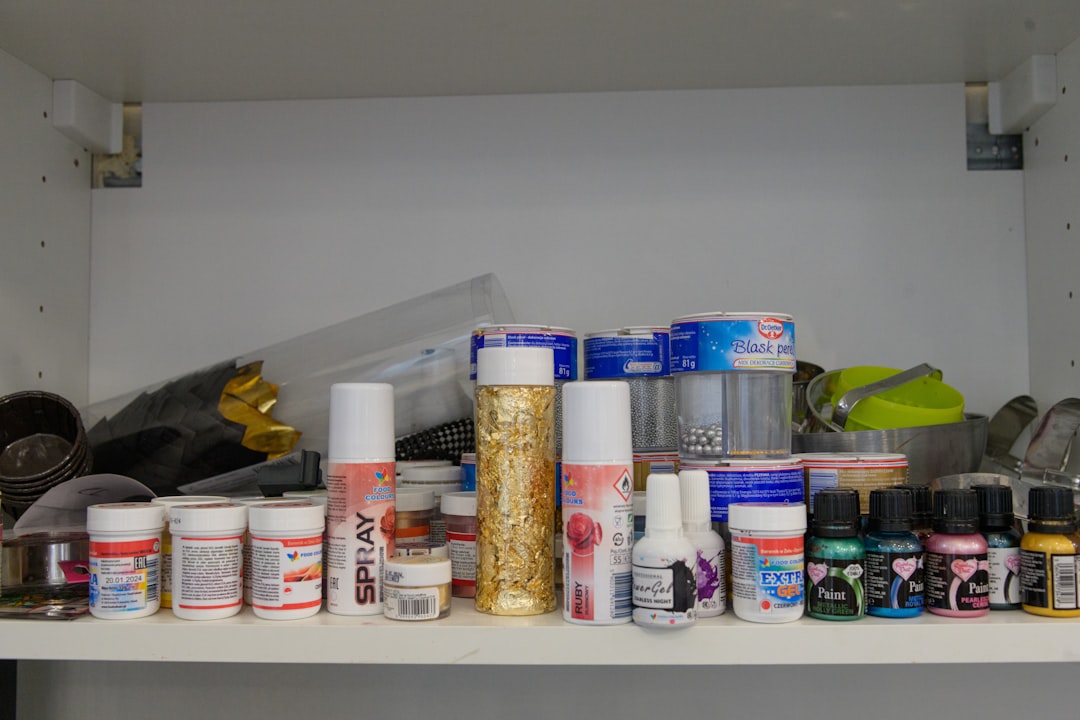
Digital campaigns for food coloring products require more than basic awareness, they demand precise targeting, compelling creative, and seamless follow-up to convert engaged prospects. Success hinges on leveraging real-time buyer signals and integrating data across every touchpoint to capture leads as they move through the decision journey.
Food coloring buyers, from manufacturers to specialty bakeries, have distinct purchasing needs that generic campaigns rarely address. Marketers who synchronize their advertising, audience management, and lead tracking unlock meaningful insights to guide budget allocation and maximize conversion rates. PPC strategy for food products provides a deeper look at this trend.
Keyword and Audience Targeting for Decision Makers
Effective google ads for food coloring products start with targeting search intent and in-market buyers. Top-performing campaigns use industry-specific keyword clusters such as "natural food colorant supplier," "bulk food coloring for bakeries," and "FDA-approved food dyes." Segmenting audiences by role, procurement, R&D, or culinary operations, ensures messaging resonates at each decision point.
Marketers can now identify site visitors down to the company and buying role, moving beyond anonymous clicks to actionable contacts. Sona's Identity Resolution helps reveal high-value site visitors and enables more targeted follow-up.
Dynamic audience segmentation is essential as prospects engage across channels. Audience lists must update automatically as leads download spec sheets, request pricing, or engage with product demos, feeding high-intent contacts directly into remarketing pools and nurturing workflows. This unified approach eliminates the disconnect between paid campaigns and CRM systems that often delays follow-up and reduces close rates.
Aligned Ad Creatives and Landing Pages
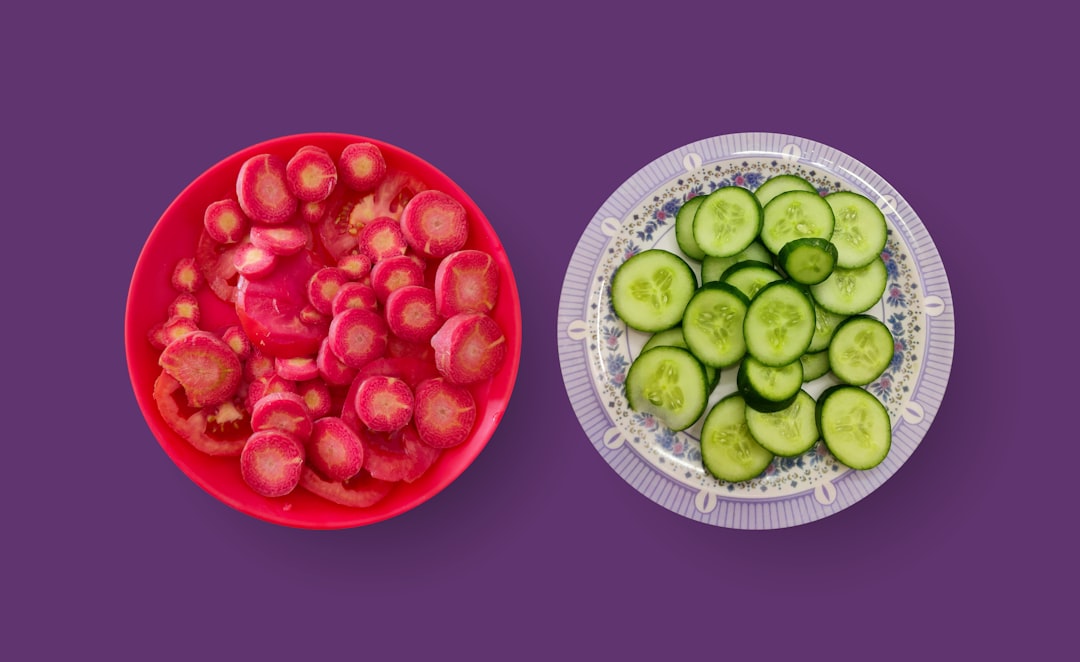
Conversion-optimized ad creatives for food coloring products showcase visual evidence, high-resolution images of color performance in real food applications, ingredient transparency, and compliance badges (organic, vegan, kosher). Ad copy should address regulatory and quality concerns, with headlines like “Plant-Based Food Coloring, Meets EU and FDA Standards” or “No Artificial Dyes, Certified Allergen-Free.”
Landing pages must reflect each keyword group’s promise. For example, traffic from “bulk natural food dye” ads should arrive on pages highlighting wholesale tiers, technical documentation, and easy quote requests. Google Shopping ads guide shares industry benchmarks for this approach.
Advanced conversion tracking ties every ad click to downstream actions, such as sample kit requests or B2B inquiry submissions, whether completed online or through offline touchpoints. This full-funnel visibility helps teams attribute revenue directly to specific google ads for food products, optimizing spend for high-value segments and demonstrating true ROI.
Cross-Channel Lead Capture and Automation

Integrating google ads for food coloring products with your broader digital marketing for food products strategy ensures that leads are nurtured from first touch to closed deal. We’ve covered nurturing strategies in detail in retargeting with intent signals.
Automated triggers can initiate tailored email sequences, assign sales tasks, or prompt direct outreach based on real-time engagement metrics. As leads interact across email, social, and paid search, audience lists update dynamically, ensuring retargeting campaigns focus on the most conversion-ready accounts.
This unified system not only streamlines advertising food coloring efforts but also builds a feedback loop to refine audience definitions, creative assets, and landing page experiences for future campaigns. Marketers gain a competitive edge by orchestrating every touchpoint with data-driven precision, resulting in higher quality leads and improved marketing ROI.
Why Does Google Ads Matter for Food Coloring Products
Food coloring brands operate in a market defined by fluctuating demand, niche buyer segments, and the need to respond rapidly to seasonal trends. Success depends on the ability to identify and engage high-value prospects with messaging tailored to their current needs and purchasing intent.
Google Ads is uniquely positioned to solve these challenges for food coloring companies. By leveraging advanced targeting and analytics, marketers can capture both specialized buyers seeking bulk orders and smaller, trend-driven audiences. This approach ensures that campaigns reach the right accounts at the right moments, maximizing both conversions and return on ad spend.
- Precision Outreach: Google Ads allows brands to distinguish between casual site visitors and organizations with genuine purchase intent. Using granular visitor identification, marketers can uncover which companies are engaging with product pages and prioritize follow-up with the most promising leads. Solutions such as Sona's Identity Resolution support marketers in pinpointing high-value prospects and reducing wasted ad spend.
- Agility In Seasonal Campaigns: The food coloring sector is heavily influenced by events, holidays, and evolving consumer trends. Google Ads makes it possible to launch and adjust campaigns in real time, shifting budget and messaging as new opportunities arise. PPC strategy for food products provides a deeper look at adapting campaigns to industry seasonality.
- Actionable Analytics For Broader Strategy: Comprehensive reporting within Google Ads provides marketers with deep insights into campaign performance, keyword effectiveness, and buyer behavior. Data extracted from these campaigns informs broader food coloring marketing strategies, enabling revenue teams to refine targeting, optimize creative, and unify messaging across channels. When integrated with enriched CRM and audience data, these insights drive more coordinated sales and marketing efforts, ensuring that each touchpoint is both relevant and measurable.
Google Ads empowers food coloring brands to move beyond generic, one-size-fits-all advertising. By combining precision targeting, rapid response capabilities, and unified analytics, these companies can consistently reach the most valuable audiences, driving growth in a dynamic, competitive market. For more on how to elevate your campaigns with intent-driven retargeting, check out our guide on retargeting with intent.
Common Types of Google Ads Campaigns for Food Coloring
Food coloring brands operate in a visual, specification-driven market that demands precision in targeting and messaging. Effective campaign structure ensures every ad dollar works harder, capturing both high-intent buyers and those exploring new product applications.
- Search Campaigns: High-intent searches, such as “natural food coloring bulk” or “vegan food dye supplier,” deliver qualified traffic directly to your product pages. Precision keyword targeting filters out irrelevant clicks, while real-time visitor identification enables marketers to recognize returning B2B buyers or specific companies, refining messaging and budget allocation instantly. For a deeper dive into optimizing for search intent and attracting the right buyers, Food Product PPC Strategy provides actionable examples.
- Display Ads: Display placements build brand awareness and keep food coloring products top-of-mind during long buying cycles. With dynamic audience segmentation, you can automatically adjust creative and offers as prospects move from awareness to consideration, using behavioral insights to push only the most relevant visuals to each user group.
- Video Ads: Video formats excel at demonstrating food coloring in action, from vibrant cake designs to beverage transformations. By tracking real-time engagement and surfacing intent signals from video viewers, marketers can prioritize outreach to accounts most likely to convert, ensuring dynamic retargeting lists update as prospects engage with content.
- Remarketing: Precision retargeting wins back decision-makers who browsed product listings or downloaded technical specs but did not purchase. Advanced attribution and CRM sync bridge the gap between online behavior and offline conversions, allowing you to nurture high-value leads with tailored product demonstrations or bulk order incentives. We’ve covered advanced remarketing strategies in the Retargeting Guide.
- Assets: Location and call assets add trust and immediate access, helping B2B buyers connect for custom quotes or distributor information. When enriched CRM data flows into campaign audiences, you can personalize follow-up, optimize local targeting, and measure true ROI with granular, cross-channel conversion tracking.
Where to Find Growth Opportunities?
Expanding your market reach in the food coloring sector requires precise targeting and data-driven insights. Focusing on specialized applications and leveraging intent signals ensures budgets are spent on converting prospects, not wasted impressions.
- Niche Keyword Targeting: Identifying and bidding on keywords tied to specific uses, such as “natural food coloring for baking,” “vegan cake dye,” or “beverage colorant for breweries”, prevents wasted spend from generic searches. This specificity helps marketers attract engaged audiences looking for tailored solutions rather than casual shoppers, increasing the likelihood of qualified leads and reducing cost per acquisition. WordStream guide provides a practical framework for refining keyword research and maximizing PPC efficiency.
- Competitor Strategy Analysis: Monitoring competitor ad placements and messaging reveals gaps in their approach that your brand can exploit. For instance, if rivals focus heavily on “organic” but neglect “allergen-free” positioning, you can pivot messaging to capture health-conscious segments. When integrated with visitor identification technology, marketers gain visibility into which companies are frequently engaging with competitor ads, allowing for targeted outreach to those accounts with new value propositions or exclusive offers.
- Content Retargeting Strategies: Re-engaging previously interested buyers who didn’t convert can dramatically increase campaign efficiency. By mapping user journeys and intent signals, such as repeat visits to product pages or downloads of technical specifications, teams can deploy highly relevant retargeting ads that address the specific concerns or needs of those prospects. This builds on the strategies outlined in retargeting with intent, which demonstrates how first-party intent signals can drive high-impact campaigns. Real-time audience updates ensure that as leads progress in their buying journey, campaign messaging shifts automatically, keeping outreach personalized and timely. This approach maximizes the impact of every ad impression and increases the likelihood of moving prospects toward purchase.
How to Apply Audience Segmentation
Food coloring product promotion demands precise audience segmentation to ensure every campaign resonates with its intended buyers and maximizes return on ad spend. Segmenting your audience by buyer type, such as home bakers or commercial food producers, prevents wasted impressions and aligns messaging with specific purchase drivers. This approach allows for more tailored campaigns, which outperform broad, generic targeting and drive higher engagement across Google Ads for food coloring products.
Sophisticated digital marketing for food products now hinges on intent signals and custom audience groups. By tracking real-time behavior, marketers can identify when a visitor is actively comparing vegan, organic, or bulk food coloring options, researching ahead of a seasonal production run or a new product launch, and respond with ads suited to that moment. Sona's Intent Signals support marketers in building dynamic audience segments, ensuring advertising reaches the right buyers as sourcing decisions are being made.
Budget allocation and messaging should differ for each segment to capture every viable opportunity. For example, commercial buyers may respond to volume-based pricing ads, while home bakers are more influenced by creative inspiration and convenience. Platforms that unify CRM and ad data can dynamically update these audiences as users move through the buying journey, ensuring no segment is neglected and all engagement is personalized. For more insights on optimizing segments for higher return, check out our guide on segmentation by stage. Integrating audience data directly into Google Ads and other systems ensures campaigns remain agile, responsive, and aligned with both online and offline signals.
This is also where measurement changes the economics. With Sona Marketing Measurement you can identify the companies and buyers behind your ad clicks, not just anonymous sessions, and segment audiences by who actually becomes a customer. That lets you build bid adjustments and audience signals around the segments that convert and de-prioritize the ones that don't, so you feed Google's algorithms "this click became a paying food coloring products customer" instead of just "someone filled out a form."
Keyword Strategy & Sample Target Terms
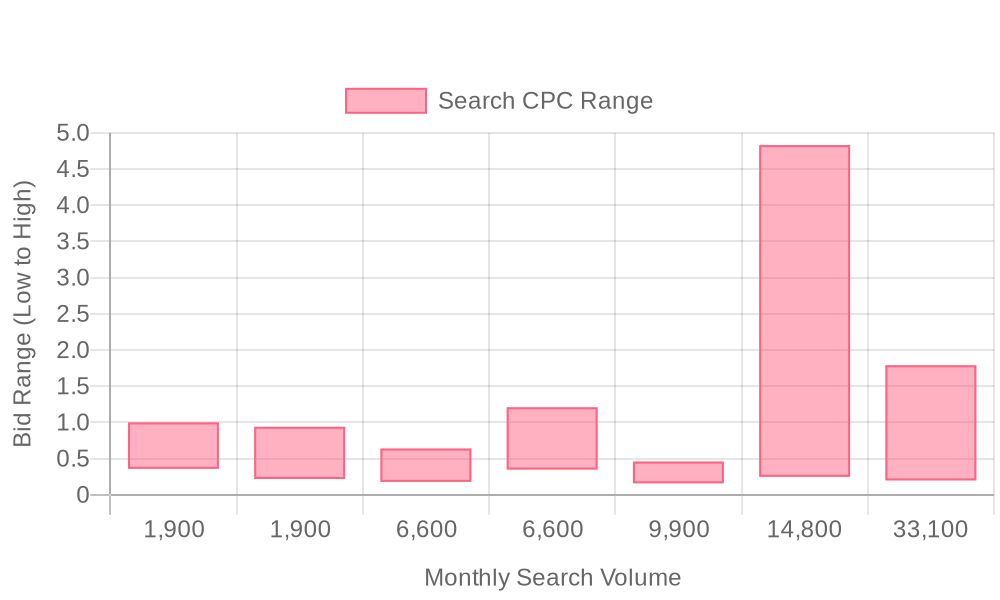
| Industry | Keyword | Monthly Search Volume | Competition Level | Low Bid | High Bid |
| Food Coloring Products | americolor gel food coloring | 1900 | HIGH | 0.36 | 1 |
| Food Coloring Products | chefmaster food coloring | 1900 | HIGH | 0.22 | 0.94 |
| Food Coloring Products | gel food coloring | 6600 | HIGH | 0.18 | 0.64 |
| Food Coloring Products | americolor food coloring | 6600 | HIGH | 0.35 | 1.21 |
| Food Coloring Products | oil based food coloring | 9900 | HIGH | 0.16 | 0.46 |
| Food Coloring Products | food dye | 14800 | MEDIUM | 0.25 | 4.83 |
| Food Coloring Products | food coloring | 33100 | HIGH | 0.2 | 1.79 |
Precision in keyword strategy is fundamental for effective google ads for food coloring products. High-intent and high-volume terms are prioritized, ensuring campaigns reach buyers who are actively seeking solutions and ready to engage. Pairing these keywords with firmographic data enables marketers to deliver tailored messaging, preventing spend on low-fit segments and driving engagement where it counts.
Local relevance is amplified by incorporating city-specific and "near me" modifiers. This approach supports food coloring product suppliers and distributors targeting geographic niches, ensuring visibility in searches that matter most for regional demand. Marketers can dynamically adjust keyword lists as new sales territories or distribution partners emerge, keeping campaigns aligned with on-the-ground opportunities. Regional ad strategies provides a closer look at how regional nuances influence performance.
Negative keywords are an essential layer in optimizing PPC for food coloring. By excluding irrelevant terms, such as those related to crafts, industrial dyes, or unrelated food ingredients, teams prevent wasted clicks and direct investment toward audiences with genuine purchase intent. This filtering process is optimized further when systems automatically update negative lists as irrelevant queries arise, maintaining campaign efficiency over time.
- Example Keywords That Drive Qualified Leads
"Buy food coloring wholesale" "Natural food dyes for cakes" "Eco-friendly food coloring bulk"
When marketers integrate real-time intent data, keyword strategies become even more responsive. Rather than relying solely on historic volume, teams can shift budget toward terms that spike in activity among in-market buyers, maximizing return on ad spend. As leads progress through the funnel, audience segments and keyword priorities update in sync, ensuring ongoing relevance and cost efficiency. For more insights on maximizing Google Ads performance, check out our guide on Google Ads ROAS.
Audience and CRM integrations enable enriched lead and account data to sync automatically into Google Ads campaigns, empowering revenue teams to capture every high-value opportunity as soon as it emerges.
Step-by-Step Campaign Execution Framework
Building high-performing google ads for food coloring products requires precision targeting, compelling creative, and real-time optimization. Marketers who excel in this space leverage unified data and behavioral signals to reach the right buyers at the ideal time, driving measurable results in a highly competitive market. The following framework delivers actionable steps for B2B teams to capture market share, increase marketing efficiency, and drive consistent revenue growth in food coloring product promotion.
Step 1: Keyword Targeting
Effective keyword targeting for food coloring products starts with segmenting by buyer intent and anticipated product use cases. Move beyond broad food coloring terms by targeting commercial and specialty queries such as "bulk natural food coloring for bakeries," "kosher food dyes supplier," or "vegan food coloring wholesale." Group these keywords by intent, commercial, informational, and branded, while aligning bids to the unique value of each segment.
Integrating real-time visitor identification into your PPC for food coloring campaigns reveals which companies and buyers are actively searching for your solutions. Tools like Sona Identification help uncover high-converting segments and sync enriched audience lists directly with Google Ads and your CRM. The result is a much tighter alignment between your campaign targeting and the actual demand signals in the market.
The upgrade most food coloring products advertisers miss is going beyond raw keyword volume to layer in intent and identity signals. By connecting website-visitor data and CRM records with Sona Marketing Measurement, you can see which specific search terms bring in the accounts and customers that actually convert, and weight your keyword and bidding strategy toward those rather than the terms with the highest search volume alone.
Step 2: Ad Creative
Ad creative for food coloring advertising should directly address customer pain points and desired outcomes. Use messaging that emphasizes regulatory compliance (such as "FDA-approved natural dyes"), unique product benefits ("vibrant color, no synthetic additives"), and incentives like free shipping or sample kits. Visuals play a crucial role, showcase real product applications in vivid, appetizing contexts to drive engagement.
For more insights on optimizing creative with buyer data, check out our guide on retargeting strategies. This approach ensures every interaction is both relevant and persuasive, increasing click-through and conversion rates across all digital marketing for food products.
Step 3: Landing Page Design
Landing pages must deliver a seamless, frictionless experience that matches ad messaging and captures lead intent. For product listing ads for food coloring, ensure pages are mobile-optimized, load quickly, and feature clear calls to action, such as "Request a Bulk Quote" or "Download Ingredient Certifications." Consistent messaging from ad to landing page reinforces trust and guides users to take the next step.
Shopify ads guide provides a deeper look at best practices for aligning ad and landing page experiences in e-commerce, which can be adapted for B2B food coloring campaigns.
Step 4: Monitor and Optimize
Monitoring and optimization are ongoing efforts that separate top-performing food coloring marketing strategies from average campaigns. Use real-time analytics to track which keywords, creatives, and audience segments yield the highest ROI, then reallocate spend and tweak messaging based on live performance insights. Set up granular conversion tracking for both online and offline actions, such as quote requests, sample downloads, or B2B sales calls.
For best practices in revenue attribution and tracking, we've covered attribution tips in detail, helping you justify budget increases and optimize spend for maximum value.
Sona Marketing Measurement closes the gap between clicks and revenue. It captures every ad click with first-party measurement, then ties that click through UTM capture and ad-platform APIs to the actual record in your CRM, and reports ROAS by keyword and campaign instead of by last-click form fill. Feeding that revenue signal back into Smart Bidding and Performance Max compounds over time: the algorithms optimize toward booked food coloring products revenue, not cheap leads.
Tips on Expanding Your Food Coloring Presence
Establishing a robust digital presence is critical for companies in the food coloring sector seeking to reach new buyers and drive repeat engagement. Advanced technology solutions now help marketers unify multichannel data, surface high-intent prospects, and personalize outreach, giving teams a decisive edge in an increasingly competitive marketplace.
Cross-promotion of educational content within retargeting campaigns can re-engage visitors who have shown prior interest but have not yet converted. When marketers use Sona's Identity Resolution, they move beyond anonymous website traffic and pinpoint the companies and decision-makers evaluating their solutions, opening the door to targeted outreach at critical moments in the buyer journey.
Localizing ads to reach underserved regions unlocks incremental revenue and fortifies market share in areas where competitors may be neglecting demand. PPC Google Ads strategy provides a deeper look at how tailored advertising can boost results in niche markets.
Partnering with food industry entities for co-branded marketing accelerates reach and amplifies results through joint targeting. When campaigns integrate shared datasets and synchronize enriched audiences across Google Ads and CRM platforms, both partners benefit from improved targeting accuracy and better attribution. This unified approach maximizes campaign efficiency, enables seamless lead follow-up, and supports measurable growth for all parties involved, transforming how food coloring products gain traction in a crowded digital landscape.
Beyond Google Ads: Winning the AI Answers Food Coloring Products Buyers Now Trust
Paid search captures demand at the moment someone types a query. But a fast-growing share of food coloring products buyers no longer start at Google at all, they ask ChatGPT, Gemini, or Perplexity before they ever run a search, and Google's own AI Overviews increasingly summarize an answer above the traditional results. If your business isn't referenced in those AI answers, you're invisible at the exact moment buyers build their shortlist.
Sona AI Visibility shows where your business shows up across ChatGPT, Gemini, Perplexity, Google AI Overviews, and 10+ engines, and, much like a keyword report, which prompts actually send you buyers, so you can prioritize the ones that convert. Run the two together and you cover the entire buyer path: get cited where buyers research (AI Visibility), then prove which of that demand turns into booked revenue (Marketing Measurement).
Helpful resources
Conclusion
The food coloring brands that win with Google Ads treat every click as the start of a traceable relationship, not a one-off transaction. Precise keyword targeting, creative that speaks to a specific buyer (a home baker versus a plant manager), and identity resolution that ties a click to an actual company account, together, these turn a crowded, seasonal market into a predictable source of qualified pipeline.
Ready to put these insights into action? Start a free trial to experience Sona's platform and its capabilities.
FAQ
What are the best practices for advertising food coloring products on Google Ads?
Best practices include precise targeting, using industry-specific keyword clusters, aligning ad creatives and landing pages with keyword promises, and leveraging data-driven insights for strategic follow-up.
How can I optimize my Google Ads for food coloring products?
Optimize by using precise keyword targeting, dynamic audience segmentation, and integrating CRM data to enhance personalized messaging and follow-up strategies.
What is the process for setting up Google Shopping ads for food coloring?
The process involves ensuring your landing pages reflect the ad's promises, using high-resolution images, and implementing advanced conversion tracking to tie ad clicks to actions like sample requests.
What keywords should I use for food coloring products in Google Ads?
Use keywords such as 'natural food colorant supplier,' 'bulk food coloring for bakeries,' and 'FDA-approved food dyes' to target high-intent buyers.
How do I create a product feed for food coloring in Google Merchant Center?
To create a product feed, ensure it includes detailed product information, high-resolution images, and compliance badges to enhance ad relevance and conversion rates.







