


A family searching for hospice care at 2 a.m. is not comparison-shopping the way someone buys a mattress. They are making an urgent, emotional decision, often within days, and Google Ads is frequently the first place that search leads them. The challenge for end-of-life care marketers is that many of these searchers never fill out a form; they call a number, ask a nurse navigator, or get referred by a hospital discharge planner, and traditional tracking loses them entirely. Google Ads still gives providers a way to reach decision-makers at that exact moment of need: target prospects with precision, engage families and referral sources when urgency is highest, and measure ROI by connecting clicks to actual admissions rather than just form fills.
How to Generate Google Ads Leads for End-of-Life Care Services: A Step-by-Step Guide

Generating qualified leads for end-of-life care services through Google Ads calls for an approach built around actionable data, not just broad awareness. Healthcare marketers in this sector face real constraints: privacy compliance, sensitive messaging, and a buying window that can close in days rather than weeks. A data-driven strategy makes sure every ad dollar reaches families, providers, and referral networks actively searching for hospice, palliative, or long-term care solutions. For real-world examples, see how organizations are using Google Ads to educate about hospice care.
Missed opportunities often arise when high-value prospects visit your site but stay anonymous in your CRM, a discharge planner researching options, say, who never fills out a form. Addressing this requires marketing intelligence that identifies the companies and referral organizations behind that traffic, connecting ad engagement with CRM records at the account level. When your marketing stack supports real-time company identification and syncs enriched audience lists directly into Google Ads, HubSpot, and Salesforce, you can prioritize outreach to organizations that have shown genuine interest in end-of-life care services.
To maximize campaign impact, healthcare marketers should align Google Ads targeting with up-to-date audience data, tailoring creative and landing pages for conversion at every stage. Dynamic audience updates, advanced conversion tracking, and multi-channel attribution let teams measure true ROI, shift budget toward the highest-converting accounts, and continually optimize for cost efficiency. If you're ready to put this strategy into action, get started for free with Sona to see how integrated data can drive high-quality leads for hospice, palliative care, and senior living services using Google Ads.
Why Does Google Ads Matter for End-of-Life Care Services?

Digital marketing for end-of-life care services faces a distinct challenge: reaching a small, specific audience at a moment of urgent need, often triggered by a hospital discharge, a hospice referral, or a sudden change in a loved one's condition. Traditional channels rarely provide the detail required to connect with families and professionals searching for immediate solutions. Sona's Intent Signals help marketers identify high-potential prospects as that search behavior happens.
Google Ads addresses these gaps by offering robust targeting capabilities and in-depth analytics. This platform enables providers to capture the attention of decision-makers who are actively researching end-of-life, hospice, or palliative care options. Real-time ad delivery ensures your message is seen precisely when families are evaluating care, driving higher engagement and more qualified inquiries. For actionable tips on using Google Ads to educate about hospice care, explore this hospice Google Ads guide.
- Specialized Audience Capture: While social media and display ads build awareness, Google Ads excels at intercepting in-market searchers ready to act, such as a family typing "end-of-life care near me" at midnight or a discharge planner searching "palliative care services for families." These intent-driven keywords reach people closest to a care decision, often shortening the conversion cycle. Sona's Identity Resolution reduces anonymous traffic further, surfacing which organizations, hospitals, referral networks, insurance case managers, are behind that high-intent activity.
- High-Value Services Promotion: Google Ads campaigns can be segmented to promote high-margin offerings, such as specialized pain management, respite care, or bereavement counseling, directly to those most likely to need them. Targeted messaging for distinct service lines maximizes marketing ROI and supports efficient budget allocation. For more strategies on optimizing your outreach, browse our playbooks for marketers.
- Demand Responsiveness: The dynamic nature of Google Ads allows care organizations to quickly respond to spikes in demand, such as during flu season or after local healthcare events. Marketers can shift budget and creative assets toward high-converting audiences based on real-time behavioral signals, ensuring resources are allocated where they will deliver the greatest impact.
- Precision in Emerging Regions: Geographic targeting tools enable expansion into new service areas with minimal waste. Marketers can define custom radii or target by zip code, reaching underserved communities or specific demographics. This is particularly effective for providers scaling into new markets or piloting specialized programs. Learn how to build dynamic audiences for precise targeting.
- Enhanced Data Analytics: Integrating marketing analytics platforms with Google Ads closes the loop between ad spend and outcomes. Revenue teams gain visibility into which keywords, audiences, and creative are driving the most qualified leads, both online and offline. Systems that sync enriched lead data and conversions directly into Google Ads and CRM platforms streamline reporting and attribution, providing a holistic view of campaign effectiveness across the entire funnel. To see how your organization can benefit, get started for free with Sona.
Common Types of Google Ads Campaigns for End-of-Life Care Services
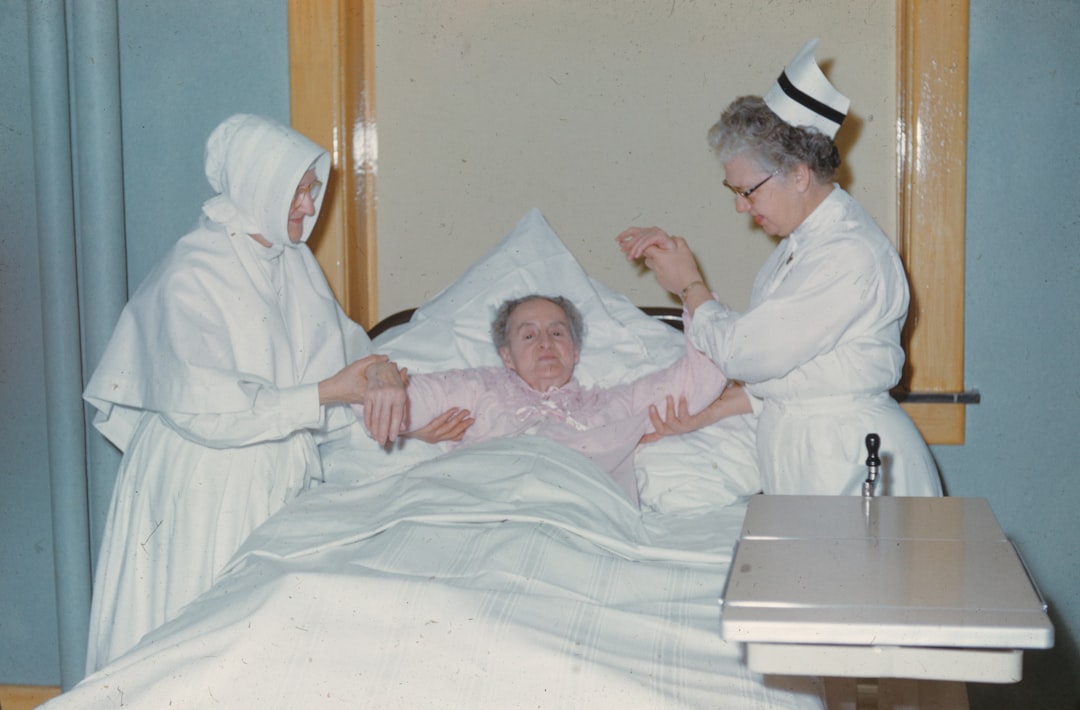
Selecting the right Google Ads campaign structure is critical for end-of-life care providers aiming to reach families and decision-makers at pivotal moments. Strategic campaign choices not only maximize visibility but also surface key engagement signals that help reduce churn and missed revenue opportunities.
- Search Campaigns: Search ads appear directly to those actively seeking hospice care, palliative care, or in-home support, often within Responsive Search Ads that test multiple headlines against queries like "hospice care near me" or "end-of-life care services." Using Sona's Intent Signals, marketers can shift budgets toward the queries generating the most qualified leads. Sona's Identity Resolution lets providers move beyond anonymous clicks to see which organizations or referral sources are researching care, so follow-up is timely and relevant.
- Display Ads: Display campaigns keep your brand visible across healthcare information sites, news portals, and support forums frequented by families and healthcare professionals. With these ads, providers nurture awareness and consideration stages, even before a direct inquiry is made. Dynamic audience segmentation, updated in real time as potential leads engage with educational resources or symptom checkers, ensures that ad creative and messaging remain aligned with each visitor's journey.
- Video Ads: Video advertising enables providers to demystify complex care plans and showcase the compassion behind their services. Short explainer videos or testimonials can address common concerns about hospice, palliative, or elderly care. By tracking engagement with key video segments, marketers can identify which content resonates most and prioritize in-market leads for follow-up, allocating resources efficiently.
- Remarketing: Remarketing campaigns re-engage users who have previously visited your site but have not yet converted. These audiences often include family members weighing options or medical professionals seeking referrals. Seamless syncing with CRM and enriched intent data allows for highly personalized ad sequences, targeting individuals as they progress from initial research to decision-making. Marketers can also update these audiences dynamically, ensuring that messaging evolves with each touchpoint. For a step-by-step guide to advanced retargeting using first-party signals, see this intent-driven retargeting playbook.
- Assets: Ad assets (formerly called extensions) add credibility and drive action by displaying additional links, contact information, or trust signals directly within your ads. Structured snippets, callouts, and location assets make it easier for families to connect, schedule consultations, or verify credentials. Advanced attribution tracking captures both online and offline engagement, calls or form fills, giving a full view of Google Ads ROI for end-of-life care services.
Each of these Google Ads campaign types can be optimized with unified data, audience enrichment, and continuous intent monitoring to keep providers top-of-mind for families and healthcare professionals navigating critical care decisions.
Where to Find Growth Opportunities?

Unlocking new growth channels in end-of-life care marketing requires a precise understanding of fragmented campaign data and overlooked audience segments. By unifying campaign performance metrics and surfacing granular insights, revenue teams can prioritize their marketing spend for maximum impact and brand trust. For a deeper dive into strategies for measuring campaign impact, visit measuring marketing's influence on the sales pipeline.
- Vertical Keyword Targeting: Targeting highly specialized terms such as "Google Ads for hospice care," "palliative care advertising," or "in-home care services" allows marketers to reach families searching for very specific support. Leveraging dynamic audience updates ensures keyword lists evolve alongside real-time search trends and shifting demand, capturing opportunities that competitors miss.
- Competitor Gap Analysis: Using auction insights within Google Ads, teams can identify which demographics or service areas are underserved by competitors. When these insights are integrated with visitor identification, marketers quickly pinpoint which companies are engaging but not converting, enabling targeted follow-up with high-value accounts.
- Industry-Specific Placements: Placing ads on niche directories, healthcare forums, and eldercare portals helps brands access audiences who may not be reached through traditional search campaigns. Real-time intent data enables teams to shift budget toward these platforms when in-market behavior signals rising interest, ensuring no relevant touchpoint is ignored.
- Content Retargeting: Educational assets like whitepapers and explainer videos serve a dual purpose: nurturing prospects and fueling retargeting strategies. Advanced conversion tracking, including offline interactions such as phone calls or live consultations, provides a full picture of ROI and ensures that retargeting efforts are focused on leads with genuine potential.
Combining these approaches lets healthcare marketers align messaging, gain visibility in overlooked channels, and build a unified pipeline from first touch through conversion. This matters especially in a sensitive field like end-of-life care, where precise targeting and consistent, empathetic communication directly shape both reputation and results.
How to Apply Audience Segmentation for End-of-Life Care

Audience segmentation in end-of-life care marketing delivers real precision, making sure messages reach decision-makers at critical moments. For B2B teams, that clarity means a more qualified pipeline and stronger engagement from audiences with urgent, relevant needs. Sona's Identity Resolution moves marketers beyond anonymous website traffic, recognizing not just organizations but the departments engaging with content, so you can put the right message in front of the right contact at the right time.
- Define Segments: Separate your audiences based on relationship and influence, such as family members, healthcare providers, social workers, or facility administrators. Each group operates with distinct priorities; families may seek comfort and immediate answers, while professionals look for clinical quality or partnership opportunities. For more guidance on segmenting your audience, explore our actionable playbooks.
- Overlay Intent Signals: Go deeper by layering in real-time behavioral intent. Targeting by need, such as routine care versus emergency support, becomes possible when you monitor in-market actions and engagement patterns. Allocating budget toward high-intent leads, like families actively researching palliative care options or medical professionals seeking referral partnerships, maximizes conversion potential. Dynamic audience updates ensure that as leads interact with your brand or move through the funnel, targeting criteria adapt instantly, keeping outreach aligned with real purchase readiness.
- Create Ad Groups by Segment: Customizing ad groups to each audience segment allows for tailored creative, messaging, and calls-to-action. For example, campaigns targeting families can highlight compassionate support and resources, while those for healthcare providers focus on clinical capabilities and referral processes. By syncing enriched segments directly into advertising platforms, you can trigger personalized ads based on CRM or behavioral data, driving stronger engagement and response rates.
- Validate Conversion Paths: Precise tracking of all conversions, including online forms, calls, and offline meetings, ensures no high-value lead is missed. Integration between ad platforms and CRM systems makes attribution seamless: every touchpoint is logged, and marketing teams gain visibility into which channels drive outcomes across the sales cycle. This level of conversion tracking supports ongoing optimization and ROI measurement, especially when managing complex journeys typical of end-of-life care decision-making. To understand how to measure marketing's influence on the sales pipeline, visit our in-depth guide.
Applying these segmentation strategies helps healthcare marketers run campaigns that are empathetic, timely, and measurable, improving both lead quality and operational efficiency in a highly sensitive sector.
This is also where measurement changes the economics. Sona Marketing Measurement identifies the companies and buyers behind your ad clicks, not just anonymous sessions, and segments audiences by who actually becomes a customer. That lets you build bid adjustments and audience signals around the segments that convert and de-prioritize the ones that don't, so you feed Google's algorithms "this click became a paying end customer" instead of just "someone filled out a form."
Keyword Strategy & Sample Target Terms
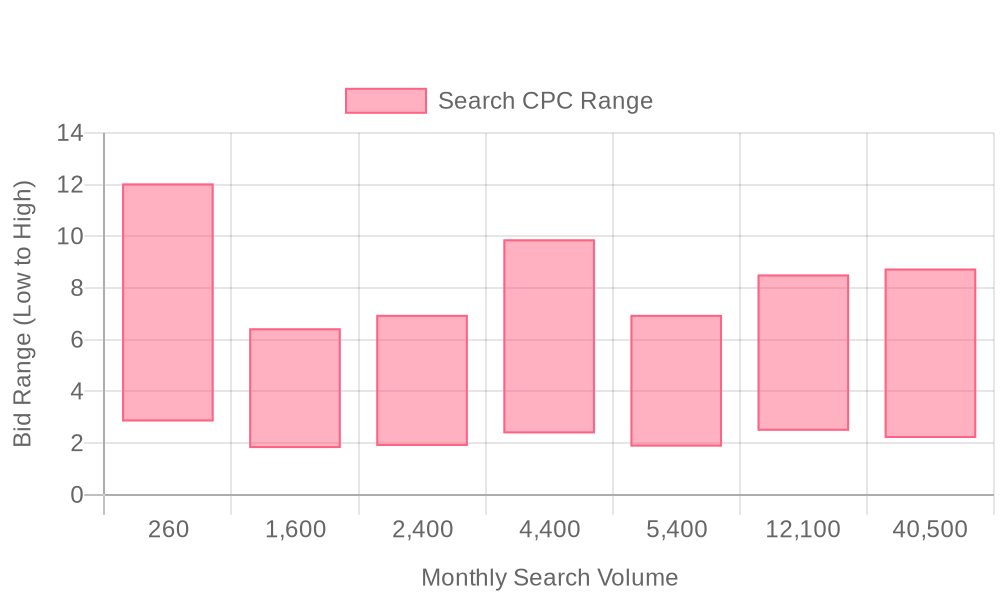
| Industry | Keyword | Monthly Search Volume | Competition Level | Low Bid | High Bid |
| End-of-Life Care Services | end of life care services | 260 | LOW | 2.84 | 12.04 |
| End-of-Life Care Services | hospice centers near me | 1600 | LOW | 1.81 | 6.44 |
| End-of-Life Care Services | hospice facility | 2400 | LOW | 1.89 | 6.96 |
| End-of-Life Care Services | hospice companies near me | 4400 | LOW | 2.38 | 9.88 |
| End-of-Life Care Services | hospice facilities near me | 5400 | MEDIUM | 1.87 | 6.96 |
| End-of-Life Care Services | life care | 12100 | LOW | 2.48 | 8.52 |
| End-of-Life Care Services | hospices near me | 40500 | LOW | 2.2 | 8.75 |
Delivering measurable results in Google Ads for End-of-Life Care Services requires a strategic approach to keyword selection. By understanding the urgency and sensitivity of end-of-life care decisions, marketers can capture high-intent audiences and drive meaningful conversions. Explore actionable insights in our marketing playbooks to further refine your keyword approach.
- Search Intent Optimization: Prioritize keywords that reflect immediate need and informed research, such as "hospice care near me," "palliative care services," and "in-home end-of-life care." These terms attract searchers who are ready to take action or seek detailed information, increasing the likelihood of engagement and conversions. Utilizing real-time intent data, marketers can dynamically adjust keyword focus to shift budget toward searchers who demonstrate strong in-market behaviors, ensuring campaigns remain agile and cost-effective.
- Local Diversity: Incorporate location-based modifiers like city names, neighborhoods, or regional identifiers to connect with families searching for services nearby. Examples include "Los Angeles hospice care," "end-of-life care in Austin," or "palliative services New Jersey." Localized targeting significantly improves conversion rates by aligning ad relevance with the geographic needs of the audience. Leveraging visitor identification tools, marketers can further pinpoint which companies or households are engaging from specific locales, refining both reach and messaging. For additional strategies, see how hospice organizations leverage Google Ads.
- Negative Keywords: Implement negative keyword lists to filter out unrelated or low-value traffic, such as searches for "hospice jobs," "volunteer hospice," or unrelated medical research. This step minimizes wasted ad spend and sharpens targeting toward families, caregivers, or healthcare professionals actively seeking end-of-life services. Continual negative keyword refinement, supported by unified CRM and ad data, ensures keywords remain aligned with campaign goals and evolving audience intent.
A robust keyword strategy for Google Ads for End-of-Life Care Services must account for the nuanced needs of families, healthcare providers, and referral partners. By integrating advanced audience enrichment and real-time behavioral insights, campaigns can reach the right people at the exact moment of need, maximizing both relevance and return on investment. To discover how you can start optimizing your campaigns, get started for free with Sona.
Step-by-Step Campaign Execution Framework
Precision and clarity are critical when building Google Ads for End-of-Life Care Services. Each element of your campaign must align with the sensitivities and needs of families seeking hospice, palliative, or elderly care. Connecting the right message to the right audience while maintaining compliance with healthcare advertising regulations ensures not only reach but trust. For further tips on healthcare advertising, explore using Google Ads to educate about hospice care.
A cohesive execution framework for healthcare-centric Google Ads starts with a granular approach to targeting, creative messaging attuned to emotional realities, and continuous optimization based on meaningful data. Unifying these steps through a single source of truth enables rapid adjustment and clear attribution, resulting in improved ROI and higher quality lead flow for healthcare providers.
Step 1: Build Targeted Keyword Lists
Effective Google Ads for hospice care, palliative care, and related services begin with rigorous keyword research. Focus on keywords that mirror the exact language families use when seeking end-of-life or in-home care, such as "hospice care near me," "palliative care services," or "in-home elderly care." Use intent-based segmentation to prioritize high-conversion phrases and eliminate wasteful spend on generic terms. For official guidance on keyword matching options, consult Google's keyword strategy documentation.
Sona's Identity Resolution lets marketers move beyond surface-level targeting to identify the companies and referral organizations behind search activity. That makes it possible to concentrate budget on accounts actively evaluating care options, guided by real-time behavioral signals rather than keyword volume alone.
The upgrade most end advertisers miss is going beyond raw keyword volume to layer in intent and identity signals. By connecting website-visitor data and CRM records with Sona Marketing Measurement, you can see which specific search terms bring in the accounts and customers that actually convert, and weight your keyword and bidding strategy toward those rather than the terms with the highest search volume alone.
Step 2: Develop Engaging Ad Copy
Ad copy for end-of-life care services must balance empathy, clarity, and urgency. Address the core concerns of your audience, such as comfort, support, and trust, while presenting clear solutions and next steps. Highlight differentiators such as specialized staff, 24/7 availability, or family support programs, making sure every ad respects the emotional weight of the decision at hand.
Dynamic audience insights enable continuous refinement of messaging. As prospects progress through decision-making stages, ad copy can automatically adapt to mirror their evolving needs, ensuring each interaction feels personalized and timely.
Step 3: Design Conversion-Driven Landing Pages
Landing pages should directly reflect the user's intent, providing immediate answers and reassurance. Present value propositions up front, use plain language to explain care options, and ensure that contact forms or call buttons are prominent and accessible. Testimonials, staff qualifications, and a clear outline of services foster credibility and reduce friction in the inquiry process.
Enhanced attribution tools, including conversion tracking, reveal which interactions drive quality leads. This empowers teams to optimize landing pages for both user experience and measurable outcomes, improving conversion rates and maximizing the impact of every ad dollar.
Step 4: Optimize Through Real-World Data
Continuous campaign optimization is non-negotiable in Google Ads for healthcare providers. Monitor conversion paths, test variations in ad copy and landing pages, and import offline data, such as patient consultations or care plan starts, to create a comprehensive feedback loop.
Seamless CRM and ad platform integrations enable enriched audience syncing, ensuring that new leads and customer updates are automatically reflected in targeting and retargeting strategies. This keeps your campaigns aligned with real-world progress, helping shift resources to the highest performing channels and audiences while delivering a clear view of true ROI.
Sona Marketing Measurement closes the gap between clicks and revenue. It captures ad clicks with first-party measurement, then ties each one through UTM capture and ad-platform APIs to the actual record in your CRM, and reports ROAS by keyword and campaign instead of by last-click form fill. Feeding that revenue signal back into Smart Bidding and Performance Max compounds over time: the algorithms optimize toward booked end revenue, not cheap leads.
Tips on Expanding Your Presence
Expanding your reach with Google Ads for End-of-Life Care Services requires an agile approach that adapts to shifting audience intent and engagement. Precision in targeting and real-time data integration allow revenue teams to connect with families and decision-makers at critical touchpoints.
- Cross-Promote Content: Utilize Google Ads retargeting to reinforce your core messaging across digital channels. When a visitor interacts with your educational resources or service pages, tailored ads can bring them back to deeper content, building understanding and trust. With advanced visitor identification, marketers gain visibility into which organizations are engaging and can prioritize retargeting to those with the highest conversion potential.
- Upsell Services: Segmented audiences enable effective upselling of additional care services such as palliative support or bereavement counseling. By dynamically updating segments as users engage with specific ad groups or landing pages, teams can offer relevant recommendations that match each stage of the decision-making journey. Integration with CRM and marketing automation platforms ensures that audience lists remain accurate and that new leads are automatically synced for nurturing or direct outreach.
- Localize Efforts: Focusing on high-intent regions increases relevance and ROI for Google Ads for hospice care, palliative care, and other end-of-life services. Real-time analysis of in-market behavior helps shift ad spend to areas with the strongest demand, optimizing both budget and impact. For healthcare providers and long-term care facilities, localized campaigns support community engagement, while advanced conversion tracking captures both online and offline outcomes to accurately measure campaign effectiveness.
Evolving your Google Ads strategy with unified data and real-time insight lets end-of-life care organizations grow sustainably while getting timely support to the families who need it. For more best practices, visit our blog on marketing insights.
Final Thoughts
Implementing Google Ads for end-of-life care services demands precision at every stage, from targeting the right intent signals to delivering sensitive, compliant messaging. When done effectively, these campaigns foster greater engagement with families and caregivers actively seeking specialized care, while supporting ethical outreach that respects the emotional context of each inquiry.
Reliable segmentation and ongoing optimization are essential for reaching the most valuable audiences, minimizing wasted spend, and improving patient acquisition rates. Unifying both online and offline conversion data provides a complete picture of campaign impact, empowering healthcare providers to refine strategies and maximize ROI across hospice care, palliative care, and related services. For a strategic overview of how targeted Google Ads and Meta campaigns can boost ROI for hospice and senior living services, see this comprehensive guide.
Addressing challenges such as disconnected campaign data and missed touchpoints requires a connected approach. By leveraging solutions that sync enriched audience insights between CRM and ad platforms, revenue teams can dynamically update segments as needs evolve. This ensures that messaging, retargeting, and attribution remain accurate, responsive, and fully aligned with the real-time behaviors of prospective patients and their families.
Integrating advanced analytics with advertising for end-of-life care services also enables marketers to move beyond anonymous clicks, identifying high-intent visitors and key organizations. This visibility supports budget shifts toward the accounts most likely to engage and convert, establishing a continuous feedback loop that elevates campaign performance and customer experience in a highly sensitive sector. To see how you can unify targeting, attribution, and campaign optimization, get started for free with Sona.
Beyond Google Ads: Winning the AI Answers End Buyers Now Trust
Paid search captures demand at the moment someone types a query. But a fast-growing share of end buyers no longer start at Google at all, they ask ChatGPT, Gemini, or Perplexity before they ever run a search, and Google's own AI Overviews increasingly summarize an answer above the traditional results. If your business isn't referenced in those AI answers, you're invisible at the exact moment buyers build their shortlist.
Sona AI Visibility shows where your business shows up across ChatGPT, Gemini, Perplexity, Google AI Overviews, and 10+ engines, and, much like a keyword report, which prompts actually send you buyers, so you can prioritize the ones that convert. Run the two together and you cover the entire buyer path: get cited where buyers research (AI Visibility), then prove which of that demand turns into booked revenue (Marketing Measurement).
Helpful resources
Conclusion
Google Ads works for end-of-life care providers when targeting, ad copy, and measurement all respect the same reality: families searching for hospice or palliative care are making an urgent, emotional decision under real time pressure, often through a call or a referral rather than a form. Campaigns built around that fact, not around generic healthcare marketing templates, are the ones that convert.
The providers who win here will be the ones who stop treating every click as anonymous. As identity resolution and first-party measurement mature, the gap will widen between organizations that can trace a search back to an admission and those still optimizing for form fills, and that gap shows up directly in cost per qualified lead.
To take your efforts further, start for free and see what the platform can do. Let's build a marketing strategy that reaches families when they need it most.
FAQ
How can I set up Google Ads for my hospice care service?
Setting up Google Ads for hospice care involves building targeted keyword lists that reflect the language families use when searching for end-of-life care, developing empathetic ad copy, designing conversion-driven landing pages, and optimizing campaigns with real-world data integration.
What are the best practices for Google Ads in the end-of-life care industry?
Best practices include aligning Google Ads targeting with up-to-date audience data, using intent-driven keywords, segmenting campaigns to promote high-margin offerings, and ensuring ad messaging is empathetic and compliant with healthcare regulations.
How can I measure the success of my Google Ads campaign for hospice care?
Success can be measured by tracking clicks to conversions, using advanced conversion tracking, integrating CRM data, and optimizing based on real-time analytics to ensure accurate attribution and ROI measurement.
Are there any specific regulations or guidelines for Google Ads in the healthcare sector?
Yes, healthcare marketers must ensure compliance with privacy regulations and sensitive messaging guidelines when using Google Ads for end-of-life care services.
What keywords are most effective for end-of-life care services on Google Ads?
Effective keywords include 'hospice care near me,' 'palliative care services,' and 'in-home end-of-life care,' as these terms attract searchers who are ready to take action or seek detailed information.
How can I target local audiences with Google Ads for hospice care?
Local targeting can be achieved by incorporating location-based modifiers in keywords, using geographic targeting tools, and defining custom radii or zip codes to reach specific communities.
What is the average cost per click for Google Ads in end-of-life care services?
The article does not specify an average cost per click; however, it emphasizes the importance of optimizing campaigns for cost efficiency by tracking high-intent keywords and shifting budgets accordingly.







