


A dog walker's schedule fills or empties based on who searches first: a new puppy owner scrambling for midday coverage, a traveling professional who needs a trusted regular, a family suddenly short on time after school starts. Most of these prospects never touch a CRM before they book, so they're invisible to traditional tracking and easy to lose to a competitor who answers faster. Google Ads closes that gap by putting your business in front of pet owners exactly when they search, and modern identification tools let you recognize these visitors and fold them into customer match lists, so ad spend keeps targeting the people actually ready to hire a walker. This guide walks through how to use Google Ads to reach high-intent pet owners at the moment they're looking.
How to Generate Google Ads for Dog Walkers Leads: A Step-by-Step Guide
Dog walking businesses operate in a hyper-local, demand-driven market where speed and relevance determine success. Capturing quality leads requires more than generic ads; it demands a systematic approach that aligns pet owner intent with timely engagement and seamless follow-up. For a real-world look at campaign setup and optimization, check out this guide to Google Ads for dog walkers, which details strategies for attracting local pet owners.
Manual processes and slow responses let valuable prospects slip away before your team can connect. Sona's Identity Resolution identifies in-market dog owners, serves tailored ads, and orchestrates follow-up while interest is highest, tightening the sales pipeline and improving marketing efficiency. For more on streamlining marketing operations, visit our marketing analytics and demand generation blog.
- Targeted keyword and audience strategies aligned with pet service offerings: Effective Google Ads strategies for dog walkers start with identifying the exact search terms and behavioral signals that indicate a pet owner needs local walking services. By analyzing user intent and leveraging real-time audience data, you can pinpoint high-converting segments, those searching for "dog walker near me," "insured dog walking services," or specific breed care. When these audiences are dynamically updated as leads move through the funnel, your campaigns remain cost-effective and focused, automatically shifting budget toward those most likely to convert.
- Crafting landing pages and creatives that convert: The most successful dog walking advertising campaigns pair tightly targeted ads with landing pages designed for conversion. Messaging should reinforce trust, highlighting background checks, pet insurance, and local references, while calls to action such as "Book your first walk today" or "Meet your walker now" drive immediate engagement. Integrating visitor identification helps personalize these landing pages, showing pet owners tailored offers or testimonials based on their browsing history or referral source.
- Techniques for optimizing performance and maximizing return on investment: Google Ads ROI for dog walkers hinges on accurate attribution and real-time optimization. Advanced conversion tracking measures both online bookings and offline actions, such as phone calls or in-person signups, providing true ROI visibility. When your CRM and ad platforms are kept in sync, high-quality audience data flows seamlessly into Google Ads, ensuring remarketing lists and lookalike audiences are always up-to-date, and budget can be adjusted based on actual sales outcomes.
- Harmonizing Google Ads with other marketing channels for a robust campaign ecosystem: For local pet business marketing to succeed, Google Ads must operate in concert with organic search, social, and email outreach. Centralized data platforms allow you to orchestrate unified campaigns, ensuring that leads identified via Google Ads are nurtured across every touchpoint. This approach amplifies your dog walking service promotion, increases efficiency, and builds lasting relationships with pet owners, all while providing end-to-end performance insights that drive smarter decisions.
Why Does Google Ads Matter for Dog Walking Businesses?

Dog walking businesses operate in a competitive space where demand often fluctuates with seasonality and local events. Google Ads for Dog Walkers enables these services to reach pet owners with precision, ensuring advertising spend is focused on the highest-value prospects at the right moments.
A major challenge in this industry is identifying which companies or individuals are interacting with key service pages. Sona's Identity Resolution helps marketers pinpoint high-intent visitors and shift budget toward the audiences most likely to convert. This advanced targeting ensures local pet owners searching for dog walking are engaged with relevant offers, increasing the likelihood of booking.
- Complex, Specialized Audience: Local pet owners are not a monolith. Google Ads targeting for pet owners can segment audiences by neighborhood, pet type, or service preference. This approach results in personalized engagement and higher conversion rates, as campaigns align with the unique needs of each audience segment.
- High-Value Services: Many dog walking businesses now offer premium services, such as bundled pet care packages or GPS-tracked walks. Ads can be tailored to highlight these offerings, attracting clients willing to pay more for specialized attention. Marketers can use Sona’s Destinations to ensure messaging adapts as prospects move closer to booking.
- Immediate Demand Response: Quick turnaround is critical during peak demand or special promotions. Real-time analysis identifies in-market behaviors, helping businesses reallocate budget to campaigns targeting high-converting leads. This agility maximizes the impact of limited promotional windows and ensures resources are directed where ROI is highest.
- Visibility in Local Markets: Expanding into new neighborhoods or underserved regions requires strategic visibility. Google Ads for Dog Walkers increases local awareness, driving traffic to landing pages designed for specific service areas. Through real-time audience enrichment, campaigns can prioritize leads from emerging markets, supporting business growth in targeted locations.
- Integrated Data Analysis: Modern marketers require a unified view of digital and offline interactions. Integration with CRM and analytics stacks allows businesses to connect digital ad engagement with actual bookings and service completions. This holistic attribution model provides clarity on the cost of Google Ads for dog walking versus the revenue generated, enabling data-driven optimization and transparent reporting.
Common Types of Google Ads Campaigns for Dog Walking Services
Dog walking services can accelerate client acquisition and fill their schedules by leveraging the right mix of Google Ads campaign types. Each format enables precise targeting and engagement at different stages of the pet owner journey, transforming basic outreach into high-value interactions. Tailoring the campaign mix to your local market, specific service tiers, and customer segments ensures you maximize every advertising dollar. For a detailed guide on setting up and optimizing campaigns, see this guide to Google Ads for dog walking businesses.
- Search Campaigns: These capture urgent, high-intent customer needs by surfacing your business for queries like “dog walking service near me” or “professional dog walker today.” Search campaigns allow you to intercept buyers the moment they’re ready to book. Using Sona’s visitor identification, you can move beyond anonymous clicks to pinpoint which companies or high-value individuals are searching for dog walking services. This intelligence lets you adjust bids in real time, prioritize prospects with strong buying signals, and improve your cost efficiency by focusing budget on the most likely converters.
- Display Ads: Display ads keep your brand visible to pet owners as they browse relevant websites, blogs, and forums. Visual banners can reinforce your business to those researching pet care, reading training tips, or visiting local community sites. With Sona’s dynamic audience capabilities, these campaigns remain highly relevant as your CRM updates with new leads or changing customer statuses. As soon as a prospect books a consult or joins your mailing list, they can be automatically excluded or shifted to a new audience, minimizing wasted impressions and reinforcing your message with timely, personalized creative.
- Video Ads: Video formats help showcase real-life pet care, highlight your walkers in action, and build trust through testimonials or behind-the-scenes content. These ads are especially effective on YouTube and social platforms where pet owners consume video content. By integrating advanced conversion tracking, Sona enables you to measure both online and offline results from these campaigns. For inspiration, browse this collection of real Google Ads examples.
- Remarketing: Remarketing campaigns re-engage website visitors who did not initially convert, keeping your service top-of-mind during their decision process. You can personalize ads based on pages visited, such as “puppy walks” or “group outings”, and encourage return visits or direct bookings. Sona’s intent signals let you dynamically adjust remarketing audiences; as soon as a lead moves deeper in the funnel, they receive more relevant offers or are routed into nurture sequences synced with your sales and marketing stack.
- Assets: Ad assets add critical information such as your location, phone number, service categories, and quick links to specific offerings. This increases trust and makes it easier for prospects to initiate contact or navigate your booking process. When Sona syncs audience and service data into Google Ads, you can serve hyper-local assets and ensure every ad reflects your latest service details, hours, and promotions. This tight integration drives more calls, form fills, and direct bookings from every ad impression.
With this campaign mix, dog walking businesses achieve better targeting, increased engagement, and a measurable boost in booked services. Smart use of segmentation, dynamic audience management, and unified data ensures every pet owner sees messaging that matches their unique needs, maximizing the ROI of your pet service online advertising.
Keyword Strategy & Sample Target Terms
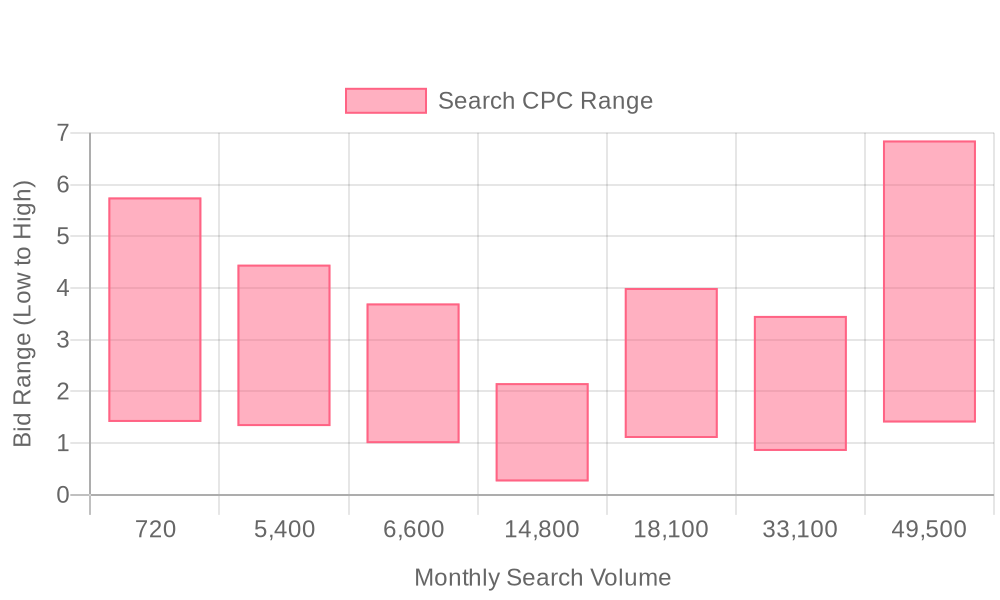
| Industry | Keyword | Monthly Search Volume | Competition Level | Low Bid | High Bid |
| Dog Walkers | overnight pet sitters near me | 720 | MEDIUM | 1.41 | 5.75 |
| Dog Walkers | dog walking services near me | 5400 | LOW | 1.33 | 4.45 |
| Dog Walkers | dog walking services | 6600 | LOW | 1 | 3.7 |
| Dog Walkers | rover dog walking | 14800 | MEDIUM | 0.26 | 2.16 |
| Dog Walkers | dog walkers near me | 18100 | MEDIUM | 1.1 | 4 |
| Dog Walkers | dog walkers | 33100 | LOW | 0.85 | 3.46 |
| Dog Walkers | pet sitters | 49500 | LOW | 1.4 | 6.85 |
Developing a robust keyword strategy is foundational for dog walking businesses aiming to capture high-intent leads through Google Ads. Distinguishing between transactional phrases and informational queries is essential: terms like "book dog walker near me" or "dog walking service same day" reflect readiness to purchase, whereas "how much does dog walking cost" or "dog walking tips" signal early-stage research. Focusing spend on the former ensures budgets are directed toward prospects who are most likely to convert, reducing wasted clicks and accelerating pipeline growth. For detailed inspiration on campaign setup and effective keyword choices, review this guide to setting up and optimizing Google Ads campaigns.
Adding local modifiers such as city names, neighborhoods, or even specific landmarks drives regional relevance and improves ad quality scores. Including niche keywords such as “insured dog walker downtown Denver” or “puppy walking service Brooklyn” enhances visibility in crowded markets, allowing businesses to surface in searches where purchase intent is highest. This hyperlocal approach not only increases conversion rates but also supports dynamic audience segmentation for future retargeting campaigns.
A structured negative keyword list is critical for filtering out unqualified traffic and protecting ad spend. Excluding terms like “dog walking jobs,” “free dog walking,” or “dog training certification” prevents irrelevant clicks from job seekers or information-gatherers. By regularly reviewing search term reports and updating negative keywords, marketers can quickly adapt to shifting search behaviors and maintain campaign efficiency. For further strategies, explore our collection of actionable playbooks.
Effective dog walking Google Ads strategies incorporate ongoing keyword refinement. Sona's Identity Resolution lets marketers analyze which search terms drive high-value actions and shift investment accordingly. As audiences move through research and consideration to booking, dynamic audience updates ensure messaging aligns with buyer stage, while advanced conversion tracking provides full-funnel attribution for both online bookings and offline inquiries. Integrating audience and lead data between Google Ads and CRM platforms streamlines campaign optimization and supports multi-touch pet service online advertising, maximizing Google Ads ROI for dog walkers and elevating the impact of every marketing dollar spent.
Step-by-Step Campaign Execution Framework
Step 1: Build Targeted Keyword Lists
Dog walking businesses thrive when their ads reach the right pet owners at the right time. The foundation of every high-performing Google Ads for Dog Walkers campaign is a keyword list tailored to local intent and high-conversion search behavior. Focus on service-specific terms such as "dog walker," "pet walking," and "dog walking service" paired with location modifiers like city names, neighborhood references, and zip codes. Including phrases like "dog walker near me" or "best dog walking in [location]" ensures ads match urgent, high-intent searches from pet owners actively seeking help. For inspiration, explore this curated list of SEO keywords, which can help you build a robust keyword foundation for your campaigns.
Precision in targeting is not just about keywords, it's about understanding who's searching and why. Sona's Identity Resolution shows which companies and individuals are visiting your landing pages, letting you shift spend toward prospects most likely to convert. This intent-based targeting means higher-quality leads and a more efficient budget, making each dollar spent on PPC for dog walkers work harder.
The upgrade most dog walkers advertisers miss is going beyond raw keyword volume to layer in intent and identity signals. By connecting website-visitor data and CRM records with Sona Marketing Measurement, you can see which specific search terms bring in the accounts and customers that actually convert, and weight your keyword and bidding strategy toward those rather than the terms with the highest search volume alone.
Step 2: Develop Compelling Ad Copy
Effective ad copy for a dog walking business should address the specific pain points of local pet owners while making your unique advantages clear. Highlight offers like "First Walk Free," "Flexible Scheduling," or "Discounted Weekend Rates" to create immediate appeal. Use dynamic elements such as countdown timers for limited-time promotions to introduce urgency and spark faster decision-making. Each line should reinforce trust, emphasize reliability, and reflect the safety and care your team provides. For additional ideas, review this collection of Google Ads examples to see what works across industries.
Tailoring messaging to match the visitor’s journey is critical for maximizing Google Ads ROI for dog walkers. By leveraging real-time audience insights, you can dynamically update ad copy and calls-to-action based on the audience's position in the funnel. This ensures that pet owners who’ve shown previous interest or engaged with your brand receive personalized offers that move them closer to booking, while new visitors see confidence-building introductory messaging.
Step 3: Design Effective Landing Pages
High-converting landing pages are essential for translating ad clicks into actual bookings for dog walking services. The transition from ad to landing page should feel seamless, with messaging and offers perfectly aligned from the first headline to the final call-to-action. Use clean layouts that guide visitors toward a prominent booking form or contact button, eliminating distractions that could lead to drop-off.
Reinforce your credibility by showcasing testimonials from satisfied clients and displaying badges of trust, such as insurance coverage, background checks, or pet care certifications. With advanced conversion tracking, you can pinpoint which landing page elements drive the highest engagement and bookings. Integrating this data with your CRM ensures every new lead is captured, followed up promptly, and accurately attributed back to the original campaign, optimizing your dog walking service promotion efforts.
Step 4: Implement Data-Driven Optimizations
Regular optimization keeps your Google Ads for Dog Walkers campaigns ahead of changing trends and audience behavior. Review campaign metrics such as click-through rates, conversion rates, and cost-per-acquisition to identify opportunities for improvement. For step-by-step guidance on running and optimizing ads, see this guide to running Google Ads. Data-driven adjustments should include reallocating budget toward high-performing keywords, pausing underperforming ads, and refining targeting criteria to eliminate wasted spend.
With seamless integrations between ad platforms and your CRM, you can sync enriched audience segments and track all interactions from first click to closed booking, whether online or offline. This unified view of the customer journey provides the insights needed to fine-tune both targeting and creative strategies. By continually testing new ad variations, landing page layouts, and offer structures, you drive incremental improvements that amplify campaign performance and maximize ROI for every dollar invested in pet service online advertising.
Sona Marketing Measurement closes the gap between clicks and revenue. It captures ad clicks with first-party measurement, ties that click through UTM capture and ad-platform APIs to the actual record in your CRM, and reports ROAS by keyword and campaign instead of by last-click form fill. Feeding that revenue signal back into Smart Bidding and Performance Max compounds over time: the algorithms optimize toward booked dog walkers revenue, not cheap leads.
Finding Growth Opportunities in Google Ads for Dog Walking Services
Sales teams in the dog walking industry often operate with fragmented data, causing gaps in understanding client needs and reducing conversion efficiency. When marketing and sales teams share intent signals surfaced by Sona, every outreach is grounded in timely, actionable context that drives meaningful engagement.
Identifying growth opportunities in Google Ads for dog walking services starts with targeting untapped or niche offerings within the broader pet care landscape. Services such as puppy socialization walks, senior dog mobility sessions, or real-time GPS-tracked outings appeal to specialized segments and often have lower competition in search auctions. By using advanced intent data, marketing teams can recognize which service areas are trending in search behavior and dynamically shift budget toward these high-converting segments before competitors saturate the space.
Analyzing the competitive landscape with granular tools reveals gaps where pet owners’ needs remain unaddressed, such as eco-friendly dog walks or multi-pet discounts. Marketers can dissect competitor ad copy, landing pages, and keyword targeting to pinpoint underserved areas, then develop campaigns tailored to fill those gaps. For inspiration on campaign structure and optimization, explore this guide to Google Ads for dog walking businesses. Unified account-level intelligence ensures these newly identified opportunities are shared across teams, allowing coordinated campaigns that address the right audience with the right message at the ideal moment.
Content retargeting further amplifies growth by nurturing initial interest into loyalty. Providing prospects with valuable pet care guides, seasonal safety tips, or interactive checklists through retargeting not only builds trust but also reinforces the brand as an authority in dog walking. By syncing real-time behavioral data with ad platforms, marketers keep retargeting lists fresh, automatically moving prospects into new segments as they interact with content or express purchase intent. This dynamic approach ensures prospects receive relevant messaging as they progress through the decision-making journey, leading to higher engagement and conversion rates in an increasingly competitive market. To take the next step, get started for free with Sona.
How to Apply Audience Segmentation in Dog Walking Services
Dog walking businesses thrive when they tailor their marketing to the specific needs of local pet owners. Segmenting audiences allows service providers to maximize their advertising budget and increase conversion rates by delivering the right message to the right group. For actionable strategies on targeting pet service customers, explore this guide to setting up and optimizing Google Ads campaigns for dog walking businesses.
- Define precise audience segments: Group your prospects by pet type, service interest, or specific neighborhoods. For example, dog owners in urban high-rise districts may prioritize quick, midday walks, while suburban families might seek recurring scheduled visits. By categorizing prospects with this level of detail, businesses can craft messaging that resonates with each audience’s lifestyle and pain points. Utilize real-time audience segmentation to ensure your campaigns reach the right pet owners at the right time.
- Overlay intent signals: Use search behavior and website engagement data to pinpoint which groups are actively looking for dog walking services or researching pet care solutions. Advanced platforms enable marketers to shift budget dynamically toward audiences demonstrating immediate purchase intent. By combining these intent signals with historical CRM data, it becomes possible to identify high-value accounts and prioritize outreach efforts.
- Align ad groups and track conversions: Ensure each Google Ads ad group addresses the needs of its corresponding segment, such as highlighting group dog walks for social pet owners or offering one-on-one attention for anxious or senior dogs. Conversion tracking must be tightly integrated with your CRM, allowing you to measure not just clicks but true business outcomes. Modern solutions sync enriched audience data and qualified leads directly into Google Ads and sales platforms, providing a closed-loop view of ad impact and enabling ongoing optimization based on verified revenue contribution. This level of data unification supports more personalized retargeting, audience updates as leads progress, and a measurable improvement in Google Ads ROI for dog walkers.
Ready to take your segmentation and advertising to the next level? Get started for free with Sona.
This is also where measurement changes the economics. With Sona Marketing Measurement you can identify the companies and buyers behind your ad clicks, not just anonymous sessions, and segment audiences by who actually becomes a customer. That lets you build bid adjustments and audience signals around the segments that convert and de-prioritize the ones that don't, so you feed Google's algorithms "this click became a paying dog walkers customer" instead of just "someone filled out a form."
Tips on Expanding Your Dog Walking Presence with Google Ads
Dog walking businesses can unlock new growth by connecting every touchpoint between marketing and sales, creating a unified experience for both prospects and teams. When you align intent signals and campaign data, your ads respond directly to each user's interest, eliminating wasted budget and elevating conversion rates.
- Cross-promote educational pet care content through remarketing: By retargeting website visitors with tailored content on dog health, safety, or training, you keep your brand top of mind and nurture trust. For actionable playbooks on using website visitor data to improve outreach, explore this visitor intelligence guide.
- Upsell with personalized ad experiences: Leveraging previous engagement data, serve ads that address each prospect’s unique needs, such as multi-dog discounts or advanced booking perks. Dynamic audience segments update as users interact, ensuring messaging remains relevant and timely for every stage of the funnel.
- Partner with pet ownership communities for co-marketing: Collaborate with local pet groups or online forums to launch joint promotions or share event sponsorships. For a comprehensive overview of where to advertise your dog walking services, see this multi-channel outreach resource.
- Use search data insights to inspire new content and services: Analyze real-time search trends and intent data to identify emerging pet care questions or seasonal needs. This insight drives the creation of new service packages or thought leadership content; to dive deeper into leveraging intent data, consult this intent data guide.
Mastering Google Ads for Dog Walkers requires precision in keyword targeting, careful audience segmentation, engaging ad creative, and a relentless commitment to optimization. Businesses often struggle when intent signals are disconnected or siloed, causing missed opportunities and lower ROI. When you integrate advanced solutions that unify prospect interactions and automate ongoing optimizations, your campaigns adapt in real time, expanding reach, attracting higher-value clients, and driving more conversions from every advertising dollar. If you’re ready to unify your data and boost your advertising ROI, get started for free with Sona.
Paid search catches demand the moment someone types a query, but a growing share of dog walkers buyers no longer start at Google at all. They ask ChatGPT, Gemini, or Perplexity before running a search, and Google's own AI Overviews increasingly summarize an answer above the traditional results. If your business isn't referenced in those AI answers, you're invisible at the exact moment buyers build their shortlist.
Paid search captures demand at the moment someone types a query. But a fast-growing share of dog walkers buyers no longer start at Google at all, they ask ChatGPT, Gemini, or Perplexity before they ever run a search, and Google's own AI Overviews increasingly summarize an answer above the traditional results. If your business isn't referenced in those AI answers, you're invisible at the exact moment buyers build their shortlist.
Sona AI Visibility shows where your business shows up across ChatGPT, Gemini, Perplexity, Google AI Overviews, and 10+ engines, and, much like a keyword report, which prompts actually send you buyers, so you can prioritize the ones that convert. Run the two together and you cover the entire buyer path: get cited where buyers research (AI Visibility), then prove which of that demand turns into booked revenue (Marketing Measurement).
Helpful resources
Conclusion
Google Ads works for dog walkers because it meets a hyper-local, time-sensitive market where the business that answers first usually wins the booking. Precise keyword targeting, audience segmentation, and follow-up speed matter more here than in categories where buyers shop for weeks before deciding.
The dog walkers who win the next year of search will be the ones treating AI answer engines and Google Ads as one system, not two: measuring which channels actually produce booked walks, not just clicks, and feeding that signal back into their bidding.
To put a unified approach to work for your business, start for free today.
FAQ
What are the best practices for Google Ads for dog walkers?
Best practices include targeting local pet owners using precise keyword strategies, creating compelling ad copy and landing pages, and leveraging real-time audience data for dynamic ad targeting.
How can I create effective Google Ads for my dog walking business?
To create effective ads, use targeted keyword strategies, craft engaging ad copy that addresses pet owner pain points, and ensure landing pages are optimized for conversion with trust-building elements.
What budget should I set for Google Ads as a dog walker?
The budget should be directed towards high-intent keywords and optimized by monitoring conversion rates and reallocating funds towards high-performing campaigns to ensure cost-effective targeting of local pet owners.
How do I target local pet owners with Google Ads?
Target local pet owners by using location-specific keywords, creating tailored ad groups for different audience segments, and leveraging real-time audience data to adjust targeting based on local demand.
What keywords should I use for Google Ads in the dog walking niche?
Use keywords like 'dog walker near me', 'best dog walking service', and include local modifiers such as city names or neighborhoods to enhance regional relevance and capture high-intent searches.







