


Directory advertising runs on timing. A business owner searching "local plumbers in Chicago" or "car repair directory Los Angeles" has already decided to act, and whichever directory shows up in that instant often wins the listing or the lead. Effective B2B marketing for this trade blends online and offline channels: social media builds awareness, email nurtures relationships, trade shows create face-to-face connections, and industry publications establish credibility. Google Ads sits in the middle of that mix, catching high-intent prospects at the exact moment they search, and bridging broader awareness work with the sales process. The recurring problem is that many of these prospects never fill out a form, so they stay invisible to the CRM. De-anonymizing that traffic, and matching it against the profiles that actually convert, turns anonymous clicks into a working pipeline, and lets directory advertisers extend the same targeting logic into remarketing aimed at trade publication readers and event attendees.
How to Generate Directory Advertising Leads with Google Ads: A Step-by-Step Guide

Directory advertising has evolved into a high-intent, data-driven opportunity for B2B marketers and service providers. Leveraging Google Ads for Directory Advertising ensures every click, impression, and engagement can be tracked and attributed to real business outcomes.
Integrating paid search within your marketing mix delivers measurable access to buyers actively searching for directory services, driving qualified demand at scale. Smart marketers use this visibility to unify data, segment real-time audiences, and optimize campaigns to align with revenue goals, maximizing budget efficiency and conversion rates.
A strategic campaign setup focuses on capturing engagement signals and shortening the sales cycle, which is especially critical in competitive directories. Sona's Identity Resolution identifies the companies behind site visits and surfaces in-market intent, so teams can prioritize high-value accounts instead of losing them to an anonymous session log.
This playbook covers data-driven targeting, creative and landing page alignment, continuous performance optimization, and cross-channel integration. Each step is tailored for B2B and local directory operators seeking to maximize conversions and ROI from their Google Ads investments. For deeper insight into campaign optimization, explore our B2B marketing best practices.
The framework below provides a practical, step-by-step approach to unifying paid search with CRM, analytics, and audience management tools. Marketers gain a single view of each campaign's impact, turning Google Ads for directory advertising into a revenue-driving engine within the wider marketing ecosystem. Ready to see the impact for yourself? Get started for free with Sona.
Why Google Ads Matter for Directory Advertising Businesses

Directory advertising thrives on timely visibility and precise targeting, which traditional channels cannot consistently deliver. Google Ads aligns directory businesses with buyers who search for solutions the moment they are ready to make decisions, elevating both lead quality and campaign efficiency. For in-depth strategies on maximizing your advertising impact, explore our B2B marketing reports guide.
- Complex, Specialized Audience: Directory platforms attract business owners, industry professionals, and procurement leads, stakeholders with specific intent. Google Ads puts you directly in front of these decision-makers when they type high-intent keywords, unlike social channels where intent is often ambiguous. Identity Resolution adds to this by identifying the companies behind anonymous traffic, so you can act on visits that would otherwise never show up in your analytics.
- Higher Margin Services: While email nurtures relationships, Google Ads secures new, high-value engagements by surfacing your directory at the precise moment prospects seek specialized vendors or services. Many lucrative leads browse anonymously or never fill out a form: Identity Resolution identifies the companies behind those visits, making it possible to retarget and nurture them with tailored directory service ads instead of losing the opportunity outright.
- Faster Demand Response: Directory businesses experience traffic surges when market needs shift or seasonal demand spikes. Google Ads offers real-time bidding and rapid campaign pivots, ensuring your listings appear at the top when interest peaks. By analyzing in-market behaviors, revenue teams can instantly reallocate budget to capitalize on emerging trends, capturing new leads before competitors even notice the shift.
- Visibility in Emerging Regions: Expanding into new metros or underserved geographies requires precise targeting. While traditional marketing supports existing strongholds, Google Ads pinpoints high-growth zones, ensuring your directory stands out to buyers as demand emerges. Audience segments dynamically update as new users interact with your platform, refining targeting and boosting relevance in these target markets.
- Integrated Data Analysis: Effective directory business marketing depends on clear attribution from ad click to contract. Google Ads delivers this closed-loop measurement, feeding insights back into your CRM and analytics systems. When platforms enable seamless audience syncing and advanced conversion tracking, including offline deals, teams gain a unified view of ROI, informing smarter allocation of spend and optimizing both acquisition and retention campaigns. To experience seamless analytics and targeting, get started for free with Sona.
Common Types of Google Ads Campaigns for Directory Advertising
Directory advertisers typically build campaigns across a handful of formats and one automated campaign type: Search, Display, Video, and Performance Max, plus Remarketing layered on top. Performance Max is worth calling out on its own, since it lets Google's bidding system draw on Search, Display, YouTube, and Discover inventory simultaneously, which suits directories that want broad coverage without managing each channel separately.

- Search Campaigns: Targeting high-intent search queries is foundational for directory advertising. Search campaigns intercept prospects actively seeking services or listings, delivering your directory business at the critical decision-making moment. By identifying not just keywords but the companies showing real-time intent through Identity Resolution, marketers can prioritize budget toward prospects most likely to convert, going beyond generic traffic to pinpoint which buyers are actually in-market and aligning messaging accordingly.
- Display Ads: Display campaigns keep your directory brand visible across relevant industry and content sites, nurturing awareness beyond the initial search. These visual placements reinforce your value proposition, maintaining top-of-mind presence while prospects research competitors or related solutions. Dynamic audience segmentation ensures that as users move between research and decision stages, ad creative and offers stay relevant, increasing engagement and funnel velocity. For additional inspiration on optimizing visual campaigns, explore the official homepage for Google Ads.
- Video Ads: Video campaigns give directories the medium to showcase unique features, customer stories, or step-by-step walkthroughs, making complex services tangible. This format is especially effective for differentiating directory offerings in crowded markets, where visual storytelling accelerates trust and understanding. Leveraging advanced audience insights, marketers can trigger video ads to users exhibiting in-market behaviors, ensuring creative investments reach accounts with the highest likelihood to engage or convert.
- Remarketing: Remarketing ensures that prospects who have interacted with your directory do not fall through the cracks. By re-engaging visitors who browsed listings, started sign-ups, or requested information, remarketing creates multiple, coordinated touchpoints throughout the buying journey. Using advanced conversion tracking, revenue teams can attribute offline actions, such as sales calls or demo bookings, back to ad interactions, providing a holistic view of campaign impact. For expert guidance on tracking conversions, see this official guide on tracking conversions.
- Assets: Ad assets in directory service ads strengthen campaigns by adding trust-building details directly within the ad unit. Location, certifications, response times, and other proof points validate claims made across your broader marketing, reducing friction and boosting click-through rates. Centralized data and audience management ensure these assets update automatically as your business evolves, maintaining message consistency and credibility across every user interaction. To see the benefits in action, get started for free with Sona.
Where to Find Growth Opportunities in Directory Advertising

Expanding reach in directory advertising requires a blend of precision targeting and strategic experimentation. B2B revenue teams seeking an edge must look beyond generalized directories to unlock new growth layers, leveraging data-driven insights to surface opportunities that align closely with business objectives.
- Vertical keyword targeting: By focusing on niche directory listings, marketers ensure their presence where high-intent buyers conduct research. This approach complements broader content strategies, capturing audiences that generic campaigns often miss. Vertical targeting is especially potent for emerging industries or specialized service providers, where mainstream directories lack the necessary audience depth.
- Competitor gap analysis: Utilizing auction insights or platforms like Google Ads, teams can reveal underserved segments where competitors are either absent or underperforming. These gap discoveries inform budget allocation and creative messaging, allowing for targeted campaigns that fill whitespace and attract overlooked prospects. Sona surfaces intent signals that magnify these opportunities, shifting ad spend to segments showing the most promising engagement patterns.
- Industry-specific placements: Trade forums and niche directories often attract highly qualified traffic that broad-based tactics overlook. Embedding brand visibility in these environments ensures coverage where organic content might not rank, capturing decision-makers at pivotal moments. Advanced visitor identification and dynamic audience building strengthen these placements by continuously updating prospect lists as contacts interact across channels.
- Content retargeting: Leveraging assets such as whitepapers, checklists, or how-to videos within retargeting frameworks extends the impact of thought leadership. By syncing enriched lead lists from CRM systems to Google Ads, marketers can ensure that high-value content recaptures the attention of previously engaged visitors, nurturing them through the funnel with tailored messaging tied to their specific industry challenges. Explore how to automate account research to further refine your retargeting efforts.
Strategic use of these growth avenues not only uncovers untapped customer pools but also reduces risk from missed opportunities. When custom affinity audiences in Google Ads lack critical company profiles, unified data and intent-driven segmentation ensure that every advertising dollar works harder, converting high-fit leads that traditional approaches might leave behind. If you're ready to elevate your directory advertising strategy, get started for free with Sona.
How to Apply Audience Segmentation for Directory Advertising

Effective audience segmentation is pivotal to maximize ROI in directory advertising. By structuring campaigns to mirror the actual journey of your buyers, marketing teams elevate targeting precision and reduce wasted spend on mismatched prospects. To dive deeper into best practices, explore our B2B marketing strategies.
- Define Segments: Begin by establishing clear audience segments tailored to your directory's business model. For example, separate small business owners from local service providers, since their motivations and decision cycles differ, one is buying visibility, the other is buying leads. This granularity lets marketers write messaging and offers that feel personalized rather than generic, improving both engagement and lead quality. Unifying website visitor data with CRM records helps identify whether a visitor is a registered business owner or a service provider, allowing for more accurate segment assignment in real time. With Sona's Identity Resolution, you can see which companies and people are visiting your site, even if they haven't filled out a form.
- Overlay Intent Signals: Beyond foundational firmographic details, incorporate behavioral and intent signals into your audience definition. For instance, track actions that signal readiness, immediate listing submissions, subscription page visits, or repeat interactions with pricing content. By synchronizing these signals from Sona's Intent Signals across your ad platforms and CRM, teams can prioritize high-converting accounts, reallocating budget as prospects show stronger buying signals.
- Create Ad Groups by Segment: Develop distinct ad groups and creative tailored to each segment. Allocate budgets according to expected value and conversion rates, ensuring that high-intent groups receive proportionally more resources. Dynamic audience updates allow marketers to automatically shift users between ad groups as their status changes, such as a lead moving from research to quote request, enabling more relevant and timely messaging.
- Validate Conversion Paths: Rigorous conversion tracking ensures that every key action, quote requests, calls, and form fills, is captured and mapped to the correct segment in your CRM. Integrating online and offline attribution data provides a comprehensive view of lead progression, powering accurate ROI measurement and enabling near real-time optimization. Syncing enriched leads directly from your CRM into Google Ads ensures retargeting audiences are always current, preventing the loss of valuable prospects due to data lag or misalignment.
Employing segmentation in directory advertising reduces lead leakage and empowers sales and marketing teams to follow up with prospects at the ideal moment. This approach creates a more connected buyer journey, measurably increases conversion rates, and allows for adaptive, segment-specific engagement throughout the funnel. For those leveraging directory advertising on Google Ads, advanced segmentation and seamless data sync are critical to outperform static, one-size-fits-all campaigns. If you're ready to see the impact of real-time segmentation, get started for free with Sona.
This is also where measurement changes the economics. With Sona Marketing Measurement you can identify the companies behind your ad clicks, not just anonymous sessions, and segment audiences by which ones actually become customers. That lets you build bid adjustments and audience signals around the segments that convert and de-prioritize the ones that don't, so you feed Google's algorithms "this click became a paying directory advertising customer" instead of just "someone filled out a form."
Keyword Strategy & Sample Target Terms
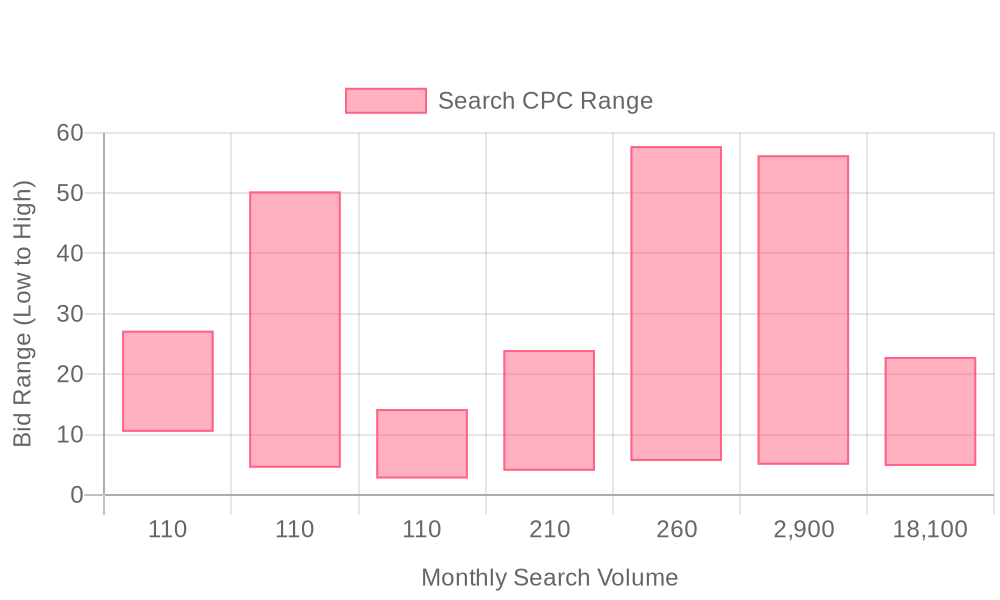
| Industry | Keyword | Monthly Search Volume | Competition Level | Low Bid | High Bid |
| Directory Advertising | directory advertising | 110 | LOW | 10.45 | 27.2 |
| Directory Advertising | add business to yellow pages | 110 | MEDIUM | 4.5 | 50.28 |
| Directory Advertising | yellow pages business listing free | 110 | MEDIUM | 2.72 | 14.22 |
| Directory Advertising | yelp business listing free | 210 | MEDIUM | 4 | 24 |
| Directory Advertising | ms ads | 260 | LOW | 5.62 | 57.79 |
| Directory Advertising | add my business in google | 2900 | LOW | 5 | 56.27 |
| Directory Advertising | microsoft ad | 18100 | LOW | 4.8 | 22.85 |
Mastering keyword strategy is foundational for directory businesses seeking to maximize advertising ROI. Google Ads enables B2B teams to engage prospects who are actively searching for directory listings, business directories, and related services with high commercial intent.
While social media and email nurture early-stage awareness, Google Ads captures prospects precisely when they're evaluating solutions or ready to sign up. By meeting buyers at this pivotal stage, directory platforms generate qualified leads who are more likely to convert. Explore more marketing and attribution insights to refine your strategy.
Strategic Value
- Precision Targeting: Reach decision-makers as they research and compare directory platforms, using tailored keyword groups that reflect specific industry verticals or business needs.
- Measurable ROI: Track every stage from ad click through quote request to directory sign-up, attributing revenue to each campaign and keyword set.
- Channel Synergy: Retarget website visitors across Display, YouTube, and other networks, ensuring that high-intent prospects see relevant messaging wherever they spend time online.
How to Use This Strategy
- Prioritize high-volume, low-competition keywords that signal purchasing intent, such as "best business directory for [industry]," "local business directory sign up," or "directory advertising rates."
- Deploy B2B-specific keywords targeting commercial buyers, for example, "directory advertising for SaaS companies" or "B2B service directories."
- Leverage ad assets to promote calls-to-action like "Join Today for a Free Listing" or "Claim Your Directory Profile," increasing both visibility and conversion potential.
Integrating unified data insights at every stage ensures your keyword strategy remains agile and relevant. Modern platforms enable marketers to move beyond surface-level analytics: by identifying which companies are visiting your directory, tracking real-time audience intent signals, and dynamically updating audiences, teams make smarter bidding and creative decisions. This approach addresses the typical disconnect between digital channels, positioning directory advertising as a seamless part of a holistic demand generation plan. For additional tactics that align with this methodology, review retargeting strategies for B2B lead acquisition.
To experience these data-driven strategies firsthand, get started for free with Sona.
Step-by-Step Campaign Execution Framework
Step 1: Build Targeted Keyword Lists
Precision in keyword selection forms the foundation of effective Google Ads for Directory Advertising. Segment keywords into tightly focused clusters based on your core service offerings: listings, premium subscriptions, and featured advertising placement. Tailor these groups with localization tactics, city, neighborhood, and "near me" modifiers, so ads surface for high-intent local searches that drive real business outcomes. For a comprehensive overview of digital advertising solutions, visit the Google Ads homepage.
Long-tail and question-based queries capture users deeper in the buying cycle, while negative keywords block irrelevant clicks and optimize budget efficiency. Align these search terms with the language used in your content marketing to ensure messaging remains consistent across channels, strengthening brand recognition. Marketers who sync real-time audience intent data and enrich profiles with firmographic insights can achieve even more granular targeting, enabling keyword lists that adapt as your prospects' interests shift.
The upgrade most directory advertising advertisers miss is going beyond raw keyword volume to layer in intent and identity signals. By connecting website-visitor data and CRM records with Sona Marketing Measurement, you can see which specific search terms bring in the accounts and customers that actually convert, and weight your keyword and bidding strategy toward those rather than the terms with the highest search volume alone.
Step 2: Develop Compelling Ad Copy
Ad copy for directory advertising must quickly resolve user pain points. Headlines should address immediate challenges, such as finding reputable service providers or unlocking exclusive placement opportunities, while supporting copy builds trust through third-party validations like certifications, user reviews, or notable client wins. Highlight urgency with time-bound incentives such as free trials or access to premium directory features, motivating prospects to take action.
Leverage all available ad assets, including call buttons, structured snippets, and service highlights, to maximize ad real estate and offer clear next steps. Consistency is critical: mirror the tone, offers, and trust signals from your social and email campaigns to reinforce a unified brand experience. With integrated audience sync, B2B marketers can ensure that the most engaged leads, identified in real time, see tailored ad messaging as they move between channels, accelerating conversion velocity. To learn how to automate audience sync and segmentation, explore Sona.
Step 3: Design Effective Landing Pages
A seamless journey from keyword to ad to landing page drives higher conversion rates for directory business marketing. Each landing page should align precisely with the search term and ad promise, segmenting experiences for local businesses, e-commerce partners, or other key audiences. Display directory statistics, trust badges, and a concise FAQ to establish credibility and answer common objections upfront.
Calls to action should remain prominent, clear, and optimized for mobile devices. Integrate forms directly with your CRM and marketing automation systems to enable instant lead assignment and personalized follow-up. When visitor identification tools capture granular firmographic and intent data, landing pages can dynamically personalize content or offers based on known visitor profiles, substantially increasing engagement and lead quality. If you want to see these solutions in action, get started for free with Sona.
Step 4: Implement Data-Driven Optimizations
Effective directory service ads rely on ongoing optimization driven by actionable data. Measure both micro conversions (e.g., form fills, click-to-calls) and macro conversions (e.g., qualified appointments, closed deals) to gain a holistic view of campaign impact. Use smart bidding strategies such as Target CPA or Max Conversions to focus spend on the highest-value leads. For more information on tracking and measuring conversions, see Google Ads conversion tracking.
A/B testing of headlines, CTA placements, and page layouts quickly reveals what resonates with each segment. Import offline conversion data, such as deals closed by sales or new business registrations, directly into your Google Ads account to further refine bidding and attribution models. Marketers leveraging unified data platforms can sync enriched offline and online conversion insights across their funnel, using these learnings to inform future content creation and campaign strategy for ongoing performance gains. For more tips, read our playbook on intent-driven retargeting.
Sona Marketing Measurement closes the gap between clicks and revenue. It captures ad clicks with first-party measurement, ties each one through UTM capture and ad-platform APIs to the matching company record in your CRM, and reports ROAS by keyword and campaign instead of by last-click form fill. Feeding that revenue signal back into Smart Bidding and Performance Max compounds over time: the algorithms optimize toward booked directory advertising revenue, not cheap leads.
Tips on Expanding Your Directory Advertising Presence
Maximizing directory advertising requires a blend of precise targeting, actionable data, and creative content strategies. Modern revenue teams drive growth by leveraging integrated insights to engage high-value prospects with tailored messaging.
- Cross-promote educational assets in retargeting to support content marketing goals: Use retargeting to surface relevant guides, webinars, or case studies to previously engaged visitors. By aligning these assets with each visitor's stage in the buying journey, you ensure content delivers value and deepens trust. With unified visitor identification, marketers can personalize retargeting efforts beyond simple web traffic segments, allowing educational content to reach decision-makers who are actively considering directory services.
- Upsell related services via segmented audiences based on CRM data: Segment your CRM contacts by industry, company size, or past engagement to create hyper-targeted upsell campaigns. By syncing enriched audience segments directly into your Google Ads account, you can automate personalized offers for add-on features or premium placements. This approach increases upsell rates and shortens sales cycles by presenting relevant options to those most likely to convert.
- Partner with industry associations for referral traffic or co-branded ads: Strategic alliances with respected associations can boost credibility and visibility. Co-branded campaigns or exclusive directory listings promoted through these partners generate qualified referral traffic and expand your reach to pre-vetted audiences. These collaborations also create opportunities for shared data insights, further refining your targeting and creative execution.
- Localize by state or metro areas to grow share-of-voice in targeted regions: Tailoring campaigns to specific geographic areas increases relevance and drives higher conversion rates. Utilize location data to create localized ad groups and landing pages, speaking directly to the needs of each market. Real-time intent signals allow you to dynamically adjust spend toward regions with increased in-market activity, maximizing your share-of-voice where competition is highest.
- Use search query data to identify new content topics for your broader marketing efforts: Analyze search terms and on-site behaviors to uncover emerging trends and content gaps. Integrating these insights into your content roadmap ensures your directory stays top-of-mind for evolving customer needs. By connecting search and engagement data with your CRM, you can prioritize topics with the highest revenue potential and create content that supports your entire marketing funnel.
Expanding your directory advertising presence efficiently reduces churn risk by nurturing a consistent cycle of engagement and conversion. Robust audience segmentation, localized messaging, and smart content strategies work together to amplify your brand and drive sustained growth. Explore proven retargeting approaches that unify your data and accelerate results.
Beyond Google Ads: Winning the AI Answers Directory Advertising Buyers Now Trust
Paid search captures demand at the moment someone types a query. But a fast-growing share of directory advertising buyers no longer start at Google at all, they ask ChatGPT, Gemini, or Perplexity before they ever run a search, and Google's own AI Overviews increasingly summarize an answer above the traditional results. If your business isn't referenced in those AI answers, you're invisible at the exact moment buyers build their shortlist.
Sona AI Visibility shows where your business shows up across ChatGPT, Gemini, Perplexity, Google AI Overviews, and 10+ engines, and, much like a keyword report, which prompts actually send you buyers, so you can prioritize the ones that convert. Run the two together and you cover the entire buyer path: get cited where buyers research (AI Visibility), then prove which of that demand turns into booked revenue (Marketing Measurement).
Helpful resources
Conclusion
Directory advertisers who win on Google Ads treat every click as a data point worth chasing past the form fill, back through the CRM, and into the deal it eventually became. That discipline, more than any single tactic in this guide, is what separates directories that scale their ad spend from those that keep guessing at what's working.
As AI answers and Performance Max both push bidding further from raw keyword volume and closer to who actually converts, the directories that feed clean, company-level revenue data into their campaigns now will be the ones still winning auctions once everyone else catches up. Start for free with Sona to put that data to work.
FAQ
How can I set up Google Ads for my directory business?
To set up Google Ads for your directory business, you need to build targeted keyword lists, develop compelling ad copy, design effective landing pages, and implement data-driven optimizations to track performance and maximize ROI.
What are the best practices for directory advertising on Google Ads?
Best practices include precision targeting, measurable ROI tracking, integrating keywords that align with user intent, and using ad extensions to enhance visibility and conversion potential.
How do I target local customers with Google Ads for my directory?
Target local customers by using localization tactics in your keyword strategy, such as city and 'near me' modifiers, and creating specific ad groups and landing pages tailored to local markets.
What is the cost-effectiveness of using Google Ads for directory advertising?
Google Ads is cost-effective for directory advertising by capturing high-intent prospects at the right moment, allowing for precise targeting and measurable outcomes, ultimately maximizing budget efficiency and conversion rates.
How can I track the performance of my Google Ads campaign for directory advertising?
Track performance by measuring both micro and macro conversions, using smart bidding strategies, importing offline conversion data, and syncing enriched offline and online conversion insights for ongoing optimization.







