


Design contracting is a referral-and-reputation business, but the first real touchpoint with a new client increasingly happens on a search results page. Homeowners planning a renovation and facilities managers scoping a commercial buildout both tend to research quietly before they ever call a firm, which means a contractor who isn't visible at the moment of that search simply isn't in the running. Google Ads closes that gap, putting your firm in front of prospects at the exact point they're comparing options.
How to Generate Design Contractor Leads with Google Ads: A Step-by-Step Guide

Design contractors operate in a market where lead quality and timing directly affect pipeline outcomes. Effective Google Ads campaigns provide immediate visibility with measurable intent, allowing contractors to connect with prospects actively searching for design services. Strategic use of paid channels amplifies local presence, capturing demand from businesses and consumers ready to engage. For a practical overview of optimizing campaign setup and targeting, this video guide on Google Ads for contractors is a valuable starting point.
Integrating Google Ads for design contractors into a broader marketing mix requires more than surface-level targeting. The challenge lies in turning anonymous website visitors into identified accounts, which enables precise audience building and retargeting. Sona's Identity Resolution reveals which companies and individuals are visiting your site, while enriched real-time audience segmentation allows for more effective ad targeting and follow-up.
Success with Google Ads for design contractors depends on understanding how this audience actually buys. Interior design and build-out decisions often start months before a signed contract, with prospects comparing portfolios, reading reviews, and checking licensing before they'll even take a call. Defining your ideal client persona and building keyword lists around specific services, whether that's kitchen remodels, commercial buildouts, or ADA-compliant renovations, puts your ads in front of decision-makers at the point of active comparison. Dynamic segmentation keeps audiences current as leads move through that long consideration window, so messaging stays relevant instead of going stale. Performance data then lets you refine targeting, budget, and creative on an ongoing basis, so spend tracks to actual booked projects rather than clicks. To streamline lead management and speed up follow-up, consider tools that sync audience data into ad platforms.
Why Does Google Ads Matter for Design Contractors?

Design contractors compete in a market where timing and precision targeting decide who gets the call. Google Ads puts your firm in front of high-intent searchers at the exact moment they're seeking design services, catching leads that passive marketing or referrals alone would miss. For a deeper look at strategies tailored for contractors, see this overview of Google Ads strategies for contractors.
Reaching specialized audiences is crucial for design contractors who often serve distinct sectors such as commercial interiors, custom home design, or hospitality upgrades. With custom intent and in-market audience capabilities, campaigns can be tailored to address the unique needs of each segment. This advanced targeting, especially when paired with real-time audience platforms, enables marketers to shift budgets toward audiences actively displaying buying signals, ensuring resources are allocated for maximum conversion potential.
Speed matters when project requests are urgent or during seasonal peaks in design demand. Google Ads enables rapid campaign adjustments so design contractors can quickly ramp up visibility and fulfill time-sensitive needs. Consistent engagement is maintained by dynamically updating audience segments as leads progress through the sales funnel, reducing lag between initial interest and sales outreach. To automate this process and track every key engagement, explore Buyer Journeys for complete visibility across touchpoints.
Targeted, location-based strategies empower design contractors to enter new markets or double down on high-growth regions. By layering geo-targeting with Sona's Intent Signals, campaigns can intercept high-value opportunities and support upsell or cross-sell initiatives that may otherwise go unnoticed. This approach is particularly effective for firms expanding their footprint or launching new service lines, as it ensures the brand is visible exactly where and when prospects are actively searching. If you're ready to maximize your ad ROI and streamline campaign management, get started for free with Sona.
Common Types of Google Ads Campaigns for Design Contractor Services

- Search Campaigns: Search campaigns ensure your design contractor services appear precisely when prospects search for high-intent queries such as "commercial interior designer near me" or "licensed design-build contractor." Aligning ad copy with the specific service and licensing credentials searchers are looking for bridges the gap between research and a phone call. When marketers use Sona's Identity Resolution to see which companies are already visiting the site, they can prioritize spend on accounts most likely to convert, tightening budget allocation and speeding up pipeline growth. For additional insight, see this overview of Google Ads strategies for contractors.
- Display Ads: Display ads keep your brand visible across the digital landscape, reaching decision-makers as they browse relevant industry content or competitor sites. This always-on presence builds recognition and nurtures long sales cycles typical in design contracting. Integrating real-time visitor identification enables teams to refine targeting, ensuring display impressions reach stakeholders who have already shown interest or interacted with your website. Explore more strategies for improving B2B demand generation.
- Video Ads: Video campaigns offer a compelling way to showcase design expertise, portfolio highlights, and unique service approaches. For design contractors, visual storytelling demonstrates value far more effectively than static ads, helping to move prospects from initial curiosity to deeper engagement. With dynamic audience updates, marketers can serve tailored video content to leads based on their funnel stage, maximizing impact and relevancy while driving more meaningful engagement. For a walkthrough, watch this video guide on optimizing Google Ads for contractors.
- Remarketing: Remarketing campaigns re-engage visitors who have browsed service pages, downloaded resources, or started but did not complete inquiries. By increasing the number of brand touchpoints, remarketing keeps your services top-of-mind, converting previously cold or abandoned leads into warm opportunities. Utilizing advanced tracking and CRM sync, teams can segment audiences by engagement and intent, delivering personalized ads that reignite interest and shorten sales cycles. Find more tips in our library of actionable playbooks.
- Assets: Ad assets add layers of credibility and detail to your campaigns, such as showcasing office locations, industry certifications, awards, or client testimonials. These enhancements build trust with prospects while increasing ad real estate and click-through rates. When messaging and data are harmonized across channels, every asset reinforces consistent value propositions and makes it easy for potential clients to take the next step.
Where to Find Growth Opportunities for Design Contractors

Growth for design contractors hinges on precision: uncovering untapped niches, engaging high-value prospects, and using data to prioritize the right opportunities. By leveraging advanced analytics and audience insights, revenue teams can proactively identify demand shifts, maximize return on every marketing dollar, and minimize churn risks.
- Vertical keyword targeting: Design contractors can unlock new client segments by researching and prioritizing keywords related to specialized services such as sustainable builds, commercial renovations, or luxury interiors. This approach delivers targeted traffic and reduces waste by aligning campaigns with the unique needs of each vertical. When layered with Sona's Intent Signals, marketers can quickly recognize which verticals are gaining traction and dynamically adjust keyword strategies to capture high-converting opportunities.
- Competitor gap analysis: Monitoring where competitors are investing, or neglecting, reveals valuable whitespace. Revenue teams should routinely benchmark their campaigns against industry peers, identifying keywords or service lines with low competition but high demand. Real-time tracking of competitor movement allows data-driven budget shifts to capitalize on emerging opportunities before the market becomes saturated. For insights into construction and contractor-specific Google Ads strategies, see this overview of Google Ads strategies for contractors.
- Industry-specific placements: Forums, professional directories, and niche industry sites offer high-intent audiences. Placing ads or educational content within these platforms not only boosts visibility but also enhances trust with prospects seeking expert guidance. Sona's Identity Resolution helps marketers move beyond anonymous impressions, pinpointing which companies interact with this content and feeding those insights directly into CRM and retargeting workflows.
- Retargeting with educational content: Not every client converts after the first interaction. Design contractors can nurture prospects throughout the funnel by retargeting them with whitepapers, case studies, or how-to videos. As leads engage with this content, dynamic audience lists update in real time, ensuring that prospects receive messaging tailored to their current decision stage. Enhanced attribution tracking measures how each content asset influences pipeline progression and final deal value, supporting continuous optimization of both creative and targeting.
By combining vertical keyword exploration, competitor intelligence, strategic placements, and content-driven retargeting, design contractors build a resilient growth engine. Tightly integrated data flows ensure every interaction is tracked, attributed, and acted upon, turning insights into measurable revenue impact. To see how you can operationalize these insights, get started for free with Sona.
Keyword Strategy & Sample Target Terms
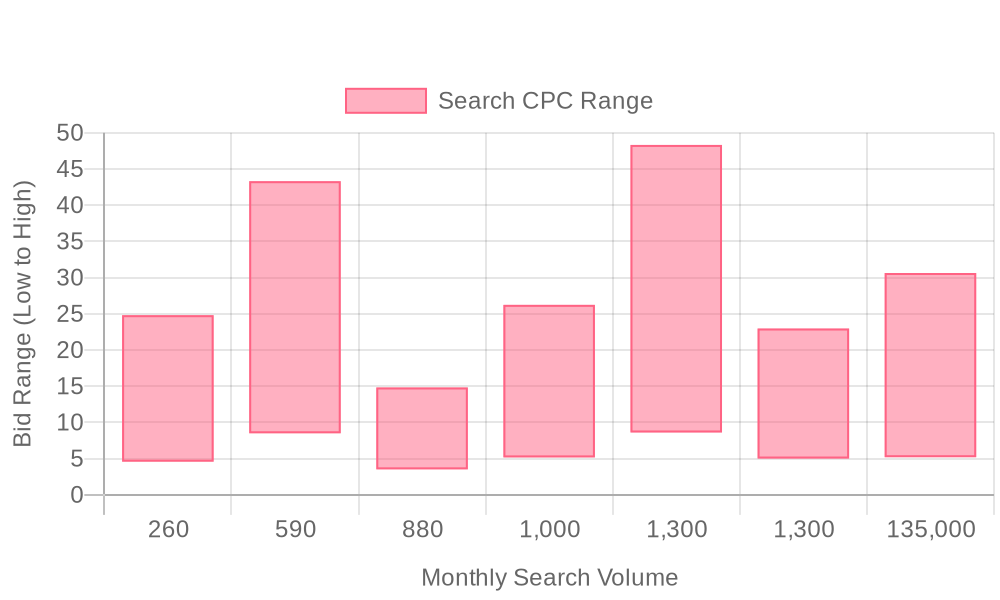
| Industry | Keyword | Monthly Search Volume | Competition Level | Low Bid | High Bid |
| Design Contractors | design contractors | 260 | LOW | 4.59 | 24.81 |
| Design Contractors | closet builders near me | 590 | HIGH | 8.51 | 43.32 |
| Design Contractors | outdoor kitchen builders near me | 880 | MEDIUM | 3.53 | 14.83 |
| Design Contractors | basement finishing contractors near me | 1000 | MEDIUM | 5.18 | 26.24 |
| Design Contractors | closet remodel near me | 1300 | MEDIUM | 8.62 | 48.32 |
| Design Contractors | affordable kitchen remodel near me | 1300 | MEDIUM | 5.02 | 22.97 |
| Design Contractors | kitchen remodels near me | 135000 | LOW | 5.2 | 30.64 |
Effective keyword strategy is the foundation for high-performing Google Ads campaigns targeting design contractors. Precision in keyword selection ensures marketing budgets directly support lead generation, pipeline growth, and qualified opportunities. Explore the ultimate guide to B2B marketing reports for insights into aligning keyword performance with broader marketing goals.
- Focus on high-intent, industry-specific keywords: Prioritize terms such as "Google Ads for design contractors," "commercial interior design marketing," and "interior design firm advertising." These keywords capture buyers who are actively searching for solutions or partners, improving conversion rates and maximizing ad spend efficiency. For a deeper dive into strategies tailored to contractors, see this overview of Google Ads strategies for contractors.
- Integrate local modifiers for hyper-targeting: Use phrases like "design build contractor near me" or "commercial design services in [city]." Local campaigns not only capture urgent search moments but also align messaging with geographic intent, increasing relevance and click-through rates. To enhance your ability to reach the right audience, leverage real-time audience data for precise, location-based targeting.
- Deploy negative keywords to maintain quality: Exclude unrelated queries such as "DIY design tips" or "free interior design software." This prevents wasted impressions, ensures budgets focus on commercial intent, and excludes non-purchasing audiences from your funnel. Review how intent data can help refine your negative keyword lists and improve targeting.
- Segment by purchase intent and search volume: Regularly analyze search trends and competition to identify emerging, high-value terms. Tracking volume and cost-per-click metrics allows marketers to capitalize on new demand while optimizing existing campaigns. For best practices on campaign measurement, reference this guide to measuring marketing's influence on the sales pipeline.
- Refine targeting with real-time audience data: Leverage dynamic audience updates based on in-market behavior to immediately shift budget toward accounts showing active buying signals. When platform insights reveal which companies are returning or engaging with landing pages, marketers can prioritize outreach and adjust bids for those segments by using Sona's Identity Resolution for company identification and enhanced pipeline targeting.
By combining keyword rigor with enriched behavioral and firmographic insights, design contractors can build campaigns that consistently reach decision-makers, fill the pipeline with quality leads, and accelerate revenue growth. For additional optimization, integrating CRM and ad platforms keeps keyword-driven audiences current as prospects move through the sales funnel, further amplifying campaign precision and impact. If you're ready to put these strategies into action, get started for free with Sona to unlock advanced targeting and measurement capabilities for your Google Ads campaigns.
Step-by-Step Campaign Execution Framework
Step 1: Build Targeted Keyword Lists
For design contractors, granular keyword targeting is foundational. Segment keywords by specific service offerings, such as commercial interiors, residential remodeling, or sustainable design, and anchor each set to the corresponding local markets. This approach ensures your ads surface for high-intent searches, connecting you with prospects who are actively seeking your expertise in their area.
Precision keyword mapping minimizes wasted spend and sharpens relevance. With unified go-to-market data, marketers can move beyond surface-level targeting and pinpoint companies and buyers that match ideal customer profiles. Integrating real-time visitor identification means you no longer depend on anonymous click data; instead, you can dynamically update keyword strategies based on the actual organizations landing on your site, fueling higher conversion rates and campaign ROI. If you're interested in building a scalable keyword list, you can find actionable advice in our marketing blog.
The upgrade most design contractors advertisers miss is going beyond raw keyword volume to layer in intent and identity signals. By connecting website-visitor data and CRM records with Sona Marketing Measurement, you can see which specific search terms bring in the accounts and customers that actually convert, and weight your keyword and bidding strategy toward those rather than the terms with the highest search volume alone.
Step 2: Develop Industry-Specific Ad Copy
Effective ad copy addresses the pain points that matter most to clients: project timelines, regulatory compliance, and unique design value. Highlighting industry certifications and award-winning projects builds instant credibility, while local expertise reassures potential clients that you understand regional requirements.
Tailored messaging is amplified by leveraging in-market behavior data. As high-value visitors engage with your assets, you can adjust ad copy to match their journey stage, whether they are just starting to research or ready to select a vendor. Leveraging platform integrations, your ads automatically reflect real-time shifts in prospect intent, ensuring every impression and click is contextually relevant. For a video overview of optimizing Google Ads campaign messaging, see this video guide.
Step 3: Design Effective Landing Pages
Landing pages must align tightly with ad group themes and address the specific service or locality mentioned in the ad. Clear, concise calls to action, such as "Request a Free Consultation" or "See Our Portfolio," guide visitors through frictionless conversion paths designed for the design contractor buying cycle.
Optimized landing pages also allow deeper tracking of lead quality and engagement. When advanced attribution connects both online and offline signals, marketers gain visibility into which campaigns deliver real pipeline impact. Continuously syncing CRM and ad platform data keeps audience segments and creative in step with actual buyer progress, closing gaps that stall conversions. Explore Google Local Service Ads for another way to enhance local visibility and drive relevant leads.
Step 4: Implement Data-Driven Optimizations
Continuous optimization is essential in maximizing Google Ads ROI for design services. Track conversions at every stage, form fills, phone calls, booked consultations, and use smart bidding strategies to allocate budget to the highest-performing segments. Real-time engagement signals empower marketers to shift spend toward campaigns attracting qualified, in-market accounts.
With unified campaign data, revenue teams can spot emerging intent and capitalize on it instantly. Dynamic audience management ensures that as prospects move through the funnel, retargeting and nurturing sequences evolve without delay. Integrating enriched lead and account data into Google Ads and connected CRMs streamlines reporting, enabling agile adjustments that drive sustained growth for design contractors. For a step-by-step guide to avoiding common pitfalls and maximizing ROI, review the top Google Ads mistakes contractors make. To see how easily you can unify your ad data and audience insights, get started for free with Sona.
Sona Marketing Measurement closes the gap between clicks and revenue. It captures every ad click with first-party measurement rather than third-party cookies, then ties that click through UTM capture and ad-platform APIs to the actual record in your CRM, and reports ROAS by keyword and campaign instead of by last-click form fill. Feeding that revenue signal back into Smart Bidding and Performance Max compounds over time: the algorithms optimize toward booked design contractor revenue, not cheap leads.
Tips on Expanding Your Design Contractor Presence

Design contractors seeking to strengthen their presence need to focus on targeted, data-driven strategies that translate industry insights into actionable growth. By integrating advanced marketing tools and leveraging unified data, firms can identify high-intent prospects and personalize engagement for lasting value through real-time segmentation.
- Leverage educational cross-promotion: Collaborate on webinars, guides, or online courses with adjacent brands or influencers in the design space. This not only diversifies your audience but also positions your expertise in front of new prospects while reducing churn through continual engagement. Educational content is particularly effective when guided by real-time audience insights, enabling you to focus on the content topics that drive the most in-market interest for your ideal clients.
- Upsell using segmented CRM data: Take advantage of enriched CRM insights to segment your audience based on purchase history, project size, or service interest. Tailor upsell offers or new service launches to the right segments, and unify these messages across email, paid search, and social channels for higher engagement. Syncing audience data between your CRM and advertising platforms enables dynamic updates, so your campaigns remain aligned with current buyer intent and lifecycle stage.
- Partner with industry associations: Forge partnerships with respected industry groups to access referral traffic and co-branded marketing opportunities. These collaborations not only expand visibility in targeted markets but also build credibility through association with trusted organizations. When referral campaigns are tracked with unified attribution, you gain clarity on which partnerships drive the most bottom-line impact, letting you reinvest where ROI is highest.
- Use search query data for new content topics: Analyze search behavior to uncover emerging trends or gaps in content, then quickly create resources that answer those needs. For example, if search queries reveal growing demand for sustainable interior design, publish thought leadership or case studies tailored to that interest. Integrating search data with your content calendar ensures your marketing always stays ahead of the curve, supporting broader Google Ads strategies for contractors and maximizing the value of every campaign.
Beyond Google Ads: Winning the AI Answers Design Contractors Buyers Now Trust
Paid search captures demand at the moment someone types a query. But a fast-growing share of design contractors buyers no longer start at Google at all, they ask ChatGPT, Gemini, or Perplexity before they ever run a search, and Google's own AI Overviews increasingly summarize an answer above the traditional results. If your business isn't referenced in those AI answers, you're invisible at the exact moment buyers build their shortlist.
Sona AI Visibility shows where your business shows up across ChatGPT, Gemini, Perplexity, Google AI Overviews, and 10+ engines, and, much like a keyword report, which prompts actually send you buyers, so you can prioritize the ones that convert. Run the two together and you cover the entire buyer path: get cited where buyers research (AI Visibility), then prove which of that demand turns into booked revenue (Marketing Measurement).
Helpful resources
Conclusion
Google Ads gives design contractors a way to reach clients at the exact moment they're deciding who gets the job, replacing the wait for referrals with a repeatable pipeline. Firms that pair precise keyword targeting with disciplined budget management turn ad spend into a visible, trackable growth channel rather than a cost of doing business.
The firms that pull ahead won't just run more ads, they'll be the ones who can prove which campaigns actually filled the project pipeline, and adjust faster than competitors still guessing at attribution. That shift, from spending on clicks to investing against booked revenue, is where the next round of growth in this industry will be won.
To take your advertising efforts to the next level, consider a platform that unifies go-to-market data and turns it into actionable insight. Start for free to see how it can sharpen your targeting and prove out results.
FAQ
How can design contractors maximize their Google Ads budget?
Design contractors can maximize their Google Ads budget by focusing on high-intent, industry-specific keywords, integrating local modifiers for hyper-targeting, and deploying negative keywords to maintain quality. Additionally, leveraging dynamic audience updates and real-time engagement signals ensures budget allocation towards high-performing segments.
What are the best Google Ads strategies for targeting local clients in the design industry?
The best strategies include using local modifiers in keyword targeting, geo-targeting with business intent signals, and creating location-specific ad campaigns. This approach captures urgent search moments and aligns messaging with geographic intent, increasing relevance and click-through rates.
How do Google Ads help in increasing visibility for design contractors?
Google Ads increase visibility by enabling access to high-intent searchers at the exact moment they are seeking design services, and by using advanced targeting and real-time audience segmentation to ensure ads are shown to the right prospects.
What are some success stories of design contractors using Google Ads?
Success stories often involve design contractors effectively using Google Ads to connect with high-intent clients through precise targeting, keyword optimization, and dynamic audience updates, leading to improved conversion rates and ROI.
How can design contractors track and measure the ROI of their Google Ads campaigns?
Design contractors can track and measure ROI by using tools that sync audience data into ad platforms, employing smart bidding strategies, and utilizing advanced tracking and CRM sync to monitor conversions and refine targeting based on performance insights.







