


Dental patients rarely shop the way B2B buyers do: a cracked molar or a swollen jaw turns a browser into a caller within the hour, and that urgency is exactly what makes Google Ads such a distinct channel for practices. Online channels like social media build digital brand awareness, email marketing nurtures ongoing relationships, and SEO drives organic visibility. Offline channels such as community sponsorships, direct mail, and referral partnerships with other providers create tangible, local touchpoints. Google Ads sits in the middle, capturing patients at the exact moment they're searching for a dentist, whether that's a routine cleaning booked weeks out or an emergency extraction needed today. For Google Ads for Dental Marketing, the channel bridges those online and offline efforts into a single, measurable acquisition engine:
How to Generate Google Ads for Dental Marketing Leads with Google Ads: A Step-by-Step Guide

Modern dental practices thrive on timely engagement with high-intent prospects. A data-driven Google Ads approach ensures that your campaigns reach qualified patients at critical decision points, accelerating both lead generation and patient acquisition. By using real-time audience insights, dental marketers can optimize targeting and connect with patients who are most likely to convert.
By integrating Google Ads into your broader dental marketing strategy, you unlock precise targeting, actionable data, and measurable ROI. For a comprehensive overview of how Google Ads can fuel dental practice growth, this step-by-step guide for dentists is a helpful starting point. For more advanced strategies, explore our in-depth marketing playbooks designed to drive scalable pipeline growth.
- A data-driven approach to paid search within your broader marketing mix: Dental practices benefit from paid search when it’s aligned with organic, referral, and offline channels. Leveraging intent signals from web behavior, marketers can prioritize budgets toward campaigns proven to convert, rather than relying solely on keyword volume or generic audience assumptions. Audience segmentation based on in-market search activity creates a feedback loop, allowing for agile budget reallocations as demand shifts.
- Keyword and audience targeting strategies specific to dental marketing buyers: Effective Google Ads for dental marketing begins with a granular keyword strategy, targeting high-conversion phrases like "emergency dentist near me," "teeth whitening specials," and "Invisalign cost." Beyond keywords, audience targeting leverages behavioral data to pinpoint users exhibiting intent, such as recent visits to treatment pages or form submissions. To discover creative keyword and campaign ideas, review these dental marketing ideas for inspiration.
- Landing page and creative alignment techniques for maximum conversion: Ensuring that ad messaging, landing pages, and CTAs are synchronized is essential for conversion rate optimization in dental PPC. Personalized landing experiences, built around specific services or offers, reduce friction in the patient journey. By connecting intent data from ad interactions with dynamic page content, marketers can present the right appointment offer or consultation incentive at the moment a lead is most likely to convert.
- Performance optimization tactics to continuously improve ROI: Continuous refinement is central to PPC for dentists. Marketers use conversion tracking, call analytics, and multi-touch attribution to identify which campaigns, ads, and keywords drive new patient appointments and high-value cases. For best practices on optimizing your paid campaigns, refer to this guide to PPC strategies for dentists.
- Cross-channel integration methods to strengthen your entire marketing ecosystem: Dental practices grow faster when paid search works in concert with content, social, and email marketing. By syncing high-quality audience data into Google Ads from CRM and marketing automation platforms, marketers can retarget website visitors and create unified experiences across channels. Get more ideas for integrated outreach in our actionable playbooks.
Delayed or manual follow-ups can erode the value of even the best Google Ads campaigns, as hot dental leads cool quickly without prompt engagement. With intent-based audience segmentation and CRM-ad sync, marketers ensure that interested patients see high-priority ads and receive immediate outreach, preventing pipeline leaks and improving speed-to-sale. To experience these capabilities firsthand, get started for free with Sona.
Why Does Google Ads Matter for Dental Marketing?
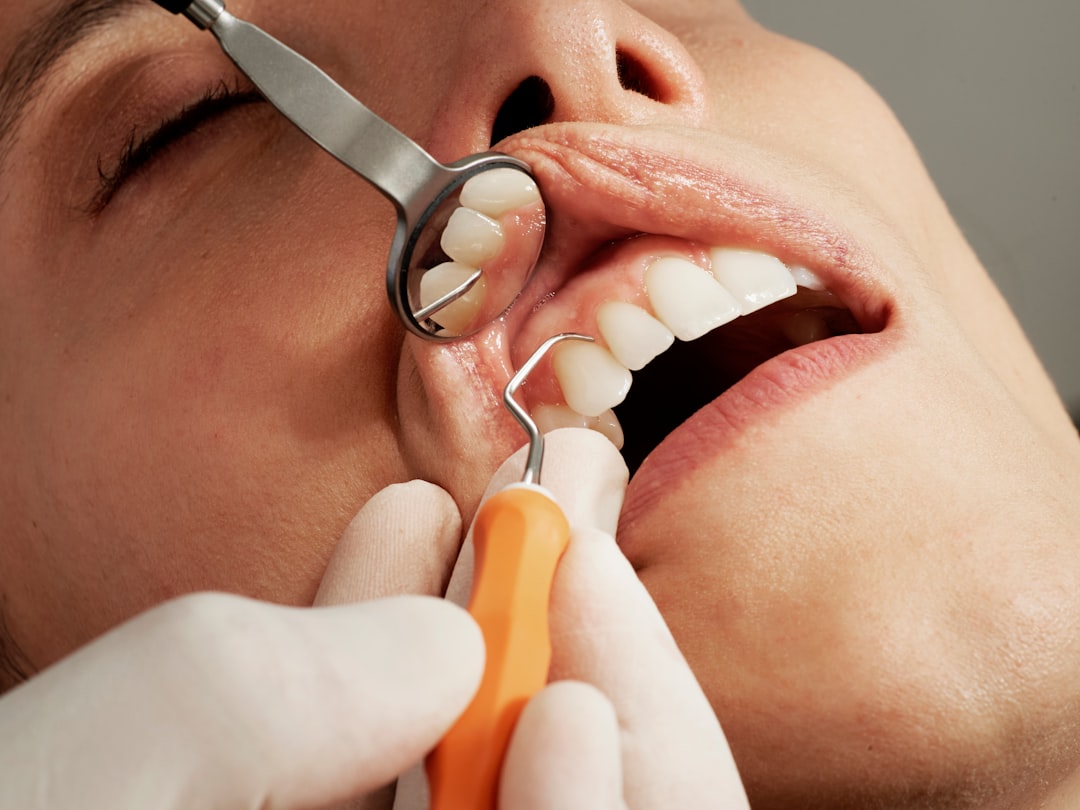
Dental marketing demands precision and speed to capture patients at the exact moment they seek care. Google Ads meets this challenge by connecting dental practices with individuals who are actively searching for treatments, from routine cleanings to urgent dental emergencies. For a step-by-step guide to setting up and optimizing campaigns, see Google Ads for dentists.
- Complex, Specialized Audience: Dental practices face the challenge of reaching patients who are not only local but are also seeking specific treatments such as implants, Invisalign, or emergency dental care. While platforms like LinkedIn or Facebook build broad awareness, Google Ads for Dental Marketing targets high-intent individuals conducting in-depth research on dental solutions. This focus ensures your marketing spend is directed toward audiences with an immediate need, increasing the likelihood of appointment bookings.
- Higher Margin Services: Attracting new patients for high-value procedures is essential for practice growth. Traditional email marketing excels at nurturing existing relationships, but Google Ads enables dental clinics to capture new patients searching for premium treatments like cosmetic dentistry or orthodontics. By identifying which companies are engaging with high-value service pages using Sona's Identity Resolution, marketers can prioritize follow-up and allocate budgets more efficiently, ensuring maximum impact on the bottom line.
- Faster Demand Response: In dental care, timing is everything. Social media builds long-term brand equity, but when patients need same-day appointments or respond to seasonal promotions, Google Ads provides instant visibility. With real-time audience data, dental practices can dynamically update their audience segments and shift budgets toward users displaying immediate purchase intent, efficiently capturing leads during critical demand surges.
- Visibility in Emerging Regions: As dental practices expand into new neighborhoods or underserved markets, traditional marketing often falls short in reaching these populations. Google Ads allows precise geo-targeting for dental practices, ensuring visibility within growing areas that may not yet be on your brand’s radar. This targeted approach enables practices to build a presence in key regions and attract patients who might otherwise go unnoticed.
- Integrated Data Analysis: Modern dental marketing strategies require closed-loop measurement from ad click to booked appointment. By integrating advanced analytics and conversion tracking, practices can see which campaigns drive real revenue and optimize spend across channels. Real-time syncing of enriched audiences and leads into Google Ads and connected CRMs ensures continuous data flow, helping revenue teams focus on the most promising prospects and measure true ROI across both online and offline touchpoints.
Understanding exactly which organizations or individuals are engaging with your campaigns enables smarter budget allocation and campaign refinement. When every ad dollar is connected to real patient outcomes and business growth, Google Ads becomes a critical component of a data-driven dental marketing strategy. To experience the benefits first-hand, get started for free with Sona.
Common Types of Google Ads Campaigns for Dental Marketing
Google Ads groups these efforts into a handful of campaign types, mainly Search, Display, Video, and Performance Max, each suited to a different stage of the patient journey. Within Search campaigns, marketers also choose ad formats, including Responsive Search Ads, which test combinations of headlines and descriptions to find what converts best.
- Search Campaigns: Search campaigns deliver immediate access to high-intent prospects searching for dental care in real time. By capturing urgent queries like “emergency dentist near me” or “teeth whitening appointment today,” practices can convert motivated searchers directly from the results page. When these campaigns are fueled by unified funnel data, marketers can identify not just anonymous web visitors but specific companies or households demonstrating dental service intent, letting ad spend focus precisely where new patient value is highest.
- Display Ads: Display ads keep your brand visible across relevant industry websites, dental blogs, and patient resources, reinforcing your message long after the initial visit. For dental practices, this sustained exposure ensures that patients researching treatment options see your services repeatedly, building trust and recall. When audience lists are dynamically updated based on cross-channel engagement, your practice stays top-of-mind among those actively weighing their options, rather than wasting impressions on cold traffic.
- Video Ads: Video ads allow dental practices to visually explain complex treatments, showcase patient results, and humanize providers through testimonials or behind-the-scenes content. These campaigns strengthen content marketing strategies by extending reach beyond static ads, improving engagement with prospective patients interested in cosmetic or specialty care. With real-time intent signals, budget can be shifted to video placements that resonate most with in-market leads, ensuring higher engagement and conversion rates.
- Remarketing: Remarketing re-engages website visitors who explored services or began booking but didn’t convert, offering a second chance to nurture interest and address hesitations. For dental practices, this means reconnecting with patients who abandoned consultation forms or browsed high-value procedures, creating multiple touchpoints until they are ready to book. Guidance on leveraging Google Ads to drive local traffic can help refine these campaigns, while integrating audience updates across the patient journey ensures remarketing lists automatically adjust to add or remove prospects as their interest levels change, keeping campaigns efficient and relevant.
- Assets: Ad assets add valuable trust signals to your dental ads, such as office location, provider credentials, and 24/7 availability, which reinforce claims made in your website and marketing collateral. In competitive dental markets, these assets differentiate your practice by surfacing critical details directly within the search result, encouraging higher click-through rates. When these details are pulled from unified data sources and updated in real time, you can ensure that only the most current, accurate information appears, building credibility and reducing patient friction.
Incomplete or outdated account data often hinders personalization and targeting across these campaign types. When audience and lead lists are continuously enriched and synchronized across Google Ads, marketing automation, and CRM, dental practices reach the right prospects at every stage without manual intervention, maximizing both efficiency and patient acquisition outcomes. To streamline your dental marketing campaigns and connect with more qualified patients, get started for free with Sona.
Where to Find Growth Opportunities?

Expanding your dental marketing reach requires moving beyond traditional channels that primarily attract existing audiences. For dental practices aiming to accelerate patient acquisition and maximize Google Ads performance, identifying new growth pockets means tapping into overlooked specialty services and emerging patient behaviors. For a look at how Google Ads can drive measurable ROI for dental offices, explore this guide to Google Ads effectiveness in 2024. Marketers can also gain ongoing insights from Sona’s blog for advanced strategies in healthcare and dental marketing.
- Vertical keyword targeting for specialty services: Focusing on high-value, niche keywords like "same-day dental implants," "emergency pediatric dentist," or "sedation dentistry for anxious patients" allows dental practices to reach segments that generic campaigns miss. These keywords often carry less competition and higher patient intent, making it easier to stand out in Google Ads auctions. By integrating real-time intent data, marketers can automatically prioritize spend on these specialty keywords as soon as local search trends shift, ensuring that campaigns adapt instantly to new demand signals.
- Competitor gap analysis for underserved segments: Leveraging auction insights and advanced keyword tools, dental marketers can pinpoint which patient segments competitors overlook, such as high-ticket cosmetic procedures or after-hours emergency care. This approach uncovers search queries where ad saturation is low but patient value is high. When these insights are connected with platform-level visitor identification, practices can move from broad assumptions to clear, account-level targeting, zeroing in on the specific companies or individuals most likely to convert.
- Industry-specific placements on trade forums or directories: Many prospective dental patients turn to local directories, healthcare review platforms, or specialized forums for advice. Placing Google Ads and sponsored content in these environments ensures your message reaches decision-makers even when your organic content is not ranking. With dynamic audience sync, these placements can be updated as new leads progress through your funnel, maintaining relevance and increasing engagement.
- Content retargeting with strategic assets: Utilizing educational resources like whitepapers, dental procedure checklists, or step-by-step patient guides as retargeting assets keeps your brand top-of-mind for high-intent website visitors. By integrating these retargeted audiences into a unified calendar with your broader content marketing efforts, practices can orchestrate cross-channel campaigns that nurture leads until they are ready to book an appointment. Advanced conversion tracking further allows you to measure both online and offline actions, such as appointment calls and in-practice visits, tying every retargeting asset directly to new patient revenue.
How to Apply Audience Segmentation for Dental Marketing

Audience segmentation is the foundation of high-impact dental marketing, transforming broad targeting into focused outreach that addresses the specific needs of each patient type. By dividing your audience based on service interest and patient intent, you unlock the potential for more relevant messaging and stronger conversion rates throughout your Google Ads for Dental Marketing strategy.
- Define Segments: Start by mapping your patient base into clear categories such as cosmetic dentistry, preventive care, orthodontics, and emergency services. This segmentation allows you to recognize the distinct motivations and timelines driving patient decisions, ensuring every campaign aligns with their unique needs. For example, patients seeking cosmetic enhancements often prioritize aesthetics and financing options, while emergency dental patients are motivated by immediate relief and accessibility. Explore actionable segmentation tactics and more in our marketing playbooks.
- Overlay Intent Signals: Incorporate behavioral and contextual signals to refine your segments further. Identify patterns such as frequent searches for “routine dental cleaning” or “Invisalign consultation near me,” which reveal underlying intent and urgency. By capturing these nuances, you can prioritize ad spend toward audiences most likely to convert, adapting messaging in real time as patient interests shift. Platforms that surface in-market intent data in real time enable you to dynamically redirect budget to segments demonstrating active research or immediate dental needs.
- Create Ad Groups by Segment: Develop dedicated ad groups within your Google Ads campaigns that reflect each audience segment, customizing creative and budget allocations to match the expectations and conversion potential of each group. Craft copy and select visuals that resonate with segment-specific concerns, such as highlighting pain-free procedures for anxious patients, or showcasing before-and-after results for those considering cosmetic treatments. As patient journeys evolve, dynamic audience updates ensure your campaigns remain relevant, automatically moving leads between ad groups as they progress from awareness to consideration.
- Validate Conversion Paths: Ensure every patient interaction, from website form fills to inbound calls, is tracked and attributed to the correct audience segment. Integrating conversion data directly into your CRM and Google Ads accounts enables a closed-loop system where marketing and sales activities are unified for precise ROI measurement. Advanced tracking solutions connect both online and offline actions, such as call bookings and in-person consultations, allowing you to pinpoint which audience segments are driving the highest-value conversions and refine targeting accordingly.
This is also where measurement changes the economics. With Sona Marketing Measurement you can identify the companies behind your ad clicks, not just anonymous sessions, and segment audiences by who actually becomes a patient. That lets you build bid adjustments and audience signals around the segments that convert and de-prioritize the ones that don't, so you feed Google's algorithms "this click became a paying dental patient" instead of just "someone filled out a form."
Keyword Strategy & Sample Target Terms
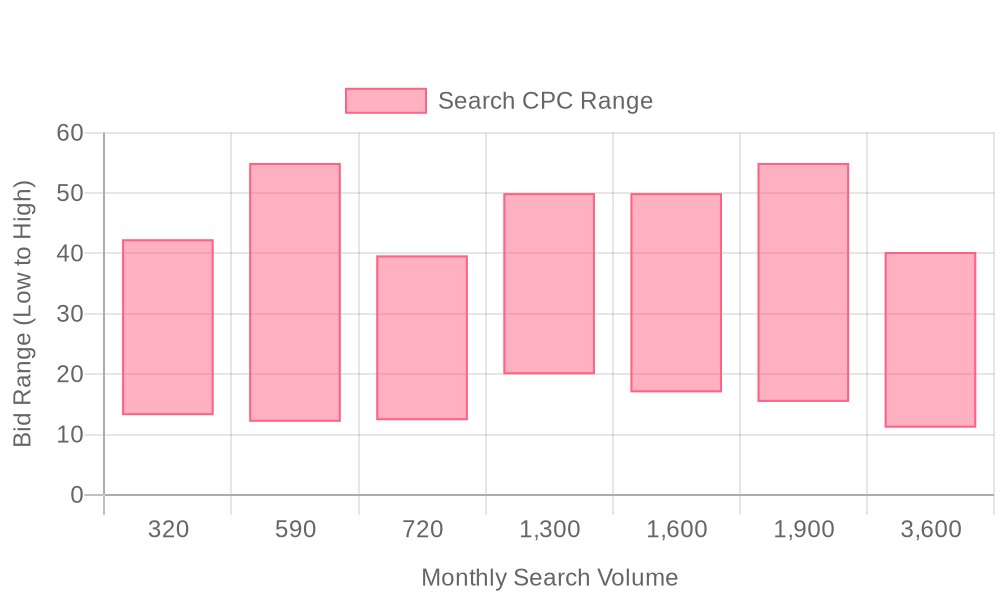
| Industry | Keyword | Monthly Search Volume | Competition Level | Low Bid | High Bid |
| Dental Marketing | dental implant marketing | 320 | LOW | 13.21 | 42.35 |
| Dental Marketing | marketing for dental offices | 590 | LOW | 12.12 | 55 |
| Dental Marketing | dental marketing agency | 720 | LOW | 12.38 | 39.67 |
| Dental Marketing | dental seo company | 1300 | LOW | 20 | 50 |
| Dental Marketing | dental seo | 1600 | LOW | 17 | 50 |
| Dental Marketing | dental marketing companies | 1900 | LOW | 15.41 | 55 |
| Dental Marketing | dental marketing | 3600 | LOW | 11.15 | 40.25 |
Modern dental practices can accelerate patient acquisition by deploying a tightly focused keyword strategy that aligns with the urgent needs of their audience. Leveraging Google Ads for Dental Marketing, practices connect with prospects who are actively searching for dental solutions, capturing high-value leads at the moment of intent. For additional strategies on digital marketing and analytics, explore the Sona blog.
Precision targeting is essential for intercepting decision-makers as they evaluate dental providers and specific treatments. By analyzing which companies and individuals engage with core website pages, like service overviews or pricing, a practice can refine its keyword lists around high-conversion intent, such as "emergency dentist near me," "Invisalign specialist," or "same-day crowns." This approach ensures ad budgets are allocated where the probability of conversion is highest, reducing wasted spend and increasing the quality of incoming leads.
Practices benefit from measurable ROI by tracking every stage of the patient journey, from initial click to appointment and ultimately to treatment completion. With advanced attribution capabilities, revenue teams can see which keywords, ads, and audience segments deliver actual bookings. The ability to track both online and offline conversions provides a comprehensive view of real campaign impact, making it easier to justify investments and forecast future performance.
Channel synergy amplifies reach by enabling retargeting across display, video, and social platforms. Once a visitor has engaged with high-value content, audiences can be dynamically updated as those leads move through the funnel, ensuring messaging remains relevant and personalized. Real-time behavioral signals help marketers shift budget to accounts showing in-market activity, capturing demand before competitors act.
Step-by-Step Campaign Execution Framework
A systematic execution framework is crucial for maximizing the performance of Google Ads for Dental Marketing. Dental practices that follow a disciplined approach to campaign setup, creative development, and continuous optimization consistently outperform those relying on ad hoc tactics. By integrating data across channels and leveraging advanced intent signals, practices can attract higher-value patients and achieve measurable business growth. For deeper insights into effective campaign strategies, explore best practices and tips for dentists to succeed with Google Ads.
Step 1: Build Targeted Keyword Lists
Effective dental PPC campaigns begin with rigorous keyword clustering. Each cluster targets a specific service line such as dental implants, routine checkups, or cosmetic procedures. Localizing keywords with city, neighborhood, and "near me" modifiers ensures ads reach patients actively searching for immediate care in the right geographic area. Incorporating long-tail and question-based phrases like "how much does Invisalign cost in [city]" captures patients at critical decision-making stages.
Negative keyword filters are essential for excluding irrelevant searches, such as those targeting dental jobs or unrelated services. Aligning these keyword lists with terminology from your dental blogs and patient education materials further strengthens campaign relevance and Quality Score. Practices using Sona's Identity Resolution can move beyond anonymous traffic, pinpointing high-value companies who are most likely to convert, and then enriching keyword strategies based on real-time intent data.
The upgrade most dental marketing advertisers miss is going beyond raw keyword volume to layer in intent and identity signals. By connecting website-visitor data and CRM records with Sona Marketing Measurement, you can see which specific search terms bring in the accounts and customers that actually convert, and weight your keyword and bidding strategy toward those rather than the terms with the highest search volume alone.
Step 2: Develop Compelling Ad Copy
Ad copy is where patient acquisition strategies come to life. Headlines must address primary patient pain points, such as relief from tooth pain or the desire for a confident smile. Trust markers like board-certified credentials, patient testimonials, and published success rates should be woven into descriptions to establish authority and credibility. Offering urgency-driven incentives, such as free consultations or new patient specials, helps move prospects from consideration to action.
Ad extensions play a pivotal role in increasing both click-through rates and conversion opportunities. Call extensions enable one-tap appointment scheduling, while structured snippets and service highlights present a concise overview of treatments offered. Consistency across all messaging channels is vital; integrating with your CRM and marketing data ensures prospective patients receive a unified brand experience. Dynamic audience capabilities allow practices to automatically update ad groups and offers as leads move through the funnel, personalizing copy for every stage of the journey.
Step 3: Design Effective Landing Pages
Every click from a Google Ads campaign should lead to a landing page that mirrors the user's intent and search query. This 1:1 alignment between keyword, ad, and landing page improves Quality Scores and increases the likelihood of conversion. Segmenting pages by treatment type or specific audience (such as pediatric versus adult dental care) allows for tailored messaging and more relevant user experiences. For practical inspiration, review proven landing page ideas for dental marketing.
Appointment booking forms, authentic patient reviews, and detailed FAQs must be prominently featured to reduce friction and answer common concerns. Call-to-actions should remain clear, persistent, and optimized for mobile devices, given the high volume of searches conducted on smartphones. Integration with practice management systems and CRM platforms ensures that every form submission or call is tracked, enabling seamless lead follow-up and accurate performance reporting. Marketers who use Sona's Identity Resolution can recognize returning visitors and present personalized content, elevating the patient experience and boosting conversion rates.
Step 4: Implement Data-Driven Optimizations
Ongoing optimization is the engine behind sustained Google Ads performance for dental practices. Tracking both micro-conversions (such as brochure downloads or live chat engagements) and macro-conversions (like booked appointments) provides a comprehensive view of campaign effectiveness. Smart bidding strategies such as Target CPA or Maximize Conversions use real-time auction data to dynamically adjust bids, ensuring spend is allocated toward the highest-value leads. For detailed guidance on leveraging Google Ads to drive local patient acquisition, consult this guide to attracting more local patients.
A/B testing remains foundational: regularly experiment with ad headlines, CTA placements, and landing page layouts to uncover what resonates most with your target audience. Importing offline conversion data, such as confirmed appointments or completed procedures, enables more precise bidding and attribution, ensuring that optimizations are grounded in actual revenue outcomes. By using Google Ads data to inform content across all marketing channels, practices build a cohesive strategy that drives consistent engagement and maximizes ROI. Disconnected efforts often result in inconsistent messaging and wasted budget, but a unified, data-driven approach delivers sustained patient growth and practice profitability. If you're ready to unify your dental advertising and analytics, get started for free with Sona.
Sona Marketing Measurement closes the gap between clicks and revenue. It captures every ad click with first-party measurement, then ties that click through UTM capture and ad-platform APIs to the actual record in your CRM, and reports ROAS by keyword and campaign instead of by last-click form fill. Feeding that revenue signal back into Smart Bidding and Performance Max compounds over time: the algorithms optimize toward booked dental marketing revenue, not cheap leads.
Tips on Expanding Your Dental Marketing Presence
Cross-channel dental marketing flourishes when educational resources are strategically promoted to audiences already familiar with your brand. By embedding valuable guides or patient FAQs in retargeting sequences, practices reinforce their expertise while nurturing trust and supporting broader content marketing objectives. This integration ensures that prospective patients who previously engaged with your site receive timely, relevant information that addresses their specific needs, making each interaction more meaningful and conversion-focused.
Segmenting audiences using enriched CRM data enables precise upsell opportunities for related dental services, such as teeth whitening, orthodontics, or cosmetic upgrades. As leads move from consultation requests to treatment planning, dynamically updating audience segments ensures that offers are tailored to each patient’s stage and service history. This approach not only increases revenue per patient but also builds loyalty by anticipating and meeting evolving oral health needs. When CRM and ad platforms are tightly synchronized, marketers can automate these audience shifts, ensuring that every upsell message is both timely and relevant.
Collaborating with reputable dental associations or industry partners for referral traffic and co-branded advertising opens new streams of qualified leads. These partnerships extend your reach to trusted industry audiences and add an implicit endorsement, which strengthens credibility. Localizing campaigns to target specific states or metro areas enhances your share-of-voice among high-intent local patients, while also optimizing ad spend by focusing on regions with demonstrated demand.
Analyzing search query data from Google Ads for Dental Marketing campaigns provides actionable insights for content strategy expansion. By identifying trending questions or high-volume treatment queries, practices can create new landing pages, blog posts, or service videos that address emerging patient interests, fueling organic growth and paid media performance. This practice ensures marketing teams remain agile, constantly aligning their messaging with real-world search behavior and maximizing the impact of each content investment.
Seamless collaboration between channels is essential for optimizing every patient engagement and ensuring budget efficiency. When Google Ads, email marketing, paid social, and website personalization are informed by unified intent and attribution data, dental marketers can deliver coordinated experiences that increase appointment rates and reduce wasted spend. This synergy is further enhanced by real-time audience updates, granular conversion tracking, and advanced attribution, which together provide the data-driven foundation required for sustained dental practice growth. To streamline your multichannel patient marketing, get started for free with Sona.
Beyond Google Ads: Winning the AI Answers Dental Marketing Buyers Now Trust
Paid search captures demand at the moment someone types a query. But a fast-growing share of dental marketing buyers no longer start at Google at all, they ask ChatGPT, Gemini, or Perplexity before they ever run a search, and Google's own AI Overviews increasingly summarize an answer above the traditional results. If your business isn't referenced in those AI answers, you're invisible at the exact moment buyers build their shortlist.
Sona AI Visibility shows where your business shows up across ChatGPT, Gemini, Perplexity, Google AI Overviews, and 10+ engines, and, much like a keyword report, which prompts actually send you buyers, so you can prioritize the ones that convert. Run the two together and you cover the entire buyer path: get cited where buyers research (AI Visibility), then prove which of that demand turns into booked revenue (Marketing Measurement).
Helpful resources
Conclusion
The practices winning new patients through Google Ads treat it as one instrument in a coordinated system, not a standalone channel. Keyword targeting, ad copy, landing pages, and follow-up speed all have to work together, and the practices that measure which of those levers actually produce booked appointments are the ones that keep improving.
The next shift is already underway: patients are starting their research in AI assistants and Google's own AI Overviews before they ever open a search results page. Practices that pair disciplined Google Ads execution with visibility in those AI answers will be the ones still capturing demand as that behavior spreads.
To put these strategies to work, get started for free with Sona and see how unified data and measurement can sharpen every stage of your dental patient acquisition funnel.
FAQ
Do Google Ads work for dentists?
Yes, Google Ads effectively connect dental practices with individuals actively searching for treatments, capturing high-intent leads at critical decision points.
What is the best budget for Google Ads in dental marketing?
The best budget for Google Ads in dental marketing should be data-driven, prioritizing campaigns that are proven to convert rather than relying on generic assumptions.
How can I optimize my Google Ads for dental practices?
You can optimize your Google Ads by using data-driven audience insights, implementing keyword and audience targeting strategies, aligning landing pages, and continuously refining performance based on conversion tracking.
What are the key metrics to track for dental Google Ads?
Key metrics include conversion tracking, call analytics, multi-touch attribution, and measuring ROI to determine which campaigns are driving new patient appointments and high-value cases.
What types of Google Ads campaigns are most effective for dentists?
Effective campaigns for dentists include Search Campaigns, Display Ads, Video Ads, Remarketing, and Extensions, each tailored to capture high-intent prospects and maintain brand visibility.







