


A CFO's assistant searching "corporate event planner for 200-person conference" at 11pm is not a browsing consumer, she's a buyer with a budget and a deadline, and Google Ads is the fastest way to be in front of her at that moment. The harder problem is what happens to everyone who visits your site but never fills out a form: those companies vanish from your CRM even though they were actively evaluating you. Tools that identify the organizations behind anonymous site visits let corporate event planners recover that lost pipeline and put ad spend behind the accounts already showing intent. This guide walks through building, running, and measuring Google Ads campaigns built for how corporate event buyers actually search and decide.
How to Generate Corporate Event Planner Leads with Google Ads: A Step-by-Step Guide

Corporate event planners operate in a highly competitive B2B landscape, where digital marketing precision defines business growth. A data-driven Google Ads strategy helps planners bypass generic outreach and connect directly with companies in need of executive event services, see how event planners can use Google Ads to find new clients and advertise event services.
Applying segmentation and personalization through tailored keyword and audience targeting increases the relevance of your campaigns. Leveraging real-time audience segmentation ensures you attract qualified leads most likely to engage your planning expertise.
A results-focused campaign aligns creative assets and landing pages to match the intent and requirements of each business audience. When every touchpoint, from ad copy to form design, reflects the unique pressures and objectives of corporate clients, conversion rates naturally climb.
Continuous optimization is crucial. Monitoring campaign performance, testing new creative, and shifting budget toward high-performing segments ensures your spend produces measurable business value. With platforms that unify event marketing data, you can spot emerging trends, identify accounts displaying buying intent, and pivot your messaging or offers accordingly.
Integrating Google Ads with the rest of your marketing stack delivers a seamless buyer experience. Real-time syncing of enriched leads and audiences between your CRM, sales, and ad platforms lets event planners nurture prospects across touchpoints. Get started for free with Sona to unify your data and get more from your event marketing campaigns.
Why Does Google Ads Matter for Corporate Event Planners?
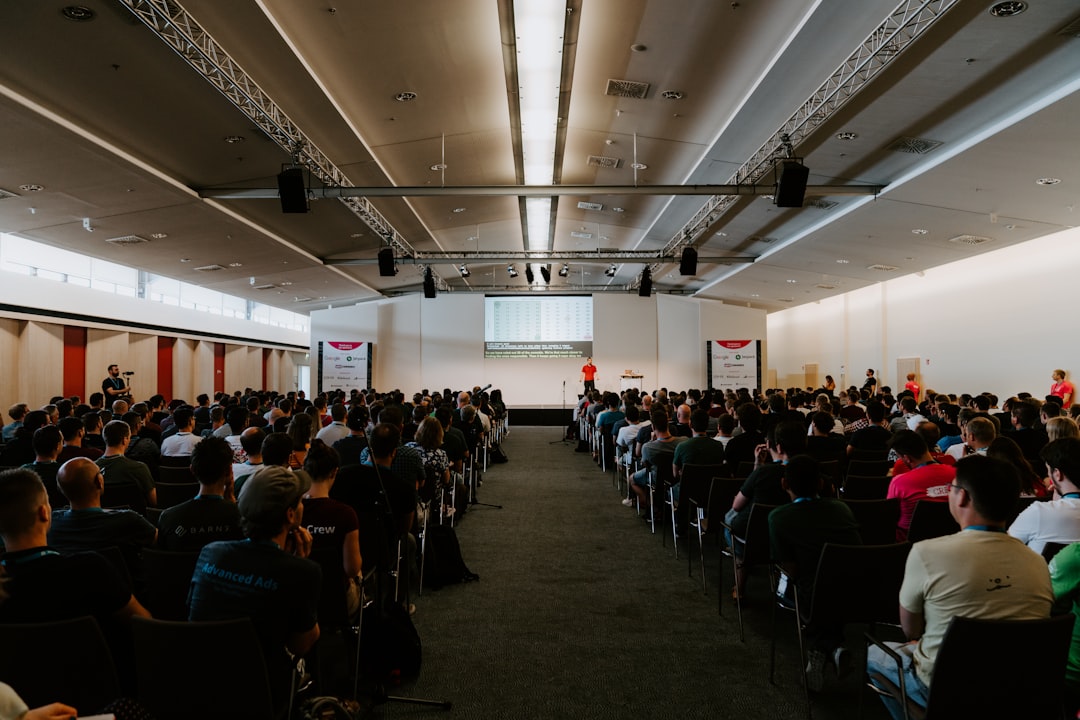
Corporate event planners operate in a competitive space where timing and specificity are critical. Google Ads offers direct access to decision-makers who are actively searching for trusted partners, allowing planners to engage prospects the moment needs emerge. For a deeper dive into strategies that increase bookings and reach targeted audiences, review this guide to using Google Ads effectively for event venues.
Capturing niche audiences at these pivotal decision points ensures your services appear when companies are evaluating options, reducing the risk of missing high-value opportunities. Leveraging company-level audience intelligence lets teams identify likely buyers before they enter a competitor's funnel, providing an immediate channel for demand capture and shortening the path from inquiry to contract.
For event planners, seasonal surges and industry events can trigger sudden spikes in demand. Google Ads provides agility, giving planners the ability to scale visibility instantly during peak times or target regions where competitors may be less active. This flexibility ensures that marketing efforts can shift quickly to capture attention in emerging markets or during critical windows, driving new business at the pace the market requires. Explore additional marketing and attribution insights to help refine your approach.
Closed-loop analytics are vital in B2B event marketing, where long sales cycles and multiple stakeholders are common. Google Ads integrates click-to-contract insights, enabling planners to track every touchpoint and optimize investments based on real business outcomes. With unified buyer journey data, teams avoid fragmented reporting and can attribute revenue back to precise campaigns, eliminating waste and reinforcing the strategies that consistently yield event planning leads. This clarity transforms online advertising for events from a guessing game into a reliable pipeline builder.
Common Types of Google Ads Campaigns for Corporate Event Services
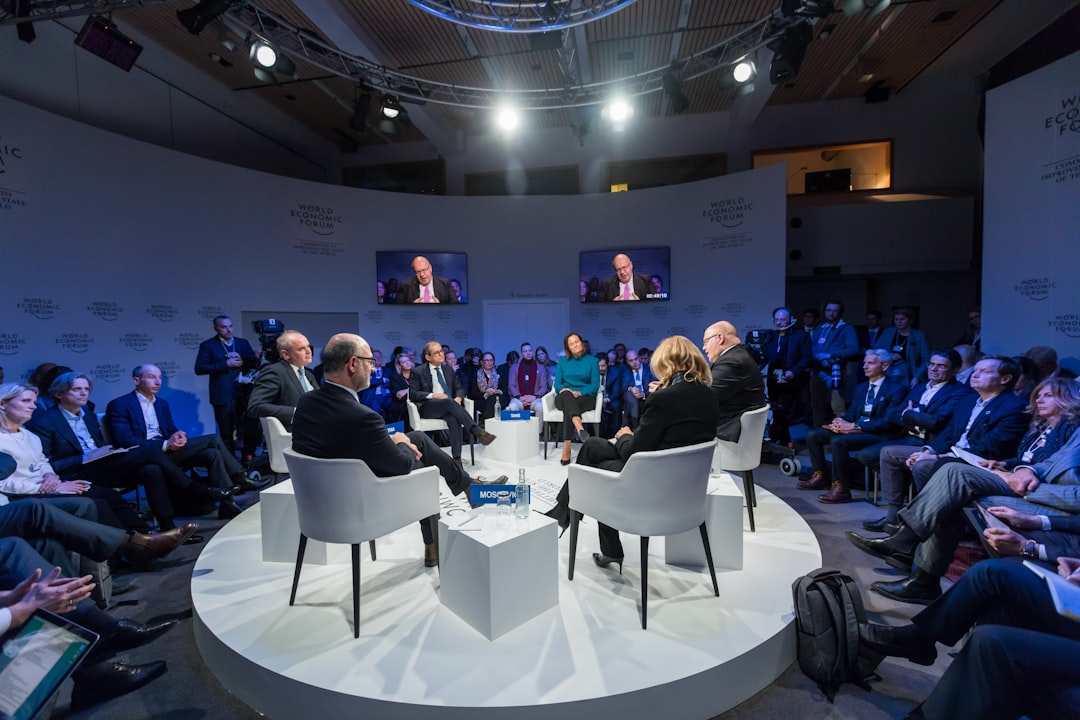
A conference producer scouting vendors researches differently than a sales director booking a single kickoff dinner, and different Google Ads campaign types serve each stage of that research. Search, Display, Video, Performance Max, and Remarketing each play a distinct role in moving a corporate buyer from first search to signed contract.
- Search Campaigns: These campaigns capture high-intent professionals actively seeking solutions such as "corporate event planners near me" or "conference production company." By aligning ad copy and landing pages with specific business needs, planners intercept decision-makers at the exact moment of need. Integrating CRM data and intent signals lets revenue teams deploy search budgets toward in-market accounts, where the probability of conversion is highest. Visitor identification technology further ensures that anonymous traffic can be matched to organizations, giving sales teams clear visibility into who is searching and why. Within Search, Responsive Search Ads (RSAs), Google's ad format that tests multiple headline and description combinations, help surface the messaging (executive offsite vs. conference logistics vs. virtual event production) that resonates with each query.
- Display Ads: Display campaigns keep event brands visible on industry-specific sites, business forums, and relevant blogs. Visual banners and rich media formats reinforce expertise and credibility, ensuring corporate buyers remember your service throughout their planning journey. Dynamic audience segments automatically update as leads move through the funnel, allowing display ads to shift messaging based on prospect engagement level. For additional strategies on using Google Ads for event venues, see this HeadBox guide. This approach sustains top-of-mind awareness among target accounts, even as they evaluate multiple vendors.
- Video Ads: With corporate stakeholders often needing to validate vendor expertise, video ads deliver a powerful medium for showcasing past event successes and client testimonials. These campaigns foster trust by putting real faces and stories behind the brand, differentiating planners from competitors offering only written case studies. Video assets can be served to curated lists of high-value prospects or retargeted to engaged site visitors, further strengthening connection and driving event planning leads.
- Remarketing: Remarketing campaigns re-engage users who have previously visited your website or interacted with your content but have not yet converted. Tailored creative and personalized offers address specific pain points, reigniting interest among stakeholders who may have paused their search. By syncing CRM and ad platforms, remarketing audiences remain fresh and relevant, ensuring that messaging automatically evolves as leads progress toward booking. Advanced conversion tracking links both online and offline actions, giving revenue teams a complete picture of how remarketing accelerates the corporate event sales cycle.
Ready to reach more decision-makers and accelerate your pipeline? Get started for free with Sona.
Where to Find Growth Opportunities?

Expanding reach in the corporate event planning space requires more than surface-level tactics. B2B marketers who leverage granular data and precise audience segmentation consistently uncover new streams of qualified leads and greater ROI from their Google Ads investments.
Performance Max deserves a place in the mix alongside Search, Display, Video, and Remarketing: it lets Google's automation find in-market accounts across all its inventory from a single campaign, useful for planners whose buyers move fluidly between search, YouTube research, and Gmail before committing.
- Utilizing vertical keywords for niche services: Standard campaigns often miss high-value segments by focusing only on broad terms. Deploying vertical-specific keywords like "executive team offsite planning" or "corporate summit event management" captures intent from decision-makers searching for specialized services. By layering in real-time visitor identification, marketers can understand which companies are evaluating these services, enabling tailored ad creative and personalized follow-up that drives higher conversion rates.
- Conducting competitor analysis to identify gaps: Monitoring rival campaigns reveals missed opportunities and untapped demand. Scrutinize the search landscape for under-served keywords, overlooked geographies, and ad copy weaknesses. Use these insights to refine messaging and audience targeting. When marketers sync enriched lead and account data into their Google Ads ecosystem, dynamic audiences update automatically as prospects engage, ensuring spend is always focused on the most promising opportunities.
- Choosing industry-specific placements for maximum relevance and connection: Display and YouTube placements on business-focused media, trade journals, or executive leadership podcasts ensure ads are seen by the right personas in the right context. Combined with CRM synchronization, marketers can prioritize placements that align with high-value accounts, shifting budget to channels that influence decision-makers as they research event planning partners. For a deeper dive into making Google Ads work for event venues, review these tips for event venue bookings.
- Retargeting with content like case studies or expert interviews: Complex B2B buying cycles require nurturing and proof of expertise. Retargeting previous website visitors or form-fillers with tailored assets, such as case studies of successful corporate events or interviews with in-house strategists, builds trust and deepens engagement. With advanced conversion tracking that includes both online and offline touchpoints, teams can attribute revenue to these efforts and optimize future campaigns for true business impact.
Each of these approaches allows corporate event planners to move beyond generic outreach and into the realm of sustained, data-driven growth. Real-time signals, dynamic audience management, and unified attribution lay the groundwork for consistently outpacing the competition in a crowded digital landscape. Ready to transform your approach? Get started for free with Sona.
How to Apply Audience Segmentation for Corporate Event Planning

Audience segmentation is the backbone of high-performing Google Ads strategies for corporate event planners. Effective segmentation enables marketers to identify and engage specific decision-makers across industries, event types, and buying stages, resulting in more qualified leads and optimized budget allocation. This approach moves beyond generic targeting, allowing planners to tailor their campaigns to unique corporate needs, whether orchestrating executive retreats, large-scale conferences, or specialized industry summits. For more actionable strategies, explore this guide to Google Ads for events.
To refine targeting strategy:
- Define segments: Start by categorizing corporate event prospects into distinct groups, such as by event type (annual meetings, product launches, training seminars) or by client industry (technology, finance, healthcare). This precision keeps messaging, offers, and creative aligned with what each segment actually needs from a planner. For additional tips on segmenting audiences and tailoring your marketing, visit our playbooks library.
- Trigger timely sales tasks: When a potential client visits a high-value page, like a corporate event case study or pricing overview, automatic triggers can assign sales follow-ups in real time. This lets your team engage prospects at the moment of highest intent, improving conversion rates and shortening sales cycles. Sona's Identity Resolution can reveal which companies and people are visiting your website and trigger sales or marketing actions automatically.
- Overlay intent signals: By monitoring in-market behavior across both web and ad interactions, planners can distinguish between early-stage researchers and high-intent buyers. Overlaying these signals with audience segments means ad spend is allocated to accounts most likely to book a corporate event. For example, if a visitor downloads a detailed planning guide and returns multiple times, they can be flagged for immediate outreach and routed to a senior sales representative. Leverage custom intent signals to prioritize your most engaged prospects in real time.
- Customize creative by segment: Tailor ad copy, visual assets, and calls-to-action to match the needs and language of each segment. Technology clients respond well to messaging around hybrid and virtual event solutions, while traditional industries may look for reliability and proven track records. This customization boosts engagement and signals to prospects that you understand their unique event challenges. Dive deeper into campaign personalization with our AI-powered tools guide.
- Monitor conversion paths and sync with CRM: Seamless monitoring of conversion paths ensures every interaction, from initial ad click to form submission or phone call, is captured and attributed within your CRM. By integrating enriched lead data, including firmographic and intent signals, sales teams receive context-rich leads, enabling more meaningful and personalized outreach. Sona Destinations automatically syncs high-quality audience data into your CRM and ad platforms for real-time alignment.
Applying a structured segmentation strategy to corporate event promotion ensures that every digital marketing dollar drives measurable results. Audience insights, intent data, and automated workflows work together to create a responsive, high-converting lead generation engine for B2B event planners seeking to stand out in a crowded marketplace. Get started for free with Sona.
This is also where measurement changes the economics. With Sona Marketing Measurement you can identify the companies behind your ad clicks, not just anonymous sessions, and segment audiences by who actually becomes a customer. That lets you build bid adjustments and audience signals around the segments that convert and de-prioritize the ones that don't, so you feed Google's algorithms "this click became a paying corporate event planners customer" instead of just "someone filled out a form."
Keyword Strategy & Sample Target Terms
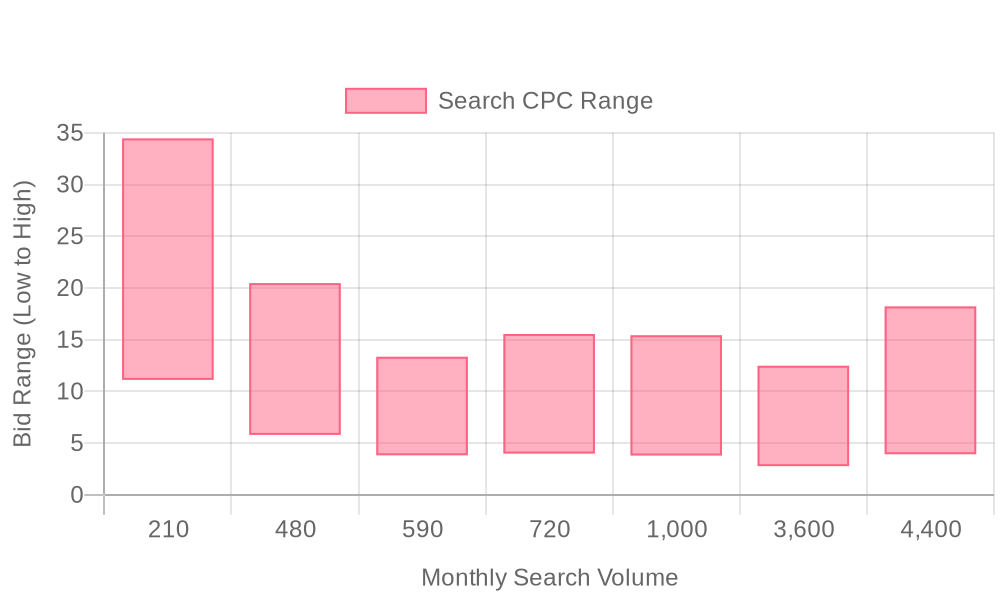
| Industry | Keyword | Monthly Search Volume | Competition Level | Low Bid | High Bid |
| Corporate Event Planners | corporate retreat planners | 210 | LOW | 11.12 | 34.45 |
| Corporate Event Planners | corporate event management companies | 480 | LOW | 5.8 | 20.47 |
| Corporate Event Planners | corporate event management | 590 | LOW | 3.83 | 13.35 |
| Corporate Event Planners | corporate event planning companies | 720 | LOW | 4 | 15.55 |
| Corporate Event Planners | corporate event planners | 1000 | LOW | 3.81 | 15.43 |
| Corporate Event Planners | event planning company | 3600 | LOW | 2.78 | 12.48 |
| Corporate Event Planners | event management company | 4400 | LOW | 3.93 | 18.21 |
Effective keyword strategy forms the backbone of successful Google Ads for Corporate Event Planners. Precision in keyword planning not only determines campaign reach but also shapes lead quality, ensuring your budget is spent on decision-makers ready to engage with your services. For a deeper dive into campaign planning and analytics, explore our marketing and attribution insights.
High-volume, low-competition keywords such as “corporate event planning tips” deliver consistent search traffic without the inflated costs associated with generic terms. These phrases attract professionals in the early research phase, offering an opportunity to showcase expertise and build trust. B2B buyers searching for advice often convert into qualified leads when they find a planner who anticipates their needs, as outlined in this guide to using Google Ads for event promotion.
Niche, high-intent search phrases are vital for capturing prospects in active buying cycles. Examples include “corporate event agency for product launches,” “executive conference planning services,” and “virtual corporate event solutions.” These queries signal a readiness to hire and a defined project scope. Bidding on these terms positions your ads in front of those seeking specific solutions, increasing both conversion rates and deal size. For actionable playbooks on segmenting and targeting, review our precision prospecting guide.
Negative keywords play a critical role in filtering out irrelevant traffic, such as “DIY event planning” or “wedding planning tips.” By constantly updating your negative keyword list, you prevent budget waste on unqualified clicks and maintain a sharper focus on enterprise clients. This ongoing refinement ensures your ads reach only those with true business intent, keeping cost-per-lead metrics healthy and campaign ROI strong.
Sophisticated platforms empower marketers to go beyond basic keyword selection. By analyzing visitor identity and in-market behaviors, you can dynamically adjust target term lists as audience interest shifts. For example, as a prospective lead moves from researching “corporate event trends” to “book executive retreat planner,” your keyword bids and ad messaging can adapt in real time. Connecting search data with CRM insights enables the creation of custom audiences based on company, job function, and buying stage, further refining keyword tactics and boosting the likelihood of conversion.
When sample target terms are mapped to real-time engagement signals and synced with enriched CRM data, campaigns become highly responsive to pipeline shifts. As a result, keyword strategy is no longer static. It becomes a living framework that evolves with your audience, ensuring your Google Ads for Corporate Event Planners investment drives measurable business outcomes. To experience these capabilities firsthand, get started for free with Sona.
Step-by-Step Campaign Execution Framework
A corporate event planner's revenue team needs a framework that cuts through marketing noise, prioritizes high-intent accounts, and drives pipeline, not just impressions. The steps below cover keywords, ad copy, landing pages, and optimization in the order a campaign actually gets built, so each stage supports qualified event leads and measurable ROI.
Step 1: Build Targeted Keyword Lists
Robust keyword strategies are foundational for effective PPC for event planners. Begin by clustering keywords according to event types, client roles, and highly specific queries that reflect the decision-making process of corporate buyers. This could include segments like “executive retreat planners,” “annual conference services,” or “corporate gala management.” Avoid generic or consumer-focused terms to eliminate wasted spend and attract only high-value prospects seeking B2B event solutions. Integrating intent signals allows marketers to refine these clusters in real time, ensuring campaigns stay relevant as new corporate needs emerge or as target accounts shift focus. Unifying visitor identification across channels uncovers opportunities to expand keyword lists based on actual in-market activity, not just assumptions or static research.
Dynamic keyword management also enables planners to address gaps in their current approach by surfacing missed queries from search term reports. Tying keyword lists to real-time audience data ensures that campaigns are always aligned with where the highest-value opportunities are in the funnel. For teams managing multiple event verticals or locations, regularly update negative keywords to prevent cross-contamination and keep budgets aligned with business priorities. For additional strategies on driving bookings through Google Ads, see this guide for event venues.
The upgrade most corporate event planners advertisers miss is going beyond raw keyword volume to layer in intent and identity signals. By connecting website-visitor data and CRM records with Sona Marketing Measurement, you can see which specific search terms bring in the accounts and customers that actually convert, and weight your keyword and bidding strategy toward those rather than the terms with the highest search volume alone.
Step 2: Develop Engaging Ad Copy
Ad copy in Google Ads for Corporate Event Planners must speak to the unique pressures and goals of business clients. Use language that directly addresses the pain points of corporate event decision-makers, such as risk mitigation, seamless logistics, and ROI from event investments. Incorporate honor-based language, demonstrating deep understanding and respect for organizational objectives, paired with trust signals like client testimonials, industry certifications, or partnership badges. Position incentives that matter to B2B buyers, such as complimentary strategy consultations or downloadable executive guides, to drive engagement beyond surface-level clicks.
Effective copywriting adapts to the evolving needs of in-market accounts. With real-time intent data, teams can shift messaging to highlight urgent solutions or niche expertise when demand spikes in sectors like tech summits or virtual leadership retreats. Consistent use of tailored ad assets, such as callouts or structured snippets, reinforces credibility and increases click-through rates by surfacing the most relevant service details for each segment within the target audience for events.
Step 3: Create Effective Landing Pages
Landing pages are the linchpin of digital marketing for events, transforming ad interest into conversion-ready engagement. Every landing page must tightly align with its corresponding ad group and keyword to create a frictionless user experience. This alignment not only improves Quality Scores, lowering CPCs, but also raises engagement rates by delivering precisely what corporate event planners promise in their ads. Clear and action-oriented calls to action, such as “Book a Corporate Planning Consultation” or “Download the Executive Event Playbook”, guide visitors toward conversion and set expectations for next steps.
To further optimize for B2B event planner advertising, incorporate elements that showcase thought leadership and reliability. These might include case studies, video testimonials, or interactive ROI calculators specific to event planning leads. By leveraging company-level visitor behavior, planners can dynamically personalize landing page content for key accounts or segments, increasing relevance and boosting conversion rates. Syncing these interactions with CRM systems ensures that every qualified lead is routed instantly to the appropriate sales team for timely follow-up.
Step 4: Optimize with Data
Continuous optimization is essential for sustainable success in online advertising for events. Implement comprehensive conversion tracking to capture both online actions, like form fills and downloads, and offline touchpoints, such as phone consultations or in-person meetings. Integrating advanced attribution connects each lead or booking to its original campaign, revealing which channels and messages drive true ROI for corporate event promotion. Regularly analyze cross-channel insights to identify emerging trends, shifting budget to high-performing segments or new in-market accounts as they are detected. For a detailed look at maximizing ROI and attendance through campaign optimization, review this event Google Ads best practices resource.
Bid adjustments should be data-driven, focusing on maximizing conversions from the highest-value corporate prospects. Real-time audience updates allow marketers to retarget site visitors as they move through the buying journey, ensuring continued engagement until a decision is made. By syncing enriched audience lists and conversion data directly into platforms like Google Ads and CRM tools, revenue teams can streamline demand generation and maintain full-funnel visibility, enabling precise campaign optimization that responds instantly to changing market conditions. If you’re ready to put these strategies into practice, get started for free with Sona.
Sona Marketing Measurement closes the gap between clicks and revenue. It captures ad clicks with first-party measurement, ties that click through UTM capture and ad-platform APIs to the actual record in your CRM, and reports ROAS by keyword and campaign instead of by last-click form fill. Feeding that revenue signal back into Smart Bidding and Performance Max compounds over time: the algorithms optimize toward booked corporate event planners revenue, not cheap leads.
Tips on Expanding Your Presence as a Corporate Event Planner
A well-developed digital presence gives corporate event planners the reach and credibility needed to stand out in a competitive B2B landscape. Consistently cross-promoting digital assets, such as your website, LinkedIn page, and gated resources, enables seamless content discovery and strengthens your authority. To keep your brand message visible across every touchpoint, review these marketing and attribution insights for actionable strategies that maximize visibility and impact.
Collaborating with industry associations expands your professional network and introduces your services to new audiences outside your immediate circles. Engaging with these associations can address disconnects with local markets by positioning your brand alongside trusted industry names, elevating your profile at both regional and national levels. For practical guidance, explore how event planners can use Google Ads to reach decision-makers and boost your local market presence with targeted campaigns.
Leveraging search query insights from paid campaigns uncovers what your audience truly values and how their needs evolve. By analyzing these queries, you can identify emerging trends in corporate event promotion, adjust your messaging, and create fresh content that addresses real-time interests. Layering in company-level identity resolution lets you prioritize and target higher-value opportunities, ensuring your strategy adapts to real demand and drives more qualified planning leads.
For long-term growth, adopt a harmonized marketing approach that unifies digital advertising, content creation, and real-time audience intelligence. Solutions that identify visitor companies and sync enriched audience data across your CRM and ad platforms keep campaigns agile and precisely targeted, improving lead quality while aligning marketing activity with broader business objectives.
Beyond Google Ads: Winning the AI Answers Corporate Event Planners Buyers Now Trust
Paid search captures demand at the moment someone types a query. But a fast-growing share of corporate event planners buyers no longer start at Google at all, they ask ChatGPT, Gemini, or Perplexity before they ever run a search, and Google's own AI Overviews increasingly summarize an answer above the traditional results. If your business isn't referenced in those AI answers, you're invisible at the exact moment buyers build their shortlist.
Sona AI Visibility shows where your business shows up across ChatGPT, Gemini, Perplexity, Google AI Overviews, and 10+ engines, and, much like a keyword report, which prompts actually send you buyers, so you can prioritize the ones that convert. Run the two together and you cover the entire buyer path: get cited where buyers research (AI Visibility), then prove which of that demand turns into booked revenue (Marketing Measurement).
Helpful resources
Conclusion
The corporate event planners who win the next contract are the ones whose ads, landing pages, and follow-up already know which companies are shopping, because they were watching for the visit instead of waiting for the form.
Search still starts the conversation, but identity resolution and marketing measurement decide who gets the callback first. Start for free to unify your go-to-market data and see which of your Google Ads campaigns are actually filling your event calendar.
FAQ
What are the best practices for using Google Ads as a corporate event planner?
Best practices include using segmentation and personalization with tailored keyword targeting, continuously optimizing campaigns, and syncing Google Ads with your CRM for a seamless buyer experience.
How can I create effective Google Ads campaigns for corporate events?
Create effective campaigns by aligning ad copy and landing pages with business needs, leveraging real-time audience segmentation, and continuously optimizing based on performance data.
What keywords should I target for Google Ads in event planning?
Target high-intent keywords like 'corporate event agency for product launches' and 'executive conference planning services' while using negative keywords to filter out irrelevant traffic.
How do I measure the success of my Google Ads for corporate events?
Measure success using closed-loop analytics to track click-to-contract insights, monitor conversion paths, and attribute revenue to precise campaigns for true business outcomes.
What budget should I allocate for Google Ads in event planning?
Allocate budget based on continuous performance monitoring, shifting spend toward high-performing segments, and ensuring your ads reach only those with true business intent.







