


Color card manufacturers sell precision: a swatch has to match the paint can, the fabric roll, the powder coat, exactly, every time. Google Ads gives these businesses a way to reach procurement managers and design specifiers at the moment they're comparing suppliers, rather than waiting for trade show season or a referral. Done well, it connects that first search to a signed purchase order, tying online spend to the offline sales cycles that actually drive this industry.
How to Generate Google Ads for Color Card Manufacturers Leads: A Step-by-Step Guide

Color card manufacturers operate in an industry where timing, precision, and buyer intent dictate every successful lead. Decision-makers in paint, coatings, and design sectors expect seamless access to color references and demand a digital buying journey that matches the technical accuracy of the products themselves. Manufacturers can further support their customers by offering physical color cards for accurate color selection, ensuring that design and procurement professionals have reliable tools throughout the purchase process.
Effective lead generation for this sector blends data-driven paid search with advanced audience targeting and strategic landing page optimization. Revenue teams that unify campaign insights see a direct lift in high-value lead flow, as every click and impression is mapped to in-market demand signals and integrated with sales processes. For practical strategies, explore actionable playbooks for demand generation and optimize your campaigns for measurable results.
- Data-Driven Paid Search Tactics: Integrating paid search with other digital marketing efforts is essential for maximizing lead quality and minimizing waste. By connecting paid search data with intent platforms, color card manufacturers can identify which campaigns are truly influencing pipeline and revenue. Unifying these data streams allows teams to dynamically adjust budgets toward ad groups and keywords generating the most qualified opportunities, ensuring that no valuable prospect is missed during peak industry research cycles.
- Keyword and Audience Targeting: Success hinges on the ability to capture nuanced intent from a specialized buyer pool. Targeting strategies must be built around terms like "custom color card printing," "paint swatch supplier," and "bulk color reference order," paired with audience definitions that reflect procurement managers, product developers, and design consultants. Real-time analysis of audience segments reveals when a company is actively researching color solutions, allowing immediate budget shifts to engage those accounts. As leads interact with ads and site content, dynamic audience lists update automatically, so retargeting remains relevant and focused on high-conversion prospects.
- Landing Page Alignment: Landing pages must do more than showcase product visuals, they need to reflect the buyer's journey and address technical questions upfront. A well-aligned page for a color card manufacturer will feature instant quote forms, sample request options, and detailed color system information. Connecting online engagement with offline attribution methods enables full-funnel tracking, attributing every conversion to the right source, whether it starts with a Google search or a remarketing display ad. When CRM and ad platforms are in sync, sales teams can immediately act on leads as they progress from click to close.
- Cross-Channel Integration: Truly optimized lead generation is not siloed. Integrating Google Ads with existing channels, like email, direct sales outreach, and organic web content, amplifies campaign effectiveness. By syncing enriched lead and audience data across platforms using Sona Destinations, marketing and sales teams ensure that every high-intent visitor receives follow-up based on their actual engagement and readiness to buy. For real-world results, review a case study on boosting ad performance for paint manufacturers to see how cross-channel insights drive ROI.
Using these structured practices, color card manufacturers can build a demand generation engine that adapts to industry complexity and the needs of their most valuable buyers. Each tactic, rooted in data and aligned to revenue, delivers compounding gains in cost efficiency, lead quality, and overall Google Ads ROI for manufacturers. Ready to elevate your lead generation? Get started for free with Sona.
Why Google Ads Matter for Color Card Manufacturers

Color card manufacturers operate in a highly visual, specification-driven market where timing and precision directly impact new business wins. Digital advertising must address unique industry requirements: engaging professionals who expect accuracy, fast sample delivery, and tailored solutions for sectors like paint, coatings, and design. Manufacturers looking to showcase physical color cards for accurate color selection can benefit from exploring colour cards for printing and manufacturing.
Google Ads empowers color card manufacturers to pinpoint procurement officers and industry decision-makers exactly when they are searching for color matching, swatch books, or bulk sample solutions. Audience targeting can be refined to surface ads for those actively evaluating suppliers, ensuring marketing spend is directed toward high-value buyers at the moment of intent.
Manufacturers unlock new project opportunities by running campaigns that highlight their high-margin, specialty services. Responsive segmentation enables businesses to shift creative and bidding strategies as new market segments or emerging trends are identified, such as eco-friendly materials or digital integration. For practical guidance on these tactics, see our demand generation playbooks.
Demand for color cards is seasonal and cyclical: spring repaint season, new model-year automotive launches, and architectural trend cycles all trigger sudden spikes in specifier inquiries. Sona's Identity Resolution flags which companies are visiting during these surges, so manufacturers can shift budget toward active accounts and beat competitors to the quote stage.
As color standards and consumer preferences evolve, manufacturers can leverage location-based targeting to increase visibility within growing urban regions or emerging markets. Data-driven segmentation ensures ads reach designers, specifiers, and distributors where product demand is accelerating. Explore marketing analytics guides for more strategies on optimizing reach and segmentation.
Critical to long-term growth is unifying Google Ads conversion data with broader marketing and sales systems. When CRM and ad platform data are joined, revenue teams see which campaigns generate qualified leads and actual sales, not just clicks, enabling smarter investment and more accurate ROI measurement for every color card campaign. For a seamless start, get started for free with Sona and connect your marketing data for actionable insights.
Common Types of Google Ads Campaigns for Color Card Manufacturers

- Search Campaigns: Capture high-intent buyers actively seeking color card solutions, using keyword strategies that reflect industry-specific needs like "custom color cards for paint manufacturers" or "bulk color swatch printing." Integrating firmographic data into targeting lets manufacturers adapt messaging for different business profiles, distinguishing large-scale OEMs from boutique design studios, while focusing spend on accounts showing qualified search intent. With Sona's Identity Resolution, marketers move beyond anonymous clicks to pinpoint the exact companies researching color card products and shift budget to those with the highest conversion potential.
- Display Ads: Sustain top-of-mind awareness across key industry portals, trade journals, and content hubs frequented by procurement specialists and product managers. Display ad placements should be prioritized for organizations exhibiting in-market behavior, ensuring the brand remains visible at pivotal decision points. Dynamic audience segments update in real time as accounts show new or increased purchase intent, letting color card manufacturers automatically adjust creative, frequency, and spend to maximize ROI and prevent budget waste on disengaged prospects.
- Video Ads: Illustrate production processes, color accuracy standards, and customization capabilities through visually compelling video content. Targeting engaged viewers on platforms like YouTube or within industry-specific video networks, manufacturers can deliver tailored narratives that differentiate their expertise and build trust early in the research phase. With enriched audience data, video campaigns can focus on viewers who revisit product pages, download specification sheets, or interact with technical resources, improving lead quality. For insights on Google's video ad testing, see Google's '50 Shades of Blue' A/B testing strategy.
- Remarketing: Re-engage previous site visitors and decision-makers who have shown interest but have not yet converted, using sequential messaging that reflects their stage in the buying journey. Remarketing audiences are dynamically refreshed as leads progress, ensuring that messaging aligns with their evolving needs, whether they've requested a quote, downloaded a sample kit, or just browsed product galleries. By syncing CRM data and enriched lead profiles directly into Google Ads, manufacturers can deliver hyper-personalized offers and content that increase conversion rates while minimizing wasted impressions.
- Assets: Strengthen ad credibility and engagement by adding assets such as certifications, physical location details, and unique value propositions. Sitelinks can highlight fast sample shipping or direct access to digital color libraries, while call and location assets connect buyers to dedicated sales teams or regional distributors. These trust signals not only improve click-through rates but also support advanced conversion tracking, tying online interactions to offline sales activities and providing a comprehensive view of campaign performance across every revenue touchpoint.
Where to Find Growth Opportunities

Ambitious color card manufacturers consistently outperform by identifying fresh routes to growth beyond routine digital channels. Leading teams deploy a mix of industry intelligence, advanced segmentation, and data-driven targeting to capture new demand and outmaneuver competitors in highly specialized markets.
- Vertical Keyword Targeting: Success in Google Ads for color card manufacturers hinges on targeting precise industry segments. Instead of generic "printing" or "color cards," focus on niche search phrases such as "custom automotive swatch cards," "RAL color sample manufacturers," or "architectural paint color guides." Funneling search activity insights into tightly themed campaigns puts your offering directly in front of high-value procurement teams and design professionals. Sona's Identity Resolution enables real-time identification of in-market buyers through enriched visitor data, so budget can be confidently shifted to keywords and verticals trending upward, even before competitors notice.
- Competitor Analysis: Monitoring the advertising landscape reveals where rivals are under-investing or missing key product features in their messaging. Using advanced analytics, teams can pinpoint which search terms and placements are underutilized, then rapidly deploy ads to address those gaps. Paired with Sona's Intent Signals, marketers move beyond surface-level competitive intelligence to see which businesses are evaluating competitor content, making it possible to retarget and tailor offers to those warm accounts at precisely the right moment. For an in-depth look at how analytics drive results, review this case study on boosting ad performance.
- Industry-Specific Placements: Forums, procurement directories, and sector-focused publications attract the decision-makers who drive large-volume orders. Targeting campaigns to these placements ensures visibility among those evaluating color card suppliers for B2B contracts. Sona Destinations lets marketers dynamically update audiences as leads interact with these industry sources, keeping remarketing lists and audience segments aligned with real-time prospect movement through the funnel.
- Content Retargeting: Educational resources, such as guides on color trends, durability testing, or the science behind pigment-matching, offer strong hooks for ongoing engagement. By retargeting visitors who engage with this content, color card manufacturers can nurture prospects with messaging tailored to their stage in the buying journey. Sona's conversion tracking supports seamless online and offline attribution, measuring the true ROI of these nurturing activities as leads transition from education to inquiry or purchase. As CRM and ad audiences sync automatically, sales teams gain instant visibility into which high-intent accounts are ready for direct outreach, maximizing the conversion potential from every content touchpoint.
How to Apply Audience Segmentation for Color Card Manufacturers
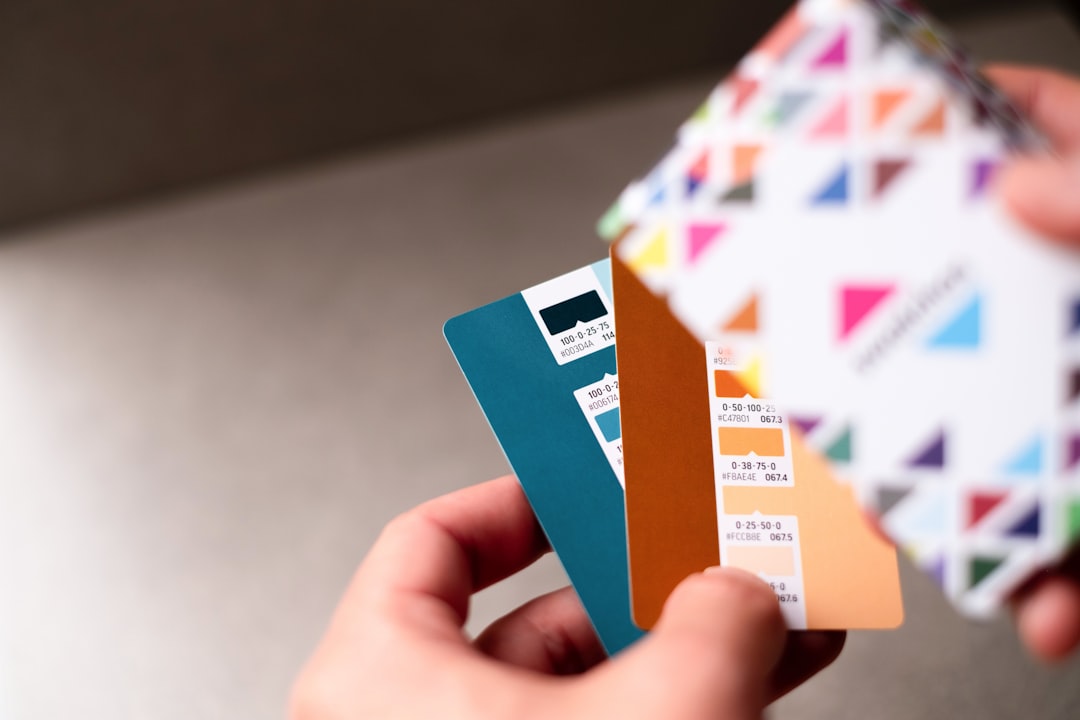
Audience segmentation is a powerful lever for color card manufacturers aiming to maximize the impact of their Google Ads spend. Precise segmentation uncovers high-value opportunities in both the B2B and B2C space, letting marketing teams adjust campaigns and creative to match the needs of each distinct segment. By targeting the most relevant industries and buyer profiles, color card businesses can drive higher engagement rates, increase conversion efficiency, and improve Google Ads ROI.
- Define Segments: Modern manufacturers serve diverse verticals such as automotive, textiles, architecture, and industrial coatings. Each sector has unique requirements for color accuracy, sustainability, and production timelines. By mapping segments along these industry lines, marketing teams can develop messaging frameworks that speak directly to the priorities of procurement managers in automotive versus designers in textiles. This approach ensures that every ad impression is relevant, reducing wasted spend and fostering trust with decision-makers who expect tailored solutions. For additional strategies on segmenting audiences, explore our demand generation playbooks.
- Overlay Intent Signals: Success in PPC for color card manufacturers depends on understanding not just who the audience is, but where they are in the buying journey. Leveraging in-market and custom intent signals within Google Ads helps identify prospects actively searching for solutions like eco-friendly color cards or rapid prototyping services. Pairing real-time digital behavior with historical engagement data makes it possible to shift budget toward accounts showing genuine purchase intent. With enriched audience intelligence, teams can prioritize prospects who've shown specific interest in certain color systems or sustainability certifications, so resources go where they'll return the most.
- Create Ad Groups: Structuring ad groups around these defined segments and intent overlays brings flexibility to both messaging and budget allocation. Each ad group can showcase industry-specific case studies, certifications, or material options that matter most to its target audience. Marketers can set custom bids and allocate higher budgets to high-converting segments, while refining ad copy to address pain points unique to each group. When audience lists are updated dynamically as leads progress through the funnel, campaigns remain relevant and adaptive, delivering personalized engagement at every stage. See how physical color cards can be showcased as a differentiator within your PPC creative.
- Validate Conversion Paths: For color card manufacturers, a unified data infrastructure is essential to connect online ad interactions with offline sales and long sales cycles. Seamless integration between Google Ads, CRM systems, and sales platforms ensures that every conversion, whether a sample request, quote submission, or purchase, is tracked and attributed accurately. This enables fast follow-up by sales teams and a feedback loop that continuously refines audience segments and messaging based on real-world outcomes. Advanced conversion tracking captures both digital and offline actions, allowing marketers to measure true ROI and optimize spend for the most profitable segments. Synchronizing enriched lead data back into Google Ads and CRM platforms ensures ongoing alignment between marketing efforts and revenue impact.
This is also where measurement changes the economics. With Sona Marketing Measurement you can identify the companies and buyers behind your ad clicks, not just anonymous sessions, and segment audiences by who actually becomes a customer. That lets you build bid adjustments and audience signals around the segments that convert and de-prioritize the ones that don't, feeding Google's algorithms a signal closer to "this click became a paying color card manufacturers customer" than a bare form fill.
Keyword Strategy & Sample Target Terms

| Industry | Keyword | Monthly Search Volume | Competition Level | Low Bid | High Bid |
| Color Card Manufacturers | color card manufacturers | 10 | LOW |
Color card manufacturers operate in a space where search intent is highly specialized and buyer journeys are complex. Identifying and activating the right keywords is critical for attracting B2B decision-makers and procurement professionals who are actively evaluating suppliers or looking for tailored solutions. For manufacturers seeking to showcase their products, using physical color cards for accurate selection supports both printing and manufacturing use cases.
A robust keyword strategy anchors every high-performing Google Ads for color card manufacturers campaign. By focusing on mid- and bottom-funnel terms, such as "custom color card printing," "bulk color card samples," and "Pantone color reference cards," advertisers can target prospects with clear purchase intent. Including industry-specific modifiers like "architectural color samples," "paint manufacturer swatch cards," or "industrial color standards" ensures campaigns speak directly to the nuanced needs of commercial buyers. Leveraging long-tail search queries, such as "eco-friendly color card suppliers" and "digital color matching cards for manufacturers," further improves relevance and conversion rates while reducing wasted spend.
Precision targeting matters because color card purchasing cycles often involve multiple stakeholders and technical sign-off. Detailed negative keyword lists prevent wasted impressions on low-value or irrelevant queries, such as "free color cards" or "home DIY color swatches." Marketers can maximize efficiency by segmenting keyword groups by audience, product type, and buying stage, separating campaigns for design professionals, procurement managers, or direct retail consumers. Advanced platforms let teams go beyond keyword matching by identifying the companies and people visiting your website, so B2B marketers can refine audience lists in real time based on intent signals and account engagement.
As prospects interact with ads and landing pages, dynamic audience updates ensure that remarketing campaigns and lookalike segments remain aligned with current buying intent. This enables color card manufacturers to nurture high-value leads with tailored messaging as they progress through the evaluation process. Integrating CRM and enriched lead data directly into ad platforms closes the loop, ensuring that every keyword investment is mapped to actual sales outcomes and pipeline velocity, not just clicks and impressions. This unified approach to keyword strategy and audience targeting delivers measurable ROI and a competitive edge in digital marketing for manufacturers. To see how this approach can work for your business, get started for free with Sona.
An effective Google Ads strategy for color card manufacturers requires precision at each step, from initial targeting to ongoing optimization. By leveraging advanced data integrations and real-time insights, manufacturers can achieve stronger relevance, higher conversion rates, and measurable ROI from digital campaigns.
Integration with CRM and data platforms ensures every campaign is rooted in actionable intelligence, not guesswork. This framework outlines each critical phase for maximizing results in online advertising for color card businesses.
Step 1: Build Targeted Keyword Lists
Color card manufacturers should prioritize keywords that directly reflect buyer intent and industry applications. Begin with high-value terms such as "custom color card printing," "paint swatch manufacturer," and "bulk color reference cards." Expand to include long-tail variations that capture niche demand, like "eco-friendly color cards for architects" or "automotive touch-up swatch cards." This approach improves cost efficiency, as ads are only shown to searchers with a high likelihood of converting.
Enrich keyword selection by analyzing CRM and website behavioral data to identify search patterns of previous high-value customers. For reference on physical color cards, explore colour cards for accurate selection. This ensures that Google Ads for Color Card Manufacturers are hyper-relevant and aligned with the real language of their target audience, supporting stronger pipeline generation.
The upgrade most color card manufacturers advertisers miss is going beyond raw keyword volume to layer in intent and identity signals. By connecting website-visitor data and CRM records with Sona Marketing Measurement, you can see which specific search terms bring in the accounts and customers that actually convert, and weight your keyword and bidding strategy toward those rather than the terms with the highest search volume alone.
Step 2: Develop Compelling Ad Copy
The ad copy must directly address pain points and aspirations unique to color card buyers. For B2B segments, highlight challenges like achieving color accuracy at scale, fast turnarounds, or meeting compliance standards. For B2C, focus on inspiring creativity, offering sample kits, or promoting limited-edition color palettes. Each headline and description should use action-oriented language and reference specific solutions, such as "Precision-matched color cards for industrial coatings" or "Order custom fan decks in 24 hours."
By leveraging enriched CRM data, marketers can dynamically tailor messaging based on a lead's industry, past engagement, or position in the buying journey. This enables delivery of highly personalized ads that resonate with both first-time visitors and returning decision-makers, increasing click-through and conversion rates. Continuous A/B testing of copy variants, guided by real-time audience insights, ensures campaigns evolve to reflect changing buyer motivations.
Step 3: Design Effective Landing Pages
Landing pages for color card advertising must deliver a seamless experience that matches the promise of the ad. Align layouts and messaging with the specific keyword and ad group, ensuring that visitors immediately see relevant product options, technical specifications, and clear calls-to-action. Incorporate high-resolution swatch imagery, easy sample request forms, and trust signals like ISO certifications or case studies.
Leverage real-time visitor identification tools to dynamically adapt landing page content based on company, industry, or prior interactions. For example, returning prospects can be shown volume pricing or quick reorder options, while new leads receive educational resources or a sample kit offer. By syncing visitor behaviors back to the CRM, sales teams can prioritize follow-up with the most engaged accounts, creating a tighter feedback loop between marketing and sales activities.
Step 4: Data-Driven Optimization
Ongoing optimization is essential for Google Ads ROI for manufacturers. Monitor campaign performance using granular metrics: keyword-level conversions, cost-per-lead, and audience engagement by segment. Apply budget shifts toward ad groups and keywords that drive the highest-quality leads, while pausing or refining underperformers.
Integrate advanced conversion tracking to capture both online actions (form fills, sample requests) and offline events (phone orders, distributor sales), ensuring a complete view of advertising impact. For real-world examples of data-driven improvements in this space, review this paint manufacturer ad performance case study. Real-time intent signals from website and CRM data allow marketers to dynamically adjust bidding, creative, and audience targeting to focus spend on accounts showing active purchase interest. As audiences move through the funnel, sync enriched segments into Google Ads for precise retargeting and lookalike expansion, maintaining alignment between marketing investments and business outcomes.
Each step in this framework builds toward best practices for Google Ads in the color card industry, supporting scalable growth and efficient demand generation. Unifying advertising efforts with CRM and analytics systems lets manufacturers continuously refine campaigns, convert high-intent traffic, and maximize the measurable value of every marketing dollar.
Sona Marketing Measurement closes the gap between clicks and revenue. It captures every ad click with first-party measurement, then ties that click through UTM capture and ad-platform APIs to the actual record in your CRM, and reports ROAS by keyword and campaign instead of by last-click form fill. Feeding that revenue signal back into Smart Bidding and Performance Max compounds over time: the algorithms optimize toward booked color card manufacturers revenue, not cheap leads.
Tips on Expanding Your Google Ads for Color Card Manufacturers Presence
Expanding your digital footprint within the color card space requires more than standard pay-per-click tactics. To achieve lasting growth and higher ROI, align each Google Ads initiative with a broader strategy that prioritizes education, personalization, partnership, and regional relevance. Explore our B2B marketing guides to refine your overall approach.
- Promote Educational Content through Retargeting: Elevate your brand by retargeting audiences with guides, tutorials, and color selection resources tailored to their interests. This approach nurtures potential buyers, positioning your business as a trusted expert while increasing return visits and engagement. By leveraging visitor identification, revenue teams can pinpoint which organizations are consuming educational materials and deploy tailored retargeting sequences that move prospects down the funnel.
- Upsell Services Using CRM Data: Integrate CRM intelligence to deliver personalized upsell and cross-sell Google Ads to specific segments, such as paint manufacturers needing bulk orders or designers seeking color matching. When CRM and ad platforms are synchronized, marketers can activate enriched, real-time audiences: as buyers request samples or move closer to purchase, ad messaging dynamically adapts to their journey stage, driving higher conversion rates and more meaningful engagements.
- Partner with Industry Associations: Leverage the reach and credibility of industry associations, such as coatings or design networks, to co-promote campaigns. Co-branded content and targeted ad placements on association channels build trust and visibility among decision-makers. Enhanced account-level intent signals can reveal when association members are actively researching color card solutions, allowing you to allocate spend to in-market accounts for greater impact. See how physical color cards enhance campaign authenticity and buyer confidence.
- Localize Campaigns: Adapt creative and messaging to reflect the cultural nuances and priorities of each target region, ensuring relevance for local paint shops, manufacturers, or design firms. Regional targeting and location-based audience segments can be updated in real time as new leads emerge, maximizing local engagement and ensuring your ads resonate in every key market.
Implementing these strategies ensures Google Ads for color card manufacturers delivers sustained, scalable growth, while enabling B2B teams to capture higher-value leads, nurture long-term relationships, and accurately measure the ROI of every campaign.
Beyond Google Ads: Winning the AI Answers Color Card Manufacturers Buyers Now Trust
Paid search captures demand at the moment someone types a query. But a fast-growing share of color card manufacturers buyers no longer start at Google at all, they ask ChatGPT, Gemini, or Perplexity before they ever run a search, and Google's own AI Overviews increasingly summarize an answer above the traditional results. If your business isn't referenced in those AI answers, you're invisible at the exact moment buyers build their shortlist.
Sona AI Visibility shows where your business shows up across ChatGPT, Gemini, Perplexity, Google AI Overviews, and 10+ engines, and, much like a keyword report, which prompts actually send you buyers, so you can prioritize the ones that convert. Run the two together and you cover the entire buyer path: get cited where buyers research (AI Visibility), then prove which of that demand turns into booked revenue (Marketing Measurement).
Helpful resources
Conclusion
The manufacturers who win the next few years of this category will be the ones who treat AI answer engines and Google Ads as one system, not two: cited where buyers now research, and measured all the way to booked revenue rather than form fills. That's the shift worth making now, before it becomes table stakes.
FAQ
What are the best Google Ads strategies for color card manufacturers?
The best strategies include data-driven paid search tactics, effective keyword and audience targeting, landing page alignment, and cross-channel integration to maximize lead quality and ensure precise targeting of high-intent prospects.
How can color card manufacturers effectively use Google Ads?
Manufacturers can effectively use Google Ads by developing targeted keyword lists, compelling ad copy, and designing effective landing pages, while integrating data-driven optimization and CRM systems for accurate ROI measurement.
What budget should color card manufacturers allocate for Google Ads?
Budget allocation should be dynamic and data-driven, focusing on ad groups and keywords that generate the most qualified opportunities, with adjustments based on real-time performance and audience engagement metrics.
What keywords should color card manufacturers target in Google Ads?
Manufacturers should target industry-specific and high-intent keywords such as 'custom color card printing,' 'paint swatch supplier,' and 'bulk color reference order,' along with long-tail variations that capture niche demand.
How can color card manufacturers measure the success of their Google Ads campaigns?
Success can be measured by integrating conversion data with CRM systems to track and attribute every conversion accurately, using advanced conversion tracking to capture both online and offline sales activities.







