


Ceramic tile contractors compete for jobs that often begin with a homeowner or property manager typing a specific, urgent search: a cracked bathroom floor, a commercial build-out on a deadline, a kitchen backsplash quote needed before a renovation stalls. Google Ads puts your business in front of that buyer at the moment of intent, but most contractors still lose track of what happens after the click. A prospect calls, requests a quote, and disappears into a spreadsheet with no link back to the ad that brought them in. Modern tracking tools close that gap, matching clicks to quotes and quotes to closed jobs, and letting you target the general contractors, designers, and property managers who drive the highest-value work. This guide covers how ceramic tile contractors can build, target, and measure Google Ads campaigns that turn search traffic into signed contracts.
How to Generate Ceramic Tile Contractor Leads with Google Ads: A Step-by-Step Guide
Ceramic tile contractors seeking to grow their pipeline need visibility with decision-makers at the exact moment they are searching for tile installation or renovation solutions. Google Ads provides a precise way to intercept these high-intent prospects, using real-time audience data and advanced targeting to ensure your message appears at the right time. By prioritizing data-driven paid search within your ceramic tile business marketing mix, you can engage buyers who are actively researching but have not yet converted, giving your sales team the opportunity to nurture leads before competitors do.
Industry-specific keyword and audience targeting is essential for effective Google Ads campaigns. Leveraging granular audience segments allows marketers to move beyond anonymous web visits, pinpointing companies and individuals who display clear buying signals. To learn more about tailoring your strategy, this comprehensive article on digital marketing for tiling companies offers actionable tactics for attracting local clients online.
Aligning landing pages and ad creatives around the needs of tile contractors is critical for conversion optimization. By ensuring that every touchpoint, from ad copy to page layout, speaks directly to the challenges and objectives of your target audience, you significantly improve conversion rates. Fast, personalized outreach supported by enriched visitor data lets your team respond to inquiries before competitors, turning engagement into booked projects.
Continuous performance optimization is required to maintain a strong Google Ads ROI for tiling companies. Diligent analysis of campaign data and ongoing refinement of keywords, bids, and creative assets help eliminate waste and maximize returns. Advanced analytics platforms play a crucial role by identifying incomplete or outdated account data, enabling timely updates that keep campaigns efficient and effective. For additional insights and best practices, explore our blog on marketing analytics and attribution.
Integrating cross-channel strategies amplifies the impact of your tile industry digital marketing efforts. Coordinating messages across paid search, display, and social campaigns ensures consistency throughout the buyer's journey, strengthening brand recognition and trust. When CRM and ad platforms are connected, dynamic audiences update automatically as leads move through the funnel, and enriched profiles sync seamlessly into tools like Google Ads, HubSpot, and Salesforce, enabling timely, personalized engagement at every stage. To see how you can unify your marketing and sales data for better results, get started for free with Sona.
Why Google Ads Matters for Ceramic Tile Contractors
Modern ceramic tile contractors operate in a market where digital visibility translates directly into revenue opportunities. Google Ads enables these businesses to reach high-intent buyers at the exact moment they search for specialized tile contracting solutions, ensuring marketing budgets focus on prospects with real project needs. For a deeper dive on tailored tactics, see this comprehensive article on digital marketing for tiling companies.
- Complex Audience: Ceramic tile projects often involve multiple stakeholders, from general contractors to interior designers and property managers. Google Ads allows for precision targeting, capturing intent signals from users who may not be in your CRM but are actively searching for services. With unified data platforms like Sona's Identity Resolution, marketers can identify anonymous visitors and attribute their actions to specific campaigns, sharply reducing wasted spend.
- Specialized Services: High-value tile installations, such as commercial build-outs or custom residential work, require a nuanced approach to lead capture. Google Ads supports granular keyword targeting and custom landing pages, making it easier to attract and convert prospects looking for specialized craftsmanship. By leveraging real-time audience data, revenue teams can prioritize accounts showing the strongest purchase intent, accelerating the sales cycle for lucrative deals.
- Immediate Demand Response: The tile industry often faces peaks in demand driven by seasonality or project urgency. Google Ads delivers immediate visibility, allowing contractors to respond quickly to market shifts. Dynamic audience strategies ensure that ad messaging and budget allocations adjust in real time based on in-market activity, so every dollar targets buyers ready to engage. Explore more strategies for measuring marketing's influence on the sales pipeline.
- Regional Visibility: Expanding into new metros or focusing on underserved localities is essential for growth. Google Ads' location-based features enable contractors to surface tailored offers to prospects in specific regions, overcoming the challenge of anonymous site traffic. Integrating CRM and ad platform data enables seamless audience sync, ensuring ads reach both new leads and existing contacts as they move through the buying journey.
These capabilities make Google Ads a cornerstone of ceramic tile business marketing, letting contractors target high-value segments and measure real impact instead of guessing at it. Ready to improve your results? Get started for free with Sona.
Common Types of Google Ads Campaigns for Ceramic Tile Contractors
Performance Max is also worth a slot in the mix: it lets Google's algorithms find tile buyers across Search, Display, YouTube, and Gmail from a single campaign, which suits contractors with limited time to manage separate channels by hand.

Ceramic tile contractors require targeted advertising strategies that address each stage of the buyer journey. Leveraging a multi-channel approach enables contractors to reach both immediate prospects and those still researching options, improving market visibility and driving higher-quality leads.
- Search Campaigns: Capture high-intent prospects searching for ceramic tile installation, repairs, or consultations by bidding on relevant keywords. This approach places your business at the top of search results when buyers are actively looking for solutions. When campaign data is unified, marketers can identify which search terms drive qualified conversions, allowing budget to be allocated to the terms generating the most revenue. Connecting search campaigns with CRM and audience data surfaces in-market leads, ensures ads are served to the right accounts, and improves Google Ads ROI for tiling companies.
- Display Ads: Build awareness and stay visible across industry sites and home improvement platforms through visually engaging banners. Display campaigns are essential for nurturing potential buyers who are not yet ready to engage directly. By layering in real-time visitor identification, contractors can retarget past website visitors and decision-makers from high-value companies, ensuring the display budget prioritizes accounts showing renewed interest.
- Video Ads: Visually demonstrate installation quality, unique craftsmanship, and case studies using short-form video. Video ads are particularly effective for illustrating complex tile work or showcasing before-and-after results, which helps differentiate your services. Dynamic audience data ensures that video content is targeted to prospects who have interacted with specific tile types or service pages, streamlining message consistency across campaign touchpoints. For contractors who prefer visual learning and actionable examples, this video guide on digital marketing strategies for tile and flooring contractors offers additional tips.
- Remarketing: Re-engage past website visitors, quote requesters, or previous customers with tailored messaging and offers. Remarketing campaigns can leverage enriched behavioral data to prioritize spend on users demonstrating recent purchase intent, such as those returning to pricing or gallery pages. By syncing CRM and web engagement data, contractors can serve personalized ads to decision-makers as they move closer to selection, increasing conversion rates and accelerating deal cycles.
- Assets: Enhance ad credibility and local relevance by adding contact information, service area, certifications, and review snippets directly to search ads. These assets help ceramic tile contractors stand out in crowded search results and make it easier for prospects to take action. Automated syncing with up-to-date business data ensures that every asset reflects current credentials and service offerings, maintaining accuracy and increasing trust at every interaction.
Where to Find Growth Opportunities

Identifying untapped growth channels is essential for ceramic tile contractors aiming to consistently outpace competitors and capture high-intent buyers. Advanced digital marketing strategies enable these businesses to attract more qualified leads by aligning messaging, targeting, and outreach with genuine market demand.
- Vertical keyword focus: Prioritize specialty service keywords such as "custom mosaic installation" or "commercial tile repair" to reach buyers searching for niche solutions. This targeted approach elevates campaign efficiency, capturing prospects that generic campaigns often miss and improving overall campaign performance.
- Competitor analysis for market gaps: Deeply analyzing competing contractors' advertising and content exposes areas where your unique offerings can fill unmet needs. By mapping these gaps, you can refine ad copy and landing pages to resonate with overlooked segments, ensuring your message stands out in crowded search results. For a comprehensive overview of digital marketing tactics tailored for tiling companies, see this digital marketing guide for tiling companies.
- Industry-specific platform targeting: Advertising on trade directories, interior design networks, or construction project portals extends reach to audiences demonstrating active project interest. These platforms often house decision-makers not yet ready to convert via Search, but who can be nurtured with tailored display ads and informational content.
- Content-based retargeting: Re-engage previous site visitors or ad audiences with educational resources such as tile maintenance guides or installation tips delivered across display and social channels. By integrating first-party behavioral data and updating audiences in real time, you reinforce brand recall and increase the likelihood of conversion when these prospects revisit the buying cycle.
Data-driven marketers leverage unified intent signals, advanced visitor identification, and seamless CRM-sync to ensure every outreach is timely and relevant. This approach enables ceramic tile contractors to move beyond guesswork, focusing budget and resources where growth opportunities are most likely to convert into lasting client relationships. To experience this data-driven approach firsthand, get started for free with Sona.
How to Apply Audience Segmentation for Ceramic Tile Contractors

Audience segmentation unlocks efficient spend and greater ROI for ceramic tile contractors by ensuring messaging and offers reach the right buyers at the right stage. Data-driven segmentation not only sharpens targeting but also accelerates engagement, giving you a crucial advantage in a highly competitive market. For a comprehensive look at digital marketing tactics tailored to tiling companies, explore digital marketing for tiling companies.
- Defining audience segments: Start by distinguishing between residential and commercial project leads. Use visitor identification technology to move beyond anonymous website traffic, allowing you to identify the companies and individuals most likely to buy. With enriched data, you can create highly targeted segments based on project type, geography, or buyer profile, making each campaign more precise and relevant.
- Linking intent signals: Integrate intent signals to identify behaviors such as interest in renovation, new tile installations, or décor upgrades. By monitoring these signals in real time, you can prioritize outreach to prospects demonstrating immediate intent, positioning your business before competitors even engage. This approach not only boosts conversion rates but also ensures ad spend focuses on high-value opportunities.
- Creating segment-focused ad groups: Build separate ad groups tailored to each segment, with messaging that directly addresses their unique needs. Keeping account and CRM data complete and updated enables you to deliver hyper-personalized ads, ensuring that commercial clients see solutions for large-scale projects while homeowners receive offers for kitchen or bathroom upgrades. Dynamic audience updates ensure that as leads progress through the funnel, messaging remains relevant and timely.
- Validating conversion paths and tracking: Accurate measurement is essential for optimizing Google Ads for Ceramic Tile Contractors. Connect your CRM and ad platforms to capture every interaction, both online and offline. This unified approach to conversion tracking reveals which segments deliver the best ROI, allowing you to adjust campaigns based on verified high-intent behavior and real business outcomes. For more practical measurement tips, visit our blog on marketing analytics.
Ready to make your segmentation strategy actionable? Get started for free with Sona.
This is also where measurement changes the economics. With Sona Marketing Measurement you can identify the companies behind your ad clicks, not just anonymous sessions, and segment audiences by which accounts actually become customers. That lets you build bid adjustments and audience signals around the segments that convert and de-prioritize the ones that don't, so you feed Google's algorithms "this click became a paying ceramic tile contractors customer" instead of just "someone filled out a form."
Keyword Strategy & Sample Target Terms
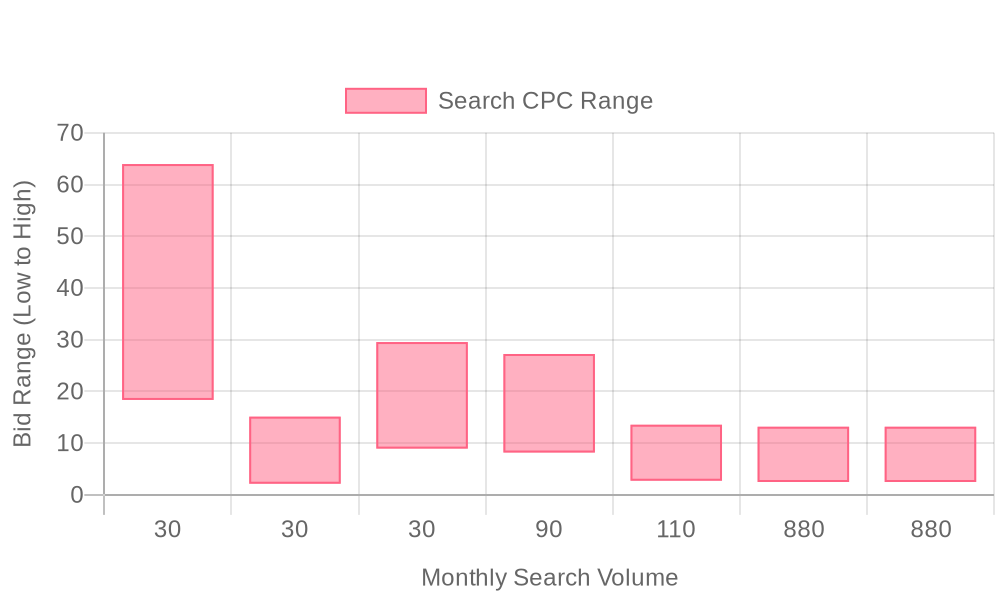
| Industry | Keyword | Monthly Search Volume | Competition Level | Low Bid | High Bid |
| Ceramic Tile Contractors | cheap tile installers near me | 30 | HIGH | 18.35 | 63.96 |
| Ceramic Tile Contractors | ceramic floor tile installers near me | 30 | MEDIUM | 2.16 | 15.12 |
| Ceramic Tile Contractors | ceramic floor installers near me | 30 | HIGH | 8.95 | 29.54 |
| Ceramic Tile Contractors | porcelain tile installation near me | 90 | LOW | 8.19 | 27.24 |
| Ceramic Tile Contractors | ceramic tile contractors | 110 | LOW | 2.74 | 13.56 |
| Ceramic Tile Contractors | ceramic tile installers near me | 880 | MEDIUM | 2.49 | 13.17 |
| Ceramic Tile Contractors | ceramic tile contractors near me | 880 | MEDIUM | 2.49 | 13.17 |
Ceramic tile contractors operate in a highly competitive digital landscape where every click can drive significant revenue impact. Precision in keyword strategy ensures your ad spend consistently reaches high-intent prospects, maximizing the efficiency of each campaign. Explore digital marketing tactics for tiling companies for more ideas on maximizing your reach in this niche.
To outperform in Google Ads for Ceramic Tile Contractors, dissect keyword opportunities by evaluating both search volume and commercial intent. Prioritize terms reflecting urgent needs or clear purchasing signals, such as "ceramic tile installation for offices" or "commercial ceramic tile contractors near me." This approach intercepts prospects at the moment of need and aligns your campaign with decision-makers who move quickly from research to action. For help analyzing campaign data and attribution, visit our blog hub.
Localized search behavior remains a powerful lever for tile industry digital marketing. Optimize for phrases like "ceramic tile contractors near me" to ensure your ads appear for buyers in your service regions. Targeting underserved regions with granular location-based ad groups and geofencing further lifts visibility among high-value accounts. This method strengthens market penetration where referral networks and local reputation often drive selection. Learn how Sona can help you build real-time, intent-based audience segments for hyper-local targeting.
Anonymous website traffic can be transformed into actionable opportunity when visitor identification is layered into your Google Ads strategy. By pinpointing companies and individuals showing real-time in-market intent, marketers can shift budget toward high-converting accounts and dynamically update audience pools as leads progress through the funnel. Integrating CRM data sync ensures enriched leads and audience segments feed directly into your Google Ads targeting, powering smarter segmentation and more relevant messaging at every stage.
Ready to optimize your ceramic tile contractor campaigns? Get started for free with Sona.
Step-by-Step Campaign Execution Framework
Step 1: Build Targeted Keyword Lists
Ceramic tile contractors achieve stronger campaign performance by focusing on keyword lists that reflect specific services, such as "ceramic tile installation," "residential tile contractor," and "commercial tile flooring." Localizing queries with geographic qualifiers helps ensure ads are visible to prospects in relevant service areas, driving qualified inquiries instead of broad, untargeted traffic. Applying negative keywords eliminates wasted spend from unrelated searches, refining audience quality and ensuring ad budgets are concentrated on genuine leads. For actionable ideas on marketing your tile business, see these tile contractor marketing ideas.
Unifying data sources streamlines audience segmentation so campaigns reach high-intent accounts, not just random searchers. When marketers connect CRM and website engagement data directly into their keyword planning, they address gaps and disconnects in campaigns. As a result, budget is allocated to segments showing real in-market behavior, improving Google Ads ROI for tiling companies while moving beyond basic keyword matching. To take segmentation further, use real-time audience insights that sync directly with your ad platforms for more personalized targeting.
The upgrade most ceramic tile contractors advertisers miss is going beyond raw keyword volume to layer in intent and identity signals. By connecting website-visitor data and CRM records with Sona Marketing Measurement, you can see which specific search terms bring in the accounts and customers that actually convert, and weight your keyword and bidding strategy toward those rather than the terms with the highest search volume alone.
Step 2: Develop Compelling Ad Copy
Ad copy that addresses customer pain points and highlights the unique strengths of the ceramic tile contractor stands out in a crowded market. Integrating trust signals, such as industry certifications or case study results, builds confidence with prospects and drives higher click-through rates. Effective use of ad extensions, like callouts and site links, surfaces key differentiators and gives users multiple paths to conversion. For a visual guide on digital marketing tactics in this industry, consider watching this video guide on digital marketing strategies.
Accurate data enrichment enables precise targeting in ad creative. Marketers who leverage company and buyer stage insights can tailor messaging, ensuring that ads resonate with both individual homeowners and commercial property managers. This approach supports dynamic audience targeting, so campaigns evolve as leads engage and move through the funnel.
Step 3: Design Effective Landing Pages
A seamless journey from keyword to ad to landing page is critical for conversion in the tile industry. Each landing page should closely align with ad intent: a search for "ceramic tile backsplash installation" should land on a page dedicated to that specific service, not a generic homepage. Clear calls to action, such as "Request a Free Estimate," must be visible and informed by enriched buyer data, ensuring messaging matches audience expectations at every stage. For more inspiration on digital marketing tactics tailored to tiling companies, read this comprehensive article on marketing for tiling companies.
Combining web analytics with CRM data uncovers friction points in the conversion process. When landing pages are informed by unified insights, they address the real needs of visitors, whether they are at the research or purchase stage. This results in higher conversion rates and more efficient lead capture for ceramic tile business marketing teams.
Step 4: Implement Data-Driven Optimizations
Continuous optimization fueled by analytics is essential for sustained campaign performance. Analyzing click and conversion data helps marketers refine bidding strategies, adjust ad copy, and optimize budget allocation for best-performing segments. Unified campaign data supports a feedback loop that sharpens creative content and audience targeting.
Real-time intent signals and advanced conversion tracking provide a complete picture of campaign effectiveness, including both online and offline interactions. Syncing enriched audiences and lead data into platforms like Google Ads, Salesforce, or HubSpot ensures that every touchpoint is tracked and attributed accurately. This closed-loop visibility empowers tile industry digital marketing teams to iterate quickly, measure true ROI, and maintain consistent messaging across channels, driving measurable business impact for ceramic tile contractors. Ready to streamline your marketing operations? Get started for free with Sona.
Sona Marketing Measurement closes the gap between clicks and revenue. It captures every ad click with first-party measurement, then ties that click through UTM capture and ad-platform APIs to the actual record in your CRM, and reports ROAS by keyword and campaign instead of by last-click form fill. Feeding that revenue signal back into Smart Bidding and Performance Max compounds over time: the algorithms optimize toward booked ceramic tile contractors revenue, not cheap leads.
Tips on Expanding Your Ceramic Tile Contractor Presence

Ceramic tile contractors who excel in digital marketing consistently leverage cross-channel integration and data-driven insights to maximize their visibility and lead quality. Expanding your presence requires more than ad spend alone: it demands a strategic approach tailored to address the unique challenges and opportunities in the tile industry. For a comprehensive overview of proven marketing tactics specific to this sector, review this digital marketing guide for tiling companies.
- Cross-promote educational content and retarget to meet marketing goals, using consistent messaging to address common pain points: High-value educational content, such as installation guides or design inspiration, can be shared across multiple platforms to capture new audiences and reinforce expertise. By retargeting visitors who have engaged with this content, contractors keep their brand top-of-mind, nurturing prospects throughout the buyer journey. Consistency in messaging is essential: it builds trust, positions your business as a solution to recurring customer frustrations (such as uncertainty about materials or installation timelines), and increases conversion rates. With real-time visibility into user engagement, marketers can shift budget toward the highest-intent segments, ensuring every retargeting dollar is invested for maximum impact.
- Explore collaboration with industry associations for traffic and exposure, sharing insights into audience segmentation and targeting: Partnerships with well-established industry groups provide access to new traffic sources and valuable networking opportunities. Sharing best practices around audience segmentation, such as separating trade professionals from homeowners, enables more relevant messaging and campaign targeting. Contractors can use advanced visitor identification to pinpoint previously anonymous site traffic, uncovering which companies and demographic profiles are most likely to convert. These insights can then be shared with association partners, driving joint campaigns that amplify reach while maintaining precise targeting.
- Tailor campaigns to specific geo-regions to enhance local presence and market share, leveraging data to adapt strategies to regional demand fluctuations: By analyzing regional search trends and local competition, contractors can align ad copy, landing pages, and offers with the distinct needs of each community they serve. Dynamic audience lists, which automatically update as prospects move through the funnel or as seasonality shifts, help ensure that advertising remains highly relevant and cost-effective. Local campaign performance data should be synced with CRM systems to close the loop on attribution, enabling teams to measure ROI for tiling companies at the campaign, region, and even account level. To see how seamlessly you can activate these insights, get started for free with Sona.
Beyond Google Ads: Winning the AI Answers Ceramic Tile Contractors Buyers Now Trust
Paid search captures demand at the moment someone types a query. But a fast-growing share of ceramic tile contractors buyers no longer start at Google at all, they ask ChatGPT, Gemini, or Perplexity before they ever run a search, and Google's own AI Overviews increasingly summarize an answer above the traditional results. If your business isn't referenced in those AI answers, you're invisible at the exact moment buyers build their shortlist.
Sona AI Visibility shows where your business shows up across ChatGPT, Gemini, Perplexity, Google AI Overviews, and 10+ engines, and, much like a keyword report, which prompts actually send you buyers, so you can prioritize the ones that convert. Run the two together and you cover the entire buyer path: get cited where buyers research (AI Visibility), then prove which of that demand turns into booked revenue (Marketing Measurement).
Helpful resources
Conclusion
The contractors who pull ahead over the next few bid cycles will be the ones who stop paying for clicks that never resolve into a name, a job, or a dollar figure. As AI answer engines take a growing share of early research away from the search results page, the same discipline, tying spend to booked revenue rather than form fills, will decide who still gets found when a buyer is ready to hire.
To truly harness the potential of your digital advertising efforts, consider exploring a platform that unifies your data and drives actionable insights. Transform your approach and see firsthand the difference it can make for your business.
FAQ
What are the best Google Ads strategies for ceramic tile contractors?
The best strategies include targeting high-intent prospects with precise audience segmentation, using industry-specific keywords, aligning ad creatives with landing pages, and integrating cross-channel strategies for consistent messaging.
How can I track the success of my Google Ads for my tile contracting business?
Success can be tracked by linking Google Ads with CRM data to measure ROI, using advanced analytics platforms for continuous performance optimization, and ensuring conversion paths are validated for both online and offline interactions.
How much should I budget for Google Ads as a ceramic tile contractor?
The budget should focus on high-intent prospects, leveraging industry-specific keywords and optimizing campaigns based on data-driven insights to maximize ROI and eliminate waste.
What are some examples of successful Google Ads campaigns for tile contractors?
Successful campaigns often include search ads targeting specific installation services, display ads for brand visibility, video ads showcasing craftsmanship, and remarketing to re-engage past visitors.
How can I optimize my Google Ads for better lead generation in the tile industry?
Optimization involves using data-driven audience segmentation, refining keywords and ad copy, aligning landing pages with ad intent, and continuously analyzing and adjusting campaigns based on real-time data.







