


A catering business lives and dies by timing: a corporate office needs lunch for forty people tomorrow, a bride is booking a wedding caterer eight months out, a nonprofit needs a gala quote by Friday. Missing that window, because a high-intent visitor left your site untracked or a lead went cold waiting for a callback, costs real contracts. Google Ads closes that gap by putting your business in front of buyers at the exact moment they're searching for a caterer, whether that search is urgent or seasonal. Paired with proper tracking from click to signed contract, it also gives you a clear read on which campaigns actually fill your event calendar, rather than just which ones generate form fills.
How to Generate Caterer Leads with Google Ads: A Step-by-Step Guide
Catering businesses build consistent lead generation on Google Ads through a systematic, data-driven approach. Identifying which companies are visiting your site, not just counting anonymous traffic, lets you prioritize follow-up on the corporate accounts and event planners most likely to book.
Integrating Google Ads into a multi-channel strategy ensures that every touchpoint is optimized for both visibility and conversion. With granular account-level insights, revenue teams can quickly determine which organizations show genuine intent, allowing resources to shift toward prospects most likely to convert. For a deeper dive into maximizing results, see Google Ads ROI Playbook for proven approaches to uncover more leads from your website traffic.
Targeting the right keywords and audiences is essential for any high-performing catering advertising campaign. By syncing CRM and sales data, marketers keep their audience segments accurate and dynamic, allowing for real-time updates as prospects move through the funnel. This synchronization ensures that no warm lead slips through the cracks due to outdated targeting lists or missed signals in intent.
Aligning landing pages with ad creatives is critical for boosting conversion rates in PPC for caterers. Cohesive messaging, paired with clear calls to action and relevant content, ensures that prospects move seamlessly from ad engagement to inquiry or booking. PPC Strategies for Catering provides a closer look at how PPC strategies can be tailored specifically for the catering industry.
Continuous optimization of campaign performance is non-negotiable for maximizing Google Ads budget for catering. By incorporating real-time intent signals, marketers can adjust bids, budgets, and creative assets to capitalize on periods of peak interest, such as holiday party season or spring wedding bookings, or shifting market demand. Sona Attribution helps teams measure the true ROI of their marketing strategies and make data-backed decisions with confidence.
Integrating cross-channel marketing efforts creates a unified brand experience and amplifies engagement for event catering marketing. Marketers can seamlessly sync enriched audiences and high-intent leads between Google Ads, CRM platforms, and sales enablement tools, ensuring each touchpoint is informed by the latest customer interactions. This orchestration not only streamlines campaign management but also drives stronger, more personalized engagement, resulting in higher-quality catering lead generation and ultimately, predictable revenue growth.
Why Does Google Ads Matter for Caterers?
Catering businesses operate in a landscape shaped by fluctuating demand, regional nuances, and fast-moving client expectations. Google Ads presents a direct path to engage high-intent prospects, offering immediate visibility in moments when decision-makers are actively searching for solutions.
Unlike traditional analytics, Google Ads enables granular targeting that pinpoints audiences by event type, location, and purchase intent, capturing opportunities that generic marketing channels often miss. By leveraging advanced data enrichment and audience segmentation, caterers can identify not only anonymous site visitors but also the companies and individuals most likely to convert, ensuring that every click and impression works harder for the bottom line.
Precision geo-targeting allows caterers to expand into emerging markets with confidence, using campaign analytics to prioritize regions where demand is peaking. For more insights on maximizing return, check out our guide on Google Ads ROI.
Integrated campaign performance measurement closes the loop from first click to signed contract, surfacing which channels and keywords actually drive revenue. By connecting CRM and marketing automation data, teams can sync enriched lead and audience segments into Google Ads, allowing dynamic retargeting and nurturing as clients move through the funnel. This unified approach streamlines catering lead generation and ensures that marketing resources focus on the most promising opportunities, making every dollar of the Google Ads budget for catering accountable and impactful.
Common Types of Google Ads Campaigns for Caterer Services
- Search Campaigns: Capture high-intent prospects who are ready to book catering services or request proposals. These campaigns appear directly in Google search results when potential clients look for options like "corporate catering near me" or "wedding catering packages." With precise keyword targeting and conversion-focused ad copy, search campaigns consistently deliver the strongest return on ad spend for B2B catering companies. Identifying the company behind a high-value search means every serious inquiry gets mapped to a real account for faster qualification. Sona's Identity Resolution helps link anonymous search activity to real accounts, enabling smarter and faster lead response.
- Display Ads: Maintain strong brand visibility across industry websites, event planning blogs, and relevant business content. Display campaigns are essential for nurturing awareness among decision-makers and procurement teams who research catering solutions over long buying cycles. When display placements are paired with dynamic audience segmentation, marketers can automatically adjust creative and budget allocation as leads progress from initial awareness to serious consideration, maximizing efficiency and relevance. Display targeting trends provide a deeper look at how display targeting shapes B2B campaign performance.
- Video Ads: Visually demonstrate catering capabilities through short, targeted video content on YouTube and other platforms. Video campaigns help convey the quality, scale, and specialties of your catering operation, making a lasting impression with event planners and corporate buyers. Data-driven video targeting leverages in-market behavior signals to prioritize accounts showing strong purchase intent, ensuring that your most compelling content reaches the right decision-makers at the right time.
- Remarketing: Re-engage previous website visitors or proposal requestors who have not yet committed. Remarketing campaigns deliver tailored messaging and offers that address specific hesitations or decision factors, such as flexible menu options or last-minute availability. By syncing enriched audience lists directly from your CRM, you can create highly targeted remarketing sequences that adapt in real time as contacts move through the buyer’s journey, driving higher conversion rates and shortening sales cycles. This builds on the strategies outlined in Intent Retargeting.
- Assets: Enhance ad credibility and click-throughs with sitelinks, location details, customer reviews, and certifications. Ad assets provide additional context, such as food safety certifications or client testimonials, helping to build trust and validate your service claims instantly. Keeping asset content current, updated menus, seasonal offerings, fresh reviews, supports both brand authority and local relevance for catering service ads. Dynamic Sitelinks share industry benchmarks for asset performance.
Where to Find Growth Opportunities?
Growth in the catering industry increasingly depends on targeting specialized service segments and identifying overlooked prospects. Innovative marketers focus on distinct vertical keyword targeting, ensuring that unique catering offerings such as vegan, gluten-free, or corporate event packages are discoverable and not overshadowed by general terms. One analysis in Adtargeting.io explores how granular keyword selection can drive more qualified leads for catering businesses.
By diving into high-intent, service-specific search phrases, you can surface your brand to buyers with immediate needs and higher conversion potential. This approach prevents wasted spend on broad, less-relevant searches and channels investment into keywords proven to drive bookings.
Analyzing competitor gaps via auction insights allows you to spot underserved segments where your catering solutions can outperform. For instance, if competitors neglect certain event types or regional specialties, focusing your ad budget there can quickly yield market share. Identifying the companies behind your ad clicks gives a sharper view of who's engaging and which segments show the most intent. Sona's Identity Resolution helps pinpoint these high-value audiences, allowing you to dynamically adjust budget allocation and campaign focus.
Placing industry-specific ads on relevant forums, directories, and event planning platforms extends reach beyond Google Search and Display. These channels often attract decision-makers actively seeking catering partnerships, making every impression count toward lead generation for high-value contracts. To deepen engagement, retargeting with educational content such as whitepapers or how-to videos helps nurture prospects as their needs evolve. For more insights on aligning retargeted ads with funnel stages, check out our guide on retargeting strategies.
How to Apply Audience Segmentation for Caterers
Audience segmentation in catering advertising creates a foundation for campaigns that speak directly to distinct buyer groups. By moving beyond broad targeting, caterers can connect with decision-makers in event planning, corporate offices, and specialized niches, delivering tailored messaging that reflects each group’s priorities and intent.
Defining audience segments is critical for effective Google Ads performance for caterers. Segments typically include event planners booking weddings or galas, corporate administrators seeking regular lunch solutions, and hospitality managers arranging conferences. Each segment responds to different value propositions: event planners prioritize menu creativity and guest experience, while corporate buyers focus on reliability, scalability, and seamless logistics. Segment-specific messaging enhances engagement rates, and aligning ad creative with audience context ensures higher click-through and conversion rates, as outlined in Google Ads for Caterers.
Overlaying intent signals elevates PPC for caterers from generic to precision-targeted. Analyzing keyword intent, such as “wedding catering packages” versus “corporate lunch delivery”, lets marketers serve ads that anticipate needs in real time. Integrating real-time behavioral signals allows for dynamic budget allocation, ensuring that ad spend supports segments demonstrating the strongest purchasing intent. For more insights on maximizing campaign relevance with intent data, check out our guide on Intent Retargeting.
Customizing ad groups and budgets according to audience segments ensures resources are deployed where ROI is highest. For example, higher budgets dedicated to corporate catering ad groups during Q4 can capture increased year-end event demand, while tailored messaging for wedding season can drive bookings in identified peak months. This approach streamlines catering marketing strategies and supports responsive, data-driven campaign management.
Effective conversion tracking and CRM integration are essential for sustaining high-performance catering business promotion. By connecting ad platforms with CRM tools, marketers maintain a unified view of the customer journey, from initial click to closed deal. Advanced attribution models link online and offline actions, providing full visibility into which segments and messages drive the most valuable catering lead generation. Solutions such as Sona Attribution support marketers in tracking touchpoints and optimizing campaigns based on real business outcomes. Syncing enriched audience data and conversion outcomes ensures that future campaigns can adapt dynamically, reflecting real-time insights and evolving client behaviors. This closed-loop system gives B2B revenue teams the actionable data needed to refine targeting, personalize outreach, and maximize the impact of every dollar in the Google Ads budget for catering.
This is also where measurement changes the economics. With Sona Marketing Measurement you can identify the companies behind your ad clicks, not just anonymous sessions, and segment audiences by which accounts actually become customers. That lets you build bid adjustments and audience signals around the segments that convert and de-prioritize the ones that don't, so you feed Google's algorithms "this click became a paying caterer customer" instead of just "someone filled out a form."
Keyword Strategy & Sample Target Terms
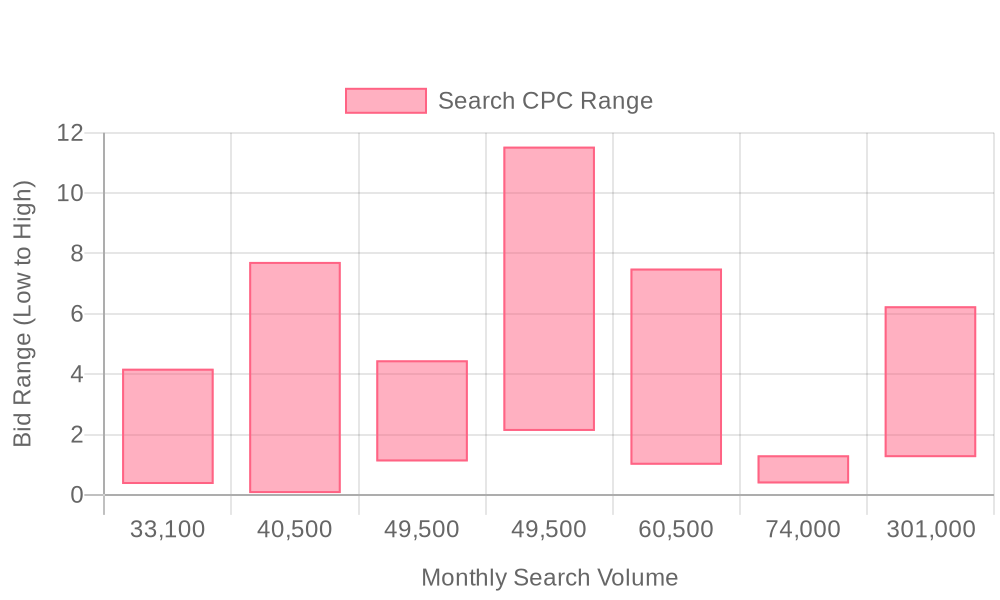
| Industry | Keyword | Monthly Search Volume | Competition Level | Low Bid | High Bid |
| Caterer | subway catering | 33100 | LOW | 0.36 | 4.18 |
| Caterer | qdoba catering | 40500 | LOW | 0.06 | 7.72 |
| Caterer | caterer | 49500 | LOW | 1.11 | 4.46 |
| Caterer | moes catering | 49500 | MEDIUM | 2.12 | 11.54 |
| Caterer | breakfast catering | 60500 | MEDIUM | 1 | 7.5 |
| Caterer | olive garden catering | 74000 | LOW | 0.38 | 1.31 |
| Caterer | catering near me | 301000 | LOW | 1.25 | 6.25 |
A high-performing keyword strategy is the foundation of successful google ads for caterer campaigns. Prioritizing high-volume, high-intent keywords such as “wedding catering near me,” “corporate event catering,” and “best catering services” enables your ads to appear precisely when decision-makers are ready to engage or book. Relying on static keyword lists limits reach and adaptability; using continuous data-driven refinement ensures your targeting evolves alongside actual search trends and buyer behavior. Catering Keywords provides insight into trending search terms for caterers.
Incorporate local modifiers and negative keywords to increase campaign efficiency and relevance. For example, integrating city or neighborhood names with core terms attracts nearby event planners and reduces wasted spend on out-of-area clicks. Negative keywords such as “catering jobs,” “free catering,” or unrelated cuisine types filter out low-value searches, focusing your budget on genuine prospects. This approach is essential for catering advertising and PPC for caterers seeking maximum return on ad spend.
Structuring keywords by buyer intent and geography aligns your strategy with the customer journey. For top-funnel, use broad match phrases like “event catering services” to capture early interest. As users move closer to their decision, narrow targeting to terms like “book a caterer in [city]” or “last-minute catering order.” When your team leverages enriched data and real-time visitor identification, you can dynamically build and adjust audience segments as leads progress through each funnel stage. This builds on the strategies outlined in Intent Retargeting, making both online advertising for caterers and catering lead generation efforts more precise, ensuring your Google Ads budget for catering is directed toward the most valuable opportunities.
Step-by-Step Campaign Execution Framework
Step 1: Build Targeted Keyword Lists
Effective keyword targeting fuels every successful google ads for caterer campaign. Start by clustering keywords around specific service types such as wedding catering, corporate catering, or private party packages. Enhance reach and relevance by localizing these clusters with city, neighborhood, or event venue geo-modifiers, ensuring your ads appear in searches from prospects within your true service radius.
Long-tail queries like “corporate lunch catering in [city]” or “last-minute vegan wedding catering near me” deliver niche market penetration and higher intent, often at a lower cost per click. For a deeper dive into effective keyword strategies for caterers, Catering Keyword Ideas provides practical keyword suggestions and competitive insights.
Consistent use of advanced lead intelligence lets revenue teams move beyond anonymous search data, seeing not just what is being searched but which companies are behind the search. Sona's Identity Resolution helps uncover the real accounts behind high-intent search activity, enabling marketers to focus budget on high-value accounts and tailor messaging to specific segments, aligning search intent with real sales opportunities.
The upgrade most caterer advertisers miss is going beyond raw keyword volume to layer in intent and identity signals. By connecting website-visitor data and CRM records with Sona Marketing Measurement, you can see which specific search terms bring in the accounts and customers that actually convert, and weight your keyword and bidding strategy toward those rather than the terms with the highest search volume alone.
Step 2: Develop Compelling Ad Copy
Catering advertising thrives on messaging that addresses both the logistical and emotional pain points of event planners and business clients. Successful ad copy for catering services highlights solutions to common stressors: dietary accommodation, last-minute orders, streamlined booking, and delivery reliability. Use urgency-driven language (“Book now for holiday events,” “Limited summer weekends available”) to prompt immediate action and maintain consistent tone and value propositions across all marketing channels.
Dynamic audience data helps refine ad messaging in real time. As leads engage, their behaviors inform which benefits or offers resonate most, making it possible to rapidly rotate in the highest-performing headlines and descriptions. This approach keeps campaigns fresh and relevant, maximizing click-through and conversion rates even as search trends evolve. For actionable tips, Ad Copy Strategies shares expert strategies for effective ad copy in the catering industry.
Step 3: Design Effective Landing Pages
The most effective catering service ads ensure a seamless 1:1 alignment between keyword, ad, and landing page content. When a prospect clicks an ad for “corporate breakfast catering,” the landing page should mirror that promise with clear menus, testimonials, and booking options tailored for corporate buyers. Direct integration with CRM systems allows every inbound lead to be automatically captured, routed, and nurtured, eliminating manual errors and accelerating time to quote.
Synchronizing CRM and ad platforms unlocks further efficiencies. If a prospect revisits your site or progresses in the buying journey, enriched audience data flows back into future google ads for caterer campaigns, dynamically updating retargeting pools and enabling more personalized outreach. This builds on the strategies outlined in Intent-Driven Retargeting, which dives into leveraging first-party intent signals for high-impact campaigns.
Step 4: Implement Data-Driven Optimizations
Data-driven optimizations are essential for staying ahead in PPC for caterers. Importing offline conversion data, such as signed contracts or repeat bookings, enables a full-cycle view of ROI and campaign effectiveness. Smart bidding strategies, powered by real-time insights into account-level engagement and pipeline velocity, help teams rapidly reallocate spend toward high-converting audiences or emerging market segments.
By automatically syncing enriched audience lists and conversion events between ad platforms and sales tools, marketers can continuously refine targeting and messaging. Solutions such as Sona Attribution support clear revenue tracking across every touchpoint, ensuring budget is always focused on the most valuable opportunities, driving higher returns and accelerating overall catering lead generation. These optimizations position event catering marketing teams to respond instantly to shifts in buyer intent, outpacing competitors and maximizing every dollar of their Google Ads budget for catering.
Sona Marketing Measurement closes the gap between clicks and revenue. It captures every ad click with first-party, company-level tracking, then ties that click through UTM capture and ad-platform APIs to the actual record in your CRM, and reports ROAS by keyword and campaign instead of by last-click form fill. Feeding that revenue signal back into Smart Bidding and Performance Max compounds over time: the algorithms optimize toward booked caterer revenue, not cheap leads.
Tips on Expanding Your Caterer Presence
Strong market presence in the catering industry is built on cohesive, multi-channel strategies that anticipate client needs and leverage actionable insights. Expanding your reach hinges on data-driven audience segmentation, strategic partnerships, and a content plan aligned with real-time search trends.
- Cross-promote Educational Content Through Retargeting, Leveraging Detailed Audience Insights: Effective retargeting allows you to re-engage visitors who have interacted with your website or ads but have not yet converted. By analyzing granular audience insights, you can deliver educational resources, such as event planning guides or menu inspiration, to high-potential segments, moving them further along the decision journey. With unified data platforms, marketers can pinpoint previously anonymous visitors, connect them to specific companies, and tailor retargeting assets in real time, boosting conversion rates for catering lead generation. Platforms like Sona Audiences help marketers activate segmented retargeting and reach high-value groups with tailored messaging.
- Upsell Related Services To Segmented Audiences In Your Crm, Focusing On Those Expressing Peak Interest: Not all website visitors or leads are equal in value. By syncing enriched audience and behavioral data between your CRM and ad platforms, you can identify which prospects are showing the strongest buying intent, such as those who viewed catering service ads for premium packages or requested event quotes. This enables you to deliver timely upsell offers, like beverage packages or on-site event staff, directly to those with the highest propensity to buy, maximizing ROI from both your Google Ads budget for catering and broader digital campaigns. Wordstream Benchmarks shares industry benchmarks for this approach.
- Form Partnerships With Industry Associations For Increased Referral Traffic And Establish Trust: Building alliances with event planners, venue operators, and local business associations can significantly expand your referral network. These collaborations enhance your credibility and funnel high-quality, pre-qualified leads into your pipeline. Integrating referral data into your broader analytics ecosystem lets you track the full customer journey, attributing conversions and revenue accurately across channels, essential for optimizing catering business promotion and demonstrating marketing impact. For more insights on attributing partnership-driven revenue, check out our guide on Revenue Attribution.
- Use Search Query Data To Inspire New Content For Your Broader Marketing Strategy, Ensuring It Reflects Current Market Demands: Monitoring real-time search queries and trends reveals the evolving needs and concerns of your target audience. By feeding this search intelligence back into your content and campaign planning, you can produce resources that directly address popular topics, such as “corporate lunch catering,” “gluten-free menu ideas,” or “last-minute event catering.” Search Trends provides a deeper look at this trend.
Successfully expanding your caterer presence depends on orchestrating these tactics within a unified, data-centric framework. Integrating advertising, CRM, and web analytics lets you optimize every touchpoint, identify high-intent leads as they emerge, and scale personalized engagement across all channels. For a personalized walkthrough of how to unify your marketing stack, Book a Demo with our team. This holistic approach is essential for modern catering companies striving to lead in a competitive, rapidly evolving marketplace.
Beyond Google Ads: Winning the AI Answers Caterer Buyers Now Trust
Paid search captures demand at the moment someone types a query. But a fast-growing share of caterer buyers no longer start at Google at all, they ask ChatGPT, Gemini, or Perplexity before they ever run a search, and Google's own AI Overviews increasingly summarize an answer above the traditional results. If your business isn't referenced in those AI answers, you're invisible at the exact moment buyers build their shortlist.
Sona AI Visibility shows where your business shows up across ChatGPT, Gemini, Perplexity, Google AI Overviews, and 10+ engines, and, much like a keyword report, which prompts actually send you buyers, so you can prioritize the ones that convert. Run the two together and you cover the entire buyer path: get cited where buyers research (AI Visibility), then prove which of that demand turns into booked revenue (Marketing Measurement).
Helpful resources
Conclusion
Google Ads works for caterers because it meets buyers exactly when they're searching, whether that's a bride six months out or a company scrambling for tomorrow's lunch order.
The caterers pulling ahead now are the ones pairing search visibility with real attribution, so every booked event traces back to the keyword and campaign that earned it. Start a free trial to see how Sona connects your Google Ads spend to booked revenue.
FAQ
What are the best practices for Google Ads for caterers?
Best practices include targeting high-intent keywords, aligning landing pages with ad creatives, integrating CRM data for dynamic audience targeting, and continuously optimizing campaigns with real-time data.
How much should I budget for Google Ads as a caterer?
Budgeting should be based on targeting high-value opportunities, using data-driven optimizations to ensure every dollar is focused on the most promising prospects, and integrating cross-channel marketing efforts.
What keywords should I use for my catering Google Ads?
Use high-volume, high-intent keywords such as 'wedding catering near me,' 'corporate event catering,' and 'best catering services,' incorporating local modifiers and negative keywords for higher relevance.
How can I measure the success of my Google Ads campaign for catering?
Success can be measured by tracking ROI from click to conversion, using CRM integration for full visibility of customer journeys, and employing advanced attribution models to link online and offline actions.
What types of ads work best for catering services?
Search campaigns are highly effective for capturing high-intent prospects, while display, video, and remarketing ads help maintain brand visibility and engage decision-makers throughout the buying cycle.







