


Catalog printers rarely lose deals to bad print quality, they lose them to slow follow-up and blind spend. A procurement manager researching bulk catalog runs or a marketing director comparing specialty finishes will vanish into a CRM as an anonymous form fill unless someone catches the signal at the moment of search. Google Ads is the channel built for that moment: it reaches buyers while they're actively typing "catalog printing services" into a search bar, not weeks later after a trade show follow-up cools off. Paired with the slower-building channels, email nurture, SEO, direct mail, trade show presence, Google Ads becomes the mechanism that converts research into a request for quote. For catalog printing businesses specifically, that means targeting industry-specific terms (bulk runs, specialty finishes, direct mail integration), measuring ROI from click to signed contract, and feeding remarketing lists that keep your name in front of buyers still comparing vendors.
How to Generate Catalog Printing Leads with Google Ads: A Step-by-Step Guide

B2B revenue teams in the catalog printing industry face persistent challenges in reliably capturing high-intent leads. Precision, speed, and actionable insight are required to consistently reach decision-makers searching for catalog printing services while maximizing every marketing dollar spent. For additional strategies on advertising for print companies, review this guide to marketing for print companies.
A data-driven Google Ads strategy transforms online advertising for catalog printing by tightly aligning targeting, messaging, and measurement. Integrating keyword and audience targeting specific to catalog printing buyers ensures that no valuable prospect slips through the cracks due to incomplete tracking or fragmented data. Leverage precise audience intelligence to build real-time, intent-based segments and drive more qualified pipeline.
- Keyword and audience targeting: Using search intent signals and historical engagement data, marketers can build granular keyword lists and dynamic audience segments. This approach helps focus spend on buyers actively seeking catalog printing solutions, while advanced tools surface in-market accounts and new opportunities in real-time. Sona's Identity Resolution further empowers teams to pinpoint companies visiting your site, enabling targeted outreach and tailored ad messaging.
- Landing page and creative alignment: Consistency in messaging across ads and landing pages is crucial for conversion. For catalog printing service marketing, landing pages should reflect ad copy and offers, presenting value propositions and calls to action that resonate with B2B buyers. For more conversion strategies, see our guide to account-based marketing. Optimized creative and seamless user experiences drive higher conversion rates and lower cost per lead.
- Performance optimization: Continuous improvement comes from robust conversion tracking and attribution. Marketers can track online and offline conversions, gaining full visibility into which campaigns and keywords deliver the highest ROI. Platforms that unify data from Google Ads with CRM or sales platforms let revenue teams shift budget toward top-performing channels and audiences based on real-time intent signals.
- Cross-channel integration: Catalog printing organizations benefit from synchronizing audiences and leads across Google Ads, email, and CRM systems. Automated audience updates ensure that as buyers progress through the funnel, ad messaging adapts to their stage and intent, increasing engagement and conversion. Integrating marketing data also supports more accurate attribution, sharper resource allocation, and faster follow-up.
- B2B-specific strategies: For service providers, local operators, and B2B marketers, targeted advertising for catalog printing requires tailored tactics. Utilizing localized campaigns, account-based targeting, and enriched lead data maximizes efficiency and conversion rates. Syncing audience data automatically into your ad platforms and CRM streamlines the process, reduces manual work, and accelerates growth.
Each of these pieces, keyword targeting, landing page alignment, performance tracking, cross-channel sync, and B2B-specific tactics, compounds the others. Skip one and the rest underperform. If you're ready to put this framework to work, get started for free with Sona.
Why Google Ads Matter for Catalog Printing Services Businesses

Digital advertising for catalog printing services must address the realities of a changing B2B landscape: buyers do extensive research long before engaging a vendor, and many high-value opportunities originate outside your current prospect list. Google Ads provides a direct channel to engage procurement managers and marketing decision-makers at the exact moment they search for catalog printing solutions, creating a pipeline of qualified leads and shortening sales cycles.
- Complex Audiences: Modern catalog printing projects often originate from organizations you have yet to identify. Google Ads reaches stakeholders actively researching print partners, even if they have never visited your site. With unified intent signals and company-level identity resolution, marketers can convert anonymous website traffic into named accounts, revealing which enterprise buyers are actually evaluating your services.
- Higher Margin Services: Catalog printing often includes specialty finishes, large runs, or data-driven personalization, services with significant margin potential. Google Ads captures leads displaying explicit interest in these offerings. By layering in real-time behavioral signals, you can dynamically prioritize and retarget high-intent accounts, ensuring your sales team focuses on leads with the highest revenue potential.
- Immediate Demand Response: Product launches and seasonal campaigns drive surges in catalog printing demand. Google Ads delivers rapid lead generation during these windows, allowing teams to adjust spend and messaging based on live campaign data. When integrated with a platform that unifies CRM, web, and ad data, marketers can sync enriched audiences directly into campaign workflows, maximizing the efficiency of every dollar spent.
- Visibility in New Regions: Expanding into new metropolitan areas or industries requires precision targeting. Google Ads enables granular geographic and industry segmentation, reaching potential clients where traditional methods fall short. Closed-loop reporting connects ad engagement to pipeline and revenue outcomes, helping marketing leaders prove and improve Google Ads ROI for printing services in both established and emerging markets.
- Integrated Data Analysis: True campaign value comes from connecting every click to a contract. Google Ads, when paired with advanced attribution and conversion tracking, delivers a clear view of which campaigns, keywords, and audiences drive real opportunities. With synced offline and online conversion data, marketing and sales teams gain actionable insights, supporting smarter budget allocation and sustained growth in catalog printing service marketing.
Common Types of Google Ads Campaigns for Catalog Printing Services

- Search Campaigns: Capture high-intent queries from decision-makers actively searching for catalog printing services. These campaigns ensure that potential customers who are ready to buy or request a quote find your business first, not a competitor. Sophisticated marketers boost performance by linking real-time visitor identification with search intent, allowing for dynamic budget allocation when in-market accounts are detected.
- Display Ads: Maintain a consistent, top-of-mind presence across relevant industry sites and niche content platforms. Display campaigns support broader marketing initiatives like email and social media, reinforcing brand recognition through targeted visuals and messaging. By syncing enriched audience segments from your CRM directly into Google Ads, you can ensure display ads are shown to prospects who have engaged across multiple channels. For a detailed overview of effective display strategies, see this digital advertising guide for print companies.
- Video Ads: Leverage video to visually demonstrate catalog quality, printing processes, or unique finishing options, expanding the impact of your content marketing. Video ads reach buyers in research mode and help articulate value propositions that static creatives cannot. Tying video engagement data back to your CRM enables you to retarget viewers with tailored offers, increasing conversion rates from high-intent video interactions.
- Remarketing: Re-engage past site visitors, quote request abandoners, or users who viewed pricing pages but did not convert. Remarketing campaigns increase the number of meaningful touchpoints, nudging prospects further down the funnel. When audience lists dynamically update as leads progress or qualify out, remarketing efforts remain efficient and relevant, keeping advertising spend focused on top opportunities.
- Assets: Enhance ad credibility with structured snippets, callouts, or sitelink assets that showcase certifications, turnaround times, or special offers. These trust signals validate marketing claims and drive higher click-through rates, especially when prospects are comparing multiple catalog printing providers. Integrating real-time data from your pipeline allows for automated updates to these assets, ensuring the most compelling proof points display with every impression.
Want to optimize your Google Ads campaigns for catalog printing? Get started for free with Sona.
Where to Find Growth Opportunities?
B2B marketers in catalog printing services unlock the highest-value prospects by focusing on vertical keywords tailored to specialty offerings. Aligning these keywords with a data-driven content strategy ensures that search intent matches audience needs, enabling teams to reach buyers who are most likely to convert. This approach avoids wasted budget on generalized campaigns and instead channels spend toward high-intent segments, increasing the impact of every ad dollar.
Analyzing competitor gaps with advanced tools such as SEMrush surfaces underserved market segments and keyword opportunities that many catalog printers overlook. By mapping competitor visibility and overlaying traffic estimates against your own areas of strength, you can pinpoint where to expand or refine campaigns. For an actionable overview of digital advertising options and best practices for printing businesses, see this comprehensive guide to digital ads for print shops.
Industry-specific forums and digital communities often host niche conversations relevant to catalog printing buyers, yet organic search may not position your content on these platforms. Placing ads or curated content on these sites puts your brand in front of decision-makers during moments of research, when purchase intent is highest. Leveraging content retargeting with whitepapers or instructional videos maximizes the value of every site visit; anonymous traffic is converted into identified leads as visitors engage with your gated assets. For teams seeking full-funnel visibility, real-time visitor identification and dynamic audience syncing ensure leads from these channels are not lost and keep retargeting lists fresh as prospects move through evaluation and decision stages.
How to Apply Audience Segmentation for Catalog Printing Services

Effective audience segmentation is foundational for high-performing Google Ads for Catalog Printing Services. Segmentation enables marketers to match ad messaging, offers, and budgets directly to the needs of each target group, ensuring campaigns resonate and drive conversions. For additional strategies tailored to print companies, review this advertising for print companies guide.
- Define Segments: Start by differentiating your audiences based on business type and printing preferences. For example, small businesses typically require shorter print runs and value pricing flexibility, while enterprise clients may need bulk production, faster turnaround, and custom integration. Segmenting by digital versus traditional offset printing preferences further enables precise targeting.
- Overlay Intent Signals: Enhance your segmentation by layering in behavioral and intent data. Look for prospects signaling readiness to purchase, such as repeat visits to pricing pages or downloading specification sheets. By identifying signals like bulk order research or frequent quote requests, revenue teams can prioritize accounts most likely to convert and shift budget in real time to these high-intent opportunities.
- Create Ad Groups by Segment: Structure your Google Ads account with separate ad groups for each defined audience. Tailor ad copy, landing pages, and offers to match the motivations of each segment, such as bulk discount messaging for enterprise buyers or fast-turnaround offers for agencies. Budgets can be allocated dynamically to maximize reach where conversion potential is highest. Platforms that unify audience, intent, and CRM data ensure ad groups remain current, automatically adjusting as leads progress through the funnel.
- Validate Conversion Paths: Ensure robust tracking for all conversion actions, including quote requests, form submissions, and phone calls. Integrate tracking with your CRM system to capture every qualified inquiry and connect online actions to offline sales outcomes. Solutions that bridge CRM and Google Ads data enable marketers to attribute revenue accurately, prevent high-interest demos from slipping through the cracks, and refine segmentation based on true downstream results. For deeper insights into optimizing marketing ROI, explore the essential guide to revenue attribution.
To see how unified segmentation and intent insights can transform campaign performance, get started for free with Sona.
This is also where measurement changes the economics. With Sona Marketing Measurement you can identify the companies behind your ad clicks, not just anonymous sessions, and segment audiences by which accounts actually become customers. That lets you build bid adjustments and audience signals around the segments that convert and de-prioritize the ones that don't, so you feed Google's algorithms "this click became a paying catalog printing services customer" instead of just "someone filled out a form."
Keyword Strategy & Sample Target Terms
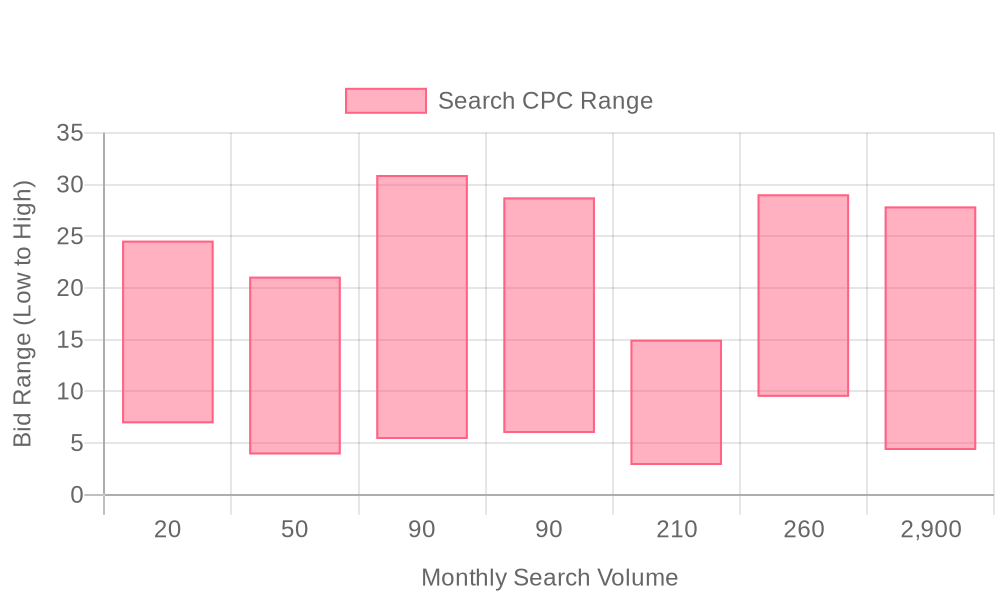
| Industry | Keyword | Monthly Search Volume | Competition Level | Low Bid | High Bid |
| Catalog Printing Services | short run catalog printing | 20 | MEDIUM | 6.92 | 24.57 |
| Catalog Printing Services | catalog printing online | 50 | MEDIUM | 3.91 | 21.09 |
| Catalog Printing Services | cheap catalog printing | 90 | HIGH | 5.4 | 30.92 |
| Catalog Printing Services | custom catalog printing | 90 | HIGH | 5.98 | 28.75 |
| Catalog Printing Services | catalog printing near me | 210 | HIGH | 2.89 | 15 |
| Catalog Printing Services | catalog printing services | 260 | MEDIUM | 9.48 | 29.05 |
| Catalog Printing Services | catalog printing | 2900 | HIGH | 4.34 | 27.88 |
B2B revenue teams seeking to drive measurable growth in catalog printing services depend on keyword strategies that reach decision-makers at the exact moment of need. Connecting marketers with high-intent prospects by surfacing offers when buyers actively search for solutions ensures every click is a genuine opportunity for pipeline impact.
- Precise Targeting: Engaging decision-makers involves targeting terms like 'catalog printing services near me,' 'bulk catalog printing,' and 'custom catalog design.' These keywords capture in-market buyers searching for immediate fulfillment and custom solutions, allowing campaigns to focus on prospects who are most likely to convert. For more actionable strategies, explore our demand generation playbooks.
- Measurable ROI: Tracking engagement from the first click all the way to deal closure is critical. By integrating advanced conversion tracking, marketers can attribute revenue directly to specific campaigns. This transparency empowers teams to refine budgets based on true business outcomes and reduce the risk of overspending or missing key opportunities.
- Channel Synergy: Retargeting prospects across search, display, and social channels keeps catalog printing services top of mind as buyers research. With unified data platforms, marketers can identify anonymous website visitors, sync enriched leads into ad platforms, and dynamically update audiences as prospects move through the buying journey. This consistent messaging across every touchpoint increases brand recall and maximizes conversion potential.
- Strategic Use: Prioritizing both high-volume, competitive search terms and highly specific, local, or long-tail keywords ensures balanced reach and intent capture. Terms such as 'printing services in [City]' attract local buyers, while niche phrases like 'eco-friendly catalog printing for B2B' connect with specialized segments. Ongoing keyword refinement, informed by real-time intent signals, helps focus spend on segments most likely to generate high-margin deals.
A well-structured keyword strategy for catalog printing services unifies targeting, measurement, and audience management, resulting in a marketing engine that consistently delivers scalable and predictable ROI. To put these strategies into action, get started for free with Sona.
Step-by-Step Campaign Execution Framework
Step 1: Build Targeted Keyword Lists
Precision in keyword targeting is foundational for successful catalog printing services. Segmenting keywords by service type, such as design, bulk printing, or direct mail, ensures ads appear for highly relevant searches. Localizing keywords with city names or phrases like "near me" enhances visibility to buyers seeking providers within their market. Incorporating long-tail queries, such as "eco-friendly catalog printing for retailers," captures high-intent prospects with specific needs and purchasing signals.
To safeguard against wasted spend, consistently refine your keyword list with negative keywords that filter out irrelevant traffic, such as "free templates" or unrelated print products. Sona's Identity Resolution lets marketers pinpoint which companies are engaging with search ads, so teams can further refine audience targeting and shift budget toward high-converting accounts based on real-time intent signals. For a deeper dive into advertising strategies tailored for print companies, explore this guide to marketing for print companies.
The upgrade most catalog printing services advertisers miss is going beyond raw keyword volume to layer in intent and identity signals. By connecting website-visitor data and CRM records with Sona Marketing Measurement, you can see which specific search terms bring in the accounts and customers that actually convert, and weight your keyword and bidding strategy toward those rather than the terms with the highest search volume alone.
Step 2: Develop Compelling Ad Copy
Crafting ad copy that resonates with catalog printing buyers demands insight into their core pain points, tight deadlines, quality assurance, or order volume flexibility. Use these challenges to develop concise, benefit-driven headlines that immediately address prospect concerns. Trust markers, such as industry certifications or client awards, reinforce expertise and credibility in a crowded market.
Highlight urgency with offers like "free consultation" or "limited-time pricing." Message reinforcement through sitelink and callout extensions provides additional touchpoints for decision-makers to engage. With dynamic audience updates powered by unified data, marketers can automatically tailor ad messaging as leads progress through the funnel, ensuring relevance for every touchpoint and increasing the likelihood of engagement. To see a comprehensive overview of effective digital ad options and best practices for print businesses, check out this guide to digital advertising for print shops.
Step 3: Design Effective Landing Pages
Alignment from keyword to ad to landing page is critical for maximizing conversion rates in catalog printing service marketing. Segment landing pages by service, such as design-focused, print-only, or fulfillment, to match user intent and streamline the decision process. Integrate ROI calculators, customer testimonials, and FAQs to address objections and showcase real-world outcomes.
Clear calls-to-action, such as "Request a Quote" or "Download Sample Catalog," guide visitors toward next steps. Mobile-optimized design is essential, given the increasing share of B2B buyers researching on-the-go. Sona's real-time sync of CRM and ad data enables deeper personalization on landing pages, displaying tailored offers or content based on the visitor's journey stage and company profile. For actionable landing page inspiration and insights, explore this summary of top digital ad formats for print shops.
Step 4: Implement Data-Driven Optimizations
Ongoing optimization is the driver of sustainable ROI in online advertising for catalog printing. Efficient conversion tracking, integrating both online and offline touchpoints, gives a holistic view of which ads and keywords generate true business outcomes. Smart bidding strategies, such as Target CPA, leverage machine learning to allocate budget toward the highest-value conversions.
A/B testing of ad copy and landing page formats reveals actionable insights into what resonates with target segments. Leverage unified reporting platforms to connect campaign performance with revenue outcomes, automatically updating audience lists for retargeting and nurturing. Sona's advanced attribution and audience sync ensure that enriched prospect data feeds back into both ad platforms and CRM systems, streamlining strategy refinement and supporting targeted advertising for catalog printing at scale. To learn how a specific Google ad format is delivering outstanding results for service businesses, see this case study on high-impact Google Ads for contractors.
Ready to take your catalog printing campaigns to the next level? Get started for free with Sona.
Sona Marketing Measurement closes the gap between clicks and revenue. It captures every ad click with first-party measurement, no reliance on third-party cookies, then ties that click through UTM capture and ad-platform APIs to the actual record in your CRM, and reports ROAS by keyword and campaign instead of by last-click form fill. Feeding that revenue signal back into Smart Bidding and Performance Max compounds over time: the algorithms optimize toward booked catalog printing services revenue, not cheap leads.
Tips on Expanding Your Catalog Printing Services Presence

Expanding your presence in the catalog printing sector requires a blend of digital strategy, targeted content, and data-driven audience engagement. High-growth B2B teams consistently leverage actionable insights to anticipate market needs and amplify the reach of their catalog printing services.
- Cross-promote educational content in retargeting campaigns: Build trust and authority by integrating whitepapers, case studies, or how-to guides into your retargeting ads. This keeps messaging consistent across touchpoints and nurtures prospects throughout the buying cycle. When using platforms that unify go-to-market data, marketers can identify which visitors engaged with educational assets and dynamically adjust retargeting audiences based on this behavior for higher content consumption and pipeline velocity.
- Upsell related services with CRM segmentation: Use enriched CRM data to segment existing catalog printing customers and identify those most likely to benefit from complementary services, such as direct mail or design templates. Syncing these segmented lists into Google Ads ensures that upsell messaging reaches decision-makers with precision and reduces churn risk by offering relevant value at the right moment. This approach is further enhanced when audience lists update in real time as customer intent signals shift, leading to timely, personalized offers.
- Partner with industry associations for co-branded opportunities: Strategic partnerships with trade associations or industry groups can unlock new referral channels and co-branded ad placements. By aligning messaging and audience data, marketing teams can reach high-value prospects already engaged with trusted industry resources, driving brand credibility and generating warm leads. For a deeper dive into digital ad formats that drive results for print shops, see this summary of the most effective digital ads for print shops.
- Localize strategies for key regions: Tailor campaigns and creative to resonate with specific geographic markets. Use region-specific keywords, localized ad copy, and geo-targeted bidding to capture demand in priority areas. Advanced analytics platforms can surface which regions drive the highest conversion rates and help allocate budget dynamically to maximize regional voice share and impact. For actionable guides to campaign execution, explore our demand generation playbooks.
- Leverage search query data to inform new content topics: Analyze search terms and engagement metrics from your campaigns to identify emerging customer needs and content gaps. Use these insights to develop new blog posts, guides, or video content that addresses trending topics or frequently asked questions. Modern platforms enable marketers to connect these insights directly to content calendars and upsell triggers, surfacing cross-sell opportunities when prospects show signals of broader interest. Activate real-time signal-based segments to ensure your new content and offers reach the right audience.
A unified approach to catalog printing service marketing, grounded in real-time data and dynamic audience insights, drives measurable growth and positions your brand as a leader in online advertising for catalog printing. By consistently adapting strategies based on intent signals, campaign performance, and industry partnerships, catalog printers can realize greater Google Ads ROI for printing services and accelerate demand generation. To streamline your catalog printing campaigns and audience targeting, get started for free with Sona.
Beyond Google Ads: Winning the AI Answers Catalog Printing Services Buyers Now Trust
Paid search captures demand at the moment someone types a query. But a fast-growing share of catalog printing services buyers no longer start at Google at all, they ask ChatGPT, Gemini, or Perplexity before they ever run a search, and Google's own AI Overviews increasingly summarize an answer above the traditional results. If your business isn't referenced in those AI answers, you're invisible at the exact moment buyers build their shortlist.
Sona AI Visibility shows where your business shows up across ChatGPT, Gemini, Perplexity, Google AI Overviews, and 10+ engines, and, much like a keyword report, which prompts actually send you buyers, so you can prioritize the ones that convert. Run the two together and you cover the entire buyer path: get cited where buyers research (AI Visibility), then prove which of that demand turns into booked revenue (Marketing Measurement).
Helpful resources
Conclusion
Catalog printing deals still close on the phone and over sample proofs, but the shortlist gets built online, often before your sales team ever hears a prospect's name. Google Ads is how you get on that shortlist while the buyer is still typing the search.
The advertisers pulling ahead in this trade are the ones connecting ad spend to closed contracts, not just form fills, and increasingly showing up in the AI answers buyers consult before they ever open Google. That's the next competitive line: visibility in the tools shaping the shortlist, and proof that the leads from it turn into revenue.
FAQ
How can I set up Google Ads for my catalog printing business?
To set up Google Ads for your catalog printing business, focus on strategic integration of online and offline channels, precise keyword targeting, audience segmentation, and aligning ad messaging with landing pages. Utilize tools for tracking conversions and integrate data with your CRM for better ROI measurement.
What are the best keywords for Google Ads in catalog printing services?
Effective keywords for catalog printing services include terms like 'catalog printing services near me,' 'bulk catalog printing,' and 'custom catalog design,' which capture in-market buyers actively seeking solutions.
How can I track the ROI of my Google Ads for catalog printing?
You can track the ROI of your Google Ads by integrating conversion tracking with both online and offline touchpoints, using platforms that unify Google Ads with CRM data to attribute revenue accurately to specific campaigns and keywords.
What are some effective Google Ads strategies for local catalog printing services?
Effective strategies include using localized keywords and geo-targeted bidding, ensuring ad copy and landing pages resonate with specific geographic markets, and synchronizing audiences across channels for more accurate targeting.
How can I personalize Google Ads to attract more customers for my catalog printing business?
Personalize Google Ads by defining audience segments based on business type and printing preferences, layering in intent signals to prioritize high-converting accounts, and dynamically updating ad messaging as leads progress through the funnel.







