


Most people who eventually enroll in a beauty school never call or fill out a form on their first visit, they search, compare a handful of programs, and move on without a trace. Google Ads is the tool that catches them in that moment, when someone is typing "esthetician program near me" or "cosmetology certification cost" and deciding which schools even make the shortlist. Done well, a campaign turns that anonymous browsing into a pipeline of applicants; done poorly, it just burns budget on clicks that never convert.
How to Generate Beauty School Leads with Google Ads: A Step-by-Step Guide
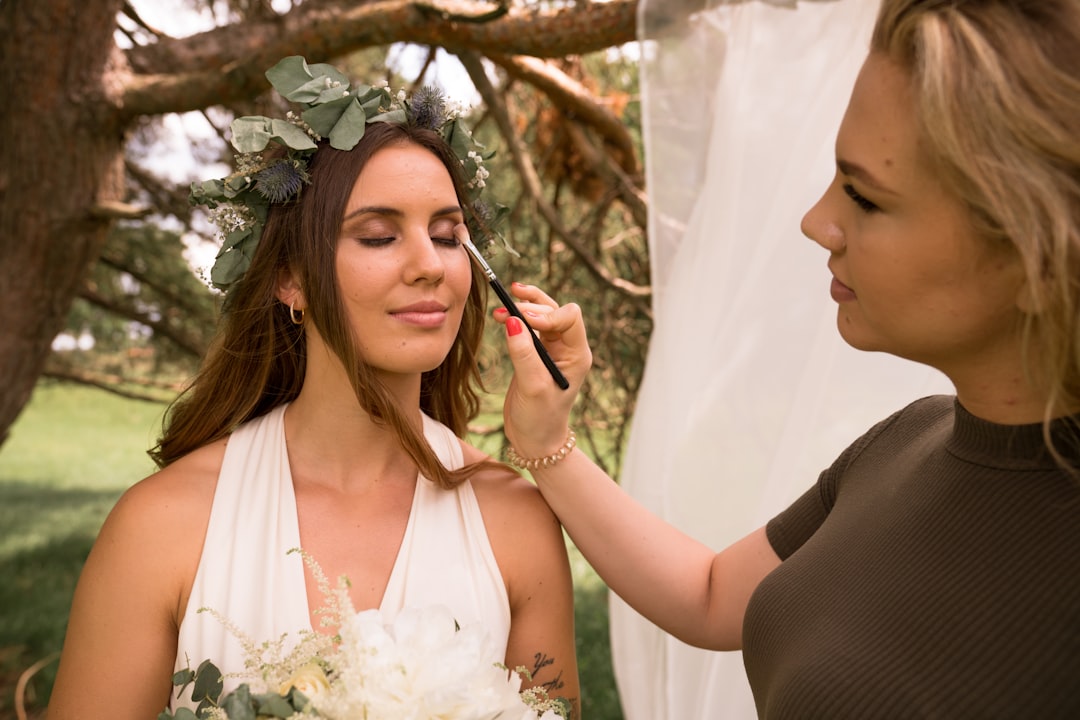
Beauty schools seeking consistent lead flow and growth cannot rely solely on organic channels or word-of-mouth. Paid search, specifically Google Ads for beauty school enrollment, delivers immediate visibility to high-intent prospects actively searching for educational opportunities.
A data-driven marketing strategy ensures every interaction and conversion is measurable, enabling precise optimization of spend and messaging. When visitor identification technology is layered into Google Ads campaigns, marketers can move beyond anonymous traffic and pinpoint which companies are engaging with their ads. Sona's Identity Resolution provides this level of granularity, helping prioritize follow-up and boost ROI for beauty school advertising.
Capturing the intent behind search queries is critical, especially in a competitive landscape. By leveraging real-time intent data, beauty school marketers can dynamically shift budget toward campaigns that are resonating with in-market prospects. This builds on the strategies outlined in our Retargeting Guide, supporting agile budget management and maximizing enrollment marketing performance.
Retargeting is especially effective for institutions where the decision cycle is lengthy and prospective students may revisit multiple times before applying. Using advanced audience management, marketers can trigger retargeting campaigns the moment a lead’s behavior signals renewed interest, recapturing those who left without converting. Dynamic audience updates ensure messaging and offers remain relevant as leads progress through the funnel, increasing the chance of enrollment.
Aligning creative assets with user intent requires more than generic headlines. Landing pages and ad creatives should mirror the specific interests of each segment, such as program type or location, to improve conversion rates. Element451 Insights provides a deeper look at this trend and how personalization can impact beauty school marketing outcomes.
Optimization must go beyond surface-level metrics. Performance enhancement strategies such as advanced conversion tracking, including both online and offline attribution, reveal the true impact of Google Ads campaigns. Integrating CRM and enriched audience syncs allows beauty schools to align Google Ads audiences with data in HubSpot, Salesforce, and other systems, ensuring that nurturing and follow-up are timely and personalized. To see how these strategies translate to higher ROI and streamlined operations, start with Sona Onboarding.
Why Google Ads Matters for Beauty Schools
Beauty schools operate in a competitive marketplace where attracting the right student at the right time is critical for sustained growth. Google Ads provides a direct line to high-intent individuals actively searching for beauty education, allowing schools to bypass the inefficiencies of broad, unfocused outreach and speak directly to their core audience.
- Specialized Audiences: With advanced audience segmentation, beauty schools can target prospects interested in specific programs like esthetics, cosmetology, or nail technology. This focus reduces wasted impressions and ensures marketing spend is funneled toward the most promising leads, elevating the efficiency of advertising and enrollment marketing.
- High-value Enrollment: By prioritizing high-intent keywords such as “beauty school near me” or “cosmetology certification,” campaigns can attract individuals ready to enroll. This approach minimizes lost opportunities by surfacing ads to users further along in their decision journey, driving a higher Google Ads ROI. ROI Minds shares industry benchmarks for this approach.
- Immediate Visibility: Timely campaign launches during peak enrollment periods enable schools to capture attention when prospective students are actively evaluating their options. Google Ads’ real-time bidding and visibility mechanisms address the challenge of delayed awareness, resulting in faster lead capture and follow-ups.
- Emerging Market Reach: Beauty schools can use geo-targeted campaigns to identify and engage potential students in underserved or emerging regions. This level of precision in marketing helps uncover new pockets of demand and informs expansion strategies based on actual in-market signals.
- Integrated Analytics: Google Ads’ robust tracking provides a clear line of sight from first click to enrollment, closing the gap on anonymous traffic. When marketers unify ad engagement data with CRM records, they can pinpoint which channels and messages drive enrollments, optimizing both spend and creative for ongoing campaigns. For more insights, check out our guide on Google Ads ROAS.
By connecting campaign activity with visitor identification and real-time intent data, revenue teams are empowered to shift budget toward high-converting audiences and sync enriched leads directly into their preferred platforms. Sona's Identity Resolution helps beauty schools recognize high-value prospects from ad traffic, ensuring every dollar spent is accountable and optimized for growth.
Common Types of Google Ads Campaigns for Beauty Schools
Most beauty school advertisers run some combination of Search, Display, Video, and Remarketing, with Performance Max increasingly used to pool inventory across Search, Display, YouTube, and Maps from a single campaign when a school wants Google's automation to find enrollment-ready prospects across surfaces.

- Search Campaigns: Search campaigns are the foundation of digital marketing for beauty schools. These campaigns target high-intent queries such as "cosmetology school near me" or "esthetician program enrollment," ensuring your school appears precisely when prospects are actively researching their next career step. With advanced data unification, marketers can go beyond anonymous click data, pinpointing which visitors are truly in-market and dynamically shifting budget to high-converting search terms as intent signals change. For a deeper breakdown on maximizing ROI in education, see Just Digital case study.
- Display Ads: Display ads extend your school’s reach by placing visually compelling banners and graphics across relevant websites, beauty forums, and local blogs. This consistent brand presence keeps your programs top of mind for students who may need multiple touchpoints before taking action. Solutions such as Sona Audiences support real-time audience building and refreshing, helping your ads follow the right prospects as they move through the decision journey.
- Video Ads: Video campaigns are powerful for showcasing campus life, student testimonials, and program highlights. These ads run on YouTube and partner sites, engaging both local and remote prospects with stories that inspire action. With enriched audience intelligence, marketers can segment video viewers based on engagement and intent, then sync these warm leads into CRM and retargeting flows for personalized follow-up.
- Remarketing: Remarketing campaigns reignite interest from website visitors who browsed application pages or financial aid info but didn’t enroll. By serving tailored messages and offers to these users, beauty schools can dramatically increase conversion rates. For more insights on high-impact retargeting, check out our guide on intent retargeting.
- Assets: Ad assets play a critical role by adding direct links, program highlights, scholarship offers, and campus locations to your search ads. These enhancements boost click-through rates and provide immediate answers to prospective students’ top questions. When audience and lead data are unified across systems, assets can be dynamically tailored based on user profile, delivering the right incentive to the right prospect at the right time.
Where to Find Growth Opportunities?
Identifying growth opportunities in beauty school marketing requires precise data and strategic execution. The most successful teams use digital intelligence to reveal where to focus resources for maximum enrollment and ROI.
- Keyword Targeting: Enrollment marketing for beauty schools works best when keyword lists reflect the licensing path a prospect is on, terms like "esthetician certification hours" or "cosmetology instructor program" signal someone checking state licensing requirements, not just browsing. Search volume for these programs also swings with academic calendars, spiking ahead of fall and spring start dates, so keyword lists need to flex with enrollment cycles rather than stay static. Keyword Trends provides a deeper look at this trend.
- Competitor Analysis: Growth acceleration depends on understanding where rival schools capture digital attention. Using analytics tools, marketers can map out competitor ad placements, keyword investments, and gaps in their messaging. With unified intent and engagement signals, teams transform these insights into actionable strategies: launching campaigns in under-served search categories or highlighting differentiators that resonate with undecided prospects. For more insights on campaign pivots, check out our guide on Google Ads ROI Tips.
- Industry Placements: The right placements drive visibility among prospective students already exploring educational options. Advertising on career planning portals, beauty industry directories, and credentialing sites ensures ad dollars reach high-potential audiences. By analyzing historical campaign data and missed impressions, marketers can refine placement strategies, reducing wasted budget and increasing overall Google Ads ROI for beauty schools. Industry Benchmarks shares industry benchmarks for this approach.
- Content Retargeting: Leveraging educational assets, such as student success stories, tutorial videos, or virtual open house recaps, creates powerful retargeting touchpoints. Prospects who engage with content are dynamically added to remarketing lists as they progress through the funnel. Integrated platforms enable audience segments to update in real time: for example, a user who watched a financial aid webinar is automatically moved into a high-intent retargeting sequence. Solutions such as Sona Audiences support building dynamic, high-intent remarketing lists that improve conversion from mid-funnel to application.
By unifying keyword, placement, and behavioral data, beauty school marketing teams unlock a full-funnel view that pinpoints precisely where growth can be accelerated. This data-driven approach transforms every campaign into a measurable driver of qualified enrollment. Ready to put these insights to work? Get started and accelerate your next campaign.
How to Apply Audience Segmentation for Beauty Schools
Highly effective digital marketing for beauty schools starts with thoughtful audience segmentation. By defining clear profiles and mapping distinct prospect journeys, marketers ensure every message resonates with the unique needs of each group, whether targeting first-time students or experienced professionals seeking advanced credentials.
- Define Segments: Precision in segmentation is foundational for beauty school advertising. Begin by distinguishing between core groups such as prospective students, current enrollees considering additional certifications, and alumni interested in ongoing education. This clarity enables revenue teams to tailor their nurture programs, ensuring that each audience is engaged at the right stage with highly relevant offers. See more at Element451.
- Overlay Intent Signals: Go deeper by identifying real-time intent signals, such as specific course page visits, downloadable content requests, or engagement with career-focused blog posts. Tracking these behaviors allows marketing teams to prioritize leads based on readiness, shifting budget and creative focus to audiences most likely to convert. Sona surfaces intent signals to help teams act on in-market behaviors and make budget allocation more agile and impactful.
- Customize Ad Groups: Aligning ad groups and creative assets to each defined segment drives personalization and increases campaign efficiency. A recent high school graduate weighing cosmetology school against a four-year degree responds to messaging about fast time-to-license and hands-on training, while a career-changer already holding a license in one specialty responds better to ads about advanced certification or instructor tracks. This approach avoids wasted spend on irrelevant content and ensures every impression counts toward enrollment goals.
- Validate Conversion Paths: Understanding the full journey across online and offline touchpoints is essential for enrollment marketing for beauty schools. Integrating CRM and ad platforms provides seamless lead tracking, from first click to submitted application and campus visit, enabling teams to close the loop on campaign ROI. With real-time syncing between enriched audience lists and Google Ads, marketers keep follow-up timely and ensure no high-intent lead is missed, supporting a frictionless applicant experience. For more insights, see our guide on Google Ads ROAS.
This is also where measurement changes the economics. With Sona Marketing Measurement you can identify the companies and buyers behind your ad clicks, not just anonymous sessions, and segment audiences by who actually becomes a customer. That lets you build bid adjustments and audience signals around the segments that convert and de-prioritize the ones that don't, so you feed Google's algorithms "this click became a paying beauty school customer" instead of just "someone filled out a form."
Keyword Strategy & Sample Target Terms
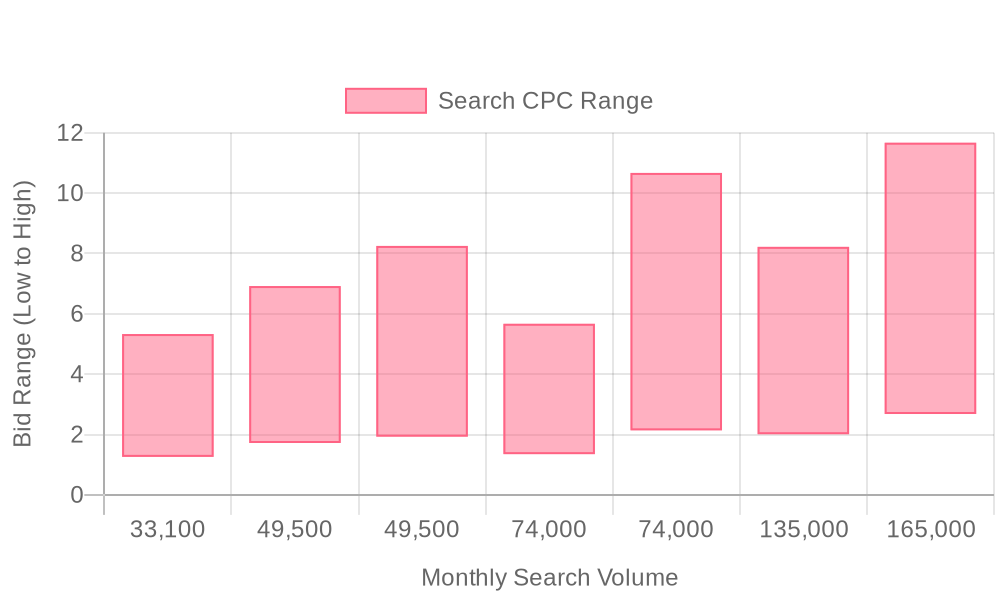
| Industry | Keyword | Monthly Search Volume | Competition Level | Low Bid | High Bid |
| Beauty School | nail tech school | 33100 | LOW | 1.26 | 5.33 |
| Beauty School | beauty school | 49500 | LOW | 1.72 | 6.92 |
| Beauty School | esthetician school near me | 49500 | LOW | 1.93 | 8.25 |
| Beauty School | beauty school near me | 74000 | LOW | 1.35 | 5.67 |
| Beauty School | cosmetology school near me | 74000 | LOW | 2.14 | 10.67 |
| Beauty School | esthetician school | 135000 | LOW | 2.01 | 8.22 |
| Beauty School | cosmetology school | 165000 | LOW | 2.68 | 11.67 |
Targeted keyword selection is foundational for effective Google Ads campaigns in beauty school marketing. Success begins by aligning search terms with the specific enrollment intent and educational offerings that resonate with future beauty professionals. By prioritizing search terms that mirror a candidate’s readiness to enroll, marketers ensure their ads reach those most likely to convert.
- Key Queries: Prioritize action-oriented phrases, such as "beauty school enrollment," "cosmetology certification," or "esthetician program application." These terms attract prospects who have moved beyond general research and are actively considering their next step. Using real-time data from visitor identification platforms, marketers can recognize which high-intent keywords drive traffic from in-market prospects and refine spend allocation accordingly. Sona's Identity Resolution helps pinpoint which visitors are most likely to convert, enabling more precise keyword targeting.
- Local Modifiers: Incorporate proximity-based keywords like "beauty schools near me," "cosmetology classes in [city]," or "esthetician school nearby" to capture the local audience. Local intent dominates search behavior among beauty school candidates, as most prospects prefer accessible training options. Local targeting provides a deeper look at how local targeting can drive enrollment by reaching candidates in their geographic area.
- Competitive Keywords: Balance broad, high-traffic terms such as "beauty school" with specific program or certification searches like "nail technician course" or "hair stylist diploma program." Competing for both popular and niche keywords helps optimize ad spend efficiency, capturing wide interest while also securing lower-CPC, high-conversion micro-segments. Advanced attribution tools further enhance this approach by tracking online and offline conversions, clarifying which keyword investments deliver true ROI for beauty school enrollment.
A data-driven keyword strategy for beauty schools goes beyond static targeting. By unifying CRM and ad platform data, enriched audiences are regularly synced, ensuring ongoing alignment with evolving prospect interests. This continuous loop of keyword and audience refinement allows marketers to adapt quickly to shifting demand and competitor movements, maximizing every advertising dollar in a competitive education market. For step-by-step tactics to boost Google Ads performance, explore our guide on Boosting Google Ads ROAS.
Step-by-Step Campaign Execution Framework
Beauty school marketing teams consistently outperform the competition when every campaign element, from keyword to conversion, is designed for precision and relevance. High-performing enrollment marketing for beauty schools relies on actionable data, seamless user journeys, and measurement that closes the loop between ad spend and new students.
This framework brings together best-in-class tactics for google ads for beauty school, blending traditional digital marketing for beauty schools with advanced, data-driven enhancements. Each step is crafted to unify intent signals across platforms, enabling marketers to engage qualified prospects, build enrollment pipelines, and maximize Google Ads ROI for beauty schools. For a deeper dive into advanced strategies, Google Ads ROI guide offers actionable insights tailored for education marketers.
Step 1: Build Targeted Keyword Lists
Start by aligning keyword research with your program offerings and geographic reach. For PPC for beauty schools, focus on service-specific phrases like "cosmetology certification," "esthetician training," and "hair styling program," paired with local modifiers such as city names or neighborhoods. This approach ensures you capture both high-volume national searches and in-market prospects looking for options nearby.
Audience intelligence platforms enhance this step by surfacing real-time search intent from both known and anonymous visitors. By connecting onsite activity and intent signals, you can prioritize keywords tied to high-converting audiences and shift budget toward search terms that drive enrollment. Trending beauty keywords informs your research.
The upgrade most beauty school advertisers miss is going beyond raw keyword volume to layer in intent and identity signals. By connecting website-visitor data and CRM records with Sona Marketing Measurement, you can see which specific search terms bring in the accounts and customers that actually convert, and weight your keyword and bidding strategy toward those rather than the terms with the highest search volume alone.
Step 2: Develop Outcome-Driven Ad Copy
Effective beauty school advertising must quickly communicate the unique value of your programs, accreditation, job placement rates, financial aid options, and real student outcomes. Craft ad copy that resonates with intent: "Graduate in 10 Months," "92% Job Placement Rate," or "Hands-On Training Near Downtown."
Incorporating visitor-level data enables hyper-relevant ad personalization. For example, if a prospective student has already viewed your esthetics curriculum, dynamically tailor headlines and descriptions to highlight that program. Continuous testing of ad variations, powered by live funnel insights, ensures each message aligns with what matters most to your audience, boosting click-through and conversion rates. Platforms like Sona Audiences help precisely segment and reach the right visitor segments for each campaign.
Step 3: Design Conversion-Optimized Landing Pages
A seamless path from ad to action is essential for beauty school online advertising. Create landing pages that mirror your ad message and reduce friction, display program benefits up front, offer clear calls-to-action ("Book a Campus Tour," "Apply Now"), and remove unnecessary navigation that can cause drop-off.
Advanced platforms identify each visitor and dynamically adapt landing page content based on their previous engagement and source. If someone clicked from a local service ads for beauty schools campaign, showcase proximity, schedule flexibility, and local testimonials. Local landing page strategies boost conversion rates for beauty schools.
Step 4: Implement Conversion-Focused Optimizations
Optimization is a continuous process. Use smart bidding strategies that focus on enrollment actions, not just clicks. Enable conversion tracking for all key interactions: form submissions, phone calls, and scheduling events. Feed offline enrollment data back into your ad platforms for full-funnel visibility, knowing which campaigns drive actual applicants lets you allocate budget with confidence.
Dynamic audiences, updated in real time as leads progress through the funnel, allow for precise retargeting. When a prospect moves from inquiry to application, automatically exclude them from prospecting campaigns and shift them to nurturing sequences. Integrating enriched lead data with your CRM and Google Ads keeps your targeting sharp and ensures follow-up is timely and personalized. For more on optimizing attribution and ROI, see our guide on revenue attribution. This closed-loop approach consistently improves Google Ads ROI for beauty schools and powers scale without sacrificing efficiency.
Sona Marketing Measurement closes the gap between clicks and revenue. It captures ad clicks with first-party measurement, then ties that click through UTM capture and ad-platform APIs to the actual record in your CRM, and reports ROAS by keyword and campaign instead of by last-click form fill. Feeding that revenue signal back into Smart Bidding and Performance Max compounds over time: the algorithms optimize toward booked beauty school revenue, not cheap leads.
Tips on Expanding Your Beauty School Presence
Expanding a beauty school’s digital footprint requires a focused approach to both visibility and lead nurturing. By synchronizing marketing assets across platforms and leveraging data-driven retargeting, schools can reinforce their message throughout the prospect’s decision journey, making each interaction more memorable and impactful.
- Cross-promote Assets: Use strategic retargeting to ensure that educational content, such as program videos, student testimonials, and virtual campus tours, remains top-of-mind for site visitors. When you can pinpoint which visitors are returning and what content drives re-engagement, your campaigns deliver more personalized follow-ups. For more insights on campaign effectiveness, check out our guide on Retargeting Strategies. This fosters repeated exposure, increases trust, and accelerates the consideration cycle for high-value candidates.
- Upsell Opportunities: Offer advanced courses or specialty certifications to alumni and current students, maximizing lifetime value per lead. With dynamic audience segmentation, you can automatically identify students who have completed prerequisites or shown interest in specific areas, then serve tailored ads for advanced programs. Solutions such as Sona Audiences support automated segmentation to help streamline the upsell process, ensuring timely and relevant communication.
- Partner With Associations: Collaborate with reputable beauty industry groups to unlock referral traffic and co-branded advertising opportunities. Joint campaigns with associations can introduce your beauty school to new audiences, amplify credibility, and create synergistic value. Partnership Strategies provides a deeper look at successful partnership strategies in the industry.
- Localize Efforts: Customize campaigns by region to address local market nuances and regulations, ensuring your message resonates with diverse learner segments. Geo-targeted Google Ads enable your school to reach prospects in specific cities or zip codes, adjusting creative and offers based on regional demand and seasonality. Google Ads Tips shares industry benchmarks for regional targeting and local ad performance.
Aligning these strategies with solid campaign insights helps beauty schools solve two recurring problems: leads who inquire and go quiet, and slow response times when a prospective student is comparing several schools at once. Integrated data lets marketing teams attribute conversions accurately across channels, prioritize high-intent prospects, and keep CRM and ad audiences in sync for continuous optimization. To see how onboarding works in practice, visit Sona Onboarding.
Beyond Google Ads: Winning the AI Answers Beauty School Buyers Now Trust
Paid search captures demand at the moment someone types a query. But a fast-growing share of beauty school buyers no longer start at Google at all, they ask ChatGPT, Gemini, or Perplexity before they ever run a search, and Google's own AI Overviews increasingly summarize an answer above the traditional results. If your business isn't referenced in those AI answers, you're invisible at the exact moment buyers build their shortlist.
Sona AI Visibility shows where your business shows up across ChatGPT, Gemini, Perplexity, Google AI Overviews, and 10+ engines, and, much like a keyword report, which prompts actually send you buyers, so you can prioritize the ones that convert. Run the two together and you cover the entire buyer path: get cited where buyers research (AI Visibility), then prove which of that demand turns into booked revenue (Marketing Measurement).
Helpful resources
Conclusion
Running Google Ads for your beauty school isn’t just about visibility, it’s about connecting with the right students and turning their aspirations into enrollments.
The schools that win with Google Ads treat it as one part of a larger measurement problem, connecting ad clicks to actual enrollments, not just form fills, and letting that revenue signal steer where budget goes next. As more prospective students start their research in AI chat tools rather than a search bar, the schools that show up in both places, and can prove which one actually filled a seat, will pull further ahead.
FAQ
What are the best practices for running Google Ads for beauty schools?
Best practices include targeting high-intent keywords, using advanced audience segmentation, aligning ad creative with user intent, and optimizing campaigns through dynamic retargeting and conversion tracking.
How much should beauty schools budget for Google Ads?
The budget should align with targeted high-intent keywords and audience segments, focusing on minimizing waste through precise targeting and maximizing ROI by capturing high-converting prospects.
What keywords should beauty schools target in Google Ads?
Beauty schools should target keywords like 'beauty school near me,' 'cosmetology certification,' and 'esthetician program,' while also incorporating local modifiers to capture a local audience.
How can beauty schools measure the success of their Google Ads campaigns?
Success can be measured through advanced conversion tracking, integrating CRM data for online and offline attribution, and monitoring ROI by tracking enrollments directly linked to ad interactions.
What are the common mistakes to avoid when advertising beauty schools on Google?
Common mistakes include using broad, unfocused outreach, neglecting audience segmentation, failing to retarget potential students, and not aligning ad creative with specific user intent.







