


A cracked headlight lens or a burned-out fog light doesn't wait for a convenient moment, and that urgency shapes how automotive lighting buyers search. Professionals in this sector often lose high-value prospects to slow follow-ups and generic campaigns that treat a Silverado owner the same as a vintage Mustang restorer. Google Ads closes that gap by capturing buyers at the exact moment of search intent, turning a specific query into a specific sale. For automotive lighting businesses, integrating Google Ads with broader marketing efforts is what separates steady pipeline from one-off clicks. Here's how to optimize Google Ads for the demands of this industry, connecting your products with the right audience.
How to Generate Automotive Lighting Leads with Google Ads: A Step-by-Step Guide
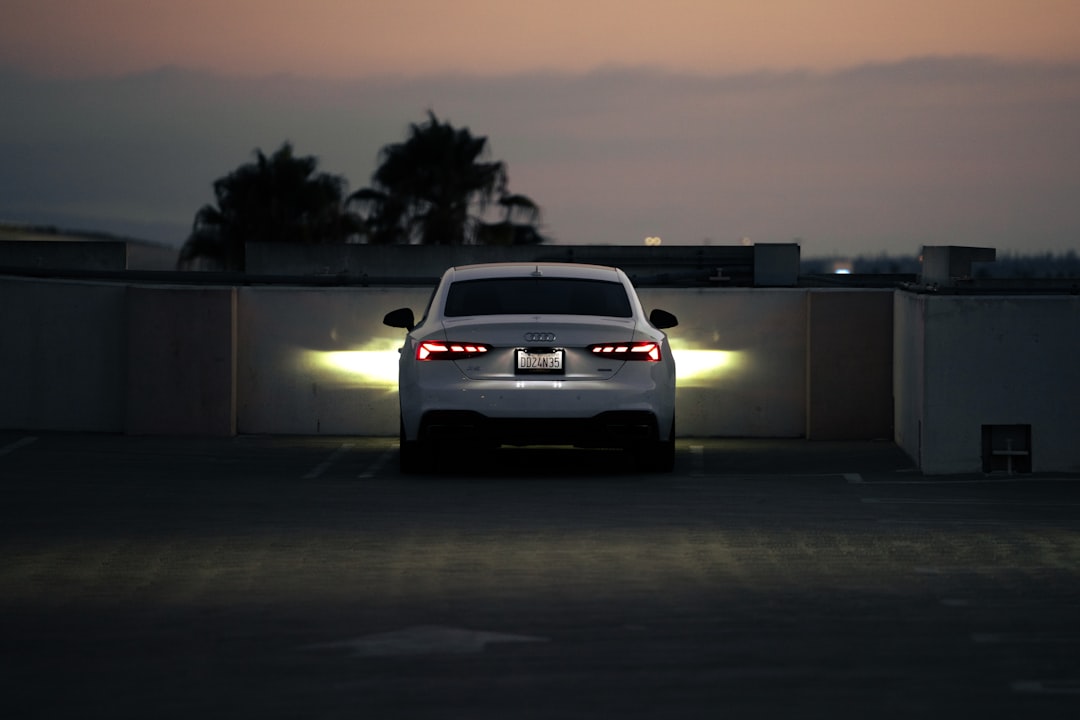
Top-tier automotive lighting marketers achieve lead generation success by leveraging deep data integration and precise segmentation. Direct access to unified go-to-market data prevents valuable prospects from slipping through the cracks, enabling teams to engage high-fit accounts with tailored messaging at the exact moment of interest.
A data-driven strategy empowers revenue teams to pinpoint which organizations are actively searching for solutions like custom automotive lighting or energy-efficient headlights. By capturing and analyzing intent data, marketers swiftly shift budget and focus toward segments already demonstrating purchase-ready behavior, driving higher conversion rates while minimizing wasted spend.
- Targeted keyword and audience strategies: High-performing Google Ads for Automotive Lighting campaigns begin with curated keyword lists built around high-intent, product-specific terms. Phrases such as “custom automotive lighting,” “LED headlights for trucks,” or “energy-efficient headlights” attract buyers with a real purchase in mind, not casual browsers. Marketers who pair this with advanced audience targeting, layering in-market automotive segments or matching CRM data to ad audiences, ensure ads reach the decision-makers most likely to convert, whether that's a fleet manager sourcing DOT-compliant light bars or an enthusiast comparing LED conversion kits. Dynamic audience creation, fueled by real-time behavioral changes, keeps campaigns aligned with the sales funnel, so no opportunity is missed as accounts move from research to purchase.
- Creative alignment: Conversion rates climb when ads and landing pages deliver a unified, product-specific experience. Successful automotive lighting marketing eliminates generic messaging, focusing instead on clear value propositions such as compatibility by vehicle model, superior brightness, or rapid installation. Ad copy and visual assets are tailored to address common industry pain points, guiding customers through technical purchase decisions while avoiding confusion. When CRM and ad platforms are tightly synchronized, the customer journey remains seamless, each touchpoint builds on the last, reinforcing trust and driving action.
- Performance optimization: The best revenue teams treat campaign management as a continuous improvement cycle. Conversion events, from online purchases to offline installs, are tracked and attributed at the account level, offering a true picture of ROI for every Google Ads dollar spent. Automated workflows ensure that once a high-fit lead is identified, it is routed for timely follow-up by sales or nurturing campaigns. Insights from this closed-loop feedback system inform ongoing optimizations in budget allocation, keyword targeting, and creative testing, compounding gains in both lead quality and sales efficiency.
Why does Google Ads matter for Automotive Lighting
Automotive lighting brands and distributors face an audience with highly specific requirements, from compatibility with unique vehicle models to new LED and smart lighting technologies. Google Ads enables these businesses to reach buyers at the moment they are searching for exact solutions, ensuring relevance and maximizing the opportunity to convert intent into revenue.
Precision targeting in Google Ads allows marketers to segment by vehicle make, model, and even buyer intent, reaching both enthusiasts and professionals actively searching for custom lighting upgrades. This level of granularity reduces wasted spend on broad or irrelevant audiences, focusing budget exclusively on those most likely to act.
Immediate demand fulfillment is crucial in automotive lighting, where buyers often seek urgent replacements or upgrades for safety and compliance. Google Ads captures high-intent queries, such as “LED headlights for 2023 Silverado” or “custom RGB fog lights”, and surfaces tailored offers, meeting urgent needs with company-level identification and real-time signals.
Campaigns can highlight the latest advances in lighting technology, appealing to a tech-savvy segment that values innovation and performance. By showcasing new features like app control, adaptive beams, or energy efficiency directly in search and display ads, brands address the challenge of standing out in a crowded, fast-evolving market.
Advertisers leveraging modern data platforms can identify the companies behind anonymous website visits, attribute engagement back to those accounts, and prioritize outreach to whichever ones are signaling the highest purchase intent. As audience segments evolve, dynamic updates ensure campaigns remain aligned with pipeline opportunities, helping revenue teams drive personalized engagement at scale. To streamline your automotive lighting campaigns and audience targeting, get started for free with Sona.
Common Types of Google Ads Campaigns for Automotive Lighting
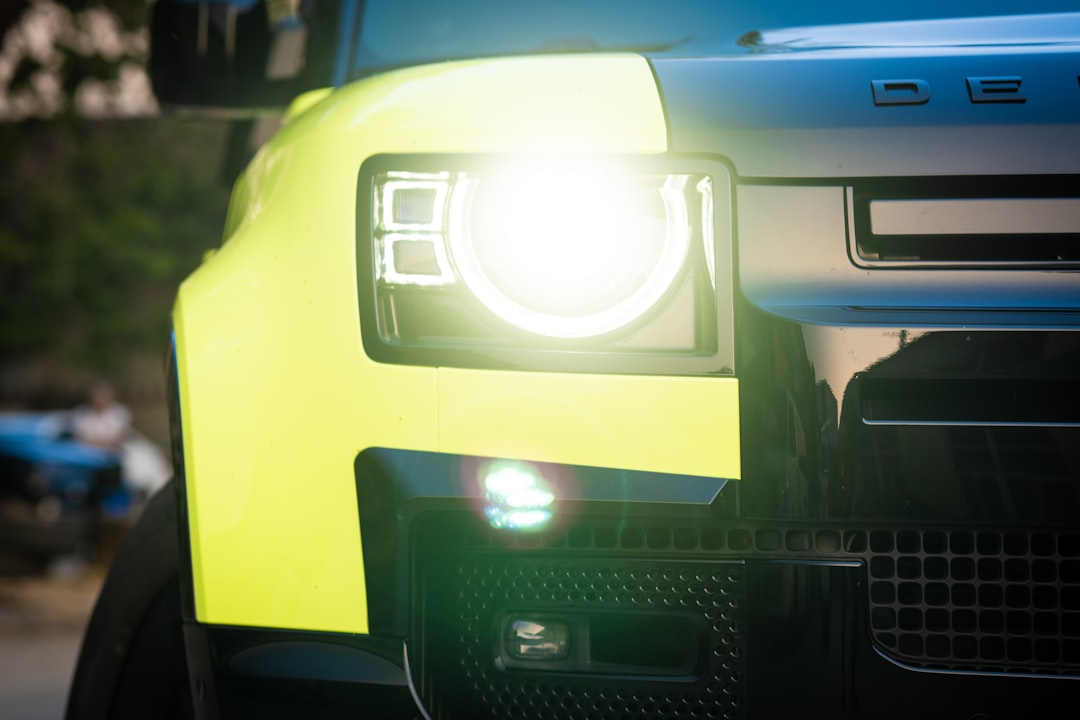
- Search Campaigns: Search campaigns for automotive lighting capture users at the moment of intent, addressing urgent needs like headlight replacement or custom upgrades. These campaigns ensure your ads appear precisely when buyers are searching for specific products, minimizing delay and maximizing engagement with high-intent leads. Within Search, Responsive Search Ads let you test multiple headlines and descriptions so Google can serve the combination that best matches a given query, whether that's a compliance-driven fleet search or an enthusiast's model-specific upgrade. By integrating rich audience data and real-time visitor identification, marketers can move beyond generic keywords to reach verified companies and decision-makers, driving bottom-funnel conversions with relevant offers.
- Display Ads: Display ads are essential for reinforcing your brand across automotive forums, enthusiast blogs, and news sites, reaching customers during the research and comparison phases. Strategic placements allow for broad yet targeted exposure, increasing top-of-mind awareness and nurturing interest in custom automotive lighting solutions. Comprehensive automotive advertising strategies offer guidance for marketers aiming to optimize display campaigns.
- Remarketing: Remarketing campaigns re-engage previous site visitors, a critical tactic for automotive lighting where buyers often compare multiple options before making a decision. By leveraging conversion tracking and enriched audience insights, remarketing ads can deliver personalized content based on past behavior, such as showing a headlight kit to someone who viewed installation guides or abandoned checkout. Real-time intent signals and offline attribution empower marketers to prioritize budget toward high-converting segments, ensuring follow-up with leads who demonstrate strong buying signals.
- Performance Max: Performance Max campaigns pool Search, Display, YouTube, and other Google inventory into a single goal-based campaign, useful for automotive lighting sellers who want to reach a buyer wherever they're researching, from a comparison video to a forum retargeting placement, without managing each channel separately. Feeding it strong conversion signals, such as which leads become paying customers, keeps its automated bidding focused on real revenue rather than clicks alone.
Where to Find Growth Opportunities
Identifying untapped growth areas in automotive lighting PPC starts with pinpointing high-intent, niche keywords that indicate buyer readiness for specialized lighting upgrades and restoration. These opportunities often exist outside the core, high-competition searches, giving marketers a path to attract engaged audiences who are actively seeking advanced solutions or unique product features. For actionable guidance, explore this comprehensive guide to effective automotive advertising strategies, which highlights proven methods for campaign optimization.
- Keyword targeting: By focusing on long-tail and vehicle-specific keywords, such as "LED headlight conversion kit for 2022 Silverado" or "custom RGB underglow for Mustang", advertisers can connect with in-market buyers looking for precise matches. Google Ads for Automotive Lighting campaigns thrive when keyword research delves beyond generic phrases, uncovering granular search terms related to compatibility, installation, and advanced lighting technologies. Using intent data, revenue teams can dynamically adjust keyword portfolios as new search trends emerge, ensuring budgets are always aligned with the highest-converting opportunities.
- Competitor analysis: Strategic use of platforms like SEMrush allows marketers to map the competitive landscape, revealing areas where competitors are underinvested or missing entirely. This analysis uncovers neglected vehicle models, lighting formats, or installation services ripe for conquest. Integrated visitor and account identification enables teams to see not just which companies are browsing their site, but which competitor audiences are showing real-time purchase signals. Marketers can then shift budget and creative focus to these segments, outmaneuvering competitors by being first to engage high-value, underserved prospects.
- Content retargeting: Educational content on topics such as installation tips, lighting comparisons, or regulatory compliance attracts and nurtures potential buyers throughout the research phase. Effective Google Ads strategies use this content to build remarketing audiences that remain engaged over longer sales cycles common in automotive product advertising. As leads consume more content and display stronger intent signals, dynamic audience updates ensure that the most relevant ads, offers, and educational assets are delivered at every funnel stage. With advanced CRM sync and conversion tracking, performance data from both online and offline touchpoints is unified, allowing revenue teams to measure the true ROI of their content retargeting and continuously optimize for higher deal velocity and lifetime value.
By systematically combining precise keyword mining, data-driven competitive insights, and intent-based content nurturing, growth-minded B2B teams can capture a larger share of the automotive lighting market while maximizing efficiency across their Google Ads budget.
How to Apply Audience Segmentation for Automotive Lighting
Audience segmentation in automotive lighting campaigns unlocks messaging that speaks to each customer's actual situation. A bespoke ad group for “vintage car lighting” looks nothing like one built for fleet-compliance buyers, and treating them the same dilutes both. For a deeper dive into best practices, explore this comprehensive guide to automotive advertising strategies and browse additional insights on our marketing blog.
- Define and overlay segments: Start by identifying clear audience clusters based on intent signals, vehicle type, or purchase motivation. For example, those searching for “vintage car lighting” have distinct needs compared to buyers of modern LED upgrades. Build custom ad groups around these profiles, layering additional criteria such as location or behavioral data to sharpen relevance. Marketers can now move beyond anonymous web traffic and pinpoint exactly which companies or individuals are engaging with specific product types. This granularity means budgets are allocated to the prospects most likely to convert, while messaging remains deeply relevant throughout the journey.
- Conversion path validation: After segmenting and targeting audiences, ensure every interaction, from ad click to CRM capture, is seamless. A smooth path is especially critical in B2B automotive lighting, where multi-touch buying journeys and higher average order values demand consistent follow-up. Real-time intent signals and CRM integration allow marketers to shift budget dynamically toward high-converting accounts, while enriched audience data ensures that as leads engage or progress, retargeting and nurture streams automatically update. This orchestration not only preserves momentum with engaged prospects but also provides a clear view of ROI by syncing online and offline conversions directly into sales platforms. With advanced attribution and audience sync, teams can accurately measure which segments and campaigns drive true business outcomes, supporting continuous optimization and scalable growth. To start unlocking more precise segmentation and seamless data activation, get started for free with Sona.
This is also where measurement changes the economics. With Sona Marketing Measurement you can identify the companies behind your ad clicks, not just anonymous sessions, and segment audiences by who actually becomes a customer. That lets you build bid adjustments and audience signals around the segments that convert and de-prioritize the ones that don't, so you feed Google's algorithms "this click became a paying automotive lighting customer" instead of just "someone filled out a form."
Keyword Strategy & Sample Target Terms
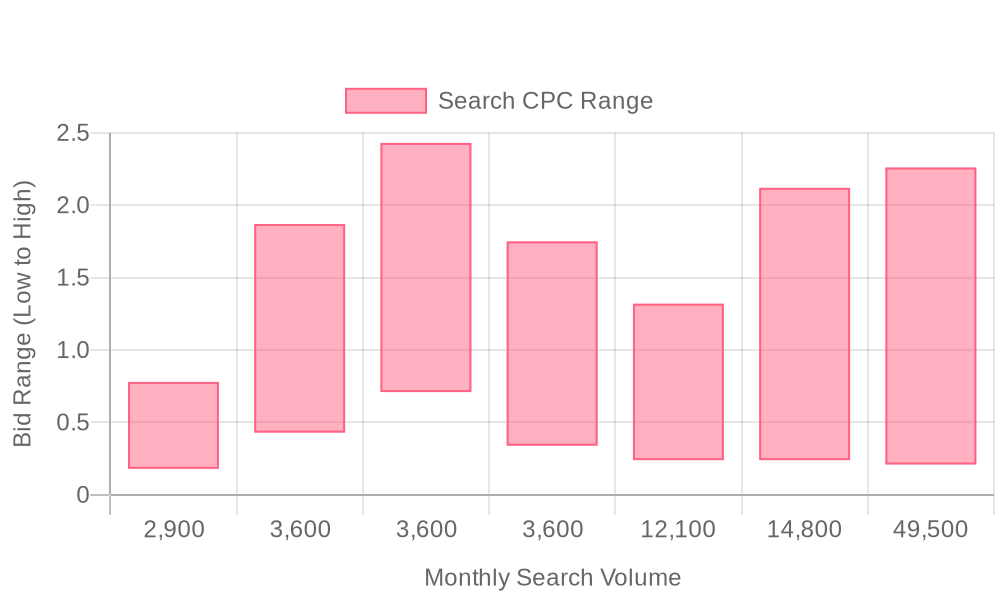
| Industry | Keyword | Monthly Search Volume | Competition Level | Low Bid | High Bid |
| Automotive Lighting | under car lights | 2900 | HIGH | 0.18 | 0.78 |
| Automotive Lighting | automotive lighting | 3600 | HIGH | 0.43 | 1.87 |
| Automotive Lighting | led headlights for cars | 3600 | HIGH | 0.71 | 2.43 |
| Automotive Lighting | led light bar for truck | 3600 | HIGH | 0.34 | 1.75 |
| Automotive Lighting | car interior lights | 12100 | HIGH | 0.24 | 1.32 |
| Automotive Lighting | car led lights | 14800 | HIGH | 0.24 | 2.12 |
| Automotive Lighting | car lights | 49500 | MEDIUM | 0.21 | 2.26 |
Effective keyword strategy is the foundation for driving qualified leads and measurable growth in automotive lighting PPC campaigns. Precision targeting begins with identifying strategic keywords that directly reflect the specific needs and search behaviors of B2B buyers and enthusiasts. High-intent phrases such as 'energy-efficient headlights for hybrid vehicles' or 'vintage car lighting restoration parts' not only capture immediate purchase demand but also address niche interests that fuel category expansion. For deeper insights on optimizing your keyword approach, explore this comprehensive guide to automotive advertising strategies or browse the latest thought leadership on the Sona blog. This approach ensures each click represents genuine opportunity, supporting scalable pipeline growth while reducing wasted spend.
A robust negative keyword list is essential for maximizing ad relevance and optimizing every dollar of the Google Ads budget. By systematically excluding irrelevant terms and search queries, such as generic lighting phrases or unrelated vehicle models, advertisers can prevent budget leakage to low-value clicks. This process continuously refines campaign performance, increasing engagement rates and conversion efficiency. When marketers leverage dynamic audience insights, irrelevant traffic is filtered out in real time, allowing budgets to be shifted instantly toward high-value, in-market accounts.
Long-tail keyword focus is critical for automotive product advertising where buyers often search for highly descriptive, product-specific terms. Prioritizing keywords like '2023 F-150 LED tail light kit' or 'DOT approved off-road light bars' delivers more precise targeting and higher intent leads. As prospects move through the consideration funnel, dynamic audience technology seamlessly updates segmentation based on real-time behaviors and CRM enrichment. This keeps every campaign tightly aligned with shifting buyer needs, driving more conversions and meaningful sales outcomes for automotive lighting vendors.
Step-by-Step Campaign Execution Framework
Step 1: Build Targeted Keyword Lists
Precision in keyword selection drives every successful Google Ads campaign for automotive lighting. Begin by segmenting your keyword lists by product type, such as LED headlights, fog lights, and custom interior kits, then layer local intent modifiers to capture high-converting, geographically relevant searches. This granular grouping ensures your ads are visible to buyers actively seeking specific lighting solutions for their vehicle model and location, laying the groundwork for both reach and relevance.
Modern marketers can elevate this process by leveraging visitor identification technology that connects search queries to real companies and decision-makers. With the ability to move beyond anonymous clicks, campaigns can immediately prioritize high-value accounts, funneling budget toward segments with proven purchasing intent. For those seeking additional strategies on niche targeting, this guide on PPC advertising for custom automotive lighting upgrades explores how to efficiently reach engaged buyers in the automotive lighting sector.
The upgrade most automotive lighting advertisers miss is going beyond raw keyword volume to layer in intent and identity signals. By connecting website-visitor data and CRM records with Sona Marketing Measurement, you can see which specific search terms bring in the accounts and customers that actually convert, and weight your keyword and bidding strategy toward those rather than the terms with the highest search volume alone.
Step 2: Develop Feature-Rich Ad Copy
Ad copy in the automotive lighting sector must do more than inform, it needs to persuade. Focus messaging on product differentiators like increased brightness, energy efficiency, plug-and-play installation, and vehicle-specific fitment. Incorporate clear calls to action and highlight unique value propositions, such as extended warranties or compliance certifications, which resonate with both retail buyers and fleet operators. For additional campaign planning resources, consult the Sona playbooks for actionable templates and frameworks.
Sophisticated platforms can further refine copy effectiveness by analyzing real-time audience behavior. When marketers tap into in-market activity, they can dynamically adjust messaging and allocate spend to the prospects demonstrating the strongest conversion signals. This method ensures that your most compelling copy is always shown to the audiences most likely to convert, increasing the efficiency of your Google Ads budget and improving campaign ROI.
Step 3: Optimize Landing Pages for Conversion
High-performing automotive lighting campaigns align ad destinations with the exact needs of each searcher. Landing pages should mirror keyword and ad intent, displaying targeted product selections, vehicle compatibility checkers, and technical documentation front and center. Streamlined navigation, fast load times, and mobile responsiveness are essential to prevent user drop-off and keep buyers engaged through to checkout.
Integrating audience and CRM data enables marketers to tailor landing experiences for returning visitors or segmented buyer groups. As leads move through the funnel, dynamic content can present relevant offers, support resources, or price incentives, driving higher engagement and faster decision-making.
Step 4: Refine Campaigns with Data-Driven Insights
Continuous optimization is essential in the automotive lighting market, where buyer preferences and product trends shift rapidly. Track conversions, engagement metrics, and audience movement across the funnel to uncover which keywords, ad variants, and landing pages are delivering the highest ROI. To deepen your analytics, visit the Sona blog for advanced measurement techniques and industry best practices.
Advanced conversion tracking bridges online and offline sales activity, delivering a comprehensive view of true campaign impact. Syncing CRM and ad platforms not only closes attribution gaps but also enables seamless retargeting and lookalike audience building, so unified data drives continuous performance growth in automotive product advertising.
Sona Marketing Measurement closes the gap between clicks and revenue. It captures every ad click with first-party measurement, ties that click through UTM capture and ad-platform APIs to the actual record in your CRM, and reports ROAS by keyword and campaign instead of by last-click form fill. Feeding that revenue signal back into Smart Bidding and Performance Max compounds over time: the algorithms optimize toward booked automotive lighting revenue, not cheap leads.
Tips on Expanding Your Automotive Lighting Presence
Cross-promotion unlocks new growth by retargeting engaged visitors, seamlessly reinforcing your content marketing efforts and driving higher return from each touchpoint. When your campaigns use unified go-to-market data, messaging remains consistent across channels and platforms, which builds recognition and encourages conversions from even the most research-driven buyers.
CRM-driven upsell tactics maximize the value of every customer by leveraging historical and behavioral data to surface relevant add-ons and upgrades at the right moment. Connecting CRM insights directly to ad platforms enables marketers to identify opportunities for tailored offers, making every follow-up both personal and actionable. By synchronizing audience segments in real time, teams can dynamically adjust upsell messaging as customers move through the funnel, increasing average order value and overall lifetime revenue. Marketers looking to optimize these strategies for automotive products can explore Google Ads strategies for sellers of automotive products for additional insights.
Local targeting allows automotive lighting brands to focus budget and creative resources on high-opportunity metropolitan areas with untapped demand. By analyzing offline and online signals, marketers can pinpoint geographic segments where new product lines or special promotions will have the highest impact. Integrating real-time visitor identification and intent data ensures campaigns reach not just more people, but the right buyers, those most likely to convert and deliver strong ROI in key local markets.
Beyond Google Ads: Winning the AI Answers Automotive Lighting Buyers Now Trust
Paid search captures demand at the moment someone types a query. But a fast-growing share of automotive lighting buyers no longer start at Google at all, they ask ChatGPT, Gemini, or Perplexity before they ever run a search, and Google's own AI Overviews increasingly summarize an answer above the traditional results. If your business isn't referenced in those AI answers, you're invisible at the exact moment buyers build their shortlist.
Sona AI Visibility shows where your business shows up across ChatGPT, Gemini, Perplexity, Google AI Overviews, and 10+ engines, and, much like a keyword report, which prompts actually send you buyers, so you can prioritize the ones that convert. Run the two together and you cover the entire buyer path: get cited where buyers research (AI Visibility), then prove which of that demand turns into booked revenue (Marketing Measurement).
Helpful resources
Conclusion
Automotive lighting buyers will keep splitting across more surfaces, comparison forums, AI chat answers, in-market video, before they ever land on a dealer or distributor site. The advertisers who win aren't the ones bidding highest on "LED headlights," they're the ones who know which of those touchpoints actually produced a paying customer and can prove it back to Google's bidding systems. Build that feedback loop now, and every dollar you spend gets smarter than the one before it.
FAQ
What are the best practices for Google Ads in automotive lighting?
Best practices include integrating Google Ads with broader marketing efforts, using precise segmentation, tailoring messaging to high-intent keywords, and ensuring creative alignment between ads and landing pages.
How can I optimize my Google Ads for automotive lighting products?
You can optimize your Google Ads by using data-driven strategies to capture high-intent buyers, focusing on targeted keywords, aligning ads with landing pages, and continuously refining campaigns based on performance insights.
What budget should I allocate for Google Ads in the automotive lighting sector?
Allocate your budget towards segments demonstrating purchase-ready behavior, ensuring funds are focused on high-intent keywords and audiences that are most likely to convert.
What keywords should I target for automotive lighting Google Ads?
Target high-intent, product-specific keywords such as 'custom automotive lighting,' 'LED headlights for trucks,' and 'energy-efficient headlights' to attract buyers with real purchasing needs.
How do I measure the success of my Google Ads campaigns for automotive lighting?
Measure success by tracking conversion events, using account-level attribution to evaluate ROI, and leveraging insights from closed-loop feedback systems to inform ongoing optimizations.







