


Auto distributors live and die by timing: a fleet buyer researching replacement vehicles today may sign a contract in weeks, and whichever supplier shows up first in that search window often wins the deal. Google Ads lets distributors intercept these buyers exactly when they're comparing inventory, pricing, and availability, turning search intent into a pipeline of qualified leads rather than cold outreach.
How to Generate Auto Distributor Leads with Google Ads: A Step-by-Step Guide

Auto distributors face unique challenges in the digital marketplace, including fragmented buyer journeys and delayed lead capture. Leveraging Google Vehicle Ads offers a precise, scalable approach to reaching high-intent buyers at critical decision points. To further maximize lead conversion, integrating Sona's Identity Resolution can reveal which companies are engaging with your ads, even if they don't fill out a form.
This guide provides a comprehensive, actionable framework to maximize lead generation in a data-driven manner. Marketers and industry professionals will gain strategies for advanced audience targeting, real-time campaign optimization, and seamless integration with existing marketing tech stacks. For the latest insights on attribution and analytics, visit our marketing blog.
- Data-driven search strategies tailored for the auto industry: Effective campaigns begin with granular keyword research. Identifying high-intent terms specific to auto distribution, such as "wholesale car supplier" or "bulk vehicle sourcing," ensures your ads reach serious buyers. By analyzing historical search trends and aligning with current inventory, marketers can prioritize budget toward the keywords most likely to convert. For a deeper dive into market research and segmentation, explore calculating TAM, SAM, and SOM to guide your strategy.
- Targeting and audience segmentation specifically for auto buyers: Precision targeting is essential for Google Ads lead generation in the auto industry. Building real-time audience segments based on purchase stage, location, and vehicle preferences increases relevance and engagement. When connected to a unified data platform, marketers can identify companies and decision-makers visiting their site, enabling tailored messaging and dynamic audience updates as leads move through the funnel.
- Best practices for landing page optimization and creative alignment: High-performing landing pages are essential for converting ad clicks into qualified leads. Align ad creative with landing page copy, highlight inventory details, and streamline lead capture forms. Incorporating real-time intent signals, such as recent vehicle searches or content downloads, allows for personalized calls-to-action that drive conversions.
- Techniques to enhance campaign performance and ROI: Continuous optimization is required for strong Google Ads ROI for auto distributors. Utilize advanced conversion tracking to measure both online and offline actions, attributing every sale or inquiry accurately. Shifting spend in real time toward high-performing segments minimizes waste and maximizes impact. For proven multi-touch measurement approaches, review our guide to attribution models.
- Integration tips for strengthening end-to-end marketing efforts: Unifying Google Ads data with CRM and other sales tools ensures seamless lead handoff and nurtures prospects at every stage. Automated data syncing of enriched leads and audiences eliminates manual effort and keeps messaging consistent across channels. As audience intent changes, dynamic updates keep campaigns efficient and relevant.
This guide is designed for auto distribution marketers determined to build a scalable, insight-driven lead generation engine using Google Ads for automotive marketing. Each section offers specific, tested tactics to address industry pain points, from incomplete data capture to fragmented attribution, empowering teams to achieve measurable revenue growth. If you're ready to transform your lead generation, get started for free with Sona to see these strategies in action.
Why Google Ads Matters for Auto Distributors
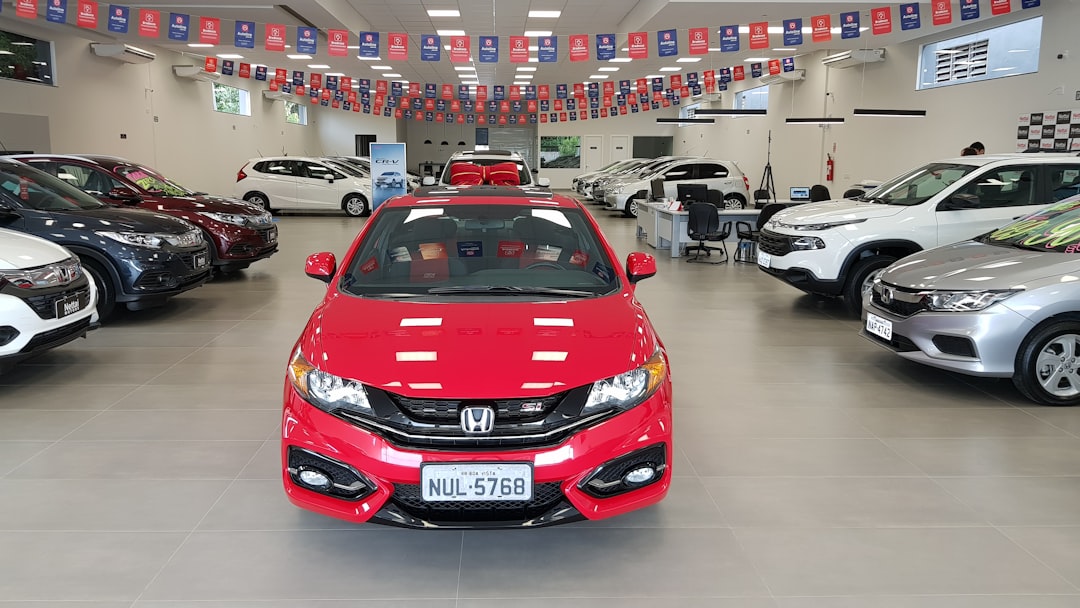
The automotive distribution sector faces a unique blend of complexity, competition, and fast-moving demand cycles. Google Ads provides a direct channel to reach decision-makers at critical moments, ensuring marketing budgets are invested where they generate measurable business impact. By leveraging advanced targeting, auto distributors can connect with plant managers and procurement specialists when they are most likely to engage, rather than relying on broad, inefficient outreach.
- Complex Audience Segmentation: Modern advertising platforms enable precise segmentation, allowing auto distributors to reach niche B2B segments that matter. Marketers can identify not just anonymous traffic but the actual companies visiting their digital properties by using Sona's Identity Resolution, informing smarter ad delivery and higher conversion rates.
- Competitive Lead Acquisition: The ability to target high-margin service categories ensures that ad spend is allocated to prospects most likely to generate significant revenue. Data-driven lead scoring and audience updates keep efforts focused on the most promising accounts.
- Responsive Demand Capture: Google Ads' real-time bidding and search capabilities make it possible to respond instantly to shifts in inventory availability or spikes in seasonal demand. Marketers can adjust campaigns dynamically, ensuring top placement for urgent buyer queries. For a comprehensive overview of how Google Vehicle Ads work and can boost inventory visibility, visit Google's official guide.
- Geographic Expansion: With advanced geographic targeting, auto distributors can uncover and penetrate underserved markets efficiently. Campaigns can be tailored to regional requirements or compliance needs, accelerating growth beyond traditional boundaries.
- Data-Driven Insights: Integrated analytics and conversion tracking close the loop between digital engagement and actual sales results. By syncing CRM data and enriching audiences, it becomes possible to attribute every dollar spent to pipeline outcomes, providing clarity on optimizing future investments.
Common Types of Google Ads Campaigns for Auto Distributors

Auto distributors operate in a highly competitive landscape where reaching the right buyers at the right time drives the bottom line. Google Ads provides multiple campaign types that align with specific sales objectives, allowing revenue teams to address everything from immediate lead capture to long-term brand building. The following campaign structures are most effective for distributors seeking to unify data, accelerate pipeline velocity, and achieve measurable ROI.
- Search Campaigns: Search campaigns capture buyers with immediate intent. When potential clients search for specific vehicles, brands, or services, these ads appear at the top of results, channeling high-intent traffic directly to your site. Within Search, Responsive Search Ads let you test multiple headlines and descriptions so Google can serve the best-performing combination for each query. By layering real-time intent signals and enriched firmographic data, marketers can shift budget toward keywords and queries that signal purchase readiness, enhancing both efficiency and conversion rates.
- Display Ads: Display campaigns build brand familiarity across relevant industry websites and digital publications. Consistent visual exposure ensures your inventory and value propositions stay top-of-mind for prospective buyers who may not convert on their first visit. With unified audience data, you can serve tailored banners to segmented accounts, ensuring that messaging matches each lead's buying stage and interest level.
- Video Ads: Video formats deliver immersive storytelling, allowing distributors to highlight inventory features or dealership differentiators. These campaigns are especially effective for showcasing new arrivals, vehicle walkarounds, or behind-the-scenes dealership operations, increasing trust and emotional engagement. Integrating advanced conversion tracking helps attribute offline actions like showroom visits to specific video campaigns, tying digital spend to real-world outcomes. For a practical demonstration of Google Vehicle Ads in action, watch this video walkthrough.
- Remarketing: Remarketing campaigns re-engage prospects who visited your site but didn't take action. Dynamic audience updates ensure that as buyers revisit listings or interact with your brand on other channels, they are automatically added to high-value remarketing lists. Syncing CRM data with ad platforms allows for personalized follow-ups, transforming one-time visitors into qualified sales opportunities.
- Performance Max: Performance Max campaigns run across Search, Display, YouTube, and Google's other inventory from a single campaign, using automation to find buyers wherever they're most likely to convert. For auto distributors, this is useful for surfacing in-market shoppers who haven't yet searched a specific model or brand term, extending reach beyond keyword-based targeting alone.
- Assets: Ad assets enhance every campaign type with additional trust signals and conversion paths. Including certifications, service guarantees, direct call buttons, and location details increases credibility and click-through rates. When assets are informed by unified CRM and inventory data, distributors can highlight real-time promotions or available inventory, further boosting ad relevance and engagement.
These campaign structures, paired with unified first-party data, let auto distributors sharpen targeting, personalize outreach, and measure the ROI of each Google Ads initiative with precision. Consistent optimization keeps marketing spend tied directly to revenue growth in the auto distribution sector.
Where to Find Growth Opportunities
Auto distributors face a rapidly evolving digital landscape, with new opportunities emerging across every stage of the buyer journey. Growth hinges on precise targeting, smarter segmentation, and activating insights from underutilized data sources. Leveraging real-time audience segmentation allows auto distributors to deliver more relevant campaigns and reach in-market buyers with precision.
- Niche keyword identification: Pinpoint keywords that map directly to specialized inventory, such as rare models, certified pre-owned vehicles, or exclusive dealership services. Advanced keyword mapping surfaces untapped intent signals, enabling auto distributors to capture high-intent buyers who search beyond generic terms. By continuously feeding these insights into your paid search strategy, you maintain visibility where competitors overlook.
- Competitor insights and auction data: Analyzing auction performance data reveals market segments competitors are neglecting, whether that's a vehicle class, a region, or a buyer persona. Impression share and lost-opportunity data tell you where to reallocate spend; resources like Google Vehicle Ads setup and strategy can help maximize inventory visibility.
- Retargeting with multimedia content: Re-engage previous site visitors with tailored educational videos, comparison guides, and walkaround demos. Retargeting strategies that integrate real-time intent signals empower marketers to prioritize leads that revisit inventory pages or submit interest forms. Dynamic audience updates ensure messaging reflects each buyer's stage in the funnel, improving engagement and boosting conversion rates.
Growth for auto distributors depends on activating real-time data and deploying content in formats that resonate with today's car buyers, from comparison videos to walkaround demos. When CRM and ad platforms synchronize, enriched audiences flow directly into Google Ads campaigns, helping teams focus spend on prospects most likely to convert.
How to Apply Audience Segmentation for Auto Distributors
Auto distributors operate in a rapidly shifting landscape where data-driven segmentation distinguishes high-performing teams. Precision in identifying and activating the right audience segments accelerates deal cycles and maximizes the return on every marketing dollar. Explore actionable strategies in our playbooks for demand generation or get started for free with Sona to bring advanced segmentation to your auto business.
- Define Segments: Start by establishing clear audience groups based on criteria that reflect your automotive business objectives. Segments may include buyers with preferences for specific vehicle types, geographic locations, or those who have engaged with particular dealership touchpoints. Granular segmentation ensures ad spend focuses on audiences most likely to convert, reducing waste and improving lead quality. By integrating enriched company and individual data, marketers can move beyond surface-level attributes and unlock deeper insights into each segment's intent.
- Integrate Intent Signals: Combine behavioral data, such as site visits, inventory searches, and form submissions, with intent signals to identify prospects closest to making a purchase. Real-time monitoring of in-market behaviors enables dynamic audience updates, automatically shifting high-value leads into priority retargeting pools. Learn more about Google Vehicle Ads and how to set them up for increased inventory visibility in this Google Merchant Center guide.
- Ad Group Segmentation: Align ad groups to the specific needs and actions of each segment. Customize messaging, imagery, and offers based on where each group is in the sales funnel, whether they are first-time visitors or returning clients who have requested a quote. Allocate budgets according to segment value and conversion likelihood, adapting spend quickly as new insights surface. When CRM and ad platforms are in sync, audience data flows seamlessly, empowering revenue teams to deliver consistent, hyper-personalized experiences across touchpoints.
- Conversion Path Validation: Track every critical conversion event, from form fills to dealership appointments, to capture the full customer journey. Integrating CRM and offline touchpoint data with ad platforms gives a complete view of performance, enabling true ROI measurement for each segment and campaign. Sophisticated attribution models connect online engagement to offline sales, revealing which audience strategies drive high-value outcomes and where optimization efforts deliver the greatest impact.
This is also where measurement changes the economics. With Sona Marketing Measurement you can identify the companies behind your ad clicks, not just anonymous sessions, and segment audiences by who actually becomes a customer. That lets you build bid adjustments and audience signals around the segments that convert and de-prioritize the ones that don't, so you feed Google's algorithms "this click became a paying auto distributors customer" instead of just "someone filled out a form."
Keyword Strategy & Sample Target Terms
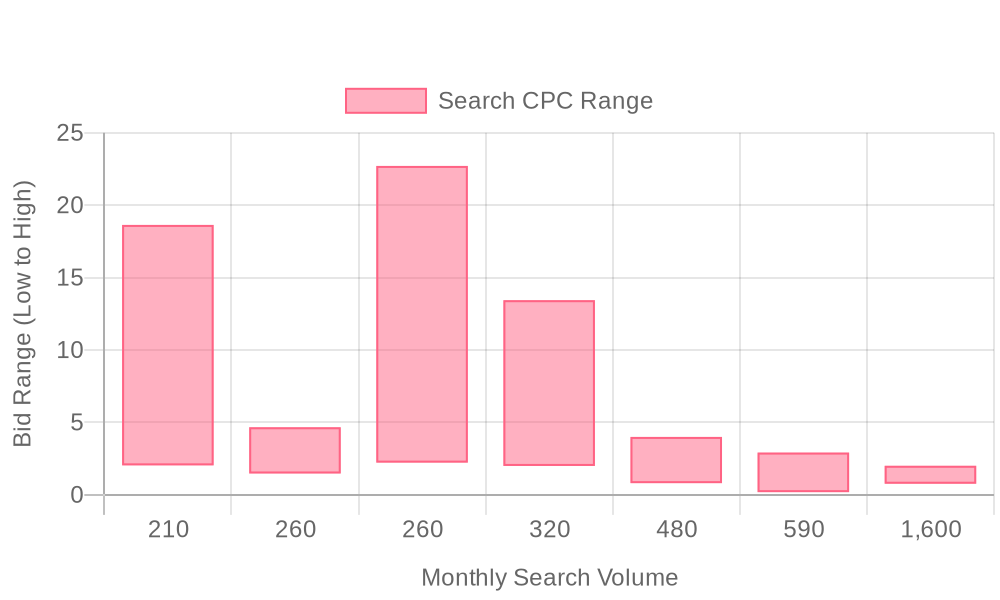
| Industry | Keyword | Monthly Search Volume | Competition Level | Low Bid | High Bid |
| Auto Distributors | wholesale motor oil distributors | 210 | MEDIUM | 2.04 | 18.64 |
| Auto Distributors | auto glass distributors near me | 260 | LOW | 1.48 | 4.67 |
| Auto Distributors | motor oil distributors | 260 | LOW | 2.23 | 22.71 |
| Auto Distributors | wholesale motor oil distributors near me | 320 | HIGH | 2 | 13.44 |
| Auto Distributors | aftermarket auto parts wholesale distributor | 480 | MEDIUM | 0.81 | 4 |
| Auto Distributors | auto distributors | 590 | LOW | 0.19 | 2.92 |
| Auto Distributors | auto parts distributors | 1600 | LOW | 0.77 | 2.01 |
Auto distribution businesses thrive on targeted, high-intent digital marketing that captures buyers at every stage of the purchase journey. A robust keyword strategy for Google Ads delivers measurable results by matching inventory to motivated prospects in local and regional markets. For advanced segmentation, use real-time audience data to refine targeting and boost campaign relevance.
- High-intent search terms: Focus on phrases that signal purchase readiness, such as "car dealerships near me," "auto distributors," "wholesale vehicles for sale," or "fleet vehicle distributors." These direct terms consistently attract decision-makers with clear buying intent.
- Long-tail and location keywords: Supplement core terms with queries like "electric vehicle distributors in Dallas" or "used auto wholesaler Chicago." This granular targeting appeals to local audiences and niche market segments while reducing wasted spend on irrelevant clicks.
- Comprehensive negative keyword lists: Exclude generic or informational phrases like "how to become a car dealer" or "history of vehicle distribution." Rigorous negative keyword management filters out low-value traffic, ensuring budgets are spent on qualified leads likely to convert.
- Dynamic keyword refinement: As campaign data accumulates, use real-time search trends and conversion signals to dynamically update keyword lists. Marketers leveraging intent signals can quickly spot emerging opportunities, refining terms to align spend with the highest-potential accounts.
- Audience-driven keyword expansion: When audience data and CRM intent signals surface new buying behaviors, expand keyword coverage to capture similar high-converting segments. Integrating enriched lead and account insights enables auto distributors to continuously tailor keyword portfolios for evolving demand.
This strategic approach ensures Google Ads for Auto Distributors not only drives qualified traffic but also adapts in real time to market shifts, maximizing lead generation and marketing ROI. For additional insights, review retargeting strategies that leverage keyword intent and audience data for sustained campaign performance. To experience these strategies firsthand, get started for free with Sona.
Step-by-Step Campaign Execution Framework
Step 1: Build Targeted Keyword Lists
Auto distributors operate in a highly competitive market where buyer intent varies by vehicle type, location, and service need. Start by clustering keyword opportunities around specific vehicle categories, sedans, trucks, SUVs, or specialty vehicles, and layer on modifiers that signal purchase intent, such as "near me," "for sale," or "wholesale." Incorporate location data to capture prospects searching within your distribution territory, and regularly update negative keyword filters to eliminate wasteful spend on unrelated searches.
With unified data solutions, auto distributors can move beyond basic keyword matching to identify high-value, in-market prospects. Real-time visitor identification lets you segment audiences based on actual browsing behavior and company identity, ensuring your ads reach the right buyers at the right stage of the funnel. This dynamic approach keeps your keyword strategy precise and responsive, maximizing both reach and ROI.
The upgrade most auto distributors advertisers miss is going beyond raw keyword volume to layer in intent and identity signals. By connecting website-visitor data and CRM records with Sona Marketing Measurement, you can see which specific search terms bring in the accounts and customers that actually convert, and weight your keyword and bidding strategy toward those rather than the terms with the highest search volume alone.
Step 2: Develop Compelling Ad Copy
Effective ad copy addresses the core pain points of auto buyers, speed, reliability, and access to inventory, while positioning your distribution business as a trusted partner. Headlines should immediately highlight unique inventory advantages and logistical strengths. Integrate trust signals such as dealership awards, industry certifications, or satisfaction guarantees to reinforce credibility. Incorporate urgency with time-sensitive calls-to-action, like "Get Same-Day Quotes" or "Limited Inventory Available," to prompt immediate engagement.
With integrated intent data, marketers can dynamically update ad messaging for segments showing heightened purchase readiness, tailoring offers and headlines to match each audience's needs. When CRM and Google Ads platforms are connected, updates to audience lists automatically trigger fresh, relevant creative for every high-intent lead, keeping campaigns both agile and highly personalized.
Step 3: Design Effective Landing Pages
Landing pages should deliver a seamless experience from the ad click to the key conversion action. Organize content by vehicle features, distributor capabilities, or special offers, and maintain clear, prominent calls-to-action throughout. Each page must guide visitors toward form submissions or direct inquiries, with forms that sync back to your CRM for immediate lead capture and routing.
Modern platforms allow auto distributors to track exactly which campaigns and audience segments drive landing page engagement. By linking CRM and ad performance data, sales reps can prioritize outreach to leads most likely to convert, while marketers can iterate landing page design based on real visitor interactions. For more advanced landing page strategies, visit the Sona blog.
Step 4: Implement Data-Driven Optimizations
Continuous optimization is essential to maximize Google Ads ROI for auto distributors. Monitor conversion metrics daily, run A/B tests on headlines, imagery, and calls-to-action, and adjust budgets toward the highest-performing assets. Leverage insights from real-time visitor behavior to identify which keywords, ads, and landing pages drive true business outcomes, not just clicks.
Advanced attribution models connect online actions with offline sales, showing full campaign impact across the funnel. When audiences and conversion data sync between Google Ads and your CRM, you can build dynamic retargeting campaigns, update suppression lists once a lead becomes a customer, and measure the lifetime value of every account generated, whether that's a single dealership order or a recurring fleet contract. This keeps optimization grounded in the seasonal and licensing realities of vehicle distribution rather than raw click volume.
To streamline your campaign execution and unlock advanced targeting, get started for free with Sona.
Sona Marketing Measurement closes the gap between clicks and revenue. It captures every ad click with first-party measurement, ties that click through UTM capture and ad-platform APIs to the actual record in your CRM, and reports ROAS by keyword and campaign instead of by last-click form fill. Feeding that revenue signal back into Smart Bidding and Performance Max compounds over time: the algorithms optimize toward booked auto distributors revenue, not cheap leads.
Tips on Expanding Your Auto Distribution Presence
Auto distributors operating in a highly competitive sector benefit from dynamic strategies that increase both reach and conversion quality. Executing a multi-channel, data-driven approach delivers meaningful engagement across the entire buying cycle while building long-term brand value among target audiences. For deeper insights into effective marketing tactics, explore this collection of actionable playbooks tailored for auto distributors.
- Cross-promote educational content: Share expert-driven resources that inform and nurture prospects throughout the research and decision journey. This approach not only keeps current leads engaged but also establishes your authority, encouraging prospects to revisit your brand as their needs evolve. For a full overview of digital campaign types available to auto distributors, see this guide to Google Ad campaign formats.
- Leverage segment-specific interests: Build campaign strategies that align with the distinct motivations of your core customer groups. By analyzing real-time audience and transactional data, you can craft messaging and offers that speak directly to the unique challenges and aspirations of each segment, improving relevance and response rates.
- Partner with automotive associations: Collaborate with well-respected industry organizations to co-create campaigns that amplify your reach, boost referral traffic, and reinforce your brand's credibility. These partnerships help tap into pre-qualified audiences and can significantly accelerate trust-building and lead generation efforts. Access best practices for strategic partnerships to maximize your results.
- Use comprehensive site data: Harness first-party analytics to inform the creation of compelling, high-converting offers and landing experiences. By understanding user identification and content interactions, you can refine value propositions and optimize conversion points for maximum impact.
Aligning these strategic initiatives positions auto distributors for stronger outcomes when deploying Google Ads campaigns. Unifying data across touchpoints lets marketers identify in-market buyers more accurately and adapt messaging and targeting in real time. This approach strengthens intent signals, sharpens retargeting, and keeps spend allocation efficient as demand shifts by season and region.
Beyond Google Ads: Winning the AI Answers Auto Distributors Buyers Now Trust
Paid search captures demand at the moment someone types a query. But a fast-growing share of auto distributors buyers no longer start at Google at all, they ask ChatGPT, Gemini, or Perplexity before they ever run a search, and Google's own AI Overviews increasingly summarize an answer above the traditional results. If your business isn't referenced in those AI answers, you're invisible at the exact moment buyers build their shortlist.
Sona AI Visibility shows where your business shows up across ChatGPT, Gemini, Perplexity, Google AI Overviews, and 10+ engines, and, much like a keyword report, which prompts actually send you buyers, so you can prioritize the ones that convert. Run the two together and you cover the entire buyer path: get cited where buyers research (AI Visibility), then prove which of that demand turns into booked revenue (Marketing Measurement).
Helpful resources
Conclusion
Distributors who treat Google Ads as a data problem, not just a bidding problem, are the ones pulling ahead. The next competitive edge won't come from cleverer ad copy; it will come from knowing which clicks turn into signed fleet orders and which never had a chance, and feeding that distinction back into every campaign decision.
The distributors who close this loop, connecting ad spend to booked revenue rather than form fills, will out-bid and out-last competitors still optimizing for clicks alone.
To put these strategies to work, start for free and see how Sona connects your Google Ads spend to real revenue outcomes.
FAQ
How can Google Ads help auto distributors increase sales?
Google Ads helps auto distributors increase sales by intercepting high-intent prospects at critical decision points through precise targeting, enhancing lead generation, and optimizing campaigns with real-time data and audience insights.
What are the best practices for setting up Google Ads for an auto distribution business?
Best practices include conducting granular keyword research, optimizing landing pages, aligning ad creative with landing page content, and using advanced audience targeting and segmentation to ensure ads reach the most relevant prospects.
How do Google Ads work for generating leads in the auto industry?
Google Ads generate leads in the auto industry by leveraging data-driven search strategies, advanced audience segmentation, and real-time campaign optimization to reach high-intent buyers and convert ad clicks into qualified leads.
What are the costs and benefits of using Google Ads for auto distributors?
The costs involve ad spend which can be optimized through precise targeting and real-time adjustments, while benefits include direct access to high-intent buyers, measurable business impact, and enhanced lead generation and conversion rates.
How can auto distributors track and measure the success of their Google Ads campaigns?
Auto distributors can track and measure success by using advanced conversion tracking, integrating Google Ads data with CRM systems, and employing sophisticated attribution models to connect online engagement to offline sales outcomes.







