


A car buyer searching "auto broker near me" at 9pm on a Sunday is ready to move, and whichever broker shows up first often wins the deal. Traditional advertising, print, radio, dealership signage, can't intercept that moment. B2B marketers in this trade also lose high-value prospects simply because their systems never identify who's actually visiting the site or calling in. Google Ads closes that gap: it puts a broker in front of buyers exactly when they type "buy car through a broker" or search for financing and sourcing help, and it gives brokers the tracking to follow that lead from click to signed deal. Paired with precision targeting and real-time analytics, Google Ads turns a broker's marketing from guesswork into a measurable pipeline.
How to Generate Auto Broker Leads with Google Ads: A Step-by-Step Guide
Auto brokers compete in a fast-paced market where every qualified lead represents significant revenue potential. Streamlined digital execution is essential to ensure that potential clients receive immediate, relevant engagement, especially as most car buyers initiate their search online and expect seamless experiences. For foundational strategies, explore Google Ads targeting tips for auto dealers to improve ad performance and lead generation.
A high-performing Google Ads for auto brokers strategy starts with precision targeting and real-time responsiveness. Building campaigns around tightly aligned keywords and audience segments ensures ads appear only to buyers ready to act, cutting wasted spend and raising lead quality. Marketers who move beyond generic "auto broker" terms and instead lean on buyer intent signals can direct budget toward the prospects most likely to close, strengthening Google Ads ROI.
Integrating company-level identification into your advertising funnel moves you past anonymous web traffic. By identifying the companies and buyers behind site visits, first-party and without relying on individual tracking, your team can enrich CRM records and ensure every lead gets a tailored follow-up instead of falling through the cracks. Dynamic audience segmentation updates automatically as leads move stages, enabling timely retargeting and personalized messaging across the buyer journey.
Performance optimization remains at the core of successful automotive marketing. Real-time data from Google Ads, combined with robust attribution tools, enables you to refine bids, pause underperforming ads, and shift budget as in-market behavior evolves. With advanced conversion tracking, both online and offline interactions are attributed accurately, giving a complete view of lead-to-sale journeys for your auto broker advertising.
A unified digital marketing for auto brokers approach ties Google Ads with social and email campaigns, creating a consistent experience across every touchpoint. CRM and ad platform synchronization ensures that enriched audiences and high-value leads are automatically leveraged for remarketing, audience expansion, and deeper engagement. To accelerate your sales cycles and maximize every ad dollar, get started for free with Sona and position your team to outperform the competition in automotive lead generation.
Why Does Google Ads Matter for Auto Brokers?
Auto brokers operate in a fast-moving, demand-driven environment where a missed call or a slow follow-up often means the buyer books with a competitor within the hour. Buyers arrive with urgency: they're comparing a broker's fee against dealership markup, checking financing options, or sourcing a specific make that's hard to find locally. Google Ads puts a broker in front of that buyer at the exact moment of the search, whether the buyer is comparing brokers by city, asking about lease versus finance, or looking for someone who can source a rare trim. For actionable strategies that help auto dealers improve ad performance and lead generation, see these Google Ads targeting tips for auto dealers.
Traditional marketing often casts too wide a net, leading to wasted spend and irrelevant leads. By contrast, Google Ads enables precise segmentation and immediate response, making it possible to deliver tailored messaging to buyers seeking specific vehicles, financing options, or value-added broker services.
This level of precision targeting supports campaigns that capture both steady inbound demand and sudden spikes, such as those triggered by trade show attendance or direct mail outreach. When paired with unified go-to-market data, marketers can identify anonymous website visitors, attribute form fills or calls to specific campaigns, and dynamically adjust spend toward the audiences and keywords producing the highest-value deals. If you’re ready to convert more online searches into qualified leads, get started for free with Sona.
Common Types of Google Ads Campaigns for Auto Brokers

- Search Campaigns: Search campaigns capture high-intent prospects seeking auto broker services, such as "auto broker near me" or "vehicle sourcing agent." These campaigns dominate the lower funnel by targeting buyers actively researching their next vehicle purchase, ensuring every click is primed for conversion. When combined with identity resolution and real-time intent analysis, marketers can focus spend on accounts most likely to convert, streamlining the path from search to sale. Within Search campaigns, Responsive Search Ads let you test multiple headlines and descriptions so Google can serve the best-performing combination to each searcher. To explore the different types of Google Ad campaigns relevant for auto brokers, visit this comprehensive overview for dealerships.
- Display Ads: Display ads maintain an ongoing presence for auto brokers across automotive blogs, local news outlets, and relevant forums. By continuously reinforcing brand visibility, brokers build familiarity with buyers considering multiple options. Leveraging dynamic audience segmentation ensures that banners reach users as they progress from initial research to final decision, maximizing relevance and minimizing wasted impressions. Discover more tips for effective campaign setup in our actionable marketing playbooks.
- Video Ads: Video ads allow auto brokers to visually communicate their value proposition, explain their process, and establish credibility in a crowded market. Whether through YouTube pre-rolls or in-stream placements, these campaigns help brokers stand out by showcasing testimonials, walkthroughs, and unique service differentiators. Integration with behavioral data enables marketers to retarget viewers who demonstrate active consideration, optimizing video spend toward those most likely to engage.
- Remarketing: Remarketing campaigns re-engage site visitors and past leads who expressed interest but did not convert. By delivering tailored messages based on browsing behavior, such as revisiting vehicle listings or downloading broker guides, these ads close the loop on lost opportunities. Automated audience updates ensure that remarketing lists remain current, following users as they move through the funnel and increasing the chance of recapturing high-value prospects.
- Ad Assets: Ad assets (formerly called extensions) enhance standard ads with actionable elements like direct call buttons, location maps, and limited-time offers. These features boost user trust and drive higher engagement by making it easier for prospects to initiate contact or find nearby offices. With enriched data syncing, auto brokers can keep asset content, such as inventory availability or deal incentives, accurate and current, further lifting ad performance and lead quality.
Where to Find Growth Opportunities for Auto Brokers?
Beyond Search, Display, Video, and Remarketing, Performance Max campaigns let auto brokers run a single campaign across Search, Display, YouTube, and Gmail simultaneously, using Google's automation to find buyers wherever they're most likely to convert. It's particularly useful for brokers with limited campaign management bandwidth who still want reach across channels.
Auto brokers operate in a market where nuance and specialization drive the most sustainable growth. The most successful teams identify overlooked segments and act quickly to engage buyers who value tailored automotive services. By strategically layering advanced digital channels, brokers can outpace both traditional dealerships and other intermediaries.
- Targeting vertical keywords linked to specialty automotive services: Precision in keyword selection is critical for Google Ads for auto brokers. Focus on terms beyond generic car-buying phrases, such as "exotic auto broker," "fleet vehicle sourcing," or "commercial vehicle leasing agent." This approach captures buyers seeking expertise, not just inventory, and positions your brand as a top solution for complex automotive needs. Integration with Sona's Identity Resolution helps marketers see which high-value companies are searching for these terms, so spend can prioritize the most promising accounts.
- Analyzing auction insights to find competitor gaps: Google Ads auction insights offer visibility into where competitors are underserving segments or underbidding on high-intent queries. By mapping these gaps, brokers can deploy campaigns where cost-per-click is lower and conversion rates are higher. For actionable strategies on Google Ads targeting in automotive, review these Google Ads targeting tips for auto dealers. Automated audience updates ensure outreach continually targets the most conversion-ready prospects.
- Utilizing placements on automotive trade forums to supplement organic reach: Niche forums and industry content platforms attract decision-makers in the market for specialized services. Running display placements and custom audience ads on these sites greatly extends reach beyond search, driving awareness among groups less likely to click traditional ads. With Sona’s Destinations, these audiences can be dynamically synced, ensuring follow-up efforts are based on verified intent and engagement.
- Integrating retargeting strategies that align with ongoing content efforts: Retargeting works best when audiences refresh in real time as leads consume new content or move through the buying funnel. Brokers that sync their CRM and Google Ads get accurate, current audience pools, letting them deliver personalized offers to buyers who viewed service pages, downloaded guides, or requested callbacks. Sona's Ad Conversions, including offline deal attribution, ensures every touchpoint is measured and campaigns optimize for closed deals, not just online form fills.
Combining these tactics creates a robust foundation for automotive lead generation and digital marketing for auto brokers, resulting in measurable improvements in Google Ads ROI and total pipeline growth.
How to Apply Audience Segmentation for Auto Broker Campaigns

Audience segmentation is pivotal in automotive marketing, especially when running Google Ads for auto brokers. Segmentation empowers brokers to allocate spend where it drives the most impact, ensuring every dollar works harder by focusing messaging and offers on the right prospects. For practical Google Ads targeting strategies tailored to auto dealerships, explore Google Ads targeting tips for auto dealers, and to further personalize campaigns, use Sona’s Audiences tool to build dynamic segments that match the buyer’s journey with tailored promotions and creative assets.
- Define Segments: Identify distinct audience groups based on buying behaviors and preferences. For example, separate luxury car enthusiasts from budget-focused shoppers, or target families looking for SUVs versus professionals seeking lease deals. Leveraging Sona's Identity Resolution, auto brokers can move past basic demographics to build audience pools rooted in actual engagement, enabling more precise targeting and relevant messaging.
- Overlay Intent Signals: Distinguish between new car buyers, those seeking used vehicles, and clients interested in leasing options. Sona surfaces intent signals that let marketers dynamically adjust bid strategies and allocate budget to audience segments showing active intent. This ensures resources concentrate on leads most likely to convert, rather than spreading spend across less-engaged segments.
- Create Ad Groups: Tailor creative and ad messaging to each defined segment for maximum relevance. Luxury buyers may respond best to ads highlighting exclusive access to premium inventory, while budget-conscious segments benefit from promotions on low monthly payments or trade-in offers. Consistently updating Sona’s Destinations feature based on website behavior and CRM data ensures campaigns stay aligned with evolving buyer needs.
- Validate Conversion Paths: Ensure seamless lead tracking from initial click through to closed deal within CRM and marketing systems. Integrating Sona’s Ad Conversions enables attribution for online and offline actions, such as form fills, calls, or showroom visits. When segmented audiences and conversion data are unified, auto brokers can pinpoint which campaigns and audience groups yield the highest-quality leads, allowing precise optimization of spend and messaging across the entire sales funnel.
This is also where measurement changes the economics. With Sona Marketing Measurement you can identify the companies and buyers behind your ad clicks, not just anonymous sessions, and segment audiences by who actually becomes a customer. That lets you build bid adjustments and audience signals around the segments that convert and de-prioritize the ones that don't, so you feed Google's algorithms "this click became a paying auto brokers customer" instead of just "someone filled out a form."
Keyword Strategy & Sample Target Terms
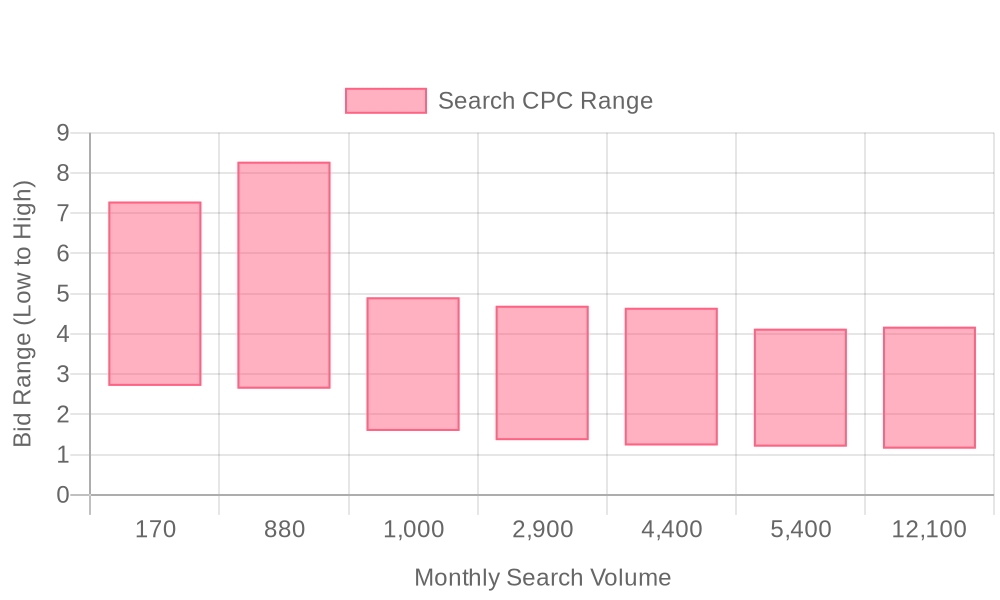
| Industry | Keyword | Monthly Search Volume | Competition Level | Low Bid | High Bid |
| Auto Brokers | car finance broker | 170 | LOW | 2.71 | 7.29 |
| Auto Brokers | car loan broker | 880 | MEDIUM | 2.64 | 8.28 |
| Auto Brokers | car lease broker | 1000 | MEDIUM | 1.59 | 4.91 |
| Auto Brokers | car broker near me | 2900 | HIGH | 1.36 | 4.7 |
| Auto Brokers | auto brokers near me | 4400 | MEDIUM | 1.23 | 4.65 |
| Auto Brokers | car broker | 5400 | MEDIUM | 1.2 | 4.13 |
| Auto Brokers | auto brokers | 12100 | LOW | 1.15 | 4.18 |
A data-driven keyword strategy is crucial to maximize the effectiveness of Google Ads for auto brokers. The most successful campaigns prioritize specific long-tail keywords and question-based queries that align with how buyers actually search for brokerage services and automotive transactions. Phrases such as “auto broker near [city name],” “car buying service with financing,” or “how to find a trusted auto broker” reach prospects with clear purchase intent and filter out casual browsers. For additional keyword structuring tips, explore this guide to Google Ads targeting for auto dealers.
Targeting local modifiers, like “auto broker near Los Angeles” or “vehicle broker in Atlanta,” creates hyper-relevant ad placements and increases click-through rates by surfacing your offering to those most likely to convert. Structuring account organization around buyer stage and geography allows marketers to match ads and landing pages to user needs, resulting in higher engagement and stronger lead qualification. For more on organizing campaigns effectively, visit our ultimate guide to B2B marketing reports.
Negative keywords are equally essential, ensuring budgets are allocated only to qualified leads. By excluding searches unrelated to brokerage (like "DIY car repair" or "auto parts"), you maintain a higher quality of inbound inquiries and lower cost per lead. Integrating advanced solutions allows marketers to leverage Sona's Identity Resolution, revealing which companies are engaging with specific keyword themes. This insight helps shift budget to high-converting segments and refine negative keyword strategies dynamically.
For auto brokers investing in PPC, synchronizing enriched audience data from CRM and offline sales channels into Google Ads provides a feedback loop for continuous keyword optimization. As leads move through the funnel, dynamic audience updates ensure that retargeting and lookalike campaigns always reach those with the highest likelihood of closing. Ready to elevate your keyword strategy? Get started for free with Sona.
Step-by-Step Campaign Execution Framework
Step 1: Build Targeted Keyword Lists
Auto brokers achieve stronger campaign efficiency by grouping keywords according to core services and geographic focus. Segmenting lists for vehicle sourcing, lease negotiation, and financing ensures every ad is relevant to the searcher's intent and stage in the buying journey. Adding location modifiers, such as city or neighborhood names, captures local demand and channels budget into the most profitable territories.
Long-tail keywords like “auto broker SUV lease Los Angeles” or “car buying service for bad credit” consistently deliver high-intent traffic with lower cost-per-click. Negative keywords filter out irrelevant searches, such as “car mechanic” or “DIY repairs,” preventing wasted spend. By aligning keyword lists with landing page content and ongoing SEO efforts, auto brokers create a seamless journey that reinforces authority and increases conversion rates. Marketers using advanced platforms can tie search activity to enriched company profiles, surfacing high-value visitors previously hidden in anonymous traffic reports. For further reading on building effective keyword lists and advanced targeting, explore this Google Ads targeting guide for auto dealers.
The upgrade most auto brokers advertisers miss is going beyond raw keyword volume to layer in intent and identity signals. By connecting website-visitor data and CRM records with Sona Marketing Measurement, you can see which search terms bring in the accounts and customers that actually convert, and weight your keyword and bidding strategy toward those instead of the terms with the highest volume alone.
Step 2: Develop Compelling Ad Copy
Effective ad creative for auto brokers addresses the specific pain points of automotive shoppers, such as avoiding dealership markups or securing rare vehicle models. Headlines that promise exclusive access or highlight client testimonials quickly differentiate broker services from traditional dealers. Embedding trust markers, like licensing credentials or satisfaction guarantees, reassures buyers and increases ad engagement.
Promoting limited-time offers, such as “zero broker fee this weekend,” drives urgency and boosts click-through rates. Leveraging ad extensions, callouts, structured snippets, and pricing, provides more context and direct actions, such as click-to-call or directions. Keeping ad copy consistent with messaging across email, social, and web ensures prospects receive a unified experience at every touchpoint. Marketers who sync their ad messaging with real-time audience signals can dynamically update creative to match evolving audience needs, increasing relevance and conversion probability.
Step 3: Design Effective Landing Pages
Auto broker landing pages must deliver on the promise set by the ad, with content that’s both relevant and action-oriented. Each landing page should feature a single, prominent call-to-action (CTA), such as “Request Vehicle Match” or “Get Pre-Approved.” Forms must be short, mobile-optimized, and directly integrated into the broker’s CRM, ensuring every inquiry is immediately actionable by the sales team.
Embedding live inventory previews or success stories increases confidence and time-on-page. Tracking engagement with granular event tags and conversion pixels provides a clear view of what drives leads to complete the process. Platforms that facilitate direct CRM-to-ad integration enable seamless data flow, automatically syncing leads and updating audience segments as prospects progress through the pipeline. For an in-depth look at landing page best practices and campaign types, review this guide to Google Ad campaigns for dealerships.
Step 4: Implement Data-Driven Optimizations
Measuring campaign performance across the entire funnel is essential for sustainable Google Ads ROI in auto broker advertising. Marketers should track specific conversions, calls, forms, calendar bookings, and feed this data back into smart bidding strategies for optimal allocation. Continuous A/B testing of ad variants, landing pages, and audience segments enables iterative improvement based on real-world engagement.
Importing offline conversion data, such as closed deals, allows for true marketing attribution and informs both budget and creative decisions. Leveraging unified insights across digital channels helps brokers identify patterns and proactively adjust spend, targeting only the most in-market, high-value prospects. Sophisticated platforms can automatically update audiences as leads move through the funnel, ensuring remarketing and nurturing efforts remain laser-focused on those most likely to convert. For those ready to optimize their auto broker campaigns, get started for free with Sona.
Sona Marketing Measurement closes the gap between clicks and revenue. It captures every ad click with first-party measurement, ties that click through UTM capture and ad-platform APIs to the actual record in your CRM, and reports ROAS by keyword and campaign instead of by last-click form fill. Feeding that revenue signal back into Smart Bidding and Performance Max compounds over time: the algorithms optimize toward booked auto brokers revenue, not cheap leads.
Tips on Expanding Your Auto Broker Presence

Expanding an auto broker business goes far beyond optimizing Google Ads campaign structure. Sustained growth relies on blending targeted advertising with smart, data-driven initiatives that create ongoing value for both prospects and existing clients. Businesses that leverage online marketing alongside relationship-building and educational outreach outperform those that rely solely on transactional tactics.
- Promoting educational content through retargeting strategies: Retargeting does more than remind site visitors of your services. Auto brokers can use segmented remarketing lists to serve timely educational content, such as guides on financing, negotiation tips, or vehicle comparison resources, directly to in-market shoppers. When these audiences are dynamically updated based on behavior and CRM status, brokers can deliver the right messaging at each stage of the buyer journey, steadily nurturing leads from research to conversion. To explore practical targeting methods for auto dealers, review these Google Ads targeting tips for auto dealerships.
- Discovering upsell opportunities within segmented audiences based on CRM insights: Integrating CRM data into audience segmentation enables brokers to identify past clients with potential for value-added services, such as warranty upgrades or premium vehicle packages. By syncing enriched audience lists into Google Ads, brokers ensure upsell campaigns are shown only to relevant, high-propensity contacts, boosting lifetime customer value without inflating acquisition costs. Sona's Destinations feature automatically syncs high-quality audience data across CRMs and ad platforms to streamline this process.
- Building partnerships with automotive associations for co-marketing potential: Strategic alliances amplify reach and credibility. Collaborating with automotive associations, industry groups, or local car clubs can unlock co-branded campaigns, joint webinars, or referral programs. These initiatives are most effective when underpinned by intent data that highlights shared audience segments, allowing both partners to target engaged prospects with highly relevant offers.
- Utilizing geographic modifiers to effectively target burgeoning trends in specific locations: Local trends often signal growing demand for certain vehicle types or services. By layering geographic modifiers onto campaigns, auto brokers can capture these micro-markets in real time. Marketers who integrate location-based performance data into their targeting workflow can quickly reallocate budget to capitalize on emerging hotspots and seasonal shifts, staying ahead of competitors. For more on campaign optimization, see our playbooks for marketers.
- Deriving new content topics from keyword research to broaden marketing initiatives: Deep keyword research uncovers not only high-converting search terms but also fresh content opportunities for blogs, video, or social campaigns. Feeding new keyword insights into content strategy ensures brokers remain visible for evolving buyer queries, fueling both organic and paid lead generation. With the ability to measure content engagement alongside ad conversions, brokers can focus on topics that demonstrably drive bottom-line results.
Bringing these tactics together creates a flywheel effect: educational engagement, data-driven upselling, geographic agility, and content expansion all reinforce one another. Auto brokers positioned to unify their CRM, website, and ad data can constantly refine outreach, optimize spend, and scale both acquisition and retention with unmatched efficiency.
Beyond Google Ads: Winning the AI Answers Auto Brokers Buyers Now Trust
Paid search captures demand at the moment someone types a query. But a fast-growing share of auto brokers buyers no longer start at Google at all, they ask ChatGPT, Gemini, or Perplexity before they ever run a search, and Google's own AI Overviews increasingly summarize an answer above the traditional results. If your business isn't referenced in those AI answers, you're invisible at the exact moment buyers build their shortlist.
Sona AI Visibility shows where your business shows up across ChatGPT, Gemini, Perplexity, Google AI Overviews, and 10+ engines, and, much like a keyword report, which prompts actually send you buyers, so you can prioritize the ones that convert. Run the two together and you cover the entire buyer path: get cited where buyers research (AI Visibility), then prove which of that demand turns into booked revenue (Marketing Measurement).
Helpful resources
Conclusion
Google Ads works for auto brokers because it meets buyers at the exact moment they're deciding who to trust with a car purchase, not weeks before or after. Keyword targeting, ad placement, and budget discipline all serve that one goal: putting the right offer in front of a buyer who's already searching.
The brokers who pull ahead won't just be the ones who spend more, they'll be the ones who can prove which keyword, ad, and audience actually produced a signed deal, and who show up when buyers ask an AI assistant for a recommendation before they ever open Google. That combination, provable ROI plus visibility in AI-driven research, is where the next round of growth in this trade will come from.
To connect your Google Ads spend to actual closed deals and see where your brokerage shows up in AI-driven research, start for free with Sona.
FAQ
What are the best practices for Google Ads for auto brokers?
Best practices include precision targeting with aligned keywords, leveraging buyer intent signals, using advanced visitor identification, and integrating CRM data for tailored follow-ups to optimize ad performance and lead generation.
How can auto brokers optimize their Google Ads campaigns?
Auto brokers can optimize their campaigns by tracking customer journeys, using real-time data for bid adjustments, pausing underperforming ads, and shifting budgets based on in-market behavior.
What budget should auto brokers allocate for Google Ads?
Auto brokers should prioritize their ad budget towards high-converting prospects by leveraging buyer intent signals and refining keyword strategies to ensure cost-effective spending.
What types of ads work best for auto brokers?
Search campaigns targeting high-intent prospects, display ads for ongoing brand visibility, video ads for engaging storytelling, and remarketing campaigns for re-engaging interested leads work best for auto brokers.
How do Google Ads compare to other advertising methods for auto brokers?
Google Ads allow for precise segmentation and immediate response, making them more effective than traditional marketing methods that often result in wasted spend and irrelevant leads.







