


Air taxi operators compete for a narrow pool of buyers, corporate travel managers booking last-minute executive transfers, VIP travelers who need speed over price, and each one is searching with urgency that most transportation ads never address. The hardest part isn't attracting clicks, it's catching the buyer before their intent cools: a form filled out at 11pm, a corporate account researching options across three cities, a lead that never enters the CRM because they called instead. A well-built Google Ads campaign closes that gap, pairing precise targeting with signals that connect online research to offline bookings, turning missed handoffs into captured revenue.
How to Generate Google Ads for Air Taxi Services: A Step-by-Step Guide

Competition for high-value business travelers and affluent leisure customers is intensifying as the air taxi industry accelerates. Targeted Google Ads strategies give B2B revenue teams the power to reach these high-intent audiences precisely when they are actively searching for time-saving, premium transportation solutions.
In this step-by-step guide, you will learn how to use advanced targeting, conversion-focused landing pages, and granular analytics to maximize campaign ROI for air taxi services. Integrating real-time audience insights and unified data sources ensures each advertising dollar is used to capture the most valuable leads in the market.
- Employ specialized audience and keyword targeting strategies that ensure your budgets are spent effectively, focusing on high-value prospects detected through intent signals.
Effective PPC for air taxis starts with understanding how buyers actually search. Historical engagement data and search patterns reveal which queries signal real urgency, someone booking an airport transfer within the hour looks different from someone comparing luxury charter options for next quarter. Sona's Intent Signals help marketing teams surface these moments, so ad spend follows genuine buying behavior instead of broad demographic guesses. Explore this overview of Google Ads PPC for flight booking and travel to see how industry-specific strategies reach decision-makers and corporate accounts actively interested in air taxi services.
- Design landing pages that convert clicks into bookings by addressing specific pain points and helping overcome one-size-fits-all campaign barriers.
The strongest air taxi advertising sends prospects to landing pages built around their specific reason for searching. An executive comparing airport transfer times needs different proof than a corporate travel coordinator booking recurring charters, or a leisure traveler weighing a first luxury flight. Sona's Identity Resolution can reveal the company behind an anonymous visit, letting marketers personalize booking forms and surface relevant routes or fleet options based on location, device, and prior visits. That precision shortens the path from click to booking and lifts both conversion rate and lead quality.
- Optimize for performance and ROI using advanced analytics to provide a complete picture that includes offline conversions, ensuring every campaign reflects accurate insights.
Measuring the true impact of Google Ads for air taxi services requires unified tracking across both online and offline touchpoints. Advanced analytics platforms offer online/offline attribution, capturing calls, form submissions, and even in-person bookings initiated by digital ads. For examples of how air taxi providers reduce travel time and boost ROI, review this case study on air taxi time savings.
- Integrate multi-channel marketing to create a cohesive brand experience that captures high-value leads efficiently.
Air taxi buyers rarely convert on a single touch, corporate accounts research over days or weeks, comparing routes, safety records, and pricing across providers. A consistent experience across search, display, and remarketing keeps a brand credible through that research window. Syncing marketing data in real time lets teams retarget site visitors, nurture accounts with relevant offers, and encourage repeat bookings, all from one view of pipeline and performance.
Why Does Google Ads Matter for Air Taxi Services?
Air taxi services operate in a market where immediacy and relevance drive results, making intent-driven digital advertising essential for capturing high-value bookings. Google Ads provides a direct route to engage travelers at the precise moment they search for premium, time-saving transportation, ensuring your offers appear to customers ready to convert. For marketers aiming to maximize every opportunity, Sona enables you to build real-time, signal-based segments and reach the right audience at the ideal moment.
- Complex Audience Targeting: With advanced segmentation capabilities, air taxi providers can distinguish between luxury travelers, corporate clients, and eco-conscious passengers, delivering tailored messages that match each segment’s intent and stage in the buying cycle. By leveraging in-market behavioral data and real-time search trends, marketers can automatically shift budget toward audiences demonstrating the highest conversion potential, whether that’s last-minute airport transfers or environmentally friendly charter options.
- High-Value Sales Opportunities: Integrating Google Ads with CRM and sales platforms enables teams to capture both online and offline customer interactions, ensuring no lead is missed as prospects move from digital inquiry to direct booking. Streamlined workflows allow marketers to adjust campaigns on the fly, react to new opportunities, and engage with leads while they’re most interested, maximizing revenue before competitors enter the conversation.
- Data Integration: Unified data flows between ad platforms, CRM systems, and sales analytics close the loop on both digital and offline touchpoints. This approach gives revenue teams granular visibility into the customer journey, revealing which ads, keywords, and audiences deliver the best ROI for air taxi advertising. By aligning campaign insights with downstream sales outcomes, marketers can continuously refine strategies, improve attribution, and scale what works for long-term growth.
Looking to take control of your air taxi marketing? Get started for free with Sona.
Common Types of Google Ads Campaigns for Air Taxi Services

- Search Campaigns: Search campaigns reach high-intent prospects ready to book. Targeting terms such as "private air charter" or "urgent air taxi service" intercepts decision-makers at the moment of need. Sona's Identity Resolution helps marketers move beyond anonymous clicks to identify the companies and individuals behind these searches. For a detailed overview of PPC strategies in travel and aviation, see Google Ads PPC for flight booking.
- Display Ads: Display ads keep air taxi services visible across aviation trade sites and business publications, where corporate travel managers and frequent flyers already spend time. Rather than running generic placements, teams can target specific audience segments and shift impressions toward visitors already showing intent. Explore more tips for building effective B2B campaigns in our blog hub.
- Video Ads: Video campaigns showcase elite routes, fleet capabilities, and the experience of air taxi travel in ways text ads cannot. Strong video communicates time savings, luxury, and reliability directly. Sona surfaces intent signals to help marketers push video ads toward in-market audiences already interested in premium travel, sharpening engagement and driving conversions from executives and VIP travelers.
- Remarketing: Remarketing re-engages visitors who explored air taxi options but didn't convert, often because they were comparing providers or waiting on approval from a travel manager. Enriched audience data lets marketers time retargeting messages to nudge prospects back to booking pages or quote requests. For a collection of case studies on weather-triggered advertising performance, visit WeatherAds case studies. CRM integration keeps remarketing audiences current as leads move through sales stages, improving efficiency and recapturing high-potential opportunities.
Identifying Growth Opportunities

Expanding reach in the air taxi sector requires more than simply scaling existing Google Ads campaigns. Sustainable growth comes from proactive identification of untapped demand and agile adjustment to shifting traveler trends, especially as urban mobility evolves and new customer segments emerge. For a detailed overview of how Google Ads PPC strategies are tailored for the travel and aviation industry, review this Google Ads for flight booking resource.
- Target underserved locales and new demographics: Local search patterns reveal specific airports, neighborhoods, or commuter corridors that competitors overlook. Pinpointing these regions and emerging traveler segments, from business travelers in secondary cities to affluent tourists seeking seamless airport transfers, lets air taxi providers claim high-intent search terms before rivals notice the demand. Sona's Identity Resolution can reveal which companies and travelers are visiting a site, even before they book.
- Leverage competitor keyword gap analysis: Studying competitor ad profiles and uncovering underused intent-driven keywords gives marketers an edge. Targeted ads against these overlooked queries reach prospects who are motivated but not yet exposed to dominant brands. Sona's Intent Signals help teams recognize organizations showing in-market intent, so spend shifts dynamically toward accounts most likely to convert.
- Blend content strategy and PPC with retargeting: High-quality digital content draws engaged visitors, but many leave before converting. By building Sona Audiences that include users who interact with blog posts, landing pages, or fare calculators, marketers create a tailored conversion path for those already demonstrating interest. As leads engage with more touchpoints, dynamic audience updates ensure ads remain relevant and timely. When CRM and ad platforms remain in sync, retargeting can evolve in real time as leads progress from awareness to booking, boosting both ad efficiency and conversion rates. Explore our playbooks for actionable tactics to enhance your remarketing efforts.
Blending search trend analysis, intent-based audience building, and advanced retargeting transforms digital marketing for air taxi services from reactive to predictive. These strategies allow providers to discover growth pockets, engage high-value travelers at the right moment, and maximize ROI in a fiercely competitive landscape. To see these strategies in action, get started for free with Sona and unlock new growth opportunities.
Implementing Audience Segmentation for Air Taxi Services
Audience segmentation is what separates efficient air taxi advertising from expensive guesswork. Targeting precise user groups, corporate accounts booking on recurring schedules versus one-off luxury leisure travelers, reduces wasted spend and shortens the sales cycle by matching messaging to real motivation. Segmentation lets digital marketing for air taxis concentrate on the highest-value prospects within intent-rich audiences.
- Define Segments: The most effective air taxi advertising begins by splitting audiences into actionable segments. For example, luxury travelers may prioritize seamless booking and premium experiences, while eco-conscious customers respond to sustainability messaging and emissions data. Tailoring creative and landing pages for air taxi services to each segment ensures ad spend goes further and click-through rates increase. When marketers can unify fragmented data sources and overlay company-level attributes, campaigns identify high-value buyers, such as corporate travel managers or event coordinators, who are far more likely to convert. For actionable segmentation frameworks, explore this overview of Google Ads PPC strategies for flight booking and airlines.
- Overlay Intent Signals: With the right data infrastructure, advertisers surface prospects actively searching for last-minute air taxi, private airport transfer, or sustainable urban air mobility solutions. By layering in real-time signals such as search queries, browsing patterns, and onsite actions, campaigns dynamically shift budget toward accounts exhibiting strong purchase intent. This approach ensures that Google Ads strategies for air taxi services remain agile, always prioritizing the most likely conversions and maximizing cost per click air taxi efficiency.
- Ad Group Customization: Customizing ad groups and creative assets for each segment is crucial for conversion optimization air taxi campaigns. Tailoring value propositions and visual elements to the unique needs of luxury, eco, or business segments results in higher engagement and improved ROI. With unified data pipelines, marketers can dynamically update ad copy and landing page content as leads progress through the funnel, ensuring relevance at every touchpoint.
- Conversion Path Tracking: Comprehensive conversion tracking is essential to measure true return on investment for PPC for air taxis. When all touchpoints, from initial inquiry to final booking, are tracked and mapped within integrated CRM systems, teams gain full visibility into campaign effectiveness. Real-time CRM and ad platform sync allows for enriched audience data to flow seamlessly between Google Ads and sales tools, ensuring every interaction is attributed and nurturing sequences are triggered without delay. This streamlines follow-up, reduces manual effort, and moves high-intent leads through the pipeline with maximum efficiency.
Implementing these segmentation practices not only increases the effectiveness of advertising air taxi services but also ensures that every marketing dollar is spent engaging the right audience, at the right stage, with the right message. Get started for free with Sona.
This is also where measurement changes the economics. With Sona Marketing Measurement you can identify the companies behind your ad clicks, not just anonymous sessions, and segment audiences by which accounts actually become customers. That lets you build bid adjustments and audience signals around the segments that convert and de-prioritize the ones that don't, so you feed Google's algorithms "this click became a paying air taxi services customer" instead of just "someone filled out a form."
Keyword Strategy & Sample Target Terms
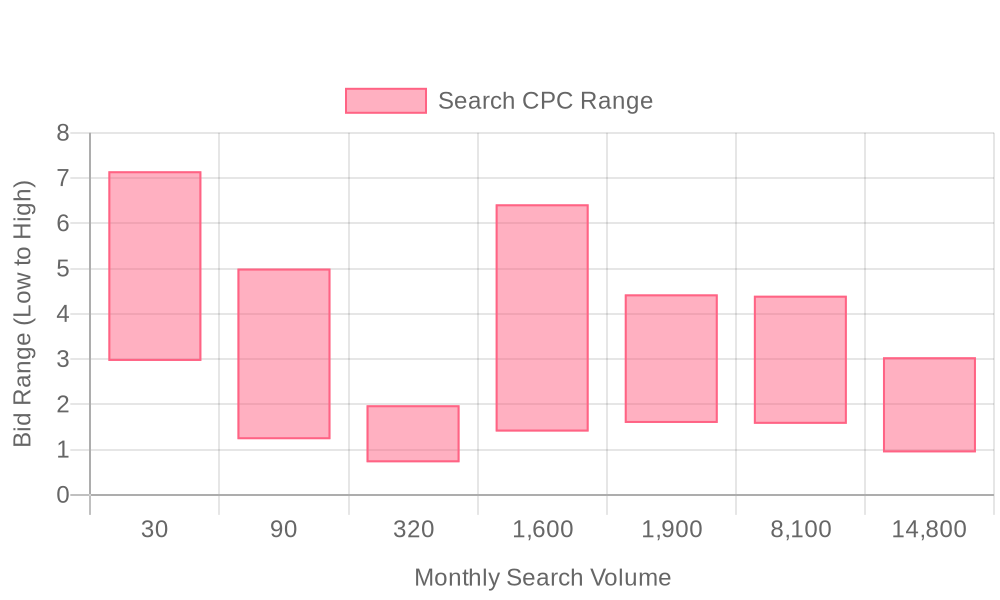
| Industry | Keyword | Monthly Search Volume | Competition Level | Low Bid | High Bid |
| Air Taxi Services | jet taxi service | 30 | LOW | 2.96 | 7.15 |
| Air Taxi Services | airline taxi | 90 | LOW | 1.23 | 5 |
| Air Taxi Services | helicopter taxi service | 320 | LOW | 0.72 | 1.98 |
| Air Taxi Services | air taxi companies | 1600 | LOW | 1.4 | 6.42 |
| Air Taxi Services | air taxi services | 1900 | LOW | 1.59 | 4.43 |
| Air Taxi Services | air taxi | 8100 | LOW | 1.57 | 4.4 |
| Air Taxi Services | air port taxi | 14800 | LOW | 0.94 | 3.04 |
A precise, data-driven keyword strategy is foundational to scaling paid acquisition for air taxi services. Identifying and prioritizing high-intent search terms enables marketers to reach prospects who are actively seeking on-demand travel, corporate transfers, and luxury mobility solutions. By analyzing market demand and segmenting by travel urgency, luxury positioning, and eco-conscious preferences, revenue teams can focus spend where it has the greatest impact with real-time audience intelligence.
- Core transactional keywords: Terms such as “Google Ads for Air Taxi Services,” “book air taxi online,” “airport air taxi booking,” and “private air taxi near me” capture users with immediate intent and strong conversion potential. These keywords typically exhibit higher cost per click but deliver quality traffic ready for engagement and sales conversations. For industry-specific campaign tips, see this overview of Google Ads PPC strategies.
- Niche and value-driven terms: Phrases like “eco-friendly air taxi solutions advertising,” “luxury air taxi services Google Ads,” and “sustainable urban air mobility PPC” allow teams to target specialized audiences and differentiate against generic air travel options. Prioritizing these terms helps address emerging market segments while keeping acquisition costs competitive. Explore how precise audience segmentation drives better campaign outcomes.
- Negative keyword refinement: Excluding irrelevant queries, such as “air taxi pilot jobs,” “toy air taxi models,” or “air taxi franchise opportunities,” ensures budget is reserved for prospects with a genuine purchase intent. This approach reduces wasted spend and improves ad relevance, driving up quality scores and lowering CPC over time. See our B2B marketing playbooks for additional keyword tactics.
- Offline and online data integration: Unifying CRM and offline conversion data with campaign analytics provides a comprehensive ROI view. Marketers who incorporate post-click outcomes, such as phone bookings or corporate contract signings, can attribute revenue to the specific keywords and ads that truly drive bookings, not just clicks. Automate this process with Sona Destinations to sync data across platforms in real time.
- Dynamic audience management: By leveraging real-time behavioral signals, keyword lists can evolve to include terms that reflect changing travel patterns or event-driven demand spikes. As leads progress through the funnel, dynamic audience updates ensure ads are shown to the right decision-makers at the right stage, maximizing engagement and pipeline velocity.
This combination of broad, niche, and negative keyword strategies, supported by unified online and offline insights, empowers air taxi operators to optimize every dollar invested in Google Ads. Revenue teams gain the ability to identify anonymous website visitors, sync enriched lead segments to Google Ads and CRM platforms, and allocate budget dynamically as market opportunities shift. Ready to upgrade your paid search strategy? Get started for free with Sona.
A Step-by-Step Campaign Execution Framework
Modern air taxi operators face a complex digital landscape where precision targeting and measurable ROI are non-negotiable. Executing a high-impact Google Ads strategy for air taxi services starts with a disciplined, data-driven campaign framework tailored to the unique needs of urban air mobility brands and their discerning audiences.
Step 1: Keyword and Targeting Setup
Success begins with an intelligently curated keyword list that reflects not only the core offerings, such as “air taxi booking,” “airport to city air transfer,” and “on-demand air shuttle”, but also the nuanced buying motives of corporate travelers and luxury leisure clients. Localizing keywords increases relevance for travelers searching in specific cities, airports, or business hubs, while intent-rich terms like “immediate air taxi near me” capture active buyers ready to convert. Advanced targeting comes into play as marketers leverage real-time visitor identification to go beyond anonymous clicks, pinpointing companies or high-value accounts as soon as they arrive on the site. With dynamic audience capabilities, campaigns can be structured to automatically update target groups as leads engage, ensuring that budgets are always directed toward in-market prospects exhibiting the strongest buying signals.
For a deep dive into Google Ads strategies tailored for the travel and aviation industry, explore this overview of Google Ads PPC for flight booking, airlines, and travel.
The upgrade most air taxi services advertisers miss is going beyond raw keyword volume to layer in intent and identity signals. By connecting website-visitor data and CRM records with Sona Marketing Measurement, you can see which specific search terms bring in the accounts and customers that actually convert, and weight your keyword and bidding strategy toward those rather than the terms with the highest search volume alone.
Step 2: Crafting Engaging Ad Copy
Compelling ad copy differentiates premium air taxi services by tackling the pain points that frustrate modern travelers: rigid, one-size-fits-all transport and lack of transparency. Headlines should speak directly to efficiency, such as “Skip the Traffic: Arrive in Minutes”, while descriptions reinforce luxury, reliability, and seamless booking. Personalization is amplified when marketers identify returning visitors or high-intent accounts and tailor copy in real time, ensuring relevance as context shifts. Automated feedback loops between audience data and ad creative allow for timely messaging adjustments, positioning the air taxi brand as proactive and attentive to changing client needs.
Step 3: Building High-Conversion Landing Pages
A successful Google Ads for Air Taxi Services campaign is only as strong as its landing experience. Each landing page must align closely with its respective ad group, using relevant headlines, persuasive visuals, and clear calls to action to minimize drop-off. Including case studies and testimonials from satisfied executive travelers or event planners reassures prospects that the service delivers on its promises. By integrating real-time data from ad campaigns with CRM insights, marketers can dynamically adjust landing page content, such as displaying tailored offers to repeat visitors or highlighting specific routes and aircraft based on search behavior, thereby boosting conversion rates and nurturing trust at every touchpoint.
Step 4: Data-Driven Optimization
Ongoing optimization transforms air taxi advertising from a cost center into a predictable growth driver. By integrating Google Ads data directly with CRM systems, revenue teams gain a unified view of every touchpoint, enabling them to respond instantly to shifts in engagement, conversion signals, and emerging trends. This closed-loop approach supports advanced conversion tracking, attributing both online and offline bookings to their originating ads for true ROI measurement. When campaign performance signals a surge in interest from specific verticals or key accounts, budget and creative can be shifted in real time, ensuring that no high-value opportunity is missed. As audiences move through the funnel, dynamic updates to targeting and messaging keep campaigns aligned with the most promising, revenue-driving leads. To see how your team can streamline campaign execution, get started for free with Sona.
Sona Marketing Measurement closes the gap between clicks and revenue. It captures every ad click with first-party measurement, then ties that click through UTM capture and ad-platform APIs to the actual record in your CRM, and reports ROAS by keyword and campaign instead of by last-click form fill. Feeding that revenue signal back into Smart Bidding and Performance Max compounds over time: the algorithms optimize toward booked air taxi services revenue, not cheap leads.
Expanding Your Presence with Advanced Google Ads Tactics
In the air taxi sector, increased digital visibility directly correlates with higher booking rates and stronger brand authority. Leading operators succeed by weaving together advanced Google Ads techniques with deep audience insights, ensuring each campaign touchpoint is both relevant and actionable.
- Cross-Promote: Elevate retargeting by delivering educational content tailored to previous site visitors. When retargeting is fueled by unified audience data and real-time behavioral triggers, marketers can nurture leads with content that addresses their evolving questions, from safety protocols to booking flexibility. Instead of relying on generic remarketing lists, dynamic segmentation allows air taxi providers to serve timely, context-rich ads to prospects showing renewed interest or progressing toward a purchase. By syncing audience signals and intent scores, teams can prioritize spend on the segments most likely to convert, creating a nurture sequence that feels bespoke at every stage.
- Leverage Industry Partnerships: Collaborating with air taxi associations, airport operators, and adjacent travel brands unlocks new inventory and audience pools. These partnerships extend the reach of digital campaigns into trusted publisher environments, amplifying brand credibility and tapping into pre-qualified, intent-rich traffic. Advanced analytics platforms streamline the integration of these partnership audiences, updating lists as new contacts engage or move through the funnel. This continuous enrichment ensures every impression and click targets a genuinely incremental opportunity, not just recycled website traffic.
- Optimize for Mobile: Most air taxi bookings are initiated on mobile devices, often mid-travel or during urgent, time-pressed moments. Optimizing ad formats for mobile, especially responsive search ads and click-to-call assets, captures this intent at its peak. Responsive landing pages built for fast load times and frictionless form fills turn a fleeting window of interest into a booked flight. With solid attribution in place, every mobile touchpoint links ad spend directly to both online conversions and offline bookings completed by phone or through the CRM.
Effective Google Ads strategies for air taxi advertising rely on merging granular keyword targeting, sophisticated segmentation, and compelling creative. By unifying search, CRM, and behavioral data, marketers can orchestrate campaigns that not only reach intent-driven travelers but also adapt in real time to shifting buyer journeys. For a comprehensive overview of Google Ads PPC strategies tailored for the travel and aviation industry, explore these actionable insights. To start leveraging unified audience data and automated segmentation in your campaigns, get started for free with Sona.
Beyond Google Ads: Winning the AI Answers Air Taxi Services Buyers Now Trust
Paid search captures demand at the moment someone types a query. But a fast-growing share of air taxi services buyers no longer start at Google at all, they ask ChatGPT, Gemini, or Perplexity before they ever run a search, and Google's own AI Overviews increasingly summarize an answer above the traditional results. If your business isn't referenced in those AI answers, you're invisible at the exact moment buyers build their shortlist.
Sona AI Visibility shows where your business shows up across ChatGPT, Gemini, Perplexity, Google AI Overviews, and 10+ engines, and, much like a keyword report, which prompts actually send you buyers, so you can prioritize the ones that convert. Run the two together and you cover the entire buyer path: get cited where buyers research (AI Visibility), then prove which of that demand turns into booked revenue (Marketing Measurement).
Helpful resources
Conclusion
Google Ads works for air taxi services when it's built around how these buyers actually decide: urgently, often on mobile, and frequently through a phone call or corporate account rather than a self-serve checkout. Strategic targeting and disciplined optimization turn that pattern into a growth channel rather than a guessing game.
The strategies here, precise keyword targeting, segmented landing pages, ad assets, and closed-loop performance tracking, address the core challenge of this trade: connecting a fast, high-value decision to the right message at the right moment.
The next frontier is closing the loop between AI-driven research and paid search, so that a buyer who first asks an AI assistant about air taxi options and later clicks a Google ad gets credited correctly, and campaigns can be built around the accounts most likely to book, not just the clicks most likely to happen. Start for free to see how that connected view changes what you optimize toward.
FAQ
What are the best practices for advertising air taxi services on Google Ads?
Best practices include using advanced audience and keyword targeting strategies, designing conversion-focused landing pages, optimizing for performance with analytics, integrating multi-channel marketing, and leveraging complex audience segmentation.
How can I optimize my Google Ads campaigns for air taxi services?
Optimize campaigns by employing advanced targeting, using real-time audience insights, integrating online and offline data, and consistently refining strategies based on analytics and conversion tracking.
What is the average cost per click for air taxi ads on Google?
The cost per click can vary, but focusing on high-intent keywords like 'book air taxi online' typically results in higher CPC due to their strong conversion potential.
Which keywords should I target for air taxi services in Google Ads?
Target keywords such as 'private air charter,' 'urgent air taxi service,' and niche terms like 'eco-friendly air taxi solutions' to reach high-intent prospects.
How do I create effective landing pages for my air taxi Google Ads?
Create landing pages that address specific pain points, use clear messaging, personalize content based on user data, and incorporate testimonials to improve conversion rates.







