


A missed lead in vision training rarely looks like a missed lead. It looks like a parent who searched "vision therapy for reading problems," clicked an ad, and vanished from every report your clinic runs. Google Ads, used well, closes that gap: it intercepts patients and parents at the moment they're searching for pediatric vision therapy, sports vision training, or post-concussion rehab, and it can align that online activity with what actually happens offline, in the exam room and on the phone. As patients search for terms like "optometry services" or "vision training online courses," Google Ads gives a practice the chance to reach them before a competitor does. This guide lays out a full Google Ads approach built specifically for vision training.
How to Generate Vision Training Leads with Google Ads: A Step-by-Step Guide

Vision training clinics and optometry practices operate in a results-driven environment where timing and precision determine campaign impact. Sophisticated lead generation with Google Ads for Vision Training requires a tailored approach, one that leverages real-time audience segmentation and integrated data for consistent pipeline growth.
- Develop data-driven strategies: The most successful vision therapy advertising campaigns prioritize paid search as a core channel during key buyer moments, such as back-to-school seasons or sports tryouts. By analyzing engagement patterns and historical conversion windows, marketers can allocate budget to periods where in-market prospects show the highest intent. With Sona's Identity Resolution, clinics move beyond anonymous traffic to identify which companies and organizations are visiting their landing pages, allowing for swift, relevant outreach.
- Build keyword and audience targeting frameworks: Generic targeting dilutes ROI and overlooks the nuances of vision therapy buyer journeys. Instead, create segmentation frameworks that group audiences by intent signals, parents seeking pediatric vision therapy, athletes interested in performance vision training, or adults recovering from neurological events. Dynamic audience updates ensure that as leads engage with specific content or move between funnel stages, targeting evolves in real time. By syncing enriched audiences into Google Ads and connected CRMs, campaigns maintain relevance even as prospect needs shift. For actionable strategies tailored specifically for vision therapy clinics, explore effective Google Ads strategies for vision therapy clinics in 2024.
- Ensure alignment of landing page and creative elements: Conversion optimization hinges on seamless message matching between ad copy and landing page content. When a prospect clicks on an ad for "vision therapy for reading difficulties," the landing page must instantly validate that intent with specific outcomes, testimonials, and a clear call to action. This level of alignment increases conversion rates and fosters trust, especially when combined with creative assets that mirror the prospect’s stage in the buying journey and are informed by unified behavioral data.
- Implement performance optimization techniques: High-performing vision training marketing strategies rely on dynamic engagement, such as retargeting users who abandoned appointment forms or serving time-sensitive offers to repeat visitors. Performance lifts further when marketers have access to advanced conversion tracking that connects online ad activity with offline outcomes, offering a complete picture of which campaigns drive actual patient appointments and revenue. Sona's Intent Signals can trigger immediate follow-ups from sales or care teams, ensuring no opportunity is missed.
- Foster integration with other marketing channels: A cohesive brand presence across digital marketing for optometrists, social media, email, and offline channels amplifies the effect of paid search. Marketers benefit from unified data environments where every audience segment, engagement, and conversion is tracked, measured, and optimized collectively. This integration allows for consistent messaging that adapts as new high-intent leads are identified, supporting a continuous feedback loop between marketing and sales teams for maximum impact.
Why does Google Ads matter for Vision Training
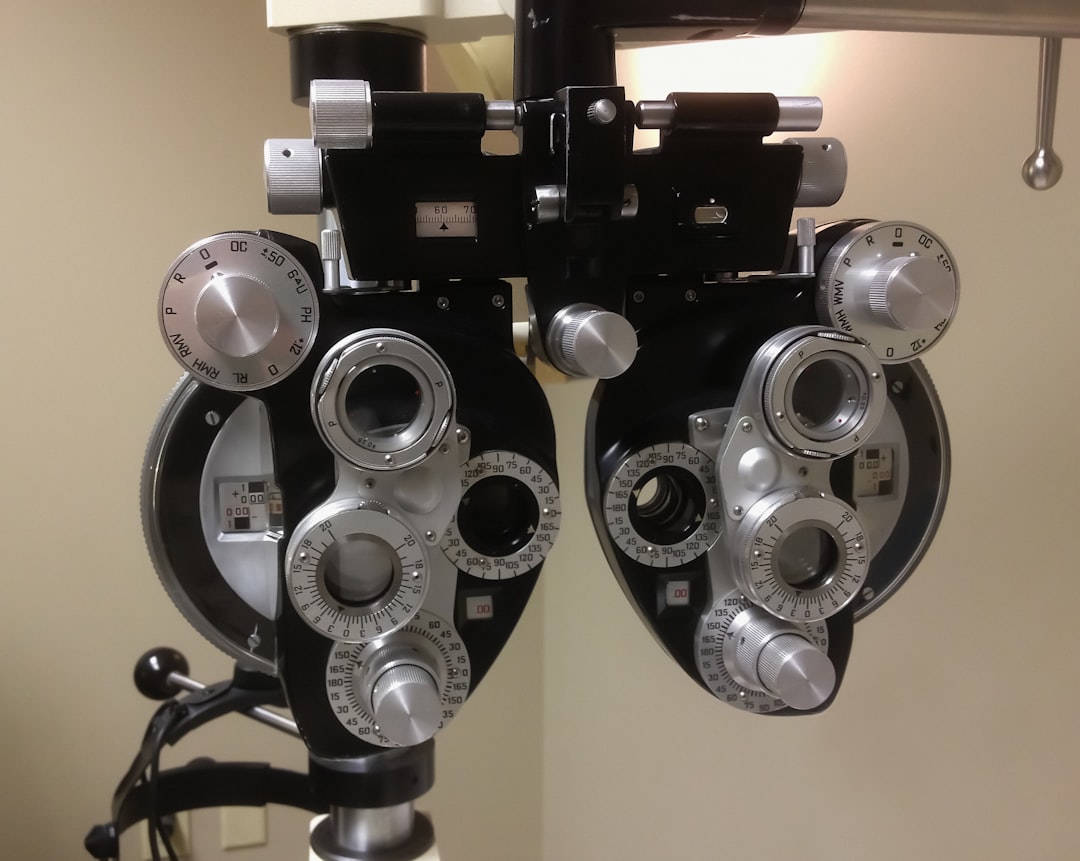
Vision training and therapy providers operate in a highly specialized market, where timing and relevance are crucial for capturing demand. Digital advertising platforms now make it possible to precisely reach optometrists, therapists, and decision-makers who are actively searching for solutions, ensuring that every impression and click is driven by real intent signals.
Modern targeting capabilities allow clinics and service providers to showcase high-value offerings, such as digital therapy sessions and eye health webinars, exactly when prospects are most likely to engage. This approach transforms the economics of vision therapy advertising by focusing resources on the most profitable audiences, those with strong buying signals and immediate needs.
Demand for vision training spikes around back-to-school screenings and pre-season sports physicals, and it can fall off just as fast once those windows close. Marketers who watch for these seasonal signals can shift messaging and budget within days rather than waiting for a monthly review, catching parents and athletic programs while the need is immediate. Reviewing Google Ads best practices helps keep that kind of rapid adjustment disciplined rather than reactive.
Comprehensive data integration completes the picture by connecting online advertising for eye care with offline appointment bookings and outcomes. When platforms provide unified analytics across digital channels and CRM systems, revenue teams see which campaigns are actually driving patient acquisition and long-term value. That visibility informs smarter budget allocation, sharper creative, and steady improvement in ROI across every vision training marketing initiative. To see how unified data can sharpen your clinic's marketing, get started for free with Sona.
Common Types of Google Ads Campaigns for Vision Training Services
Most vision training advertisers build their Google Ads presence from four campaign types: Search, Display, Video, and Performance Max, layering Remarketing on top once there's enough traffic to retarget. Responsive Search Ads are simply the standard ad format within Search campaigns, not a separate campaign type, so they're covered under Search below.

- Search Campaigns: Vision training providers achieve direct engagement by targeting users who are actively searching for services such as pediatric vision therapy, sports vision training, or neuro-optometric rehabilitation. Crafting campaigns with highly relevant ad copy, keyword segmentation, and conversion-optimized landing pages ensures these searchers find content tailored to their unique needs and stage in the decision process. Leveraging real-time visitor identification enables marketers to recognize both individual prospects and high-value companies, allowing for granular budget control and precise message alignment as intent signals shift.
- Display Ads: Maintaining brand visibility across industry-relevant sites is essential for long-term growth in the vision training market. Display advertising campaigns let clinics and therapy practices stay present throughout the research phase by reaching prospects as they consume eye care and health content online. Account-based engagement insights inform creative rotation and site selection, ensuring ads appear only to those accounts demonstrating meaningful engagement. By tracking which companies interact with display assets, marketers can shift focus to nurture the most promising leads and adjust creative for maximum relevance. For additional inspiration on display campaigns, review Google Ads best practices.
- Video Ads: Complex vision training services benefit from the storytelling and demonstration capabilities of video advertising. Video campaigns help clinics showcase treatment outcomes, walk viewers through therapy protocols, and build trust by featuring real client testimonials or expert clinicians. Connecting video engagement signals directly to account and visitor profiles enables marketing teams to identify which viewers are progressing from awareness to consideration, then deliver targeted follow-up campaigns that reflect their evolving interests.
- Remarketing: Remarketing campaigns give vision training providers a strategic edge by recapturing the attention of previous website visitors who engaged but did not convert. Personalized messaging, tailored to the user's stage in the patient journey, increases the likelihood of conversion by addressing specific concerns or interests observed during earlier site visits. Dynamic audience updates ensure that as leads move closer to booking an appointment or requesting a vision screening, ad creative and offers remain relevant. Integrating advanced conversion tracking allows teams to attribute results accurately, even as leads return through multiple channels, ensuring true ROI visibility for every remarketing effort.
Where to Find Growth Opportunities

Vision training providers uncover the strongest growth opportunities by aligning service offerings with granular, vertical keyword targeting. Identifying high-intent search phrases, such as “sports vision therapy for baseball players” or “pediatric vision training for reading challenges,” enables marketers to reach audiences who already demonstrate need and urgency. Analyzing search term reports and overlaying them with behavioral analytics helps pinpoint which service lines resonate most with engaged prospects. For further insight into effective Google Ads strategies for vision therapy clinics, review this actionable guide for vision therapy clinics.
Competitor analysis is a critical lever for discovering untapped service gaps and unmet patient needs. By auditing local and national competitors’ ad messaging, landing page focus, and content depth, marketers can identify areas where existing providers fall short. For example, if competitor clinics lack robust information on concussion rehabilitation services or offer generic training programs, positioning your offering with evidence-based content will fill that void. These insights allow marketers to refine their unique value proposition and address pain points that competitors overlook, attracting patients actively seeking more specialized or advanced care.
Growth also stems from placements in high-intent digital spaces where niche audiences gather. Forums and directories dedicated to vision care, such as sports vision communities or parent-focused learning disability groups, attract individuals actively researching or discussing solutions. Advertising on these platforms or sponsoring expert-led Q&A threads increases visibility among engaged segments.
Enhanced retargeting strategies further accelerate growth by nurturing potential patients as they progress through their decision-making journey. Delivering educational resources, such as “Vision Improvement Guidebooks” or live webinar invitations, to users who previously engaged with your content addresses their evolving questions and builds trust. With dynamic audience tools, as leads consume content or interact with specific service pages, retargeting lists update in real time to reflect their interests and buying stage. Integrating CRM and web analytics enables seamless sync of enriched audience segments into Google Ads, ensuring messaging and creative align with each prospect’s journey stage. This level of personalization helps vision therapy providers boost re-engagement rates and move prospects swiftly toward conversion. Ready to transform your audience targeting and retargeting? Get started for free with Sona.
How to Apply Audience Segmentation for Vision Training

Audience segmentation is the foundation for effective vision training marketing. Dividing your prospects into distinct groups such as adult vision care and pediatric therapy enables you to craft messaging that speaks directly to their unique needs and motivations. Adults seeking vision rehabilitation after a concussion require different language, offers, and resources compared to parents searching for pediatric therapy to address reading challenges or developmental delays. Segmentation ensures that your advertising resonates deeply, driving higher engagement and ultimately, better conversion outcomes. For actionable steps on segmenting your audience in B2B marketing, explore audience segmentation playbooks.
To capture intent beyond traditional demographics, overlay behavioral signals like interest in workshops, digital assessments, or online consultations. These indicators highlight where prospects are in their decision journey, allowing you to adjust ad content accordingly. When a visitor interacts with a therapy webinar or downloads an athlete training guide, their actions signal readiness for more tailored outreach. Modern platforms enable marketers to identify these behaviors in real time, shifting spend to the most promising accounts and accelerating movement through the funnel. For specific Google Ads strategies tailored to vision therapy clinics, consider these effective Google Ads strategies for vision therapy clinics.
Creating ad groups tailored to each audience segment is crucial for maximizing relevance and ROI. This approach allows you to adapt creative assets and allocate budgets according to the opportunity size and conversion potential of each group, rather than applying a one-size-fits-all strategy that dilutes impact. Dynamic audience lists ensure your campaigns remain current as leads engage with your content, with segments automatically updating as users move from initial interest to scheduled appointments or completed assessments. Real-time adaptability is possible by leveraging Sona, which keeps your messaging aligned with each prospect’s readiness to act.
Robust conversion tracking is essential for understanding which segments deliver the most value. By integrating your ad platform with CRM systems, you can capture both online and offline interactions across the full customer journey, from the first ad click to completed therapy sessions. This closed-loop attribution provides granular insight into which audience segments generate high-value appointments and recurring patients, equipping your team to optimize budget allocation and campaign focus. When audience data and lead enrichment sync seamlessly with your existing sales and marketing tools, your team gains a unified, actionable view that supports smarter decision-making and sustained growth in vision therapy advertising.
This is also where measurement changes the economics. With Sona Marketing Measurement you can identify the companies and organizations behind your ad clicks, not just anonymous sessions, and segment audiences by who actually becomes a customer. That lets you build bid adjustments and audience signals around the segments that convert and de-prioritize the ones that don't, so you feed Google's algorithms "this click became a paying vision training customer" instead of just "someone filled out a form."
Keyword Strategy & Sample Target Terms
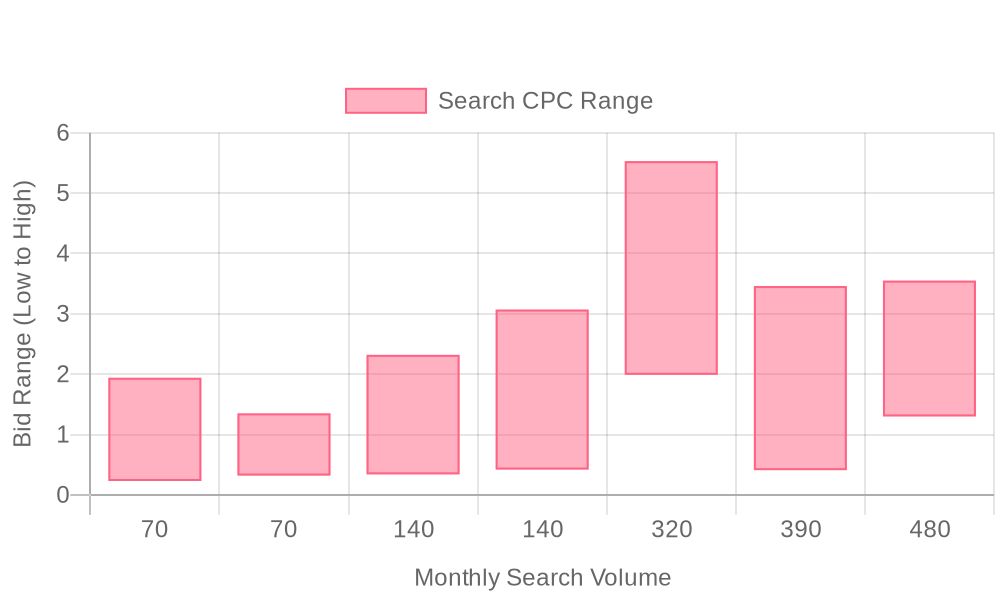
| Industry | Keyword | Monthly Search Volume | Competition Level | Low Bid | High Bid |
| Vision Training | hand eye coordination trainer | 70 | HIGH | 0.23 | 1.94 |
| Vision Training | eye training glasses | 70 | HIGH | 0.32 | 1.35 |
| Vision Training | hand eye coordination training | 140 | MEDIUM | 0.34 | 2.32 |
| Vision Training | baseball vision training | 140 | MEDIUM | 0.42 | 3.07 |
| Vision Training | sports vision training | 320 | LOW | 1.99 | 5.53 |
| Vision Training | vision training | 390 | LOW | 0.41 | 3.46 |
| Vision Training | eye training | 480 | LOW | 1.3 | 3.55 |
Establishing a disciplined keyword strategy is foundational for vision training and optometry practices aiming to maximize Google Ads performance. Effective keyword selection ensures every advertising dollar addresses the most relevant user intent, connecting specialized services with in-market audiences. Professionals in this sector benefit from a structured approach to keyword research, segmenting terms by commercial, transactional, and informational intent to match the nuanced needs of prospects, whether they are parents seeking pediatric vision therapy, athletes exploring sports vision enhancement, or adults searching for online vision training solutions.
Prioritizing high-conversion terms like “vision training online courses,” “optometry services near me,” and “pediatric vision therapy” enables clinics and training providers to capture demand from potential patients or clients ready to act. Supplementing these with lower-funnel keywords such as “book vision assessment” or “schedule eye exam online” helps drive direct conversions, while broader discovery terms like “how does vision therapy work” support upper-funnel awareness and remarketing strategies. Using data-driven platforms to categorize and continuously refresh keyword lists based on real-time search trends and performance metrics ensures campaign relevance and efficiency.
Vision training providers leveraging unified data solutions can take their approach further by identifying which specific keywords trigger engagement from high-value accounts or organizations. This level of visibility allows marketers to shift spend toward intent-rich queries and away from generic, low-yield traffic. Dynamic audience sync ensures that as users interact with different keyword clusters, they are automatically moved into retargeting or nurture sequences tailored to their stage in the buying journey. With advanced attribution, practices can connect keyword-driven ad clicks to both online and offline patient outcomes, delivering a full view of campaign ROI and supporting smarter investment decisions across channels.
Ready to streamline your vision marketing? Get started for free with Sona.
Step-by-Step Campaign Execution Framework
Step 1: Build Targeted Keyword Lists
A successful Google Ads for Vision Training strategy begins with assembling targeted keyword clusters that reflect the full spectrum of vision therapy and eye health services. Marketers should group keywords by service lines, such as pediatric vision therapy, sports vision training, or vision rehabilitation, to anticipate high-potential traffic and ensure that every ad group aligns with distinct patient intent. Geographic modifiers like city names, “near me,” or neighborhood identifiers help localize campaigns, tapping into the seasonality and urgency of patient demand for eye care. Negative keyword filters further refine traffic, excluding irrelevant queries and preventing wasted spend on non-converting clicks.
By leveraging enriched data, marketers can pinpoint not just the search terms driving clicks, but the companies and individuals behind them. This granular insight transforms generic lists into dynamic, high-converting audiences, allowing teams to prioritize budget on segments with the greatest likelihood of booking a consultation or requesting information. For additional optimization guidance, explore Google Ads best practices for marketers.
Most vision training advertisers stop at keyword volume. The better move is layering in intent and identity signals: connecting website-visitor data and CRM records through Sona Marketing Measurement shows which search terms actually bring in accounts that convert, so budget and bids can shift toward those terms instead of the ones that merely rank high in volume.
Step 2: Develop Compelling Ad Copy
Ad copy must address audience pain points with tailored headlines that resonate at each stage of the decision process. For example, a parent searching for “vision therapy for reading issues” requires a distinct message from an athlete seeking “sports vision reaction drills.” Integrating unique selling propositions, such as certified therapists or proven outcomes, alongside trust signals like patient testimonials and professional accreditations, enhances credibility and motivates action. Dynamic ad features, such as location insertion or countdown timers, infuse relevance and urgency, driving higher engagement rates.
Teams can react to real-time audience behavior by shifting ad messaging and creative according to the latest audience data. As prospects engage across multiple touchpoints, audiences update dynamically, ensuring that copy remains relevant and personalized, whether the user is a first-time visitor or a returning lead moving closer to conversion. For therapists seeking step-by-step guidance on building effective ads, see this Google Ads guide for therapists.
Step 3: Design Effective Landing Pages
Every click should lead to a landing experience that delivers on the ad’s promise with clarity and trust. High-performing vision therapy landing pages feature prominent testimonials, case studies, and proof elements, seamlessly guiding users from curiosity to consultation booking. The transition from ad to landing page must be frictionless, with headlines and visuals mirroring ad copy to reinforce relevance.
Optimizing for mobile and desktop ensures that potential patients have a consistent, responsive experience regardless of device. Adaptable designs cater to diverse user behaviors, with clear calls to action and minimal distractions. Marketers benefit by identifying and segmenting visitors at the point of entry, enabling targeted retargeting and enriching the audience pool for future campaigns. For an in-depth look at how vision training impacts marketing outcomes, review this vision training program marketing analysis.
Step 4: Implement Data-Driven Optimizations
Continuous monitoring of conversion metrics keeps a vision training campaign honest. Teams should track form fills, calls, and downloads, then use those intent signals to adjust bids and messaging as they happen. Smart bidding strategies push that further, automatically directing spend toward the prospects most likely to book an appointment.
Importing CRM data completes the feedback loop, mapping online engagement to offline outcomes so you can see which campaigns actually drive patient acquisition and revenue. This closed-loop attribution lets marketers measure ROI with precision, sync enriched leads back into Google Ads and CRM platforms, and double down on the highest-performing audience segments. Performance Max campaigns, which pool Search, Display, and Video inventory into a single automated campaign, can extend that reach once your conversion data is solid enough to guide the algorithm; see Google's official Performance Max campaign guide. Ready to optimize your own vision therapy campaigns? Get started for free with Sona.
Sona Marketing Measurement closes the gap between clicks and revenue. It captures ad clicks with first-party measurement, ties them through UTM capture and ad-platform APIs to the actual record in your CRM, and reports ROAS by keyword and campaign instead of by last-click form fill. Feeding that revenue signal back into Smart Bidding and Performance Max compounds over time: the algorithms optimize toward booked vision training revenue, not cheap leads.
Tips on Expanding Your Vision Training Presence
Building a robust digital footprint in vision training requires more than sporadic advertising; it demands ongoing audience engagement and a dynamic, data-driven approach. Consistent educational content not only positions your brand as an authority but also fuels retargeting efforts that nurture potential clients throughout their decision journey. Explore proven strategies from the Google Ads best practices blog to optimize campaign performance, and discover additional insights on marketing analytics in our blog.
Leverage high-quality articles, webinars, and how-to videos to keep your audience engaged well beyond their first interaction. Using these assets for retargeting ensures that your messaging remains relevant, while real-time audience insights allow you to identify which segments are most likely to convert. Modern platforms now enable marketers to pinpoint which visitors are actively researching vision therapy or sports vision training, allowing for surgical precision in ad placements and budget allocation. By understanding in-market behavior, you can quickly pivot resources to focus on the highest-converting accounts, maximizing ROI and minimizing wasted spend.
Segmented audiences unlock significant upselling opportunities across vision services. By tailoring messaging to parents seeking pediatric vision therapy, athletes interested in sports vision optimization, or adults exploring post-concussion care, you ensure that each group receives timely, relevant communications. Platforms that dynamically update audiences based on real-time engagement and CRM data make it possible to re-engage leads as they move through the funnel, increasing the likelihood of cross-selling and long-term retention. Learn more about dynamic audience segmentation.
Strategic partnerships with vision associations and professional organizations are invaluable for expanding reach and building credibility. Collaborating on co-branded webinars or publishing joint research not only broadens your exposure within specialized circles but also signals trustworthiness to potential clients. These partnerships can also provide access to enriched contact lists, which, when synced with your ad platforms, facilitate highly targeted outreach efforts. For step-by-step tactics, review our playbooks.
Geographically tailored ads are essential for dominating local markets, especially given the regional nature of vision therapy demand. Analyze buying patterns and competitive landscapes to adjust your radius targeting, ensuring your ads appear in areas with the strongest intent signals. Advanced audience sync solutions can integrate enriched lead data, such as practice location, specialty, and engagement history, directly into your campaigns for seamless, hyper-local targeting. To capture high-value opportunities and outpace regional competitors, get started for free with Sona.
Beyond Google Ads: Winning the AI Answers Vision Training Buyers Now Trust
Paid search captures demand at the moment someone types a query. But a fast-growing share of vision training buyers no longer start at Google at all, they ask ChatGPT, Gemini, or Perplexity before they ever run a search, and Google's own AI Overviews increasingly summarize an answer above the traditional results. If your business isn't referenced in those AI answers, you're invisible at the exact moment buyers build their shortlist.
Sona AI Visibility shows where your business shows up across ChatGPT, Gemini, Perplexity, Google AI Overviews, and 10+ engines, and, much like a keyword report, which prompts actually send you buyers, so you can prioritize the ones that convert. Run the two together and you cover the entire buyer path: get cited where buyers research (AI Visibility), then prove which of that demand turns into booked revenue (Marketing Measurement).
Helpful resources
Conclusion
Vision training is a business of moments: the week before sports tryouts, the parent-teacher conference that surfaces a reading problem, the referral from a pediatrician. Google Ads, built around keyword precision, seasonal timing, and message match, lets a practice show up in exactly those moments instead of hoping for word of mouth.
The clinics that pull ahead won't be the ones spending the most on ads. They'll be the ones that know which keyword, which campaign, and which follow-up call actually turned a click into a booked assessment, and that keep feeding that answer back into their bidding.
Sona unifies that go-to-market data, identity resolution, intent signals, and marketing measurement, into one view of what's actually working. Start for free to see it against your own campaigns.
FAQ
What are the best Google Ads strategies for vision training?
The best strategies involve data-driven techniques, keyword and audience targeting frameworks, seamless alignment of landing pages and ad creatives, performance optimization techniques, and integration with other marketing channels.
How can I effectively use Google Ads for my vision therapy practice?
To effectively use Google Ads, focus on real-time audience segmentation, develop compelling ad copy, design effective landing pages, implement data-driven optimizations, and integrate with other marketing channels for a cohesive strategy.
What budget should I allocate for Google Ads in vision training?
Allocate your budget based on engagement patterns and historical conversion windows, focusing on periods where prospects show the highest intent, such as back-to-school seasons or sports tryouts.
Are there specific Google Ads courses for vision therapy?
There are no specific courses mentioned, but leveraging resources and best practices for Google Ads can help optimize campaigns for vision therapy.
How do I measure the success of Google Ads for vision training?
Measure success by using advanced conversion tracking that connects online ad activity with offline outcomes, ensuring campaigns drive actual patient appointments and revenue. Closed-loop attribution with CRM data helps in understanding the ROI.







