


A mounted whitetail or a restored trophy fish doesn't sell itself off a shelf, the client has to find the right taxidermist at the right moment, often months before an event or after a hunt when memories (and antlers) are still fresh. That makes taxidermy one of the more peculiar categories in Google Ads: intent spikes seasonally, buyers research extensively before calling, and the highest-margin work (museum-grade restoration, custom habitat mounts) rarely gets found through word-of-mouth alone. This guide walks through how to build, run, and measure Google Ads campaigns that turn that narrow, specialized demand into a steady stream of qualified bookings.
How to Generate Taxidermy Services Leads with Google Ads: A Step-by-Step Guide
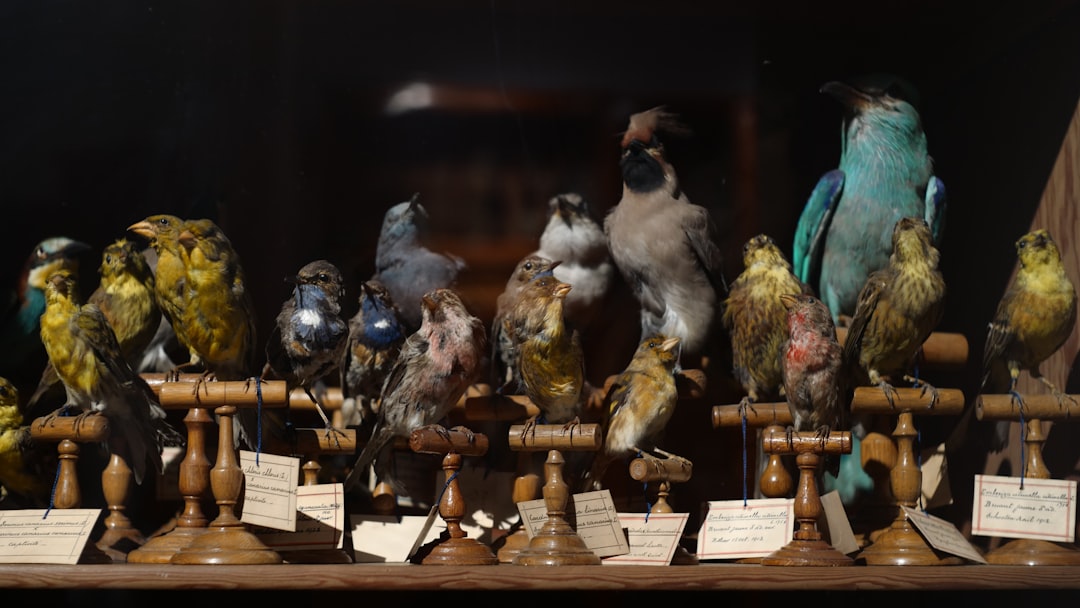
Effective taxidermy marketing strategies demand precision targeting and measurable outcomes, especially in a vertical where buyers may spend weeks researching before making contact. Google Ads for taxidermy services enables businesses to reach prospective clients at multiple touchpoints, align ad spend with real buyer intent, and build a consistent pipeline of qualified leads.
Online marketing for taxidermy takes more than basic PPC; it calls for unified data, real-time insights, and audience segmentation built around how differently museums, hunters, and collectors buy. Modern tools let marketers identify previously anonymous website visitors, track their engagement, and sync high-value leads directly into sales workflows, adding real efficiency to taxidermy business promotion.
To succeed with targeted ads for taxidermy, professionals must craft a cohesive Google Ads strategy that fits within their broader taxidermy advertising mix. This includes building tailored keyword lists, deploying campaign types that match client buying cycles, and utilizing conversion tracking to attribute results directly to marketing efforts. This builds on the strategies outlined in Google Ads ROI Playbook, where actionable tactics for maximizing campaign returns are explored.
By layering in tools that connect CRM data, website activity, and ad interactions, businesses can move beyond generic local taxidermy advertising and create highly personalized experiences for every stage of the funnel. This approach turns taxidermy services online into a measurable, repeatable engine for lead generation and client acquisition.
Why Does Google Ads Matter for Taxidermy Services?
Taxidermy businesses face the challenge of reaching a highly specialized audience that often searches for services only when the need arises, making timing and precision critical for effective outreach. Google Ads offers the unique ability to intercept these intent-rich moments, ensuring taxidermists appear prominently when potential customers are actively seeking solutions.
For taxidermy services with higher-margin offerings, such as custom mounts, restoration, or museum-grade work, digital channels can be a game-changer for driving qualified leads rather than passively waiting for referrals. Taxidermy marketing experts provide further perspective on how digital-first strategies outperform traditional word-of-mouth for niche industries.
Local visibility also becomes a strategic advantage with Google Ads, especially in under-served regions where competition may be limited but customer discovery is still driven by search. For more practical guidance on maximizing ROI from your campaigns, check out our guide on Google Ads ROAS. This approach ensures your marketing investment is focused on the prospects most likely to convert, leading to smarter demand generation and sustainable business growth.
Common Types of Google Ads Campaigns for Taxidermy Services
- Search Campaigns: Search campaigns are the foundation of online marketing for taxidermy, capturing high-intent prospects at the precise moment they look for services like "deer mount specialist near me" or "fish taxidermy Denver." These campaigns excel at intercepting local and regional customers who are ready to book, making them essential for driving qualified inquiries. With advanced visitor identification, marketers can move beyond anonymous traffic to pinpoint which companies or individuals are searching, allowing for more targeted follow-up and higher conversion rates. Sona's Identity Resolution helps taxidermy businesses identify high-value leads and enhance their search campaign performance.
- Display Campaigns: Display ads amplify taxidermy business promotion by visually engaging potential clients across top websites and industry-relevant forums. This approach builds brand familiarity, especially among hunting enthusiasts and collectors who may not yet be ready to convert. Leveraging real-time intent data, advertisers can dynamically shift spend to audiences showing active interest in taxidermy, ensuring that their display budget targets in-market prospects for maximum efficiency. Taxidermy Ad Strategies provides a deeper look at creative strategies for taxidermy business ads.
- Video Campaigns: Video ads are powerful for showcasing the artistry and precision behind taxidermy services, such as detailed restoration or custom mounting processes. By sharing educational content or client testimonials, taxidermists create emotional connections and trust. With dynamic audience updates, these campaigns can remarket to viewers who interact with video content, nurturing them through the buying journey as they show increased engagement.
- Remarketing Campaigns: Remarketing is indispensable for reconnecting with visitors who considered but didn’t book taxidermy services online. These campaigns remind previous site visitors of specific offerings, such as trophy preservation or pet memorials, serving tailored ads based on their browsing behavior. Enhanced conversion tracking allows seamless attribution of both online form fills and offline calls, giving marketers the data to refine retargeting and prove true ROI. We've covered best practices for driving high-impact retargeting in our Retargeting Guide.
- Ad Assets: Ad assets (formerly called extensions) improve local taxidermy advertising by adding essential credibility and context directly in search results. Features like location, call, and structured snippet assets display business hours, services, and reviews, encouraging immediate action from nearby searchers. When ad assets are synchronized with CRM data, they reflect real-time updates such as new service areas or special offers, providing the most relevant experience for every local lead.
Using a mix of these campaign types, taxidermists can build a comprehensive digital marketing strategy that captures intent, drives brand awareness, and maximizes conversion opportunities. As audiences move through the funnel, CRM and audience sync keep every ad dollar aligned with the highest-priority prospects, creating a closed-loop system for sustained revenue growth. Get started for free with Sona.
Where to Find Growth Opportunities?
Specialized taxidermy businesses unlock growth by targeting the vertical-specific queries general keyword lists miss. Search data often surfaces underused terms like "custom bird taxidermy," "trophy elk mounting," or "pet preservation taxidermist," phrases that signal a buyer close to commissioning work rather than someone just curious about the craft. Wordstream PPC Keyword Benchmarks is a useful reference for structuring this kind of long-tail approach.
Competitor gap analysis provides a strategic edge by uncovering service offerings or geographies not yet saturated by market leaders. By monitoring which keywords and placements competitors overlook, taxidermists can capture demand from emerging markets or underserved collector segments. Industry-specific placements on forums, hunting communities, and wildlife enthusiast sites extend reach to highly engaged users unlikely to be found on mainstream channels, increasing the efficiency of taxidermy business promotion.
Integrating conversion intent signals into Google Ads custom intent audiences refines targeting for PPC for taxidermy. For more insights on maximizing ad performance, check out our guide on Intent Retargeting.
Advertisers can prioritize users showing high engagement with relevant content, such as those researching taxidermy care tips or browsing trophy galleries. Platforms that unify website visitor data with CRM and behavioral signals let marketers dynamically update taxidermy advertising audiences, so budget goes toward leads most likely to convert. Solutions such as Sona's Identity Resolution support the identification and activation of high-potential segments, helping surface high-value accounts and sync them with targeted ads for taxidermy across every stage of the funnel.
How to Apply Audience Segmentation for Taxidermy Services
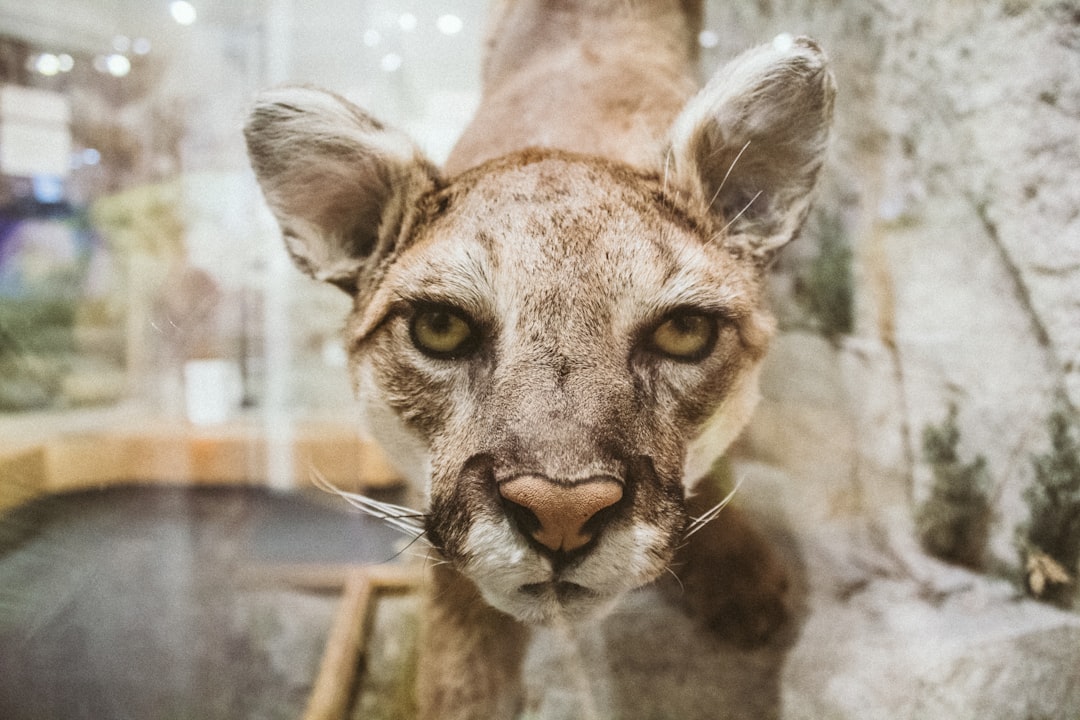
Modern taxidermy businesses thrive by tailoring their advertising to the unique needs of each customer segment. Whether targeting museums, individual hunters, or collectors, segmentation ensures each audience receives messaging and offers that resonate with their priorities and buying cycles.
Audience segmentation in google ads for taxidermy services starts by mapping out the most valuable client categories. For example, museums may require restoration or preservation work with a strong emphasis on heritage and compliance, while hunters are often interested in new mounts and fast turnaround. By structuring ad groups around these segments, marketers can control creative, landing pages, and bidding strategies for each vertical. For further details on ad group structuring, Google Ads Match Types provides a practical perspective.
- Segment By Service Interest: Divide campaigns into ad groups for restoration, custom mounts, and exotic species, allowing for tailored creative and budget allocation.
- Segment By Customer Type: Separate audiences such as museums, hunting lodges, and private collectors, adjusting value propositions and calls-to-action.
Technology now supports real-time identification of website visitors and intent signals, making it possible to dynamically update audiences as prospects interact with digital campaigns. Solutions such as Sona's Identity Resolution help uncover high-value visitor segments and automate audience movement based on behavioral signals.
Marketers using advanced segmentation can also sync enriched lead data directly into their CRM, ensuring sales teams see the full context of each opportunity. By connecting CRM and Google Ads audiences, businesses create a unified feedback loop that validates which segments drive real revenue, not just clicks. This alignment supports a more strategic approach to taxidermy marketing strategies and ensures that both online and offline conversions are tracked for true business impact. For more on refining your paid ad segmentation approach, see our guide on Intent-Driven Retargeting.
This is also where measurement changes the economics. With Sona Marketing Measurement you can identify the companies behind your ad clicks, not just anonymous sessions, and segment audiences by who actually becomes a customer. That lets you build bid adjustments and audience signals around the segments that convert and de-prioritize the ones that don't, so you feed Google's algorithms "this click became a paying taxidermy services customer" instead of just "someone filled out a form."
Keyword Strategy & Sample Target Terms
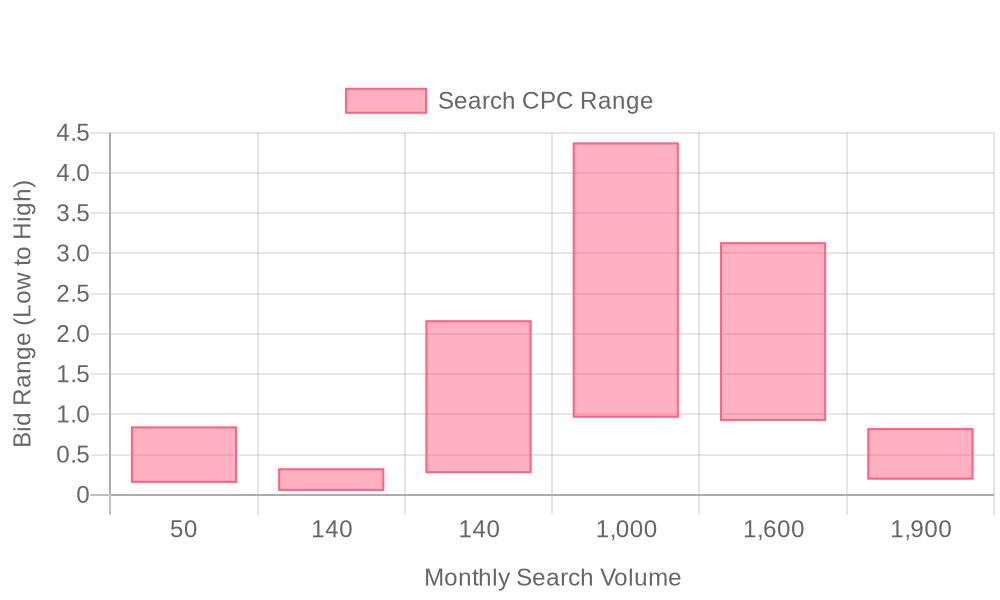
| Industry | Keyword | Monthly Search Volume | Competition Level | Low Bid | High Bid |
| Taxidermy Services | bird taxidermy supplies | 50 | LOW | 0.15 | 0.85 |
| Taxidermy Services | taxidermy equipment | 140 | LOW | 0.05 | 0.33 |
| Taxidermy Services | cleaning taxidermy | 140 | HIGH | 0.27 | 2.17 |
| Taxidermy Services | taxidermy near me prices | 1000 | LOW | 0.96 | 4.38 |
| Taxidermy Services | local taxidermist | 1600 | LOW | 0.92 | 3.14 |
| Taxidermy Services | bird taxidermy | 1900 | HIGH | 0.19 | 0.83 |
Effective keyword strategy for taxidermy advertising demands a balance between broad reach and precise intent. High-performing campaigns for Google Ads for taxidermy services start with a foundation of high-intent keywords that directly map to the services offered, such as "taxidermy advertising," "taxidermist near me," and "Google Ads tips for taxidermists." These search-driven phrases capture prospects who are already seeking solutions, maximizing click-through and conversion rates for local taxidermy businesses. One analysis in Wordstream PPC Keywords explores this further.
Geographic modifiers are essential for amplifying relevance and improving lead quality. Pairing primary terms with location-based keywords like "taxidermy services Denver" or "best taxidermist in Dallas" refines your audience to those most likely to convert. Negative keyword lists should be meticulously maintained to filter out traffic looking for unrelated topics, such as DIY taxidermy or taxidermy courses, preserving budget for valuable prospects. For more insight into refining paid campaigns, check out our guide on Google Ads ROI Guide.
Audience targeting becomes exponentially more effective as marketers move beyond keyword-based segmentation. By mapping real-time in-market behaviors and leveraging CRM data, you can dynamically update audiences as leads interact with your campaigns. Sona's Identity Resolution reveals which company accounts are researching taxidermy services online, enabling B2B teams to sync high-value prospects directly into their sales pipeline and prioritize spend on audiences most likely to convert.
Step-by-Step Campaign Execution Framework
Effective taxidermy marketing strategies begin with precise targeting and intelligent budget allocation, ensuring every campaign dollar addresses high-value prospects. Revenue teams who prioritize actionable insights and unified data flows consistently outperform those relying solely on basic Google Ads setups.
Step 1: Build Targeted Keyword Lists
Creating robust keyword lists for google ads for taxidermy services involves using both location-based and service-specific modifiers, such as "Denver trophy taxidermist" or "custom fish mounts near me." This granular approach limits wasted spend and hones in on audiences most likely to convert, especially for local taxidermy advertising. One analysis in Wordstream PPC Keywords explores how targeted keyword strategies can improve campaign results.
Dynamic audience segmentation evolves as leads interact with your content. As prospects move through the funnel, enriched data ensures search and display ads remain relevant, reflecting real-time changes in user behavior and intent. For more insights on identifying high-intent prospects, check out our guide on Precision Prospecting.
The upgrade most taxidermy services advertisers miss is going beyond raw keyword volume to layer in intent and identity signals. By connecting website-visitor data and CRM records with Sona Marketing Measurement, you can see which specific search terms bring in the accounts and customers that actually convert, and weight your keyword and bidding strategy toward those rather than the terms with the highest search volume alone.
Step 2: Develop Compelling Ad Copy
Compelling PPC for taxidermy ad copy should address unique audience pain points, such as the challenge of finding reliable, local expertise or concerns over preservation quality. Highlighting certifications, turnaround speed, and specialized skills builds trust. Use headlines that promise clear value, like "Museum-Quality Taxidermy, Delivered Locally," paired with concise descriptions that reinforce credibility and prompt action.
Ad copy effectiveness is amplified by leveraging behavioral insights and visit-level data. When marketing teams identify the exact companies visiting their site and understand their browsing intent, messaging can be tailored for each audience segment. PPC Ad Copy Tips shares industry benchmarks for writing high-performing PPC ad copy.
Step 3: Design Effective Landing Pages
Landing pages for taxidermy business promotion must mirror the promise of the ad that drove the click, minimizing friction and guiding visitors to clear calls to action. Optimized layouts feature service-specific offers, streamlined forms, and trust signals like client testimonials or professional memberships. Fast load times and mobile optimization are essential for capturing users researching taxidermy services online.
With enriched audience data, landing pages can dynamically adjust content to match the visitor's segment, location, or prior touchpoints, increasing engagement and conversion rates.
Step 4: Implement Data-Driven Optimizations
Ongoing optimization is the foundation of successful targeted ads for taxidermy. Smart bidding strategies leverage both online interactions and offline conversion data, allowing teams to quantify ROI from initial click to closed sale. Integrated analytics platforms provide a unified view of campaign performance, connecting ad spend to actual pipeline impact.
A/B testing headlines, images, and offers ensures campaigns continually improve. As leads progress from awareness to purchase, dynamic audience sync keeps Google Ads, CRM, and downstream sales systems aligned, eliminating data silos. This builds on the strategies outlined in Cold Outreach Strategies, empowering revenue teams to scale what works, reduce wasted spend, and drive consistent results in online marketing for taxidermy.
Sona Marketing Measurement closes the gap between clicks and revenue. It captures every ad click with first-party measurement, then ties that click through UTM capture and ad-platform APIs to the actual record in your CRM, and reports ROAS by keyword and campaign instead of by last-click form fill. Feeding that revenue signal back into Smart Bidding and Performance Max compounds over time: the algorithms optimize toward booked taxidermy services revenue, not cheap leads.
Tips on Expanding Your Taxidermy Services Presence
Expanding your taxidermy services presence requires a multi-pronged approach that blends education, retargeting, and data-driven personalization. Successful taxidermy advertising relies on maximizing every digital touchpoint to keep your brand top-of-mind and to convert engaged prospects into loyal clients.
Maximize your reach by deploying educational assets in your retargeting campaigns. Tailored ads that address specific concerns, such as "How to Care for Your Trophy Mounts" or "Choosing the Right Taxidermist for Big Game," help re-engage visitors who previously browsed your site but did not convert. By identifying exactly which services or pages these visitors viewed, you can deliver content that answers their objections and nudges them back into the funnel. Sona's Identity Resolution helps pinpoint high-value leads and create retargeting messages that align with their specific interests.
Upselling related services is most effective when guided by enriched CRM data. For example, if your CRM indicates a client recently commissioned a deer mount, targeted ads for habitat displays or restoration services can be dynamically synced with Google Ads. This ensures your highest-value clients see relevant offers at the right stage in their journey, turning a single commission into an ongoing relationship rather than a one-off transaction.
Building partnerships with industry associations and local hunting clubs amplifies your reach and credibility. Promoting joint webinars or exclusive offers through association channels can attract niche audiences that are already primed for your services. Geolocation targeting further enhances campaign relevance, ensuring that prospects in your service area receive hyper-local messaging and promotions, driving higher engagement rates. For more insights on campaign optimization, check out our guide on intent-driven retargeting.
These strategies, when powered by unified data and real-time audience insights, enable taxidermy businesses to cut through digital noise, nurture leads across channels, and consistently drive growth through targeted ads for taxidermy and local taxidermy advertising.
Beyond Google Ads: Winning the AI Answers Taxidermy Services Buyers Now Trust
Paid search captures demand at the moment someone types a query. But a fast-growing share of taxidermy services buyers no longer start at Google at all, they ask ChatGPT, Gemini, or Perplexity before they ever run a search, and Google's own AI Overviews increasingly summarize an answer above the traditional results. If your business isn't referenced in those AI answers, you're invisible at the exact moment buyers build their shortlist.
Sona AI Visibility shows where your business shows up across ChatGPT, Gemini, Perplexity, Google AI Overviews, and 10+ engines, and, much like a keyword report, which prompts actually send you buyers, so you can prioritize the ones that convert. Run the two together and you cover the entire buyer path: get cited where buyers research (AI Visibility), then prove which of that demand turns into booked revenue (Marketing Measurement).
Helpful resources
Conclusion
Google Ads works for taxidermy businesses when it's built around how this trade actually sells: long research cycles, seasonal spikes tied to hunting calendars, and a mix of walk-in hobbyists and high-value museum or collector clients who need very different messaging. Precise keyword targeting, ad copy that signals craftsmanship and turnaround speed, and landing pages that match the ad's promise all compound together rather than working in isolation.
The businesses that pull ahead in this niche won't be the ones spending the most, but the ones that tie ad spend to which leads actually become paying, high-margin clients, then keep feeding that signal back into their campaigns. Start there, and the calendar fills with the projects worth having.
FAQ
What are the best practices for Google Ads in taxidermy?
Best practices include precise targeting, using tailored keyword lists, leveraging conversion tracking, and integrating CRM data to create personalized ad experiences throughout the customer journey.
How can I create effective Google Ads for my taxidermy business?
To create effective Google Ads, focus on keyword strategies, segment audiences by service interest, develop compelling ad copy, and design optimized landing pages to ensure alignment with your ad messaging.
What keywords should I use for taxidermy Google Ads?
Use high-intent keywords that directly map to your services, such as 'taxidermist near me,' paired with location-based modifiers like 'taxidermy services Denver' to refine your audience.
How much should I budget for Google Ads in taxidermy?
Budgeting should align with your broader marketing strategy, focusing on high-value prospects and adjusting spend dynamically based on audience engagement and conversion potential.
What are the common mistakes to avoid in taxidermy Google Ads campaigns?
Avoid generic local advertising, failing to use dynamic audience segmentation, neglecting conversion tracking, and not optimizing ad copy and landing pages for specific audience needs.







