


A soda fountain that stops dispensing during a Friday dinner rush is not a minor inconvenience, it's lost revenue and an unhappy dining room, and the operator searching for a fix wants a technician now, not a brand to remember later. Google Ads is the tool that meets that urgency: it puts a repair business in front of restaurant owners, bar managers, and facility teams at the exact moment they're searching for help. This guide covers how to structure campaigns, target the right buyers, and connect ad performance to real service calls so repair businesses can turn search intent into booked jobs.
How to Generate Soda Fountain Repair Leads with Google Ads: A Step-by-Step Guide
Soda fountain repair businesses operate in a time-sensitive, high-stakes environment where every untracked lead can represent lost revenue and missed relationships. Precision in digital marketing is essential, as service buyers are often searching with urgent intent and expect a seamless, relevant connection with repair providers. For a beginner-friendly overview of Google Ads, review this introduction to Google Ads to better understand campaign setup and paid search fundamentals.
Advanced tracking tools help capture not just direct conversions but also the companies behind anonymous website visits, many of which represent commercial accounts like restaurant groups or food service management companies. Enriching CRM data with this company-level insight helps teams follow up with prospects who would otherwise stay invisible in the pipeline.
- Track unseen visitors: Identity Resolution reveals the companies behind anonymous website visits, turning passive research into an actionable lead. This matters for soda fountain repair providers, since a facility manager comparing vendors at 11pm rarely fills out a form on the first visit. Leverage website visitor intelligence to capture more of that traffic.
- Target decision-makers with keywords: Instead of relying on broad, generic keywords, focus on intent-driven phrases that reflect urgent needs, such as "emergency soda fountain repair" or "restaurant soda dispenser service." Filtering out cold traffic allows for budget to be allocated to audiences showing real purchase intent, improving cost efficiency and conversion rates.
- Align creative with audience intent: Tailor ad messaging and visuals to match the urgency and reliability expected by commercial operators. For example, campaigns can segment messaging for restaurant owners versus facility managers, ensuring relevance and increasing click-through rates.
- Optimize with cross-channel data: Consistent campaign optimization is vital. By analyzing performance data from multiple sources, teams can quickly identify which audience segments, keywords, and creatives are driving the highest ROI. Data unification platforms help synchronize these insights, allowing for smarter budget allocation and continuous improvement.
- Combine CRM and ad platforms: Integrating CRM with Google Ads ensures that enriched audience lists and high-scoring leads are automatically synced, allowing for dynamic retargeting and tailored nurture sequences. This unified approach closes the loop on attribution, providing a clear view into which marketing activities generate real business outcomes. For more, see how to integrate Sona with HubSpot CRM to streamline sales and marketing data.
For teams working retargeting hard, these tactics separate a missed opportunity from a closed deal in the soda fountain repair sector. Done well, Google Ads stops being a simple lead generator and becomes a channel that drives measurable revenue. If you're ready to take the next step, get started for free with Sona and upgrade your lead generation process today.
Why Google Ads Matter for Soda Fountain Repair Services Businesses
Google Ads delivers unmatched precision in reaching facility managers and business owners searching for soda fountain repair, capturing intent-driven leads while competitors rely on slower, less targeted channels. This immediacy positions soda fountain repair providers directly in front of the audience most likely to convert, which is critical in a market where downtime means lost revenue. For a beginner-friendly overview of Google Ads and its impact on service businesses, explore this Google Ads overview.
For high-margin commercial maintenance or urgent emergency repairs, visibility at the exact moment of need ensures service providers remain top-of-mind when purchasing decisions happen. Consistent messaging across search, display, and local service ads builds local trust, reinforces expertise, and increases the likelihood of repeat business.
Integrated data analysis transforms campaign management by tracking performance across channels, revealing which ad groups, keywords, and geographies yield the best ROI. By connecting ad data with CRM records, marketers can move beyond anonymous traffic, identifying which companies engage, and syncing enriched audiences back into Google Ads for smarter retargeting and more efficient spend. This holistic approach enables continuous optimization, helping repair businesses make confident investments that align with real lead quality and business growth.
Common Types of Google Ads Campaigns for Soda Fountain Repair Services
- Search Campaigns: Search campaigns capture high-intent prospects actively seeking immediate solutions, such as "emergency soda fountain repair near me." Targeting these queries lets repair providers intercept urgent needs and connect with buyers at their most ready to convert. Layering in real-time intent signals from unified go-to-market systems helps marketers prioritize budget for keywords driving real business outcomes, so each click is measurable and attributable to pipeline. For a beginner-friendly overview of Google Ads, check out this guide to Google Ads.
- Display Ads: Display campaigns support ongoing brand visibility by placing targeted visuals on websites frequented by restaurant decision makers and foodservice operators. This approach fosters top-of-mind awareness, especially for niche services like beverage equipment repair, where repeated exposure builds trust. When display audiences are dynamically updated based on CRM and website engagement, ad spend consistently reaches those most likely to need repair services soon, increasing efficiency and recall across touchpoints. Explore more actionable strategies in our marketing and sales playbooks.
- Video Ads: Video lets repair businesses show, not just claim, technical expertise, walking viewers through a common fault like a syrup line clog or a carbonation failure and building credibility with prospects unfamiliar with a given brand's work. Demonstrations like these ease the skepticism that comes with letting an unfamiliar technician near expensive equipment. Syncing viewers to broader B2B platforms keeps them in follow-up campaigns as they move toward a decision. Learn how to measure the impact of these campaigns with our guide to marketing influence.
- Remarketing: Remarketing reconnects with website visitors or leads who previously interacted with repair service pages but did not convert. This strategy keeps the brand present during extended research cycles, re-engaging prospects at critical decision points. Using advanced visitor identification tools, marketers can pinpoint companies showing renewed interest and deliver tailored messaging, closing gaps left by anonymous web traffic. If you want to automate follow-up after identification, explore the benefits of seamless data activation.
- Assets: Ad assets, such as location and call buttons, make it effortless for potential clients to initiate direct contact or find local service providers. These features reduce friction in the conversion process, capturing interest at its peak. When synced with enriched lead data from connected CRMs, assets can trigger personalized follow-up, ensuring no qualified inquiry is lost and every opportunity is measurable from click to closed ticket.
Where to Find Growth Opportunities?
Beyond Search, Display, Video, and Remarketing, Performance Max campaigns let repair businesses run a single campaign across Search, Display, YouTube, and Maps, using Google's automation to find in-market prospects. For a niche trade like soda fountain repair, where search volume is thin, Performance Max can surface demand that a narrowly scoped Search campaign would miss.
Precise targeting is essential for Soda Fountain Repair marketing teams seeking to uncover untapped demand. Vertical keyword strategies, such as targeting "commercial soda fountain maintenance" or "emergency beverage dispenser repair," deliver visibility in local searches where competitors are often absent. This approach maximizes budget efficiency and ensures your message reaches businesses actively searching for specialized repair services. For teams looking to identify who is visiting their website and gauge their intent, Sona can reveal high-potential leads and trigger actionable insights.
Moving beyond generic campaign tactics, a competitor gap analysis reveals overlooked segments and underserved regions. By identifying where other repair providers are failing to capture market share, such as after-hours repairs or multi-location service contracts, marketers can construct campaigns that fill those gaps with tailored offers. This data-driven process not only identifies expansion opportunities but also allows teams to deploy messaging and creative that directly address market pain points. Explore more on how to measure marketing's influence to ensure your efforts drive tangible business results.
Industry-specific placements are powerful for building credibility and trust. Advertising on restaurant equipment repair forums, food service blogs, and hospitality procurement platforms increases exposure among decision-makers seeking reliable partners. These niche environments foster direct engagement, helping to educate potential clients on your expertise and reliability. For an overview of effective local advertising, visit this Google Ads overview.
Content retargeting captures missed opportunities by re-engaging users who interacted with your site or ads but did not convert. By layering in behavioral data and intent signals, marketers can dynamically segment audiences, ensuring that follow-up messaging aligns with the user's stage in the buying journey. When platforms sync audience and conversion data across systems, it's possible to seamlessly retarget high-value leads in Google Ads, align messaging in email campaigns, and deliver personalized follow-ups through CRM integrations. This unified approach transforms one-time visitors into long-term customers and uncovers revenue streams that generic retargeting often misses.
How to Apply Audience Segmentation for Soda Fountain Repair Services
Audience segmentation forms the foundation of effective digital advertising for soda fountain repair services. By identifying and targeting distinct customer groups, marketers increase message relevance and drive higher conversion rates. For more industry strategies, explore the Sona blog.
- Define Segments: Soda fountain repair businesses serve a dynamic range of clients including restaurants, bars, event venues, and hospitality companies. Each segment has unique pain points: restaurants may focus on minimizing downtime during lunch rushes; bars might prioritize late-night equipment reliability; event spaces could require on-call emergency repair. Segmenting these audiences allows marketers to tailor messaging and offers, ensuring that advertising resonates with each group's operational realities. Audience segmentation also supports budget allocation, as high-value or high-frequency clients can be prioritized for more aggressive campaigns. Learn how precise audience intelligence can help you tailor campaigns across unique client groups.
- Overlay Intent Signals: Not all repair needs are equal, some clients seek urgent, same-day fixes while others plan regular maintenance cycles. Incorporating real-time intent signals, such as recent search activity or website engagement, enables marketers to identify buyers with immediate needs. By overlaying these signals with audience segments, campaigns can shift spend toward high-intent prospects, maximizing both lead quality and cost efficiency. Platforms with advanced data capabilities allow for dynamic intent overlays, so sales teams can focus on accounts most likely to convert.
- Create Ad Groups by Segment: Building dedicated ad groups for each customer segment ensures that messaging, keywords, and landing pages align with the specific requirements of each audience. For example, ad copy for restaurant owners can emphasize fast response times and certified technicians, while ads for event venues highlight flexible scheduling and emergency support. This granular approach increases Quality Score, reduces wasted spend, and improves user experience. With unified CRM and ad platform integrations, marketers can dynamically update audiences as leads move through the funnel, ensuring campaigns stay relevant and timely. For those new to Google Ads, this Google Ads overview provides a helpful starting point for effective campaign structure.
- Validate Conversion Paths: Tracking and attribution are essential for closed-loop marketing in the soda fountain repair niche. Immediate lead follow-up is facilitated by seamless data flows between ad platforms and CRM systems. By syncing enriched lead data directly into tools like Google Ads and Salesforce, teams can monitor every step from ad click to service booking, capturing both online and offline interactions. This level of visibility enables revenue teams to refine targeting, eliminate friction in the sales process, and measure true ROI across their entire funnel. For businesses relying on local service ads or PPC for beverage equipment repair, robust conversion validation ensures every opportunity is captured and attributed accurately, supporting ongoing optimization.
This is also where measurement changes the economics. With Sona Marketing Measurement you can identify the companies and buyers behind your ad clicks, not just anonymous sessions, and segment audiences by who actually becomes a customer. That lets you build bid adjustments and audience signals around the segments that convert and de-prioritize the ones that don't, so you feed Google's algorithms "this click became a paying soda fountain repair services customer" instead of just "someone filled out a form."
Keyword Strategy & Sample Target Terms
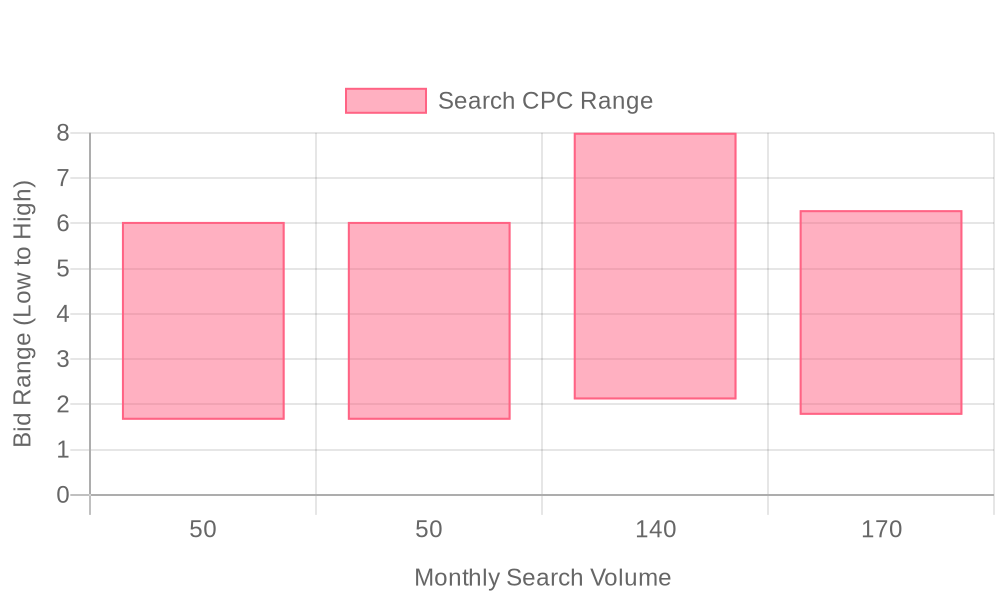
| Industry | Keyword | Monthly Search Volume | Competition Level | Low Bid | High Bid |
| Soda Fountain Repair Services | fountain drink machine repair | 50 | LOW | 1.66 | 6.03 |
| Soda Fountain Repair Services | fountain soda machine repair | 50 | LOW | 1.66 | 6.03 |
| Soda Fountain Repair Services | soda fountain repair near me | 140 | LOW | 2.11 | 8 |
| Soda Fountain Repair Services | fountain soda machine repair near me | 170 | LOW | 1.77 | 6.29 |
Capturing the right search intent drives qualified leads and maximizes the effectiveness of digital campaigns for soda fountain repair services. Precision in keyword targeting ensures your ads appear in front of local business owners, restaurant managers, and hospitality professionals who are actively seeking urgent repair solutions.
- Local intent keywords: Using search terms like "soda fountain repair services near me" and "best soda fountain repair services" connects your campaign with high-conversion, location-based searches. These keywords appeal directly to decision-makers who need immediate assistance, resulting in higher click-through rates and lower acquisition costs.
- Negative keywords: Adding negative keywords eliminates irrelevant traffic, such as people searching for DIY repair guides or soda fountain parts unrelated to your services. This step helps preserve ad budget and maintains audience quality, allowing only genuine prospects to enter your funnel.
- Long-tail and service-specific phrases: Incorporating phrases such as "emergency soda fountain repair for restaurants" and "commercial beverage dispenser technician" targets niche, high-value segments. This granular approach attracts leads with specific needs, increasing the likelihood of conversion.
- Geo-targeted modifiers: Including city names, neighborhoods, or regional landmarks in your keyword lists (e.g., "Chicago soda fountain repair," "Manhattan beverage equipment service") further aligns your ads with in-market buyers and ensures budget is spent locally.
By integrating real-time visitor identification and intent data, marketers can refine their keyword lists based on observed behaviors and firmographic attributes of visitors. This approach transforms static targeting into a dynamic engine: as prospects demonstrate active interest or move through the sales funnel, audience segments and keyword priorities update automatically. CRM and ad platform sync ensure that enriched lead and customer data from every touchpoint inform your ongoing keyword optimization, keeping campaigns tightly aligned with business goals and sales-ready accounts. For more on refining post-click engagement, explore retargeting strategies.
Step-by-Step Campaign Execution Framework
A structured campaign execution framework enables soda fountain repair service providers to reach highly-qualified prospects at the moments when service is most urgently needed. By aligning campaign setup with real-world operating rhythms and demand signals, marketing teams drive measurable impact, not just impressions. For a foundational understanding of paid campaigns, this Google Ads overview offers practical insights, while Sona's playbooks provide actionable strategies tailored to specialty service providers.
Soda fountain repair is a niche, time-sensitive business where intent-rich queries signal immediate need. Tailoring your paid search approach to these realities ensures your spend prioritizes high-value leads and maximizes conversion efficiency. For marketers ready to optimize their attribution and campaign measurement, the importance of accurate revenue attribution can't be overstated in such a specialized market.
Step 1: Build Targeted Keyword Lists
- Cluster by service type with local modifiers and seasonality considerations: Start by segmenting keyword lists for each core service: "soda fountain repair," "beverage dispenser maintenance," or "restaurant equipment emergency service." Attach local modifiers to each cluster, such as "near me," neighborhood names, or city-specific terms. Adjust for seasonality by prioritizing keywords like "summer soda fountain repair" or "holiday beverage machine maintenance" when restaurants and venues experience peak demand.
- Leverage intent signals to respond dynamically to market needs and capture emerging demand: Monitor real-time search trends and adjust keyword bids as new high-intent queries emerge. Sona surfaces intent signals that show which companies or individuals are searching for urgent repair help versus routine maintenance. This allows for dynamic allocation of budget toward accounts most likely to convert now, rather than spreading spend across lower-intent segments.
Sophisticated platforms also enable marketers to pinpoint previously anonymous website visitors, matching them to company data and CRM records. This deep visibility allows for precise audience intelligence: as leads express urgent in-market behavior, such as repeat visits to repair service pages or request-a-quote forms, audiences automatically refresh, ensuring ads reach the most engaged prospects. When integrated with CRM and ad platforms, enriched audience lists sync seamlessly, powering retargeting and lookalike segments that reflect real purchase readiness rather than static demographic traits.
The upgrade most soda fountain repair services advertisers miss is going beyond raw keyword volume to layer in intent and identity signals. By connecting website-visitor data and CRM records with Sona Marketing Measurement, you can see which specific search terms bring in the accounts and customers that actually convert, and weight your keyword and bidding strategy toward those rather than the terms with the highest search volume alone.
Tips on Expanding Your Soda Fountain Repair Services Presence

Growing a soda fountain repair business requires a multifaceted approach that goes beyond traditional advertising. Strategic partnerships and actionable data insights ensure your brand reaches decision-makers at the exact moment they need specialized repair services.
- Leverage restaurant industry associations: Build relationships with restaurant and hospitality associations to access their extensive member networks. By positioning your services as a trusted solution within these networks, you can proactively mitigate customer churn and surface new client opportunities. For more context on the historical link between soda fountains and the restaurant and pharmacy industry, see the connection between pharmacists and soda fountains. This approach not only increases your visibility among restaurant owners and operators but also accelerates referrals from industry peers, making your outreach more efficient.
- Use search query data for content strategy: Analyze search queries from Google Ads for Soda Fountain Repair Services to reveal exactly what potential clients are seeking. These insights help craft highly relevant, intent-driven content that directly addresses customer pain points and frequently asked questions. By creating a feedback loop, where campaign data informs blog posts, landing pages, and case studies, you reinforce your expertise and keep your brand top-of-mind throughout the buyer journey.
- Complete the marketing cycle with actionable feedback: Continuously monitor which content assets attract the highest-quality leads and drive meaningful engagement. By integrating offline sales data and CRM outcomes with your content analytics, you can close the loop on attribution and measure true ROI. This unified view empowers you to refine your messaging, allocate budget to the channels and topics with the highest impact, and scale your presence in the beverage equipment repair market.
Beyond Google Ads: Winning the AI Answers Soda Fountain Repair Services Buyers Now Trust
Paid search captures demand at the moment someone types a query. But a fast-growing share of soda fountain repair services buyers no longer start at Google at all, they ask ChatGPT, Gemini, or Perplexity before they ever run a search, and Google's own AI Overviews increasingly summarize an answer above the traditional results. If your business isn't referenced in those AI answers, you're invisible at the exact moment buyers build their shortlist.
Sona AI Visibility shows where your business shows up across ChatGPT, Gemini, Perplexity, Google AI Overviews, and 10+ engines, and, much like a keyword report, which prompts actually send you buyers, so you can prioritize the ones that convert. Run the two together and you cover the entire buyer path: get cited where buyers research (AI Visibility), then prove which of that demand turns into booked revenue (Marketing Measurement).
Helpful resources
Conclusion
Google Ads works for soda fountain repair when it's built around how these buyers actually search: urgently, locally, and often at the worst possible moment for their business. Targeted keywords, ad copy that speaks to that urgency, and campaigns tuned with real performance data turn that search behavior into booked service calls rather than wasted clicks.
The businesses that win this market treat Google Ads as one part of a larger system: paid search for immediate intent, AI visibility for the growing share of buyers researching through ChatGPT and Gemini before they ever type a query, and measurement that ties ad spend to which accounts actually became paying customers. Building that system now, rather than after a competitor does, is what determines who gets the call the next time a fountain goes down mid-shift.
FAQ
How can I set up Google Ads for my soda fountain repair business?
To set up Google Ads for your soda fountain repair business, start by reviewing an introduction to Google Ads to understand campaign setup and paid search fundamentals. Then, build targeted keyword lists, integrate CRM with ad platforms, and use advanced tracking tools to capture high-value leads.
What are the best keywords for Google Ads in the soda fountain repair industry?
The best keywords are intent-driven phrases like 'emergency soda fountain repair' and 'restaurant soda dispenser service,' as well as local intent keywords such as 'soda fountain repair services near me.'
How can I target local customers with Google Ads for soda fountain repair services?
Target local customers by using geo-targeted modifiers in your keyword lists, such as including city names, neighborhoods, or regional landmarks, and by aligning your ad campaigns with local search trends and seasonality.
What is the cost-effectiveness of Google Ads for a small soda fountain repair business?
Google Ads can be cost-effective by filtering out cold traffic and focusing on high-intent keywords and precise audience segmentation, which improves cost efficiency and conversion rates.
How can I track and measure the success of my Google Ads campaign for soda fountain repair services?
Track and measure success by integrating CRM data with Google Ads, using advanced tracking tools for visitor identification, and continuously optimizing campaigns with cross-channel data to see which strategies drive the highest ROI.







