


A septic tank backing up is not a problem that waits for business hours, and the businesses that show up first in the search results are usually the ones that get the call. Google Ads matters in this trade precisely because demand is urgent and time-bound: a homeowner with a failing tank searches, clicks, and books within the hour, often with whoever answers first. Missing those high-value prospects because leads go untracked means lost jobs and frustrated customers. Google Ads closes that gap, connecting top-of-funnel visibility to bottom-funnel conversion so a business can catch decision-makers at the moment they need septic service and turn them into paying customers. This guide covers how to use Google Ads to build a dependable pipeline of leads, stronger ROI, and marketing that performs.
How to Generate Google Ads for Septic Tank Cleaning Leads: A Step-by-Step Guide
Septic tank cleaning companies face a narrow window to reach customers who are often dealing with an active problem: a backup, an odor, an inspection deadline tied to a home sale. Efficient use of Google Ads turns that urgency into a reliable pipeline of booked appointments, especially when campaigns are built on local market data rather than guesswork. Companies that adopt advanced targeting and real measurement consistently outperform those still running on intuition or generic ad copy.
A high-performing lead generation strategy for septic tank cleaning depends on aligning Google Ads campaigns with a broader marketing framework. This integration maximizes the impact of every advertising dollar and ensures that digital spend translates into measurable business outcomes. Professionals who connect their Google Ads efforts with robust attribution, audience enrichment, and intent data see better engagement from prospects and higher conversion rates. For a deeper dive, Google Ads best practices provides actionable tactics to improve campaign results.
- Formulate A Data-driven Approach: Many septic tank cleaning businesses struggle to capture quality leads because their Google Ads campaigns run in isolation from the rest of their marketing. A data-driven approach starts by identifying the most valuable segments, combining local SEO for septic cleaning with visitor identification and intent analytics. When marketers can see not just clicks but the companies and decision-makers visiting their site, they can prioritize hot accounts and trigger targeted follow-up. Sona's Identity Resolution supports this by recognizing and prioritizing high-value website visitors for outreach.
- Keyword And Audience Targeting: Generic targeting wastes budget and draws in unqualified leads that rarely convert. For septic service marketing, success lies in tailoring keyword lists to reflect the technical language and urgent needs of the industry: terms like "septic tank maintenance," "septic pumping emergency," or "residential septic repair." Modern platforms allow marketers to dynamically update target audiences as leads move through the funnel, ensuring advertising efforts focus on high-intent prospects who are most likely to need immediate service. Real-time behavioral signals, such as recent site visits or high-value page engagement, enable revenue teams to reallocate Google Ads budget toward accounts demonstrating strong purchase intent.
- Optimize Landing Pages And Creative Content: Delayed or manual responses can allow competitors to capture valuable leads. Optimizing landing pages with clear calls-to-action, trust badges, and relevant testimonials increases conversion rates from PPC for septic services. Integrating creative consistency across ads and landing pages builds trust and keeps messaging on point. Septic marketing tips offers further examples of how optimizing creative assets can drive conversions. Advanced conversion tracking, including both online form fills and offline phone calls, provides a complete view of ROI and enables teams to refine campaigns based on actual revenue rather than just click metrics.
- Implement Cross-channel Marketing: Relying solely on Google Ads often limits reach and engagement. Integrating septic tank advertising with social media, email, and other digital channels amplifies the frequency and impact of each message. Cross-channel coordination also allows marketers to reinforce their value proposition at every stage of the customer journey. We’ve covered best practices for syncing enriched audience segments in our cold outreach guide, highlighting how cross-platform targeting can increase lead generation and drive more appointments for field teams.
Why Does Google Ads Matter for Septic Tank Cleaning
Modern septic tank cleaning services operate in a market defined by urgency and specificity. Customers searching for emergency pumping or maintenance solutions are ready to act, making every moment of visibility a critical opportunity to secure high-value leads. Google Ads gives septic businesses the means to be instantly discoverable when prospects' needs peak, ensuring that no urgent inquiry goes unanswered.
Speed of engagement directly impacts revenue in this industry. While SEO and broader brand-building channels gradually nurture awareness, Google Ads delivers immediate exposure to buyers who are already searching for solutions. Septic tank cleaning companies can leverage this channel to intercept demand at its source, minimizing response time and capturing customers before competitors even appear in the conversation. Septic Google Ads strategies provides a deeper look at this trend.
Precision targeting is essential in septic service marketing, where missed clicks equate to lost revenue. Google Ads enables teams to segment audiences by location, intent, and urgency, ensuring budgets are allocated to those most likely to convert. When this targeting is augmented with real-time data and advanced funnel analytics, companies can follow each click from ad to conversion, refining budgets and messaging as new insights emerge. This builds on the strategies outlined in Google Ads ROI guide, helping marketers optimize every dollar spent.
Common Types of Google Ads Campaigns for Septic Services
- Search Campaigns: In competitive septic tank cleaning markets, dominating high-intent keyword searches is critical. Targeting urgent needs ensures your business appears when customers are actively seeking solutions like emergency pumping or rapid septic repair. Responsive search ads, an ad format within Search campaigns, let you test multiple headlines and descriptions so Google can serve the combination most likely to convert. By analyzing real-time search intent and connecting it to unified prospect data, marketers can swiftly reallocate spend toward the highest-converting opportunities. This keeps campaigns agile, responsive to demand surges, and tightly aligned with true buyer urgency; Google Ads tips provides a deeper look at optimizing for these moments.
- Display Ads: Blanket display tactics rarely yield cost-efficient outcomes for septic businesses. Instead, leveraging segmented display placements allows for nuanced messaging, tailoring visuals and copy to the needs of homeowners, property managers, or commercial accounts. Marketers who sync enriched company and contact data with Google’s display network can serve more relevant ads, reducing wasted impressions and driving engagement from segments most likely to convert. For more insights on segmentation and account-based strategies, check out our guide on website visitor intelligence.
- Video Ads: Video campaigns elevate septic service brands by visually demonstrating expertise, safety protocols, and customer outcomes. Educational content, such as explaining inspection processes or showing before-and-after cleaning results, not only boosts engagement but also shortens sales cycles. Integrating video view data with your lead database helps refine retargeting, ensuring follow-up ads reach those who have shown genuine interest in services, whether they watched a full process walkthrough or engaged with educational snippets.
- Remarketing: Remarketing is essential for capturing leads who previously interacted with your septic service website but did not convert. By tracking both online and offline behaviors, like web visits, phone inquiries, or on-site consultations, marketers can build dynamic audience lists that update as prospects move through the sales funnel. Solutions such as Sona Audiences support real-time audience syncing with ad platforms, enabling tailored and timely follow-ups that maximize ROI and provide a holistic campaign view.
- Performance Max: Performance Max campaigns pool inventory across Search, Display, YouTube, and Gmail into a single, goal-driven campaign, letting Google's bidding find septic customers wherever they're most likely to convert. This suits septic companies that want to capture both the homeowner searching for "emergency septic pumping" and the property manager browsing YouTube for maintenance contractors, without building and managing a separate campaign for each channel. Feeding it clean conversion data, especially which leads became paying customers, is what determines whether it finds more of the right prospects or simply spends faster.
Where to Find Growth Opportunities in Septic Tank Cleaning Marketing
Identifying growth channels in septic tank cleaning marketing requires a blend of precise targeting and ongoing campaign refinement. Revenue leaders can unlock new customer segments and improve ROI by leveraging advanced keyword strategies, competitive insights, and dynamic content distribution.
- Keyword Exploration: Businesses can uncover untapped demand by testing long-tail and localized keywords like "septic tank cleaning in [City]" or "emergency septic services near me." This approach aligns ad spend with high-intent searches and minimizes wasted budget on broad, generic terms. Google Ads tips provides actionable guidance on refining keyword targeting and maximizing ROI in service-based industries. Using enriched ad platforms, marketers gain visibility into which search queries drive actual conversions, allowing for more granular targeting. With unified data, campaign managers can track which keyword groups trigger actions from target accounts, adapt bidding strategies in real time, and ensure that every dollar reaches prospects most likely to engage.
- Competitor Gap Analysis: Growth often comes from identifying what others overlook. By analyzing competitors’ campaigns, marketers can reveal search terms, geographic regions, or service offerings that are underserved. This intelligence allows for the creation of tailored ads that fill these gaps, strengthening market share. For more insights on finding white space in crowded markets, check out our guide on cold outreach strategies. When campaign data from multiple sources is unified, teams can compare their performance directly against competitors, rapidly adjusting strategy as new gaps emerge or old opportunities close.
- Integration With Trade Platforms: Industry-specific directories and forums can drive relevant traffic that standard channels might miss. Placing ads or sponsored content on these platforms ensures visibility among potential customers actively seeking septic services. When audience data from these channels is integrated with digital advertising platforms, marketers can synchronize campaigns, retarget interested users across the web, and attribute offline inquiries back to the originating source.
- Content Retargeting: Engaging users who interact with educational resources, such as whitepapers or how-to guides, ensures that marketing reaches decision-makers doing in-depth research, often homeowners comparing quotes before a home sale inspection, or property managers researching compliance requirements. By tracking content engagement and linking it to on-site behavior, marketers can build dynamic retargeting audiences that update as prospects move closer to purchase. Sona's Identity Resolution helps marketers build and activate high-value segments for retargeting based on real engagement data. This approach not only increases conversion rates but also aligns follow-up ads with the specific interests and needs identified during earlier research. Integrating CRM data and enriched audience insights keeps follow-up timely and relevant, driving more efficient lead generation for septic tank cleaning services.
How to Apply Audience Segmentation for Septic Tank Cleaning
Audience segmentation transforms septic tank advertising from a broad, generic approach into a highly personalized engagement engine. By categorizing customers into distinct groups based on characteristics like property type or company size, septic service marketing campaigns achieve greater relevancy and drive more qualified leads. For example, residential clients often respond to scheduled maintenance reminders, while commercial property managers prioritize rapid compliance and emergency support. Distinguishing between these segments ensures messaging and offers land with maximum impact, reducing wasted ad spend and protecting brand reputation.
Overlaying real-time intent signals further refines targeting by identifying users who show behaviors consistent with buying or urgent service needs. Instead of relying on surface-level demographics, marketers can interpret in-market actions such as high-frequency website visits, request-for-quote submissions, or search queries for "emergency septic tank cleaning near me." Sona surfaces intent signals that enhance segmentation, enabling dynamic budget allocation to the most promising segments based on real-time data.
Creating segment-focused ad groups takes this precision to the next level. Each group receives tailored ad copy and landing page experiences specific to their needs, homeowners see education on system health and seasonal promos, while facility managers encounter messaging highlighting regulatory expertise and rapid dispatch. Budgets can be shifted between segments in real time, based on engagement and conversion data. ServiceTitan guide provides a deeper look at this trend and how enriched audience data can be integrated with CRM and ad platforms to maximize both efficiency and measurable ROI.
Proper conversion tracking is essential for closing the loop on these segmented campaigns. Connecting ad platforms with CRM enables precise attribution of both online and offline conversions, providing clarity on which audience segments and creative assets deliver tangible results. For more insights on optimizing spend and improving PPC for septic services, check out our guide on Google Ads ROAS. The result: a scalable, data-driven approach to targeting the right audience for septic ads, with fully measurable business outcomes at every stage.
This is also where measurement changes the economics. With Sona Marketing Measurement you can identify the companies behind your ad clicks, not just anonymous sessions, and segment audiences by which accounts actually become customers. That lets you build bid adjustments and audience signals around the segments that convert and de-prioritize the ones that don't, so you feed Google's algorithms "this click became a paying septic tank cleaning customer" instead of just "someone filled out a form."
Keyword Strategy & Sample Target Terms
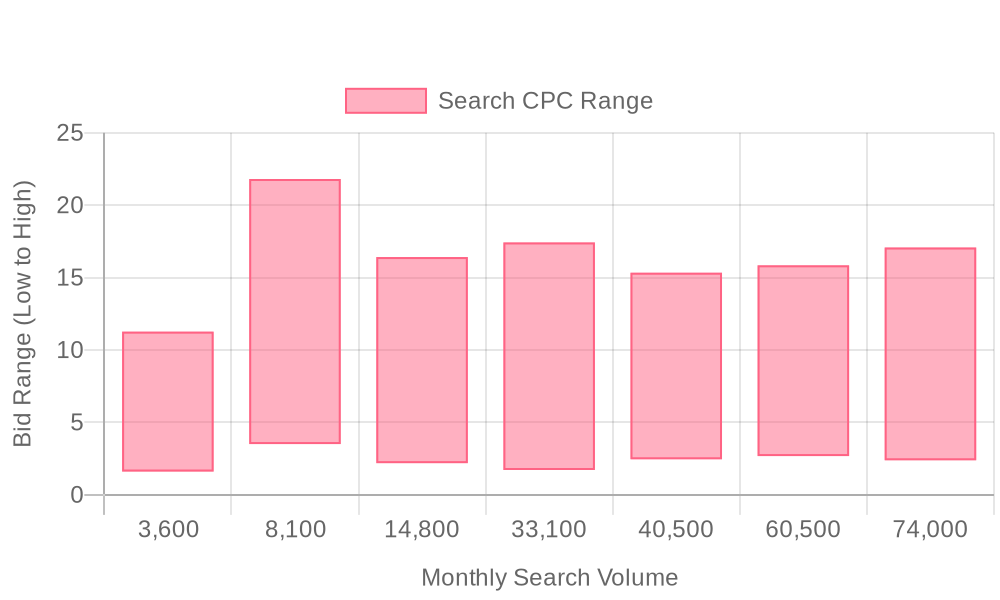
| Industry | Keyword | Monthly Search Volume | Competition Level | Low Bid | High Bid |
| Septic Tank Cleaning | cheapest septic tank pumping near me | 3600 | MEDIUM | 1.61 | 11.27 |
| Septic Tank Cleaning | septic cleaning near me | 8100 | MEDIUM | 3.51 | 21.81 |
| Septic Tank Cleaning | septic tank cleaning near me | 14800 | LOW | 2.19 | 16.42 |
| Septic Tank Cleaning | septic tank cleaning | 33100 | MEDIUM | 1.72 | 17.43 |
| Septic Tank Cleaning | septic tank pumping near me | 40500 | MEDIUM | 2.46 | 15.34 |
| Septic Tank Cleaning | septic pumping near me | 60500 | MEDIUM | 2.68 | 15.85 |
| Septic Tank Cleaning | septic tank pumping | 74000 | MEDIUM | 2.39 | 17.08 |
Modern septic tank cleaning providers must attract urgent, high-intent buyers in their local markets. A targeted keyword strategy is central to intercepting these prospects when they search for septic services, ensuring every marketing dollar focuses on conversion-ready clicks.
Precision targeting blends classic local modifiers ("septic tank cleaning near me," city names) with service terms like "septic tank pumping," "emergency septic repair," and "commercial septic services." The most effective campaigns, however, move beyond static targeting. By integrating predictive insights about buying phases, such as tracking repeat visits or service urgency, marketers dynamically refine audience segments and smart bidding approaches. One analysis in Google Ads for Septic Services explores how this ensures ad spend is automatically weighted toward prospects most likely to convert, optimizing CPA targets on the fly.
The strategic value of keyword selection goes beyond matching queries. Aligning keyword groups with immediate service needs, like "emergency septic tank cleaning," directly addresses prospects requiring urgent intervention. Layering in seasonality or property type (e.g., "residential septic tank inspection" or "fall septic maintenance specials") enables nuanced, highly relevant targeting. Platforms like Sona Audiences are designed to help unify ad data with CRM and web analytics, so marketers pinpoint not just which keywords drive traffic, but which deliver qualified leads and revenue. This unified approach transforms septic tank advertising from a cost center into a predictable lead generation engine.
Step-by-Step Campaign Execution Framework
Modern revenue teams understand that effective lead generation for septic tank cleaning demands a blend of precision targeting, compelling creative, and rigorous data analysis. Strategic use of online advertising for septic services ensures ad spend is concentrated on the highest-value prospects, driving measurable pipeline growth and superior ROI.
Each step in this framework is engineered for those who need tangible results from their PPC for septic services. By leveraging unified data and real-time insights, marketers can quickly prioritize accounts with in-market intent, personalize engagements, and continually refine campaign performance.
Step 1: Build Targeted Keyword Lists
Identifying the right keywords is foundational to any successful Google Ads campaign for septic tank cleaning. Start with a mix of service-specific terms, such as "emergency septic tank pumping," "septic cleaning company," and "local septic tank inspection," then layer in geo-modifiers for priority service areas. Because septic work spikes around real estate closings (many lenders require a septic inspection before sale) and after heavy rain or spring thaw when systems back up, build in seasonal and event-driven terms alongside the always-on emergency queries. Reviewing which regions and search intents correlate with booked jobs, rather than just clicks, lets marketers allocate the Google Ads budget for septic services more efficiently.
Audience refinement goes further when marketers use account-level data to see which organizations are visiting their site, not just anonymous clicks. Sona's Identity Resolution helps teams identify and segment high-intent visitors, making it easier to sync warm leads into Google Ads audiences and focus spend on prospects most likely to convert.
The upgrade most septic tank cleaning advertisers miss is going beyond raw keyword volume to layer in intent and identity signals. By connecting website-visitor data and CRM records with Sona Marketing Measurement, you can see which specific search terms bring in the accounts and customers that actually convert, and weight your keyword and bidding strategy toward those rather than the terms with the highest search volume alone.
Step 2: Develop Engaging Ad Copy
Ad copy must address urgent pain points and drive action. Effective septic tank advertising highlights what sets your service apart: "24/7 emergency cleanouts," "licensed and insured technicians," and "free consultation for new customers." Strong headlines paired with ad assets, like call buttons, location information, or service highlights, boost both visibility and trust.
Dynamic audience syncing ensures that as target accounts engage with content or move through your marketing funnel, ads update in real time. For more insights on keeping your messaging relevant as audiences shift, check out our guide on Intent-Driven Retargeting.
Step 3: Design Compelling Landing Pages
Landing pages should mirror ad messaging to create a seamless journey. Clarity and trust are critical: feature certifications, real customer testimonials, and clear calls to action such as instant quote forms or click-to-call options. Slow responses diminish lead value, so integrate instant lead routing and notifications to ensure no opportunity is missed.
When advanced attribution is in place, every conversion, be it a form fill, call, or offline sale, feeds directly into campaign reporting, allowing for granular optimization and accurate ROI measurement. Septic Marketing Strategies provides a deeper look at optimizing this experience for higher conversion rates.
Step 4: Implement Data-driven Optimizations
Consistent growth in septic service marketing requires a rigorous approach to optimization. Marketers should monitor both micro and macro conversions, evaluating which ads, keywords, and audiences produce the most valuable outcomes. Advanced bidding strategies, such as automated rules or intent-driven budget shifts, can rapidly scale top-performing segments while capping spend on underperformers.
Integrating offline sales and CRM data with ad platform metrics closes the loop on attribution, revealing the true impact of each touchpoint. As audiences and buyer behaviors evolve, real-time data ensures that every campaign adjustment is based on current intent and market signals, not outdated assumptions. This builds on the strategies outlined in Website Visitor Intelligence to maximize efficiency and position revenue teams to dominate in local SEO for septic cleaning and beyond.
Sona Marketing Measurement closes the gap between clicks and revenue. It captures ad clicks with first-party, company-level measurement rather than third-party cookies, ties that click through UTM capture and ad-platform APIs to the actual record in your CRM, and reports ROAS by keyword and campaign instead of by last-click form fill. Feeding that revenue signal back into Smart Bidding and Performance Max compounds over time: the algorithms optimize toward booked septic tank cleaning revenue, not cheap leads.
Tips on Expanding Your Septic Tank Cleaning Presence
Expanding your septic tank cleaning business demands a precise, insight-driven approach that elevates your visibility and keeps you top-of-mind with both new and existing clients. Executing a strategy rooted in data and audience intelligence helps you stand out in a market where most competitors still rely on generic outreach and untargeted campaigns.
- Leverage Educational Assets: Retargeting past website visitors with educational content, such as guides on septic maintenance or compliance updates, keeps your expertise front and center. This ensures prospects who showed initial interest in your septic tank cleaning services get timely, relevant follow-up, preventing cold leads and nurturing them back into the funnel. By identifying which companies and individuals engaged with your resources, you can personalize retargeting into a sequence that feels proactive and consultative. Sona's Identity Resolution helps you pinpoint and segment these engaged visitors for smarter follow-up.
- Upsell And Cross-sell Strategies: Segmentation enables you to deliver tailored messaging to customers who have already booked services like septic pumping or inspections. Instead of sending one-size-fits-all promotions, target specific segments (e.g., recent customers, property managers, or commercial clients) with offers for related services such as drain field repair or regular maintenance contracts. When your segmentation is enriched by real-time CRM and behavioral data, you can sync these dynamic audiences directly into your Google Ads for septic tank cleaning campaigns, ensuring each customer receives timely, relevant offers that maximize their lifetime value. Learn more at Google Ads best practices.
- Local Partnerships: Co-marketing with reputable local businesses, such as plumbing companies, real estate agencies, or environmental consultants, expands your reach and builds credibility. Joint webinars, referral programs, or bundled service packages introduce your septic cleaning brand to new audiences while also reinforcing trust among shared client bases. Coordinating these initiatives with consistent messaging across regional channels fosters a sense of community engagement and strengthens your authority in local SEO for septic cleaning.
- New Content Development: Search query data reveals what prospects are researching before they request a quote or book a service. Analyzing these insights allows you to identify content gaps and produce educational articles, checklists, or video explainers that address the informational needs of your target audience for septic ads. For more insights, check out our guide on intent-driven retargeting. Publishing this content not only captures leads who are still in the decision-making phase but also fuels your PPC for septic services campaigns with fresh, relevant landing pages that improve conversion rates and reduce wasted ad spend.
Beyond Google Ads: Winning the AI Answers Septic Tank Cleaning Buyers Now Trust
Paid search captures demand at the moment someone types a query. But a fast-growing share of septic tank cleaning buyers no longer start at Google at all, they ask ChatGPT, Gemini, or Perplexity before they ever run a search, and Google's own AI Overviews increasingly summarize an answer above the traditional results. If your business isn't referenced in those AI answers, you're invisible at the exact moment buyers build their shortlist.
Sona AI Visibility shows where your business shows up across ChatGPT, Gemini, Perplexity, Google AI Overviews, and 10+ engines, and, much like a keyword report, which prompts actually send you buyers, so you can prioritize the ones that convert. Run the two together and you cover the entire buyer path: get cited where buyers research (AI Visibility), then prove which of that demand turns into booked revenue (Marketing Measurement).
Helpful resources
Conclusion
The septic businesses that win the next few years won't just run better search campaigns, they'll be the ones whose measurement can tell Google which clicks turned into real jobs, and who show up when buyers ask an AI assistant instead of typing a search query. Put that data to work, and even a small book of business can compound into full schedules and steady growth.
Ready to take the next step? Start a free trial to see how Sona connects your Google Ads spend to booked septic jobs.
FAQ
What are the best practices for Google Ads in septic tank cleaning?
The best practices include using a data-driven approach, targeting specific keywords such as 'septic tank maintenance' and 'emergency septic repair,' optimizing landing pages, and integrating cross-channel marketing to maximize lead generation and ROI.
How much should I budget for Google Ads for my septic service?
Budgeting for Google Ads should be based on targeting high-intent keywords and audience segments, ensuring that each dollar spent focuses on prospects most likely to convert, thereby optimizing cost-per-acquisition targets.
What keywords should I target for septic tank cleaning ads?
Target keywords that reflect urgent needs and technical language in the industry, such as 'septic tank maintenance,' 'septic pumping emergency,' 'residential septic repair,' and include local modifiers like 'near me' or specific city names.
How can I measure the success of my Google Ads campaigns for septic services?
Success can be measured through advanced conversion tracking that includes both online form fills and offline phone calls, allowing for a complete view of ROI and enabling campaign refinement based on actual revenue.
What are common mistakes to avoid in Google Ads for septic tank cleaning?
Common mistakes include relying on generic targeting, not integrating campaigns with other marketing activities, and failing to use real-time data for precise audience segmentation and budget allocation.







