


Screen printing shops win new accounts by working two channels at once: the trade show floor and the search results page. Google Ads catches buyers, school athletic directors, event planners, corporate ordering managers, at the exact moment they type "custom t-shirt printing" or "bulk order screen printing near me," long before they'd ever find you through a mailer. Done well, it targets decision-makers using the industry's own vocabulary and tracks a lead from that first click through to the offline quote call or showroom visit, closing the usual gaps: missed high-value prospects and no visibility into who's browsing your site anonymously.
How to Generate Screen Printing Business Leads with Google Ads: A Step-by-Step Guide

Screen printing businesses thrive when their marketing connects with the right audience at the exact moment of need. Integrating Google Ads for Screen Printing Businesses into your digital marketing mix unlocks a direct path to high-intent buyers, ensuring your services appear in front of decision-makers searching for fast, reliable, and creative print solutions. For more strategies to elevate your marketing, explore the Sona blog.
Applying data-driven strategies to PPC for screen printing elevates your campaigns beyond simple lead generation. By using Sona's Intent Signals, you can prioritize ad spend on the prospects most likely to convert, driving steady increases in both volume and quality of leads. This approach helps revenue teams find valuable accounts that traditional targeting often misses, improving reach and efficiency at once.
- Keyword and Audience Targeting: Develop keyword lists focused on high-converting, industry-specific terms such as “custom t-shirt printing,” “bulk screen printing,” and “eco-friendly apparel decoration.” Combine this with dynamic audience targeting that reflects real-time buyer behaviors, so campaigns automatically adapt as leads engage with your brand across channels. When marketers can identify the companies visiting their site, even before a form fill, they gain an edge in personalizing outreach and speeding up lead capture.
- Landing Page and Creative Alignment: Success in Google Ads for Screen Printing Businesses depends on seamless alignment between ad messaging and landing page content. Modern solutions allow you to personalize landing pages for each audience, highlight service differentiation, and streamline the conversion path. This ensures high-intent prospects are captured efficiently, reducing wasted clicks and maximizing every marketing dollar.
- Performance Optimization and ROI Growth: Ongoing campaign management is essential for sustainable business growth. With enhanced visibility into both anonymous and known website traffic, you can continuously refine budgets, creative, and audience segments to improve cost per lead and increase overall ROI. Advanced conversion tracking, including integration of offline sales activities, enables you to attribute every sale back to its true source, providing a complete picture of marketing effectiveness.
- Channel Integration for Ecosystem Strength: Integrating Google Ads with CRM and marketing automation systems unifies your audience data, syncing enriched leads into platforms like HubSpot or Salesforce for consistent, up-to-date targeting. This approach not only reinforces brand presence across all channels but also streamlines campaign management, so every touchpoint, search, social, display, or email, works together to nurture prospects from initial contact to closed deal. Discover how to integrate Sona with HubSpot CRM to unify your data and supercharge demand generation.
This framework helps screen printing businesses transform their lead generation, pairing precise targeting with the flexibility and insight of unified marketing data. To streamline your marketing, get started for free with Sona.
Why Does Google Ads Matter for Screen Printing Businesses?

Screen printing businesses operate in a crowded marketplace where visibility and timing shape every revenue opportunity. High-intent buyers rarely wait, and when organizations need custom merchandise for events, team uniforms, or promotional campaigns, their search often starts on Google. Google Ads for screen printing businesses positions your brand in front of decision-makers at the exact moment demand spikes, capturing both urgent and long-term opportunities that generic outreach channels miss. For more strategies on boosting your marketing ROI, explore our blog hub for B2B marketing insights.
- Dealing with a Complex Audience: The decision-makers behind bulk apparel orders, business owners, operations leads, and procurement heads, often conduct anonymous online research before making contact. Google Ads enables screen printing businesses to intercept these key players early in their buying journey, even if they have not yet entered your CRM or engaged with your sales team. Sona's Identity Resolution helps marketers move beyond anonymous site traffic, connecting intent to real companies for more efficient follow-up.
- Leveraging Higher Margin Projects: Unlike email marketing, which nurtures existing relationships, Google Ads directly targets in-market prospects searching for specialized screen printing services. This approach consistently surfaces high-value projects, such as corporate rebrands or school uniform contracts, that often drive the majority of annual profit. By using real-time intent signals, you can dynamically prioritize and allocate budget toward accounts most likely to convert, ensuring the highest return on your digital marketing investment.
- Facilitating Immediate Demand Response: Screen printing companies frequently navigate cyclical demand, from sports seasons to branded product launches. Google Ads provides a tactical lever to capitalize on these spikes, deploying targeted campaigns that generate immediate leads during critical sales windows. Dynamic audience lists update as leads progress through the funnel, ensuring timely messaging and maximizing revenue from time-sensitive opportunities.
- Enabling Visibility in New Regions: Growth-minded screen printing businesses need to expand beyond established service areas. Google Ads empowers marketers to precisely target emerging territories or new metropolitan markets with tailored offers. Data-driven targeting ensures you reach the right audience in each region, while campaign analytics reveal which geographies deliver the strongest engagement and conversion rates.
- Enhancing Data-Driven Insights: Disconnected intent signals and fragmented attribution often limit marketing efficiency in this industry. Google Ads bridges these gaps by capturing granular engagement data across ads, landing pages, and conversions. Through advanced conversion tracking and CRM integrations, screen printing businesses can tie online and offline interactions together, attributing revenue to specific campaigns and optimizing spend with confidence. This unified view supports smarter decisions and faster business growth.
Common Types of Google Ads Campaigns for Screen Printing Services
Most screen printing shops run some combination of Search, Display, Video, and Remarketing, with Performance Max increasingly rounding out the mix for shops that want Google's automation to manage bidding and placement across all these surfaces from one campaign. Responsive Search Ads, a flexible ad format within Search campaigns rather than a separate campaign type, let you test multiple headlines and descriptions so Google can serve the combination that performs best for queries like "rush order team jerseys" or "embroidery vs screen printing."

Search Campaigns: Screen printing businesses benefit from search campaigns by capturing prospects at the precise moment they search for services like “custom t-shirt printing” or “bulk event shirts.” These campaigns focus on intent-driven queries, turning high-value searches into qualified leads and immediate inquiries. By layering in company and visitor identification, marketers can prioritize follow-up with organizations that signal real purchase potential, improving conversion rates and pipeline velocity. For more on campaign strategy, explore this step-by-step guide to Google Ads for screen printers.
Display Ads: Display campaigns keep your brand front and center as prospects browse industry forums, blogs, and supplier networks. For screen printing, this visual exposure is vital for remaining top-of-mind when decision-makers compare providers. Integrating dynamic audience segmentation allows your ads to automatically update and retarget based on real-time behavior, ensuring ongoing engagement with both net-new and returning prospects as they move through the buying journey. For more practical tips, see our marketing and sales playbooks.
Video Ads: Video advertising delivers a compelling way to showcase the visual strengths of your screen printing operation, from creative processes to finished products. These formats are highly effective for educating buyers on quality and differentiators, especially when distributed across YouTube and other video platforms. Real-time intent monitoring ensures budget is redirected to video content that resonates with in-market buyers, maximizing both reach and engagement. Watch a YouTube tutorial on advertising a screen printing business.
Remarketing: Remarketing campaigns provide a structured route to re-engage visitors who have shown interest but haven't converted, whether they viewed a pricing page or started a custom order. Using advanced conversion tracking that includes both online and offline events, businesses can attribute orders placed through phone calls or in-person follow-ups, capturing the true value of these touchpoints. For a deeper dive into maximizing ROI from these efforts, review our guide to offline attribution.
Assets: Ad assets, such as location, call, and certification badges, add layers of credibility and encourage direct engagement from prospective clients. For screen printing businesses, these assets help build trust by highlighting local presence, quality standards, and service guarantees. When CRM and ad platforms are synced, these details update instantly to reflect the most current business credentials, strengthening the bridge between search interest and direct action.
Where to Find Growth Opportunities for Screen Printing Businesses
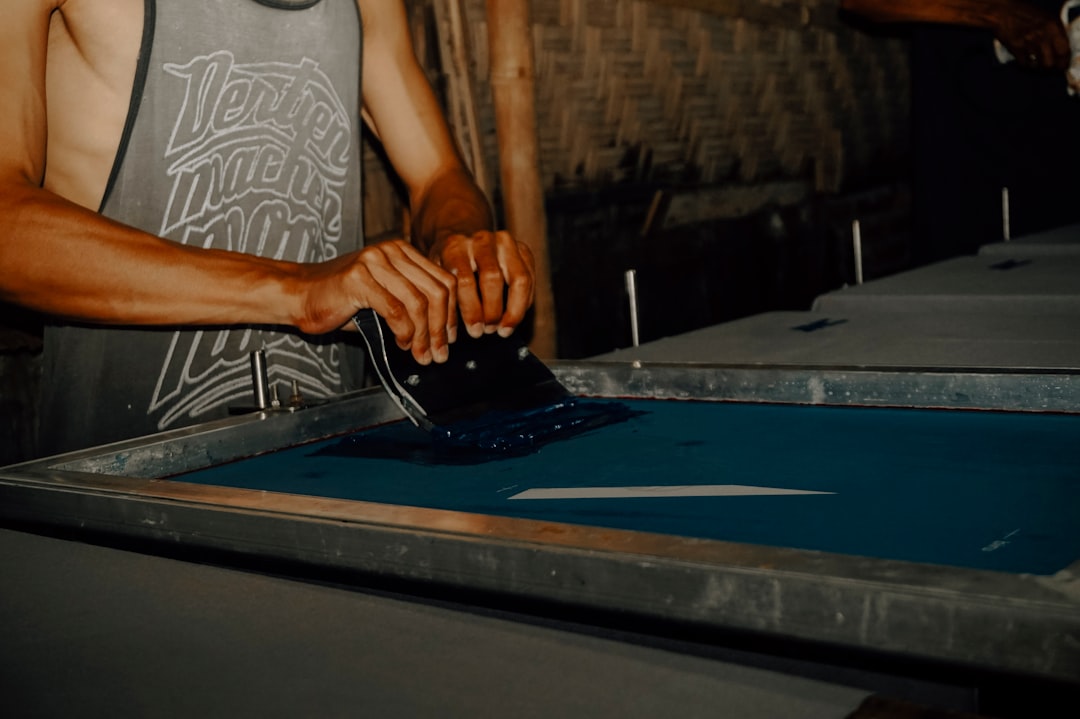
Screen printing businesses can accelerate growth by expanding beyond traditional marketing tactics and tapping into untapped digital opportunities. Identifying these growth pockets requires a mix of data-driven targeting and agile campaign adaptation to ensure high-value leads are never missed in a crowded marketplace.
- Vertical keyword targeting: Prioritize keywords that capture specialized and high-margin services, such as eco-friendly inks, rush orders, or branded corporate apparel. By integrating vertical keyword targeting, businesses can attract buyers seeking niche offerings, naturally complementing their existing Google Ads for Screen Printing Businesses strategy. Enhanced insights from unified go-to-market data help pinpoint trending search terms, allowing teams to shift budgets and creative assets toward segments that show real-time purchase intent.
- Competitor gap analysis: Leverage analytics platforms to reveal underserved market segments where direct competitors have little presence. By analyzing competitor ad placements and keyword gaps, screen printers can identify opportunities to position unique services or value propositions where demand is high and competition is low. Combined with Sona's Identity Resolution, marketing teams can prioritize outreach to companies actively researching these services, increasing the likelihood of conversion.
- Industry-specific placements: Secure ad placements in industry directories, event sponsorships, and trade association sites that your organic content may not reach. This approach ensures visibility among B2B buyers and procurement teams who frequently reference these channels for vendor selection. Integrating advanced campaign management enables seamless syncing of enriched audience segments into Google Ads, ensuring every impression is backed by the most current lead data from your CRM.
- Content retargeting: Deploy retargeting strategies that serve display or video ads to visitors who have engaged with your educational resources or promotional content. By syncing real-time audience updates with campaign platforms, businesses can dynamically nurture leads that show intent but have not yet converted. Combining online and offline conversion tracking further refines retargeting efforts, optimizing spend toward audiences with the highest likelihood of closing.
Actively seeking growth opportunities in these areas ensures that screen printing advertising efforts are highly targeted, data-driven, and capable of delivering measurable business impact. Leveraging advanced attribution and dynamic audience management, teams can unify their digital marketing for screen printing, maximize ROI, and build a consistently growing pipeline. Want to see how you can put these strategies into action? Get started for free with Sona.
How to Apply Audience Segmentation for Screen Printing
Screen printing businesses thrive when every marketing interaction aligns with customer intent and business goals. Audience segmentation becomes the foundation for elevating digital marketing for screen printing, enabling brands to serve the right message at the right time and stand out in a crowded local advertising landscape. For more insights on segmenting website visitors and actionable strategies, see this guide to account identification.
- Define Segments: Start by analyzing your historical data and customer profiles to identify distinct buyer groups in your screen printing business. This includes corporate clients needing branded apparel for events, local schools or teams looking for bulk orders, small businesses wanting unique uniforms, and individuals seeking personalized gifts. Layer in intent signals from website behavior and search activity to pinpoint needs such as high-volume orders, quick turnarounds, or specialty printing techniques. When enriched visitor profiles are unified with CRM data, you gain clarity on which segments drive the highest long-term value and how to prioritize outreach.
- Overlay Intent Signals: Not all website visitors are ready to buy, and many may return at different stages in their journey. By mapping intent signals, such as browsing pricing pages, downloading artwork templates, or requesting quotes, you can distinguish between research, consideration, and purchase-ready audiences. Dynamic audience lists built from these behaviors let you tailor Google Ads strategies for screen printing for each segment, shifting budget toward in-market accounts and optimizing PPC for screen printing campaigns. This real-time segmentation ensures that high-converting opportunities are never missed and budget is allocated where it will drive the greatest impact.
- Create Ad Groups by Segment: Once segments are defined, structure your Google Ads campaign management so each ad group aligns with a specific audience. For instance, dedicate ad groups and creatives for corporate buyers, school administrators, or event planners, each with messaging that resonates with their priorities, be it bulk discounts, fast delivery, or design support. Adjust budgets based on past performance and projected seasonality, allowing you to scale investments into top-performing segments. This targeted advertising for screen printing means every dollar spent is more likely to convert, while wasted impressions are minimized.
Seamless CRM and ad platform integration is critical for this approach. When audience data and engagement history flow instantly between your CRM and ad accounts, you can retarget leads who drop off, personalize follow-up communications, and run coordinated online marketing for screen printing that reflects every stage of the customer journey. As audiences progress through the funnel, their profiles and intent signals update automatically, supporting smarter decision-making and ultimately fueling screen printing business growth. To see how these strategies can accelerate your results, get started for free with Sona.
This is also where measurement changes the economics. With Sona Marketing Measurement you can identify the companies and buyers behind your ad clicks, not just anonymous sessions, and segment audiences by who actually becomes a customer. That lets you build bid adjustments and audience signals around the segments that convert and de-prioritize the ones that don't, so you feed Google's algorithms "this click became a paying screen printing businesses customer" instead of just "someone filled out a form."
Keyword Strategy & Sample Target Terms
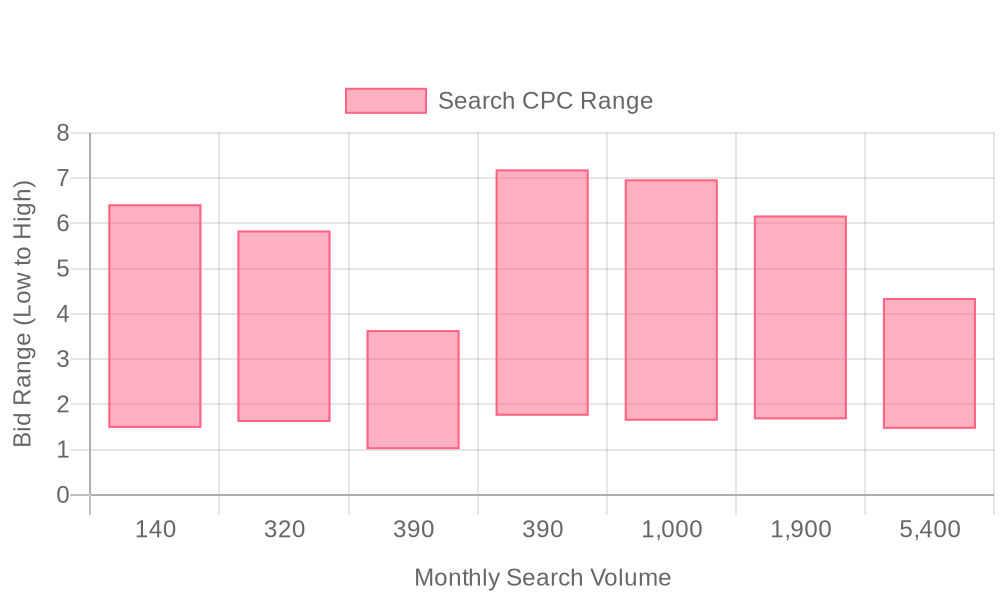
| Industry | Keyword | Monthly Search Volume | Competition Level | Low Bid | High Bid |
| Screen Printing Businesses | best screen printing companies | 140 | MEDIUM | 1.48 | 6.42 |
| Screen Printing Businesses | local screen printing shops near me | 320 | MEDIUM | 1.61 | 5.84 |
| Screen Printing Businesses | screen printing businesses | 390 | MEDIUM | 1.01 | 3.64 |
| Screen Printing Businesses | screen printing companies near me | 390 | LOW | 1.75 | 7.19 |
| Screen Printing Businesses | screen printing companies | 1000 | MEDIUM | 1.64 | 6.97 |
| Screen Printing Businesses | screen printing services | 1900 | LOW | 1.67 | 6.17 |
| Screen Printing Businesses | screen printing shop | 5400 | LOW | 1.46 | 4.35 |
Screen printing businesses thrive when their Google Ads keyword strategy is both data-driven and tightly aligned with buyer intent. High-performing campaigns in this sector rely on identifying not just volume, but the specific queries that signal real purchasing momentum. Precision in keyword targeting helps eliminate wasted spend and ensures your advertising efforts reach the right decision-makers, event coordinators, school administrators, corporate buyers, and organizational leads who are ready to engage. For a detailed look at structuring a winning campaign, explore this step-by-step guide for Google Ads success for screen printers.
- Keyword Types: Prioritizing high-volume, high-intent terms forms the backbone of effective PPC for screen printing. Examples include "custom screen printing services," "bulk t-shirt printing near me," and "logo apparel for events." Adding local modifiers such as city names or neighborhoods improves relevance for local advertising and captures urgent, service-area-specific demand. Building robust negative keyword lists is essential; excluding terms like "DIY screen printing kits" or "free screen printing" prevents irrelevant traffic and keeps cost-per-click low. With unified data, marketers can surface new high-converting phrases as search trends shift, immediately expanding their reach to new customer segments.
- Audience Behavior: Segmentation is critical for digital marketing for screen printing. UTM tagging across campaigns, emails, and social posts enables nuanced audience tracking and attribution, driving smarter budget allocation. Marketers using Sona's Identity Resolution can move beyond anonymous web traffic, revealing which companies and buyers are researching custom apparel or branded merchandise. Real-time in-market behavior, such as repeat visits to pricing pages or frequent quote requests, signals when to shift budget and messaging to accounts most likely to convert.
- Content Alignment: Every touchpoint, from initial ad click through landing page and nurture emails, should reinforce the screen printing business’s unique selling propositions and service reliability. Consistency in value messaging, fast turnaround, eco-friendly inks, volume discounts, creates a seamless journey for prospects, reducing drop-off and increasing conversion rates. When CRM and ad audiences are dynamically synced, such as via automated integrations, messaging updates in real time as leads move through the funnel. This allows for granular personalization, like tailored promotions for event planners or reminders for corporate buyers who previously requested samples, directly increasing marketing ROI and streamlining Google Ads campaign management. To see how these strategies work in practice, get started for free with Sona.
Step-by-Step Campaign Execution Framework
A precise, data-driven campaign execution framework is essential for screen printing businesses that want to consistently generate high-quality leads and maximize their Google Ads investment. With the right structure, screen printers can connect search intent with tailored offers, ensuring that every touchpoint is an opportunity to convert a prospect into a customer. Real-time data integration and intent tracking help revenue teams adapt to changing demand, quantify ROI, and optimize for growth at every stage of the funnel.
Step 1: Build Targeted Keyword Lists
Strategic keyword selection anchors every successful Google Ads for screen printing businesses. Start by focusing on service-specific phrases such as "custom t-shirt printing," "event apparel," and "bulk screen printing." Layer in location modifiers to capture local buyers, for example, "screen printing in Austin" or "Chicago branded apparel." Incorporate question-based keywords like "how does screen printing work" or "best screen printing for schools" to reach early-stage researchers who may convert with proper nurturing. Apply negative keywords to exclude irrelevant queries, such as "screen door repair," ensuring ad spend is used only on high-intent prospects. With Sona's Identity Resolution identifying which companies and decision-makers are engaging, marketers can further refine keyword lists based on actual in-market behaviors and segment-specific trends, see this step-by-step guide to Google Ads for screen printing for more actionable tips.
The upgrade most screen printing businesses advertisers miss is going beyond raw keyword volume to layer in intent and identity signals. By connecting website-visitor data and CRM records with Sona Marketing Measurement, you can see which specific search terms bring in the accounts and customers that actually convert, and weight your keyword and bidding strategy toward those rather than the terms with the highest search volume alone.
Step 2: Develop Compelling Ad Copy
Effective ad copy for screen printing advertising directly addresses pain points and provides immediate solutions. Use headlines that speak to problems like missing time-sensitive orders or limited customization options. Phrases such as "Never miss a deadline, fast turnaround for custom apparel" or "Free design consultation for your next event" incentivize engagement and drive clicks. Highlight differentiators such as eco-friendly inks or volume discounts to build trust. Incorporating dynamic ad elements ensures messaging adapts to audience segment and funnel stage, especially when real-time audience insights show a lead is nearing a decision. By leveraging granular first-party data, marketers can dynamically update creative to reflect recent interactions, delivering relevant calls-to-action, such as "View your custom quote" for returning prospects. For more creative approaches, explore our marketing and sales playbooks.
Step 3: Design Effective Landing Pages
A successful landing page for PPC for screen printing must mirror ad intent and eliminate friction. The headline should reinforce the offer in the ad, such as "Request a Free Sample Kit" or "Book a 15-Minute Apparel Strategy Session." Use concise copy, bold imagery showcasing print quality, and social proof from business clients or event organizers. Calls-to-action must be unambiguous: "Start Your Order," "Download Catalog," or "Schedule a Call." Ensure forms are mobile-optimized and require only essential details to maximize conversions. When landing pages are integrated with real-time visitor identification, they can personalize content based on company, industry, or past engagement, allowing tailored upsells and remarketing journeys that increase conversion rates.
Step 4: Implement Data-Driven Optimizations
Ongoing optimization is mandatory for sustained screen printing business growth through Google Ads. Use smart bidding strategies such as Target CPA to let machine learning allocate budget to the highest-value clicks. Conduct regular A/B tests of ad copy, landing page layout, and call-to-action buttons to identify what resonates with each audience segment. Conversion data should continuously loop back into your campaigns, allowing for granular adjustments in keyword bids, ad rotation, and audience targeting. Real-time sync between CRM, Google Ads, and sales tools ensures that enriched leads are automatically nurtured, and attribution reflects the true customer journey, including offline events like phone consults or showroom visits. This unified approach resolves the challenge of disconnected intent signals, providing a transparent view of which sources, messages, and audiences are driving actual revenue. For more on metrics that matter, review the top Google Ads metrics.
Screen printing businesses that operationalize this campaign execution framework gain a measurable advantage in digital marketing for screen printing. Every campaign touchpoint, keywords, copy, landing page, and optimization, works together, supported by unified data and intent signals, to drive predictable pipeline growth and higher marketing ROI. If you’re ready to accelerate your lead generation, get started for free with Sona.
Sona Marketing Measurement closes the gap between clicks and revenue. It captures every ad click with first-party measurement, ties that click through UTM capture and ad-platform APIs to the actual record in your CRM, and reports ROAS by keyword and campaign instead of by last-click form fill. Feeding that revenue signal back into Smart Bidding and Performance Max compounds over time: the algorithms optimize toward booked screen printing businesses revenue, not cheap leads.
Tips on Expanding Your Screen Printing Presence

Screen printing businesses achieve sustained growth by continuously refining their digital footprint and leveraging data-driven strategies to reach high-value prospects. Direct engagement with in-market buyers and decision-makers provides measurable gains in qualified leads, brand authority, and revenue.
- Cross-promote educational content through retargeting: Elevate your screen printing brand by retargeting visitors who engaged with your resources but have not yet converted. By segmenting audiences based on content consumption and user behavior, you can deliver tailored ads that reinforce problem-solving expertise and move prospects further down the funnel. Platforms that identify the companies behind anonymous visits let you personalize follow-up campaigns, increasing the likelihood of capturing decision-makers in organizations with active print needs.
- Capitalize on related service upsells using segmented CRM data: Screen printing companies can unlock additional revenue by upselling related services, such as embroidery, direct-to-garment, or fulfillment, to existing clients. Integrating CRM insights with your advertising stack enables dynamic audience updates, ensuring your Google Ads and PPC for screen printing campaigns automatically target customers who are ready for cross-sell opportunities. This approach synchronizes marketing and sales, delivering relevant offers at the precise moment a client shows new interest or purchasing intent.
- Collaborate with industry associations for referral traffic: Strategic partnerships with local business groups, trade associations, or event organizers open doors to referral audiences that are highly aligned with your services. Co-branded content, webinars, or exclusive discounts distributed through partner channels can rapidly expand your reach. By tracking referral sources and integrating these data points into your campaign management, you maintain visibility across the buyer’s journey and accurately attribute conversions back to the originating partner.
- Localize your reach to targeted regions: Geo-targeted digital marketing for screen printing amplifies your visibility among decision-makers in regions with the highest conversion potential. By focusing your ad spend on cities or zip codes with strong demand, your campaigns avoid wasted impressions and deliver more relevant messaging. Advanced campaign management solutions allow you to monitor engagement by region in real time and shift budgets to the areas driving the most profitable growth.
- Utilize search data insights for new content development: Consistently mining search query data and performance reports reveals untapped content opportunities. By identifying trending topics and frequently asked questions within your target market, you can create educational assets that address specific needs and position your business as the go-to resource. This ongoing alignment between audience demand and content creation not only supports organic growth but also fuels high-performing Google Ads strategies for screen printing businesses, ensuring your brand remains top-of-mind at every stage of the purchase cycle.
Looking to streamline your screen printing growth strategies? Get started for free with Sona.
Beyond Google Ads: Winning the AI Answers Screen Printing Businesses Buyers Now Trust
Paid search captures demand at the moment someone types a query. But a fast-growing share of screen printing businesses buyers no longer start at Google at all, they ask ChatGPT, Gemini, or Perplexity before they ever run a search, and Google's own AI Overviews increasingly summarize an answer above the traditional results. If your business isn't referenced in those AI answers, you're invisible at the exact moment buyers build their shortlist.
Sona AI Visibility shows where your business shows up across ChatGPT, Gemini, Perplexity, Google AI Overviews, and 10+ engines, and, much like a keyword report, which prompts actually send you buyers, so you can prioritize the ones that convert. Run the two together and you cover the entire buyer path: get cited where buyers research (AI Visibility), then prove which of that demand turns into booked revenue (Marketing Measurement).
Helpful resources
Conclusion
Google Ads gives screen printing shops something a mailer or a trade show booth can't: the ability to show up exactly when a school athletic director or corporate buyer starts typing. The steps here, keyword selection, ad copy, landing pages, and ongoing optimization, work together to turn that timing advantage into booked orders.
The shops that pull ahead won't just run more ads, they'll know which keywords, campaigns, and creative actually turned into paying customers, and they'll show up in the AI answers buyers now consult before they ever open Google. That combination, precise targeting today plus visibility into tomorrow's AI-driven research, is where the next round of growth in this trade will come from.
FAQ
How can I effectively use Google Ads for my screen printing business?
To effectively use Google Ads for your screen printing business, integrate data-driven strategies to target high-intent buyers at the right moment, personalize ad messaging to align with landing page content, and continuously optimize campaigns for improved ROI.
What are the best practices for Google Ads in the screen printing industry?
Best practices include using industry-specific keywords, dynamically targeting audiences based on real-time behavior, aligning landing pages with ad messaging, and integrating Google Ads with CRM systems for unified data management.
How much should I budget for Google Ads for screen printing?
The budget should be prioritized towards high-intent prospects identified through advanced intent signals, ensuring efficient use of ad spend to drive quality leads and improve ROI.
What keywords should I target for screen printing Google Ads?
Target keywords like 'custom t-shirt printing,' 'bulk screen printing,' and 'eco-friendly apparel decoration,' and use local modifiers to capture service-area-specific demand.
How do I measure the success of my Google Ads campaigns for screen printing?
Measure success by tracking conversions with advanced tracking tools, integrating offline sales activities, and continuously refining budgets and creative to improve cost per lead and increase overall ROI.







