


Retirement home searches spike in specific, predictable moments: after a fall, a hospital discharge, a diagnosis, or a holiday visit that reveals a parent can no longer live alone. Families researching these decisions rarely convert on the first visit, and many never fill out a form at all, even though they called or toured. That gap, real intent that never becomes a tracked lead, is where retirement home marketing budgets quietly leak. Google Ads matters here because it catches prospects at the instant they search "memory care near me" or "assisted living cost," and paired with visitor identification, it lets operators connect that click to an actual household rather than losing it to an anonymous session. Done well, a retirement home's Google Ads program does three things: targets the specific, often urgent language families use once a care decision can no longer wait; measures the full path from click to tour to move-in, not just form fills; and reinforces the community's other channels, from open houses to direct mail, so a prospect who saw a mailer and then searched the community's name by name is recognized as the same person, not treated as new traffic.
How to Generate Google Ads for Retirement Homes Leads with Google Ads: A Step-by-Step Guide

Retirement home operators face a unique challenge: connecting with families and seniors exactly when care decisions matter most. Google Ads offers a direct, data-driven path to reach high-intent prospects, making each marketing dollar more accountable and measurable. SeniorLivingPros provides a concise overview of how Google Ads can increase occupancy and streamline lead generation for senior living communities.
Integrating Google Ads into your retirement community’s digital marketing strategy delivers qualified leads at scale. With precise keyword targeting and real-time audience insights, campaigns can move beyond basic reach to influence actual occupancy and revenue outcomes. This playbook details how to blend paid search into your broader marketing mix, ensuring every step, targeting, creative, optimization, and attribution, drives measurable senior living lead generation.
A common obstacle in senior care marketing is delayed follow-up, which lets interest cool before sales ever engages, a family that inquires after visiting three community websites in one evening may hear back from only one of them in time. Real-time visitor identification and automated lead routing close that gap, alerting admissions teams to high-value prospects while the need is still urgent. Sona's Identity Resolution helps operators identify website visitors showing intent and automate handoffs, cutting response times and lifting conversion rates.
Success with Google Ads for retirement homes begins with understanding the search behavior of both seniors and their adult children. A strategic approach to keyword and audience targeting is essential: campaigns should prioritize high-intent search terms, like “assisted living near me” or “memory care community”, and filter out irrelevant clicks through robust negative keyword strategies. For more insights on refining your strategies, check out our guide on intent retargeting.
Next, aligning landing page design and ad creative ensures that every click has a seamless path to conversion. Consistent messaging across ads and landing pages, paired with compelling calls-to-action and trust signals, builds confidence with families. Dynamic personalization, enabled by data platforms, allows communities to tailor landing experiences based on each visitor’s interests, whether they seek independent living, skilled nursing, or memory care, further boosting conversion rates.
Continuous performance optimization keeps campaigns efficient and competitive. Leveraging advanced conversion tracking and attribution, marketers gain visibility into which keywords, audiences, and creative assets drive real tours and move-ins, not just form fills. This granular insight enables iterative improvements, while automated audience updates ensure that once a prospect moves from lead to resident, ad spend is reallocated to fresh opportunities within the funnel.
Integrating Google Ads with other digital channels, such as email nurture, social media, and retargeting networks, strengthens the entire marketing ecosystem. With CRM and ad platform sync, enriched audiences flow seamlessly between channels, and high-intent leads are activated in real time. This cross-channel approach not only maximizes occupancy but also delivers full-funnel visibility, enabling senior living operators to continually refine their strategies, align sales and marketing, and achieve optimal Google Ads ROI for retirement homes. For a practical walkthrough on optimizing your campaigns, get started with our onboarding guide.
Why Does Google Ads Matter for Retirement Homes

Modern senior living providers face increasingly fragmented buyer journeys, with families and seniors researching options across countless digital channels. Google Ads delivers unique value by capturing these high-intent prospects precisely when they are actively searching for retirement homes, assisted living, or specialized care solutions. This real-time access to in-market leads enables revenue teams to react quickly, prioritizing outreach to those who are most likely to convert.
The complexity of the senior living audience demands more than broad demographic targeting. Google Ads excels by isolating relevant keywords and search behaviors, allowing marketers to reach decision-makers who might otherwise be missed by conventional campaigns. SeniorLivingPros provides a deeper look at how this granularity ensures marketing budgets are directed toward inquiries with the highest potential lifetime value, especially for higher-margin services such as memory care or independent living communities.
Speed is essential in a market where demand can surge unexpectedly, driven by open houses, seasonal trends, or new facility openings. Google Ads' real-time intent signals let operators shift spend dynamically toward campaigns and locations where leads are most likely to convert. By integrating advanced data capture, teams can break out of the lagging analytics cycle, immediately measuring which ads drive tours, consultations, or move-ins, and recalibrating spend for maximum impact.
Geographic expansion presents unique challenges for senior living advertising. As new metropolitan areas or underserved regions emerge, Google Ads enables precise market entry, down to specific neighborhoods or zip codes. This targeted approach outperforms traditional outreach, which often misses growth pockets or wastes spend in low-potential zones. Solutions such as Sona's Identity Resolution support company-level visitor identification, helping marketers see not just where clicks originate but which organizations are engaging, enabling tailored follow-up and personalized journey orchestration.
Integrated data analysis transforms disconnected marketing activities into a unified revenue engine. Closed-loop measurement tracks every step from ad click to resident move-in, giving operators clear visibility into campaign ROI and informing optimizations across all channels. By syncing enriched audience data and high-intent signals into CRM and ad platforms, senior care marketing teams ensure that dynamic audiences remain updated and sales plays are always fueled by the latest, most relevant intelligence. This approach maximizes Google Ads ROI for retirement homes and builds a connected, agile digital marketing strategy that consistently fills units and elevates brand reputation.
Common Types of Google Ads Campaigns for Retirement Homes

- Search Campaigns: Search campaigns are foundational for senior living lead generation, capturing prospects who are actively searching for solutions like "assisted living near me" or "memory care options." These campaigns connect your community with high-intent families and decision-makers in real time, ensuring your property appears at the critical decision point. With company-level visitor identification and intent data, marketers can not only attract traffic but also pinpoint which organizations are engaging with key landing pages, allowing budget to be shifted toward the accounts most likely to convert. Sona's Identity Resolution reveals which organizations visit your site, providing actionable insights to optimize your ad spend.
- Display Ads: Display campaigns keep your brand top-of-mind as prospects browse industry sites, read articles about senior care, or compare options for their loved ones. This upper and mid-funnel approach reinforces your value proposition after initial discovery, complementing email and social content. By syncing CRM and first-party data, you can dynamically update audience segments as leads engage with your website or content, ensuring your ads remain relevant and reach the right decision-makers throughout the research process.
- Video Ads: Video campaigns are highly effective for visually showcasing your community, amenities, and resident stories, making your offerings tangible to distant or undecided families. These campaigns extend the reach of your content marketing efforts, boosting engagement through authentic storytelling and testimonials. Real-time engagement analytics reveal which viewers are most interested, so marketing teams can prioritize outreach to warm prospects and optimize creative for future campaigns. Learn more about how video can drive conversions in senior living marketing.
- Remarketing: Remarketing ensures you remain visible to families who have visited your site or started, but not completed, information requests. This tactic creates multiple touchpoints as prospects compare options, nurturing them with reminders about tours, open houses, or downloadable resources. With dynamic audience updates, remarketing lists automatically reflect changes in lead status, increasing efficiency and reducing wasted impressions by focusing spend on those most likely to convert.
- Assets: Ad assets (formerly called extensions) build trust by highlighting key differentiators such as location, certifications, and rapid response times directly in the search results. These enhancements validate claims made in your other marketing materials and remove friction in the decision process. Advanced conversion tracking links these engagements back to specific ads and audience segments, providing a clear view of which trust signals drive the highest-quality inquiries. For more insights on optimizing ad performance, check out our guide on intent retargeting.
Where to Find Growth Opportunities?

Retirement community marketers can uncover new growth opportunities by expanding their reach beyond traditional marketing channels. Diversifying your digital strategy helps capture leads that might otherwise remain untapped, strengthening your pipeline and delivering higher occupancy rates.
- Vertical Keyword Targeting: Focused keyword research allows you to reach niche segments such as memory care, respite stays, or luxury senior living. By identifying specialized terms with clear commercial intent, you can align Google Ads for Retirement Homes with real prospect needs. Google Ads for senior living offers a look at how targeted keywords drive occupancy for communities.
- Competitor Gap Analysis: Leveraging analytics tools to examine where competitors are succeeding or falling short reveals underserved audience segments. This insight empowers you to customize your messaging and offers, positioning your community to fill market gaps others overlook. With company-level visitor identification and real-time intent data, Sona's Identity Resolution helps pinpoint high-value opportunities as they arise, keeping your campaigns agile and cost-efficient.
- Industry-specific Placements: Targeting senior care directories, retirement living forums, and trade association sites bypasses the noise of general search and puts your brand in front of decision-makers during their research phase. These placements drive incremental visibility where your organic content may not appear, increasing your share of voice among high-intent audiences. For more insights on optimizing these channels, check out our guide on retargeting strategies.
- Content Retargeting: Aligning offers such as whitepapers, checklists, or how-to videos with your content marketing calendar enables precise follow-up with interested leads. This strategy keeps your brand top-of-mind and nurtures prospects who are not yet ready to engage directly. By syncing enriched audiences from your CRM into Google Ads, you can personalize retargeting efforts, track both online and offline conversions, and attribute true ROI to each touchpoint, maximizing the effectiveness of your senior living lead generation campaigns. To explore how to get started, book a demo.
How to Apply Audience Segmentation for Retirement Homes

Audience segmentation is fundamental for marketing success in senior living and retirement communities. By developing refined segments, you ensure every advertising dollar reaches prospects most likely to convert, ultimately driving higher occupancy and measurable ROI. Precision in segmentation supports nuanced messaging and optimized conversion paths, essential for any organization competing in the digital marketing for retirement communities space.
- Define Segments: Start by mapping your offerings to distinct audience types. This typically means distinguishing between independent living, assisted living, memory care, and differentiating between short-term and long-term care needs. Clear definitions allow you to tailor your Google Ads strategies for senior living to match the expectations and motivations of each segment. For instance, independent living prospects often value social programming and autonomy, while assisted living audiences prioritize care quality and safety. Segmenting by care level, duration, and even payer type ensures your message resonates with the right family members or decision-makers.
- Overlay Intent Signals: Elevate your segmentation by incorporating behavioral and intent data. Track search patterns such as “budget-friendly assisted living” or “urgent move-in senior care” to gauge readiness and specific needs, an urgent-move-in query often means a hospital discharge deadline, while budget-focused searches signal a longer, more deliberative process. This makes it possible to prioritize high-intent prospects and adjust your follow-up strategy for each audience. Sona surfaces intent signals so campaigns can automatically allocate more budget to accounts actively researching senior care options. The result is a channel that connects with more qualified leads and adapts as prospects move down the funnel.
- Create Ad Groups By Segment: Within Google Ads for Retirement Homes, structure ad groups around each defined segment. Each group should have tailored creative, unique value propositions, and customized offers relevant to the audience’s journey stage. For example, an ad group targeting adult children researching memory care can highlight specialized staff and safety features, while another focusing on independent living emphasizes lifestyle amenities. Allocating budgets and crafting copy at the segment level drives a higher click-through and conversion rate, ensuring your PPC for retirement homes investment yields measurable lead generation. Max Conversion Guide provides a deeper look at this trend.
- Validate Conversion Paths: To maximize Google Ads ROI for retirement homes, it is critical to track every step of the conversion process. Ensure that requests for information, tour bookings, and follow-up calls are tied directly to their originating ad group and segment. Integrating advanced conversion tracking provides transparency across both online and offline touchpoints, eliminating blind spots and facilitating closed-loop attribution. When these conversion paths are validated and synced with your CRM, you gain a unified view of the entire customer journey. This approach uncovers which segments and messages consistently drive move-ins, allowing you to optimize spend, refine targeting, and scale the most effective senior living lead generation campaigns.
By applying advanced audience segmentation throughout your online advertising for assisted living efforts, you create a responsive, data-driven system that maximizes every marketing interaction. Modern marketers who unify audience insights, intent data, and conversion analytics can continuously improve performance, outpace competitors, and deliver highly personalized engagement that fills communities efficiently.
This is also where measurement changes the economics. With Sona Marketing Measurement you can identify the companies and buyers behind your ad clicks, not just anonymous sessions, and segment audiences by who actually becomes a customer. That lets you build bid adjustments and audience signals around the segments that convert and de-prioritize the ones that don't, so you feed Google's algorithms "this click became a paying retirement homes customer" instead of just "someone filled out a form."
Keyword Strategy & Sample Target Terms
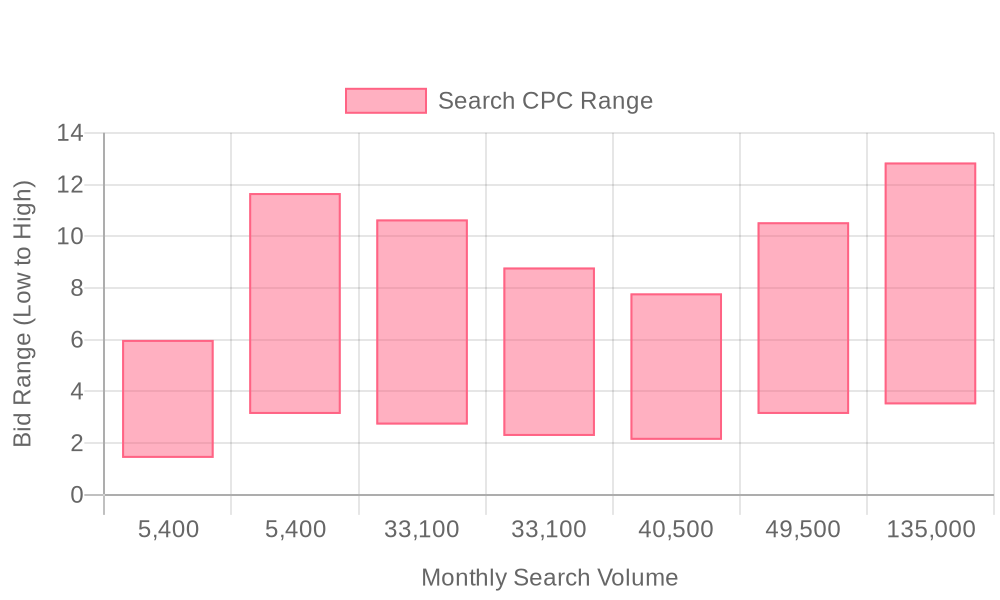
| Industry | Keyword | Monthly Search Volume | Competition Level | Low Bid | High Bid |
| Retirement Homes | 55 communities near me | 5400 | MEDIUM | 1.43 | 5.99 |
| Retirement Homes | senior independent living near me | 5400 | MEDIUM | 3.13 | 11.67 |
| Retirement Homes | retirement homes near me | 33100 | MEDIUM | 2.72 | 10.65 |
| Retirement Homes | retirement communities near me | 33100 | MEDIUM | 2.28 | 8.79 |
| Retirement Homes | retirement community | 40500 | LOW | 2.13 | 7.79 |
| Retirement Homes | retirement homes | 49500 | LOW | 3.13 | 10.54 |
| Retirement Homes | senior living near me | 135000 | MEDIUM | 3.5 | 12.85 |
A robust keyword strategy is fundamental to the success of any Google Ads for Retirement Homes campaign. Identifying the right mix of target search terms ensures your community appears when families and decision-makers are actively seeking senior living solutions. By analyzing search intent and aligning keyword selection with specific resident needs, such as memory care, independent living, or assisted living, campaigns capture highly qualified traffic rather than irrelevant clicks. This specificity in targeting not only reduces wasted spend but also improves lead quality, accelerating the path from inquiry to move-in.
For senior living advertising, effective keyword targeting begins with a blend of high-intent, location-based, and service-specific terms. Focusing on queries like “retirement homes near me,” “assisted living in [city],” and “memory care communities” places your ads in front of individuals demonstrating immediate need. SeniorLivingPros shares industry benchmarks for this approach. Incorporating modifiers for amenities or unique offerings, such as “pet-friendly senior living,” “all-inclusive retirement communities,” or “short-term respite care”, drives differentiation in crowded local markets. Negative keywords like “jobs,” “free,” or “volunteer” should be layered in to filter out non-prospects and maximize budget efficiency.
The most successful PPC for retirement homes campaigns leverage granular audience segmentation to match keyword groups with the right decision-makers. For example, phrases targeting adult children (“find care for aging parents”) are paired with educational content and empathetic ad copy, while terms focused on seniors themselves (“active retirement communities with events”) highlight lifestyle benefits and autonomy. For more insights on connecting keywords to buyer intent, check out our guide on intent-driven retargeting. By integrating real-time behavioral and demographic signals, marketers can dynamically adjust keyword bids and update target lists as prospects move through the buying journey. This approach ensures that Google Ads strategies for senior living not only generate more leads, but also deliver measurable improvements in conversion rates and marketing ROI.
Technology has made it possible to go beyond traditional keyword targeting. Tools like Sona help marketers use visitor identification and intent data to attribute anonymous searches to specific companies or households, enabling hyper-personalized outreach and deeper funnel engagement. Advanced systems now update audience segments automatically as contacts progress, ensuring that keyword targeting remains relevant and responsive to actual buyer behavior. This unified approach to keyword and audience management allows digital marketing for retirement communities to scale efficiently, delivering sustained growth in resident engagement and occupancy.
Beyond Google Ads: Winning the AI Answers Retirement Homes Buyers Now Trust
Paid search captures demand at the moment someone types a query. But a fast-growing share of retirement homes buyers no longer start at Google at all, they ask ChatGPT, Gemini, or Perplexity before they ever run a search, and Google's own AI Overviews increasingly summarize an answer above the traditional results. If your business isn't referenced in those AI answers, you're invisible at the exact moment buyers build their shortlist.
Sona AI Visibility shows where your business shows up across ChatGPT, Gemini, Perplexity, Google AI Overviews, and 10+ engines, and, much like a keyword report, which prompts actually send you buyers, so you can prioritize the ones that convert. Run the two together and you cover the entire buyer path: get cited where buyers research (AI Visibility), then prove which of that demand turns into booked revenue (Marketing Measurement).
Helpful resources
Conclusion
Retirement home marketing succeeds or fails on timing: whether you show up in the search, and the follow-up call, at the moment a family's decision turns urgent. Google Ads gives you the first half of that equation, precise targeting, real-time bidding, and measurable paths from click to tour to move-in.
The other half is visibility beyond the search bar itself, in AI Overviews and chat-based answers where more families are starting their research. Pair disciplined Google Ads targeting with that emerging channel, and measure both against actual move-ins rather than form fills, and occupancy growth stops depending on guesswork. Start for free to see how Sona connects that path from click to resident.
FAQ
What are the best practices for Google Ads in retirement homes?
Best practices for Google Ads in retirement homes include using advanced tools to identify anonymous visitors, targeting high-intent search terms, integrating campaigns with CRM systems, and optimizing ads through continuous performance analysis.
How can Google Ads improve occupancy rates for senior living facilities?
Google Ads can improve occupancy rates by capturing high-intent prospects when they search for senior living services, allowing facilities to reach decision-makers and convert them at critical decision points.
What keywords should I use for Google Ads targeting retirement homes?
Effective keywords for Google Ads targeting retirement homes include location-based and service-specific terms like 'retirement homes near me,' 'assisted living in [city],' and 'memory care communities.'
What is the ROI of using Google Ads for senior living marketing?
The ROI of using Google Ads for senior living marketing can be maximized by tracking conversions from ad clicks to resident move-ins, ensuring ads target high-intent prospects, and integrating campaigns with CRM systems for full visibility.
How do I create effective Google Ads campaigns for retirement communities?
To create effective Google Ads campaigns for retirement communities, focus on precise keyword targeting, align ad and landing page messaging, use dynamic personalization, and continuously optimize based on performance data.







