


Medicare Advantage enrollment is won or lost in narrow windows, the annual enrollment period, a birthday month, a special election period, and Google Ads is where much of that competition now plays out. Regulatory rules from CMS constrain what plans can say and how, which makes precise targeting as important as clever copy. High-value prospects still slip through the cracks when they aren't tracked past the initial click, and budget drains toward clicks that were never going to enroll. This guide walks through strategic solutions and best practices for running compliant, efficient Google Ads campaigns that reach eligible seniors at the moment they're comparing plans, and that follow them through to an actual enrollment.
How to Generate Google Ads for Medicare Advantage Plans: A Step-by-Step Guide

Medicare Advantage plan providers face intense competition during annual enrollment, where speed, relevance, and compliance determine campaign success. Data-driven Google Ads strategies for Medicare Advantage Plans allow marketers to capture high-intent leads, optimize spend, and navigate regulatory challenges with precision. For an overview of the surge in Medicare Advantage advertising and the regulatory context, explore Medicare Advantage advertising trends.
Each stage of the Google Ads process, from keyword selection to conversion, offers an opportunity to gain actionable insights and deliver more personalized engagement. The following framework outlines a practical, results-focused approach for launching and optimizing Google Ads specifically for Medicare Advantage marketing. For in-depth guides on campaign optimization and analytics, visit our marketing analytics blog.
- Identify and target the right keywords and audience focused on Medicare enrollment: Begin with detailed keyword research to capture specific Medicare enrollment queries such as "Medicare Advantage plans near me," "2025 Medicare Advantage enrollment," and "compare Medicare Advantage options." Use intent-based segmentation to distinguish informational searches from those signaling readiness to enroll, since a query about eligibility rules and a query comparing specific plan benefits sit at very different points in the funnel. Layer in negative keywords for adjacent but disqualifying terms, such as Medicaid or agent-recruiting searches, so budget isn't spent on unqualified clicks. As open enrollment approaches and search volume spikes, shifting budget toward the segments already showing enrollment intent matters more than chasing broad reach.
- Ensure creative alignment between ads and landing pages to improve conversion rates: Craft ad copy that mirrors the exact language and value propositions featured on your landing pages. This alignment ensures regulatory compliance and builds trust with users, leading to higher conversion rates. Consistent messaging across the ad-to-landing journey not only improves Quality Scores in Google Ads but also reduces abandonment rates. Employ landing page personalization based on visitor data, such as county or plan type, to drive relevance and engagement.
- Implement advanced targeting strategies and audience segmentation: Leverage demographic filters, such as age and location, to focus on eligible Medicare audiences at the ZIP code or county level. Employ audience lists that update dynamically as users interact with your content, ensuring campaigns remain relevant as prospects move through the decision process. Visitor identification technology helps marketers go beyond anonymous traffic, pinpointing website visitors and enriching audience segments. This enables deeper segmentation, such as targeting users researching chronic condition coverage or supplement plan comparisons, with tailored messaging.
- Continuously optimize performance based on measurable outcome metrics: Advanced conversion tracking links ad clicks to both online and offline enrollments, offering a holistic view of campaign ROI. Integrate CRM data to synchronize lead status and trigger timely re-engagement campaigns for prospects who stall in the funnel. Real-time analytics support rapid iteration, allowing teams to quickly pause underperforming ads, reallocate budget, and test new creative. Unified attribution surfaces which keywords, creatives, and audiences are driving enrollments, guiding ongoing optimization and maximizing Medicare lead generation outcomes.
Delayed follow-ups cost Medicare leads their momentum fast, a prospect comparing plans today may enroll with a competitor tomorrow if no one calls back. Integrating real-time CRM and audience data with Google Ads lets marketers trigger outreach and retargeting based on actual behavior, closing that gap during the enrollment window. Get started for free with Sona. This kind of integrated, data-driven approach reduces friction and supports compliance at every touchpoint.
Why Does Google Ads Matter for Medicare Advantage Plans

Google Ads for Medicare Advantage Plans delivers a direct, data-driven avenue for reaching individuals actively researching and evaluating Medicare options. By targeting search intent at the moment a prospect is comparing benefits, marketers can capture high-quality leads with measurable efficiency and avoid wasted spend on uninterested audiences.
- Capturing High-Intent Prospects: Google Ads enables precise engagement with users who are searching for Medicare Advantage plan information, increasing the likelihood of connecting with seniors and caregivers at the right decision-making stage. Unlike traditional media, paid search surfaces your offering only to those signaling immediate interest in enrollment, coverage changes, or plan comparisons. To further elevate targeting efforts, real-time audience segmentation can help ensure your campaigns reach the most relevant prospects with personalized messaging.
- Precision Targeting for Compliance and Spend Efficiency: Regulatory frameworks in Medicare Advantage marketing demand accuracy in both messaging and audience selection. Google Ads allows for granular targeting by age, geography, and even device, minimizing wasted impressions and ensuring campaigns only reach eligible prospects. Audience segmentation based on Medicare-specific needs, such as prescription coverage or dental benefits, avoids generic messaging and aligns with compliance demands. For a deeper dive into regulatory considerations and reputational risks, see the surge and concerns around Medicare Advantage advertising.
- Facilitating Immediate Inquiry Response: With Google Ads, marketers can deploy call assets and real-time lead forms, ensuring that beneficiary inquiries about Medicare Advantage plans receive rapid attention. This immediacy of response is essential during critical enrollment periods when conversion windows are short. Sona surfaces visitor-level intent signals, making it possible to prioritize outreach to high-propensity accounts and optimize follow-up workflows.
- Comprehensive Data for ROI and Insights: The platform’s real-time analytics offer deep visibility into which keywords, creatives, and landing pages drive qualified Medicare leads. Integration with CRM and offline conversion tools creates a closed-loop measurement system, allowing marketers to attribute enrollments back to specific ad touchpoints and refine strategy for maximum ROI. When unified with first-party data through modern solutions, this comprehensive view reveals both engagement gaps and high-performing segments, fueling ongoing optimization.
Mass-market campaigns tend to fail in Medicare Advantage marketing because the program itself is complicated and compliance leaves little room for generic messaging. Segmenting audiences by research stage, plan eligibility, and benefit preferences produces sharper messaging and better enrollment outcomes than one-size-fits-all creative. Paired with dynamic intent tracking, this approach moves prospects through the funnel efficiently while staying within regulatory bounds. To see how segmentation and intent data can change your campaigns, get started for free with Sona.
Common Types of Google Ads Campaign for Medicare Advantage Plans

Revenue-focused teams know that the right campaign mix determines both lead quality and total enrollments in Medicare Advantage marketing. Search, Display, Video, Performance Max, and remarketing each play a distinct role, from capturing high-intent applications to nurturing interest and building brand awareness across the senior healthcare market. For more on optimizing campaign mix and segmentation, explore signal-based audience strategies.
- Search Campaigns: Targeting high-intent searches is foundational for Medicare Advantage lead generation. With Google Ads for Medicare Advantage Plans, revenue teams capture prospects actively researching enrollment options, specific benefits, and local plan availability. Integrating real-time visitor identification and dynamic audience building ensures ads reach verified Medicare-eligible users, rather than broad, lower-intent traffic. By aligning search keywords with CRM-enriched data, marketers can prioritize spend on segments most likely to convert, adapting budgets in real time as in-market behavior shifts.
- Display Ads: Display campaigns build awareness by placing branded content across health, wellness, and senior-focused sites. Strategic placements not only expand reach but allow marketers to introduce Medicare Advantage plan features to early-stage researchers. When campaign data is unified, marketers can identify which display impressions eventually turn into qualified leads, adjusting creative and targeting parameters to maximize cost efficiency and compliance. This synergy between display awareness and backend audience tracking streamlines the path from first impression to enrollment.
- Video Ads: Visual storytelling through video ads educates prospects about plan details, network options, and enrollment deadlines. These campaigns offer a compelling format to clarify complex Medicare terms and highlight differentiators in a crowded market. By enriching audience data with video engagement metrics, marketers can segment viewers by interest level, follow up with tailored search or display ads, and trigger personalized retargeting flows. This ensures video investments not only boost education but also drive measurable, high-value actions.
- Remarketing: Re-engagement campaigns target visitors who previously explored Medicare Advantage offerings but did not complete an application or request a quote. Advanced retargeting leverages intent data and account scoring to prioritize prospects demonstrating strong buying signals, such as repeated visits or interactions with key plan features. Dynamic audience updates, driven by unified lead and CRM data, enable marketers to adjust messaging and offers based on the prospect’s current position in the buying journey, improving conversion rates and reducing wasted spend.
- Performance Max: Performance Max campaigns pool inventory across Search, Display, YouTube, and Gmail into a single goal-driven campaign, letting Google's bidding find enrollment-ready prospects across surfaces you might not staff individually. For Medicare Advantage, this can extend reach to caregivers researching on behalf of a parent, or to prospects re-engaging with a plan comparison late in the enrollment window. Feeding it clean conversion data, ideally enrollments rather than just form fills, keeps its automated bidding aimed at the outcomes that matter rather than cheap clicks.
Without advanced predictive models and unified data, identifying genuinely ready-to-enroll Medicare leads is challenging. AI-driven account scoring and real-time audience sync ensure that revenue teams focus their efforts and budgets on the highest-propensity prospects, maximizing ROI across all campaign types. If you're ready to take your Medicare Advantage ad strategy to the next level, get started for free with Sona.
Finding Growth Opportunities in Medicare Marketing

Growth in Medicare Advantage marketing hinges on precision and coverage across high-intent digital and offline channels. Teams that succeed are those that pair audience-centric strategies with actionable insights into beneficiary behavior, elevating both their reach and conversion rates. For deeper guidance on campaign analytics and strategy, visit our expert marketing blog.
- Niche keyword prioritization: Focusing on highly specific keyword clusters, such as plan features or ZIP code modifiers, enables marketers to capture qualified Medicare leads at the most critical decision stages. By refining keyword lists to emphasize questions real beneficiaries search, like “Medicare Advantage plans with dental in [city]”, campaigns can cut through noise and attract ready-to-enroll prospects. Health insurance keywords can help you discover high-performing terms, while real-time audience segmentation ensures your campaigns reach prospects in the right buying stage.
- Competitor analysis for market gaps: Evaluating competitor messaging and ad placements uncovers areas where beneficiary needs are underserved. By monitoring search share, ad copy trends, and landing page offers, marketers can develop a unique value proposition that addresses gaps in plan options or enrollment support. When paired with advanced visitor identification, teams can detect companies or high-value accounts engaging with their Medicare Advantage campaigns, then tailor outreach and creative to maximize impact on those segments.
- Optimized healthcare forum placements: Many older adults and caregivers seek Medicare information on specialized forums before they ever click a paid ad. Placing targeted ads or sponsored content within these trusted environments ensures your message appears at critical research moments. By tracking visitor journeys from forum engagement through to site visits and conversions, marketers can attribute offline interactions, such as phone inquiries or in-person visits, back to the original digital touchpoint. This creates a seamless feedback loop, informing which placements and messages drive the highest-quality Medicare Advantage leads.
Incomplete ROI measurement is one of the most persistent challenges in digital marketing Medicare plans. Offline conversions, like phone enrollments or seminar registrations, often go untracked, distorting channel performance assessments and budget decisions. By deploying advanced conversion tracking and integrating both online and offline signals, teams gain a unified view of their Medicare Advantage marketing ROI. For insights into the evolving landscape and regulatory scrutiny in this space, see this overview of Medicare Advantage advertising.
Applying Audience Segmentation in Medicare Advertising
Audience segmentation forms the foundation of effective Medicare Advantage marketing. By segmenting prospective enrollees based on their unique Medicare needs, such as those managing chronic conditions, dual-eligibles, or individuals approaching their 65th birthday, marketers can deliver messaging that resonates with specific challenges and motivations. This precision elevates engagement rates and ensures compliance with Google Ads best practices for healthcare.
Intent signals play a pivotal role in identifying where a prospect is in the buyer's journey. For instance, search queries like “Medicare Advantage plans with dental” indicate active research, while “Medicare eligibility requirements” signals the early awareness stage. By mapping these intent signals, revenue teams can build ad groups that align with each audience’s journey stage, from initial exploration to final enrollment decision.
Integrated solutions allow marketers to move beyond anonymous website traffic by identifying visiting companies and individuals, enriching audience data in real time. Connecting CRM and ad platforms ensures that newly qualified audiences sync seamlessly into active campaigns, driving personalized engagement and maximizing Medicare lead generation.
This is also where measurement changes the economics. With Sona Marketing Measurement you can identify the companies and buyers behind your ad clicks using first-party data, rather than relying on anonymous session counts, and segment audiences by who actually becomes a customer. That lets you build bid adjustments and audience signals around the segments that convert and de-prioritize the ones that don't, so you feed Google's algorithms "this click became a paying Medicare Advantage Plans customer" instead of just "someone filled out a form."
Keyword Strategy & Sample Target Terms
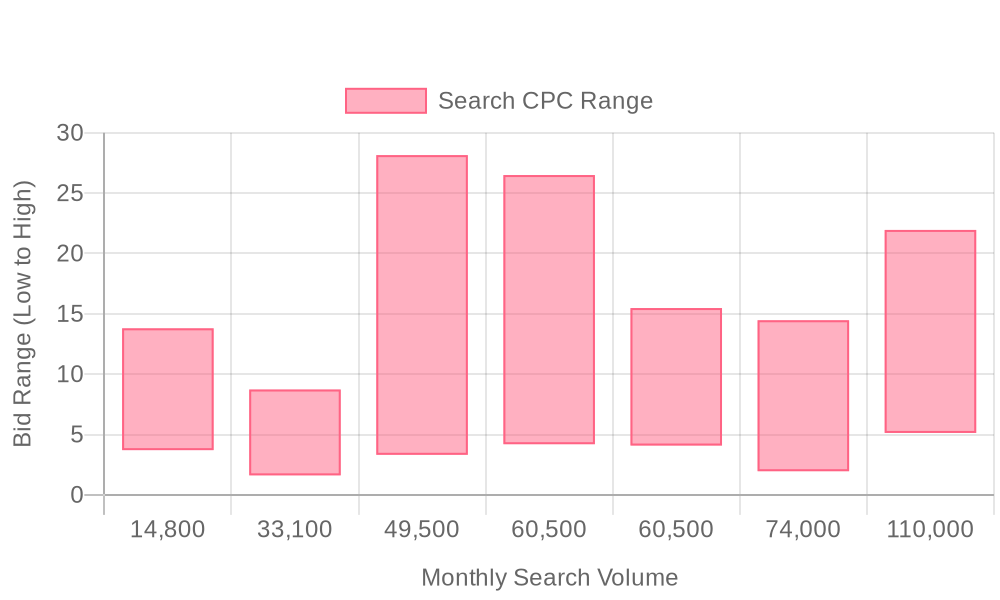
| Industry | Keyword | Monthly Search Volume | Competition Level | Low Bid | High Bid |
| Medicare Advantage Plans | aarp medicare advantage | 14800 | MEDIUM | 3.71 | 13.8 |
| Medicare Advantage Plans | medicare part c | 33100 | MEDIUM | 1.62 | 8.73 |
| Medicare Advantage Plans | humana medicare advantage | 49500 | MEDIUM | 3.32 | 28.15 |
| Medicare Advantage Plans | humana medicare | 60500 | MEDIUM | 4.2 | 26.5 |
| Medicare Advantage Plans | medicare advantage | 60500 | MEDIUM | 4.09 | 15.48 |
| Medicare Advantage Plans | aetna medicare | 74000 | MEDIUM | 1.96 | 14.47 |
| Medicare Advantage Plans | medicare advantage plans | 110000 | MEDIUM | 5.13 | 21.95 |
Effective keyword strategy is the cornerstone of successful digital marketing for Medicare Advantage plans. The right terms connect highly motivated prospects with plan benefits, streamlining the path from search to lead capture. For a comprehensive list of high-performing health insurance keywords tailored to this sector, explore health insurance keywords to get actionable ideas for your campaigns.
To maximize results, focus on keywords that reflect beneficiaries’ real purchasing intent. High-performing campaigns prioritize terms centered on benefits comparison, chronic condition coverage, and location-specific plan details. These search behaviors signal readiness to evaluate and enroll, especially during the annual enrollment period. By integrating these relevant keywords seamlessly into both ad copy and landing page content, marketers ensure a consistent, trust-building experience that aligns closely with the prospect’s needs. For more ways to strengthen your keyword-driven campaigns, review our actionable playbooks.
Incorporating negative keywords is crucial for cost control and funnel efficiency. Terms such as “Medicare jobs,” “free samples,” or “Medicaid” tend to attract low-converting clicks that inflate spend with little return. By continuously refining negative keyword lists, marketers reduce wasted impressions and drive a higher percentage of qualified leads. Some organizations enhance this process by using firmographic insights, such as company size or location, to adjust keyword targeting dynamically, ensuring ads appear only to those in-market for specific plan types or geographies.
Keyword strategy also benefits from advanced identity resolution and audience enrichment. When Sona's Identity Resolution links anonymous traffic to actual companies or individuals, marketers can move beyond generic targeting. Real-time audience data enables budget shifts toward high-converting accounts, while dynamic audience updates keep targeting accurate as prospects progress through the funnel. As a result, keyword campaigns become less about guesswork and more about delivering relevant, personalized messaging to in-market decision-makers, directly supporting measurable Medicare lead generation and improving the ROI of every ad dollar spent.
Step-by-Step Campaign Execution Framework
Executing high-performance Google Ads for Medicare Advantage Plans requires a systematic approach that aligns with both regulatory demands and the evolving expectations of healthcare consumers. Modern B2B teams benefit most from a sequential framework that unifies targeting, creative, and data-driven optimization to maximize Medicare lead generation and ensure compliance across every stage. This framework empowers revenue teams to identify in-market beneficiaries, personalize engagement, and drive measurable enrollment outcomes with clarity and confidence.
Step 1: Develop Targeted Keyword Lists
- Keyword intent: Start by mapping keyword lists directly to the most common Medicare enrollment questions, coverage concerns, and benefit inquiries. This ensures your paid search budget targets prospects with genuine decision-stage intent while avoiding wasted spend on irrelevant traffic. For additional support, explore health insurance keywords to further optimize your search campaigns.
- Geographic and demographic modifiers: Enhance targeting precision by layering city, ZIP code, and age-based modifiers, such as "Medicare Advantage plans in Houston age 65+", to align ad reach with plan-eligible populations.
- Continuous refinement: As campaigns run, leverage real-time search term data to expand or exclude keywords based on performance. Sona's Identity Resolution gives marketers a detailed view of which companies and individuals are searching, helping to prioritize high-value segments and adapt lists dynamically as market trends shift.
The upgrade most medicare advantage plans advertisers miss is going beyond raw keyword volume to layer in intent and identity signals. By connecting website-visitor data and CRM records with Sona Marketing Measurement, you can see which specific search terms bring in the accounts and customers that actually convert, and weight your keyword and bidding strategy toward those rather than the terms with the highest search volume alone.
Step 2: Craft Engaging Ad Copy
- USP-driven messaging: Develop ad copy that addresses urgent Medicare enrollment pain points, such as plan comparisons, prescription coverage, or zero-premium options. Clear, compliant language builds trust and reduces drop-off from ad to landing page, essential for digital marketing Medicare plans in a regulated landscape.
- Certifications and urgency: Highlight broker certifications, CMS approvals, or other trust signals to reinforce credibility. Use direct CTAs like “Compare local Medicare Advantage plans” without overstepping compliance boundaries. When ad platforms and compliance platforms are integrated, dynamic creative adjustments ensure that only approved messaging appears, even as offers or regulations change mid-campaign. For more on campaign messaging and optimization, visit the Sona blog.
Step 3: Design Conversion-Focused Landing Pages
- Consistent messaging: Ensure that every landing page delivers exactly what the ad promises, using identical benefit language, disclaimers, and value propositions. This is critical for Google Ads compliance Medicare and for maintaining a high Quality Score, which ultimately reduces cost-per-acquisition.
- Clear CTAs and trust signals: Place call-to-action buttons in prominent locations, pair them with visible trust badges, and display relevant testimonials or certifications. Modern landing page platforms, when synced with Sona’s audiences and intent data, can automatically adjust messaging or offers based on a visitor’s search history or prior engagements, increasing the likelihood of conversion. For essential compliance information, review the Medicare Marketing Guidelines.
Step 4: Optimize Through Data-Driven Adjustments
- Conversion tracking: Implement robust conversion tracking with Google Ads and CRM integration to attribute every call, form submission, or offline enrollment to its original campaign touchpoint. Sona’s attribution bridges the gap between online engagement and offline enrollment, giving teams a true picture of campaign ROI.
- A/B testing and iteration: Regularly test variations in ad copy, landing page layouts, and CTAs. Integrate offline conversion data and CRM feedback loops to close the attribution gap, ensuring budget is reallocated to the highest-performing keywords and audiences. Dynamic audience updates mean segments automatically shift as beneficiaries move from research to consideration, keeping retargeting efforts precise and cost-efficient.
Sona Marketing Measurement closes the gap between clicks and revenue. It captures every ad click with first-party measurement, then ties that click through UTM capture and ad-platform APIs to the actual record in your CRM, and reports ROAS by keyword and campaign instead of by last-click form fill. Feeding that revenue signal back into Smart Bidding and Performance Max compounds over time: the algorithms optimize toward booked Medicare Advantage Plans revenue, not cheap leads.
Tips on Expanding Your Medicare Advantage Presence

Sustained visibility and engagement in the Medicare Advantage market rely on a mix of education, collaboration, and automation. Modern marketers achieve greater reach by blending informative content, strategic alliances, and cutting-edge technology, ensuring that every campaign touchpoint aligns with evolving consumer behaviors and regulatory standards.
- Leverage educational content like webinars to attract interested audiences: Hosting webinars and publishing educational resources establishes trust while positioning your brand as a reliable expert. These sessions capture high-intent prospects actively seeking guidance about Medicare Advantage plans and enrollment options. Integrating real-time visitor identification tools allows you to see which companies or individuals engage with your webinars, making it possible to segment follow-up messaging and refine nurture sequences for better Medicare lead generation.
- Collaborate with industry partners for joint advertising campaigns: Partnering with healthcare providers, local agencies, or retirement communities extends your campaign footprint and builds shared credibility. Joint campaigns can pool audience data for more precise targeting, leveraging collective insights to identify high-value accounts and increase conversion rates. Incorporating dynamic audience updates ensures that as prospects progress from awareness to engagement, your advertising adapts in sync, maximizing the value of each touchpoint. For additional campaign ideas, explore creative Medicare marketing ideas.
- Use advanced Google Ads features like scripts to automate tasks and save resources: Automation through scripts streamlines bidding, budget adjustments, and negative keyword management, freeing teams to focus on creative strategy and high-level analysis. Beyond standard automation, platforms that unify CRM, ad, and offline data enable advanced conversion tracking, attributing both online and offline enrollments to specific campaigns. This holistic measurement not only provides a clear view of ROI but also identifies which digital marketing Medicare plans and tactics yield the highest enrollment rates, allowing for continuous optimization.
Technology-driven marketing elevates your Medicare Advantage presence from basic outreach to a sophisticated, data-centric operation. Predictive analytics and seamless CRM integration let you shift budgets toward in-market accounts, sync enriched audiences across platforms, and manage compliance at scale. Adopting these advanced Google Ads best practices makes campaigns both more efficient and more effective, with measurable gains in visibility, engagement, and qualified Medicare Advantage leads.
Beyond Google Ads: Winning the AI Answers Medicare Advantage Plans Buyers Now Trust
Paid search captures demand at the moment someone types a query. But a fast-growing share of medicare advantage plans buyers no longer start at Google at all, they ask ChatGPT, Gemini, or Perplexity before they ever run a search, and Google's own AI Overviews increasingly summarize an answer above the traditional results. If your business isn't referenced in those AI answers, you're invisible at the exact moment buyers build their shortlist.
Sona AI Visibility shows where your business shows up across ChatGPT, Gemini, Perplexity, Google AI Overviews, and 10+ engines, and, much like a keyword report, which prompts actually send you buyers, so you can prioritize the ones that convert. Run the two together and you cover the entire buyer path: get cited where buyers research (AI Visibility), then prove which of that demand turns into booked revenue (Marketing Measurement).
Helpful resources
Conclusion
The Medicare Advantage plans that will win the next enrollment cycle are the ones that stop treating Google Ads and AI answer engines as separate problems. As more prospects start their research with a question to ChatGPT or an AI Overview rather than a search bar, the plans that show up in both places, and that can prove which channel actually produced an enrollment, will out-compete rivals still measuring success by form fills alone.
To put data-driven measurement and identity resolution to work in your own campaigns, start for free and see what the platform surfaces about your current Medicare Advantage traffic.
FAQ
What are the best practices for Google Ads in Medicare Advantage?
Best practices include targeting high-intent keywords, ensuring ad and landing page alignment, implementing advanced audience segmentation, and continuously optimizing using real-time analytics and conversion tracking.
How can I optimize my Google Ads for Medicare enrollment?
Optimization involves using data-driven strategies, targeting specific demographics, aligning ad copy with landing pages, and utilizing real-time CRM integration for timely re-engagement.
What are the common mistakes in Google Ads for Medicare plans?
Common mistakes include failing to properly track high-value prospects, not aligning ad copy with landing pages, and neglecting advanced audience segmentation and negative keyword use.
How do I target the right audience for Medicare Advantage ads?
Target the right audience by using demographic filters, intent-based segmentation, and real-time visitor identification technology to reach eligible seniors actively researching Medicare plans.
What budget should I allocate for Google Ads in Medicare marketing?
Allocate budget based on targeting high-intent keywords and demographics, and continuously adjust by reallocating funds to high-converting segments using real-time data and performance metrics.







