


Medical waste disposal companies sell into a market where the buyer is often invisible until the last minute: a lab manager searching for a compliant hauler after a failed inspection, a hospital procurement officer replacing a vendor mid-contract. Google Ads catches that moment of urgency, putting your service in front of the person searching right now rather than waiting for a referral. Many high-value prospects browse a site, check pricing, and leave without filling out a form, so their interest never reaches the CRM. Sona's Identity Resolution surfaces the companies behind that anonymous traffic and feeds them into Google Ads customer match lists, so campaigns target real, named accounts instead of cold clicks. Here's how to build that into a working medical waste disposal strategy.
How to Generate Medical Waste Disposal Leads with Google Ads: A Step-by-Step Guide

Medical waste disposal companies need marketing precision to compete in a compliance-driven sector where timing and relevance directly impact lead quality. The right Google Ads strategy for waste management leverages data to optimize spend, minimize waste, and surface offers to healthcare buyers at the moment of highest intent.
A focused approach to Google Ads for medical waste disposal ensures campaigns are tailored to facility administrators, labs, and medical offices actively seeking compliant services. By aligning ad messaging and landing pages with industry pain points, marketers can boost conversion rates and establish trust early in the buyer’s journey.
Implementing Google Ads in this vertical requires granular targeting, creative optimization, and seamless integration with sales operations. Advanced marketers now identify anonymous website traffic, enrich visitor data, and update remarketing audiences in real time, ensuring that high-value accounts are nurtured across digital touchpoints.
Integrating Google Ads with CRM workflows further streamlines follow-up, enabling sales teams to act on hot leads triggered by ad engagement. When a prospect from a regulated healthcare facility interacts with high-value website content, automated workflows can add them to a Google Ads remarketing audience, trigger a CRM task, and synchronize audience updates across channels. This ensures every relevant interaction receives timely, personalized outreach, reducing the risk of missed deals.
With compliant ad copy, careful audience segmentation, and budget allocation informed by real-time behavior, medical waste disposal companies can lift qualified lead volume and marketing ROI. The rest of this guide walks through that data-driven setup step by step, from keyword strategy to campaign execution, so your team can capture, convert, and close more healthcare opportunities. Ready to optimize your campaigns? Get started for free with Sona.
Why Does Google Ads Matter for Medical Waste Disposal?
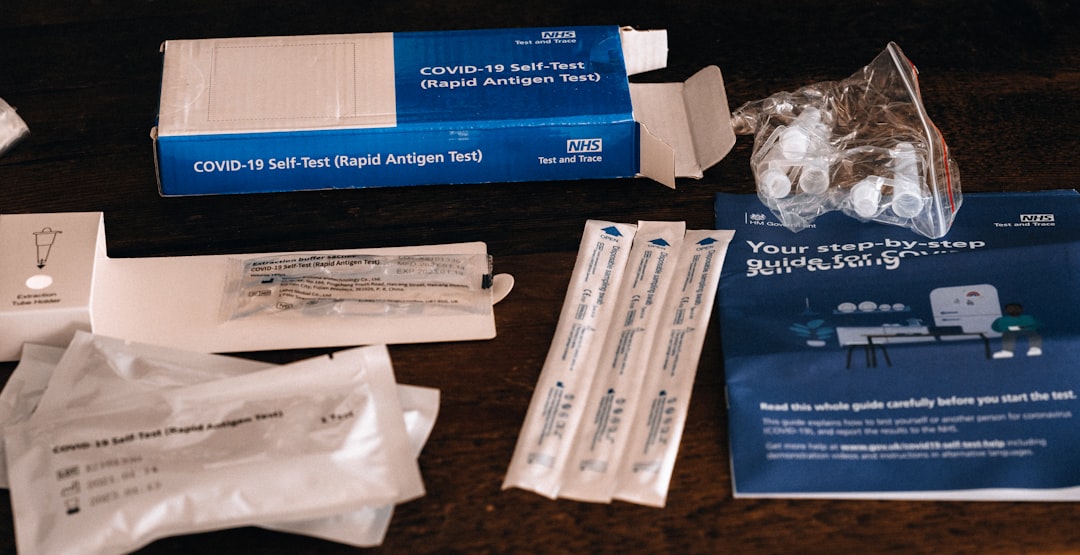
Medical waste disposal companies operate in a sector where timing, compliance, and contract value directly define business growth. Google Ads enables these providers to intercept healthcare decision-makers precisely when they search for accredited vendors, ensuring that every marketing dollar is aimed at audiences with immediate or high-value needs.
Leveraging Google Ads for Medical Waste Disposal brings the agility to respond instantly to regulatory changes or market shifts, whether that means promoting new waste compliance services or scaling campaigns to match seasonal demand from hospitals and clinics. The platform’s advanced targeting makes it possible to pinpoint administrators, procurement managers, and facility directors across regions, optimizing spend toward only the most relevant and profitable leads. Explore more strategies for optimizing demand generation to drive measurable results.
A significant risk in medical waste disposal advertising is misaligning messaging with the actual intent of potential buyers, which can dilute brand trust and hurt conversion rates. By integrating real-time intent signals and unified, company-level analytics, marketers achieve campaign consistency: ad creative, landing pages, and follow-up outreach are coordinated to reflect every stage of the healthcare buyer's journey. This approach not only increases engagement but also supports closed-loop measurement, enabling teams to trace every contract back to its original click for true ROI clarity.
Common Types of Google Ads Campaigns for Medical Waste Disposal Services

- Search Campaigns: Medical waste disposal companies benefit most from search campaigns, which capture high-intent keywords such as “medical waste disposal companies” or “OSHA medical waste pickup.” Search campaigns draw in decision makers actively seeking compliant, reliable providers. Tying online campaign data with offline lead interactions creates a unified view of which search terms drive actual sales. Using advanced attribution and CRM integration, you can seamlessly reconcile form fills, phone calls, and in-person meetings, surfacing the true ROI of each keyword and message. For additional strategies, explore this step-by-step PPC guide for waste management companies.
- Display Ads: Display campaigns help maintain a strong digital presence across healthcare publisher sites, association forums, and compliance-focused content networks. These ads reinforce brand awareness among healthcare administrators and facility managers, even when they are not searching directly for disposal services. With visitor identification and intent signals, marketers can prioritize spend on accounts showing purchase readiness, increasing efficiency and reducing wasted impressions.
- Video Ads: Explaining medical waste compliance and disposal procedures is complex. Video ads offer a compelling way to demonstrate processes, showcase certifications, and answer common compliance questions visually. Hosted on YouTube and embedded across medical resource sites, these campaigns engage prospects who prefer learning through visual content. Real-time behavioral insights reveal which viewers are advancing through the funnel, making it easier to retarget engaged accounts or shift budget toward audiences most likely to convert.
- Remarketing: Remarketing campaigns re-engage previous site visitors, nurturing those who showed interest but did not convert. Advanced segmentation ensures that facility managers who viewed pricing pages but left can be targeted with tailored follow-up ads, such as reminders about regulatory deadlines or limited-time compliance offers. Dynamic audience updates keep lists current as leads move from early research to contract negotiation, so messaging always matches the buyer’s stage.
- Assets: Ad assets build credibility and trust at the moment of decision. Location assets display proximity and service area coverage, while callout and structured snippet assets highlight EPA or OSHA certifications, on-time pickup guarantees, and customer testimonials. Integrating enriched company data into these assets ensures that each ad surfaces relevant credentials and proof points, increasing click-through rates and boosting qualified lead generation.
Where to Find Growth Opportunities?

Growth for medical waste disposal companies is unlocked by targeting segments that are often overlooked by broader digital marketing strategies. Focusing on high-value healthcare organizations, laboratories, and specialized clinics delivers more qualified medical waste disposal leads than chasing generalized keywords or audiences. Using real-time audience insights can help refine your targeting and prioritize the prospects most likely to convert.
- Vertical keyword targeting for unique services: Using intent-rich medical waste disposal keywords such as "OSHA sharps disposal for dental clinics" or "pharmaceutical waste management for oncology centers" allows you to attract prospects with clear needs and higher conversion potential. Feeding these nuanced segments into your Google Ads campaigns ensures your message reaches decision-makers seeking regulated, compliant services rather than price shoppers or unrelated organizations. For more ideas on effective keyword themes, visit waste management keywords.
- Leverage auction insights for competitive gaps: Google Ads auction insights reveal where competitors are underinvested. By analyzing impression share and overlap rates for high-performing medical waste disposal advertising terms, you can identify underserved geographies, facility types, or compliance-driven services. Shifting budget and creative focus to these gaps reduces wasted spend and increases your share of high-intent demand. Sona's Identity Resolution can also reveal which companies and decision-makers are engaging with your ads, helping further optimize your outreach.
- Industry-specific placements and retargeting: Placing ads on healthcare industry directories, medical compliance forums, and association websites deepens your reach within decision-making circles. Retargeting visitors who engage with compliance resources or request documentation ensures your campaigns nurture prospects through a longer B2B buying cycle. Seamless integrations enable you to sync high-quality audience data into your CRM and ad platforms, keeping your retargeting lists fresh and relevant as leads progress through the funnel.
- Content-driven campaign reinforcement: Supporting your Google Ads for healthcare efforts with assets like compliance whitepapers, waste management checklists, and audit preparation guides not only drives inbound engagement but also builds trust. Feeding engagement data from these assets back into your ad platform with intent signal tracking helps you prioritize budget toward prospects showing active buying intent and align creative messaging to their current stage in the funnel.
By combining intent-based targeting, competitive insights, and industry-aligned content, revenue teams can refocus resources away from low-fit leads and invest in opportunities that deliver measurable ROI. Attribution and CRM integration tie every dollar spent to actual medical waste disposal contracts, supporting continuous campaign refinement and revenue growth.
How to Apply Audience Segmentation for Medical Waste Disposal
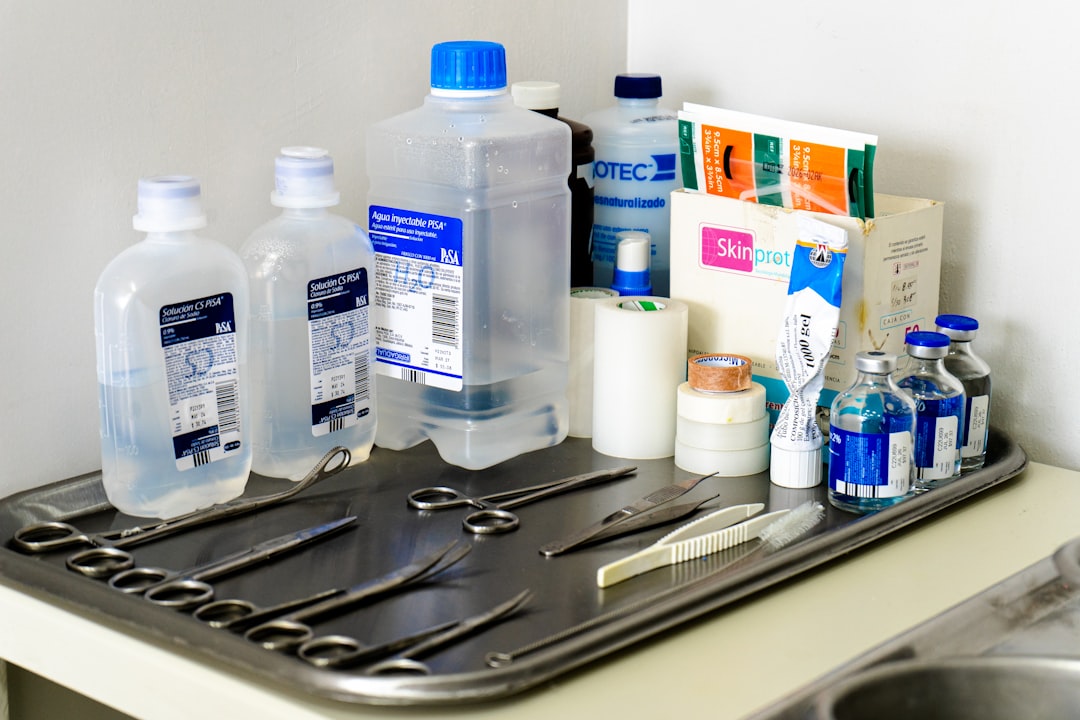
Segmenting audiences for medical waste disposal campaigns enables marketers to connect with decision-makers at the right moment, using messaging calibrated for each organization's unique compliance and operational needs. Accurate segmentation minimizes wasted spend, ensures regulatory relevance, and increases response rates from high-value buyers. For foundational guidance on regulatory compliance in this sector, review the official Indian government guidelines on bio-medical waste management.
- Define Specific Segments: Medical waste disposal buyers range from large hospital systems and surgical centers to research laboratories and dental clinics. Each has distinct compliance mandates, disposal volumes, and urgency levels. By differentiating targets, such as separating hospital procurement managers from lab facility directors, marketers can build messaging that addresses the specific pain points of each group. This approach also enables granular bidding, ensuring budget is prioritized toward accounts with the highest contract value and compliance sensitivity. For more actionable tactics, explore our library of audience segmentation playbooks.
- Integrate Intent Signals: Overlaying behavioral and procedural signals, such as searches for "waste compliance audit" or "regulated sharps disposal," allows marketers to target prospects based on real-time needs rather than generic demographics. Sona surfaces intent signals by pushing freshly updated audience lists into Google Ads, reflecting the latest research and buying stages. As a result, sales teams gain visibility into which accounts are actively seeking new disposal solutions, enabling agile budget shifts from passive to high-converting segments.
- Create Appropriate Ad Groups: Audience segmentation supports the creation of ad groups tailored to key buying personas: for example, hospital compliance officers versus environmental health managers. Each ad group features messaging and value propositions relevant to that segment’s responsibilities, such as highlighting audit documentation for compliance officers or sustainability metrics for environmental managers. This alignment raises click-through rates and engagement, accelerating the path from initial interest to qualified lead. To see how segmentation impacts campaign structure, check out our guide to B2B marketing reports.
- Ensure Conversion Validations: A robust segmentation strategy extends into measurement, aligning campaign tracking with CRM data to validate every lead and conversion. By unifying audience signals and conversion data, marketers can attribute closed deals to specific segments, campaigns, and even buyer stages. This enables the optimization of both targeting and creative, so future spend flows toward the audience profiles that generate the highest ROI. Real-time CRM and ad platform syncing ensures that as leads progress or convert offline, those insights are immediately reflected in campaign targeting and reporting, closing the loop between marketing, sales, and revenue attribution.
This is also where measurement changes the economics. With Sona Marketing Measurement you can identify the companies behind your ad clicks, not just anonymous sessions, and segment audiences by which accounts actually become customers. That lets you build bid adjustments and audience signals around the segments that convert and de-prioritize the ones that don't, so you feed Google's algorithms "this click became a paying medical waste disposal customer" instead of just "someone filled out a form."
Keyword Strategy & Sample Target Terms
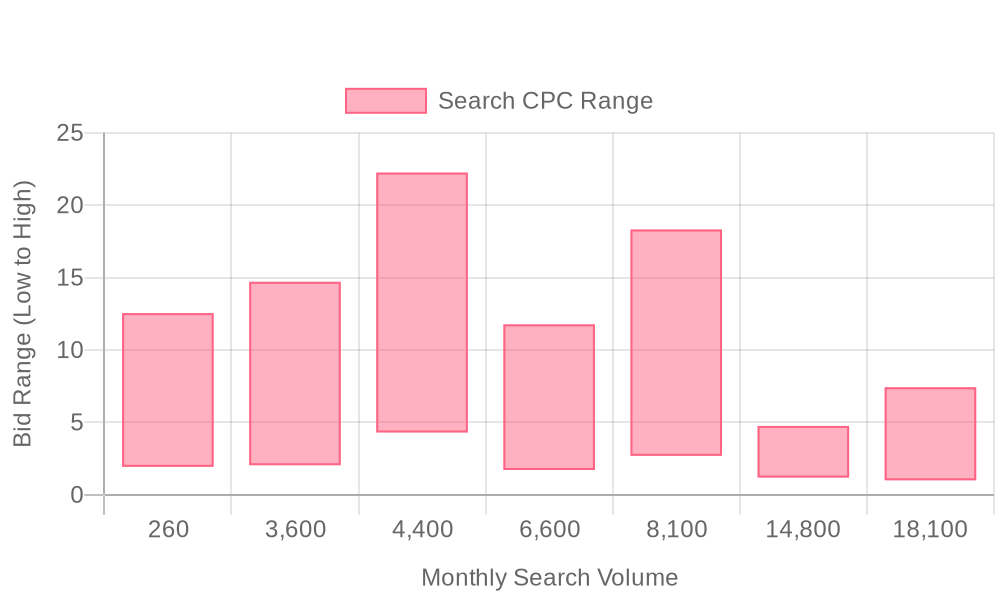
| Industry | Keyword | Monthly Search Volume | Competition Level | Low Bid | High Bid |
| Medical Waste Disposal | clinical waste disposal | 260 | LOW | 1.94 | 12.55 |
| Medical Waste Disposal | medical waste disposal near me | 3600 | MEDIUM | 2.05 | 14.71 |
| Medical Waste Disposal | biohazard waste disposal | 4400 | LOW | 4.31 | 22.25 |
| Medical Waste Disposal | sharps disposal | 6600 | MEDIUM | 1.72 | 11.77 |
| Medical Waste Disposal | medical waste disposal | 8100 | LOW | 2.7 | 18.32 |
| Medical Waste Disposal | sharps disposal near me | 14800 | LOW | 1.2 | 4.76 |
| Medical Waste Disposal | sharps container disposal | 18100 | HIGH | 1.01 | 7.43 |
Precision in keyword strategy is fundamental for medical waste disposal companies aiming to generate qualified leads and maximize return on ad spend. High-value keywords such as "certified medical waste disposal" and "medical waste removal companies near me" enable campaigns to target buyers with immediate needs, often resulting in faster sales cycles and greater deal values. Focusing on intent-rich queries ensures marketing dollars reach decision-makers at hospitals, clinics, and laboratories who are ready to engage. For further insights on optimizing digital marketing channels, explore this actionable playbook library.
Local modifiers are essential in digital marketing for medical waste because most clients require regional compliance and quick service. Terms like "medical waste pickup in [city]" or "biohazard disposal near [location]" increase relevance and reduce wasted spend on out-of-territory searches. Employing a robust negative keyword list further refines targeting by filtering out low-intent queries such as "DIY medical waste disposal," "medical waste jobs," or "what is medical waste," ensuring the budget supports only commercial and actionable leads. Discover a collection of high-performing keywords relevant to waste management PPC campaigns.
Prioritizing high-intent keywords is especially effective when combined with advanced attribution. Capturing both online and offline events, such as inbound phone calls from ad extensions, attributes conversions back to the original keyword and campaign. This closed-loop insight helps marketers allocate spend to the queries that not only drive clicks, but also generate qualified medical waste disposal leads. By leveraging real-time intent signals and dynamically updating audience segments as prospects move through the funnel, campaign managers can continuously shift budget to the most in-market accounts, ensuring optimal efficiency and precision.
Integrating enriched CRM and website visitor data with ad platforms enables even more precise keyword optimization. For example, using visitor identification and real-time behavioral data, marketers can identify which healthcare organizations are most engaged, then prioritize spend on keywords aligned with their search activity. As leads become qualified or move to later stages, synced audiences ensure Google Ads campaigns automatically adjust bids and messaging, focusing resources on accounts most likely to convert. This data-driven approach elevates PPC for medical waste disposal, aligning search strategy with broader revenue goals and healthcare advertising compliance requirements.
Step-by-Step Campaign Execution Framework
A structured approach to Google Ads for Medical Waste Disposal ensures campaigns reach high-intent decision-makers and produce measurable business outcomes. Precision in execution is critical, especially as compliance and commercial pressure define the healthcare waste sector. Each phase of campaign development directly impacts the quality of leads and the efficiency of digital marketing for medical waste.
Step 1: Build Targeted Keyword Lists
Success in PPC for medical waste starts with strategic keyword segmentation. Grouping search terms by service, such as sharps container disposal, regulated medical waste removal, or emergency biohazard cleanup, allows for more relevant ad delivery and better budget allocation. Filtering out non-converting or irrelevant queries with robust negative keyword lists ensures ad spend focuses only on qualified prospects, improving both click-through and conversion rates. Revenue teams gain further advantage by leveraging intent signals and historical search behavior, identifying when a hospital, lab, or clinic is actively seeking disposal solutions. When marketers unify data from web activity, CRM, and offline inquiries, they can refine targeting to prioritize high-value medical waste disposal keywords and exclude traffic unlikely to convert, maximizing ROI.
The upgrade most medical waste disposal advertisers miss is going beyond raw keyword volume to layer in intent and identity signals. By connecting website-visitor data and CRM records with Sona Marketing Measurement, you can see which specific search terms bring in the accounts and customers that actually convert, and weight your keyword and bidding strategy toward those rather than the terms with the highest search volume alone.
Step 2: Develop Ad Copy
Compelling ad copy for medical waste disposal advertising addresses the real pain points of healthcare facilities: compliance risk, timely pickup, and transparent documentation. Strong headlines, such as “EPA-Compliant Medical Waste Removal” or “OSHA-Approved Sharps Disposal”, build instant credibility. Highlighting certifications within the copy reassures procurement professionals and facility managers that your service meets rigorous standards. For further trust, integrate dynamic signals from past engagements or verified reviews directly into ad messaging. As campaign data becomes more centralized, marketers can update ad variants in response to shifting industry trends, tailoring copy to the compliance concerns or sustainability goals most relevant to each segment.
Step 3: Design Landing Pages
Effective landing pages for medical waste leads match each ad group’s promise, ensuring a seamless journey from search to inquiry. Each page should clearly display proof elements, such as state permits, EPA or DOT badges, and client testimonials, to address compliance and build trust. Responsive layouts guarantee accessibility for users on any device, vital for busy healthcare professionals. When data flows freely between advertising platforms and your CRM, landing pages can dynamically personalize content based on a visitor’s profile or organization, improving relevance and boosting conversion rates. This also allows teams to synchronize lead status between sales and marketing, ensuring follow-up is prompt and context-rich.
Step 4: Optimize Continuously
Continuous optimization is essential for sustaining performance in medical waste Google Ads campaigns. Conversion tracking, both online and offline, reveals which keywords and ads are truly driving new business, not just traffic. Using Target CPA bidding strategies, marketers can dynamically adjust to prioritize leads most likely to close, while importing offline conversions provides a complete view of the funnel from click to signed contract. When campaign data, CRM insights, and offline outcomes are unified, optimization cycles become more agile: budgets shift in near real-time toward high-converting audiences, and creative updates are informed by both digital and sales touchpoints. This closed feedback loop helps revenue teams understand the true value of every channel, driving smarter decisions and higher quality medical waste disposal leads.
Sona Marketing Measurement closes the gap between clicks and revenue. It captures every ad click with first-party tracking, ties that click through UTM capture and ad-platform APIs to the actual record in your CRM, and reports ROAS by keyword and campaign instead of by last-click form fill. Feeding that revenue signal back into Smart Bidding and Performance Max compounds over time: the algorithms optimize toward booked medical waste disposal revenue, not cheap leads.
Tips on Expanding Your Medical Waste Disposal Presence
Elevating your medical waste disposal business requires a modern, data-driven approach that seamlessly connects your digital campaigns with real-world buyer intent. Leveraging advanced audience intelligence and automated workflows ensures you do not just generate traffic, you convert it into measurable, high-value relationships. For an overview of web marketing and lead generation services tailored to the industry, see medical waste disposal marketing services.
Enhance your Google Ads strategy by integrating a robust retargeting approach with educational content. This positions your brand as a compliance and safety authority, building trust with healthcare administrators and facility managers who prioritize regulatory adherence. When visitors engage with your resources, dynamic retargeting enables you to nurture these leads through the funnel, adapting your messaging to reflect each prospect’s stage and interest.
Upsell opportunities thrive when you segment audiences based on detailed behavioral and firmographic data. By overlaying enriched data and fit scoring methodologies, your team focuses outreach and ad spend on the prospects most likely to convert to multi-service contracts. Real-time intent signals allow you to quickly identify when a clinic or hospital is actively researching new disposal providers, empowering you to shift budget and messaging to capture those high-value accounts.
Forming partnerships with healthcare associations unlocks new audiences through co-branded campaigns. These alliances allow you to tap into trusted networks, amplify your authority, and align your brand with ongoing industry education. As you synchronize CRM and ad audiences, you can coordinate outreach so every association member sees tailored messaging, both online and through direct nurture sequences.
Localizing your ads is essential for capturing the unique needs of each state or metro area. Nuanced geotargeting ensures your campaigns address region-specific regulations, pricing, and logistics, critical in a highly regulated industry. With unified data, you can refine these local segments in real time, continuously optimizing copy and bidding to reflect changes in demand, compliance requirements, or seasonal trends. For details on Indian biomedical waste regulations, reference bio-medical waste management guidelines.
Succeeding in medical waste disposal advertising is not just about keywords and creative, but about connecting each digital touchpoint to the full buyer journey. Integrating online and offline tracking, real-time audience updates, and intent-based budget allocation allows you to optimize campaigns and unlock new growth avenues while maintaining compliance and maximizing ROI.
Beyond Google Ads: Winning the AI Answers Medical Waste Disposal Buyers Now Trust
Paid search captures demand at the moment someone types a query. But a fast-growing share of medical waste disposal buyers no longer start at Google at all, they ask ChatGPT, Gemini, or Perplexity before they ever run a search, and Google's own AI Overviews increasingly summarize an answer above the traditional results. If your business isn't referenced in those AI answers, you're invisible at the exact moment buyers build their shortlist.
Sona AI Visibility shows where your business shows up across ChatGPT, Gemini, Perplexity, Google AI Overviews, and 10+ engines, and, much like a keyword report, which prompts actually send you buyers, so you can prioritize the ones that convert. Run the two together and you cover the entire buyer path: get cited where buyers research (AI Visibility), then prove which of that demand turns into booked revenue (Marketing Measurement).
Helpful resources
Conclusion
Google Ads works for medical waste disposal because it meets buyers at the exact point of urgency, a failed inspection, a new facility opening, a contract expiring, and puts a compliant provider in front of them before a competitor does. The campaigns that win aren't the ones with the biggest budgets; they're the ones built on keyword and audience discipline specific to this industry's compliance pressures and long sales cycles.
The next shift in this market is happening upstream of the click: buyers increasingly ask AI tools which vendors are compliant and reliable before they ever open Google. Pairing disciplined Search campaigns with visibility in those AI answers, and measurement that connects both back to signed contracts, is what will separate the disposal companies that grow from the ones that just spend.
Ready to elevate your marketing efforts? Start for free to see how unifying your go-to-market data turns ad spend into a traceable pipeline of medical waste disposal contracts.
FAQ
What are the best practices for using Google Ads in medical waste disposal?
Best practices include leveraging data to optimize spend, using precise targeting to engage with decision-makers, aligning ad messaging with industry pain points, and integrating with CRM workflows to ensure timely follow-up on leads.
How can I ensure compliance with Google Ads policies for medical waste?
Ensure compliance by using ad copy that aligns with regulatory standards, highlighting certifications, and maintaining accurate, timely messaging that reflects industry compliance requirements.
What keywords should I use for Google Ads in medical waste disposal?
Use high-intent keywords like 'certified medical waste disposal' and location-specific phrases such as 'medical waste pickup in [city]' to target decision-makers with urgent needs.
How much should I budget for Google Ads in the medical waste industry?
Budgeting should be based on targeting high-value keywords and optimizing spend through audience segmentation to focus on leads most likely to convert, ensuring an efficient use of marketing dollars.
What are the common mistakes to avoid in Google Ads for medical waste disposal?
Common mistakes include misaligning ad messaging with buyer intent, not using negative keywords to filter out irrelevant queries, and failing to integrate with CRM systems for effective lead tracking and conversion.







