A horse trailer breaks its axle two states from the destination, or a barn gets word at 9 p.m. that a mare needs to move by morning. Horse transport is an urgency business, and the companies that win the call are the ones visible the instant someone starts searching. Google Ads lets horse transport operators connect with high-intent customers at that exact moment, rather than hoping word of mouth or a stale directory listing gets there first. With targeted campaigns, a transport company can reach horse owners, breeders, and event managers when they're actively comparing haulers, before the lead cools and goes to a competitor. Done well, this turns marketing spend into a predictable source of booked jobs rather than a cost center.
How to Generate Horse Transport Leads with Google Ads: A Step-by-Step Guide

Effective lead generation for horse transport services depends on targeting the right audience with precision, not just buying reach. PPC converts budget into booked jobs only when campaigns are built from intent-driven data, personalized ad experiences, and automation that matches how horse owners actually shop for a hauler.
Generic, catch-all campaigns waste spend and miss the buyers who matter. Segmentation, real-time visitor intent, and dynamic audience building keep every dollar focused on people actively seeking horse transport, not casual browsers. For a broader view of who else operates in this space, consult this directory of horse transport services in North America.
Digital marketing for horse transport works best when keywords, ad copy, targeting, and measurement all speak to how horse owners actually shop, urgency, insurance coverage, handling experience, route reliability, not to a generic "transport services" query. A breeder booking routine shipments to a sale barn has different concerns than an owner scrambling to move a horse ahead of a storm or a vet referral needing same-week pickup. Campaigns built around those distinctions consistently outperform one-size-fits-all approaches. Marketers who connect CRM and ad platforms can personalize further, using dynamic audience segments to spot returning visitors and trigger the kind of timely follow-up that closes urgent bookings.
With the right tools, revenue teams can close the gap between ad engagement and sales action. Unified campaign data unlocks full-funnel attribution, making it possible to measure true ROI and keep improving performance over time. The framework below covers identifying high-intent leads, building ad experiences that convert, and nurturing prospects from first click to booked transport. Get started for free with Sona.
Why does Google Ads matter for Horse Transport Services?
Horse transport services operate in a highly specialized market where missed opportunities can result in significant revenue loss. Buyers often require immediate and reliable solutions, making it critical for providers to appear at the exact moment a prospect initiates a search for transport or logistics help. For businesses looking to streamline lead generation or market research, a comprehensive directory of horse transport service providers in North America can be a valuable resource.
Google Ads enables horse transport businesses to directly reach decision-makers during their active research phase, increasing the chance of capturing urgent, high-value leads. Precision targeting minimizes wasted spend by focusing budgets on real-time audience demand rather than broad, untargeted outreach.
Every online inquiry can translate into a qualified offline service request when ads are tailored to match the context of the searcher. With the ability to map ad spend directly to pipeline impact, horse transport providers benefit from a measurable, data-driven approach to client acquisition and retention.
For B2B revenue teams, Google Ads is not just about visibility, it's about activating the right audience segments, identifying in-market companies, and shortening the path from web visit to booked transport. Platforms can now unify campaign data with CRM and intent signals, enabling dynamic audience management as potential clients move through the sales funnel. That keeps marketing spend tuned to lead quality and conversion, which matters in an industry where a slow follow-up often means a lost booking.
Common Types of Google Ads Campaigns for Horse Transport Services

- Search Campaigns: Search campaigns capture high-intent queries from horse owners and managers who need a solution now. Keywords like "insured horse transport" or "emergency horse shipping" intercept buyers at the decision point, cutting the lag between search and contact. Responsive search ads, a format within Search, let you test multiple headlines and descriptions to see what resonates. Integrating real-time visitor identification lets marketers see which accounts are searching and adjust bids toward those with verified transport needs, concentrating spend on the most profitable prospects.
- Display Ads: Display ads extend visibility beyond search, keeping horse transport brands in front of potential clients as they browse equestrian news, forums, and event sites. These visual placements reinforce brand recall and can be dynamically updated with messaging tailored to a prospect’s prior engagement or geographic region. When marketers leverage dynamic audience data synced directly from their CRM, display ads can automatically adjust creative and offers, ensuring the right message is shown to customers as they progress from initial research to purchase consideration.
- Video Ads: Video ads offer a powerful channel to build trust and demonstrate the care, safety, and professionalism of horse transport services. Showcasing behind-the-scenes footage of loading procedures, vehicle features, and client testimonials helps address common concerns about animal welfare and logistics. Marketers looking to educate or reassure their audience can benefit from resources like this YouTube video on horse transportation, while analyzing in-market behavior allows targeting video campaigns to users most likely to convert.
- Remarketing: Remarketing campaigns re-engage horse owners and facility managers who previously visited your site or requested quotes but did not convert. These campaigns can serve tailored ads, such as reminders about pending quotes or limited-time discounts, based on the user’s last interaction with your service. With advanced audience management, remarketing lists update automatically as leads move through each sales stage, allowing for highly relevant messaging that maximizes the chance of recapturing lost opportunities and turning them into qualified leads.
- Assets: Ad assets (formerly called extensions) add information to search and display ads that builds credibility and simplifies contact. Call assets let users reach a transport coordinator immediately, while location assets highlight service hubs or regional offices, reassuring clients of local presence and support. When assets draw on synced CRM data, the information shown can vary by audience segment, such as highlighting regional insurance coverage or specialized equipment for certain routes, driving higher engagement and trust.
Where to Find Growth Opportunities in Horse Transport

Growth in the horse transport sector often comes from recognizing and bridging the gap between digital engagement and offline decision-making. Many businesses miss significant ROI because they lack visibility into conversions that happen after an online interaction, such as phone calls, form submissions, or in-person conversations that lead to bookings. By integrating advanced conversion tracking, including mechanisms that attribute offline conversions back to digital touchpoints, companies gain a holistic performance view. This empowers revenue teams to allocate budgets to keywords, channels, and campaigns that actually drive completed shipments and repeat business.
Exploring vertical keyword targeting is essential for finding untapped growth. Successful horse transport advertising goes beyond generic search terms by capturing high-intent, service-specific phrases like “insured horse shipping,” “emergency equine transport,” or “show horse transportation near me.” Utilizing industry-specific placements, such as equestrian event websites, further sharpens audience focus. With dynamic audience capabilities, marketers can continuously update segments as prospects move from initial research to requesting quotes or scheduling transports, ensuring ads remain relevant and timely.
Competitor gap analysis provides a practical roadmap to seize niche segment opportunities. By mapping the digital presence of top horse transport providers, marketers can identify underserved regions, underutilized service types, or overlooked pain points in messaging. This enables targeted PPC for horse transport, reaching prospects where competitors are absent or weak. When visitor identification systems are in place, marketers can pinpoint high-value companies visiting their site, enabling real-time intent analysis and budget shifts toward audiences exhibiting active buying signals.
Content retargeting is a powerful lever for nurturing long-cycle buyers in horse transport services marketing. Educational resources, such as interactive guides on preparing horses for long-haul transport, safety checklists, or explainer videos detailing the transport process, add value throughout the decision journey. By deploying retargeting strategies that serve these assets to previous website visitors, marketers increase engagement and conversion rates while keeping their service top-of-mind. Syncing enriched lead data into both CRM and ad platforms ensures every retargeted touchpoint is informed by up-to-date behavioral signals, fueling smarter, more personalized re-engagement efforts.
How to Apply Audience Segmentation for Horse Transport
Audience segmentation in horse transport advertising transforms generic outreach into targeted, relevant messaging that aligns with each customer's journey. Precision in segmenting audiences enables marketers to allocate budget and creative resources where they have the greatest impact, increasing both engagement rates and lead quality. For practical strategies on segmenting and targeting, explore this guide to account-based marketing.
Effective segmentation for Google Ads for Horse Transport Services starts by mapping out the unique buyer personas: horse owners relocating for competitions, breeders requiring routine transport, and emergency veterinary referrals. Each group has distinct decision drivers, from insurance requirements to route reliability and timing concerns. By building ad groups around these personas, campaigns can address real-world pain points such as safe handling, compliance with equine transport laws, or urgent scheduling. For a deeper look at how to access and arrange nationwide horse transport, refer to this guide to nationwide horse transport.
Overlaying real-time audience data with these core segments further elevates performance. For instance, leveraging in-market signals allows marketing teams to boost ad visibility for high-value accounts currently searching for "insured interstate horse transport" or "last-minute equine relocation." As leads interact with website content or request quotes, dynamic audiences automatically update, ensuring that remarketing efforts stay relevant. Using advanced platforms, marketers can identify not just anonymous site visitors but the organizations and decision-makers behind each inquiry, making follow-up highly personalized.
Audience segmentation also drives more accurate attribution. Integration between CRM and advertising platforms allows for seamless syncing of qualified leads and customer records. This unified approach ensures that every dollar spent on Google Ads optimization for transport services is mapped to actual revenue outcomes, both online and offline. As leads progress from initial inquiry to booked transport, conversion tracking reflects the entire sales cycle, supporting better forecasting and campaign refinement. With segmentation, digital marketing for horse transport becomes both more strategic and more measurable, directly supporting business growth objectives.
This is also where measurement changes the economics. With Sona Marketing Measurement you can identify the companies behind your ad clicks, not just anonymous sessions, and segment audiences by which ones actually become customers. That lets you build bid adjustments and audience signals around the segments that convert and de-prioritize the ones that don't, so you feed Google's algorithms "this click became a paying horse transport services customer" instead of just "someone filled out a form."
Keyword Strategy & Sample Target Terms
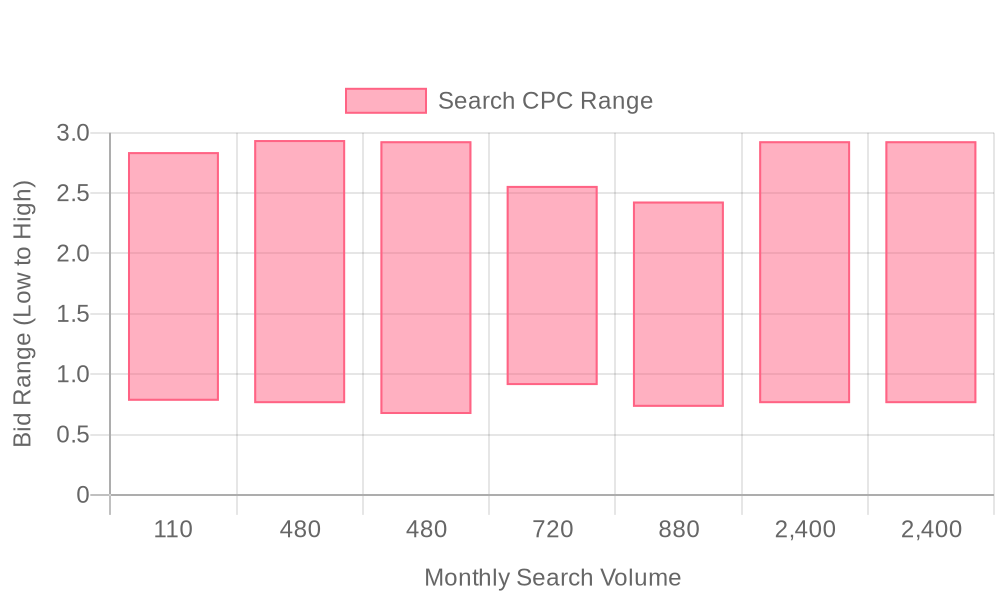
| Industry | Keyword | Monthly Search Volume | Competition Level | Low Bid | High Bid |
| Horse Transport Services | affordable horse transport | 110 | LOW | 0.78 | 2.84 |
| Horse Transport Services | horse transport services | 480 | LOW | 0.76 | 2.94 |
| Horse Transport Services | horse shipping | 480 | LOW | 0.67 | 2.93 |
| Horse Transport Services | horse transport near me | 720 | LOW | 0.91 | 2.56 |
| Horse Transport Services | horse transport companies | 880 | LOW | 0.73 | 2.43 |
| Horse Transport Services | horse transportation | 2400 | LOW | 0.76 | 2.93 |
| Horse Transport Services | equine transport | 2400 | LOW | 0.76 | 2.93 |
A robust keyword strategy is essential for high-performing Google Ads campaigns in the horse transport sector. Effective keyword planning focuses on identifying high-intent terms that attract decision-makers searching for immediate, specialized solutions. By centering your efforts on phrases such as "urgent horse transport," "licensed equine haulers," and "cross-country horse shipping," you target leads with clear purchasing intent, reducing wasted spend and increasing qualified inquiries. For a deeper dive into keyword selection and market players, explore this list of horse transport services in North America to inform your targeting strategy.
Keyword research tools reveal not just the most-searched terms but niche variations that often deliver stronger returns. Long-tail phrases like "emergency horse transport California," "insured horse trailer service," and "show horse relocation specialists" typically face less competition and convert better, since they align tightly with pressing needs, from last-minute show bookings to high-value animal relocations. To sharpen targeting further, Sona's Identity Resolution reveals which companies are visiting your site even before they fill out a form, so you can prioritize outreach to high-value prospects.
Keyword strategy should also flex with the calendar and the map. During show and event seasons, searches for "event horse transport near [city]" surge, demanding quick bid adjustments and tailored ad groups; the same query in a quiet month may signal a routine, price-sensitive shopper rather than an urgent one. Sona's Intent Signals surface the companies and buyers behind the clicks, not just anonymous traffic, and paired with real-time audience updates, that intelligence lets you shift budget toward the segments actively converting.
Step-by-Step Campaign Execution Framework
Step 1: Build Targeted Keyword Lists
A successful Google Ads campaign for horse transport services starts with precision keyword targeting. Focus on service-specific terms like "insured horse shipping," "emergency horse transport," and "nationwide equine moving," then layer with local modifiers such as city names, event locations, or popular equestrian corridors. For marketers seeking a broader view of the competitive landscape, a comprehensive directory of horse transport providers can be a valuable resource for market research and identifying untapped regions.
Integrating Sona's Audiences tool lets marketers move beyond raw keyword data to identify high-intent visitors by company, industry, or event participation. Unified with your ad platform, these insights let teams shift budget in real time toward the keywords and audiences most likely to convert.
The upgrade most horse transport services advertisers miss is going beyond raw keyword volume to layer in intent and identity signals. By connecting website-visitor data and CRM records with Sona Marketing Measurement, you can see which specific search terms bring in the accounts and customers that actually convert, and weight your keyword and bidding strategy toward those rather than the terms with the highest search volume alone.
Step 2: Develop Compelling Ad Copy
Compelling ad copy for horse transport advertising centers on the pain points of horse owners and event managers. Address concerns like animal safety, insurance coverage, specialized equipment, and timely delivery by explicitly highlighting these differentiators in headlines and descriptions. For a practical overview of best practices in this space, explore this guide to arranging nationwide horse transport, which can help shape educational content and customer-focused messaging.
Dynamic creative works best when ad messaging draws on Sona's Intent Signals and enriched account data. Matching ad copy to a visitor's stage in the buying cycle, an owner comparing quotes versus one ready to book, lets marketers serve messaging that actually moves them, lifting click-through and conversion.
Step 3: Design Effective Landing Pages
Landing pages for horse transport services must align closely with ad copy and reinforce the value proposition promised in the search ad. Clear headers, detailed service descriptions, transparent pricing or quote forms, and visual proof of safety standards, such as certifications, insurance documentation, or equipment tours, are key. For inspiration, see how Equine Express illustrates professional horse transport with clear calls to action and trust-building visuals.
When Sona's Identity Resolution is unified with onsite behavior, personalization goes further. Landing pages can adapt content based on inferred company size, transport route, or urgency, producing a more tailored experience and meaningfully higher conversion. Every prospect sees information that speaks to their specific situation.
Step 4: Implement Data-Driven Optimizations
Success in Google Ads for Horse Transport Services requires ongoing, data-driven campaign refinement. Monitor performance metrics such as click-through rates, conversion rates, cost per acquisition, and lead quality. For actionable strategies on optimizing local service campaigns, review these Google Ads best practices for local services to keep your tactics sharp and results-driven.
With unified data pipelines, marketers can attribute both online and offline conversions to their originating ad clicks, giving a true picture of ROI. Automated audience updates keep remarketing lists fresh as leads move through the funnel, while Sona's Destinations feature routes every qualified inquiry to sales immediately, maximizing speed to lead. This closed-loop model lets transport businesses scale efficiently and outperform less data-driven competitors.
Sona Marketing Measurement closes the gap between clicks and revenue. It captures ad clicks with first-party measurement, ties them through UTM capture and ad-platform APIs to the actual record in your CRM, and reports ROAS by keyword and campaign instead of by last-click form fill. Feeding that revenue signal back into Smart Bidding and Performance Max compounds over time: the algorithms optimize toward booked horse transport services revenue, not cheap leads.
Tips on Expanding Your Horse Transport Presence
Horse transport businesses thrive when they blend deep industry expertise with advanced digital marketing tactics. Establishing authority in this niche requires both educational outreach and precision-targeted online advertising, ensuring your services resonate with equestrian professionals seeking reliability and care for their animals. For deeper insights into market players, consult this comprehensive directory of horse transport service providers in North America, which is invaluable for market research and identifying competitive opportunities.
Cross-promoting educational content within remarketing campaigns enables you to stay top-of-mind with potential clients while nurturing trust. For example, sharing guides on preparing horses for long-distance travel or regulatory compliance through display ads can increase engagement and time on site. When these assets are tied to retargeting audiences, your marketing not only recaptures lost leads but also positions your brand as an industry resource.
Collaborating with respected equestrian organizations and event promoters can unlock referral traffic and valuable co-branded promotions. By developing joint webinars or transport sponsorships, you tap into established networks of horse owners, trainers, and show organizers. These partnerships drive high-intent traffic to your ads and landing pages, amplifying your reach among decision-makers who prioritize reputable service providers. For actionable tactics, explore this account-based marketing guide tailored for B2B growth.
Leveraging advanced geographic targeting ensures your ads are seen in the regions where your services are most relevant. By focusing spend on key equine corridors and affluent horse communities, you maximize ad efficiency and address specific market needs. Sophisticated platforms now allow you to identify visitors by company and intent signals, making it possible to dynamically adjust bids and messaging for high-propensity audiences in each region.
A successful Google Ads strategy for horse transport services hinges on uniting targeting, creative, and ongoing optimization. Addressing industry-specific challenges like delayed follow-ups or inefficient budget allocation requires real-time insight into lead intent and engagement. When campaigns are tightly aligned with business goals and enriched with unified marketing and sales data, horse transport companies can accelerate lead generation, boost conversion rates, and grow more predictably.
Beyond Google Ads: Winning the AI Answers Horse Transport Services Buyers Now Trust
Paid search captures demand at the moment someone types a query. But a fast-growing share of horse transport services buyers no longer start at Google at all, they ask ChatGPT, Gemini, or Perplexity before they ever run a search, and Google's own AI Overviews increasingly summarize an answer above the traditional results. If your business isn't referenced in those AI answers, you're invisible at the exact moment buyers build their shortlist.
Sona AI Visibility shows where your business shows up across ChatGPT, Gemini, Perplexity, Google AI Overviews, and 10+ engines, and, much like a keyword report, which prompts actually send you buyers, so you can prioritize the ones that convert. Run the two together and you cover the entire buyer path: get cited where buyers research (AI Visibility), then prove which of that demand turns into booked revenue (Marketing Measurement).
Helpful resources
Conclusion
The horse transport companies that win the most bookings are the ones that show up first, both in Google's results and increasingly in the AI tools buyers now consult before they search at all. Precise targeting and message-matched landing pages get the click; measurement that ties clicks to actual booked shipments is what makes the spend defensible over time.
The next step is connecting your ad spend to which searches actually turn into booked transports, so your budget follows revenue instead of clicks. Start for free and see which keywords and campaigns are driving real business.
FAQ
What are the best practices for Google Ads in horse transport services?
Best practices include using intent-driven data for targeting, crafting personalized ad experiences, leveraging smart automation, and integrating CRM data for dynamic audience management to optimize budget and improve conversion rates.
How can horse transport companies effectively use Google Ads?
Horse transport companies can use Google Ads effectively by targeting high-intent keywords, using advanced segmentation, crafting compelling ad copy, and utilizing remarketing strategies to re-engage potential clients.
What budget should I allocate for Google Ads in the horse transport industry?
The allocation should focus on high-intent terms and precise audience targeting to ensure every ad dollar is spent efficiently on prospects actively seeking horse transport solutions, minimizing wasted spend.
What keywords should I target for Google Ads in horse transport?
Target high-intent keywords like 'insured horse transport,' 'emergency horse shipping,' and 'cross-country horse shipping' to attract decision-makers searching for immediate solutions.
How can I measure the success of my Google Ads campaigns for horse transport services?
Success can be measured through performance metrics such as click-through rates, conversion rates, cost per acquisition, and lead quality, alongside tracking both online and offline conversions for a true ROI picture.