


Health advocacy organizations live or die by trust, and Google Ads is one of the few channels that can put an offer of help in front of someone at the exact moment they're searching for it, whether that's a patient fighting a denied claim or a caregiver trying to find navigation support after a diagnosis. Search intent in this space tends to be urgent and specific: people arrive already knowing what they need, which makes precise targeting more valuable than broad reach. The persistent problem is that traditional CRMs can't see who's actually behind an anonymous site visit, so budget gets spent chasing clicks that never resolve into a real contact. Identifying which organizations and individuals are engaging, and matching ad spend to the ones who look like genuine decision-makers, closes that gap.
How to Generate Leads for Health Advocacy Services with Google Ads: A Step-by-Step Guide

Health advocacy organizations operate in a complex digital landscape where compliance, precision, and trust are vital for success. By leveraging Google Ads, these organizations can connect with individuals seeking support, education, and guidance, translating digital visibility into measurable impact. For a hands-on approach, review this step-by-step guide to launching effective Google Ads campaigns for healthcare businesses, which covers core setup and optimization strategies.
Strategic use of Google Ads for Health Advocacy Services begins with hyper-targeted keyword and audience research. Focusing on nuanced patient needs and intent-based behaviors ensures that campaigns reach people actively searching for support with insurance appeals, access to care, or patient rights advocacy. With regulatory boundaries in place, campaigns must prioritize compliance with Google Ads healthcare policy, avoiding restricted language while still speaking directly to user pain points.
Landing pages and creative content should deliver a seamless, personalized experience. Tailored messaging fosters trust and encourages conversion, especially when aligned with the specific advocacy services highlighted in each ad group. Integrating real-time visitor identification allows marketers to go beyond anonymous traffic, pinpointing which organizations or individuals are engaging and where they are in the journey.
Consistent testing and optimization are essential for sustained ROI. Running multivariate experiments on copy, calls-to-action, and landing page layouts uncovers what resonates most with different audiences. Using advanced conversion tracking, organizations can attribute both online and offline actions, such as inbound calls or appointment bookings, directly back to specific ads, providing a holistic view of campaign performance.
Amplifying results further requires integrating cross-channel marketing strategies. Dynamic audience syncing ensures that as leads progress through the funnel, they receive relevant messaging across all touchpoints. Syncing enriched audiences and CRM data into Google Ads and other platforms lets health advocacy teams coordinate outreach so no opportunity is missed and every marketing dollar works harder.
Why does Google Ads Matter for Health Advocacy Services

Health advocacy services operate in a landscape where urgency, trust, and precise communication directly impact client outcomes. Digital advertising platforms such as Google Ads empower these organizations to reach individuals and families in moments of real need, delivering critical service information at decision-defining times. By leveraging intent signals, health advocacy marketers can engage both broad and specialized audiences, ensuring that support reaches those actively searching for guidance on complex healthcare issues.
Google Ads for Health Advocacy Services becomes particularly valuable in driving targeted visibility for time-sensitive offerings, such as insurance appeals or patient navigation during open enrollment periods. Paid campaigns can rapidly outpace slower organic methods, providing a responsive channel for critical updates, legislative changes, or resource availability. Marketers seeking inspiration for effective campaign planning can explore real-world Google Ads examples for healthcare. This nimbleness allows health advocates to deploy campaigns swiftly, capturing audience attention during spikes in demand, such as policy shifts or public health emergencies.
Geographic targeting further extends the reach of health advocacy organizations, enabling expansion into underserved or emerging regions without requiring significant on-the-ground resources. Marketers can adjust campaigns to focus on specific cities or counties, ensuring local relevance and compliance with regional healthcare advertising regulations. By layering geo-targeting with real-time audience signals, health advocates maximize impact where support is most urgently needed.
Integrating Google Ads with holistic marketing analytics provides a closed-loop view of campaign effectiveness, measuring ROAS and guiding continuous optimization. Static, one-size-fits-all campaigns often fail to resonate with the diverse needs of patients and caregivers. Advanced marketing intelligence platforms empower organizations to segment audiences based on healthcare journeys, allowing for personalized messaging that reflects the unique barriers and motivators of each client segment.
Common Types of Google Ads Campaign for Health Advocacy Services

- Search Ads: Search ads are highly effective for health advocacy organizations aiming to connect with individuals actively seeking support or guidance. By targeting high-intent queries around patient rights, medical bill assistance, or healthcare navigation, these campaigns ensure your messaging reaches users at the moment of need. Leveraging visitor identification and real-time intent signals, marketers can allocate budget toward searchers that show clear signs of engagement, increasing campaign efficiency and driving stronger bottom-funnel conversions. For a step-by-step guide on launching campaigns in healthcare, explore this Google Ads for healthcare guide.
- Display Ads: Display campaigns maintain brand visibility and nurture awareness among broader audiences across relevant content networks and health-related websites. For health advocacy services, this format is ideal for consistent messaging around community programs, educational resources, or ongoing support initiatives. Integrating dynamic audience updates, marketers can ensure that as individuals engage with site content, audience lists reflect their current journey stage, resulting in more relevant display placements and better engagement rates.
- Video Ads: Video campaigns offer a powerful channel to humanize health advocacy, allowing organizations to share stories, explain complex processes, or highlight success cases in ways that text or static images cannot. With advanced conversion tracking, teams gain clarity into which types of video content drive actions both online and offline, providing actionable insights for creative optimization and investment focus.
- Remarketing: Remarketing brings back website visitors who have interacted with advocacy content but did not convert, providing additional touchpoints to re-engage individuals with tailored messages. For health advocacy, this can mean reminding users of available support or encouraging completion of intake forms. By syncing CRM-enriched audiences and site engagement data, remarketing efforts become more precise, ensuring follow-ups reach the right contacts at the right time and increasing the likelihood of meaningful conversions.
- Assets: Ad assets add critical information, such as service locations, accreditation, or direct contact options, directly within the ad unit. For health advocacy services, including details like “Certified Patient Advocate” or “Free Initial Consultation” builds trust early in the user journey. Real-time data unification ensures that the most up-to-date credentials and support lines are always present, enhancing both credibility and click-through rates. If you’re ready to optimize your advocacy campaigns, get started for free with Sona.
Where to Find Growth Opportunities
Growth-focused health advocacy services can accelerate pipeline by aligning digital presence with how decision-makers search, research, and engage. Modern organizations thrive by combining data-driven keyword discovery, competitive intelligence, and strategic content placements that move beyond legacy marketing silos. Sophisticated analytics reveal which market segments are underserved, surfacing new verticals and empowering teams to invest resources where demand outpaces supply. For deeper insight into data-driven content strategy, explore our in-depth blog articles on marketing analytics, or get started for free with Sona to see how advanced analytics can support your growth.
- Employing vertical keyword targeting to complement long-form educational content: Health advocacy searches cluster around specific triggers, a denied claim, a new diagnosis, an upcoming open enrollment deadline, so keyword lists should map to those triggers rather than generic service terms. Pairing condition-specific and situation-specific keywords with detailed guides or resource hubs captures people while they're actively researching, and tracking which topics correlate with real conversions (not just clicks) helps teams double down on what actually drives qualified pipeline.
- Rival gap analysis through competitive tools to detect demand and supply misalignment: Analyzing the search footprint and content strategy of peer organizations surfaces high-value topics where competitors fall short. Advanced gap analysis reveals not just which keywords are unaddressed, but which audience segments represent untapped opportunity. Platforms that unify search, account engagement, and website visitor data can pinpoint which companies are researching health advocacy support, enabling highly targeted outreach as soon as intent signals appear. For a step-by-step guide on launching effective Google Ads campaigns in healthcare, visit this external resource.
- Leveraging industry forums/directory placements to engage directly with decision-makers: Active participation in trusted industry directories and professional forums accelerates visibility among hospital administrators, benefits managers, and patient advocacy leaders. Placing authoritative content and thought leadership in these channels improves inbound lead quality while also providing a pipeline of companies showing tangible engagement. When website visitor identification is integrated, organizations can track which businesses arrive from these placements and prioritize follow-up for accounts with highest potential.
- Employ content retargeting strategies through whitepapers or e-guides within the marketing arsenal: Nurturing prospects who interact with educational assets such as whitepapers or e-guides is critical for sustained growth. Retargeting campaigns, when powered by unified intent and engagement data, dynamically update audiences as leads progress through the funnel. This makes it possible to synchronize high-value audiences directly into Google Ads and CRM platforms, ensuring every follow-up action is timely, compliant, and personalized to the prospect’s current stage. By layering advanced attribution and conversion tracking across digital and offline touchpoints, health advocacy services can measure the true ROI of each campaign and optimize spend for maximum impact.
How to Apply Audience Segmentation for Health Advocacy Services
Audience segmentation in health advocacy services is a proven approach to reaching the right individuals with relevant support, information, and resources. By strategically grouping audiences based on their needs and behaviors, organizations can prioritize high-impact interactions and maximize the return on every advertising dollar. Learn more about real-time audience segmentation to boost targeted outreach.
Segmenting outreach ensures messaging aligns with a user’s stage in the care journey, from initial awareness to post-resolution engagement. The right segmentation framework empowers B2B revenue teams to personalize campaigns, streamline demand generation, and deliver measurable outcomes in a tightly regulated industry. Explore actionable strategies in our marketing analytics blog for deeper insights.
- Defining Segments: Establish foundational audience groups by analyzing demographic, geographic, and firmographic data. In health advocacy, these segments may include patients seeking insurance appeals, caregivers researching support services, or healthcare professionals searching for compliance guidance. By incorporating visitor identification tools, marketers can connect anonymous web traffic to real companies and decision-makers, enabling more precise segmentation and outreach beyond broad demographic filters.
- Overlay Intent Signals: Layer real-time intent data onto foundational segments to capture users demonstrating immediate interest in health advocacy solutions. Monitoring search behaviors, content engagement, and on-site actions allows teams to identify high-converting accounts and shift budget dynamically to in-market audiences. This approach ensures resources are allocated to prospects most likely to engage and convert, improving cost efficiency and campaign performance. For seven effective strategies to optimize targeting in healthcare, see healthcare marketing Google Ads targeting.
- Ad Group Customization: Tailor ad groups and creative assets to each segment’s unique motivations and pain points. For example, ad copy and extensions addressing “medical bill dispute help” will resonate with patients facing financial hardship, while messaging about “HIPAA compliance workshops” appeals to healthcare administrators. Dynamic audience management ensures that as leads progress through the funnel, their messaging and offers automatically update, driving deeper engagement and accelerating conversion timelines.
- Validate Conversion Journeys: Track and analyze the full conversion path from ad click to outcome, bridging online and offline interactions. Advanced attribution models connect ad engagement to downstream actions, such as call center appointments or case intake form submissions. By syncing enriched audience and lead data with CRM and marketing automation platforms, revenue teams can accurately measure true ROI, optimize future campaigns, and prove the business impact of health advocacy advertising.
Ready to drive better results from your health advocacy campaigns? Get started for free with Sona.
This is also where measurement changes the economics. With Sona Marketing Measurement you can identify the companies behind your ad clicks, not just anonymous sessions, and segment audiences by who actually becomes a customer. That lets you build bid adjustments and audience signals around the segments that convert and de-prioritize the ones that don't, so you feed Google's algorithms "this click became a paying health advocacy services customer" instead of just "someone filled out a form."
Keyword Strategy & Sample Target Terms
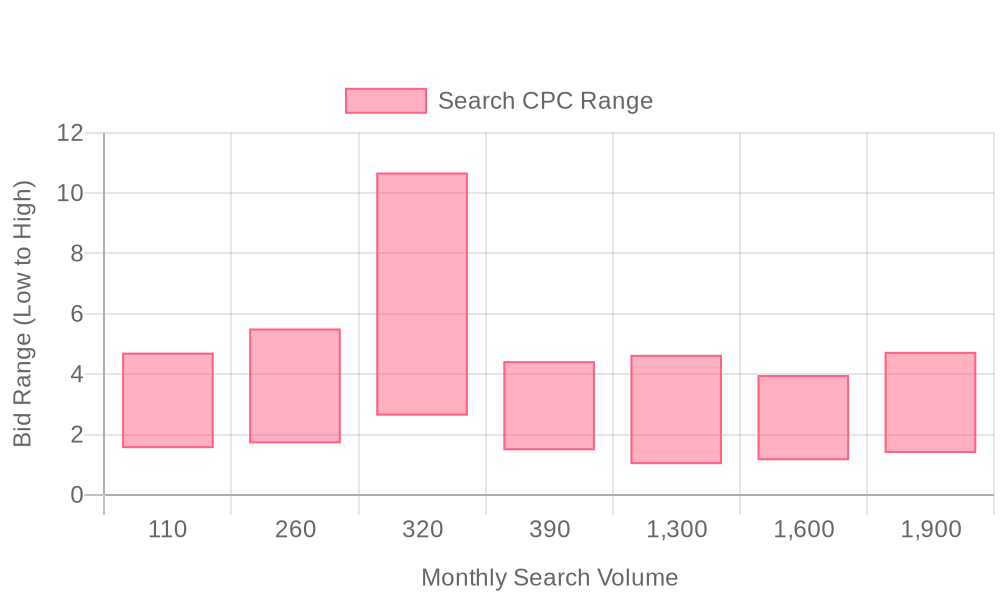
| Industry | Keyword | Monthly Search Volume | Competition Level | Low Bid | High Bid |
| Health Advocacy Services | health advocacy services | 110 | LOW | 1.55 | 4.71 |
| Health Advocacy Services | medical advocate near me | 260 | MEDIUM | 1.71 | 5.51 |
| Health Advocacy Services | mental health advocates near me | 320 | MEDIUM | 2.63 | 10.68 |
| Health Advocacy Services | patient advocate services near me | 390 | LOW | 1.48 | 4.43 |
| Health Advocacy Services | medical billing advocate | 1300 | LOW | 1.02 | 4.64 |
| Health Advocacy Services | medical advocate | 1600 | LOW | 1.15 | 3.97 |
| Health Advocacy Services | health care advocate | 1900 | LOW | 1.39 | 4.74 |
A successful keyword strategy for Google Ads in health advocacy services requires a blend of patient-focused language, regulatory compliance, and data-driven refinement. Building campaigns around highly relevant search intent ensures that each dollar spent connects advocacy organizations with those actively seeking guidance, support, or navigation within the healthcare system. Intent-rich terms such as "health advocacy Google Ads strategies" and "effective healthcare ad targeting options" tap into both professional and patient audiences, drawing in individuals who are both decision-makers and direct beneficiaries. For campaign inspiration and best practices tailored to healthcare organizations, review these Google Ads examples for healthcare. Target keyword lists should be segmented by service line and audience, using phrases that reflect urgent needs and common pain points.
Target keyword lists should be segmented by service line and audience, using phrases that reflect urgent needs and common pain points. Examples include “insurance appeal support,” “patient rights advocate,” and “help with denied medical claims.” Geo-modified keywords like “healthcare advocacy near me” and “local patient advocate services” can narrow the audience further, ensuring outreach is both actionable and compliant with regional healthcare laws. To refine your paid search targeting, explore additional actionable strategies for healthcare Google Ads.
Negative keywords are essential for maintaining campaign efficiency and compliance. Excluding terms such as “jobs,” “symptoms,” “free diagnosis,” and unrelated medical specialties prevents wasted spend on irrelevant clicks and keeps the message tightly focused on advocacy rather than clinical care. This approach not only optimizes budget allocation but also ensures that ad impressions are delivered to audiences ready to engage with advocacy solutions, rather than those searching for unrelated medical information. For more tips on optimizing your ad performance and compliance, visit our blog for in-depth articles.
Marketers can further refine these segments by leveraging real-time audience insights and unified visitor profiles. By pinpointing which companies or organizations are visiting a health advocacy site and understanding their journey across multiple channels, teams can dynamically update audience lists within Google Ads. This continuous feedback loop enables keywords and ad groups to adapt as new high-intent leads emerge and existing contacts progress through the funnel. Integrating CRM and ad platforms ensures that every conversion, from online form fills to offline consultations, is accurately attributed, providing a comprehensive view of campaign ROI and audience quality. Ready to optimize your health advocacy campaigns? Get started for free with Sona.
Step-by-Step Campaign Execution Framework

A results-driven Google Ads strategy for health advocacy services enables organizations to reach patients and caregivers at critical moments. Modern revenue teams gain a competitive edge by aligning ad tactics with the unique sensitivities of healthcare audiences, ensuring compliance and maximizing return on investment. Tight integration of visitor intelligence, intent data, and CRM synchronization further elevates campaign outcomes, see how a step-by-step Google Ads guide for healthcare can help teams get started.
Step 1: Build Targeted Keyword Lists
Keyword development serves as the foundation for every successful health advocacy campaign. Start by grouping keywords according to specific service lines, such as insurance navigation, patient rights counseling, or chronic care support, using contextual modifiers that reflect actual user intent. Incorporate geographic tags like city, state, or region to create a localized approach, ensuring ads are shown to users seeking support within relevant jurisdictions.
Long-tail keyword queries drive higher engagement by mirroring real-time informational needs. Phrases such as “help with denied medical claims in Austin” or “Medicaid advocacy Chicago” attract highly motivated searchers. To refine quality further, implement negative keyword lists that filter out traffic seeking unrelated outcomes, such as job seekers or individuals looking for diagnosis, rather than advocacy. Marketers leveraging real-time audience segmentation can pinpoint not only high-intent companies and individuals but also filter out irrelevant searchers in real time, ensuring budget efficiency.
The upgrade most health advocacy services advertisers miss is going beyond raw keyword volume to layer in intent and identity signals. By connecting website-visitor data and CRM records with Sona Marketing Measurement, you can see which specific search terms bring in the accounts and customers that actually convert, and weight your keyword and bidding strategy toward those rather than the terms with the highest search volume alone.
Step 2: Draft Compelling Ad Copy
Effective ad copy targets the most pressing health challenges, using direct language and powerful incentives to prompt immediate action. Headlines should address urgent needs or highlight valuable resources, such as “Resolve Medical Billing Issues Now” or “Get Expert Patient Advocacy Support.” Trust is paramount in healthcare digital marketing, so ad text must emphasize certifications, affiliations with reputable organizations, or recognitions to foster credibility.
Structured snippets and callouts enrich ads with additional service details, such as “Free Initial Consultation,” “HIPAA-Compliant Assistance,” or “24/7 Support.” These enhancements not only increase click-through rates but also establish authority at first glance. Marketers can dynamically tailor these ad extensions based on real-time visitor data or funnel stage, adapting messaging as users progress from initial research to conversion-ready status.
Step 3: Optimize Landing Page Experience
Seamless alignment between keyword intent, ad messaging, and landing page content is critical for high conversion rates in health advocacy advertising. Each landing page must clearly echo the user’s search query and ad promise, reducing friction and building trust from the outset. Responsive design ensures accessibility across devices, while prominent calls to action, such as “Request a Callback” or “Download Your Patient Rights Guide”, provide clear next steps.
Speed and usability are essential. Pages load quickly, forms request only essential information, and navigation is intuitive for users who may be stressed or in crisis. Incorporating trust signals, such as client testimonials, encryption badges, and transparent privacy statements, reassures visitors. Marketers using unified data activation can segment landing page experiences by visitor profile, showcasing the most relevant testimonials and resources for each target group.
Step 4: Data-Driven Optimization
Continuous optimization transforms campaigns from good to exceptional. Track both micro-conversions (downloads, live chat initiations) and macro-conversions (case intake submissions, direct calls) to understand full-funnel performance. Advanced bidding strategies, such as automated bid adjustments for high-intent traffic or specific geographies, allow teams to allocate spend where ROI is highest.
Integrating online and offline conversion data provides a comprehensive view of campaign impact. With technology that tracks offline events, like completed consultations or case resolutions, and attributes them back to specific ads, teams can finally measure true ROI. Unified data platforms synchronize enriched audience insights and conversion events across Google Ads, CRMs, and other systems, ensuring every campaign adjustment is informed by the latest engagement and revenue outcomes. To experience these capabilities first-hand, get started for free with Sona and see how continuous feedback can empower your health advocacy marketing.
Sona Marketing Measurement closes the gap between clicks and revenue. It captures every ad click with first-party measurement, then ties that click through UTM capture and ad-platform APIs to the actual record in your CRM, and reports ROAS by keyword and campaign instead of by last-click form fill. Feeding that revenue signal back into Smart Bidding and Performance Max compounds over time: the algorithms optimize toward booked health advocacy services revenue, not cheap leads.
Tips on Expanding Your Health Advocacy Services Presence

Health advocacy organizations can accelerate growth by deploying multi-channel marketing strategies that prioritize digital visibility and engagement. Modern search campaigns, powered by granular data and audience insights, enable these organizations to reach individuals seeking immediate support while also nurturing long-term relationships with partners and stakeholders.
- Cross-Promote Assets: Integrating your online resources with coordinated outreach across email, social media, and paid search amplifies brand presence and positions your organization as a go-to authority. For example, running Google Ads that link directly to downloadable guides or webinar registrations on your site can be paired with organic social content and newsletter mentions, multiplying touchpoints with your audience. With advanced visitor identification, marketers can pinpoint organizations and individuals who engage with both paid and organic content, fueling tailored follow-ups and retargeting efforts.
- Upsell Capabilities: Many advocacy providers offer layered services, from basic navigation support to advanced appeals or legal advocacy. Use Google Ads extensions and segmented campaigns to showcase these service tiers, presenting tailored solutions based on a user’s search intent or prior engagement. Real-time intent insights allow you to dynamically shift budget toward audiences most likely to convert on high-value offerings, improving upsell rates and campaign ROI.
- Partnerships: Strategic alliances with local hospitals, legal providers, or insurance consultants can widen your referral base and unlock new advertising opportunities. Co-branded Google Ads campaigns or shared educational resources can introduce your services to previously untapped segments. Dynamic audience updates make it simple to expand targeting as new partnership-driven leads enter your funnel, ensuring no opportunity is missed as audience lists evolve.
Original content creation should be grounded in insights from campaign analytics and audience behavior. By analyzing which assets and messages drive the highest engagement or lead quality, you can prioritize new blogs, videos, or guides that address emerging needs. Unifying your conversion data, CRM records, and ad performance allows for a closed-loop approach, steering creative production with hard evidence and maximizing the impact of every new resource.
Strategic keyword targeting and robust segmentation lie at the core of effective Google Ads for Health Advocacy Services. Crafting campaigns with well-articulated copy and optimized conversion paths ensures that outreach efforts are both compliant and compelling. As you address challenges like lead tracking and campaign personalization, leveraging unified data and adaptive audience management positions your organization for sustainable growth and measurable impact in the health advocacy landscape.
To start optimizing your health advocacy campaigns and unify your audience data, get started for free with Sona.
Beyond Google Ads: Winning the AI Answers Health Advocacy Services Buyers Now Trust
Paid search captures demand at the moment someone types a query. But a growing share of health advocacy services buyers now start with ChatGPT, Gemini, or Perplexity before they ever run a search, and Google's own AI Overviews increasingly summarize an answer above the traditional results. If your organization isn't referenced in those AI answers, you're invisible at the exact moment buyers build their shortlist.
Sona AI Visibility shows where your business shows up across ChatGPT, Gemini, Perplexity, Google AI Overviews, and 10+ engines, and, much like a keyword report, which prompts actually send you buyers, so you can prioritize the ones that convert. Run the two together and you cover the entire buyer path: get cited where buyers research (AI Visibility), then prove which of that demand turns into booked revenue (Marketing Measurement).
Helpful resources
Conclusion
The organizations that win in health advocacy advertising going forward will be the ones that treat Google Ads as one input into a larger measurement system, not the whole system. Tying ad clicks to real CRM outcomes, tightening compliance-safe messaging around the specific moments people search (a denied claim, a new diagnosis, an enrollment deadline), and showing up in the AI answers buyers now consult before they search at all: that combination is what turns ad spend into a durable pipeline of people who actually get helped.
To take the next step toward optimizing your advertising efforts, explore our platform's capabilities today and see how integrated data insights can transform your approach in health advocacy marketing.
FAQ
What are the best practices for using Google Ads in health advocacy?
Best practices include leveraging hyper-targeted keywords, ensuring compliance with Google's healthcare policy, creating seamless landing page experiences, and using advanced conversion tracking to connect online and offline actions.
How can health advocacy services ensure compliance with Google Ads policies?
Health advocacy services must prioritize compliance with Google's healthcare policy by avoiding restricted language and focusing on user pain points while maintaining regulatory boundaries.
What budget is recommended for Google Ads in health advocacy?
The article does not specify an exact budget, but highlights the importance of targeting high-intent queries and adjusting budgets dynamically based on engagement and conversion data for efficiency.
What targeting options are available for health advocacy services on Google Ads?
Targeting options include keyword and audience research, geographic targeting, intent signals, and dynamic audience management to reach decision-makers and ensure local relevance.
How can I measure the effectiveness of Google Ads for health advocacy services?
Effectiveness can be measured through detailed analytics, advanced conversion tracking, and integrating online and offline conversion data to understand the full impact of campaigns on ROI.







