A homeowner with a wine stain spreading across the living room rug does not browse leisurely, they search 'same-day rug cleaning service' and book whoever answers first. Google Ads for Carpet and Rug Services works because it meets that urgency head-on, putting your business in front of buyers at the exact moment they need cleaning, restoration, or emergency water damage help. Many of these high-value prospects never touch your CRM before they call, which means businesses that rely only on past customer data miss them entirely. This guide lays out strategies that turn that moment of search intent into booked jobs, from keyword selection to measurement that connects ad clicks to real revenue.
How to Generate Carpet and Rug Service Leads with Google Ads: A Step-by-Step Guide

In the crowded carpet and rug services market, high-quality leads rarely convert on their first visit. Capturing and converting these prospects requires a data-driven approach that identifies intent early and sustains engagement through to the decision point.
Sona's Identity Resolution helps ensure ads reach real prospects, not just anonymous browsers. With enriched visitor data, ad spend can be allocated toward individuals and companies actively searching for carpet cleaning or restoration, delivering immediate value and improving campaign efficiency.
Effective keyword and audience strategies are the foundation of successful Google Ads for Carpet and Rug Services. By aligning keywords with the actual language buyers use, such as "carpet cleaning near me," "stain removal services," or "commercial rug cleaning", marketers focus their budget on searches that signal true buying intent. Dynamic audience segments further refine targeting by automatically updating as new data is gathered, ensuring messaging adapts as leads move from research to decision.
Conversion optimization hinges on the alignment between ad messaging and landing page experience. When ad creatives echo the urgency or value propositions shown on landing pages, such as same-day service, certified technicians, or eco-friendly solutions, conversion rates rise significantly. Integrating real-time intent data into this process allows teams to test variations quickly and reallocate spend to the highest-converting offers and messages.
Performance lifts and ROI gains depend on actionable insight drawn from unified marketing data. Marketers can monitor both online and offline conversions, attributing booked jobs and phone leads to specific ad groups and keywords. This granular measurement enables fast budget shifts toward top-performing campaigns, supported by CRM and ad platform synchronization that keeps every team member working from the same source of truth.
Integrating Google Ads into a broader marketing strategy for carpet and rug services amplifies results across channels. When audience and performance data from Google Ads is unified with CRM, email, and local SEO for carpet cleaners, every touchpoint reinforces brand credibility and shortens the sales cycle. This approach supports a seamless pipeline from first click to closed deal, strengthening overall digital marketing for carpet cleaning businesses.
Ready to drive more leads and conversions? Get started for free with Sona.
Why Does Google Ads Matter for Carpet and Rug Services?

Carpet and rug cleaning businesses compete for attention at the exact moment a customer needs help, and that moment defines who wins the job. Google Ads enables direct access to prospects who actively search for cleaning solutions, increasing the odds of converting intent-driven leads before competitors intervene.
Traditional marketing channels such as email or social media rarely reach individuals seeking urgent or specialized cleaning services. Google Ads offers robust audience segmentation tools that allow marketers to engage high-value prospects, such as homeowners searching for “emergency carpet cleaning” or facility managers evaluating bulk contracts, providing a sharper path to conversion than broad campaigns. For more tips on optimizing your marketing approach, explore our collection of actionable playbooks.
- Complex Audience Targeting: Carpet and rug services often cater to distinct market segments, residential, commercial, and specialty restoration, each with unique buying cycles and expectations. Google Ads for Carpet and Rug Services supports granular targeting based on search behaviors, location, device, and even the urgency of need. With advanced platforms like Sona, marketers can move beyond anonymous site visits by identifying both visitors and the companies they represent, prioritizing outreach to decision-makers most likely to convert.
- Faster Response to Demand: The cleaning industry is sensitive to real-time client needs, such as water damage restoration or post-event cleanup. Google Ads leverages real-time intent signals, allowing carpet cleaning businesses to dynamically adjust ad spend and messaging to capture in-market audiences. When Sona is integrated, these intent signals are surfaced instantly, enabling automated budget shifts toward high-converting accounts and ensuring maximum lead yield from every campaign.
- Measurement and Campaign Impact: Without advanced analytics, it is challenging to understand which marketing efforts drive true revenue for cleaning operations. Google Ads pairs conversion tracking and attribution with offline signals to ensure every click and call is accounted for, giving leaders a holistic view of campaign ROI. When Sona syncs enriched audience and lead data back into Google Ads, HubSpot, and Salesforce, revenue teams can build dynamic audiences that update automatically as prospects progress through the funnel, streamlining follow-up and focusing sales resources on the most promising opportunities.
By unifying granular targeting, real-time demand capture, and deep analytics, Google Ads positions carpet and rug cleaning businesses to capitalize on the full spectrum of digital demand. This approach makes every marketing dollar measurable and actionable, paving the way for scalable growth and higher client retention.
Common Types of Google Ads Campaigns for Carpet and Rug Services
Note: this list covers ad formats within Search and Display, along with Performance Max, Google's automated campaign type that draws on Search, Display, YouTube, and more from a single campaign to find carpet and rug leads across every surface.

- Search Campaigns: These campaigns directly intercept high-intent buyers searching for carpet and rug services, placing your business at the top of relevant results. By leveraging advanced visitor identification and intent-scoring, marketers can distinguish between residential prospects seeking urgent cleaning and commercial accounts with recurring needs, ensuring spend is focused on audiences most likely to convert.
- Display Ads: Visual banners on high-traffic content networks keep your brand present as consumers research cleaning solutions or home improvement tips. Dynamic audience segmentation allows businesses to update targeting as users engage with different service pages, ensuring display ads stay relevant and reinforcing your expertise across multiple touchpoints in the carpet cleaning buyer journey. For additional strategies tailored to carpet cleaners, explore this guide to Google Ads for carpet cleaning businesses.
- Video Ads: Engaging video content showcases real cleaning results, staff professionalism, and specialized techniques for challenging stains or delicate rugs. Behavioral tracking identifies viewers who interact with key moments in your videos, automatically retargeting those most interested in premium or emergency services for higher conversion potential.
- Remarketing: This approach re-engages site visitors who explored cleaning packages, reviewed testimonials, or started booking but left without converting. Using real-time intent data, retargeting lists are refreshed instantly as prospects move through the funnel, allowing for tailored messaging and offers based on their last interaction, whether it was a quote request or a service detail page view.
- Assets: Ad assets add actionable trust signals, such as local business addresses, professional certifications, and limited-time discounts. When integrated with enriched CRM data, these assets dynamically update to highlight the most persuasive details for each segment, boosting click-through rates and accelerating decision-making for both residential and commercial clients.
Where to Find Growth Opportunities?

Growth opportunities in digital marketing for carpet cleaning often emerge by targeting vertical keywords that are unique to these services. Terms such as "commercial carpet extraction," "organic rug cleaning," or "water damage carpet restoration" capture high-intent searches from buyers who are actively seeking specialized solutions. By focusing on these specific phrases, businesses move beyond generic "carpet cleaning near me" ads and intercept prospects further along in the decision journey. This approach not only increases the relevance of ad impressions but also improves the efficiency of spend by matching content directly to urgent, revenue-driving needs within the local market. To discover proven strategies, explore these Google Ads tactics for carpet cleaners.
Competitor gap analysis is another critical lever for uncovering underserved audiences. Advanced tracking platforms help marketers pinpoint segments that remain untouched by competitors, such as property managers searching for recurring maintenance or niche requests like “antique rug repair.” By continuously analyzing search impression share, ad placement, and keyword overlap, teams can identify high-value microsegments and rapidly deploy tailored campaigns. When paired with unified attribution, marketers shift investment to campaigns where conversion rates and customer value outpace the competitive average.
Content retargeting strategies are essential for nurturing leads who are still weighing their options. Educational resources, such as case studies on stain removal success, detailed pricing guides, or explainer videos on eco-friendly cleaning, offer value to prospects as they research providers. Through real-time intent scoring, marketers can dynamically retarget these engaged visitors with messaging that matches their current stage in the funnel. As leads revisit educational assets or request quotes, audience lists update automatically, ensuring high-intent prospects receive personalized follow-up through both Google Ads and CRM channels.
How to Apply Audience Segmentation for Carpet and Rug Services
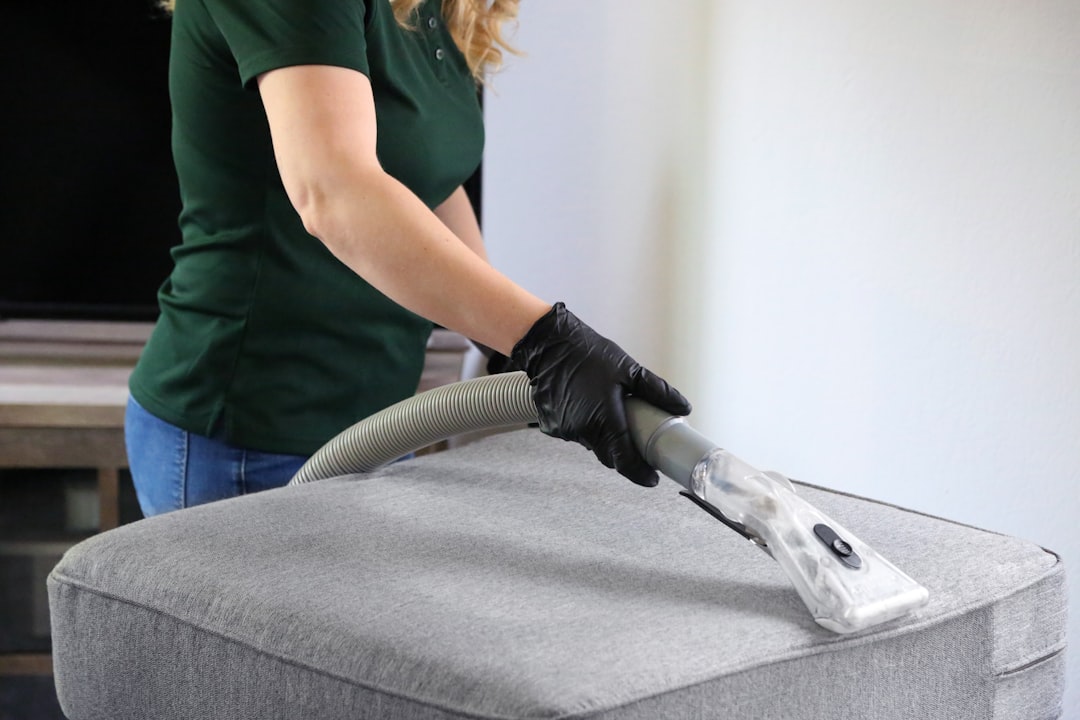
Audience segmentation transforms digital marketing for carpet and rug cleaning businesses by delivering more tailored, relevant content to each type of customer. When campaigns distinguish between residential households and commercial property managers, messaging addresses unique pain points and directly connects with decision-makers. For more expert insights on segmentation and campaign optimization, explore our marketing analytics blog.
- Segmentation Approach: Targeting residential versus commercial clients requires precise persona development and campaign customization. Residential segmentation focuses on homeowners searching for deep cleaning, spot treatment, or allergy relief. Messaging highlights convenience, trust, and safety, often using family-oriented language and promotions for first-time bookings. In contrast, commercial segmentation targets property managers, facility directors, or business owners. Here, ad copy emphasizes reliability, flexible scheduling, and scalable contracts, often incorporating case studies or certifications to build trust with B2B buyers. Segmenting these audiences ensures each group receives content that resonates with their priorities, ultimately improving conversion rates and lowering wasted ad spend. For more on effective Google Ads strategies for carpet cleaning, see this comprehensive guide.
- Intent Signals Overlay: Within each segment, intent signals refine targeting further. For carpet cleaning, differentiating between routine maintenance and urgent, same-day requests is crucial. Users searching for "emergency water extraction" or "24-hour rug cleaning" demonstrate immediate need and respond well to rapid-response offers or phone call CTAs. Routine queries such as "weekly carpet cleaning service" or "spring carpet cleaning deals" signal planned, non-urgent demand, allowing for scheduled follow-up and nurturing. Reading real-time search and browsing behavior lets marketers shift budget toward high-intent, in-market leads, prioritizing urgent queries while maintaining steady engagement with routine prospects.
- Segment-Specific Ad Groups: Structuring ad groups by customer type and intent allows for granular budget control and message optimization. For example, one ad group may focus exclusively on residential stain removal specials, while another targets commercial clients seeking large-space contracts. Each group features unique creative, dedicated landing pages, and customized offers, maximizing relevance and engagement. As leads progress or shift segments, modern platforms automatically update audience memberships and retargeting lists, ensuring messaging stays in sync with the customer journey.
- Conversion Path Validation: Reliable tracking is fundamental to understanding which segments and intent types generate the highest-quality leads. Integrating advanced attribution solutions enables marketers to match both online and offline actions, such as phone calls, form fills, and even in-person consultations, back to the original ad and audience segment. This approach provides a clear view of true ROI for every audience, empowering revenue teams to double down on high-performing segments and reallocate spend in real time. Automated syncing between CRM and ad platforms ensures that conversion data continually refines targeting, supporting ongoing optimization and sustained growth. Ready to elevate your segmentation strategy? Get started for free with Sona.
This is also where measurement changes the economics. With Sona Marketing Measurement you can identify the companies and buyers behind your ad clicks, not just anonymous sessions, and segment audiences by who actually becomes a customer. That lets you build bid adjustments and audience signals around the segments that convert and de-prioritize the ones that don't, so you feed Google's algorithms "this click became a paying carpet and rug services customer" instead of just "someone filled out a form."
Keyword Strategy & Sample Target Terms
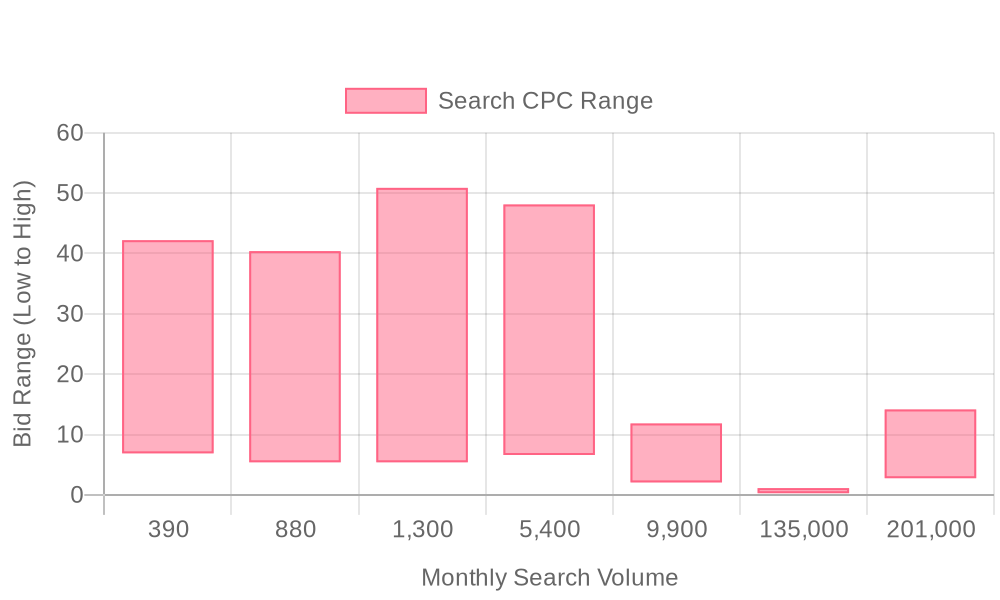
| Industry | Keyword | Monthly Search Volume | Competition Level | Low Bid | High Bid |
| Carpet and Rug Services | water extraction from carpet | 390 | HIGH | 6.89 | 42.2 |
| Carpet and Rug Services | best carpet installers near me | 880 | MEDIUM | 5.4 | 40.39 |
| Carpet and Rug Services | carpet quote | 1300 | HIGH | 5.4 | 50.87 |
| Carpet and Rug Services | carpet company near me | 5400 | HIGH | 6.61 | 48.12 |
| Carpet and Rug Services | professional carpet cleaning near me | 9900 | MEDIUM | 2.07 | 11.83 |
| Carpet and Rug Services | carpet shampooer rental | 135000 | MEDIUM | 0.28 | 1.12 |
| Carpet and Rug Services | carpet cleaning near me | 201000 | MEDIUM | 2.76 | 14.15 |
Carpet and rug service providers gain a distinct competitive edge by leveraging keyword strategies that capture buyers as they actively seek solutions. Precision in keyword selection ensures your ads appear not just for broad searches, but for high-intent, service-specific queries that align with real purchase cycles. For tactical guidance on this, explore the most effective Google Ads keywords for carpet cleaning customers and review our latest marketing analytics insights.
Prioritizing long-tail keywords such as "PPC for carpet cleaning," "Google Ads ROI for carpet services," and "emergency rug stain removal" enables marketers to intercept motivated prospects. These queries reflect immediate needs, which translates to a higher probability of conversion and improved campaign efficiency. Supplementing these with geo-targeted variants, like "carpet cleaning services in Chicago", drives relevance for local searches, which are often the most lucrative for service-based businesses.
A robust keyword strategy also incorporates negative keywords to exclude unqualified traffic, such as those searching for "carpet cleaning DIY" or "rug cleaning equipment rental." This refinement reduces wasted spend and increases ad visibility for searches most likely to result in booked appointments. Integrating data from call tracking and CRM systems into your Google Ads campaigns allows for enhanced attribution, confirming which keywords not only drive clicks but also convert into revenue-generating leads. Learn more about accurate revenue attribution in optimizing your campaigns.
Modern platforms now empower marketers to move beyond anonymous click data by identifying which companies and individuals are engaging with core terms like "commercial carpet cleaning" or "office rug maintenance." With Sona's Identity Resolution, you can reveal which companies and people are visiting your website, enabling real-time sales and marketing actions as high-value accounts engage. As leads progress, audience segments update automatically, enabling retargeting with personalized offers or reminders, which keeps your brand top-of-mind throughout the consideration process.
Synchronizing audiences and conversion data between Google Ads and your CRM ensures that every lead, from online form fills to tracked phone calls, is measured and nurtured. This approach closes the loop on ROI by connecting digital ad spend directly to offline business outcomes, allowing for constant optimization of both keyword targeting and overall marketing strategy.
Step-by-Step Campaign Execution Framework
Step 1: Build Targeted Keyword Lists
Constructing targeted keyword lists is foundational to effective Google Ads for carpet and rug services. Segment keywords by service type, such as "carpet stain removal," "oriental rug cleaning," or "commercial carpet maintenance," then add local modifiers like city names or ZIP codes. This clustering ensures the ads surface for precisely the right search intent and geography, funneling ready-to-buy users to the most relevant offer. For actionable strategies specific to this industry, review Google Ads for carpet cleaners to further refine your approach. To refine traffic quality, implement negative keywords to filter out low-intent or DIY-related searches, cutting wasted spend and increasing lead relevance.
Alignment with core content marketing objectives matters: when your keyword strategy reflects your business's value proposition and growth goals, every click has a higher chance of moving prospects through the funnel. Platforms that enrich keyword targeting with real-time Identity Resolution let marketers shift budgets toward high-converting accounts and spot which companies are showing intent, well beyond what anonymous search traffic reveals. This approach unifies paid and organic efforts, maximizing the impact of both PPC for carpet cleaning and broader digital marketing for carpet cleaning.
The upgrade most carpet and rug services advertisers miss is going beyond raw keyword volume to layer in intent and identity signals. By connecting website-visitor data and CRM records with Sona Marketing Measurement, you can see which specific search terms bring in the accounts and customers that actually convert, and weight your keyword and bidding strategy toward those rather than the terms with the highest search volume alone.
Step 2: Develop Persuasive Ad Copy
Ad copy should directly address persistent industry pain points such as stubborn stains, pet odors, or urgent water damage needs. Headlines benefit from urgency and clear calls to action, for example: "Book Same-Day Carpet Cleaning, Free Quote Available!" Integrating these triggers increases click-through rates and drives more conversions. Messaging should remain consistent across every digital marketing channel, ensuring that users experience a unified brand identity from ads to website to follow-up communications. For more inspiration on crafting compelling copy and campaign structure, watch this video tutorial for carpet cleaning Google Ads.
By leveraging in-market behavioral data, revenue teams can dynamically tailor ad copy to reflect the lead’s stage in the buying journey. When platforms automatically update audiences and messaging based on real-time intent, ads can adapt to changing buyer needs, maintaining relevance and engagement. This granular personalization improves campaign effectiveness and supports high-performance carpet cleaning lead generation strategies.
Step 3: Design Landing Pages with Clear Value Offers
Landing pages must align exactly with user queries and ad messaging to maximize conversion rates. Each page should clearly state the value proposition, such as eco-friendly cleaning, 24-hour response, or certified technicians, and reinforce it with testimonials, visual proof, and answers to common questions. Tangible offers like "10% off your first service" or "Free pick-up and delivery for rugs" provide decisive reasons for visitors to convert. For advanced landing page strategies, see conversion landing page tips for rugs and carpets.
To capture every qualified lead, landing page forms should sync directly with your CRM or marketing automation platform, minimizing manual intervention and ensuring no opportunity is lost. Solutions that connect Google Ads lead data to CRM systems allow revenue teams to track the true lifecycle of every inquiry, enabling both online and offline conversion tracking. This closed-loop attribution not only improves measurement for Google Ads ROI for carpet services but also empowers retargeting and nurture programs across the entire sales cycle.
Step 4: Execute Data-Driven Optimizations
Performance-driven optimization is ongoing, not a one-time setup. Marketers should monitor key metrics, conversion rate, cost per lead, impression share, and adjust bids using smart bidding strategies that react to real-time data. For businesses seeking tailored PPC management, PPC management for carpet cleaners outlines best practices that can be adapted to your campaigns. Integrating offline conversion data, such as closed deals or completed appointments, allows for more accurate reflection of actual campaign value, not just form submissions.
Advanced platforms allow revenue teams to use both online and offline results to inform bidding and audience strategies, ensuring budgets prioritize campaigns and keywords delivering true business impact. As insights accumulate, marketers can feed this data back into content planning and creative, continually refining messaging and offers to reflect evolving market demand. By pairing intent signals with CRM integration, teams can unify digital marketing for carpet cleaning across platforms and hold a competitive edge through continuous improvement.
Sona Marketing Measurement closes the gap between clicks and revenue. It captures every ad click with first-party measurement, then ties that click through UTM capture and ad-platform APIs to the actual record in your CRM, and reports ROAS by keyword and campaign instead of by last-click form fill. Feeding that revenue signal back into Smart Bidding and Performance Max compounds over time: the algorithms optimize toward booked carpet and rug services revenue, not cheap leads.
Tips on Expanding Your Carpet and Rug Services Presence
Expanding your carpet and rug cleaning services presence requires a holistic strategy that integrates digital campaigns, content marketing, and precise audience segmentation. Businesses that unify their data sources and marketing activities are able to identify emerging patterns in customer demand, making every campaign more agile and responsive to real-world trends.
- Cross-promotional retargeting: Sustained content marketing efforts rely on retargeting users across multiple platforms. By mapping user journeys from social media to search and email, you reinforce brand recall and maintain top-of-mind awareness, ensuring potential clients revisit your services when the need arises. When your ad platform is enriched with real-time data, you can automatically update audience segments to reflect in-market behaviors, allowing you to prioritize high-intent prospects and suppress low-engagement audiences without manual intervention.
- Segmented upselling opportunities: Identifying and grouping customers based on service history or engagement level opens avenues for tailored upsell campaigns. For example, segmenting past residential clients allows you to promote periodic maintenance packages, while engaging commercial accounts with specialized offerings like “after-hours rug restoration.” Using advanced audience syncing between your CRM and Google Ads, you align ad messaging with lifecycle stage, enabling seamless transitions from one-time buyers to recurring customers.
- Association partnerships for referrals: Collaborating with professional industry associations can amplify your reach through targeted referral networks. By leveraging membership directories and co-branded campaigns, your business gains visibility among property managers, real estate agents, and facility operators who influence purchasing decisions. Integrating your referral pipeline with advertising data enables you to measure the downstream impact of these partnerships on lead volume and quality.
- Strategic localization: Localizing your campaigns increases share-of-voice in high-potential neighborhoods or business districts. Allocating budget and customizing messaging for these micro-markets yields better conversion rates, as ads reflect local needs and seasonal cleaning trends. Combining campaign data with offline conversion tracking lets you see precisely which geographic segments deliver the most profitable leads, guiding further market expansion.
- Search query-driven content: Analyzing the search queries that bring users to your site reveals new marketing opportunities. By creating content around trending or underserved queries, you continuously evolve your digital presence and capture more organic and paid traffic. When these insights are integrated into your workflow, you rapidly adapt campaign messaging and landing pages to capitalize on shifting consumer intent.
Mastering Google Ads for Carpet and Rug Services means more than running ads; it means orchestrating an integrated, data-driven workflow. Syncing your ad platform, CRM, and analytics creates a feedback loop that constantly refines targeting and messaging for each audience segment. The result is tighter spend efficiency, sharper competitive visibility, and measurable returns in the form of qualified leads and booked jobs.
Beyond Google Ads: Winning the AI Answers Carpet and Rug Services Buyers Now Trust
Paid search captures demand at the moment someone types a query. But a fast-growing share of carpet and rug services buyers no longer start at Google at all, they ask ChatGPT, Gemini, or Perplexity before they ever run a search, and Google's own AI Overviews increasingly summarize an answer above the traditional results. If your business isn't referenced in those AI answers, you're invisible at the exact moment buyers build their shortlist.
Sona AI Visibility shows where your business shows up across ChatGPT, Gemini, Perplexity, Google AI Overviews, and 10+ engines, and, much like a keyword report, which prompts actually send you buyers, so you can prioritize the ones that convert. Run the two together and you cover the entire buyer path: get cited where buyers research (AI Visibility), then prove which of that demand turns into booked revenue (Marketing Measurement).
Helpful resources
Conclusion
Google Ads gives carpet and rug services businesses a direct line to buyers at the moment they need help, but the campaigns that win are the ones built on real signals: who's searching, what they need, and whether they actually become customers.
As buyers increasingly research providers through AI assistants before they ever open Google, the businesses that win five years from now will be the ones measuring both paid search and AI visibility today, not just chasing clicks. Start for free to see how identity resolution, intent signals, and marketing measurement work together for your carpet and rug services business.
FAQ
What are the best practices for Google Ads in carpet cleaning?
Best practices include targeting niche audiences with specific keywords like 'same-day rug cleaning service,' using dynamic audience segments, aligning ad messaging with landing page experiences, and leveraging real-time intent data to optimize campaigns.
How can I optimize my Google Ads for carpet services?
Optimize your Google Ads by using advanced audience identification, precise keyword strategies, and real-time data to adjust ad spend and messaging, as well as integrating offline conversion tracking for a holistic view of campaign ROI.
What budget should I allocate for Google Ads in carpet cleaning?
The budget should be allocated based on targeting individuals and companies actively searching for carpet cleaning, emphasizing high-intent keywords and audience segments that align with immediate client needs and market demand.
How do I measure the success of my Google Ads campaigns for carpet cleaning?
Success is measured through conversion tracking and attribution, syncing with CRM data to monitor both online and offline conversions like booked jobs and phone leads, and using these insights to adjust budget and strategies.
What keywords should I target for carpet cleaning ads?
Target keywords that reflect high-intent and service-specific queries such as 'carpet cleaning near me,' 'stain removal services,' and 'commercial rug cleaning,' along with long-tail and geo-targeted variants for local relevance.