


A homeowner with rust-colored stains in the sink or a failing brine tank doesn't browse leisurely, they search for help and call the first company that looks credible. That urgency is what makes Google Ads valuable for water softener installation and repair businesses, and it's also why so many of these leads slip through the cracks: a prospect clicks an ad, calls or fills out a form, and never gets logged in the CRM. Google Ads solves the visibility half of that problem, putting your business in front of people typing "water softener installation near me" or searching out a same-day repair, so ad spend reaches real decision-makers instead of cold traffic. It also solves the measurement half, giving you a clear line from click to booked job and a way to layer remarketing on top of other channels. The result is a channel that, done right, closes the gap between the leads you're generating online and the customers who actually show up on your books.
How to Generate Water Softener Installation and Repair Leads with Google Ads
Water softener installation and repair businesses benefit from marketing strategies that deliver measurable results and consistently attract qualified leads. Digital advertising channels, especially Google Ads, offer direct access to high-intent prospects searching for solutions to their water quality issues in real time. For a step-by-step walkthrough on launching effective ad campaigns, check out this guide to Google Ads for plumbing services.
The ability to appear prominently for urgent, location-based searches ensures that your business is at the forefront when a potential customer is ready to act. Implementing a structured Google Ads strategy reduces wasted budget, increases conversion rates, and builds a sustainable lead pipeline for both installation and repair services. For more actionable insights on optimizing your ad spend, explore our blog articles on marketing analytics.
A successful approach to Google Ads for water softener installation and repair begins with understanding search intent and aligning keywords with the services most in demand in your local market. By focusing on transactional and urgent phrases such as “water softener installation near me” or “water softener repair emergency,” your ad spend targets users most likely to convert. Enhance your targeting by leveraging real-time audience segmentation to ensure your ads reach prospects with the highest purchase intent.
Advanced audience segmentation further refines visibility. Technologies now enable marketers to pinpoint, at the company level, which accounts are showing in-market intent based on real-time behaviors, rather than treating every visitor as an anonymous click. This allows budget allocation to shift toward the accounts demonstrating readiness to buy, minimizing spend on low-propensity traffic. Learn how account identification tools can turn website visitors into qualified leads, accelerating your pipeline.
Retargeting plays a critical role in recapturing interest from visitors who leave without submitting a form or making a call. Automated audience updates ensure that as leads progress through the funnel, your ads remain relevant and timely, driving repeat engagement until conversion. Integrating CRM and ad platforms streamlines this process, syncing enriched audience segments directly into campaign targeting for seamless follow-ups and attribution. For a deeper dive into advanced retargeting tactics, see our playbook on intent-driven retargeting.
Performance optimization is ongoing, leveraging advanced conversion tracking to connect online interactions with offline outcomes, such as booked appointments or completed repairs. This level of attribution provides clarity on true ROI, informing both budget decisions and creative adjustments to maximize lead quality and volume. Use first-party conversion tracking to accurately measure the impact of your campaigns and drive smarter investment.
For water softener marketing strategies, combining Google Ads with local SEO for water softener companies and other digital marketing for water softener installation creates a multilayered demand generation engine. This comprehensive approach ensures your brand remains visible and persuasive across all stages of the customer journey, driving consistent business growth.
Why Google Ads Matters for Water Softener Installation And Repair

Water softener installation and repair companies operate in a competitive environment where every missed opportunity can mean lost revenue. The ability to surface and engage high-intent prospects at the exact moment they search for solutions is critical for sustained growth. With Google Ads for plumbing businesses, these companies can reach motivated buyers when their need is most urgent.
Google Ads allows these businesses to precisely target decision-makers actively looking for water softener services. It bridges the gap between anonymous web visits and qualified leads by enabling granular audience segmentation. Real-time visitor identification means marketers can move beyond generic traffic analytics to pinpoint which companies, not just which anonymous sessions, are engaging with their ads and landing pages.
By enriching custom affinity audiences with detailed company profiles, marketing teams can ensure ad spend targets only the most relevant prospects. Google Ads is particularly effective when demand surges, for example, after seasonal water quality alerts or during local home improvement booms, delivering fast visibility in key markets. This approach unlocks high-value project opportunities that traditional outreach methods often miss.
Expanding into new regions or scaling service offerings is also streamlined with Google Ads’ location-based targeting and campaign flexibility. Enhanced analytics provide actionable insight into which keywords, geographies, and ad creatives drive conversions. When platforms seamlessly sync enriched audience data and conversion events into connected CRMs, teams enjoy closed-loop reporting and can optimize performance based on true ROI.
Common Types of Google Ads Campaigns for Water Softener Services
Consistency across channels ensures prospects experience a cohesive journey, which minimizes wasted budget and builds trust in your brand. Aligning messaging and intent across campaign types creates an environment where leads feel guided, not lost, as they move from awareness to decision.
- Search Campaigns: Search is the backbone of Google Ads for water softener installation and repair, capturing high-intent queries such as "water softener installation near me" or "emergency water softener repair." Within Search, Responsive Search Ads let you test multiple headlines and descriptions so Google can serve the combination that best matches each query. Pairing this with real-time buyer intent data lets you shift budget toward accounts showing purchase signals. Syncing CRM and website engagement data directly with Google Ads makes it easier to surface ads only to decision-ready prospects, maximizing efficiency and relevance.
- Display Ads: Display campaigns support brand awareness by reaching homeowners and property managers browsing relevant websites, news, or forums. Utilizing dynamic audience updates, marketers can serve visuals to users as they move through the funnel or return for more information. This approach ensures that display ads remain timely, reinforcing your brand message to those most likely to convert.
- Video Ads: Video campaigns spotlight service expertise, such as demonstrating the installation process or highlighting customer testimonials. These formats not only educate but also build trust. This video guide shows how Google Ads can help plumbing businesses generate more leads and grow their customer base. Advanced visitor identification helps pinpoint viewers who match your ideal customer profile, so video ad spend targets true in-market accounts rather than generic audiences.
- Remarketing Campaigns: Remarketing re-engages website visitors who did not convert, reminding them of your offerings and nudging them back into the sales process. When retargeting lists are enriched with CRM data and real-time site activity, ads can be personalized, increasing relevance and conversion rates. This is particularly effective for water softener marketing strategies, where prospects often require multiple touchpoints before committing.
- Ad Assets: Assets, such as location, callout, and certification badges, add credibility and drive higher engagement. By connecting your operational data to Google Ads, you can ensure that only up-to-date, verified information is displayed in your ads. This builds trust and streamlines the path for local searchers to take action, which is vital for digital marketing for water softener installation and other home improvement services.
Each campaign format works best when driven by unified data and agile audience management, ensuring every dollar spent delivers measurable, intent-driven results. For more on optimizing retargeting, see retargeting strategies.
Where to Find Growth Opportunities
Revenue teams in water softener installation and repair often drain resources on outreach that targets contacts with little interest or intent. Smart allocation of ad spend and outreach depends on recognizing which accounts exhibit genuine buying signals and prioritizing those prospects using identification tools that reveal who is visiting your website and their level of intent.
Growth opportunities surface when marketers look beyond traditional channels and embrace a data-driven, intent-focused approach. Pinpointing high-potential accounts involves harnessing advanced analytics to track signals of in-market activity, then funneling resources toward these leads to maximize conversion rates.
- Vertical keyword targeting: Instead of relying solely on broad plumbing or home improvement terms, focus on high-intent keywords specific to water softener installation and repair. This approach narrows your reach to prospects actively seeking these services, increasing ad efficiency and driving more qualified leads. For inspiration, review local water softener installation providers to understand which keywords drive their visibility.
- Competitor gap analysis: Evaluate where competitors are visible versus where they are absent in search and display channels. Identifying under-served keywords or placements can reveal untapped opportunities, allowing you to capture market share in areas competitors overlook.
- Industry-specific placements: Place ads on platforms and sites with audiences researching water quality solutions, home maintenance, or local plumbing services. Align messaging with the unique needs of these visitors to build trust and relevance.
- Educational content retargeting: Retarget visitors who engaged with resources like water softener guides or troubleshooting tips. Serve follow-up ads that offer actionable next steps, such as free consultations or special offers, to move them down the funnel.
Modern platforms now make it possible to unify website visitor data with CRM and ad platforms, enabling teams to identify the companies behind anonymous traffic, enrich those accounts with firmographic detail, and update audiences in real time as buyer intent shifts. This capability ensures that budget is consistently directed to the most conversion-ready accounts, supporting advanced retargeting strategies and delivering measurable improvements in ROI for water softener marketing campaigns.
How to Apply Audience Segmentation for Water Softener Services
Effective audience segmentation is fundamental to elevating demand generation for water softener installation and repair providers. This approach enables marketers to tailor messaging, budget allocation, and conversion strategies to distinct buyer needs across every stage of the funnel. For a deeper understanding of segmentation and analytics, browse the Sona blog.
Aligning segmentation with customer journey mapping provides a precise framework for targeting high-intent prospects. By leveraging modern martech, teams can overlay behavioral and intent signals, refining segments beyond demographic and firmographic basics. This granular view uncovers opportunities to engage homeowners researching installation, property managers comparing repair services, or facilities directors evaluating long-term maintenance contracts.
- Define detailed customer segments: Begin by mapping buyer personas based on role, urgency, property type, and lifecycle stage. For example, segment new homeowners seeking installation, property managers requiring fast repairs, and commercial buyers evaluating system upgrades. Enrich these segments with real-time digital behaviors, such as recent searches for “water softener repair near me” or engagement with plumbing service ads.
- Overlay intent and behavioral data: Integrate data sources to track in-market signals, from website visits to ad clicks and form submissions. Campaigns become more efficient as you identify which segments are actively researching water softener installation versus those comparing repair providers. Real-time intent signals help allocate budget to audiences most likely to convert, improving the relevance of plumbing service ads and reducing wasted spend.
- Create segment-specific ad groups: Organize Google Ads campaigns into tightly focused ad groups for each audience. Tailor ad copy to the unique pain points and objectives of each group: fast response for urgent repairs, system benefits for new installations, or cost-saving offers for long-term contracts. With unified martech stacks, dynamic audiences update automatically as leads move through the funnel, ensuring messaging remains relevant and timely.
- Validate and optimize conversion paths: Implement robust conversion tracking that links ad engagement to both online and offline results, such as booked appointments or phone inquiries. Advanced tools can sync enriched audience and lead data back into Google Ads and connected CRM platforms, enabling closed-loop attribution. This ensures teams see which segments and touchpoints drive the highest ROI, allowing ongoing refinement of both targeting and creative in water softener marketing strategies.
Combining these segmentation techniques with sophisticated technology transforms water softener marketing into a data-driven discipline, optimizing every dollar spent and delivering measurable business outcomes.
This is also where measurement changes the economics. With Sona Marketing Measurement you can identify the companies behind your ad clicks, not just anonymous sessions, and segment audiences by who actually becomes a customer. That lets you build bid adjustments and audience signals around the segments that convert and de-prioritize the ones that don't, so you feed Google's algorithms "this click became a paying water softener installation and repair customer" instead of just "someone filled out a form."
Keyword Strategy & Sample Target Terms
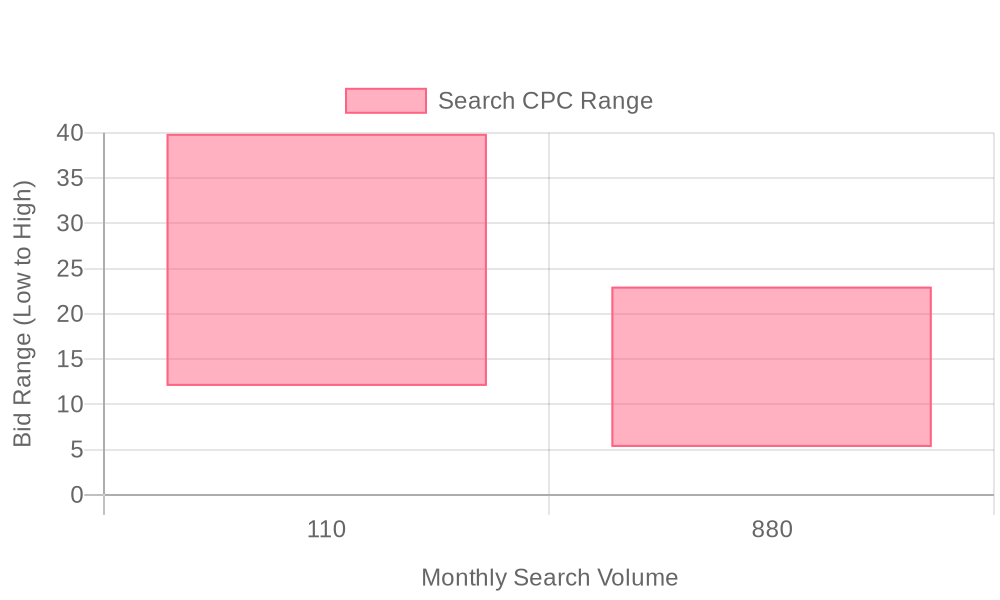
| Industry | Keyword | Monthly Search Volume | Competition Level | Low Bid | High Bid |
| Water Softener Installation And Repair | water softener installation service near me | 110 | MEDIUM | 12.04 | 39.88 |
| Water Softener Installation And Repair | replacing water softener | 880 | MEDIUM | 5.3 | 23 |
Effective keyword strategy drives measurable results for water softener installation and repair companies. Focusing on high-intent terms ensures every ad dollar targets prospects who are actively seeking services, not just browsing. For more insights on marketing analytics and paid strategy, explore the blog articles on marketing analytics.
Strategic keyword identification begins with analyzing search volume and competition across terms like "water softener installation near me," "water softener repair services," and "emergency water softener fix." These high-intent phrases signal immediate needs, making them critical targets for paid campaigns. Precision comes from layering in negative keywords such as "DIY water softener," "water softener parts," or "water softener reviews" to filter out non-converting traffic and preserve budget for qualified leads. Local businesses can also reference water softener installation providers in Minnetonka, MN for competitive keyword inspiration.
Technology-driven marketers leverage search data analysis to uncover long-tail and hidden keyword variations, such as “commercial water softener installation” or “same-day water softener repair.” These nuanced terms often face less competition and deliver stronger lead quality. Advanced platforms enable marketers to dynamically update keyword lists as new search trends and customer queries emerge, ensuring campaigns stay aligned with evolving demand. Learn how real-time audience segmentation can keep your campaigns responsive to shifting search behavior.
For businesses running paid search campaigns for water softener installation and repair, visitor identification plays a key role. Sophisticated solutions allow teams to go beyond anonymous clicks, revealing which companies and buyer personas are actually searching for water softener solutions in real time. This level of insight enables smarter budget allocation, as campaigns can automatically shift spend to accounts showing the strongest in-market intent. When keyword targeting is integrated with audience enrichment and CRM sync, every qualified search becomes a personalized engagement opportunity, accelerating the path from impression to booked service. If you’re ready to optimize your paid campaigns, get started for free with Sona.
Step-by-Step Campaign Execution Framework
Revenue teams in the water softener installation and repair industry face unique challenges in lead generation: high competition, urgent customer needs, and a need for local trust. Success depends on a structured approach to Google Ads campaign execution, where every step, from keyword targeting to CRM integration, directly impacts lead quality and cost efficiency. For a detailed overview of how Google Ads can help plumbing and water softener businesses generate more leads, watch this YouTube guide for plumbing lead generation.
A unified, data-driven framework ensures that each campaign element is connected, allowing for real-time optimization and seamless conversion tracking. This approach not only sharpens targeting but also delivers measurable ROI, especially when enriched audience and conversion data flows smoothly between advertising platforms and sales systems.
Step 1: Build Targeted Keyword Lists
Identifying high-intent keywords is the foundation for effective Google Ads campaigns in water softener installation and repair. Focus on terms that indicate immediate service needs, such as "emergency water softener repair," "install water softener near me," and "replace water softener system." Use negative keywords to filter out low-intent or irrelevant searches, ensuring budgets are reserved for leads most likely to convert.
Dynamic keyword lists improve as real-time intent signals from your site visitors are captured and analyzed. When your platform recognizes companies or accounts demonstrating purchasing behavior, these insights help shift spend toward high-value opportunities. Learn more about building and optimizing keyword lists by exploring our B2B marketing playbooks.
The upgrade most water softener installation and repair advertisers miss is going beyond raw keyword volume to layer in intent and identity signals. By connecting website-visitor data and CRM records with Sona Marketing Measurement, you can see which specific search terms bring in the accounts and customers that actually convert, and weight your keyword and bidding strategy toward those rather than the terms with the highest search volume alone.
Step 2: Craft Compelling Ad Copy
Effective ad copy for water softener services must address urgency, trust, and local expertise. Highlight fast response times, certified technicians, and satisfaction guarantees. Use clear calls to action like "Book Same-Day Repair" or "Schedule Free Installation Quote." Tailor messaging for both residential and commercial audiences based on your service mix.
Consistent messaging across ads and landing pages builds confidence and reduces friction. When audience segments are updated in real time as leads move through your funnel, personalized ad copy can be deployed to match their current stage, increasing relevance and click-through rates.
Step 3: Design Conversion-Focused Landing Pages
Landing pages for water softener installation and repair should remove distractions and provide clear next steps. Include prominent contact forms, local phone numbers, and trust signals such as reviews or guarantees. Optimize for mobile users, as many service inquiries come from smartphones during urgent situations.
Integrating visitor identification technology enables you to recognize repeat visitors and tailor landing page content to their needs. If a visitor has already requested a quote, show them a booking calendar or service FAQs instead of a generic form. For more actionable insights on improving conversion rates, check out our conversion-focused strategies blog.
Step 4: Implement Optimizations and A/B Testing
Continuous optimization ensures your budget is spent on the highest-converting ads and landing pages. Test variations in headlines, service offers, and contact methods. Use conversion data to adjust bids for keywords that generate the best cost-per-lead.
Advanced conversion tracking, including offline events like phone calls or completed installations, provides a full picture of campaign ROI. Integrating this data with your CRM allows you to track each lead from ad click to closed deal, refining your targeting and messaging based on actual revenue impact. To learn how to maximize ROI through offline channels, see our guide to offline attribution.
Sona Marketing Measurement closes the gap between clicks and revenue. It captures every ad click with first-party tracking, then ties that click through UTM capture and ad-platform APIs to the actual record in your CRM, and reports ROAS by keyword and campaign instead of by last-click form fill. Feeding that revenue signal back into Smart Bidding and Performance Max compounds over time: the algorithms optimize toward booked water softener installation and repair revenue, not cheap leads.
Step 5: Sync Conversion Data and Audiences with CRM
To maximize lead quality and sales efficiency, sync all conversion and audience data directly with your CRM. This enables your sales team to see which campaigns, keywords, or audience segments are driving qualified opportunities. Automated enrichment of leads with company and intent data further sharpens follow-up and personalization.
Dynamic audience updates ensure your retargeting efforts focus on prospects who are still in-market or have shown new interest, while excluding those who have already converted. This precision reduces wasted spend and accelerates your sales cycle, driving higher ROI from every advertising dollar. Ready to put this framework into action? Get started for free with Sona.
Tips on Expanding Your Water Softener Presence

A robust, multi-channel strategy can significantly increase visibility for water softener installation and repair businesses. Optimizing presence involves combining digital marketing for water softener installation with smart use of intent signals and search data.
- Cross-promote digital assets: Integrate your website, social profiles, and educational content in all campaigns. Align landing pages with blog posts and local listings to capture users at every stage of their research. Unified tracking and analytics help pinpoint which channels drive the most high-value leads.
- Upsell to existing customers: Leverage intent data from previous purchases or service requests to offer complementary products, such as water filtration systems with installation packages. Segment audiences in your CRM and sync enriched lists directly with ad platforms to deliver timely, relevant offers that increase customer lifetime value.
- Partner for referral traffic: Collaborate with local home service providers, such as plumbers and HVAC companies, for mutual referrals. Establish co-marketing agreements, share lead data (while respecting privacy), and create bundled service promotions that target overlapping customer needs. This approach expands reach without increasing acquisition costs.
- Localize campaigns for maximum relevance: Use local SEO for water softener companies to tailor ads and landing pages by zip code or city. Dynamic audience segments adjust based on visitor location and engagement, enabling real-time budget allocation toward the highest-converting areas. Real-time identification of in-market prospects ensures spend is focused on neighborhoods with immediate demand.
- Identify new content topics from search data: Analyze high-intent keywords and common customer questions to inform new blog posts, service pages, and ad copy. Use insights from campaign performance and search trends to prioritize topics that address pain points, such as “water softener troubleshooting” or “benefits of soft water for appliances.” This data-driven approach ensures content stays relevant and attracts users with genuine purchase intent.
Beyond Google Ads: Winning the AI Answers Water Softener Installation And Repair Buyers Now Trust
Paid search captures demand at the moment someone types a query. But a fast-growing share of water softener installation and repair buyers no longer start at Google at all, they ask ChatGPT, Gemini, or Perplexity before they ever run a search, and Google's own AI Overviews increasingly summarize an answer above the traditional results. If your business isn't referenced in those AI answers, you're invisible at the exact moment buyers build their shortlist.
Sona AI Visibility shows where your business shows up across ChatGPT, Gemini, Perplexity, Google AI Overviews, and 10+ engines, and, much like a keyword report, which prompts actually send you buyers, so you can prioritize the ones that convert. Run the two together and you cover the entire buyer path: get cited where buyers research (AI Visibility), then prove which of that demand turns into booked revenue (Marketing Measurement).
Helpful resources
Conclusion
Google Ads works for water softener installation and repair because it meets buyers at the moment a tank fails or a homeowner finally decides to fix hard water for good. The businesses that win aren't the ones with the biggest budgets, they're the ones that know which keywords, audiences, and follow-up sequences actually turn a click into a booked job.
The businesses pulling ahead right now are the ones pairing that search-intent capture with visibility in AI answers and closed-loop measurement back to the CRM, so every dollar spent can be traced to a real installation or repair job. Start for free to see how Sona connects your Google Ads spend to the customers it actually wins.
FAQ
How can I set up Google Ads for my water softener installation and repair business?
To set up Google Ads for your water softener installation and repair business, start by identifying high-intent keywords like 'water softener installation near me' and 'emergency water softener repair.' Use audience segmentation to target local customers and integrate your CRM to track conversions from ad clicks to actual sales.
What are the best keywords for Google Ads in the water softener industry?
The best keywords for Google Ads in the water softener industry include 'water softener installation near me,' 'water softener repair services,' and 'emergency water softener fix,' as these phrases indicate immediate service needs.
How can I target local customers with Google Ads for water softener services?
Target local customers by using location-based targeting and local SEO strategies. Tailor your ads and landing pages to specific zip codes or cities to ensure relevance, and use dynamic audience segments to adjust based on visitor location.
What is the cost-effectiveness of Google Ads for water softener installation and repair services?
Google Ads can be cost-effective for water softener services by focusing ad spend on high-intent keywords and utilizing audience segmentation to target prospects with the highest purchase intent, thus reducing wasted budget and increasing conversion rates.
How do I track and measure the success of my Google Ads campaign for water softener services?
Track and measure the success of your Google Ads campaign by implementing advanced conversion tracking that links online interactions to offline outcomes, such as booked appointments. Sync conversion data with your CRM to see which campaigns drive qualified opportunities.







